 English
 中文简体
中文简体-
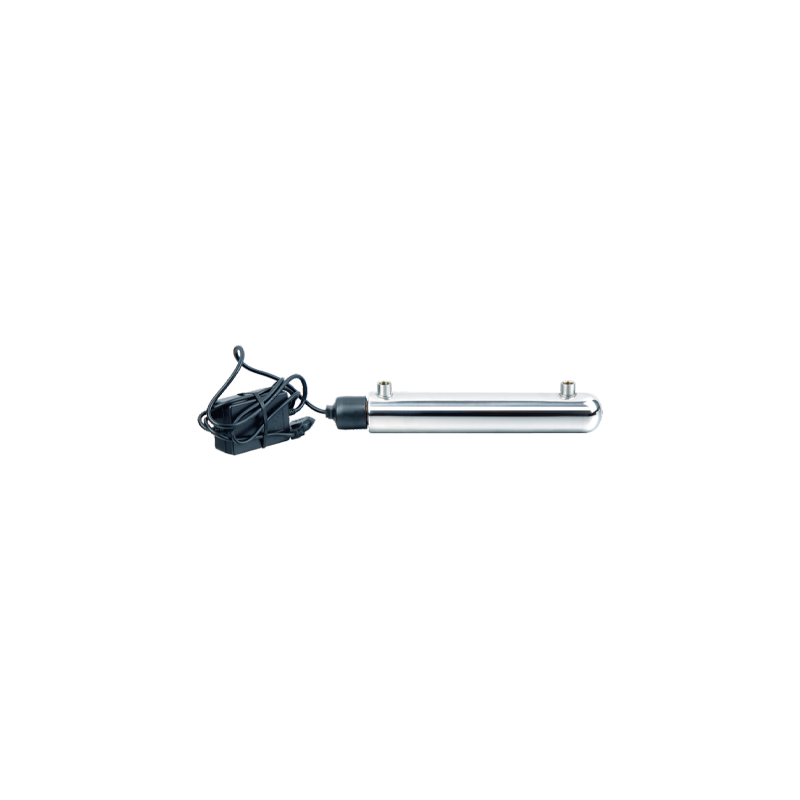 UV11W High-efficiency Intelligent UV Water Sterilizer Cat:Ultraviolet Water Sterilizer
The UV11W High-efficiency Intelligent UV Water Sterilizer is an advanced water purification system that offers convenience and reliability. This steri...
See Details -
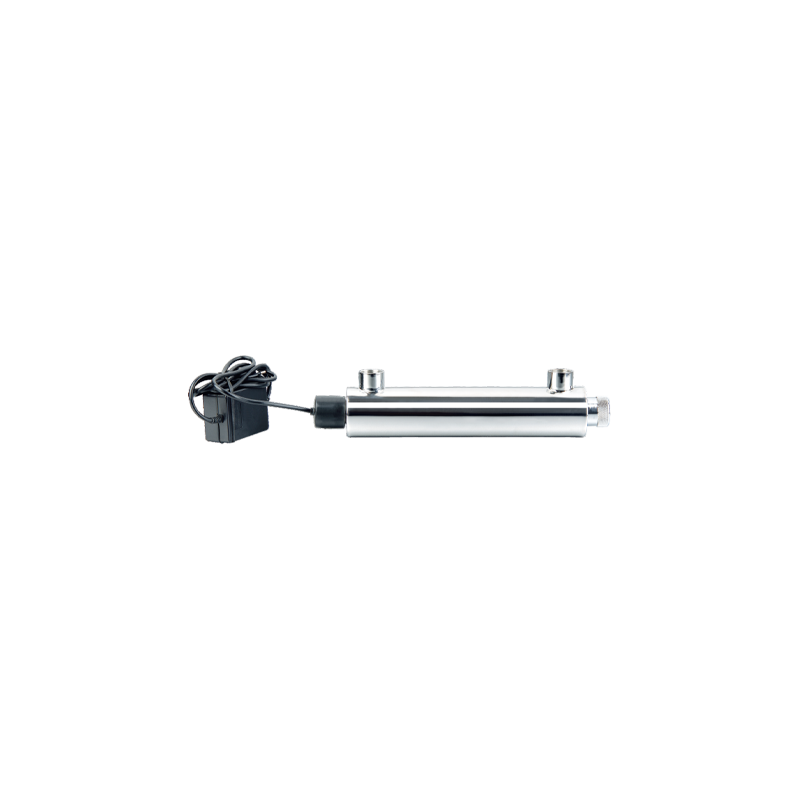 UV16W-A Household Stainless Steel UV Water Sterilizer Cat:Ultraviolet Water Sterilizer
The UV16W-A Household Stainless Steel UV Water Sterilizer is an innovative solution for ensuring safe and pure water in your home. Designed with durab...
See Details -
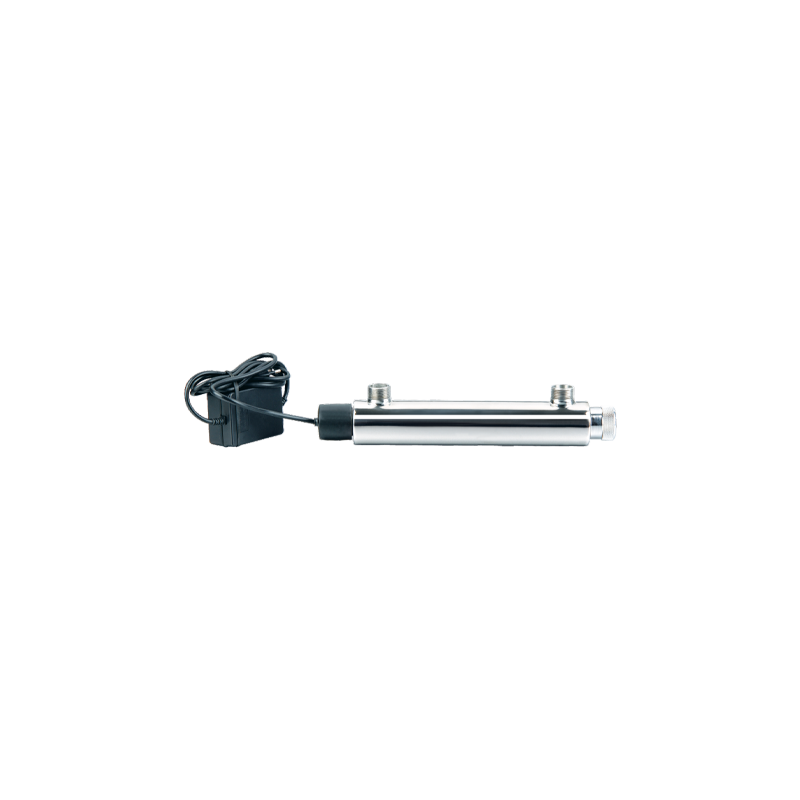 UV16W-B 304 Stainless Steel Water Purifier Ultraviolet Water Sterilizer Cat:Ultraviolet Water Sterilizer
UV16W-B 304 Stainless Steel Water Purifier Ultraviolet Water Sterilizer is an efficient water treatment equipment based on advanced ultraviolet disinf...
See Details -
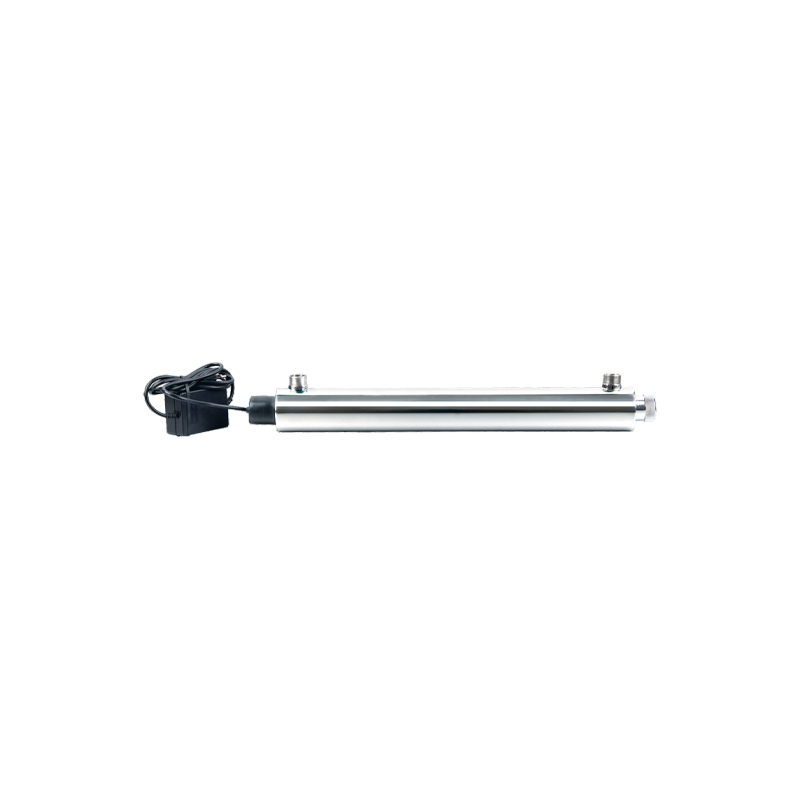 UV25W Stainless Steel Ultrafiltration Pre-Filtration UV Sterilizers For Water Cat:Ultraviolet Water Sterilizer
UV25W Stainless Steel Ultrafiltration Pre-Filtration UV Sterilizers For Water uses high-quality stainless steel materials, which have superb corrosion...
See Details -
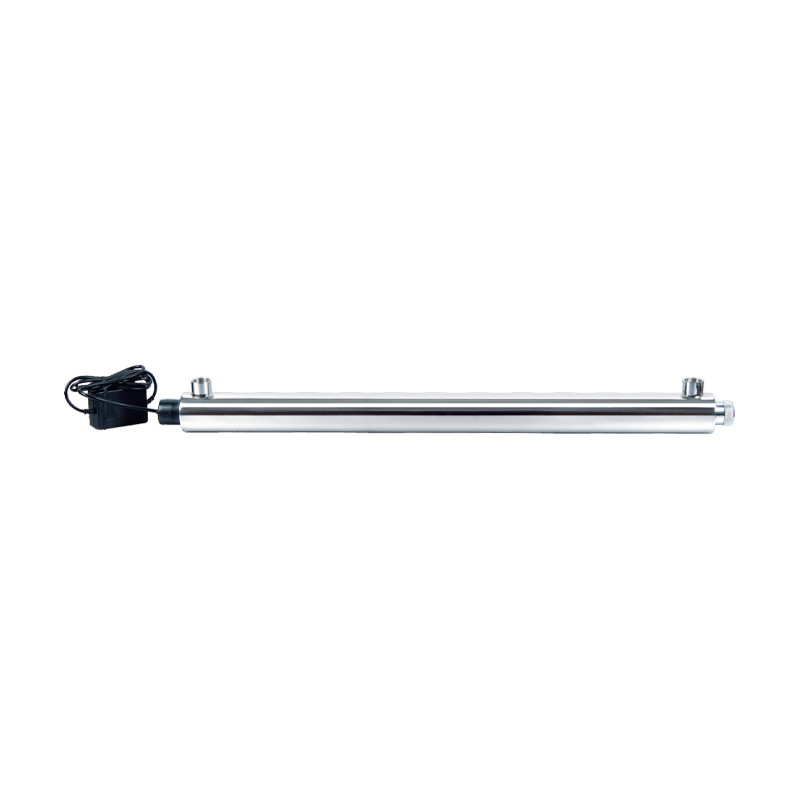 UV30W-55W Automatic Ultraviolet Sterilizer UV Filtration For Drinking Water Cat:Ultraviolet Water Sterilizer
The core advantage of UV30W-55W Automatic Ultraviolet Sterilizer UV Filtration For Drinking Water lies in its efficient and rapid disinfection capabil...
See Details -
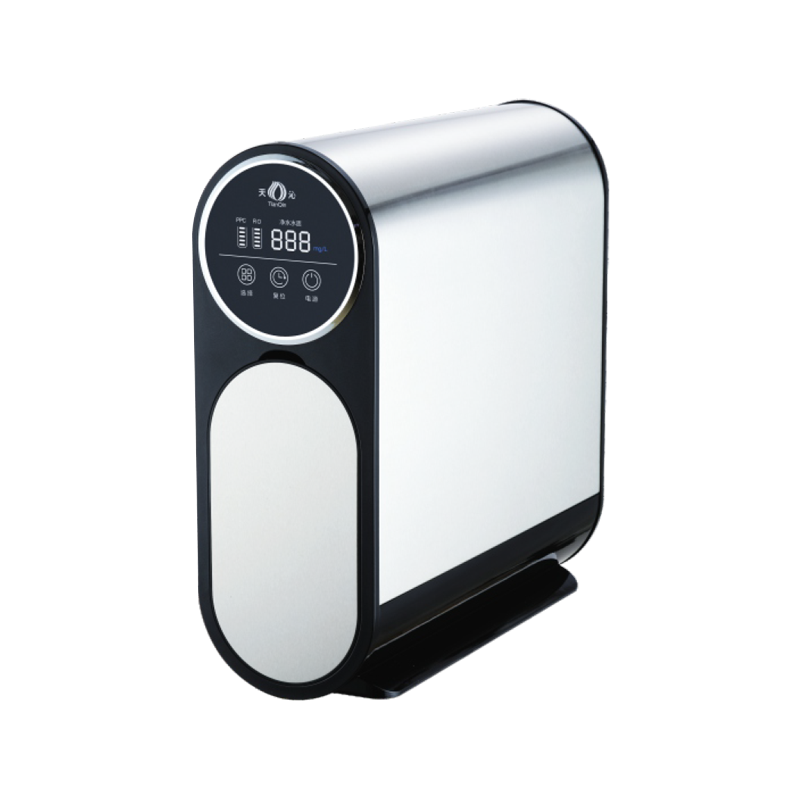 TQ-R03 Stainless Steel Booster Double Water Full Effect RO Water Purifier Cat:Stainless Steel Ro System
TQ-R03 Stainless Steel Booster Double Water Full Effect RO Water Purifier is a household water purification device that combines efficient water purif...
See Details -
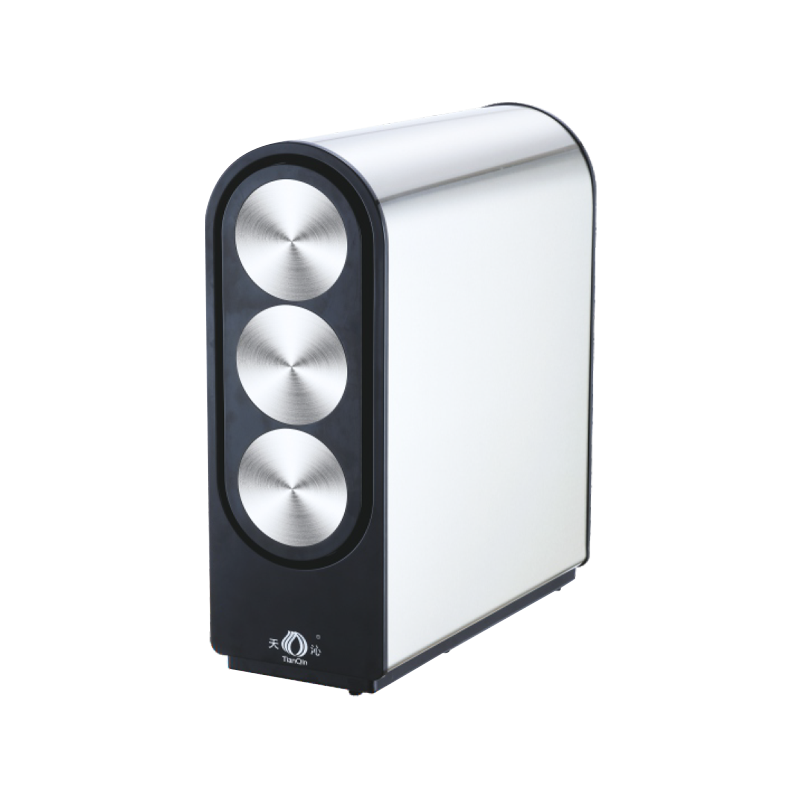 TQ-R05 Multifunctional Water Purification Source RO Water Purifier Cat:Stainless Steel Ro System
The TQ-R05 Multifunctional Water Purification Source RO Water Purifier is an advanced, versatile water purification solution designed for households a...
See Details -
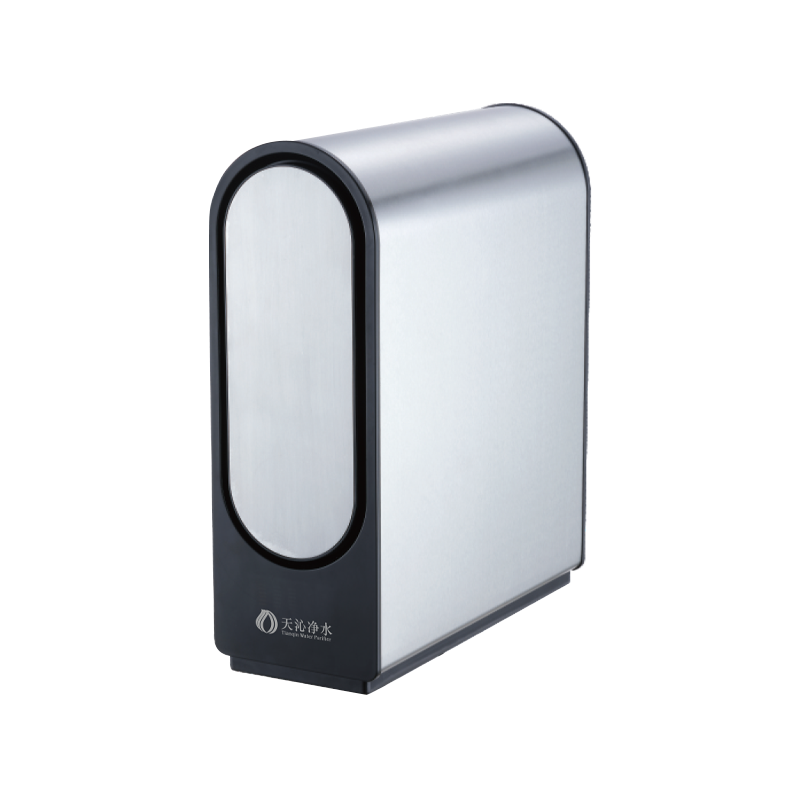 TQ-R06 Stainless Steel Environmentally Friendly RO Water Purifier Cat:Stainless Steel Ro System
The TQ-R06 Stainless Steel Environmentally Friendly RO Water Purifier combines advanced RO filtration technology, durable stainless steel housing, and...
See Details -
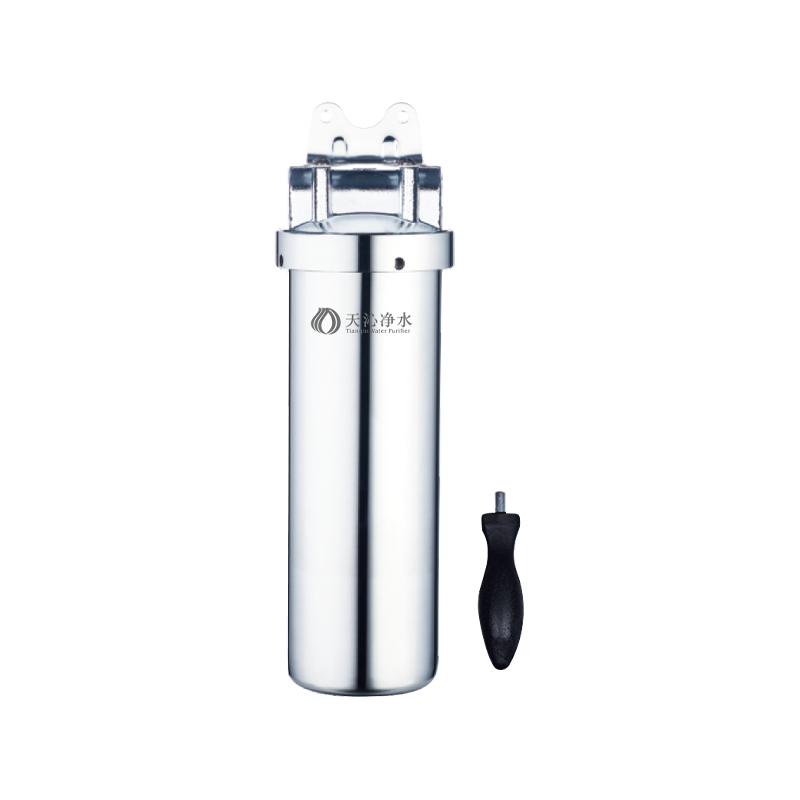 Stainless Steel Pure Double Water Pipe Water Purifier Cat:Stainless Steel Pipeline Water Purifier
The Stainless Steel Pure Double Water Pipe Water Purifier is an advanced water purification system designed to provide dual-mode purified water with e...
See Details -
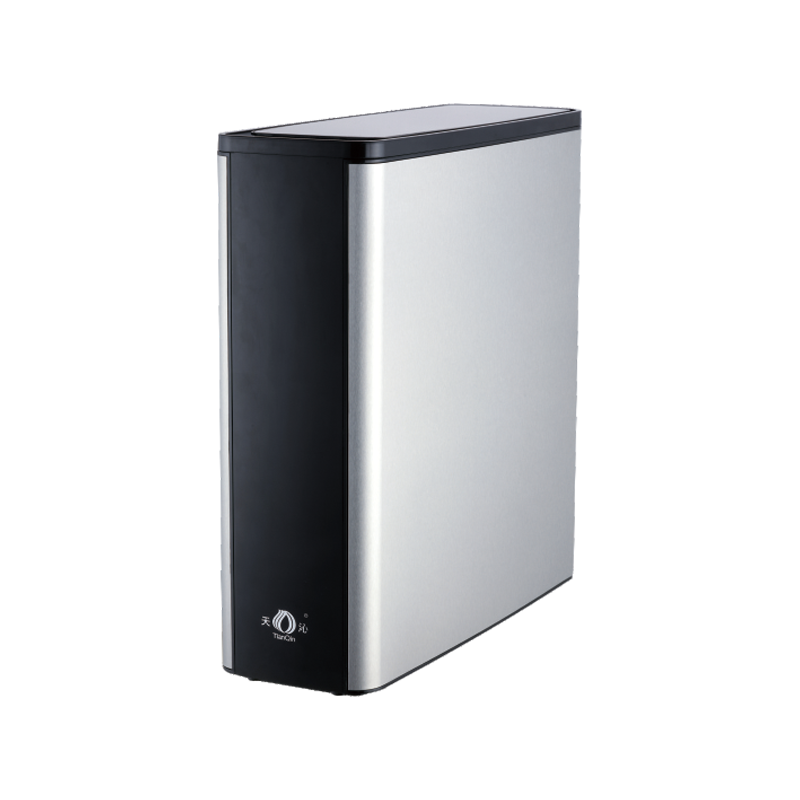 TQ-R08 Stainless Steel High-Flow RO Water Filter Cat:Stainless Steel Ro System
The Stainless Steel High-Flow RO Water Filter (TQ-R08) provides a powerful and effective solution for purifying drinking water, combining advanced rev...
See Details


 +86-0574-62381077/62386875

How a Reverse Osmosis System Works: Step-by-Step Breakdown of the Process
Reverse osmosis has become one of the most widely used technologies for producing clean drinking water, both in homes and in commercial settings. It powers the bottled water industry, supports food processing and pharmaceutical plants, and helps families cope with hard or contaminated water. But how a reverse osmosis system works is often a mystery to the people who rely on it every day. In this guide, we explain the principle, walk through the stages of water treatment, and share what we have learned from more than two decades of manufacturing RO equipment.
Content
What Is Reverse Osmosis?
At its core, reverse osmosis is a water purification process that uses a semi-permeable membrane to separate water from dissolved solids, heavy metals, and other impurities. The membrane is the heart of the system: water molecules pass through it, while most dissolved salts and larger contaminants are held back and flushed away in a concentrated waste stream.
Osmosis vs. Reverse Osmosis
Understanding how a reverse osmosis system works starts with a natural process called osmosis. When two solutions with different concentrations are separated by a semi-permeable membrane, water moves naturally from the less concentrated side toward the more concentrated side. Nature is trying to balance the dissolved solids on both sides of the membrane.
A reverse osmosis system reverses that flow by applying external pressure. Instead of water moving toward the dirtier solution, it is pushed through the membrane in the opposite direction, leaving contaminants behind. In most home systems, the pressure of the municipal water line does the work. In areas with low or fluctuating water pressure, a booster pump keeps the process efficient.
If you want to go deeper into membrane chemistry and system design, our complete guide to how reverse osmosis works explains the technology in more detail.
Key Components of an RO System
A reverse osmosis water purifier is more than a membrane. It is a staged assembly in which every component protects the next one and improves the quality of the finished water. Typical components include:
- Sediment pre-filter: removes sand, rust, silt, and other large particles before they reach the membrane.
- Carbon pre-filter: reduces chlorine and chloramine, which can damage the RO membrane.
- RO membrane: the core separation layer that rejects dissolved solids and most organic contaminants.
- Storage tank: holds purified water in tank-based systems until you open the tap.
- Post-carbon filter: polishes taste and odor after storage.
- Flow restrictor and drain line: control the wastewater stream and carry rejected solutes to the drain.
- Optional booster pump: maintains stable pressure when incoming water pressure fluctuates.
Many stainless steel RO systems integrate these stages into a compact housing. Our TQR01 single and dual water mode smart RO water purifier, for example, combines pre-filtration, membrane separation, and flexible output modes in one under-sink unit, which simplifies installation and service.
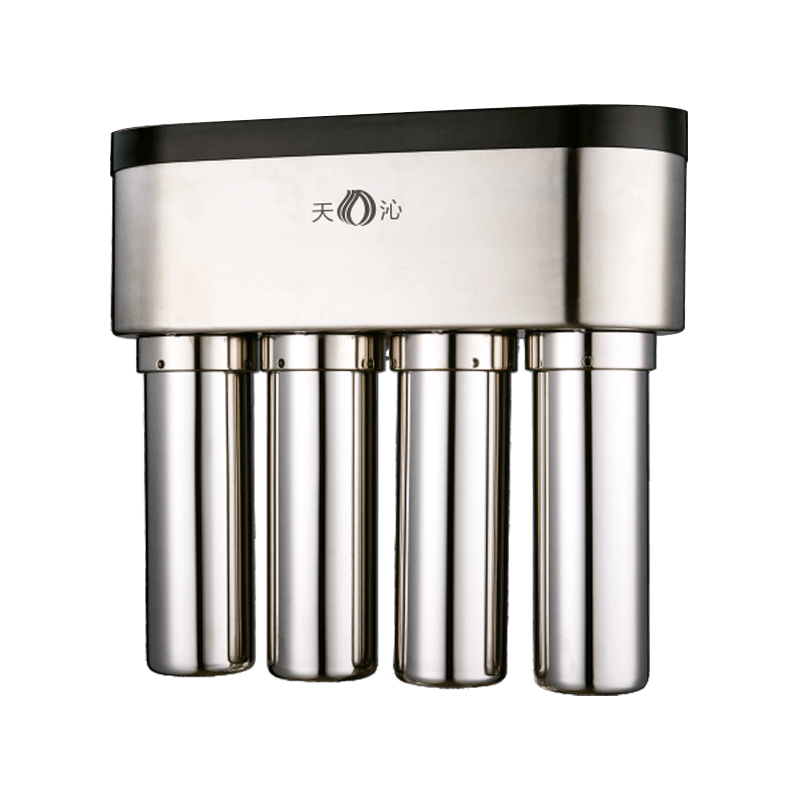 TQ-R01 Smart RO Water Purifier with Single and Dual Water ModesThis under-sink unit combines five-stage filtration with flexible single or dual water outputs, making it a practical choice for kitchens, offices, and tea rooms where installation space and water needs vary.View Product →
How Water Moves Through an RO System, Step by Step
The path water takes through the system can be understood as five steps.
- Pre-filtration. Source water enters the system and passes through sediment and carbon pre-filters. This stage catches particles and removes chlorine so that the membrane operates under clean conditions.
- Reverse osmosis separation. Pressurized water reaches the membrane, where water molecules pass through while dissolved solids, heavy metals, and bacteria are concentrated and rejected.
- Wastewater disposal. A small portion of the feed water flows across the membrane surface and flushes the concentrated contaminants to the drain.
- Storage and delivery. Tank-based systems collect purified water in a pressurized storage tank. When you open the tap, the tank delivers water to the faucet.
- Post-filtration. Before leaving the tap, the water passes through a final carbon filter that removes any residual taste or odor from the storage tank.
What a Reverse Osmosis System Removes
The combination of pre-filters, membrane, and post-filter makes reverse osmosis one of the most thorough treatment methods available for household water. The table below summarizes the categories of contaminants and the stages that reduce them.
| Contaminant category | Typical examples | Reduction stage |
|---|---|---|
| Sediment and particles | Sand, rust, silt | Sediment pre-filter plus membrane |
| Heavy metals | Lead, mercury, arsenic | RO membrane and carbon filters |
| Dissolved salts | Sodium, chloride, hardness minerals | RO membrane |
| Microorganisms | Bacteria, viruses, cysts | RO membrane physical exclusion |
| Organic chemicals | Pesticides, VOCs, chlorine by-products | Carbon filters plus membrane |
| Taste and odor compounds | Chlorine, earthy or metallic tastes | Carbon pre-filter and post-filter |
No single stage removes everything, which is why the layered design matters. The membrane does the heavy lifting, while the surrounding filters protect it and improve the final taste.
Why Stainless Steel Matters in an RO System
Because reverse osmosis systems work under pressure and stay in constant contact with water, the housing material directly affects durability, hygiene, and long-term performance. Stainless steel resists corrosion better than plastic, especially when the feed water contains chlorine or moderate levels of dissolved salts. It also handles temperature swings and pressure changes without warping or cracking.
In our experience manufacturing stainless steel RO systems for export to markets around the world, the housing is not a cosmetic detail. A rigid, corrosion-resistant body keeps the membrane and cartridges properly sealed, which helps the system maintain consistent filtration performance for years.
For a full comparison of configurations, capacities, and benefits, see our stainless steel RO system benefits, types, and buying guide.
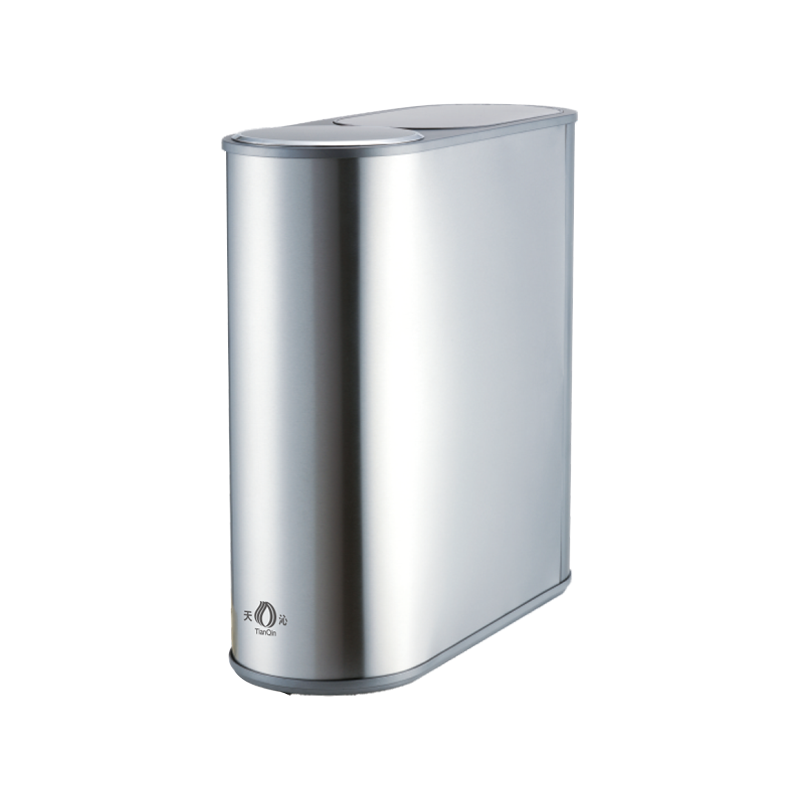 TQ-R09 Dual-Mode Stainless Steel RO Water Filter with Self-PrimingBuilt with a durable stainless steel housing and dual water modes, this model reduces TDS in the first cup and offers self-priming pressurization, suited for residential and commercial use with flow options from 400G to 800G.View Product →
Maintenance and Filter Replacement
How often an RO system needs attention depends on the quality of the incoming water and the volume of water used every day. Pre-filters generally need replacement every six to twelve months. The RO membrane lasts two to three years in most residential installations, and often longer when the pre-filters are replaced on schedule.
| Component | Typical interval | Notes |
|---|---|---|
| Sediment pre-filter | 6-12 months | Replace earlier if pressure drops noticeably |
| Carbon pre-filter | 6-12 months | Protects the membrane from chlorine damage |
| RO membrane | 2-3 years | Core separation element; monitor TDS to confirm |
| Post-carbon filter | 6-12 months | Final taste and odor polishing before the tap |
Smart and dual-mode RO systems often include filter life indicators, which remove the guesswork from maintenance. Following the manufacturer's recommended schedule prevents clogging, protects the membrane, and keeps water quality consistent.
Choosing the Right RO System
The right system for your home depends on your source water, the space available under the sink or on the countertop, and the daily demand for purified water. If your water pressure fluctuates, look for a model with a built-in constant-pressure design or a booster pump. If under-sink space is limited, a tankless system is a practical option. If you want flexibility, consider a dual-water model that lets you choose between lightly filtered water and fully purified water from the same faucet.
The TQR14 high-efficiency tankless reverse osmosis water purifier is a good example of a space-saving design: it delivers a high flow rate without a storage tank and suits kitchens where space is tight.
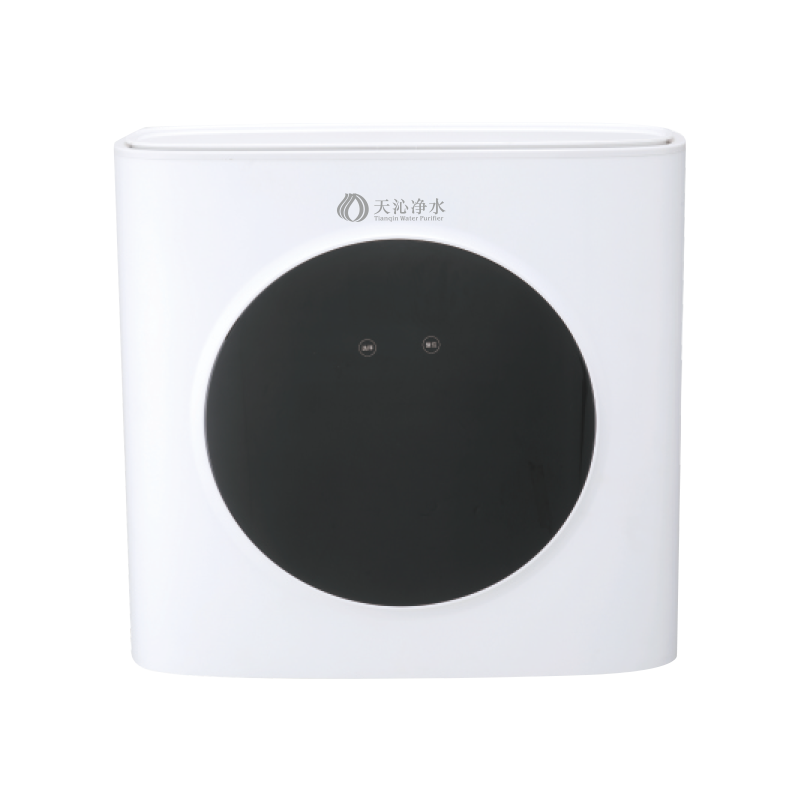 TQ-R14 Tankless High-Efficiency RO Water PurifierA space-saving tankless design delivers purified water on demand with a high flow rate, integrating an LED display and filter life prompts, ideal for tight kitchen spaces without the need for a storage tank.View Product →
Reverse osmosis remains one of the most reliable ways to protect everyday drinking water. It works by combining a simple natural principle with well-engineered hardware. When pre-filters, the membrane, and post-filters are maintained on schedule, a quality RO system delivers clean, consistent water for years. Whether you are equipping a family kitchen, a commercial pantry, or a restaurant, knowing how a reverse osmosis system works helps you choose the right equipment and keep it running efficiently.
-
 Tel: +86-0574-62381077/62386875
-
 E-mail: leozhanglei@nbtianqin.net
-
 Add: Wuma Industrial Zone, Lubu Town, Yuyao City, Zhejiang Province, China.
Copyright © 2024 by Yuyao Tianqin Water Purification Equipment Co..Ltd.
All Rights Reserved.
 Wholesale Water Purifier Manufacturers

