 English
 中文简体
中文简体-
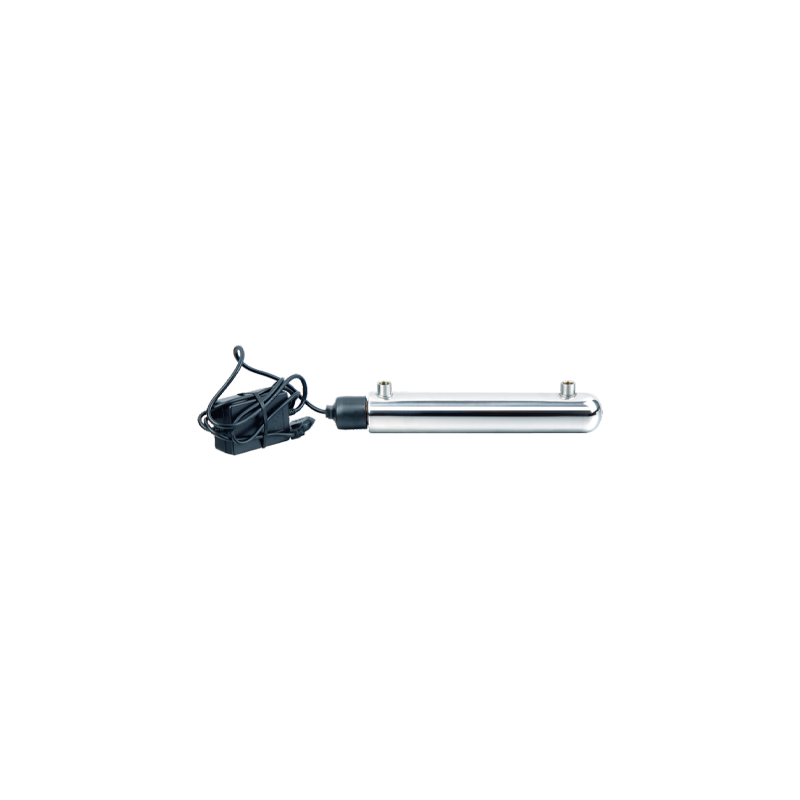 UV11W High-efficiency Intelligent UV Water Sterilizer Cat:Ultraviolet Water Sterilizer
The UV11W High-efficiency Intelligent UV Water Sterilizer is an advanced water purification system that offers convenience and reliability. This steri...
See Details -
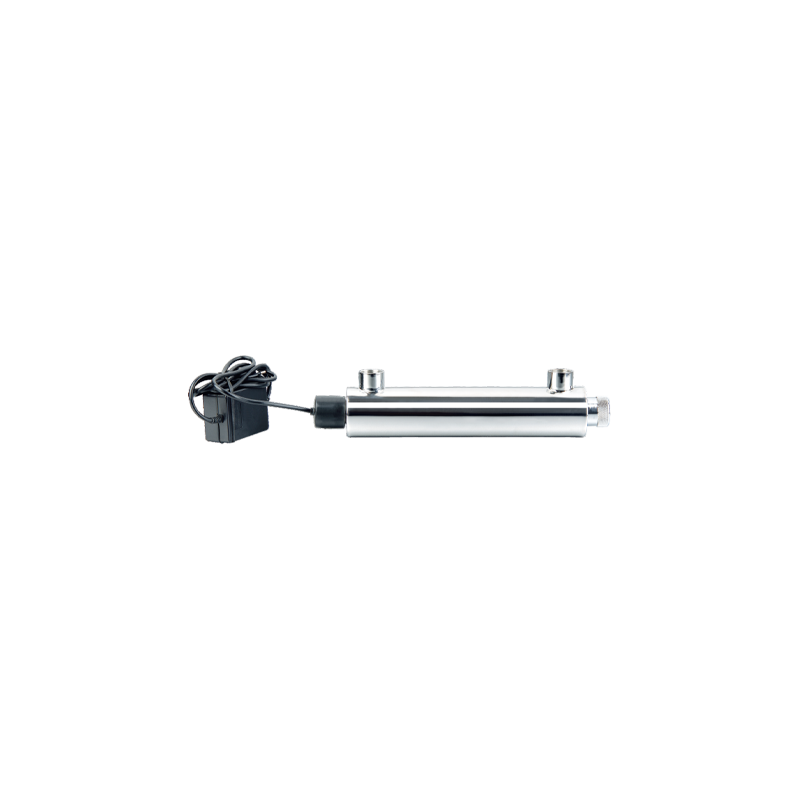 UV16W-A Household Stainless Steel UV Water Sterilizer Cat:Ultraviolet Water Sterilizer
The UV16W-A Household Stainless Steel UV Water Sterilizer is an innovative solution for ensuring safe and pure water in your home. Designed with durab...
See Details -
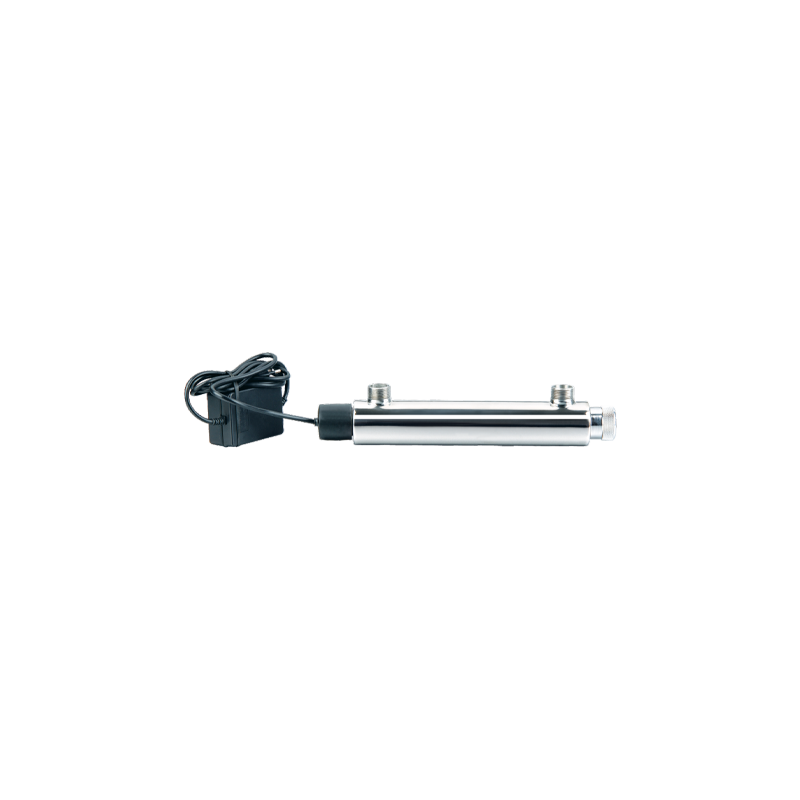 UV16W-B 304 Stainless Steel Water Purifier Ultraviolet Water Sterilizer Cat:Ultraviolet Water Sterilizer
UV16W-B 304 Stainless Steel Water Purifier Ultraviolet Water Sterilizer is an efficient water treatment equipment based on advanced ultraviolet disinf...
See Details -
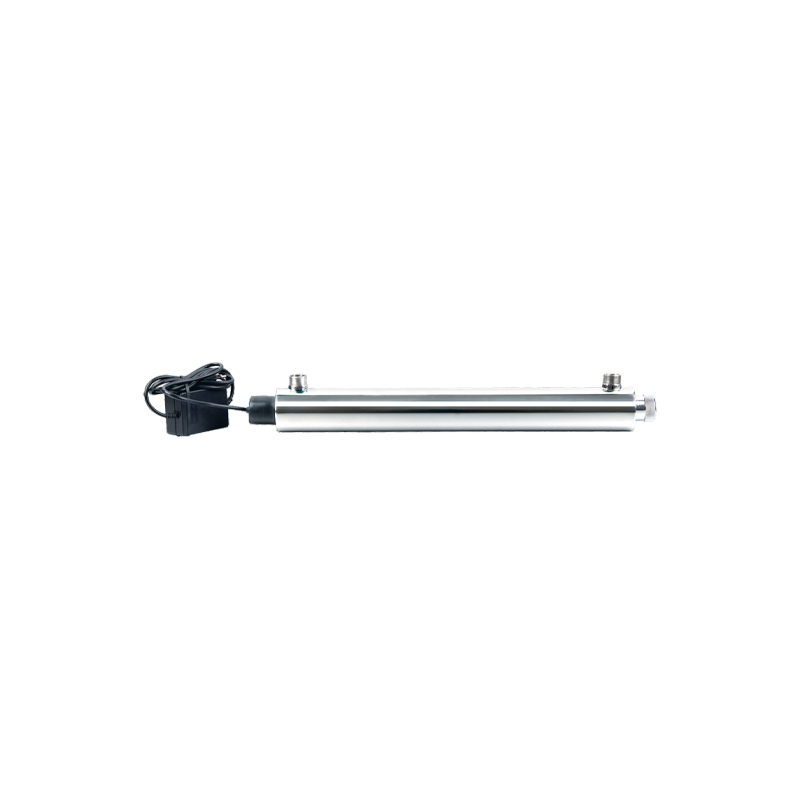 UV25W Stainless Steel Ultrafiltration Pre-Filtration UV Sterilizers For Water Cat:Ultraviolet Water Sterilizer
UV25W Stainless Steel Ultrafiltration Pre-Filtration UV Sterilizers For Water uses high-quality stainless steel materials, which have superb corrosion...
See Details -
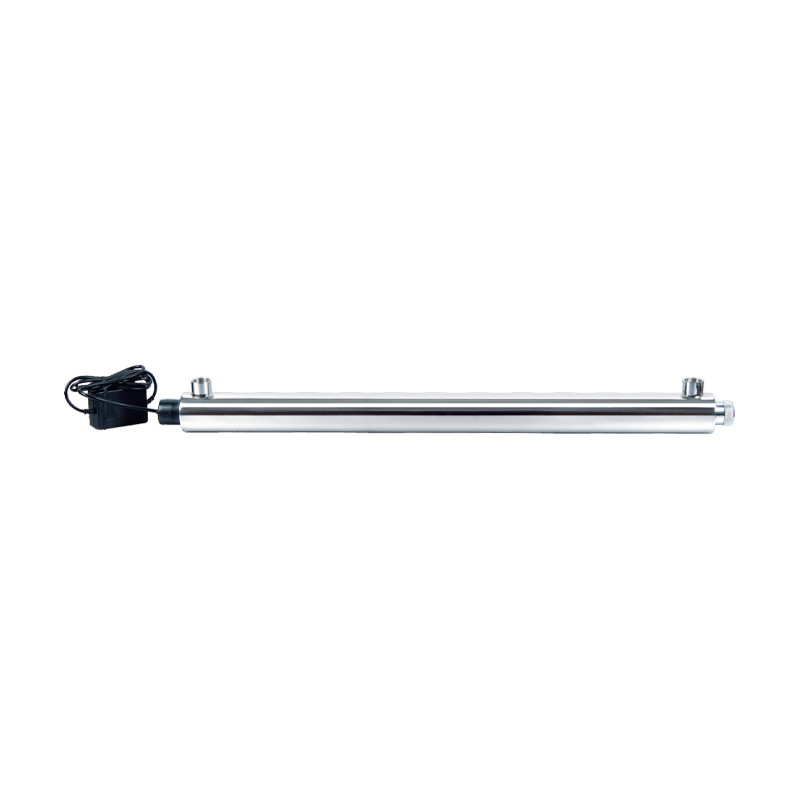 UV30W-55W Automatic Ultraviolet Sterilizer UV Filtration For Drinking Water Cat:Ultraviolet Water Sterilizer
The core advantage of UV30W-55W Automatic Ultraviolet Sterilizer UV Filtration For Drinking Water lies in its efficient and rapid disinfection capabil...
See Details -
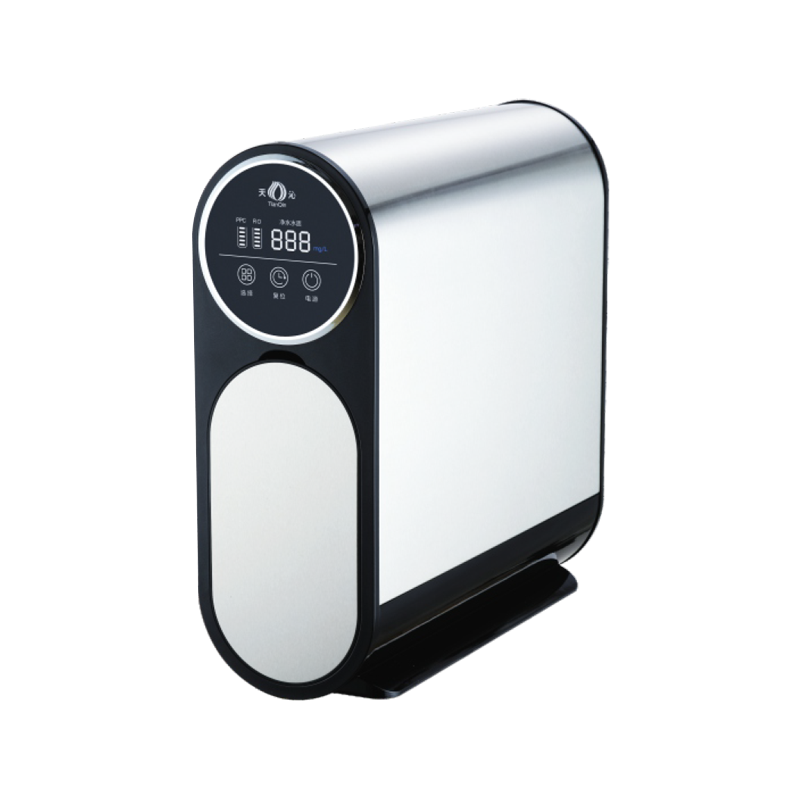 TQ-R03 Stainless Steel Booster Double Water Full Effect RO Water Purifier Cat:Stainless Steel Ro System
TQ-R03 Stainless Steel Booster Double Water Full Effect RO Water Purifier is a household water purification device that combines efficient water purif...
See Details -
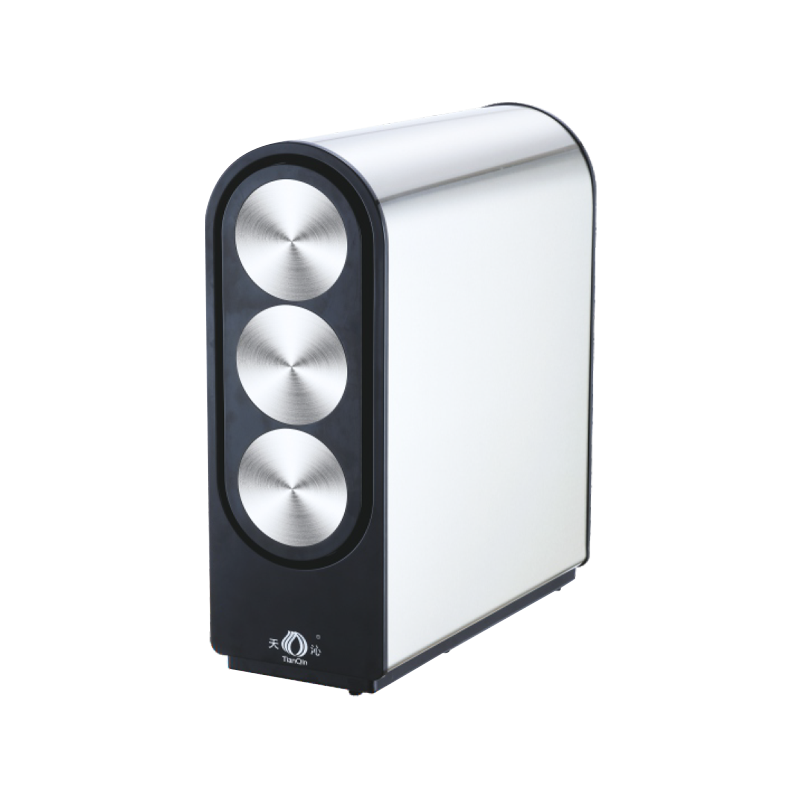 TQ-R05 Multifunctional Water Purification Source RO Water Purifier Cat:Stainless Steel Ro System
The TQ-R05 Multifunctional Water Purification Source RO Water Purifier is an advanced, versatile water purification solution designed for households a...
See Details -
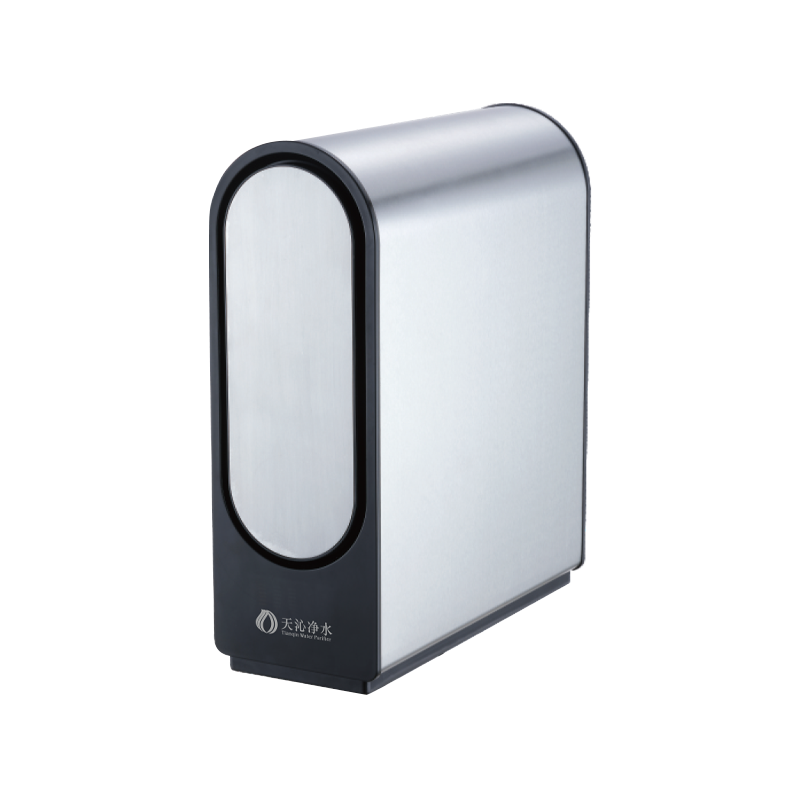 TQ-R06 Stainless Steel Environmentally Friendly RO Water Purifier Cat:Stainless Steel Ro System
The TQ-R06 Stainless Steel Environmentally Friendly RO Water Purifier combines advanced RO filtration technology, durable stainless steel housing, and...
See Details -
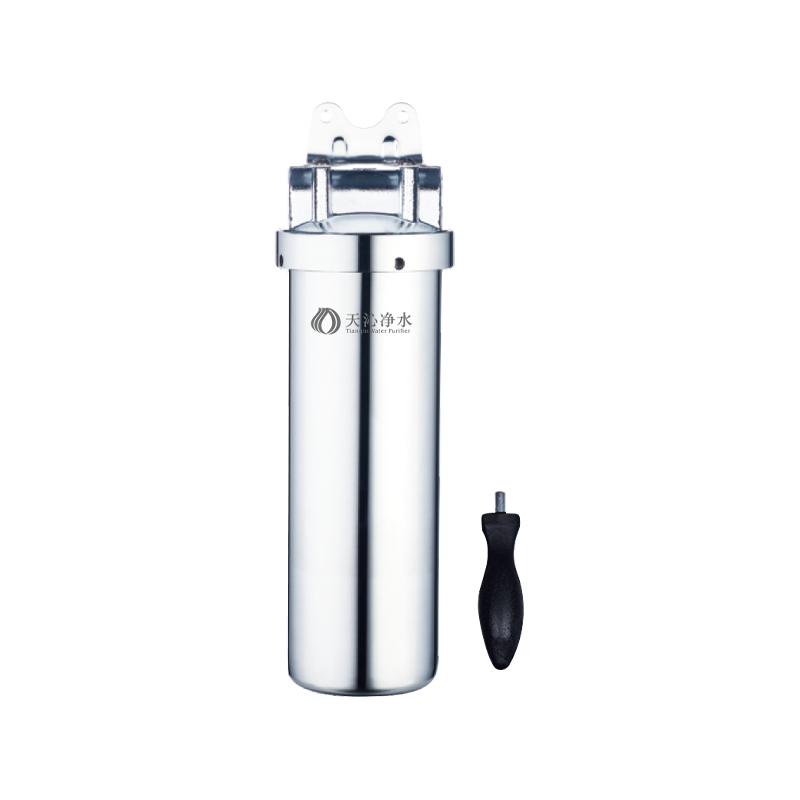 Stainless Steel Pure Double Water Pipe Water Purifier Cat:Stainless Steel Pipeline Water Purifier
The Stainless Steel Pure Double Water Pipe Water Purifier is an advanced water purification system designed to provide dual-mode purified water with e...
See Details -
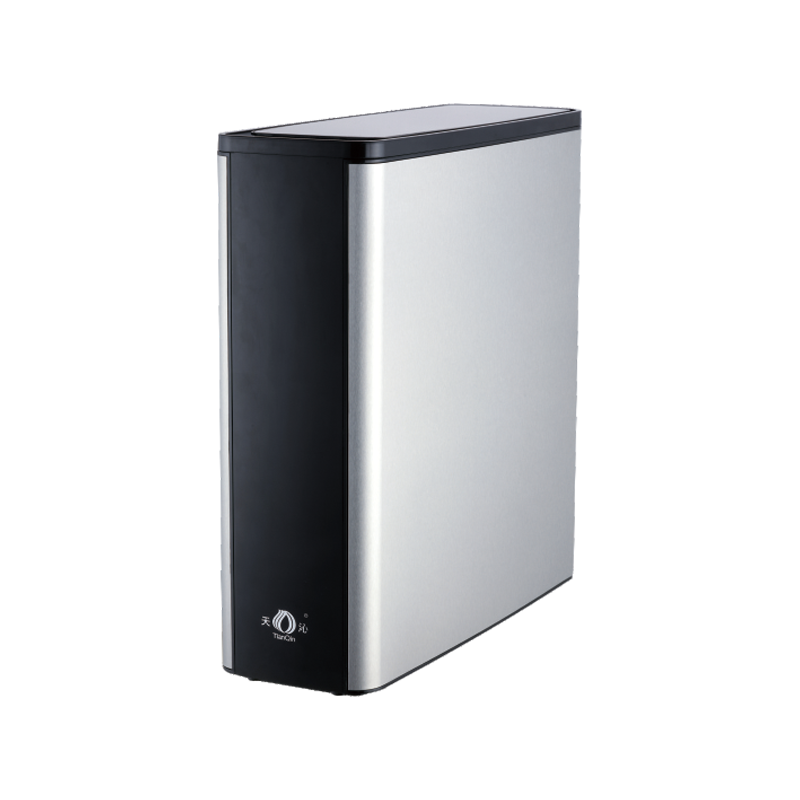 TQ-R08 Stainless Steel High-Flow RO Water Filter Cat:Stainless Steel Ro System
The Stainless Steel High-Flow RO Water Filter (TQ-R08) provides a powerful and effective solution for purifying drinking water, combining advanced rev...
See Details


 +86-0574-62381077/62386875

Stainless Steel RO System: Benefits, Types & Buying Guide
Content
- 1 What Is a Stainless Steel RO System and Why It Matters
- 2 Key Benefits of Choosing a Stainless Steel RO System
- 3 Stainless Steel vs. Plastic RO Systems: A Direct Comparison
- 4 Types of Stainless Steel RO Systems Available
- 5 What to Look for When Buying a Stainless Steel RO System
- 6 Installation and Maintenance of Stainless Steel RO Systems
- 7 Top Stainless Steel RO System Recommendations by Category
- 8 Common Misconceptions About Stainless Steel RO Systems
- 9 Who Should Prioritize a Stainless Steel RO System
What Is a Stainless Steel RO System and Why It Matters
A stainless steel reverse osmosis (RO) system is a water purification unit where the housing, tank, and key components are constructed from food-grade stainless steel rather than conventional plastic. The bottom line: stainless steel RO systems eliminate the risk of plastic leaching, last significantly longer, and deliver consistently cleaner water—making them the superior choice for health-conscious households and commercial applications alike.
Standard RO systems use plastic membranes, tanks, and fittings that can degrade over time, potentially introducing BPA, microplastics, or off-flavors into purified water. Stainless steel eliminates these concerns entirely while adding structural durability that plastic simply cannot match. For anyone investing in long-term water quality, the upgrade is worth serious consideration.
Key Benefits of Choosing a Stainless Steel RO System
Understanding the practical advantages helps explain why stainless steel models command a premium price and a loyal user base.
No Chemical Leaching or Plastic Contamination
Plastic storage tanks—especially older models—can leach BPA, phthalates, and microplastics into stored water, particularly when exposed to heat or sunlight. Food-grade 304 or 316 stainless steel is chemically inert, meaning it does not react with water under normal conditions and introduces no foreign compounds. This is especially critical for RO-purified water, which is more aggressive at absorbing contaminants from container surfaces due to its low mineral content.
Superior Durability and Lifespan
Plastic RO tanks typically last 5–8 years before developing cracks, bladder failures, or structural degradation. Stainless steel systems routinely last 15–20+ years with proper maintenance. The metal resists impact, temperature extremes, and corrosion, resulting in a lower total cost of ownership despite higher upfront investment.
Hygienic and Easy to Sanitize
Stainless steel's non-porous surface inhibits bacterial biofilm formation. Studies from food processing industries confirm that smooth stainless steel surfaces harbor up to 99% fewer bacteria than textured plastic under equivalent conditions. This is especially relevant in under-sink RO tanks where cleaning access is limited.
Aesthetic and Environmental Value
Stainless steel systems have a clean, premium appearance that suits both residential kitchens and commercial environments. From a sustainability perspective, stainless steel is 100% recyclable at end of life—a significant advantage over plastic components that typically end up in landfills.
Stainless Steel vs. Plastic RO Systems: A Direct Comparison
The table below summarizes the most important differences between stainless steel and plastic RO systems across practical performance criteria.
| Feature | Stainless Steel RO System | Plastic RO System |
|---|---|---|
| Lifespan | 15–20+ years | 5–8 years |
| Chemical Leaching | None | Possible (BPA, microplastics) |
| Bacterial Resistance | Excellent (non-porous) | Moderate (porous over time) |
| Impact Resistance | High | Low to Moderate |
| Upfront Cost | $200–$800+ | $50–$300 |
| Recyclability | 100% | Limited |
| Aesthetic Appeal | Premium | Functional |
Types of Stainless Steel RO Systems Available
Stainless steel RO systems come in several configurations, each suited to different use cases and installation environments.
Under-Sink Stainless Steel RO Systems
The most common residential setup, these systems install below the kitchen sink and connect to a dedicated faucet. Stainless steel versions replace the standard pressurized plastic bladder tank with a stainless steel tank—typically ranging from 2 to 4 gallons in capacity. Brands like iSpring and APEC offer hybrid models with stainless steel tanks paired with standard filter housings.
Countertop Stainless Steel RO Systems
Countertop models require no permanent installation and are popular in rentals or shared spaces. Fully stainless steel countertop RO units—such as those from Bluevua or SimPure—are compact, portable, and produce 50–75 gallons per day (GPD) in most consumer models. These are ideal for users who want flexibility without sacrificing water quality.
Commercial and Industrial Stainless Steel RO Systems
For restaurants, laboratories, and manufacturing facilities, commercial-grade stainless steel RO systems handle output from 200 GPD to over 10,000 GPD. These systems feature fully welded stainless steel frames, high-pressure pumps, and multi-stage filtration. They meet NSF/ANSI 58 and food-grade compliance standards required for regulated industries.
Tankless Stainless Steel RO Systems
A newer category, tankless RO systems eliminate the storage tank entirely by using a booster pump to deliver water on demand. While the housing is often plastic, some premium models incorporate stainless steel filter housings and internal flow paths. These systems avoid stagnant water storage issues entirely, producing fresh RO water in real time.
What to Look for When Buying a Stainless Steel RO System
Not all products marketed as "stainless steel RO systems" are equal. Use this checklist to evaluate options critically before purchasing.
- Steel grade: Look for 304 or 316 stainless steel. Grade 316 offers better corrosion resistance and is preferred for high-mineral or slightly acidic water sources.
- NSF/ANSI certification: NSF/ANSI 58 certifies the system for TDS reduction; NSF/ANSI 372 covers lead-free construction. Both certifications should be present on any legitimate system.
- Filter stage count: Most quality stainless steel RO systems use 5–7 stages, including sediment, carbon block, RO membrane, and post-carbon or remineralization filters.
- Rejection rate: A good RO membrane rejects 95–99% of dissolved solids, including heavy metals, fluoride, nitrates, and chlorine byproducts.
- Water efficiency ratio: Older RO systems waste 3–4 gallons per gallon produced. Modern high-efficiency systems achieve ratios of 1:1 or 2:1, significantly reducing water waste.
- Tank capacity vs. demand: For a family of four, a minimum 3-gallon stainless steel tank is recommended to ensure adequate supply without constant pump cycling.
- Warranty: Reputable brands offer 1–5 year warranties on the system and 6–12 months on filters. Lifetime warranties on the stainless steel tank itself are available from some manufacturers.
Installation and Maintenance of Stainless Steel RO Systems
Proper installation and routine maintenance are essential for maximizing performance and protecting your investment.
Installation Steps for Under-Sink Models
- Shut off the cold water supply valve under the sink.
- Install the feed water adapter onto the cold water line using the included saddle valve or push-fit connector.
- Mount the filter assembly inside the cabinet using the provided bracket.
- Connect the stainless steel storage tank to the system's product water line.
- Drill a hole in the sink or countertop for the dedicated RO faucet (typically requires a 1⅜-inch hole).
- Connect the drain line to the sink drain pipe using the drain saddle clamp.
- Flush the system for 2–3 full tank cycles before consuming water to clear manufacturing residues.
Ongoing Maintenance Schedule
Even the most durable stainless steel system requires regular filter replacement to maintain performance:
- Every 6–12 months: Replace sediment and carbon pre-filters. Clogged pre-filters reduce flow rate and accelerate membrane fouling.
- Every 2–3 years: Replace the RO membrane. Test with a TDS meter—if rejection drops below 85%, replacement is overdue.
- Annually: Sanitize the stainless steel tank using a food-safe hydrogen peroxide solution (3%) to prevent any microbial buildup.
- Every 3–5 years: Inspect fittings, tubing, and pressure gauges for wear. Stainless steel components rarely need replacement but fittings may.
Top Stainless Steel RO System Recommendations by Category
Based on verified performance data, certifications, and user feedback, the following systems represent strong options across different use cases.
| Category | Recommended System | Key Spec | Approx. Price |
|---|---|---|---|
| Best Under-Sink | iSpring RCC7AK-SS | 75 GPD, 7-stage, SS tank | ~$280 |
| Best Countertop | Bluevua RO100ROPOT-LITE | 3.2L SS tank, 4-stage | ~$180 |
| Best for Families | APEC ROES-PH75 | 75 GPD, pH+ remineralization | ~$220 |
| Best Commercial | Watts Premier WP-4V | SS frame, 400 GPD | ~$650+ |
Common Misconceptions About Stainless Steel RO Systems
Several persistent myths discourage buyers from upgrading. Here is what the evidence actually shows.
"Stainless Steel Adds a Metallic Taste to Water"
This is false when food-grade 304 or 316 steel is used. Metallic taste in water is caused by iron or manganese contamination, not by stainless steel surfaces. In blind taste tests, water stored in food-grade stainless steel is indistinguishable from water stored in glass.
"RO Water Corrodes Stainless Steel Tanks"
RO water is low in minerals and slightly aggressive, but grade 316 stainless steel is specifically designed for use with low-TDS and mildly acidic fluids. It is widely used in pharmaceutical and food processing equipment under far more demanding conditions than household water storage. Proper grade selection eliminates this concern.
"The Higher Price Isn't Worth It"
When calculated over a 10-year period, a stainless steel RO system often costs less than replacing a plastic system twice. A $280 stainless steel system with $60/year in filter replacements totals approximately $880 over 10 years—comparable or lower than buying two plastic systems at $150 each plus their ongoing filter costs. The health benefits and recyclability add further value beyond the financial calculation.
Who Should Prioritize a Stainless Steel RO System
While stainless steel RO systems are beneficial for most users, they are especially important for the following groups:
- Families with infants or young children, where eliminating any risk of plastic leaching is a non-negotiable health priority.
- People with autoimmune conditions or chemical sensitivities who require the purest possible water without secondary contamination sources.
- Commercial food and beverage operators who need to meet health code standards and maintain consistent water quality for recipes and equipment.
- Long-term homeowners looking to make a one-time investment in infrastructure rather than replacing equipment every several years.
- Environmentally conscious consumers who want to minimize plastic waste and ensure end-of-life recyclability of their appliances.
For users in short-term rentals or those on tight budgets, a quality plastic RO system with regular maintenance can still provide good results. However, anyone prioritizing health, longevity, and total value should default to stainless steel as the clear upgrade path.
-
 Tel: +86-0574-62381077/62386875
-
 E-mail: leozhanglei@nbtianqin.net
-
 Add: Wuma Industrial Zone, Lubu Town, Yuyao City, Zhejiang Province, China.
Copyright © 2024 by Yuyao Tianqin Water Purification Equipment Co..Ltd.
All Rights Reserved.
 Wholesale Water Purifier Manufacturers

