 English
 中文简体
中文简体-
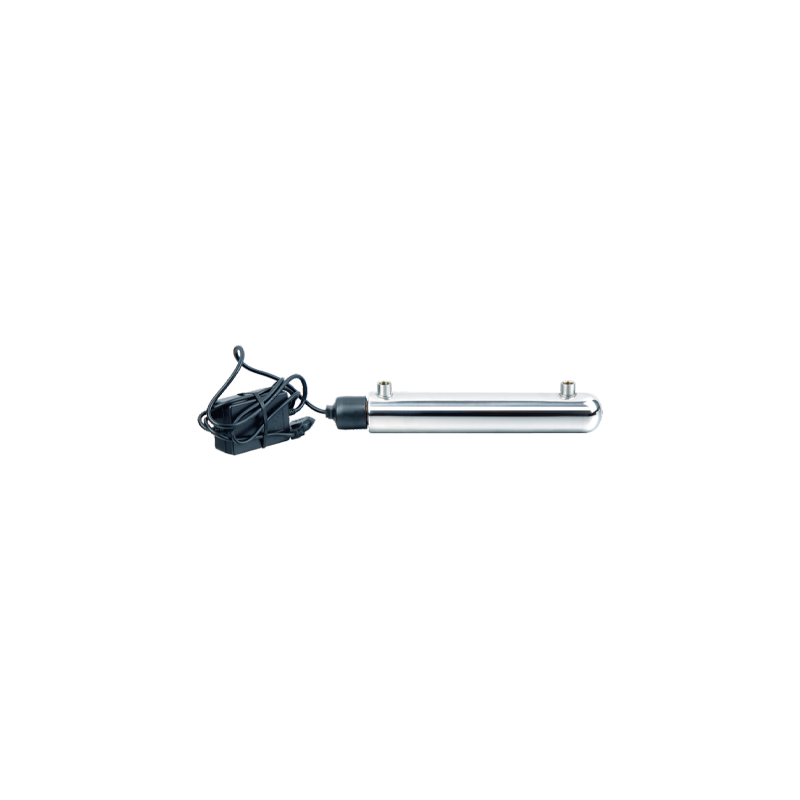 UV11W High-efficiency Intelligent UV Water Sterilizer Cat:Ultraviolet Water Sterilizer
The UV11W High-efficiency Intelligent UV Water Sterilizer is an advanced water purification system that offers convenience and reliability. This steri...
See Details -
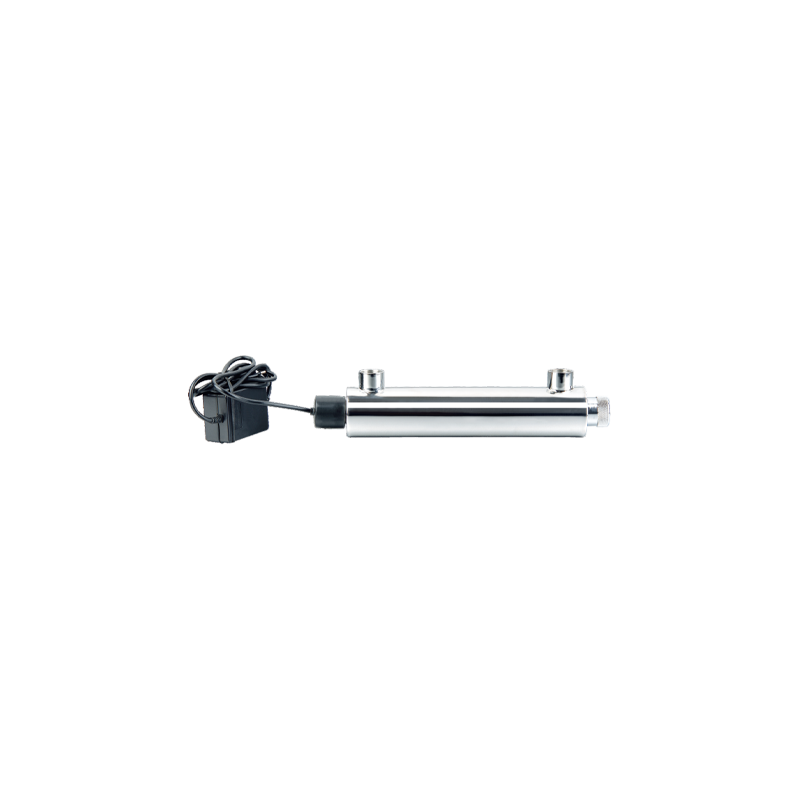 UV16W-A Household Stainless Steel UV Water Sterilizer Cat:Ultraviolet Water Sterilizer
The UV16W-A Household Stainless Steel UV Water Sterilizer is an innovative solution for ensuring safe and pure water in your home. Designed with durab...
See Details -
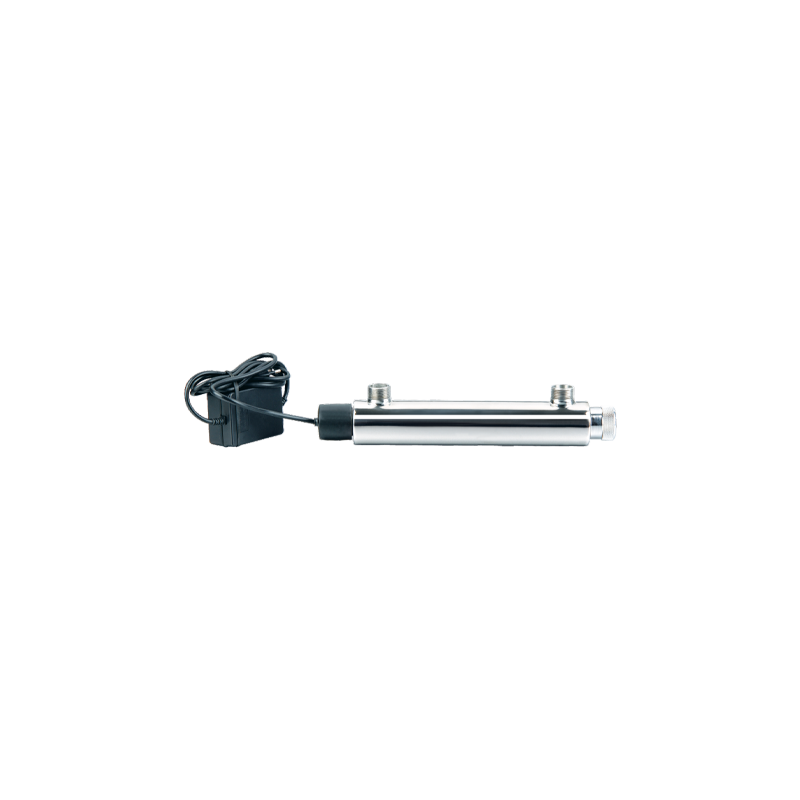 UV16W-B 304 Stainless Steel Water Purifier Ultraviolet Water Sterilizer Cat:Ultraviolet Water Sterilizer
UV16W-B 304 Stainless Steel Water Purifier Ultraviolet Water Sterilizer is an efficient water treatment equipment based on advanced ultraviolet disinf...
See Details -
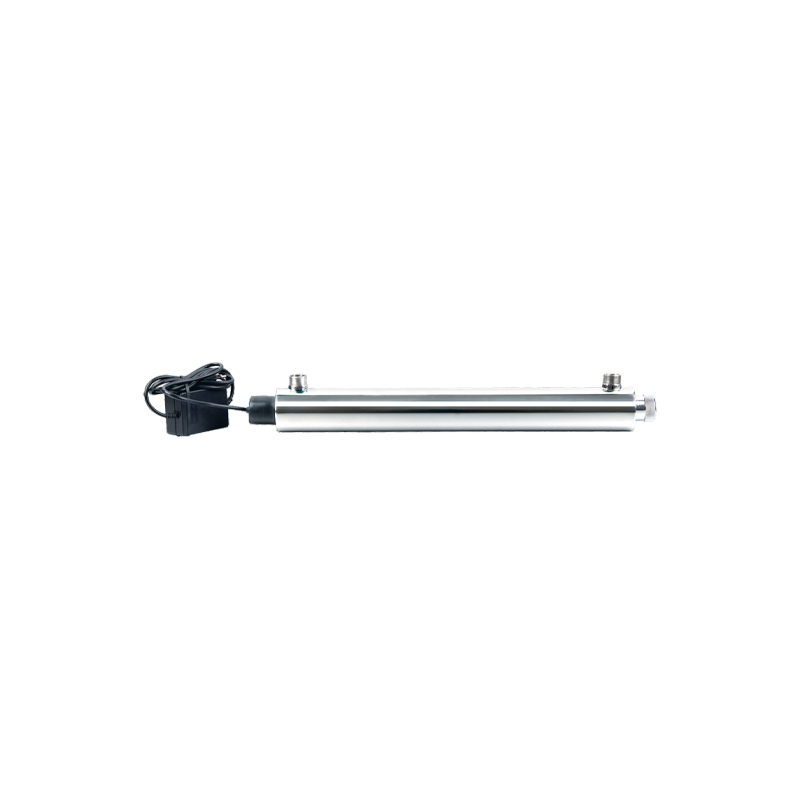 UV25W Stainless Steel Ultrafiltration Pre-Filtration UV Sterilizers For Water Cat:Ultraviolet Water Sterilizer
UV25W Stainless Steel Ultrafiltration Pre-Filtration UV Sterilizers For Water uses high-quality stainless steel materials, which have superb corrosion...
See Details -
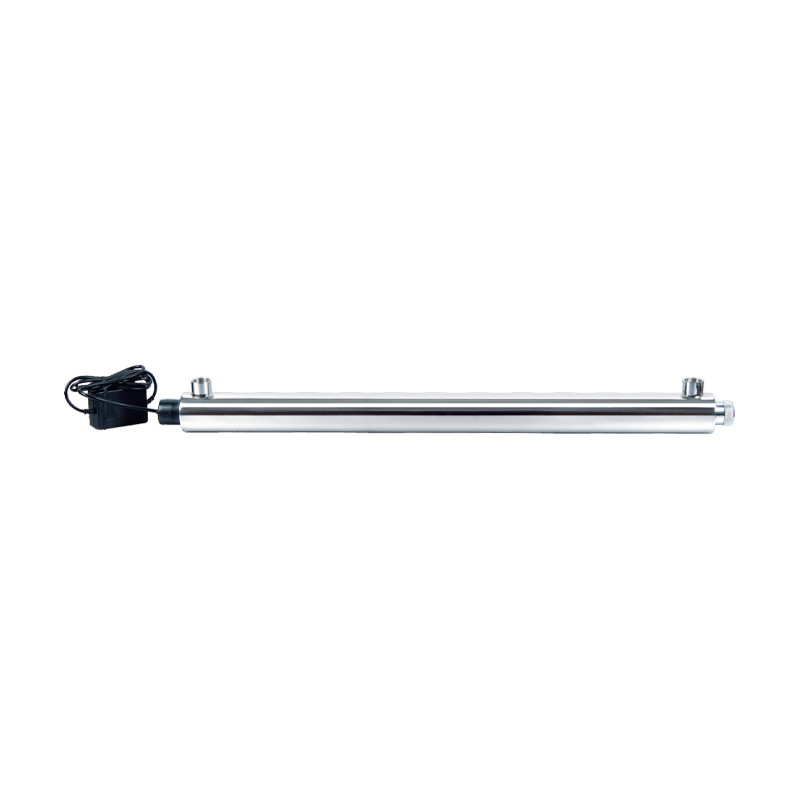 UV30W-55W Automatic Ultraviolet Sterilizer UV Filtration For Drinking Water Cat:Ultraviolet Water Sterilizer
The core advantage of UV30W-55W Automatic Ultraviolet Sterilizer UV Filtration For Drinking Water lies in its efficient and rapid disinfection capabil...
See Details -
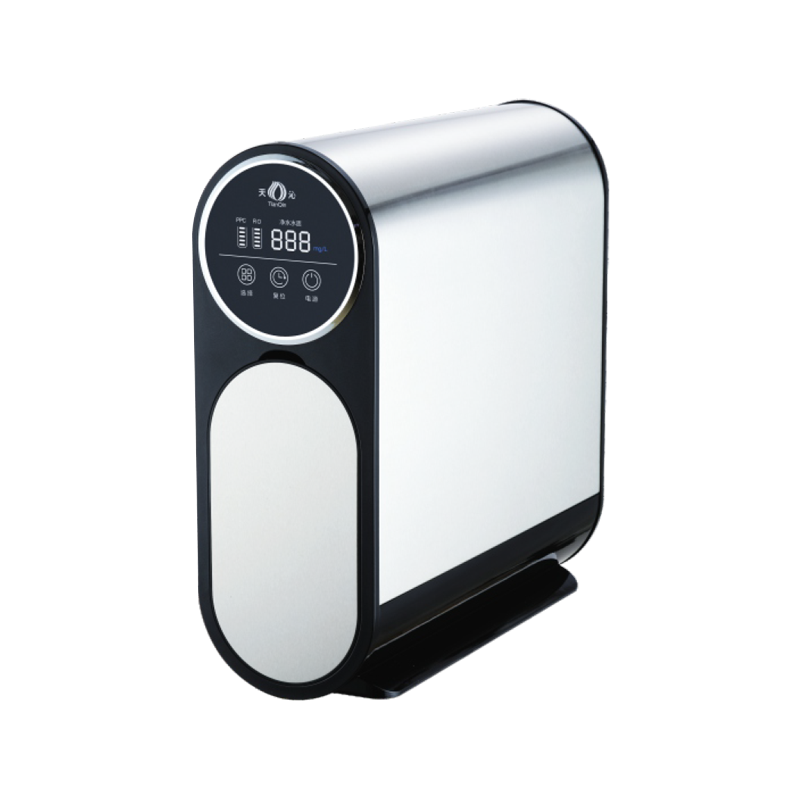 TQ-R03 Stainless Steel Booster Double Water Full Effect RO Water Purifier Cat:Stainless Steel Ro System
TQ-R03 Stainless Steel Booster Double Water Full Effect RO Water Purifier is a household water purification device that combines efficient water purif...
See Details -
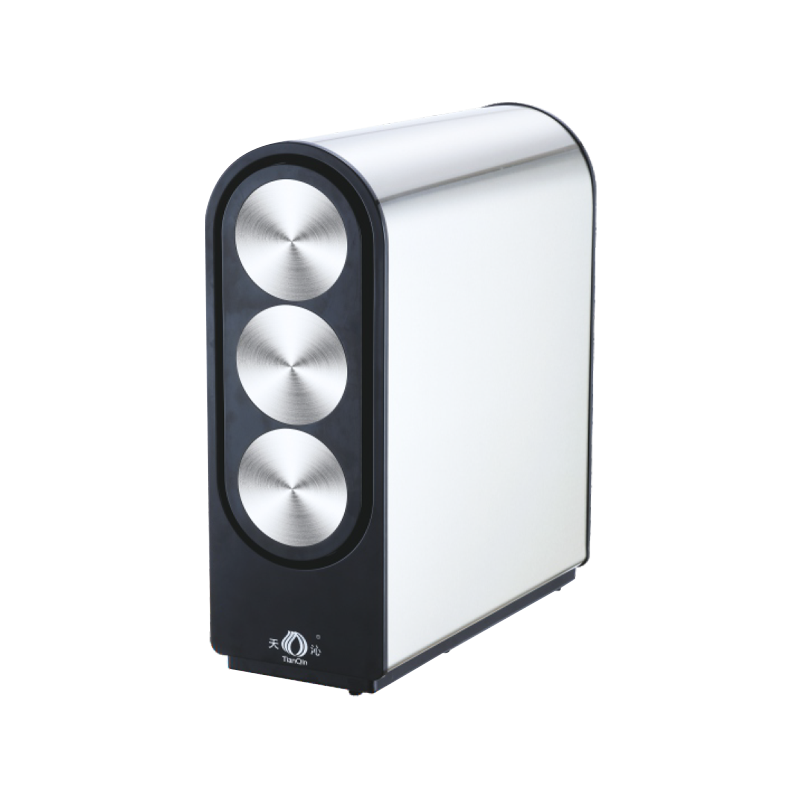 TQ-R05 Multifunctional Water Purification Source RO Water Purifier Cat:Stainless Steel Ro System
The TQ-R05 Multifunctional Water Purification Source RO Water Purifier is an advanced, versatile water purification solution designed for households a...
See Details -
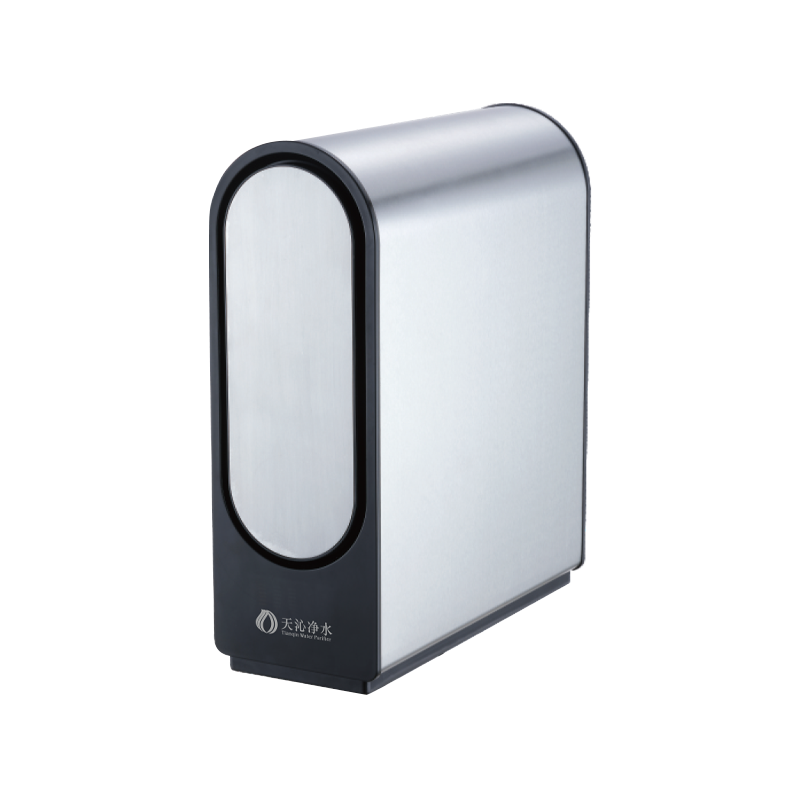 TQ-R06 Stainless Steel Environmentally Friendly RO Water Purifier Cat:Stainless Steel Ro System
The TQ-R06 Stainless Steel Environmentally Friendly RO Water Purifier combines advanced RO filtration technology, durable stainless steel housing, and...
See Details -
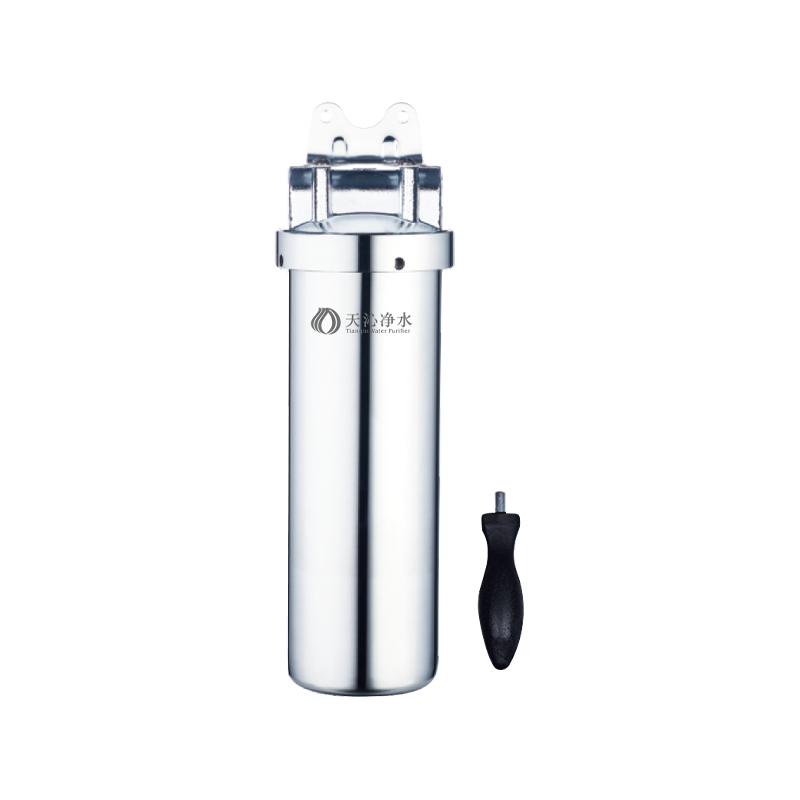 Stainless Steel Pure Double Water Pipe Water Purifier Cat:Stainless Steel Pipeline Water Purifier
The Stainless Steel Pure Double Water Pipe Water Purifier is an advanced water purification system designed to provide dual-mode purified water with e...
See Details -
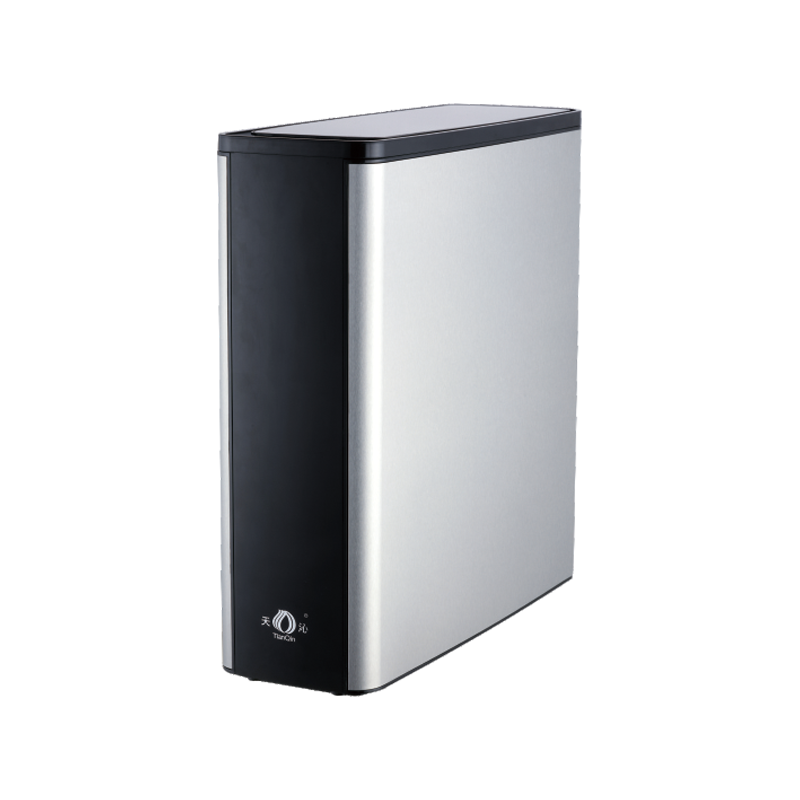 TQ-R08 Stainless Steel High-Flow RO Water Filter Cat:Stainless Steel Ro System
The Stainless Steel High-Flow RO Water Filter (TQ-R08) provides a powerful and effective solution for purifying drinking water, combining advanced rev...
See Details


 +86-0574-62381077/62386875

How Does Reverse Osmosis Work? The Ultimate Guide to RO Systems
Reverse osmosis (RO) works by forcing water under pressure through a semi-permeable membrane with pores small enough to block dissolved salts, heavy metals, bacteria, and most contaminants — while allowing water molecules to pass through. The membrane rejects particles larger than approximately 0.0001 microns (0.1 nanometers), removing up to 99% of total dissolved solids (TDS) from source water. What passes through becomes purified permeate water; what doesn't is flushed away as concentrated wastewater (brine).
A complete reverse osmosis system combines this membrane with multiple pre- and post-filtration stages to protect the membrane and polish the final output. Understanding the full process — from water entry to the glass — explains why RO systems are among the most effective point-of-use water purification technologies available for homes and industry alike.
Content
- 1 The Science Behind Reverse Osmosis
- 2 The Stages of a Reverse Osmosis System
- 3 What a Reverse Osmosis System Removes — and What It Doesn't
- 4 Types of Reverse Osmosis Systems
- 5 Key Performance Metrics to Evaluate an RO System
- 6 How Water Temperature and Pressure Affect RO Performance
- 7 RO System Maintenance Schedule and Filter Replacement
- 8 Is RO Water Safe to Drink Long-Term?
- 9 RO Systems vs. Other Water Purification Methods
- 10 When a Reverse Osmosis System Makes the Most Sense
The Science Behind Reverse Osmosis
To understand reverse osmosis, it helps to first understand regular osmosis. In natural osmosis, water moves spontaneously through a semi-permeable membrane from a region of low solute concentration toward a region of high solute concentration, driven by osmotic pressure — the tendency of solutions to equalize.
Reverse osmosis does the opposite. By applying external pressure greater than the natural osmotic pressure of the source water, the process is reversed — water is pushed from the high-concentration (contaminated) side through the membrane to the low-concentration (clean) side. For typical municipal tap water, overcoming osmotic pressure requires 40–80 PSI. Seawater desalination, where salt concentrations are far higher, requires pressures of 800–1,000 PSI.
The RO membrane itself is a thin-film composite (TFC) structure — typically three layers: a polyester support web, a microporous polysulfone interlayer, and an ultra-thin polyamide active layer where the actual rejection occurs. The polyamide layer is responsible for the extraordinary selectivity, blocking ions as small as sodium (Na⁺) and chloride (Cl⁻) while permitting H₂O molecules to pass.
The Stages of a Reverse Osmosis System
A standard residential RO system passes water through 3 to 6 stages, each with a distinct function. Skipping or degrading any stage reduces overall purification and can shorten membrane life significantly.
Stage 1 — Sediment Pre-Filter
The first stage is a polypropylene sediment filter, typically rated at 5 microns. It removes rust, silt, sand, and suspended particles that could physically clog or abrade the RO membrane. This stage is critical: a single particle of grit can score the membrane surface and permanently reduce its rejection rate.
Stage 2 — Carbon Pre-Filter (GAC or CTO)
Granular activated carbon (GAC) or a carbon block (CTO) filter removes chlorine, chloramines, volatile organic compounds (VOCs), and taste/odor compounds. Chlorine is the membrane's primary chemical enemy — even at standard municipal levels of 0.5–2 mg/L, chlorine degrades thin-film composite polyamide membranes over time, reducing their effective lifespan from 3–5 years to under 1 year. This pre-filter stage is non-negotiable for systems fed by chlorinated tap water.
Stage 3 — RO Membrane
The heart of the system. The membrane — most commonly a 50, 75, or 100 GPD (gallons per day) spiral-wound element — rejects dissolved salts, heavy metals (lead, arsenic, chromium), nitrates, fluoride, pharmaceuticals, and microorganisms. A well-functioning membrane achieves 95–99% rejection of TDS. Water that passes through (permeate) collects in a storage tank; the concentrated reject stream (brine) flows to drain at a typical ratio of 3:1 to 4:1 waste-to-product in standard systems, though high-efficiency models achieve ratios closer to 1:1.
Stage 4 — Post Carbon Polishing Filter
After the storage tank, a final activated carbon block filter polishes the water before it reaches the faucet. This stage removes any residual taste or odor the water may have absorbed from the storage tank and provides a final layer of organic compound reduction.
Optional Stage 5+ — Remineralization or UV
Because RO removes virtually all minerals, some systems add a remineralization stage — a calcite or mineral cartridge that re-introduces calcium and magnesium, raising pH from the typical RO output of 6.0–6.5 back to 7.0–7.5 for improved taste and alkalinity. A UV (ultraviolet) stage may also be added as a final barrier against any biological contamination.
What a Reverse Osmosis System Removes — and What It Doesn't
| Contaminant | Typical RO Rejection Rate | Notes |
|---|---|---|
| Dissolved salts (TDS) | 95–99% | Sodium, chloride, sulfate, etc. |
| Lead (Pb) | 95–98% | NSF/ANSI 58 certified systems |
| Arsenic (As V) | 95–99% | As III less effectively removed |
| Fluoride | 85–95% | Rejection rate varies by membrane age |
| Nitrates | 83–92% | Smaller ion; lower rejection than salts |
| Bacteria and viruses | >99.9% | Physical size exclusion; UV adds assurance |
| Pharmaceuticals / PFAS | 90–99% | Varies by compound molecular weight |
| Chlorine / Chloramines | Removed by pre-filter | Carbon stage; not the membrane |
| Dissolved gases (CO₂, H₂S) | Not removed | Small uncharged molecules pass freely |
| Pesticides / herbicides | 75–99% | Carbon pre-filter provides primary removal |
One important limitation: RO membranes do not effectively remove dissolved gases such as carbon dioxide, hydrogen sulfide, or radon, because these small uncharged molecules pass through the polyamide layer along with water. If these are concerns, additional degassing or aeration stages are required.
Types of Reverse Osmosis Systems
Under-Sink RO Systems
The most common residential configuration. The filter assembly mounts under the kitchen sink and connects to the cold water supply line. A dedicated faucet on the countertop delivers purified water. A pressurized storage tank (typically 2–4 gallons) holds pre-purified water for immediate delivery, since most membranes produce water slowly — a 75 GPD membrane produces water at roughly 52 mL per minute, not fast enough for on-demand flow without a tank.
Tankless (Instant) RO Systems
Newer tankless designs use a booster pump to raise inlet pressure high enough that the membrane produces water fast enough for direct dispensing — typically 400–600 GPD membranes in these systems. They eliminate the storage tank, saving space and preventing the stale-water taste that can develop in a tank that sits unused for days. Waste ratios are also better, often 1:1 or even 1.5:1 (pure:waste) versus the 3:1 typical of passive under-sink systems.
Countertop RO Systems
Countertop units connect to the existing faucet via a diverter valve and require no installation. They are ideal for renters or frequent movers but offer lower daily output (typically 25–50 GPD) and occupy counter space.
Whole-House RO Systems
Installed at the main water entry point, whole-house RO systems treat all water entering the home — for drinking, bathing, laundry, and appliances. These require larger membranes (often 1,000–3,500 GPD), a booster pump, and a large storage tank (50–200 gallons). They are typically specified for homes on well water with high TDS, heavy metals, or agricultural contamination.
Industrial and Commercial RO Systems
Industrial RO systems operate at flows from 10,000 to over 1,000,000 GPD and are used in pharmaceutical manufacturing, food and beverage production, semiconductor fabrication, hospital dialysis water preparation, and municipal desalination plants. The largest desalination plant in the world — the Sorek B facility in Israel — uses RO to produce 200 million gallons of drinking water per day.
Key Performance Metrics to Evaluate an RO System
When comparing RO systems, these are the specifications that matter most:
- TDS rejection rate (%): the percentage of dissolved solids removed — look for systems with independent NSF/ANSI 58 certification confirming ≥95% rejection
- GPD (gallons per day) output: the membrane's rated production capacity at standard conditions (77°F, 60 PSI, 500 ppm TDS feedwater) — output drops at lower temperatures and pressures
- Waste ratio (pure:drain): how many gallons are flushed to drain per gallon of purified water produced — a 4:1 ratio means 4 gallons wasted per 1 gallon purified; tankless/boosted systems achieve 1:1 or better
- Recovery rate (%): the inverse of waste ratio — the percentage of input water that becomes purified output; standard systems recover 20–25%, high-efficiency systems 40–75%
- Membrane lifespan: typically 2–5 years for residential TFC membranes; shorter if chlorine exposure occurs or if sediment pre-filtration is inadequate
- Operating pressure range: most residential systems require 40–80 PSI inlet pressure; systems with booster pumps function at lower supply pressures (as low as 20 PSI)
How Water Temperature and Pressure Affect RO Performance
RO membrane performance is highly sensitive to both inlet water temperature and feed pressure — two variables that are often overlooked when comparing system specifications.
Temperature Effects
Membrane GPD ratings are specified at 77°F (25°C). In cold climates, winter tap water temperatures of 45–55°F (7–13°C) reduce production output by 35–50%. A 75 GPD membrane operating at 50°F may produce only 37–45 GPD. This is not a malfunction — it is the predictable result of reduced water molecule kinetic energy making it harder to push water through the membrane at a given pressure.
Pressure Effects
Higher inlet pressure increases both the production rate and TDS rejection rate, up to the membrane's rated operating limit (typically 100–150 PSI maximum). At pressures below 40 PSI, production drops sharply and rejection rates fall — a home with low water pressure (common in multi-story buildings or rural areas) may need a dedicated booster pump to achieve adequate RO performance.
RO System Maintenance Schedule and Filter Replacement
An RO system delivers consistently pure water only when its consumable components are replaced on schedule. Neglecting filter replacement is the leading cause of declining RO output quality in home systems.
- Sediment pre-filter: replace every 6–12 months (sooner if source water is visibly turbid or if flow rate drops noticeably)
- Carbon pre-filter(s): replace every 6–12 months — critical to protect the membrane from chlorine breakthrough
- RO membrane: replace every 2–5 years — test with a TDS meter; if rejection drops below 85–90%, replacement is needed regardless of time elapsed
- Post carbon polishing filter: replace every 6–12 months or annually
- Remineralization cartridge (if present): replace every 6–12 months depending on usage volume
- Storage tank sanitization: drain and sanitize the tank with a dilute bleach solution annually to prevent biofilm buildup
Annual filter replacement costs for a residential 5-stage system typically run $50–$150 per year, with membrane replacement adding $30–$80 every 2–5 years. A TDS meter (available for $10–$20) is the most practical tool for monitoring membrane performance between scheduled replacements.
Is RO Water Safe to Drink Long-Term?
RO water is safe to drink. However, because it removes virtually all minerals, long-term exclusive consumption of RO water without remineralization raises a practical nutritional question: drinking water contributes a small but meaningful amount of calcium and magnesium to daily intake. The World Health Organization (WHO) has noted that very low-mineral water may not be ideal as a sole source of hydration for people with borderline mineral deficiencies, and that water with magnesium below 10 mg/L and calcium below 20 mg/L may be less protective against cardiovascular risk than mineral-rich water.
For most people with a balanced diet, the mineral contribution from drinking water is minor relative to food intake, and RO water presents no health risk. Adding a remineralization stage — which brings output TDS to 50–150 mg/L — addresses both taste (flat-tasting RO water is a common complaint) and the mineral question simultaneously.
RO Systems vs. Other Water Purification Methods
| Method | TDS / Salt Removal | Heavy Metals | Bacteria / Viruses | Ongoing Cost | Water Waste |
|---|---|---|---|---|---|
| Reverse Osmosis | 95–99% | 95–99% | >99.9% | $50–$150/yr | Moderate–High |
| Carbon Filter Only | Minimal | Partial | None | $20–$60/yr | None |
| UV Purification | None | None | >99.99% | $20–$50/yr | None |
| Water Distillation | 99%+ | 99%+ | >99.9% | High electricity | High (heat energy) |
| Ion Exchange / Softener | Hardness only | Partial | None | Salt + resin cost | Brine discharge |
When a Reverse Osmosis System Makes the Most Sense
An RO system is the right choice in these specific situations:
- High TDS tap water: if your tap water TDS exceeds 300–500 mg/L, RO is the most practical method to bring it below the recommended 100–200 mg/L range for taste and scale prevention
- Lead or heavy metal contamination: homes with older plumbing, lead service lines, or well water with industrial contamination benefit significantly from RO's >95% heavy metal rejection
- Nitrate contamination: common in agricultural areas where fertilizer runoff enters groundwater; RO removes 83–92% of nitrates, unlike carbon filters which are ineffective against nitrates
- PFAS ("forever chemicals") concerns: RO is one of the few residential technologies with demonstrated effectiveness against PFAS compounds at >90% removal rates
- Drinking water quality independent of municipal supply: for households that want a consistent, verifiable quality baseline regardless of what happens upstream in the distribution system
Conversely, if your primary concern is chlorine taste and odor in otherwise clean municipal water, a standalone carbon filter is sufficient and more cost-effective — no membrane waste water, lower cost, and simpler maintenance.
-
 Tel: +86-0574-62381077/62386875
-
 E-mail: leozhanglei@nbtianqin.net
-
 Add: Wuma Industrial Zone, Lubu Town, Yuyao City, Zhejiang Province, China.
Copyright © 2024 by Yuyao Tianqin Water Purification Equipment Co..Ltd.
All Rights Reserved.
 Wholesale Water Purifier Manufacturers

