 English
 中文简体
中文简体-
 UV11W High-efficiency Intelligent UV Water Sterilizer Cat:Ultraviolet Water Sterilizer
The UV11W High-efficiency Intelligent UV Water Sterilizer is an advanced water purification system that offers convenience and reliability. This steri...
See Details -
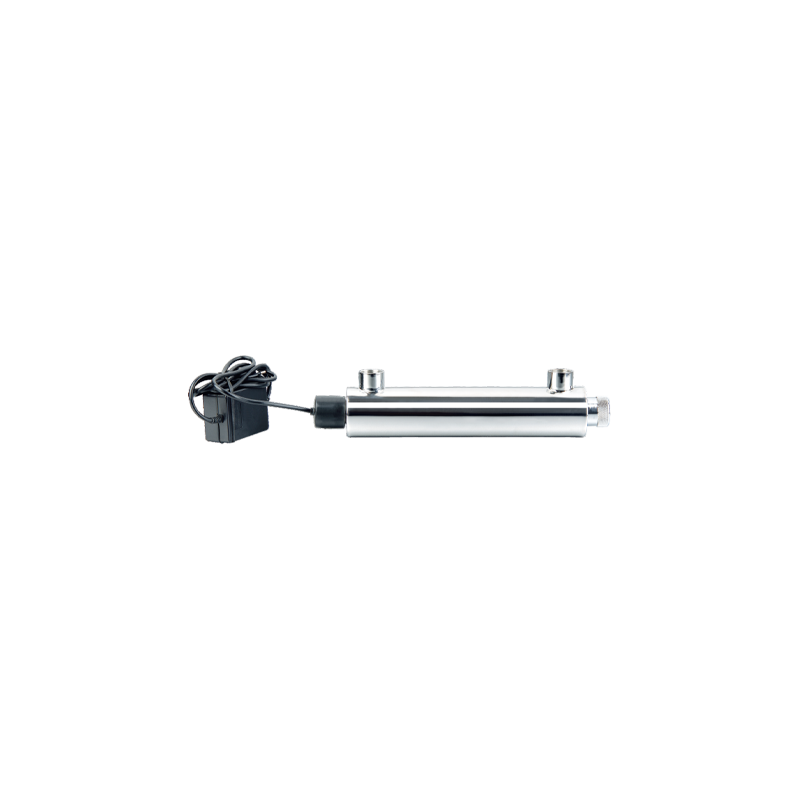 UV16W-A Household Stainless Steel UV Water Sterilizer Cat:Ultraviolet Water Sterilizer
The UV16W-A Household Stainless Steel UV Water Sterilizer is an innovative solution for ensuring safe and pure water in your home. Designed with durab...
See Details -
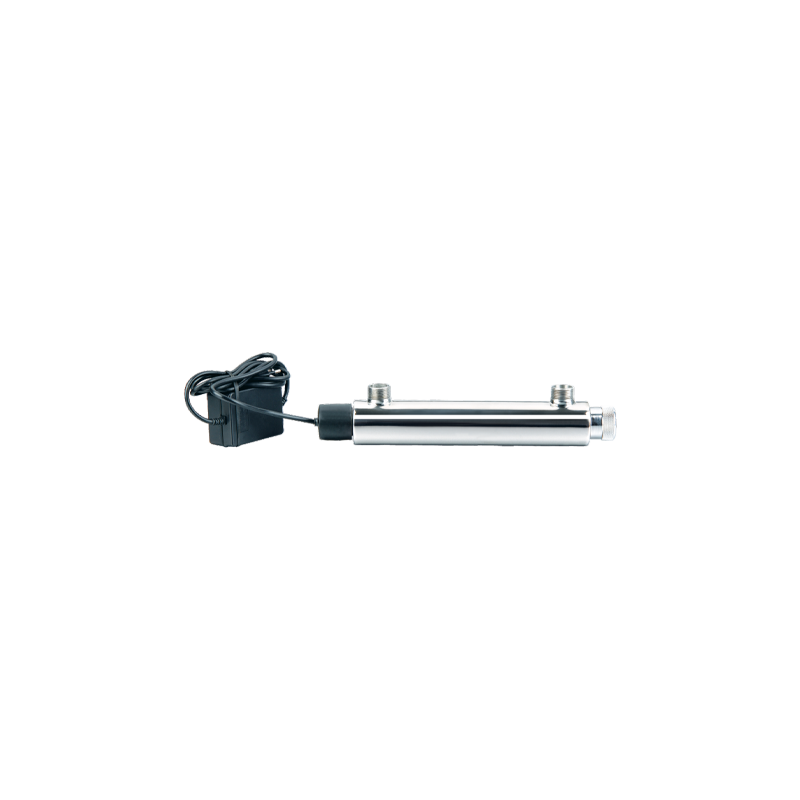 UV16W-B 304 Stainless Steel Water Purifier Ultraviolet Water Sterilizer Cat:Ultraviolet Water Sterilizer
UV16W-B 304 Stainless Steel Water Purifier Ultraviolet Water Sterilizer is an efficient water treatment equipment based on advanced ultraviolet disinf...
See Details -
 UV25W Stainless Steel Ultrafiltration Pre-Filtration UV Sterilizers For Water Cat:Ultraviolet Water Sterilizer
UV25W Stainless Steel Ultrafiltration Pre-Filtration UV Sterilizers For Water uses high-quality stainless steel materials, which have superb corrosion...
See Details -
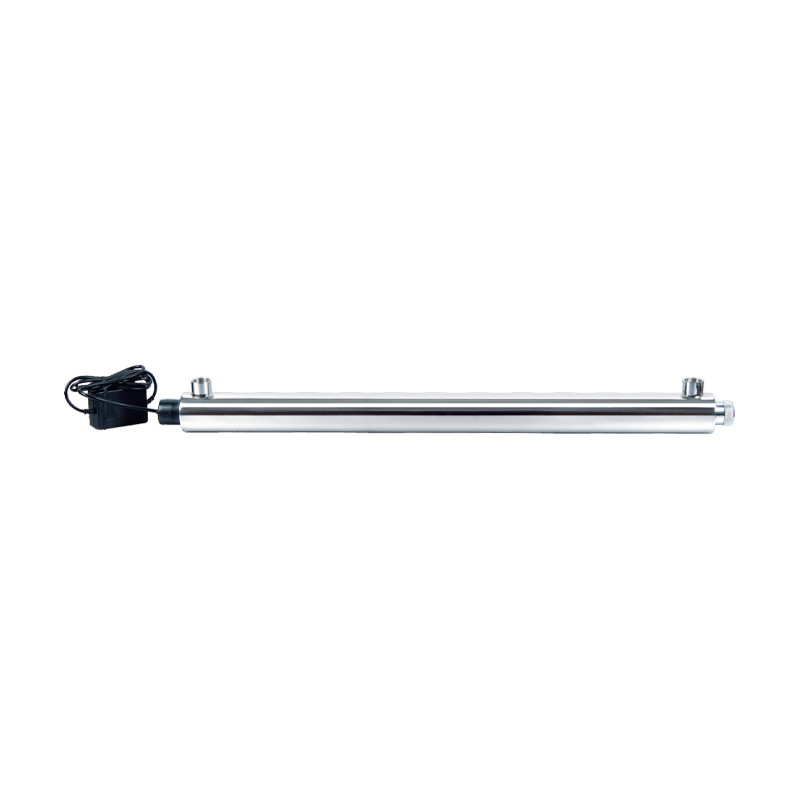 UV30W-55W Automatic Ultraviolet Sterilizer UV Filtration For Drinking Water Cat:Ultraviolet Water Sterilizer
The core advantage of UV30W-55W Automatic Ultraviolet Sterilizer UV Filtration For Drinking Water lies in its efficient and rapid disinfection capabil...
See Details -
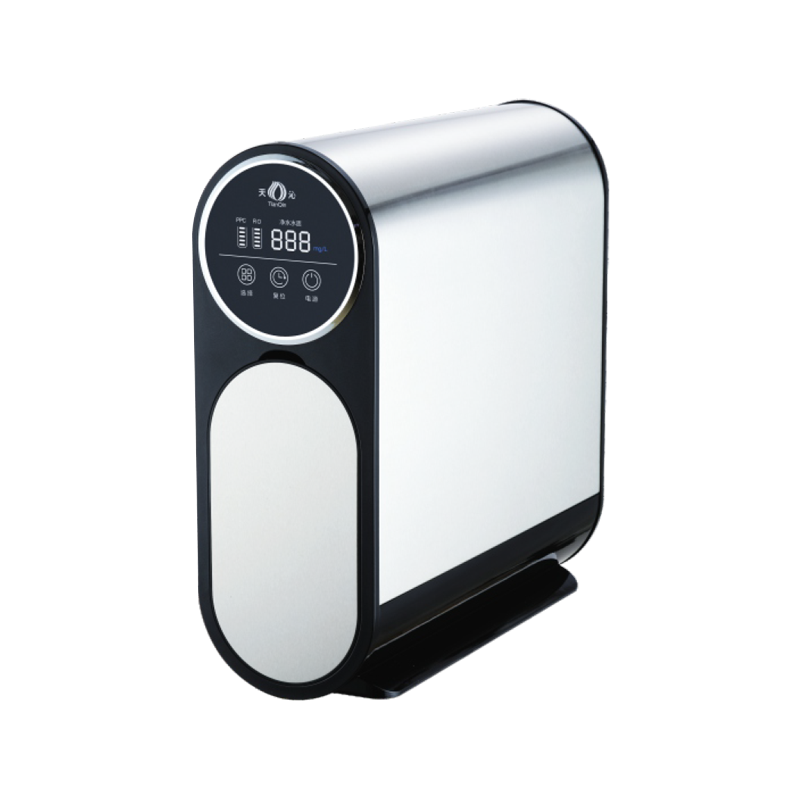 TQ-R03 Stainless Steel Booster Double Water Full Effect RO Water Purifier Cat:Stainless Steel Ro System
TQ-R03 Stainless Steel Booster Double Water Full Effect RO Water Purifier is a household water purification device that combines efficient water purif...
See Details -
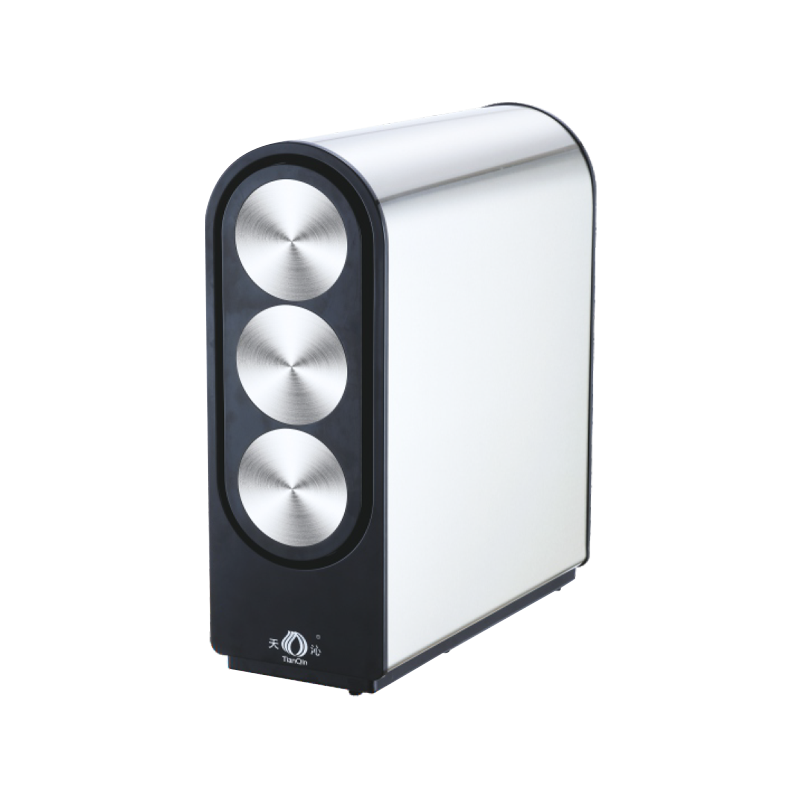 TQ-R05 Multifunctional Water Purification Source RO Water Purifier Cat:Stainless Steel Ro System
The TQ-R05 Multifunctional Water Purification Source RO Water Purifier is an advanced, versatile water purification solution designed for households a...
See Details -
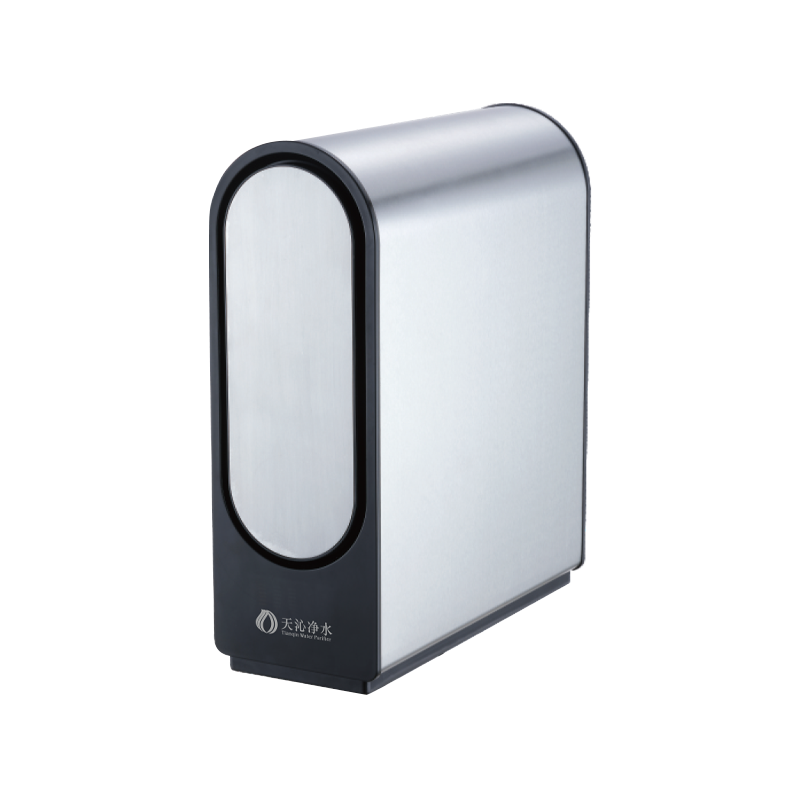 TQ-R06 Stainless Steel Environmentally Friendly RO Water Purifier Cat:Stainless Steel Ro System
The TQ-R06 Stainless Steel Environmentally Friendly RO Water Purifier combines advanced RO filtration technology, durable stainless steel housing, and...
See Details -
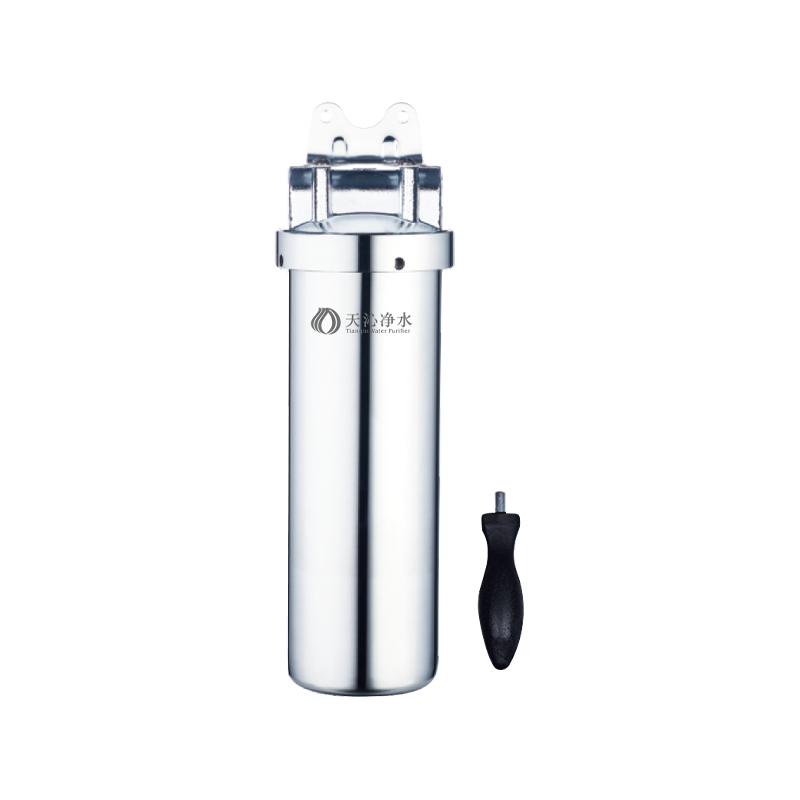 Stainless Steel Pure Double Water Pipe Water Purifier Cat:Stainless Steel Pipeline Water Purifier
The Stainless Steel Pure Double Water Pipe Water Purifier is an advanced water purification system designed to provide dual-mode purified water with e...
See Details -
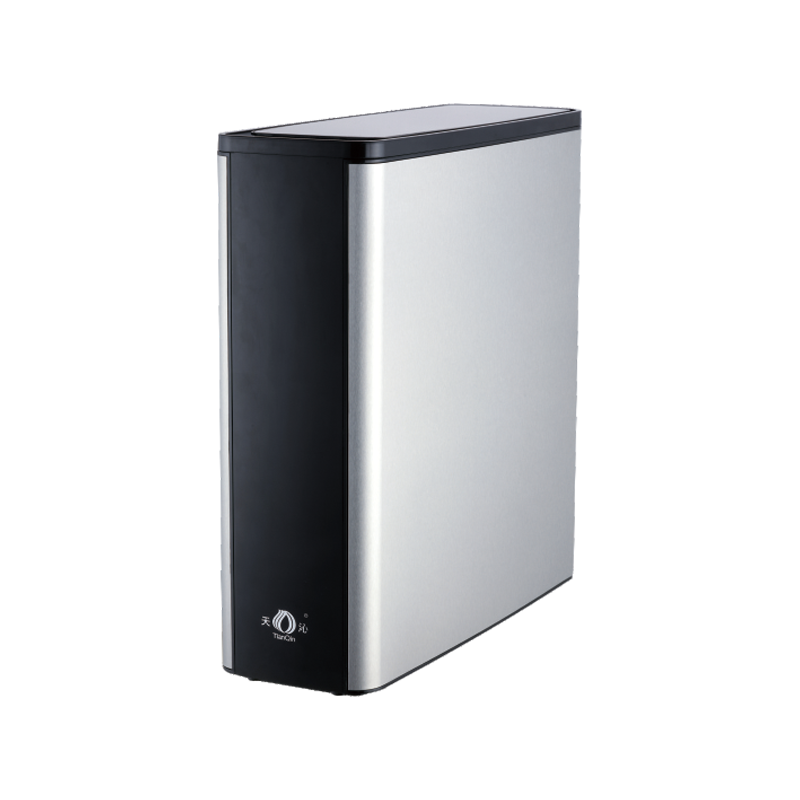 TQ-R08 Stainless Steel High-Flow RO Water Filter Cat:Stainless Steel Ro System
The Stainless Steel High-Flow RO Water Filter (TQ-R08) provides a powerful and effective solution for purifying drinking water, combining advanced rev...
See Details


 +86-0574-62381077/62386875

How to Remove Heavy Metals from Water: Effective Filtration Methods That Work
A hardware-store test strip can point to a problem, but it rarely tells the whole story. When a lab report shows lead at 18 parts per billion in an older home's tap water, or arsenic above the World Health Organization guideline of 10 parts per billion in a private well, the practical question becomes what technology actually removes these metals. The short answer is that reverse osmosis is the most dependable household method, rejecting 90 to 99 percent of dissolved heavy metals, while every other common technology works only under narrower conditions. The longer answer involves identifying which metals are present, understanding why ordinary carbon filters fall short, and matching a system to the specific situation.
Content
- 1 The Heavy Metals That Most Often Appear in Drinking Water
- 2 Why Standard Pitchers and Carbon Filters Are Not Enough
- 3 Treatment Methods That Actually Remove Heavy Metals
- 4 Reverse Osmosis vs. Distillation vs. Ion Exchange at a Glance
- 5 Choosing the Right Heavy-Metal Removal System
- 6 Why Equipment Quality and Manufacturing Matter
- 7 The Bottom Line on Removing Heavy Metals
The Heavy Metals That Most Often Appear in Drinking Water
The contaminants grouped under "heavy metals" are dense metallic elements that become toxic at low concentrations. The ones most frequently detected in home supplies are lead, arsenic, mercury, cadmium, chromium, and copper. They reach water through different paths:
- Lead and copper leach from older pipes, solder joints, and brass fixtures, especially when water sits in plumbing overnight.
- Arsenic and chromium occur naturally in groundwater in certain geological regions.
- Mercury, cadmium, and nickel enter the environment through industrial discharge, mining, and waste sites.
- Agricultural runoff can carry metals from soils into wells and reservoirs.
The health effects are well documented. Lead impairs brain development in children, arsenic is a known carcinogen with chronic exposure, and cadmium and mercury can damage the kidneys and nervous system. These are the reasons public health agencies set strict limits and why removal is not optional when test results come back elevated.
Why Standard Pitchers and Carbon Filters Are Not Enough
Activated carbon is excellent at removing chlorine, taste, odor, and many organic chemicals. It is not designed to remove dissolved heavy metals. Metal ions in water carry an electrical charge and stay dissolved; capturing them requires a semi-permeable membrane, an ion exchange resin, or specialized adsorption media. A basic pitcher filter without a specific heavy-metal reduction rating will let lead, arsenic, and mercury pass straight through.
The same logic applies to sediment filters. A prefilter that catches rust and sand protects downstream equipment but does nothing for dissolved contaminants. When a product claims heavy-metal removal, check whether it carries a certification such as NSF/ANSI 42 or 53 for the specific metal, not just a generic "filters water" statement.
Treatment Methods That Actually Remove Heavy Metals
Four technologies dominate heavy-metal removal in household and commercial settings, and each has a distinct balance of effectiveness, cost, and convenience.
Reverse Osmosis. RO forces water under pressure through a semi-permeable membrane with pores around 0.0001 microns. Dissolved metal ions are too large to pass, so lead, arsenic, mercury, and most other metals are rejected at rates of 90 to 99 percent when the membrane is healthy. A typical RO system adds sediment and carbon pre-filters, a post-carbon stage, and either a storage tank or a tankless design. For a home kitchen, a high-flow stainless steel reverse osmosis system delivers continuous filtered water with a corrosion-resistant housing that also handles pressure variations.
 Custom TQ-R08 Stainless Steel High-Flow RO Water Filter Suppliers, OEM/ODM FactoYuyao Tianqin Water Purification Equipment Co..Ltd. is China TQ-R08 Stainless Steel High-Flow RO Water Filter Suppliers and OEM Factory, ...View Product →
Distillation. Boiling water and condensing the steam removes virtually all dissolved heavy metals because the metals remain in the boiling chamber. The trade-offs are speed and energy: a countertop distiller produces only a few liters per day, which suits small households or emergency use but not a family that drinks and cooks with several gallons daily.
Ion Exchange. Resin beads swap sodium or hydrogen ions for metal ions. This approach works well for lead and cadmium and is widely used in water softeners, but removal efficiency depends on the resin type, feed-water composition, and regeneration schedule. It is rarely a complete standalone solution for heavy metals.
Specialized Adsorption Media. Certain media, such as iron-oxide-based adsorbents and modified activated carbons, can bind arsenic and some other metals. These are used in cartridges and point-of-use filters, but capacity is finite and replacement intervals must be followed precisely.
At the municipal and industrial level, chemical precipitation, electrocoagulation, and large membrane systems handle heavy metals, but those methods are not practical under a kitchen sink.
Reverse Osmosis vs. Distillation vs. Ion Exchange at a Glance
The table below summarizes the practical differences for a home buyer.
| Method | Heavy Metal Removal | Production Rate | Maintenance | Best Use |
|---|---|---|---|---|
| Reverse Osmosis | 90-99% for lead, arsenic, mercury | High; multiple gallons per day | Replace sediment and carbon filters; replace membrane on schedule | Point-of-use drinking water for families |
| Distillation | Over 99% for most metals | Low; a few liters per day | Clean the boiling chamber regularly | Small quantities and emergency use |
| Ion Exchange | High for lead and cadmium; varies by resin | Medium | Regenerate or replace resin | Homes with hard water plus specific metal concerns |
The comparison underlines why RO is the practical default for everyday household use: it operates continuously, removes a broad spectrum of metals rather than one or two, and needs only routine filter changes rather than manual regeneration.
Choosing the Right Heavy-Metal Removal System
Start with a test, not a guess. A certified laboratory test identifies the exact metals and their concentrations, and that determines the right technology. If lead is the issue, an RO system is the most straightforward fix. If arsenic from a private well is the problem, RO is again a strong candidate, though some well waters need pretreatment for iron and manganese first.
Then decide between point-of-use and whole-house treatment. Heavy metals in drinking and cooking water are the priority, so a point-of-use RO under the kitchen sink gives the best return for most homes. A compact integrated constant-pressure reverse osmosis purifier handles this situation well because it keeps output stable even when incoming pressure varies, which is common in older buildings and low-pressure areas.
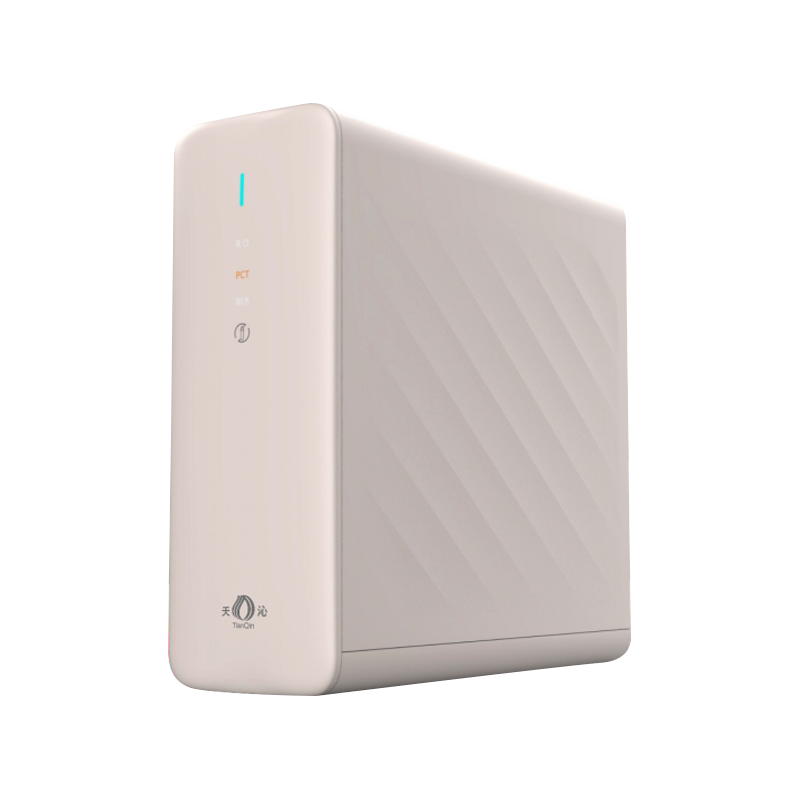 Custom TQ-SR01A Integrated Constant Pressure Reverse Osmosis Water Purifier SuppYuyao Tianqin Water Purification Equipment Co..Ltd. is China TQ-SR01A Integrated Constant Pressure Reverse Osmosis Water Purifier Supplie...View Product →
Whole-house treatment adds a second layer. A high-performance stainless steel water prefilter installed at the main line removes sediment, rust, and particles before they reach the RO unit, which extends membrane life and preserves the system's rated removal efficiency.
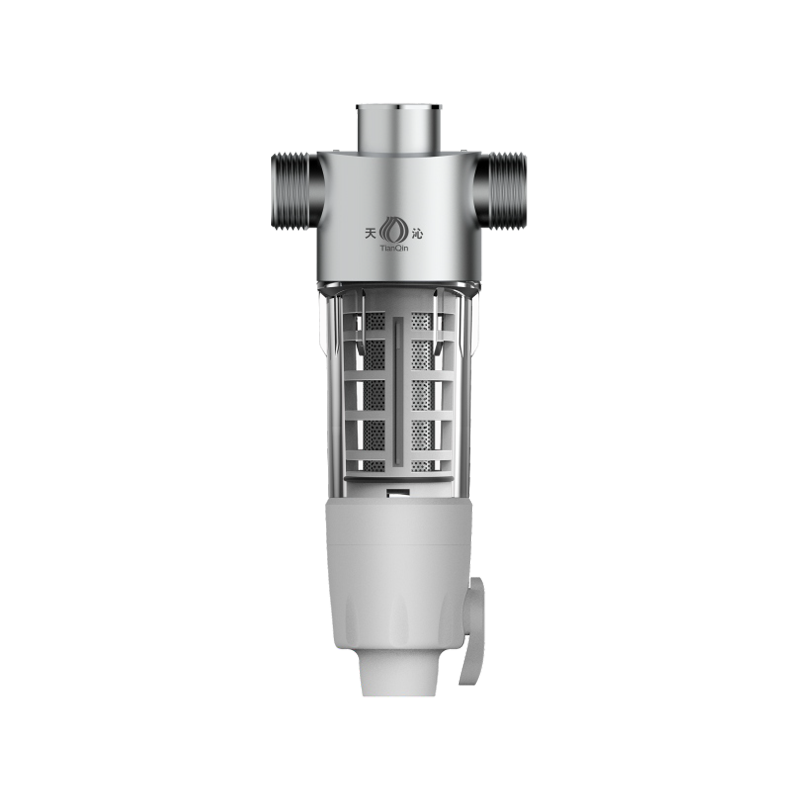 Custom TQ-QZ01 High-Performance Stainless Steel Water Pre-Filter Suppliers, OEM/Yuyao Tianqin Water Purification Equipment Co..Ltd. is China TQ-QZ01 High-Performance Stainless Steel Water Pre-Filter Suppliers and OEM ...View Product →
Work through these steps before buying:
- Test your water with a certified laboratory to identify metals and concentrations.
- Choose a point-of-use RO system for drinking water; add pre-filtration if the water carries particles.
- Verify the system's certifications and confirmed removal rates for the relevant metals.
- Confirm water pressure and installation space before purchase; tankless models help in smaller kitchens.
- Plan maintenance: sediment and carbon filters typically need replacement every 6 to 12 months, and the RO membrane every 2 to 3 years.
Why Equipment Quality and Manufacturing Matter
Removal efficiency on a datasheet does not guarantee long-term performance. The membrane must stay intact, housings must resist pressure and corrosion, and seals must not leak after years of use. This is where material quality and manufacturing discipline come in. Stainless steel housings resist corrosion and temperature stress better than plastic equivalents, and they avoid the plastic taste that some users notice.
For buyers comparing suppliers, whether an importer, a dealer, or a facility manager, the manufacturer's track record is a reasonable proxy for quality. A supplier with long-standing manufacturing experience typically maintains cleaner process control, carries structured quality documentation, and can support replacement parts over the product's life. If you want to understand the technology in more depth before deciding, a detailed guide to how reverse osmosis works explains the stages and the failure points that matter in practice.
The Bottom Line on Removing Heavy Metals
Heavy metals in water are not a single problem, and no single filter solves every case. The practical path is to test, identify the metals involved, and install a technology matched to them. For most households, reverse osmosis is the most reliable way to reduce lead, arsenic, mercury, and other dissolved metals in drinking water, provided the system is rated for those contaminants and maintained on schedule. Pairing the RO unit with pre-filtration for sediment extends its life, and buying from a manufacturer with documented quality control makes the outcome far more predictable. Whichever method you choose, the goal is the same: water that is safe not only on a lab report but consistently, day after day.
-
 Tel: +86-0574-62381077/62386875
-
 E-mail: leozhanglei@nbtianqin.net
-
 Add: Wuma Industrial Zone, Lubu Town, Yuyao City, Zhejiang Province, China.
Copyright © 2024 by Yuyao Tianqin Water Purification Equipment Co..Ltd.
All Rights Reserved.
 Wholesale Water Purifier Manufacturers

