 English
 中文简体
中文简体-
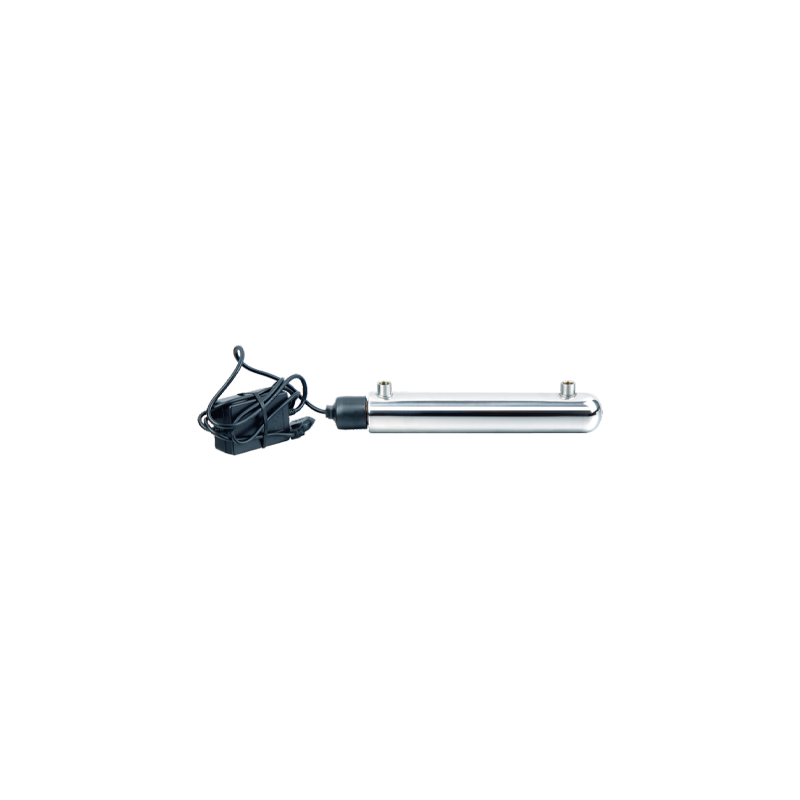 UV11W High-efficiency Intelligent UV Water Sterilizer Cat:Ultraviolet Water Sterilizer
The UV11W High-efficiency Intelligent UV Water Sterilizer is an advanced water purification system that offers convenience and reliability. This steri...
See Details -
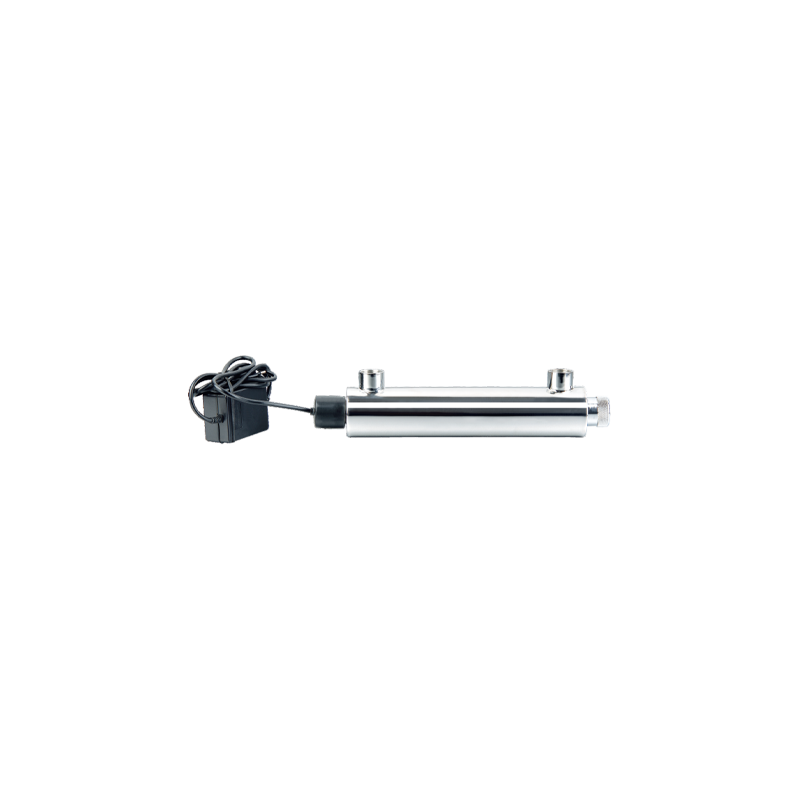 UV16W-A Household Stainless Steel UV Water Sterilizer Cat:Ultraviolet Water Sterilizer
The UV16W-A Household Stainless Steel UV Water Sterilizer is an innovative solution for ensuring safe and pure water in your home. Designed with durab...
See Details -
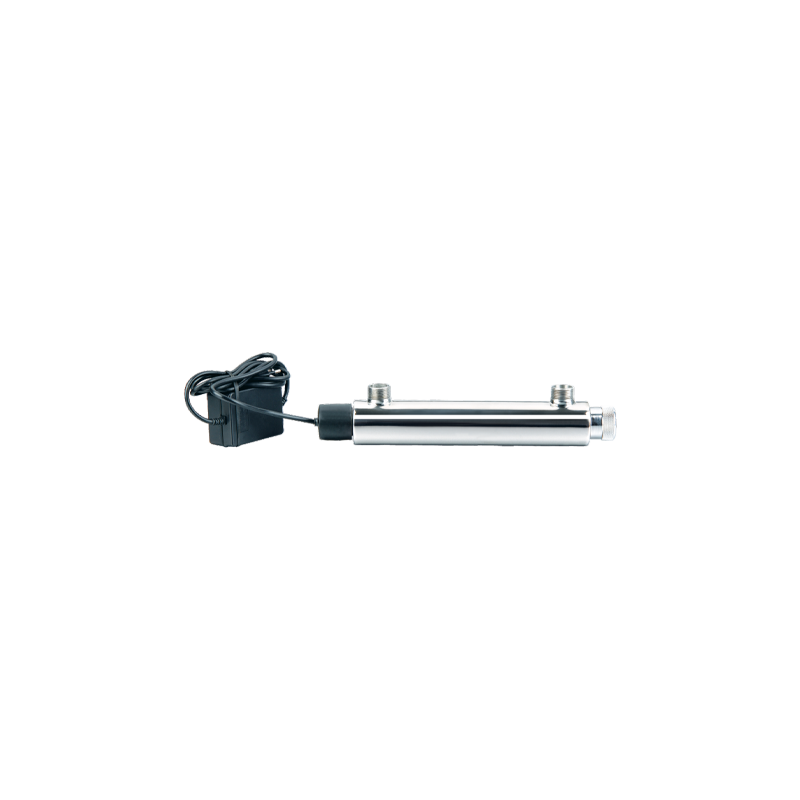 UV16W-B 304 Stainless Steel Water Purifier Ultraviolet Water Sterilizer Cat:Ultraviolet Water Sterilizer
UV16W-B 304 Stainless Steel Water Purifier Ultraviolet Water Sterilizer is an efficient water treatment equipment based on advanced ultraviolet disinf...
See Details -
 UV25W Stainless Steel Ultrafiltration Pre-Filtration UV Sterilizers For Water Cat:Ultraviolet Water Sterilizer
UV25W Stainless Steel Ultrafiltration Pre-Filtration UV Sterilizers For Water uses high-quality stainless steel materials, which have superb corrosion...
See Details -
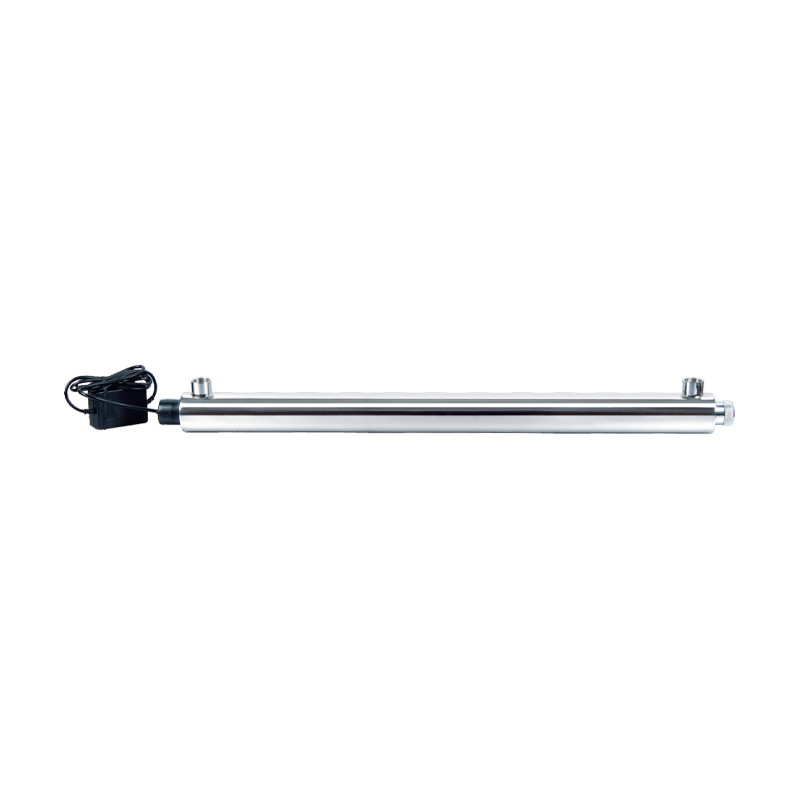 UV30W-55W Automatic Ultraviolet Sterilizer UV Filtration For Drinking Water Cat:Ultraviolet Water Sterilizer
The core advantage of UV30W-55W Automatic Ultraviolet Sterilizer UV Filtration For Drinking Water lies in its efficient and rapid disinfection capabil...
See Details -
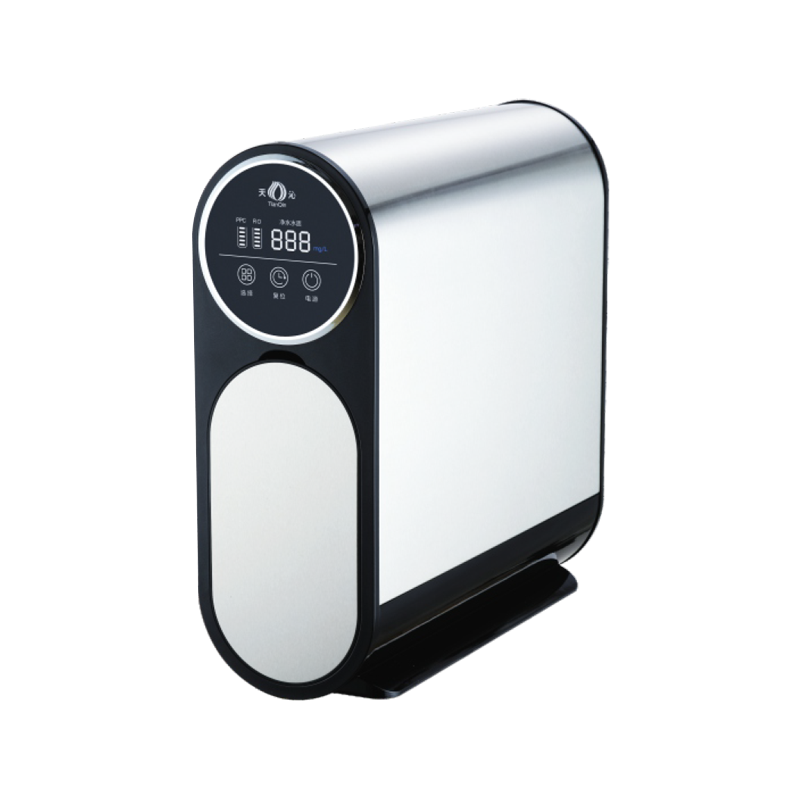 TQ-R03 Stainless Steel Booster Double Water Full Effect RO Water Purifier Cat:Stainless Steel Ro System
TQ-R03 Stainless Steel Booster Double Water Full Effect RO Water Purifier is a household water purification device that combines efficient water purif...
See Details -
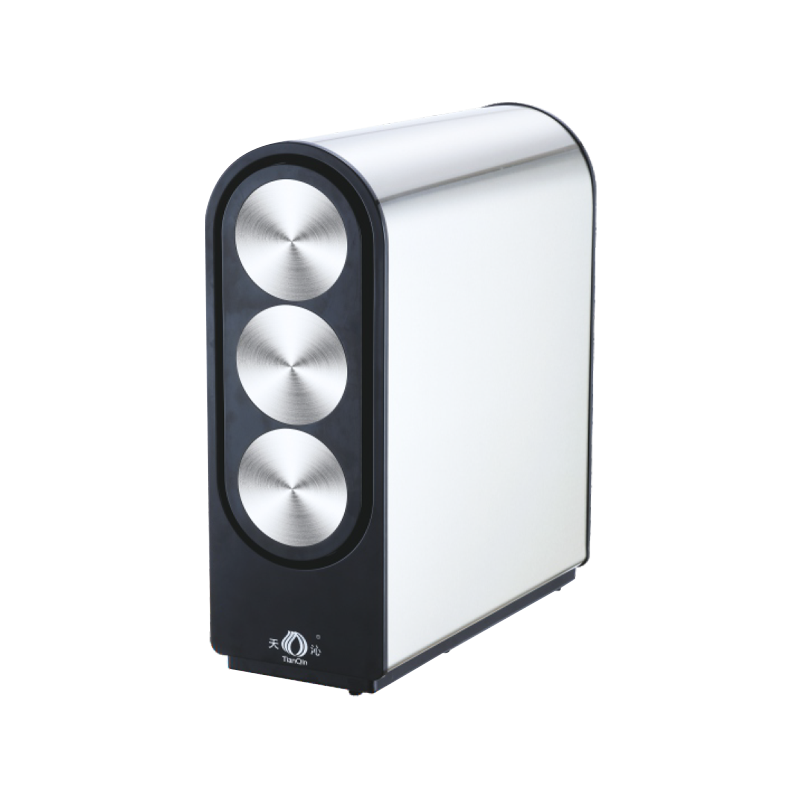 TQ-R05 Multifunctional Water Purification Source RO Water Purifier Cat:Stainless Steel Ro System
The TQ-R05 Multifunctional Water Purification Source RO Water Purifier is an advanced, versatile water purification solution designed for households a...
See Details -
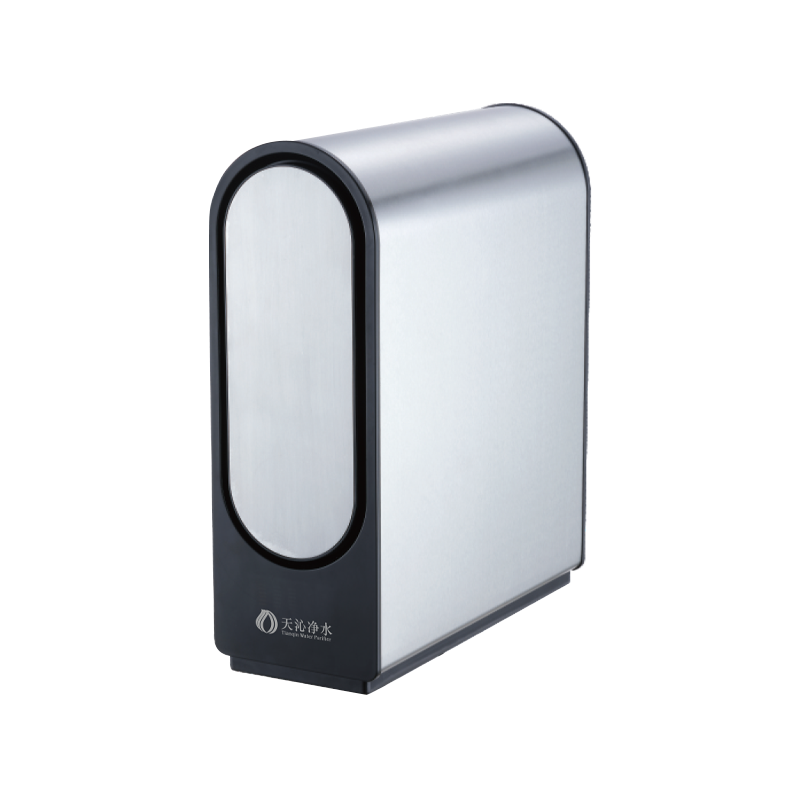 TQ-R06 Stainless Steel Environmentally Friendly RO Water Purifier Cat:Stainless Steel Ro System
The TQ-R06 Stainless Steel Environmentally Friendly RO Water Purifier combines advanced RO filtration technology, durable stainless steel housing, and...
See Details -
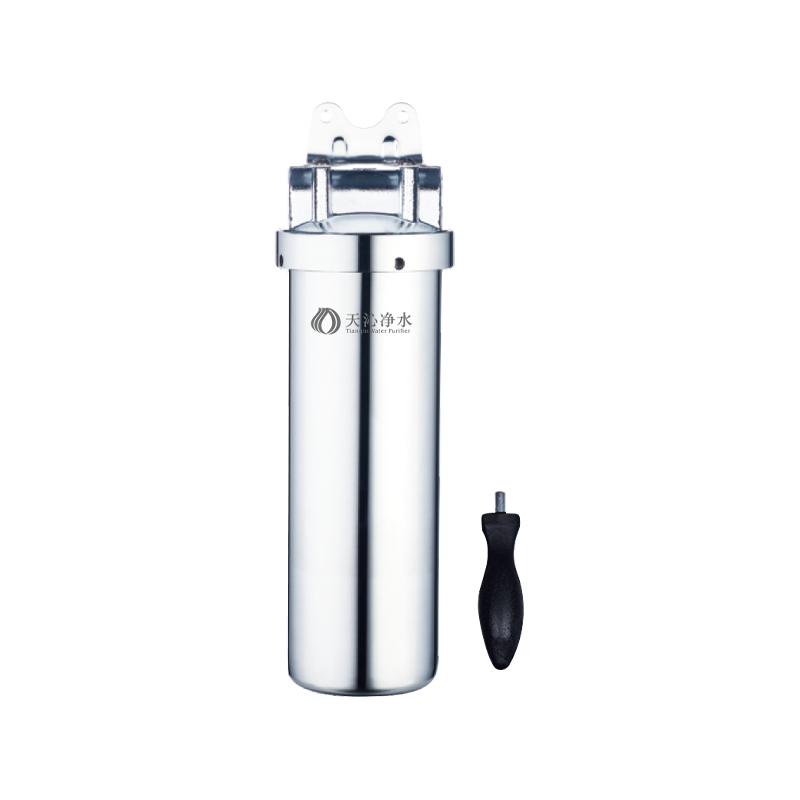 Stainless Steel Pure Double Water Pipe Water Purifier Cat:Stainless Steel Pipeline Water Purifier
The Stainless Steel Pure Double Water Pipe Water Purifier is an advanced water purification system designed to provide dual-mode purified water with e...
See Details -
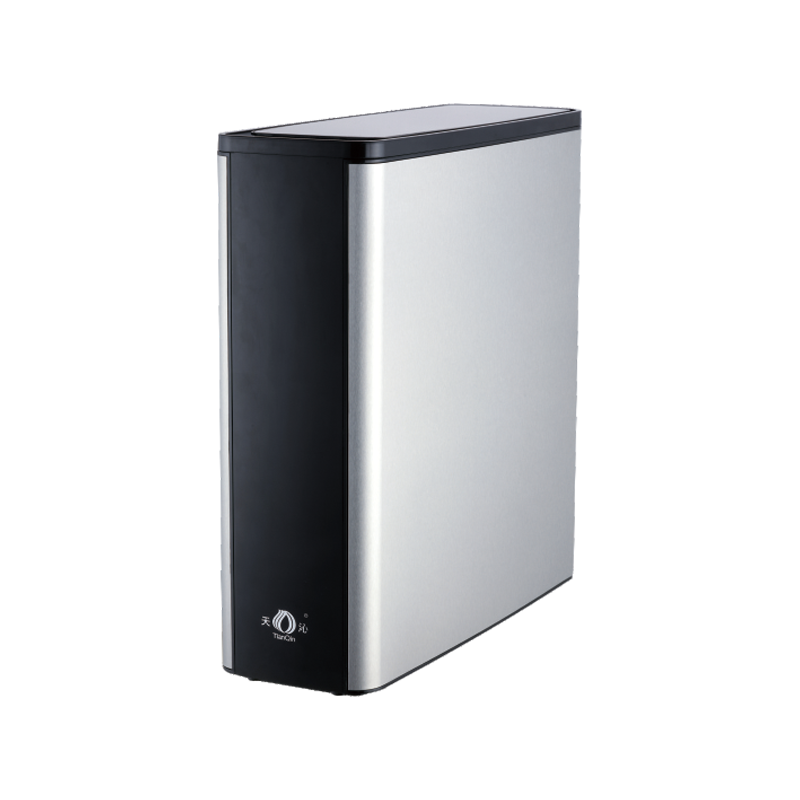 TQ-R08 Stainless Steel High-Flow RO Water Filter Cat:Stainless Steel Ro System
The Stainless Steel High-Flow RO Water Filter (TQ-R08) provides a powerful and effective solution for purifying drinking water, combining advanced rev...
See Details


 +86-0574-62381077/62386875

How to Remove Fluoride From Water at Home: Systems That Actually Work Well
If you want to remove fluoride from water at home, the first thing to understand is that ordinary carbon filtration cannot do it. Fluoride is a dissolved ion, not a particle, so a standard pitcher filter, refrigerator cartridge, or faucet-mounted carbon filter will pass it through. The practical home solutions are reverse osmosis, distillation, and activated alumina. Of these, reverse osmosis offers the best balance of convenience, capacity, and consistent fluoride reduction for daily drinking water.
Content
Why fluoride is difficult to filter
Fluoride enters drinking water through deliberate fluoridation or natural geology. Most municipal systems in the United States add it at around 0.7 mg/L, while the WHO guideline value is 1.5 mg/L. Whatever your local level, the removal problem is the same: fluoride exists in water as an ionic contaminant. Mechanical filters built for sediment, chlorine, or taste are not designed to catch ions. Removing fluoride requires a semipermeable membrane, a phase change, or a selective adsorption medium.
What will not remove fluoride
Some methods are repeated often, but they will not solve the fluoride problem.
- Boiling water only concentrates fluoride because the water volume drops while the fluoride stays behind.
- Standard activated-carbon pitcher and faucet filters reduce chlorine and taste, not fluoride.
- Refrigerator filters work on the same carbon-block principle and have no fluoride-specific media.
- Conventional water softeners exchange hardness minerals for sodium; they are not designed to remove fluoride.
The methods that actually work
For home use, three methods have a track record. The table below gives a quick comparison.
| Method | Estimated fluoride reduction | How it works | Practical trade-off |
|---|---|---|---|
| Reverse osmosis | 90–98% | Water is forced through a semipermeable membrane that rejects dissolved ions. | Needs under-sink or countertop installation and periodic membrane replacement. |
| Distillation | 95–99%+ | Water is boiled; steam condenses as purified water, leaving fluoride behind. | Slow, uses electricity, and requires descaling. |
| Activated alumina | 70–95% depending on pH and contact time | Fluoride adsorbs onto the alumina surface. | Media saturates and must be replaced on schedule. |
| Bone char media | Variable; verify with test data | Carbonized bone material adsorbs fluoride in some filter blocks. | Not all carbon blocks contain it, and service life varies. |
Reverse osmosis: the most practical home solution
Reverse osmosis works by pushing water across a semipermeable membrane. The membrane rejects most dissolved solids, including fluoride, and the reject stream carries the removed ions to the drain. In a properly maintained RO system, fluoride reduction is usually between 90 and 98 percent. If the incoming water has 0.7 mg/L fluoride, the treated output can be in the range of 0.03–0.07 mg/L. Actual performance depends on pressure, temperature, membrane condition, and the quality of the installed membrane. For a detailed explanation of the process, see this guide to how reverse osmosis works.
An RO system is a point-of-use appliance. The most common format connects under the kitchen sink, but countertop models are also available. If cabinet space is limited, a tankless design avoids the storage tank and still uses the same membrane process. The TQR14 high-efficiency tankless reverse osmosis water purifier is a good example of this configuration.
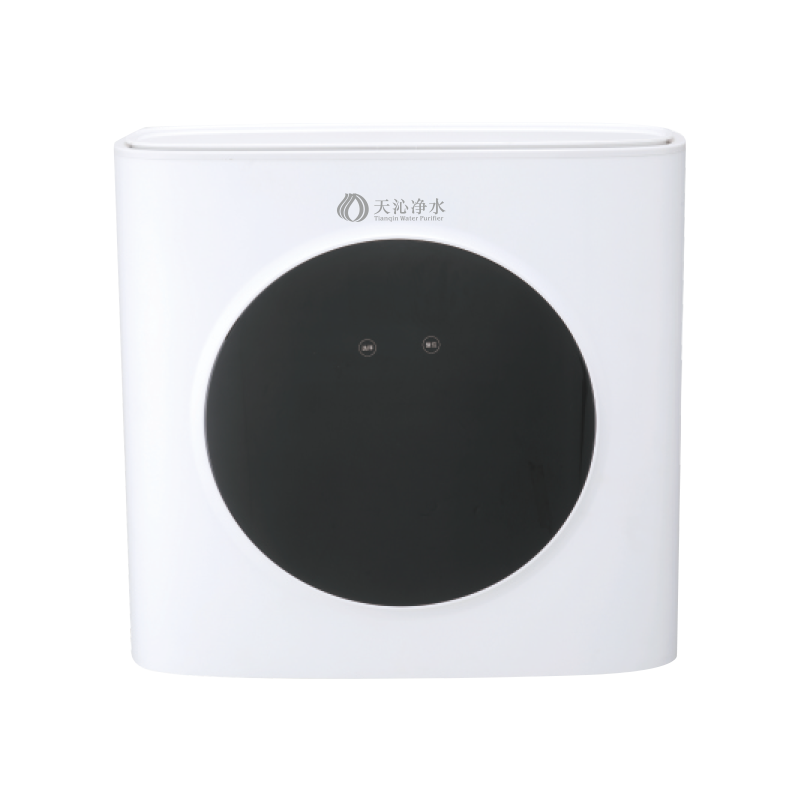 Custom TQ-R14 High Efficiency Tankless Reverse Osmosis Water Purifier Suppliers,Yuyao Tianqin Water Purification Equipment Co..Ltd. is China TQ-R14 High Efficiency Tankless Reverse Osmosis Water Purifier Suppliers and...View Product →
Water pressure matters. Too little pressure slows production and can reduce rejection, especially in older houses or apartments on upper floors. A system designed for pressure fluctuations keeps the membrane operating in a stable range; the TQR10 reverse osmosis purifier for fluctuating water pressure is one option to evaluate.
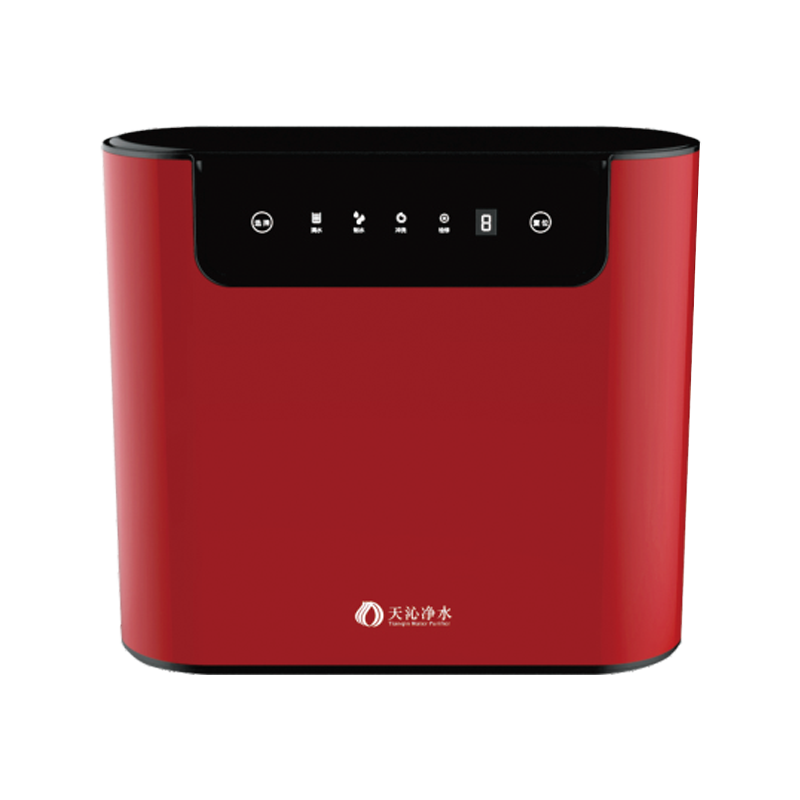 Custom TQ-R10 Ideal for areas where water pressure may fluctuate, Suppliers, OEMYuyao Tianqin Water Purification Equipment Co..Ltd. is China TQ-R10 Ideal for areas where water pressure may fluctuate, Suppliers and OEM...View Product →
If you rent or prefer not to change plumbing, a countertop RO unit can be installed without cutting into the supply line. The TQP1 home countertop reverse osmosis straight drinking machine is a compact format for that situation.
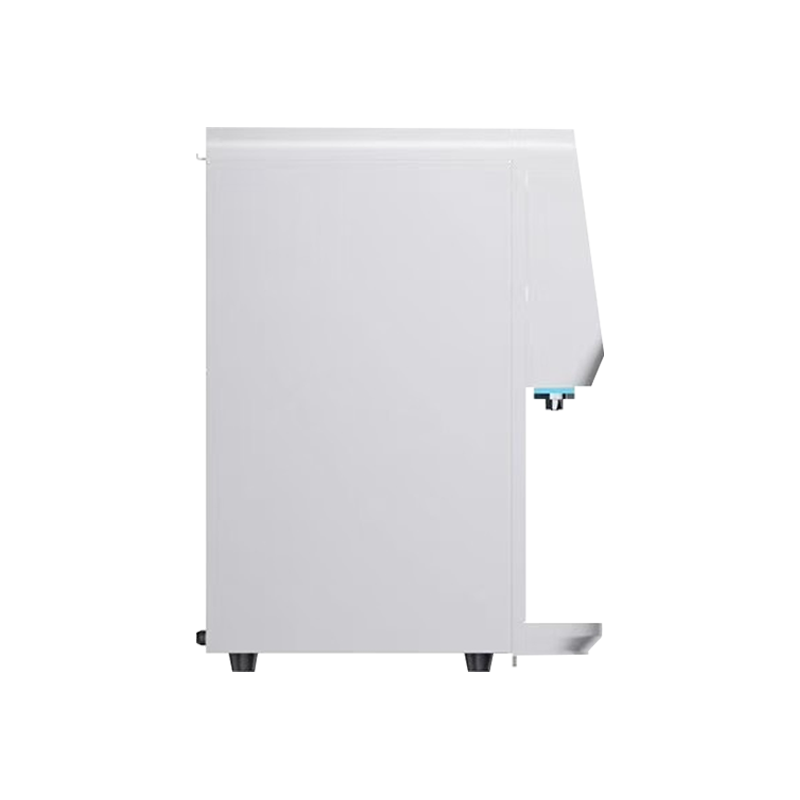 Custom TQ-P1 Home Countertop Reverse Osmosis Commercial Straight Drinking MachinYuyao Tianqin Water Purification Equipment Co..Ltd. is China TQ-P1 Home Countertop Reverse Osmosis Commercial Straight Drinking Machine S...View Product →
Distillation: effective but slower
Distillation pulls fluoride out by changing the physical state of water. The boiling chamber concentrates the fluoride, and the steam is condensed into a separate container. This can remove more than 99 percent of fluoride. The trade-off is time and energy. A typical countertop distiller produces only a few liters over several hours, and mineral scale must be cleaned off the heating element. Distillation makes sense for households that need a small daily volume and are willing to plan ahead.
Activated alumina and selective media
Activated alumina is a porous medium that adsorbs fluoride. It can be effective, but its performance depends on pH, flow rate, and contact time. Some gravity-fed systems and point-of-use cartridges use activated alumina or bone char. The critical point is that the media has a limited lifespan. Once it becomes saturated, it stops removing fluoride. If you rely on this method, keep track of the replacement schedule and confirm actual performance with a water test after installation.
What to look for before buying
The difference between a system that removes fluoride and one that only claims to is in the details.
- Ask for a fluoride reduction percentage, not a general “purifies water” claim.
- Request lab data or certification from a recognized testing body. A manufacturer that has actually tested the unit should be able to provide the results.
- Compare the full replacement cost. A low upfront price with expensive proprietary filters can cost more than a better-built unit.
- Match the format to the home: under-sink, tankless, or countertop. Check available space and whether you are allowed to alter plumbing.
Installation is only half the job
After installing a fluoride-removal system, flush new filters and membranes according to the manufacturer's instructions. Test the treated water with a fluoride-specific laboratory test, not just a TDS meter, because total dissolved solids are not a reliable proxy for fluoride. Retest after changing the membrane or other key filters. A filter that has gone past its rated capacity may still produce water that tastes fine while no longer reducing fluoride.
To remove fluoride from water at home, the decision should start with a test of your tap water and a realistic look at how much treated water your household needs each day. Reverse osmosis will be the best fit for most homes because it works continuously at the tap and removes a broad range of dissolved solids. Distillation is the fallback when a very small volume is acceptable. Activated alumina and bone char can work, but they demand stricter maintenance and better documentation. For a manufacturer’s view of materials and service life, Tianqin’s company profile explains how stainless steel water purification equipment is built for long-term use.
-
 Tel: +86-0574-62381077/62386875
-
 E-mail: leozhanglei@nbtianqin.net
-
 Add: Wuma Industrial Zone, Lubu Town, Yuyao City, Zhejiang Province, China.
Copyright © 2024 by Yuyao Tianqin Water Purification Equipment Co..Ltd.
All Rights Reserved.
 Wholesale Water Purifier Manufacturers

