 English
 中文简体
中文简体-
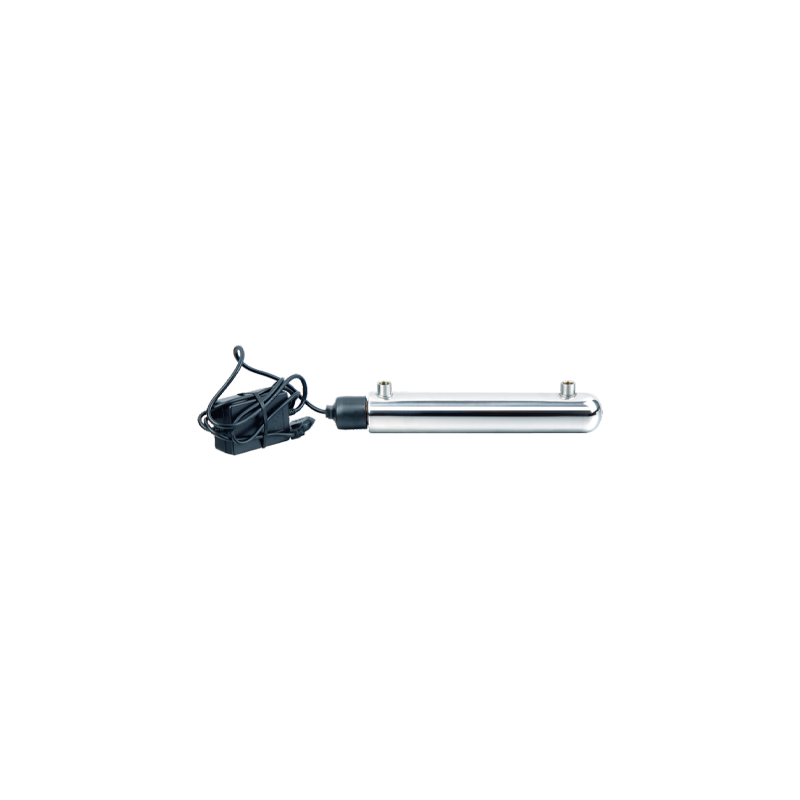 UV11W High-efficiency Intelligent UV Water Sterilizer Cat:Ultraviolet Water Sterilizer
The UV11W High-efficiency Intelligent UV Water Sterilizer is an advanced water purification system that offers convenience and reliability. This steri...
See Details -
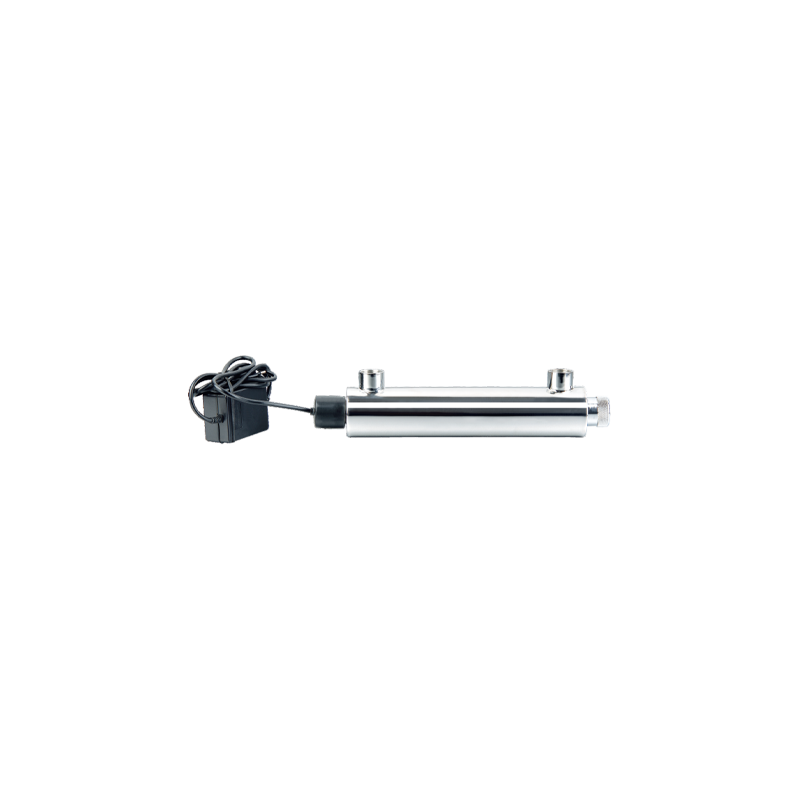 UV16W-A Household Stainless Steel UV Water Sterilizer Cat:Ultraviolet Water Sterilizer
The UV16W-A Household Stainless Steel UV Water Sterilizer is an innovative solution for ensuring safe and pure water in your home. Designed with durab...
See Details -
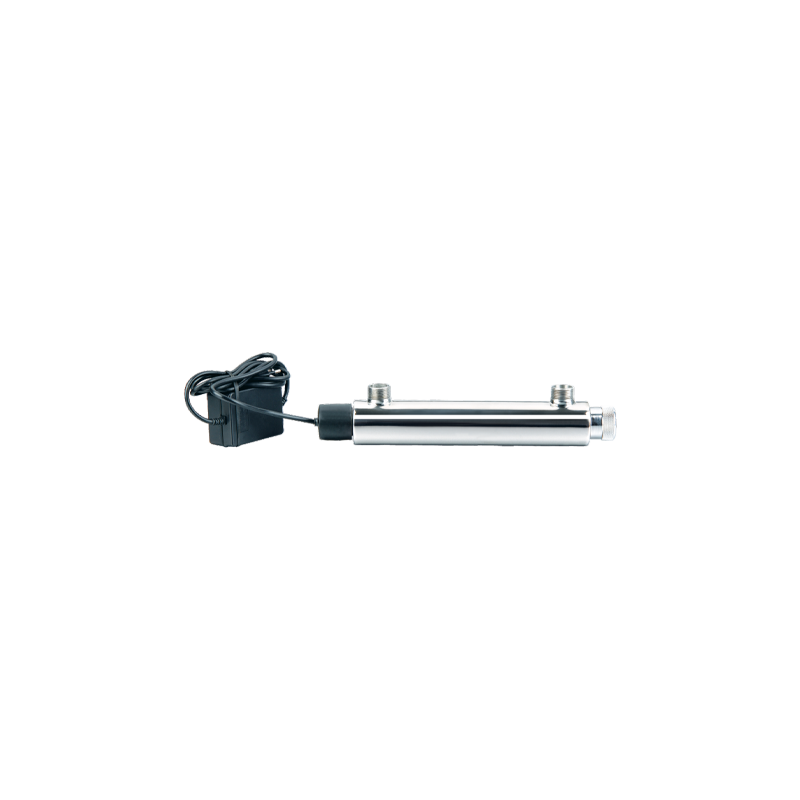 UV16W-B 304 Stainless Steel Water Purifier Ultraviolet Water Sterilizer Cat:Ultraviolet Water Sterilizer
UV16W-B 304 Stainless Steel Water Purifier Ultraviolet Water Sterilizer is an efficient water treatment equipment based on advanced ultraviolet disinf...
See Details -
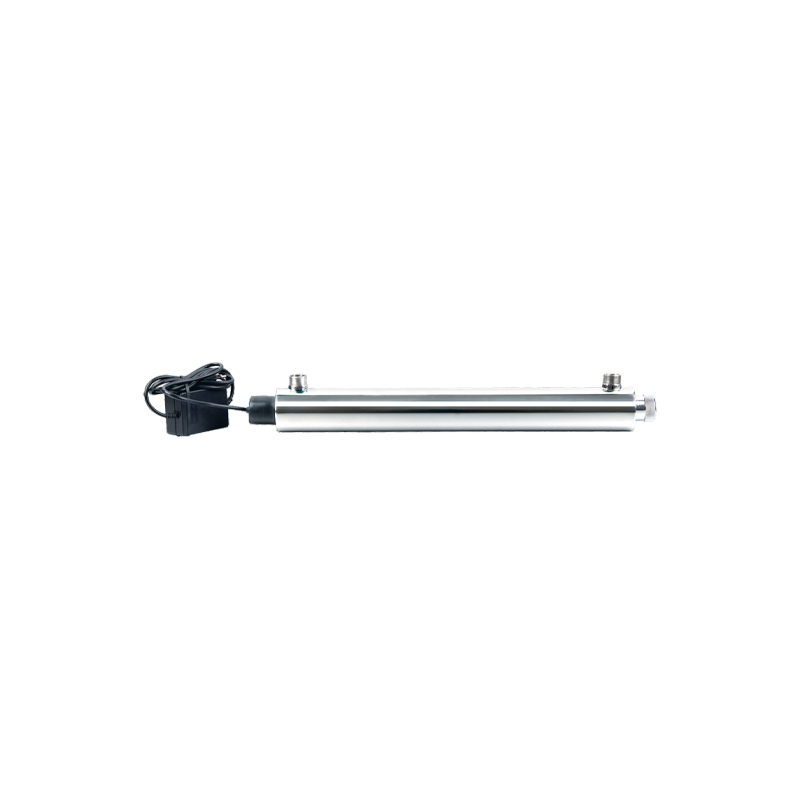 UV25W Stainless Steel Ultrafiltration Pre-Filtration UV Sterilizers For Water Cat:Ultraviolet Water Sterilizer
UV25W Stainless Steel Ultrafiltration Pre-Filtration UV Sterilizers For Water uses high-quality stainless steel materials, which have superb corrosion...
See Details -
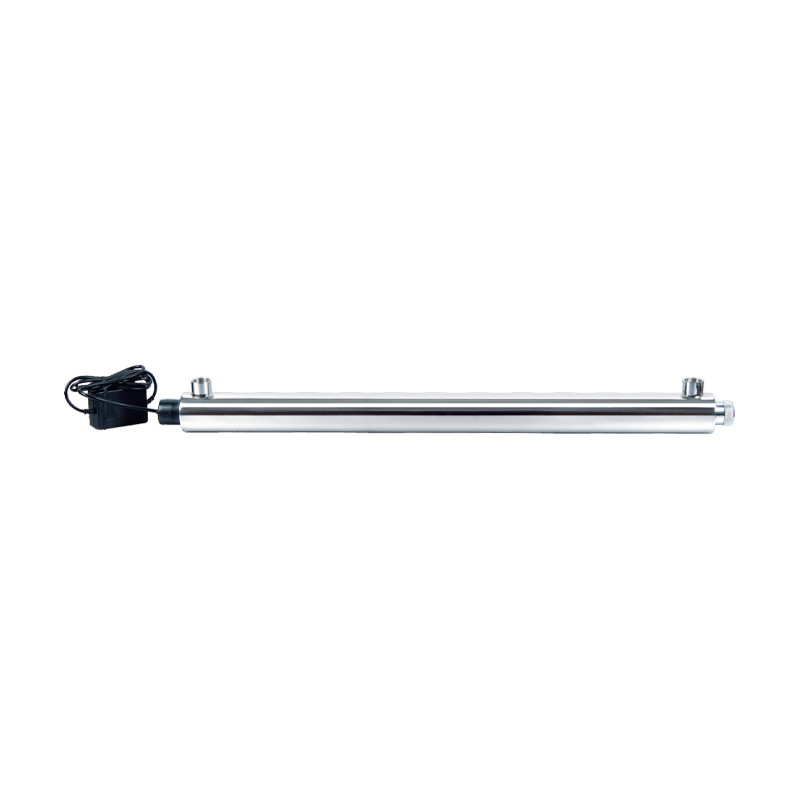 UV30W-55W Automatic Ultraviolet Sterilizer UV Filtration For Drinking Water Cat:Ultraviolet Water Sterilizer
The core advantage of UV30W-55W Automatic Ultraviolet Sterilizer UV Filtration For Drinking Water lies in its efficient and rapid disinfection capabil...
See Details -
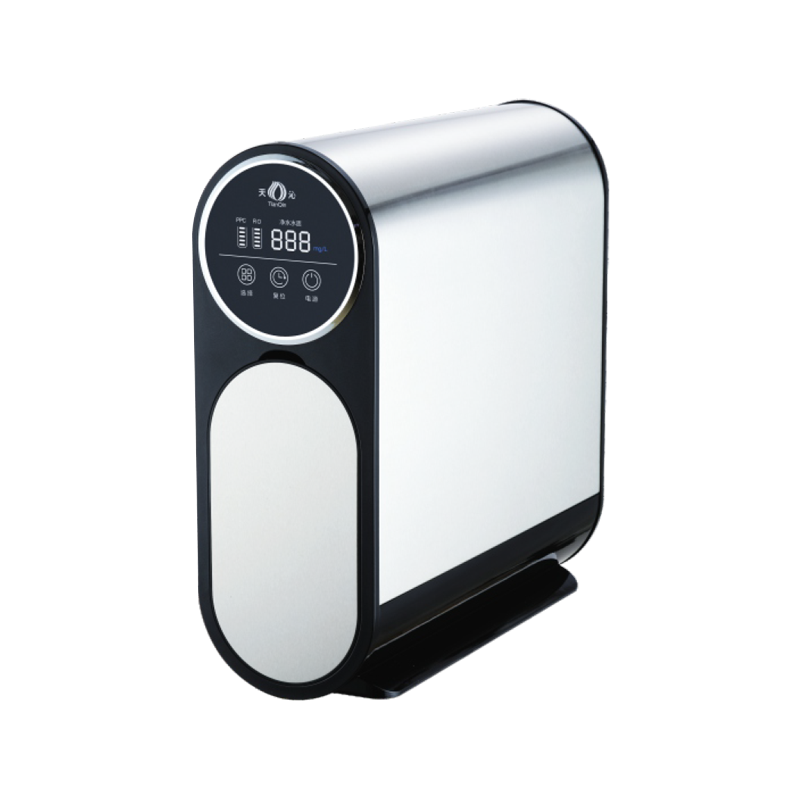 TQ-R03 Stainless Steel Booster Double Water Full Effect RO Water Purifier Cat:Stainless Steel Ro System
TQ-R03 Stainless Steel Booster Double Water Full Effect RO Water Purifier is a household water purification device that combines efficient water purif...
See Details -
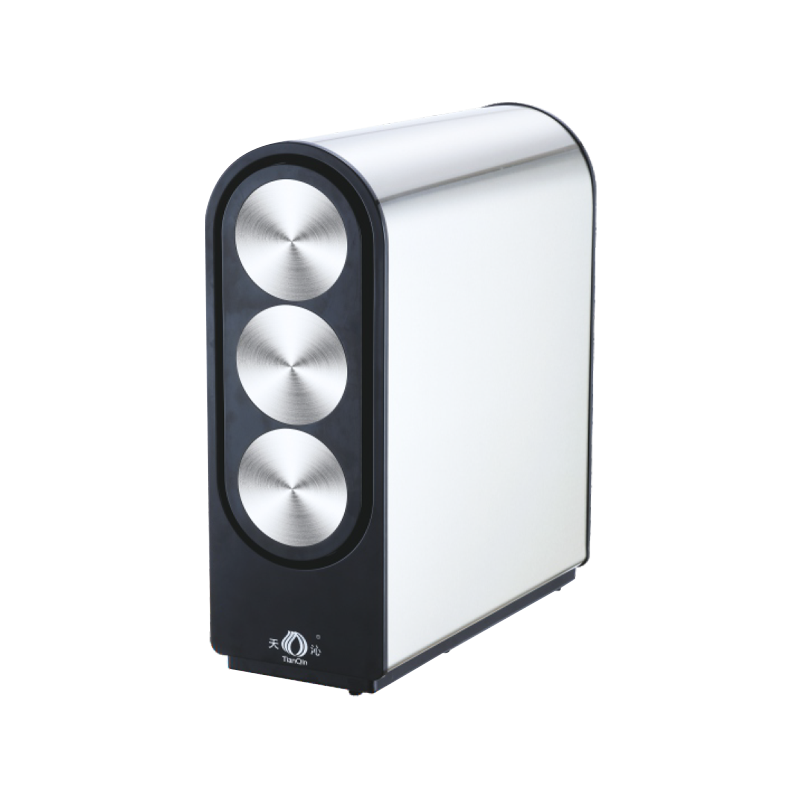 TQ-R05 Multifunctional Water Purification Source RO Water Purifier Cat:Stainless Steel Ro System
The TQ-R05 Multifunctional Water Purification Source RO Water Purifier is an advanced, versatile water purification solution designed for households a...
See Details -
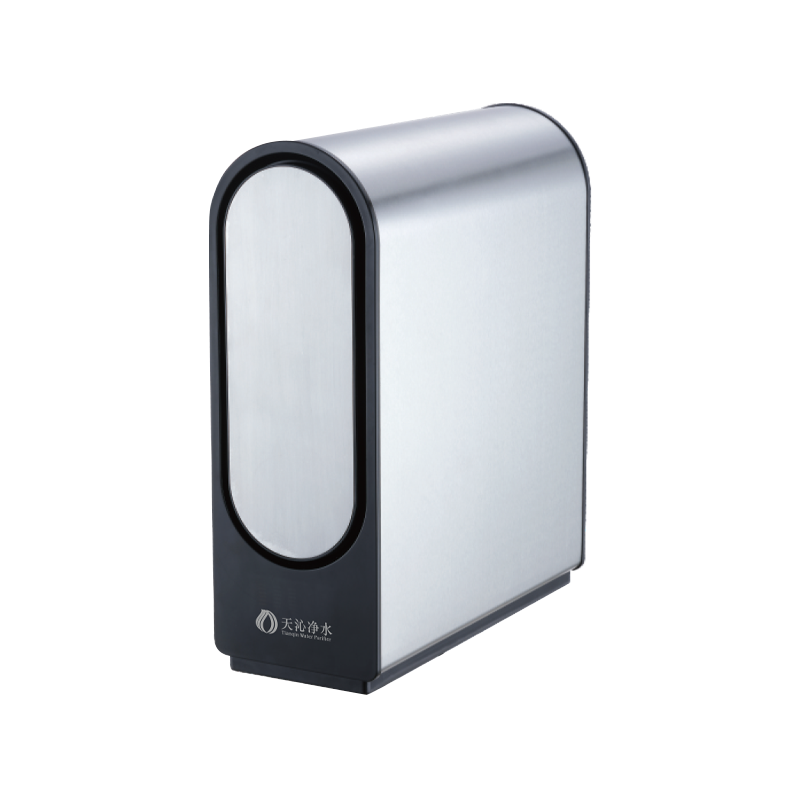 TQ-R06 Stainless Steel Environmentally Friendly RO Water Purifier Cat:Stainless Steel Ro System
The TQ-R06 Stainless Steel Environmentally Friendly RO Water Purifier combines advanced RO filtration technology, durable stainless steel housing, and...
See Details -
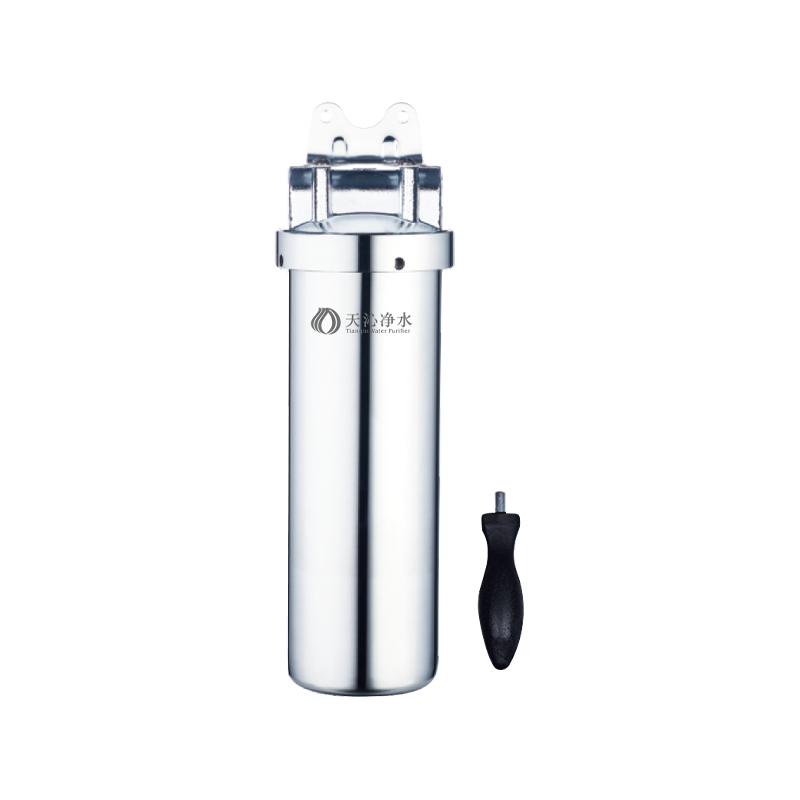 Stainless Steel Pure Double Water Pipe Water Purifier Cat:Stainless Steel Pipeline Water Purifier
The Stainless Steel Pure Double Water Pipe Water Purifier is an advanced water purification system designed to provide dual-mode purified water with e...
See Details -
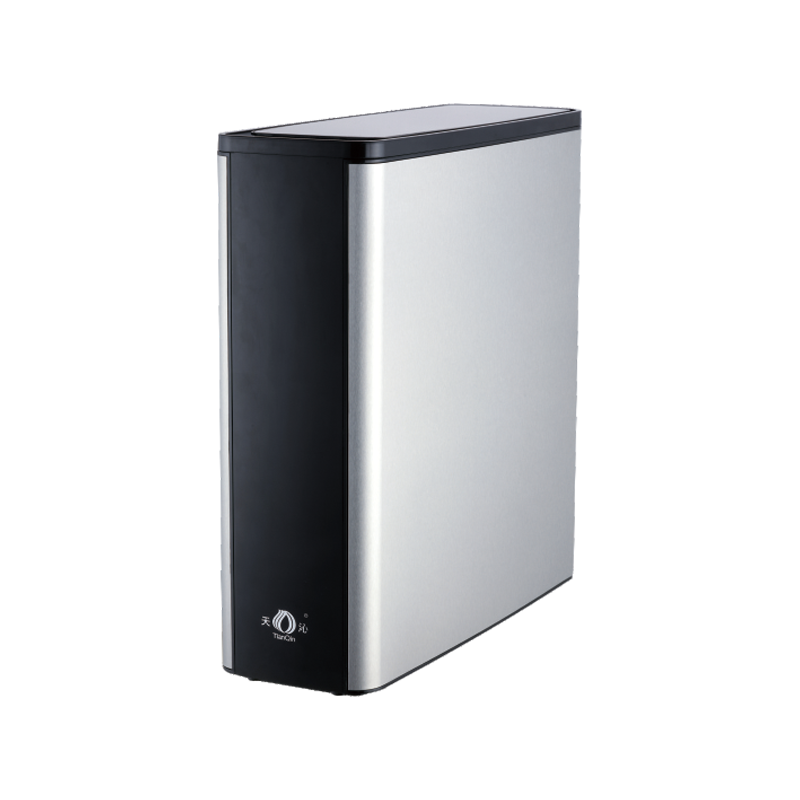 TQ-R08 Stainless Steel High-Flow RO Water Filter Cat:Stainless Steel Ro System
The Stainless Steel High-Flow RO Water Filter (TQ-R08) provides a powerful and effective solution for purifying drinking water, combining advanced rev...
See Details


 +86-0574-62381077/62386875

How Can We Tell If Water Is Polluted or Clean? Key Signs, Tests, and Solutions
Pour a glass of tap water and hold it up to the light. If it runs brown, smells like a swimming pool, or carries a metallic edge, you already have part of the answer. The harder half is what you cannot perceive: lead, nitrate, arsenic, and most bacteria add no color, odor, or taste to water at all. So the dependable way to tell polluted water from clean water works in three layers. Sensory checks catch obvious problems first, official reports and simple tests verify what your senses miss, and treatment matched to the confirmed contaminant handles the rest. Each layer is described below with the signs, standards, and tools that matter.
Content
What Your Senses Can and Cannot Tell You
Your senses are a reasonable first alarm, and they respond to real chemistry. Brown, yellow, or rusty water usually points to iron or sediment, often stirred up by repairs to aging mains or by corroding household pipes. A rotten-egg smell means hydrogen sulfide gas or sulfate-reducing bacteria, frequently inside a water heater. A musty or earthy taste comes from algae byproducts in the source water, unpleasant but rarely hazardous. A chlorine odor simply reflects the disinfectant residual that utilities add on purpose.
One common false alarm is worth knowing. Milky or cloudy water is almost always trapped air: fill a glass, wait a minute, and if the cloudiness clears from the bottom upward, the water itself is fine. Murkiness that never clears, however, suggests suspended sediment or microbial growth and deserves investigation.
The limits appear the moment dissolved contaminants enter the picture. Lead from old plumbing, nitrate from agricultural runoff, arsenic in some groundwater, and pathogenic bacteria and viruses are all invisible and tasteless. Regulators make the same point: unusual color, odor, or taste signals that something may be wrong, but the absence of any signal proves nothing. Natural sources add their own cues. A river or lake showing thick green scum or an algal bloom, gray-brown mats known as sewage fungus, persistent foam, or dead fish downstream should be treated as polluted even when a jar sample looks clear.
Sensory Warning Signs and the First Response to Each
Most sensory clues cannot name the exact pollutant, but they do tell you whether to dig deeper. The table below collects the common ones and the sensible first step for each.
| What you notice | Likely explanation | Sensible next step |
|---|---|---|
| Brown, yellow, or red water | Rust or sediment from aging pipes or main repairs | Run the cold tap briefly; if it persists, test for iron and inspect the plumbing |
| Milky water that clears from the bottom up | Trapped air, not pollution | No action needed |
| Rotten-egg smell | Hydrogen sulfide or bacteria in the water heater | Test the source; flush or service the heater |
| Strong chlorine taste or odor | Normal disinfectant residual | Confirm the level with a test strip; use carbon filtration for taste |
| Musty or earthy taste | Algae byproducts in the source water | Check the utility's water quality report; carbon filtration reduces odor |
| Blue-green stains on fixtures | Copper corrosion, often with acidic water | Test for copper and pH before drinking |
| White scale on kettles | Hardness minerals such as calcium | Not pollution, but consider softening to protect appliances |
When a sensory clue and a test result agree on the cause, point-of-use equipment can resolve the issue at the tap itself. The faucet unit below pairs a ceramic composite filter with activated carbon for exactly the sediment, chlorine, and microbial concerns listed above.
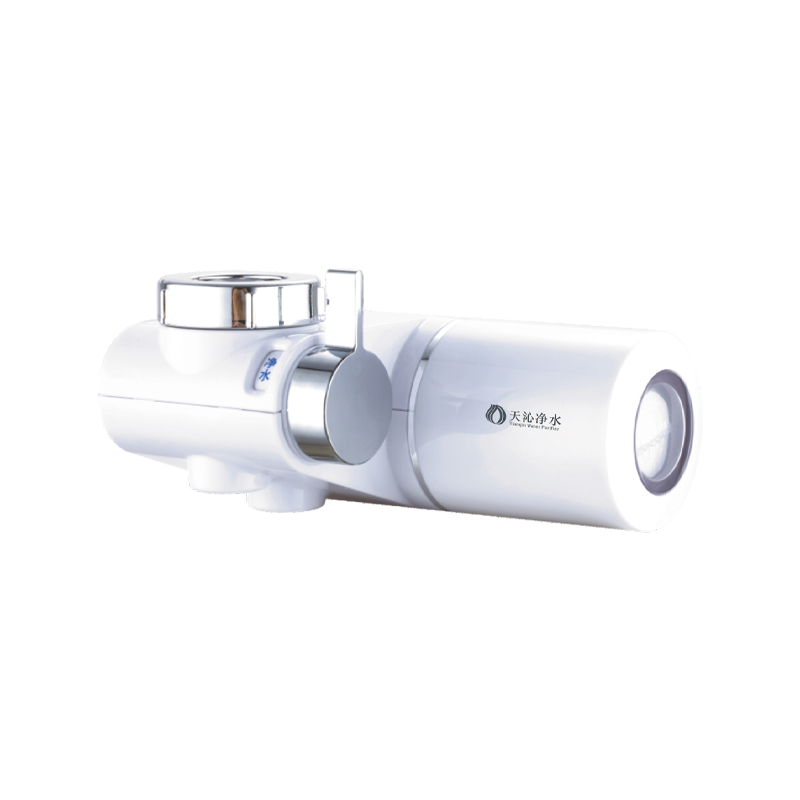 TQ-A103 Ceramic Composite Filter Faucet Water PurifierA faucet-mounted ceramic composite filter with activated carbon that removes sediment, rust, chlorine, and microorganisms while retaining beneficial minerals. It suits households whose tap water shows visible particles or chlorine taste and odor.View Product →
From Reports to Lab Tests: Verifying What You Cannot See
Start with the annual water quality report
If a public utility supplies your water, the cheapest verification already exists. Utilities publish an annual water quality report, called the Consumer Confidence Report in the United States, listing every regulated contaminant detected, the measured level, and the legal limit beside it. In the US, the utility must also notify you directly whenever the water fails to meet safe drinking standards. Reading that document once a year answers most clean-or-polluted questions faster than any gadget.
Home test kits: screening, not proof
Home kits fill the gap for quick checks. Test strips cover chlorine, pH, hardness, and nitrate; a TDS meter reads total dissolved solids in seconds. Treat them strictly as screening tools: their accuracy is modest, a TDS reading shows how much is dissolved but not what, and a clean strip does not clear water of contaminants the kit never measured. They are most useful for spotting sudden changes between lab tests, for example after a pipe repair.
When a certified laboratory is worth it
A certified lab test is the right call when you drink from a private well, after plumbing work or flooding, when someone in the household is pregnant or an infant drinks the water, or when taste and color change without explanation. Standard panels check total coliform and E. coli, nitrate, and metals such as lead and arsenic. A few benchmarks make results easy to judge: any detection of E. coli is a fail, nitrate carries a legal limit of 10 mg/L in US public systems, and treated tap water should look essentially clear, since US rules require filtered surface water to stay at or below 0.3 NTU turbidity in 95 percent of samples. Lead deserves attention at any level in homes with young children.
What "Clean" Actually Means
Clean does not mean chemically pure. Every drinking water standard in the world, from the WHO guidelines down to national regulations, defines clean as water that stays within health-based limits for microorganisms, metals, chemicals, and disinfection byproducts at the point of use. Two practical consequences follow. First, water that looks and tastes perfect can still exceed limits, which is why spring water and shallow wells deserve lab testing rather than trust. Second, a slight chlorine taste usually means the treatment process is working, not that the water is polluted. The useful question is not whether water is pure but whether it meets the limits for drinking, and only measurement answers that reliably.
Matching Treatment to the Confirmed Contaminant
Once testing tells you what is actually in the water, choosing equipment becomes a matching exercise instead of a guessing game. Mechanical prefiltration removes rust, sand, sediment, and even the occasional red worm that aging pipes release. Activated carbon handles chlorine, taste, and odor. Ultrafiltration with hollow-fiber membranes rated around 0.01 micron physically blocks bacteria, cysts, and the fine particles behind persistent cloudiness. Reverse osmosis is the option for dissolved contaminants that simpler filters cannot touch, including heavy metals, nitrate, arsenic, and excess salts. For a fuller breakdown of which technology addresses which pollutant, this guide to what contaminants water filters remove is a useful reference.
When lab results show microbial risk in otherwise clear water, an ultraviolet sterilizer on the supply line addresses exactly that gap, because UV disinfection works independently of how the water looks or tastes.
 UV16W-A Stainless Steel Household UV Water SterilizerAn inline stainless steel ultraviolet sterilizer that eliminates bacteria, viruses, and other microorganisms without chemicals. It fits situations where tests confirm microbial contamination in otherwise clear, good-tasting water.View Product →
Where dissolved contaminants such as nitrate or heavy metals are confirmed, reverse osmosis remains the dependable choice, and a tankless design removes the storage tank that would otherwise become a maintenance point.
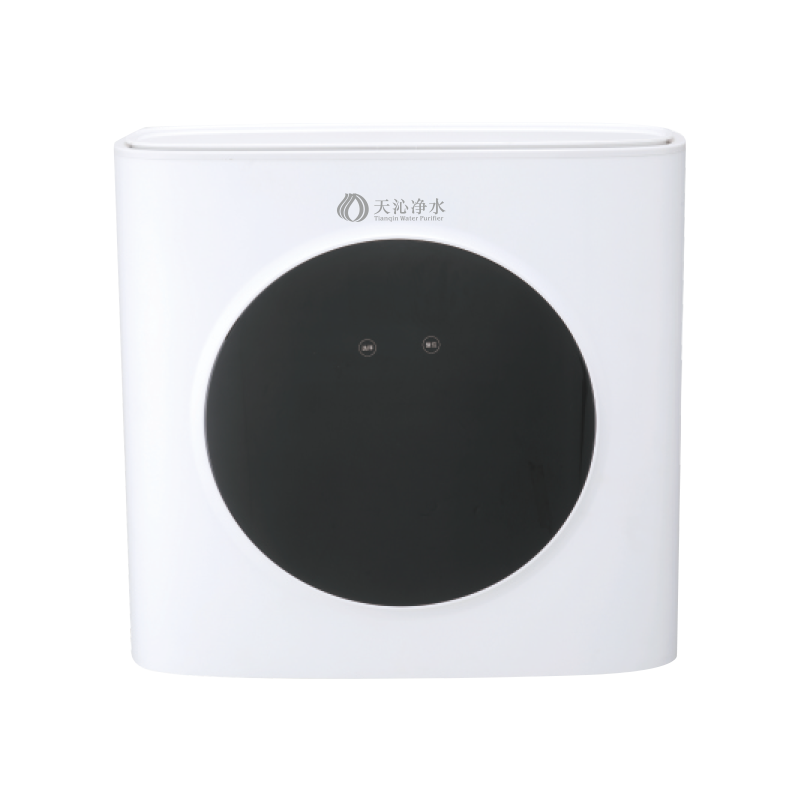 TQ-R14 Tankless Reverse Osmosis Water PurifierA high-efficiency tankless reverse osmosis system that removes dissolved contaminants such as heavy metals, nitrates, and chlorine on demand. Without a storage tank, it eliminates a common maintenance point in traditional RO setups.View Product →
If you are sourcing equipment for a distribution or project business rather than a single kitchen, verify the manufacturer the same way you would verify the water. Look for a documented quality system, sanitary approvals for materials in contact with drinking water, and real export experience; our company background page lists the certifications, industry standard-setting role, and product range behind the equipment described here.
A Practical Routine Worth Repeating
- Watch for sensory changes at the tap: color, smell, taste, and cloudiness.
- Read your utility's annual water quality report once a year.
- Screen with home test strips or a TDS meter whenever something changes.
- Send a sample to a certified lab if you rely on a well, after plumbing work, or before a newborn arrives.
- Match the treatment to the confirmed contaminant: prefiltration for particles, carbon for chlorine and taste, ultrafiltration or UV for microbes, reverse osmosis for dissolved contaminants.
- Retest after installation and replace cartridges on schedule, because an exhausted filter can release what it once trapped.
Taken together, the method is easy to remember: let your senses flag problems, let reports and tests confirm them, and let matched treatment solve them. Water that looks clean deserves exactly the same scrutiny as water that looks dirty, because the contaminants most likely to harm you are the ones you will never see, smell, or taste.
-
 Tel: +86-0574-62381077/62386875
-
 E-mail: leozhanglei@nbtianqin.net
-
 Add: Wuma Industrial Zone, Lubu Town, Yuyao City, Zhejiang Province, China.
Copyright © 2024 by Yuyao Tianqin Water Purification Equipment Co..Ltd.
All Rights Reserved.
 Wholesale Water Purifier Manufacturers

