 English
 中文简体
-
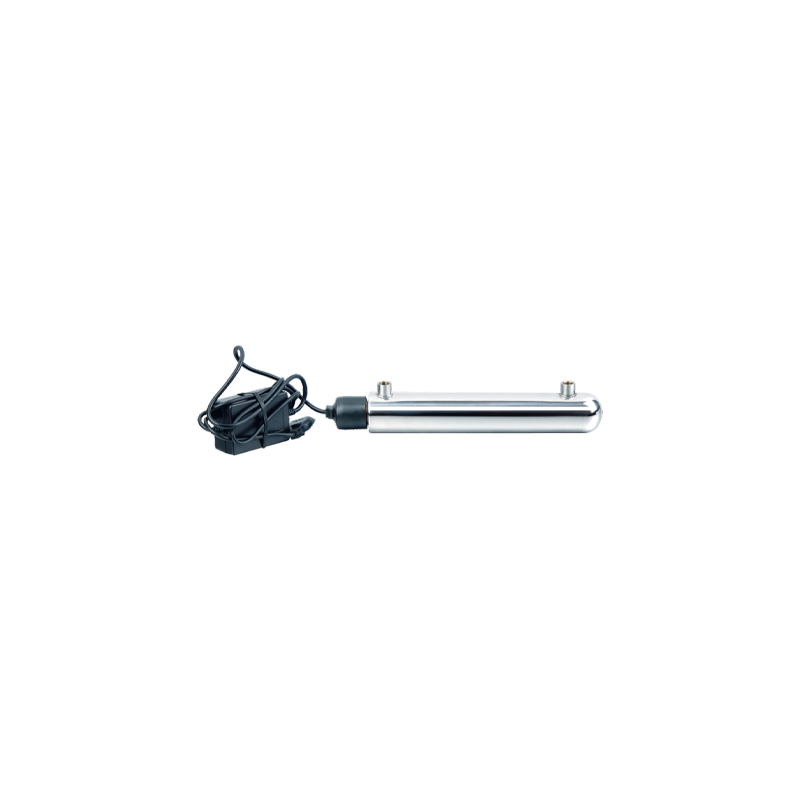 UV11W High-efficiency Intelligent UV Water Sterilizer Cat:Ultraviolet Water Sterilizer
The UV11W High-efficiency Intelligent UV Water Sterilizer is an advanced water purification system that offers convenience and reliability. This steri...
See Details -
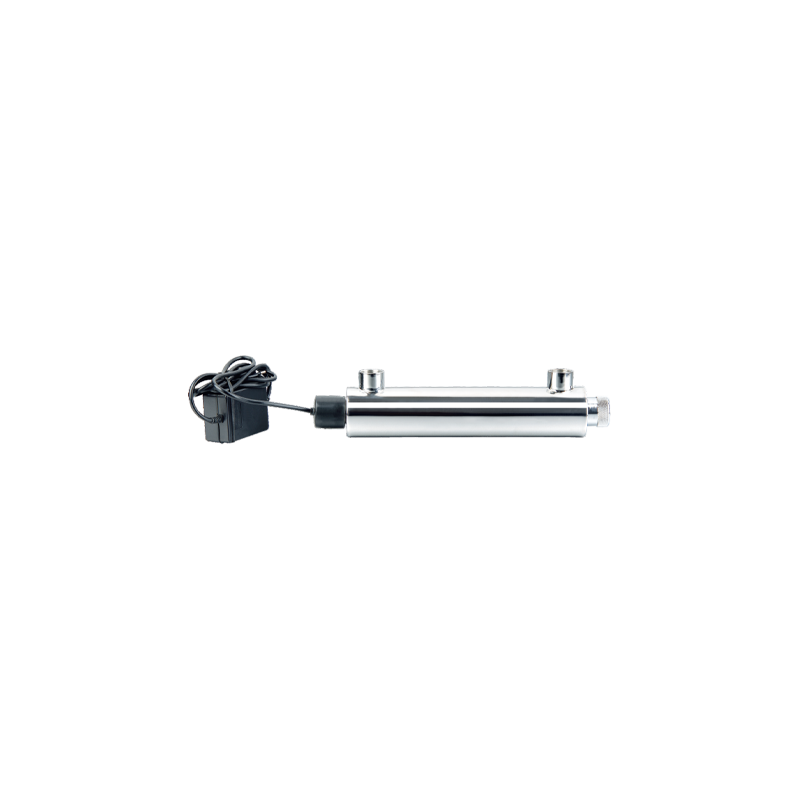 UV16W-A Household Stainless Steel UV Water Sterilizer Cat:Ultraviolet Water Sterilizer
The UV16W-A Household Stainless Steel UV Water Sterilizer is an innovative solution for ensuring safe and pure water in your home. Designed with durab...
See Details -
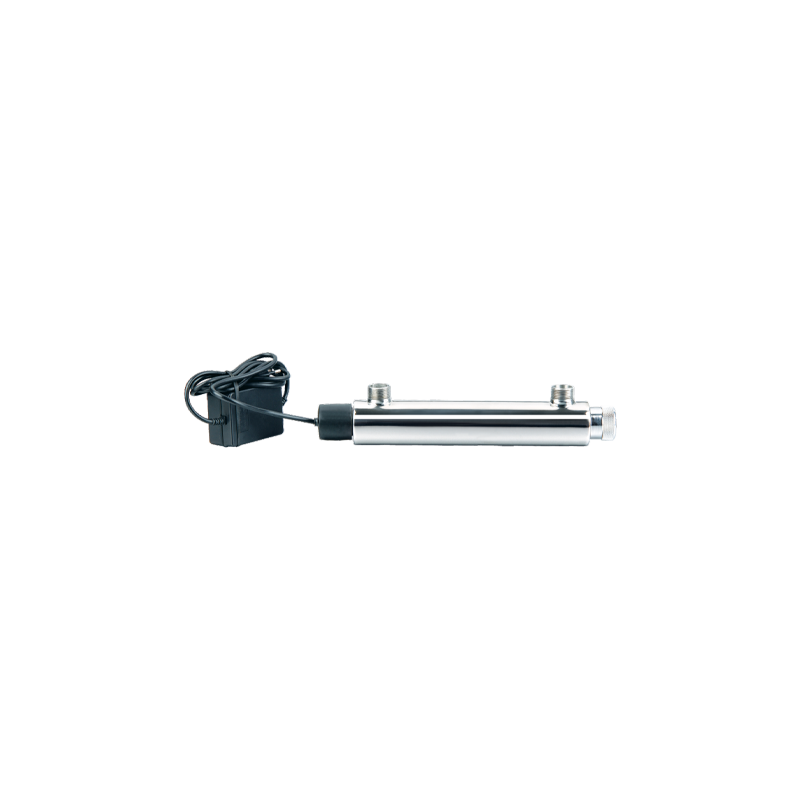 UV16W-B 304 Stainless Steel Water Purifier Ultraviolet Water Sterilizer Cat:Ultraviolet Water Sterilizer
UV16W-B 304 Stainless Steel Water Purifier Ultraviolet Water Sterilizer is an efficient water treatment equipment based on advanced ultraviolet disinf...
See Details -
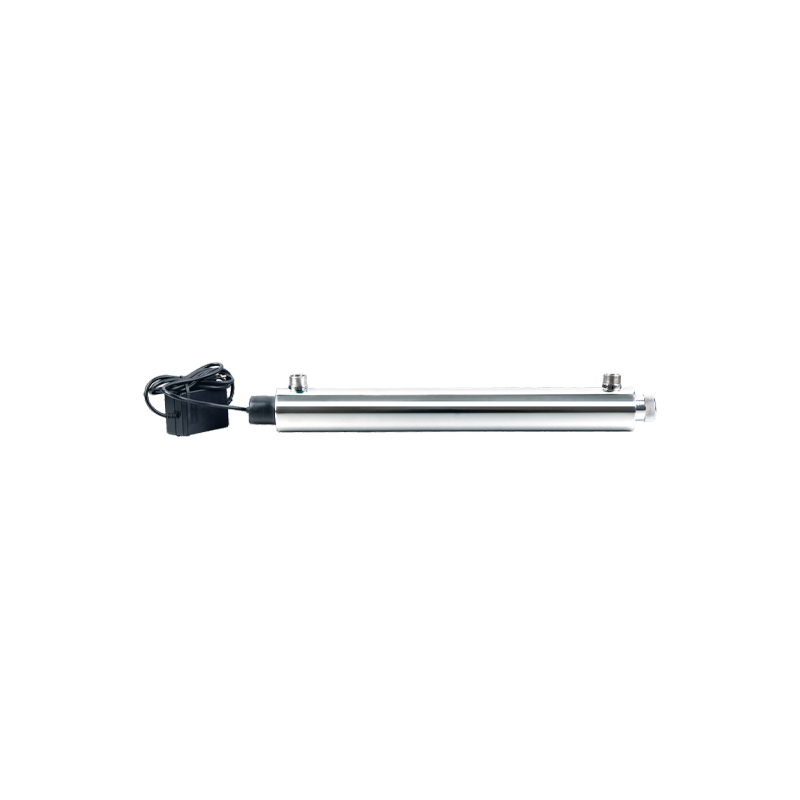 UV25W Stainless Steel Ultrafiltration Pre-Filtration UV Sterilizers For Water Cat:Ultraviolet Water Sterilizer
UV25W Stainless Steel Ultrafiltration Pre-Filtration UV Sterilizers For Water uses high-quality stainless steel materials, which have superb corrosion...
See Details -
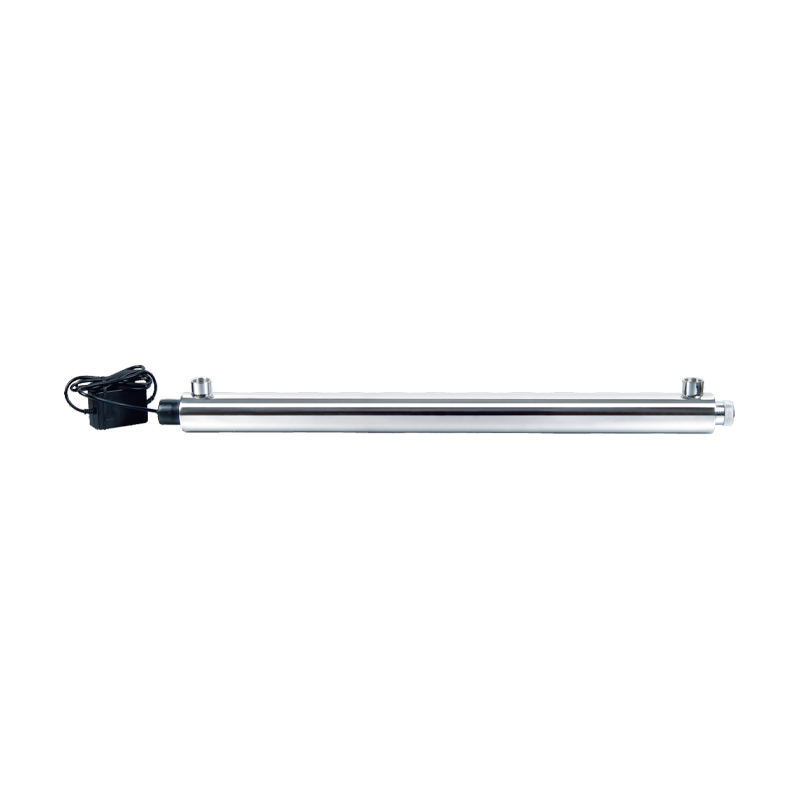 UV30W-55W Automatic Ultraviolet Sterilizer UV Filtration For Drinking Water Cat:Ultraviolet Water Sterilizer
The core advantage of UV30W-55W Automatic Ultraviolet Sterilizer UV Filtration For Drinking Water lies in its efficient and rapid disinfection capabil...
See Details -
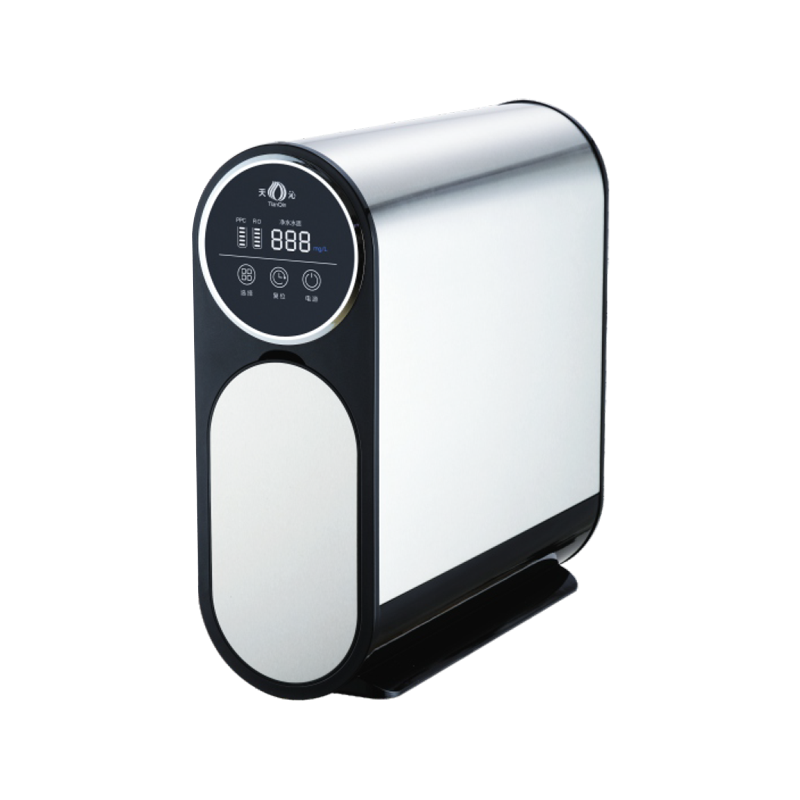 TQ-R03 Stainless Steel Booster Double Water Full Effect RO Water Purifier Cat:Stainless Steel Ro System
TQ-R03 Stainless Steel Booster Double Water Full Effect RO Water Purifier is a household water purification device that combines efficient water purif...
See Details -
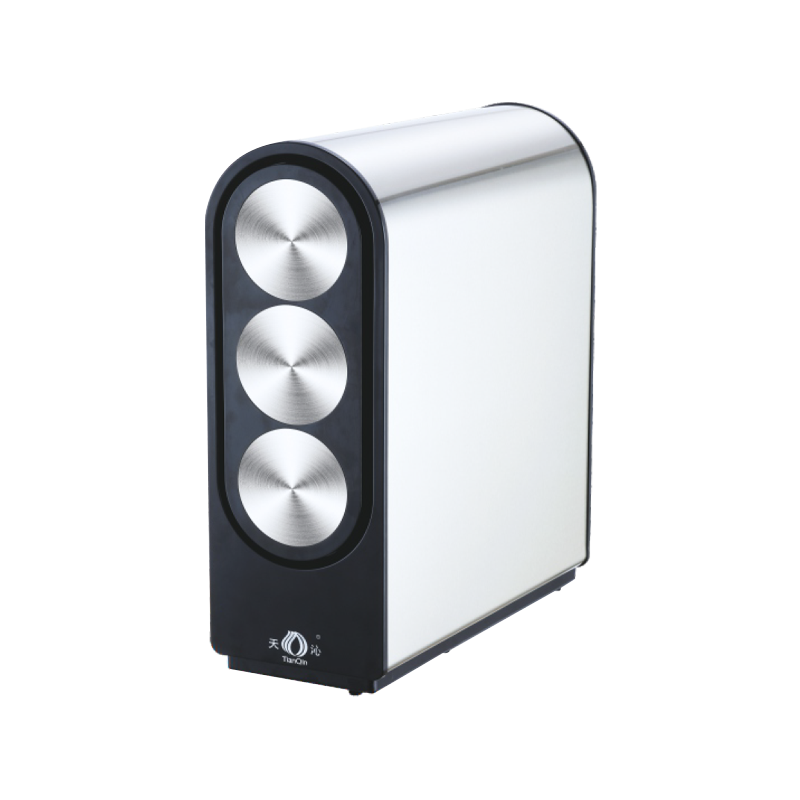 TQ-R05 Multifunctional Water Purification Source RO Water Purifier Cat:Stainless Steel Ro System
The TQ-R05 Multifunctional Water Purification Source RO Water Purifier is an advanced, versatile water purification solution designed for households a...
See Details -
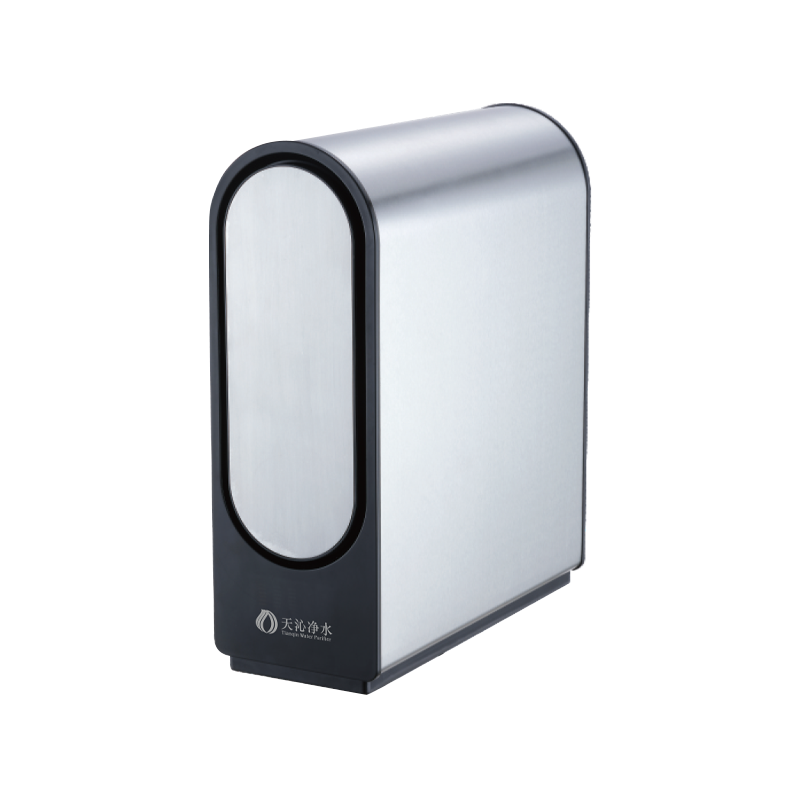 TQ-R06 Stainless Steel Environmentally Friendly RO Water Purifier Cat:Stainless Steel Ro System
The TQ-R06 Stainless Steel Environmentally Friendly RO Water Purifier combines advanced RO filtration technology, durable stainless steel housing, and...
See Details -
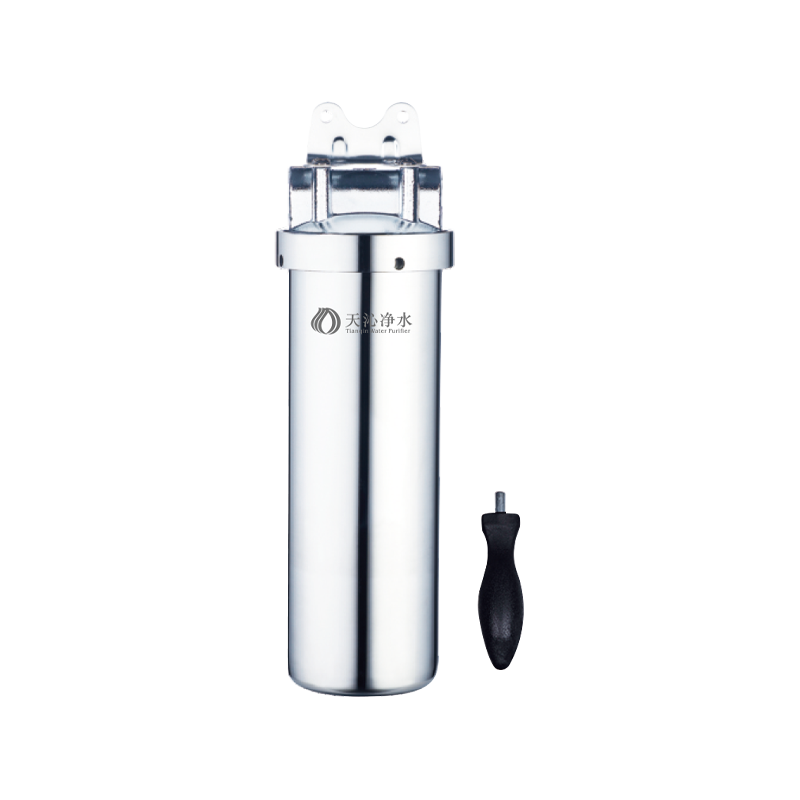 Stainless Steel Pure Double Water Pipe Water Purifier Cat:Stainless Steel Pipeline Water Purifier
The Stainless Steel Pure Double Water Pipe Water Purifier is an advanced water purification system designed to provide dual-mode purified water with e...
See Details -
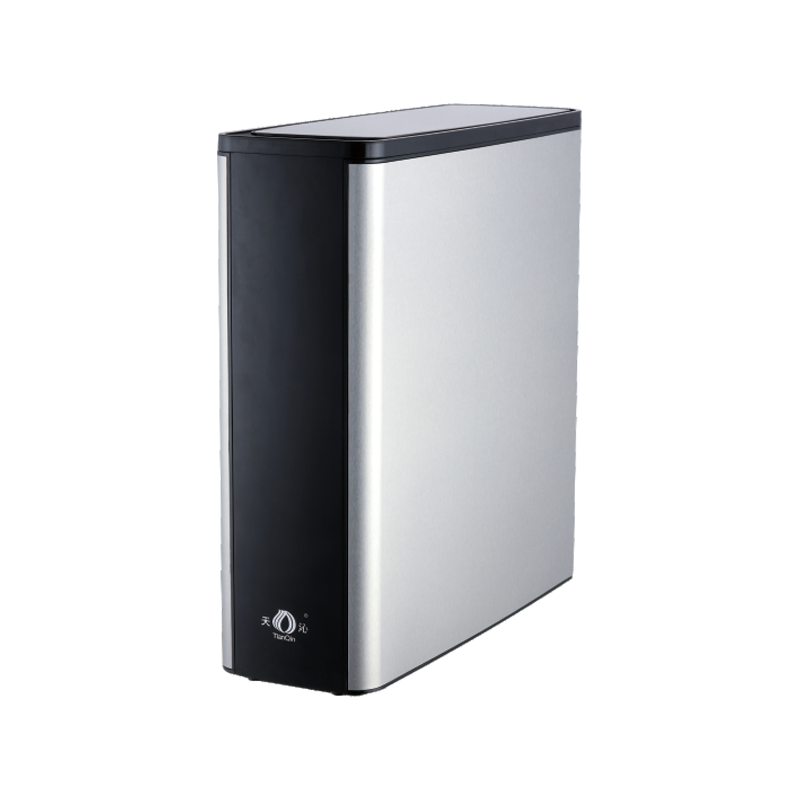 TQ-R08 Stainless Steel High-Flow RO Water Filter Cat:Stainless Steel Ro System
The Stainless Steel High-Flow RO Water Filter (TQ-R08) provides a powerful and effective solution for purifying drinking water, combining advanced rev...
See Details


 +86-0574-62381077/62386875

How Does an RO Water Purifier Work? A Step-by-Step Filtration Breakdown
When people ask us how a reverse osmosis (RO) water purifier works, the honest answer is that it combines several simple ideas into one reliable system. You move water across a special membrane under pressure, leaving dissolved impurities behind. Then you add a few extra filters to protect the membrane and improve the taste. The result is water that is noticeably cleaner and more consistent than simple carbon filtration can provide. As a manufacturer of stainless steel water purifiers since 1998, we have seen these systems evolve, but the core principle remains the same.
Content
What is reverse osmosis?
Osmosis is a natural process where water moves through a semipermeable membrane from a side with fewer dissolved solids to a side with more dissolved solids. The water tries to balance the two sides. Reverse osmosis does the opposite. It applies pressure to the more concentrated side and forces water molecules through the membrane while salts, metals, and other dissolved material stay behind.
The membrane is the heart of every RO purifier. It has pores small enough to block most contaminants but still allow water molecules to pass. That is why RO can reduce heavy metals, fluoride, nitrates, and many other substances that a normal sediment filter cannot catch.
| Process | Membrane movement | What drives movement |
|---|---|---|
| Osmosis | Moves toward concentrated solution | Natural balance of solutes |
| Reverse osmosis | Moves away from concentrated solution | Applied water pressure |
The typical stages in an RO water purifier
A complete RO water purifier is never just a membrane. It usually has several stages that work together. The exact number varies by model, but the logic stays the same from a compact household system to a commercial machine.
- Sediment pre-filter: catches sand, rust, and larger particles before they reach the membrane.
- Carbon pre-filter: removes chlorine and organic compounds that could damage the membrane or cause bad taste.
- RO membrane: separates dissolved solids, heavy metals, and many other contaminants from the water.
- Post-carbon filter: polishes the taste after the storage tank.
- Storage tank or tankless flow: holds treated water until you open the tap.
Some stainless steel RO systems add an extra carbon or mineralization stage after the membrane. This gives you cleaner water and also brings back a more natural mouthfeel. The order of these stages matters. Sediment and carbon filters always come before the membrane; otherwise the membrane would quickly clog or lose its rejection rate. Many modern purifiers also use a sediment-carbon blend in one cartridge to simplify maintenance. After the membrane, the final carbon filter can be a small activated carbon block that polishes the water just before it reaches the tap.
How pressure and wastewater work together
The pressure inside an RO system is not just there to push water through the membrane. It also affects how much clean water you get and how much concentrated water is sent to the drain. In a typical system, the ratio may be three parts wastewater to one part purified water. Newer systems are more efficient, especially models with a built-in pump or a wash mode.
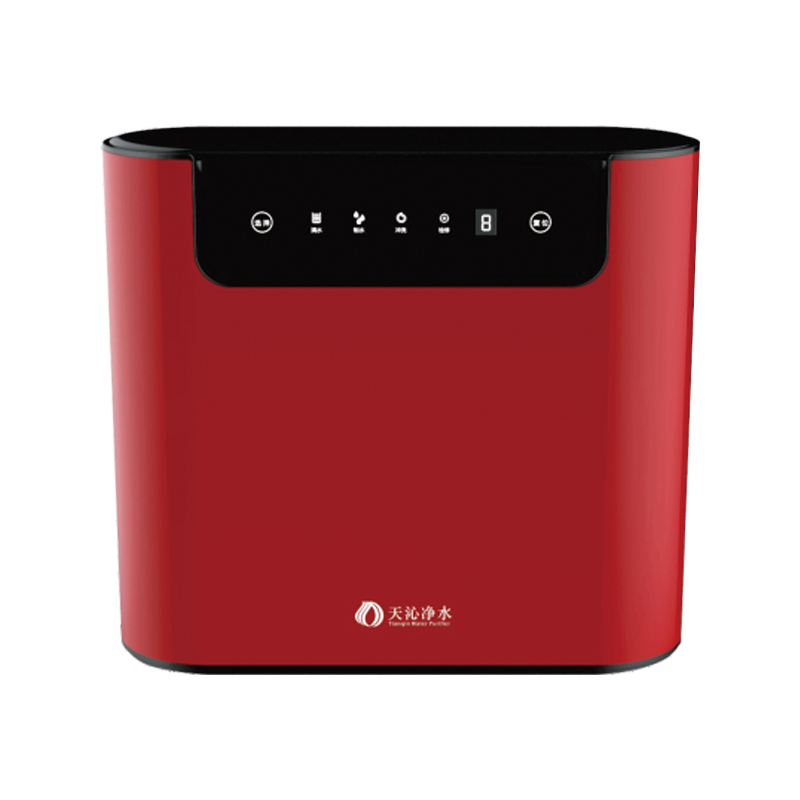 Self-Priming Reverse Osmosis Purifier for Fluctuating PressureThis RO system automatically adapts to low or unstable water pressure, maintaining consistent output and reducing wastewater. Ideal for homes with variable pressure conditions.View Product →
When the membrane is new and pressure is stable, the system performs at its best. If your home has pressure changes, a system designed for fluctuating pressure keeps the output consistent. Older membrane or low pressure increases wastewater and makes production slower.
A storage tank also smooths out the flow. The tank fills when you are not using water, then releases purified water when needed. A good automatic shut-off valve stops production once the tank is full, reducing unnecessary waste.
A booster pump is useful when incoming pressure is below the recommended range. It raises the pressure across the membrane so the system can still produce enough purified water. Without adequate pressure, an RO purifier produces less water and sends more to the drain. This is why models with built-in pumps are so common in apartment buildings and areas with seasonal pressure changes.
What does an RO purifier actually remove?
RO is most valuable when you need to reduce dissolved solids. Common examples include fluoride, sodium, lead, arsenic, nitrates, and hardness minerals. The membrane also catches bacteria and viruses in most practical conditions, although UV or ultrafiltration is sometimes added for extra safety.
| Type | Examples | Removal effect |
|---|---|---|
| Sediment | Sand, silt, rust | High |
| Chlorine and taste | Chlorine, organics | High with carbon stage |
| Dissolved metals | Lead, arsenic, aluminium | High |
| Nitrates and fluoride | Nitrate, nitrite, fluoride | High |
| Microorganisms | Bacteria, viruses | High under normal operating conditions |
Keep in mind that no single filter does everything. A well-designed RO water purifier uses pre-filtration to protect the membrane and post-filtration to leave the water tasting fresh. Carbon filters handle chlorine and taste; the RO membrane handles dissolved solids, so the two work best as a team. Some people worry that RO removes beneficial minerals, but the amount in typical tap water is small compared with your diet, and a mineralization stage can be added if you prefer.
Maintenance keeps the system reliable
RO systems need periodic care. Pre-filters should be replaced more often than the membrane, usually every six to twelve months based on your water quality and usage. The membrane can last two to three years, but a high sediment load or heavy chlorine can shorten its life.
If you notice a slow flow, higher wastewater, or a change in taste, it is usually time to inspect the filters. A maintenance guide for stainless steel RO systems can help you track what to check and when. A slow flow, a flat taste, or a system that runs constantly usually points to a clogged pre-filter, an exhausted carbon filter, or a failing shut-off valve. Keeping a simple log of filter changes helps you catch these issues early.
Choosing the right RO system for your home
There are two basic layouts for household RO purifiers. The first is a traditional system with a storage tank. It fills several liters of purified water during the day and is a proven option for families that need water in bursts. The second is a tankless design that purifies water on demand. Tankless systems take less space and avoid prolonged water sitting in the tank.
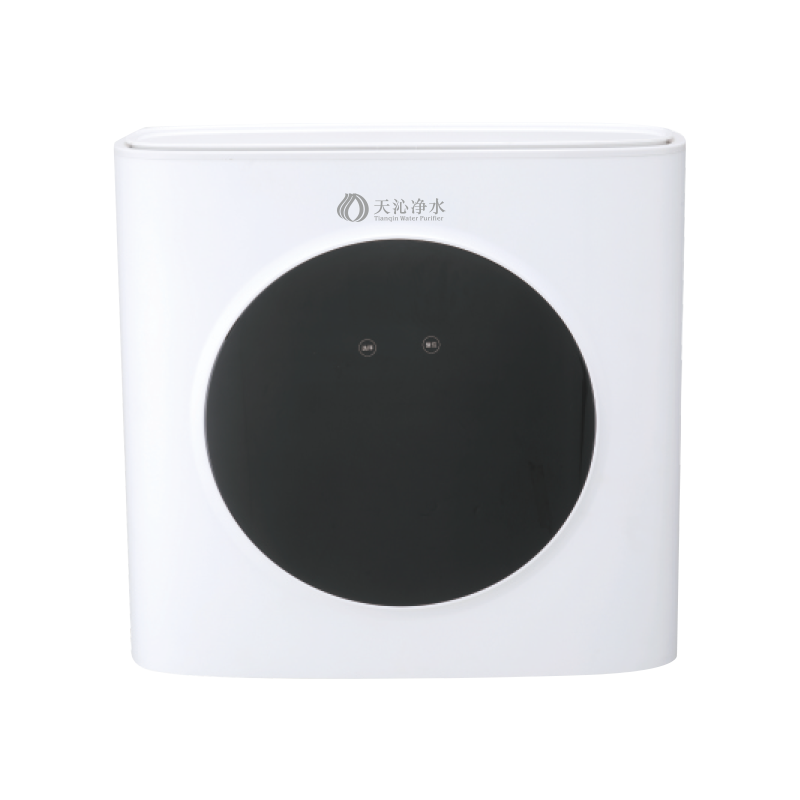 Tankless Countertop RO Water Purifier for On-Demand UseCompact tankless design delivers fresh purified water instantly without a storage tank, saving space and avoiding stale water. Suitable for small households or rentals.View Product →
If your kitchen counter space is tight, a countertop RO drinking machine with an integrated design may be more practical. These are popular in rental apartments and small households because they do not require complicated under-sink installation.
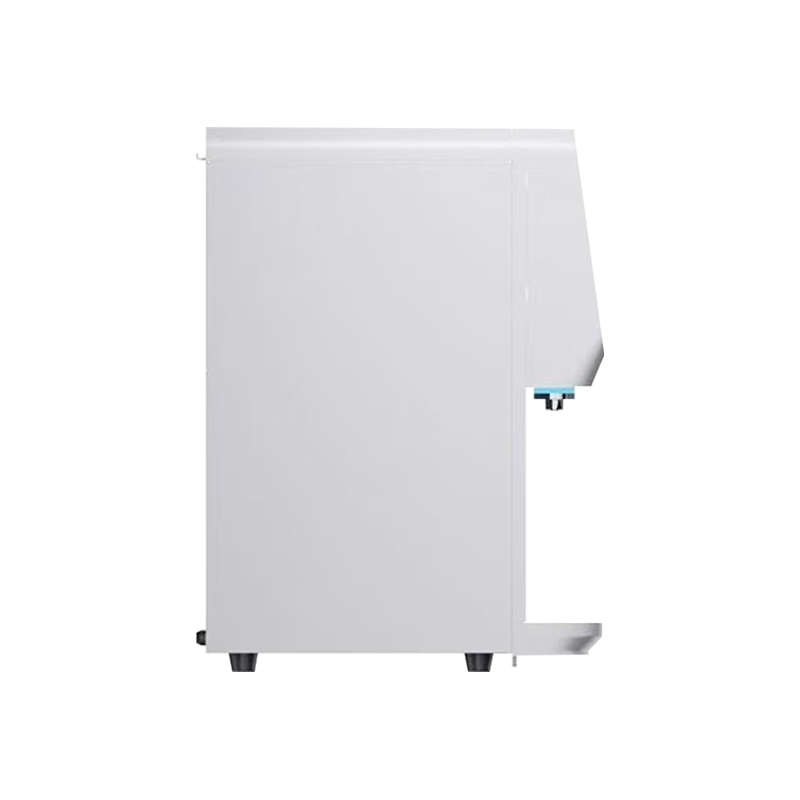 High-Flow Countertop RO/UF Drinking MachineCombines reverse osmosis and ultrafiltration to remove contaminants while retaining minerals. High flow rate suits household or light commercial use without under-sink installation.View Product →
Start with your incoming water quality and available space. If your water test shows high TDS, choose a high-rejection membrane; if pressure is low, choose a unit with a pump. Under-sink space also matters, because a traditional tank needs room that a tankless or countertop unit does not.
For homes with very hard water or high total dissolved solids, a system with a booster pump will maintain stable performance even when incoming pressure is low. That is also why stainless steel bodies are common in our RO line: they withstand the constant pressure and occasional cleaning without rusting.
The takeaway
An RO water purifier works by using pressure and a semipermeable membrane to separate tap water into purified water and concentrated wastewater, with extra filters protecting the membrane and polishing the taste. It is one of the most reliable ways to reduce dissolved contaminants in daily drinking water. If you want to compare it with other technologies or look deeper into the science, our guide to reverse osmosis covers the details in a more technical way.
-
 Tel: +86-0574-62381077/62386875
-
 E-mail: leozhanglei@nbtianqin.net
-
 Add: Wuma Industrial Zone, Lubu Town, Yuyao City, Zhejiang Province, China.
Copyright © 2024 by Yuyao Tianqin Water Purification Equipment Co..Ltd.
All Rights Reserved.
 Wholesale Water Purifier Manufacturers

