 English
 中文简体
-
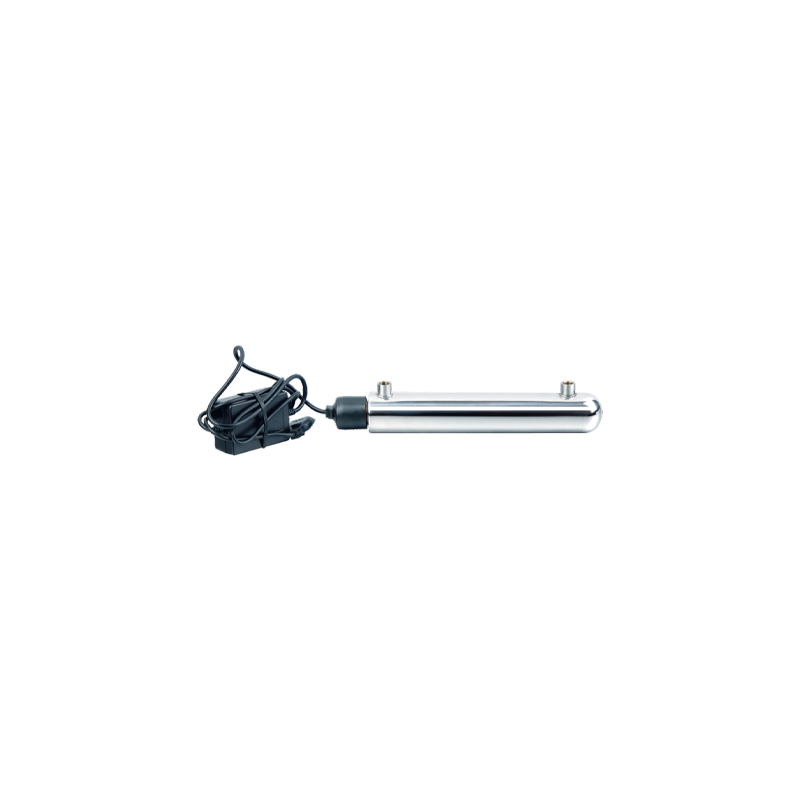 UV11W High-efficiency Intelligent UV Water Sterilizer Cat:Ultraviolet Water Sterilizer
The UV11W High-efficiency Intelligent UV Water Sterilizer is an advanced water purification system that offers convenience and reliability. This steri...
See Details -
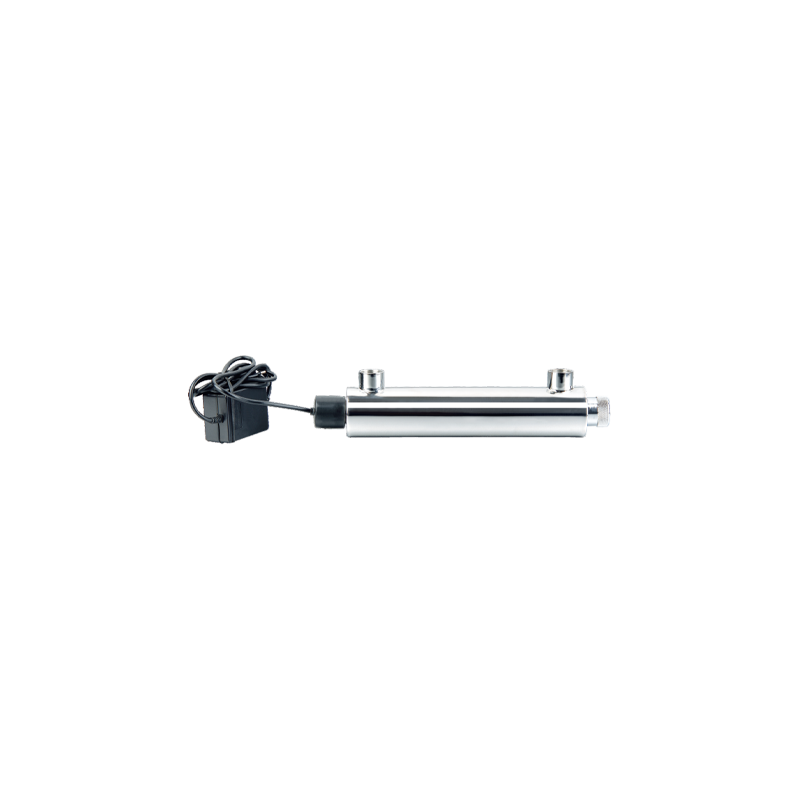 UV16W-A Household Stainless Steel UV Water Sterilizer Cat:Ultraviolet Water Sterilizer
The UV16W-A Household Stainless Steel UV Water Sterilizer is an innovative solution for ensuring safe and pure water in your home. Designed with durab...
See Details -
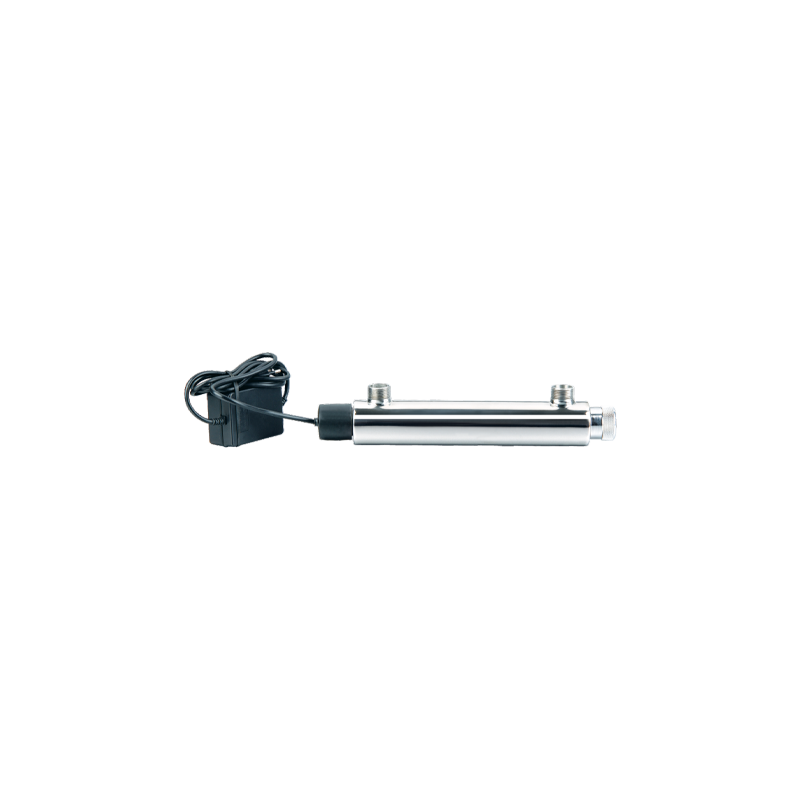 UV16W-B 304 Stainless Steel Water Purifier Ultraviolet Water Sterilizer Cat:Ultraviolet Water Sterilizer
UV16W-B 304 Stainless Steel Water Purifier Ultraviolet Water Sterilizer is an efficient water treatment equipment based on advanced ultraviolet disinf...
See Details -
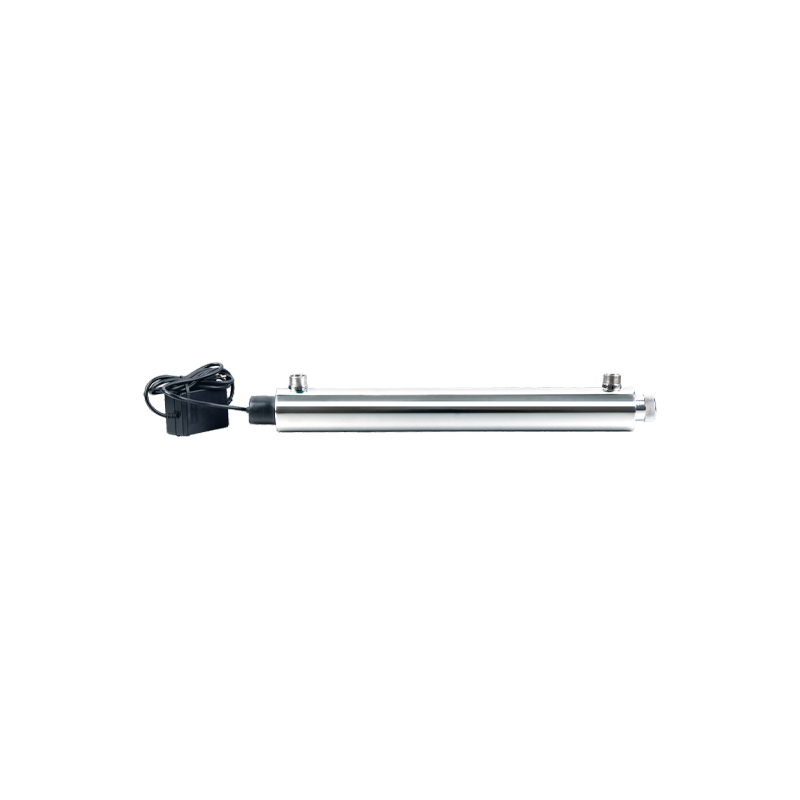 UV25W Stainless Steel Ultrafiltration Pre-Filtration UV Sterilizers For Water Cat:Ultraviolet Water Sterilizer
UV25W Stainless Steel Ultrafiltration Pre-Filtration UV Sterilizers For Water uses high-quality stainless steel materials, which have superb corrosion...
See Details -
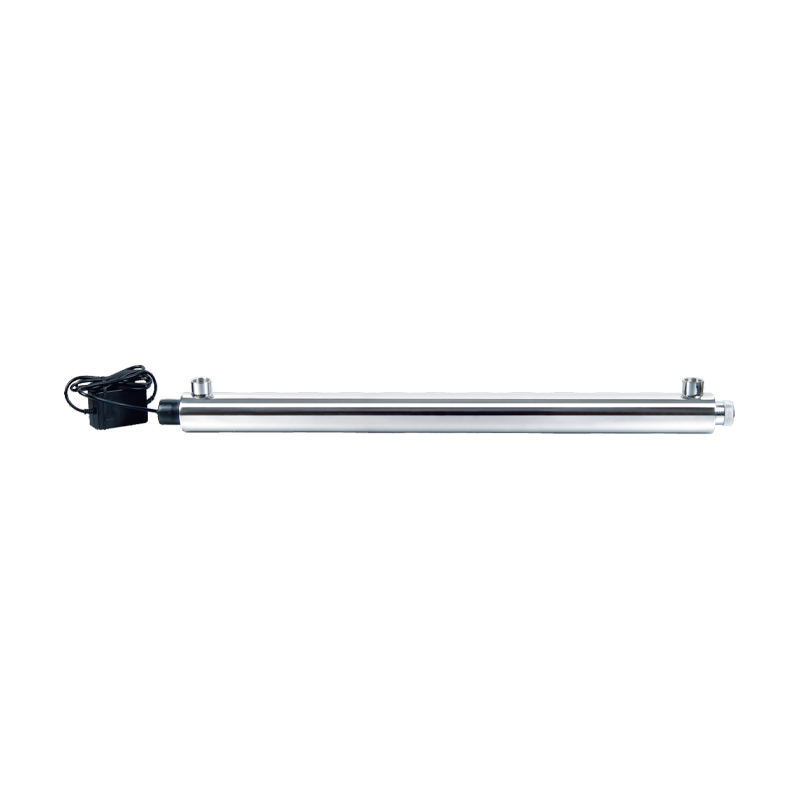 UV30W-55W Automatic Ultraviolet Sterilizer UV Filtration For Drinking Water Cat:Ultraviolet Water Sterilizer
The core advantage of UV30W-55W Automatic Ultraviolet Sterilizer UV Filtration For Drinking Water lies in its efficient and rapid disinfection capabil...
See Details -
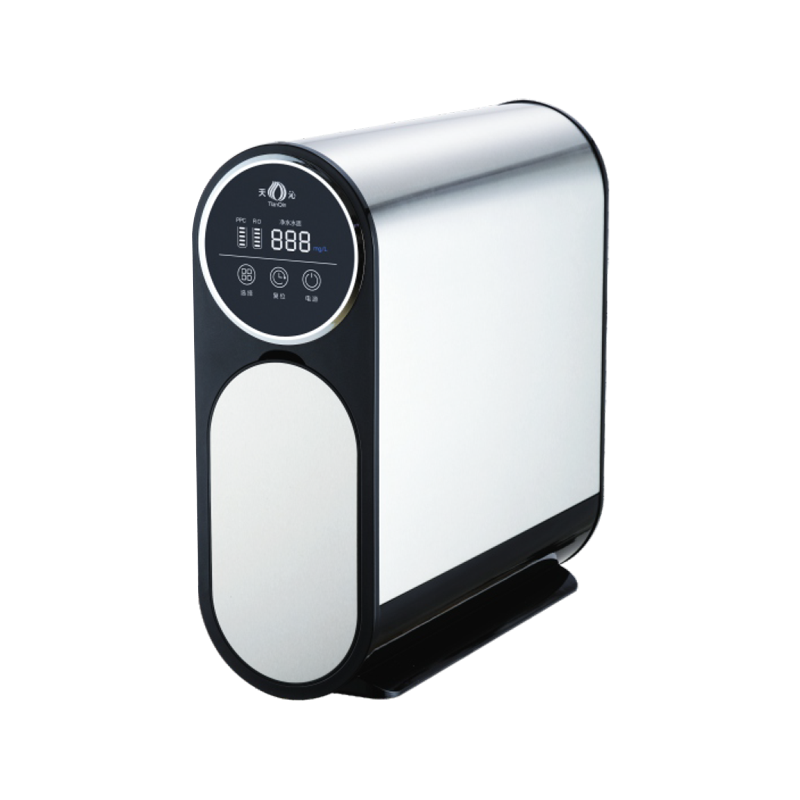 TQ-R03 Stainless Steel Booster Double Water Full Effect RO Water Purifier Cat:Stainless Steel Ro System
TQ-R03 Stainless Steel Booster Double Water Full Effect RO Water Purifier is a household water purification device that combines efficient water purif...
See Details -
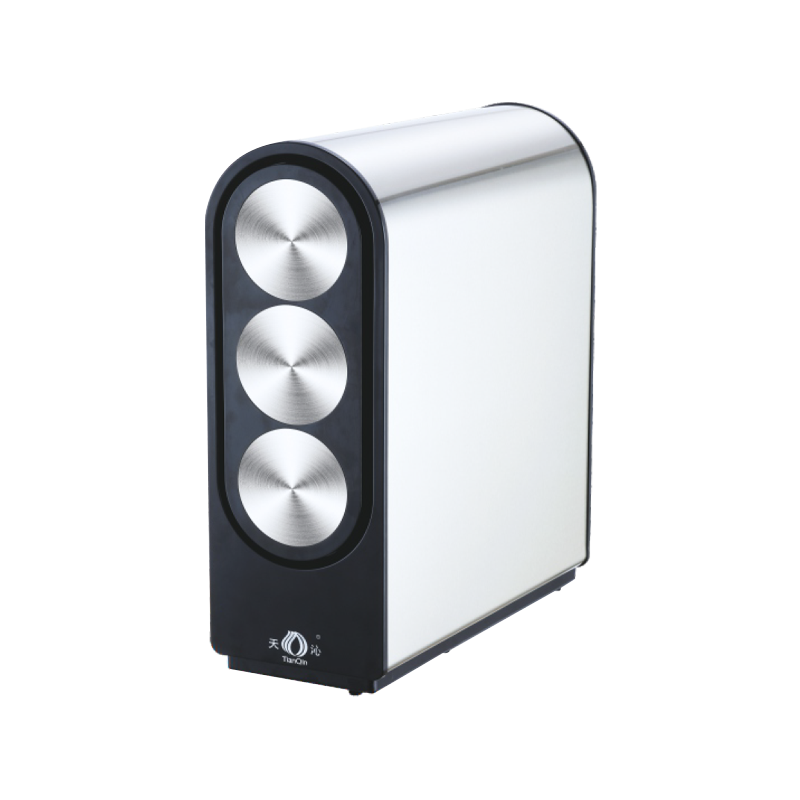 TQ-R05 Multifunctional Water Purification Source RO Water Purifier Cat:Stainless Steel Ro System
The TQ-R05 Multifunctional Water Purification Source RO Water Purifier is an advanced, versatile water purification solution designed for households a...
See Details -
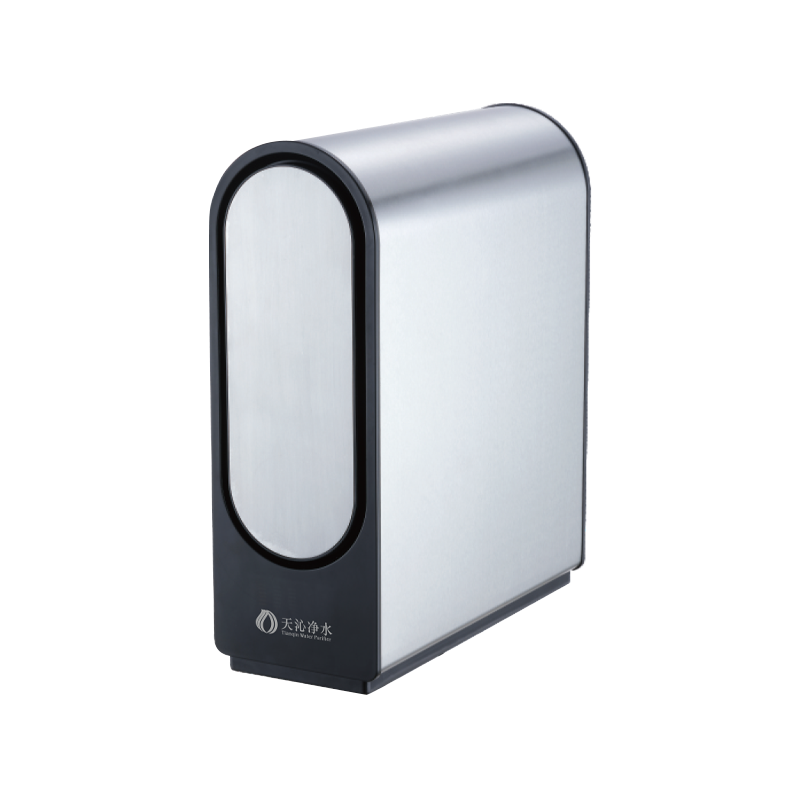 TQ-R06 Stainless Steel Environmentally Friendly RO Water Purifier Cat:Stainless Steel Ro System
The TQ-R06 Stainless Steel Environmentally Friendly RO Water Purifier combines advanced RO filtration technology, durable stainless steel housing, and...
See Details -
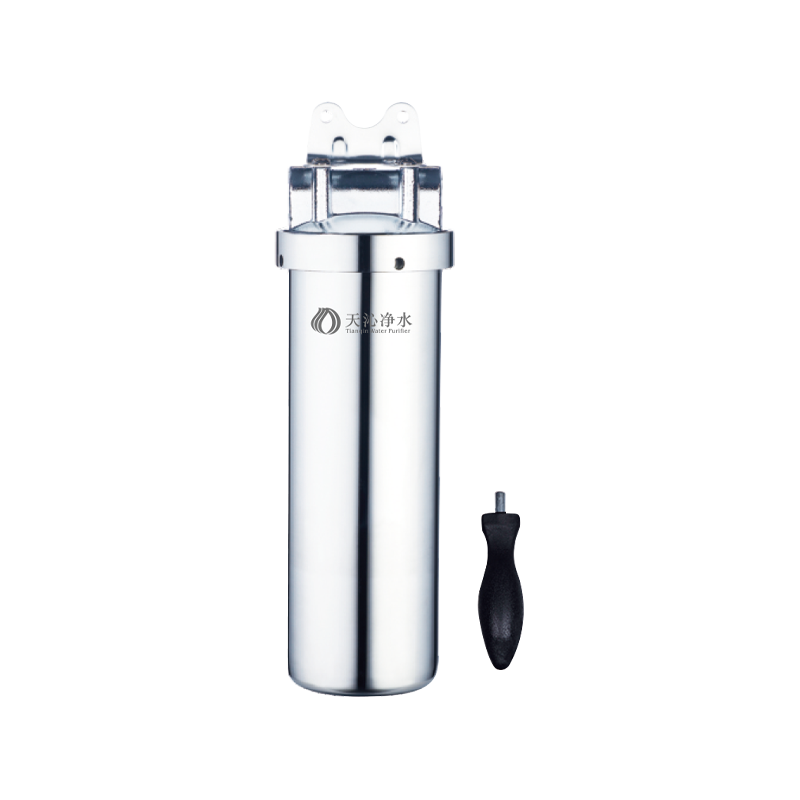 Stainless Steel Pure Double Water Pipe Water Purifier Cat:Stainless Steel Pipeline Water Purifier
The Stainless Steel Pure Double Water Pipe Water Purifier is an advanced water purification system designed to provide dual-mode purified water with e...
See Details -
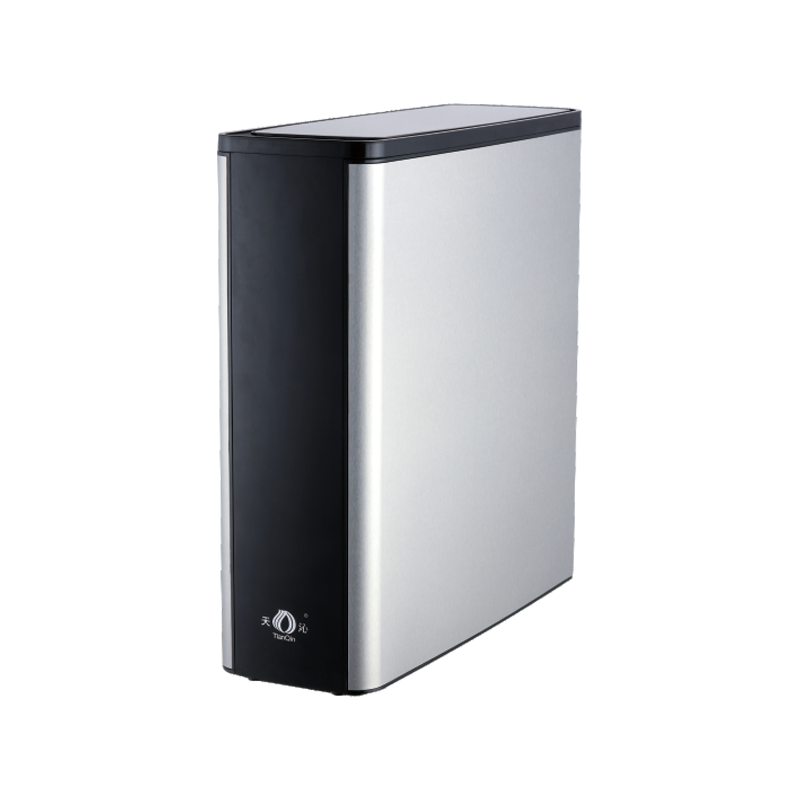 TQ-R08 Stainless Steel High-Flow RO Water Filter Cat:Stainless Steel Ro System
The Stainless Steel High-Flow RO Water Filter (TQ-R08) provides a powerful and effective solution for purifying drinking water, combining advanced rev...
See Details


 +86-0574-62381077/62386875

How Does a Water Dispenser Work? Heating, Cooling & Filtration Explained
If you have ever filled a cup from a water dispenser and wondered what is actually happening behind the stainless steel panel, you are in the right place. A water dispenser may look like a simple box with two taps, but the journey from supply line to steaming cup — or ice-cold glass — involves a carefully arranged sequence of filtration, heating, cooling, and flow control.
With over two decades of experience designing and manufacturing water purification and dispensing equipment, we have built everything from compact countertop units to commercial straight-drinking machines that serve hundreds of people a day. In this guide, we will explain how a water dispenser works in plain language, so you can understand the technology and choose with confidence.
Content
The Basic Anatomy of a Water Dispenser
Before we get into the mechanics, it helps to know the parts that make up a typical dispenser. While models vary, almost every unit relies on the same core building blocks:
- Water source — a removable bottle, a refillable reservoir, or a direct connection to your plumbing line.
- Filtration stages — found in plumbed and many modern countertop models; the most common are sediment filters, carbon blocks, ultrafiltration membranes, and reverse osmosis membranes.
- Heating element — either a storage-tank heater that keeps water hot, or a flow-through instant heater that warms water only when you draw it.
- Cooling system — a compressor-based refrigeration loop or a thermoelectric module.
- Thermostats and controllers — monitor temperatures and switch heating or cooling on and off as needed.
- Dispensing valves — control how water flows from the hot, cold, or ambient taps.
- Safety mechanisms — dry-boil protection, overheat cut-off, and pressure-relief valves that keep the unit operating safely.
Once you recognize these components, every type of dispenser becomes much easier to understand. The differences between models are mostly a matter of which components are included and how they are arranged.
How the Heating System Works
Heating is where the biggest design differences appear. Broadly speaking, there are two approaches: storage-tank heating and instant or step heating.
Storage-Tank Heating
In a traditional storage design, an electric heating element sits inside a stainless steel or food-grade plastic tank. When the thermostat detects that the water has dropped below the set temperature, it energizes the element until the target is reached — usually between 85°C and 98°C depending on the model. The heated water stays in the tank, ready to be dispensed at any moment.
Instant and Step Heating
Instant, or flow-through, heating works differently. Instead of maintaining a reservoir of hot water, the dispenser passes cold water over a high-power heating element as you press the tap. The water reaches the desired temperature in a few seconds, and there is no standby heat loss. Step heating takes this idea further by pre-warming the water in stages before a final boost to the target temperature, which allows a high continuous flow without requiring an oversized power circuit.
| Feature | Storage-tank heater | Instant / step heater |
|---|---|---|
| Heating method | Element heats a stored volume of water | Water is heated as it flows through |
| Standby energy use | Continuous, to maintain temperature | Minimal when idle |
| Hot water availability | Limited by tank capacity | Continuous while dispensing |
| Best suited for | Low-to-medium usage homes | Busy households and commercial use |
Instant heating has become increasingly popular because it delivers freshly heated water without the energy waste of a constantly reheated tank.
 TQ-A10 Countertop Instant Hot Water Dispenser with RO FiltrationThis compact instant hot water dispenser integrates a three-stage RO system, delivering purified hot water quickly. Ideal for homes and offices where on-demand heating without tank energy waste is key.View Product →
How the Cooling System Works
Cold water dispensing relies on one of two technologies.
Compressor Cooling
Compressor cooling works much like a small refrigerator. A compressor pressurizes refrigerant gas, which then flows through a condenser coil and expands inside an evaporator wrapped around the cold-water tank. As the refrigerant evaporates, it absorbs heat from the water, bringing it down to around 3–8°C. This approach is powerful, reliable, and well suited to high-volume use.
Thermoelectric Cooling
Thermoelectric cooling uses the Peltier effect. When an electric current passes through a junction of two different semiconductor materials, heat moves from one side to the other. The cold side chills a small water chamber while the warm side is vented to the air. Thermoelectric coolers are silent and vibration-free, and they use no refrigerant, but their capacity is limited — which makes them best suited to compact countertop dispensers.
How Filtration Integrates with Dispensing
For plumbed dispensers, filtration is the stage that separates a simple hot-and-cold unit from a true water purification system. In a typical reverse osmosis dispenser, water passes through several stages before it ever reaches the heating or cooling elements:
- Sediment filter — removes sand, rust, and suspended particles.
- Carbon filter — reduces chlorine and improves taste and odor.
- RO membrane — blocks dissolved heavy metals, bacteria, and most viruses through a semi-permeable membrane.
- Post-carbon filter — polishes the water for a smoother flavor.
Ultrafiltration-based dispensers follow a similar path but use a UF membrane instead of an RO membrane. This removes particles and microorganisms while retaining beneficial minerals. Whatever the technology, purification happens before temperature control, so the heating and cooling elements only ever come into contact with clean water — which also extends their lifespan.
 TQ-P2 Standing RO Water Dispenser for Home and Commercial UseThis vertical dispenser combines RO and UF filtration to remove contaminants while retaining minerals. With intelligent temperature control and high flow rate, it suits daily and centralized water supply contexts.View Product →
From Supply Line to Cup: The Complete Flow
Here is how a typical plumbed RO dispenser works, step by step:
- The water supply line connects to the dispenser's inlet valve.
- Pre-filters remove sediment and chlorine that could damage the RO membrane.
- The RO membrane separates dissolved solids, heavy metals, and microorganisms from the water.
- Purified water flows into a small storage tank inside the dispenser.
- A pump or pressure differential moves the water toward the heating and cooling chambers.
- When you press the tap, the appropriate valve opens and water streams out at your chosen temperature.
Bottled dispenser users can follow the same mental model, minus the filtration stages: the bottle is the water source, and the unit simply pushes water through its heating or cooling path. This is why bottled and commercial dispensers share the same core operating principles — you can read more about that in our article on how water dispensers work from bottled to commercial applications.
Home Dispensers vs. Commercial Models
Home units are designed for a handful of people. Their tanks are modest, their heating elements are sized for occasional use, and they fit neatly on a countertop or beside the refrigerator. Commercial straight-drinking machines face a much tougher job: they must supply water continuously, sometimes for hundreds of users a day, so they need larger tanks, higher-power heating, and more robust materials such as 304 stainless steel.
Commercial units also add features you rarely see at home, such as step-heating to maintain a consistent supply of hot water, ultraviolet sterilization to keep stored water hygienic, and programmable controllers for different operating modes.
 TQ-T2A Commercial RO Direct Drinking Machine with Step HeatingBuilt for high-demand commercial settings, this unit features a 30L stainless steel tank and step heating for a steady supply of boiling water. Its energy-efficient design and fault detection enable unattended operation.View Product →
Keeping Your Dispenser Running Smoothly
Water dispensers are durable, but they benefit from a simple maintenance routine:
- Replace filters on schedule — carbon and sediment filters typically last 3 to 6 months; RO membranes last 1 to 2 years.
- Descale the heating tank — in hard-water areas, scale builds up quickly and reduces efficiency. A food-grade descaler applied every few months protects the heating element.
- Clean the water paths — drain and wipe the tank regularly to prevent biofilm growth, especially in warm environments.
- Inspect the safety devices — check the dry-boil probes and pressure-relief valves periodically.
Manufacturer-provided maintenance procedures are always the best reference. We include detailed instructions with every dispenser we produce, and our team is happy to answer any questions from installers or end users.
The Machine Behind the Tap
A water dispenser is not a magic box. It is a combination of a water source, filtration stages, a heating element or instant heater, a cooling system, and a set of controllers and safety devices. Whether you choose a simple bottled cooler, a countertop instant unit, or a full commercial RO machine, the operating principles remain the same — and knowing them makes it far easier to select the right machine for your home or business.
If you are still weighing your options, we have also written about why modern water dispensers are a must-have for home and workplace, and our team is always glad to help you find a dispenser that fits your space, your water conditions, and your budget.
-
 Tel: +86-0574-62381077/62386875
-
 E-mail: leozhanglei@nbtianqin.net
-
 Add: Wuma Industrial Zone, Lubu Town, Yuyao City, Zhejiang Province, China.
Copyright © 2024 by Yuyao Tianqin Water Purification Equipment Co..Ltd.
All Rights Reserved.
 Wholesale Water Purifier Manufacturers

