 English
 中文简体
中文简体-
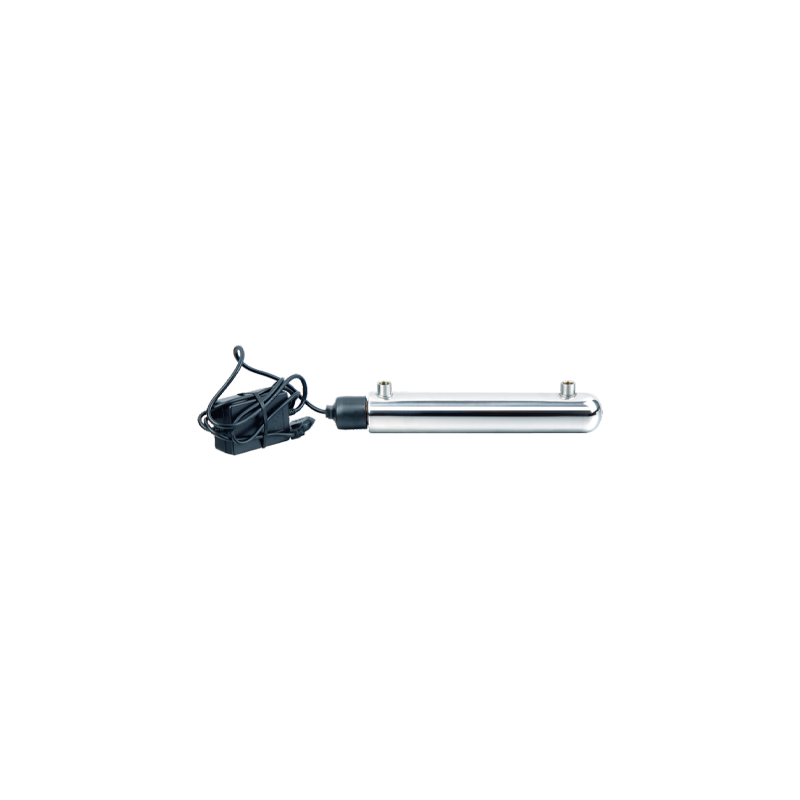 UV11W High-efficiency Intelligent UV Water Sterilizer Cat:Ultraviolet Water Sterilizer
The UV11W High-efficiency Intelligent UV Water Sterilizer is an advanced water purification system that offers convenience and reliability. This steri...
See Details -
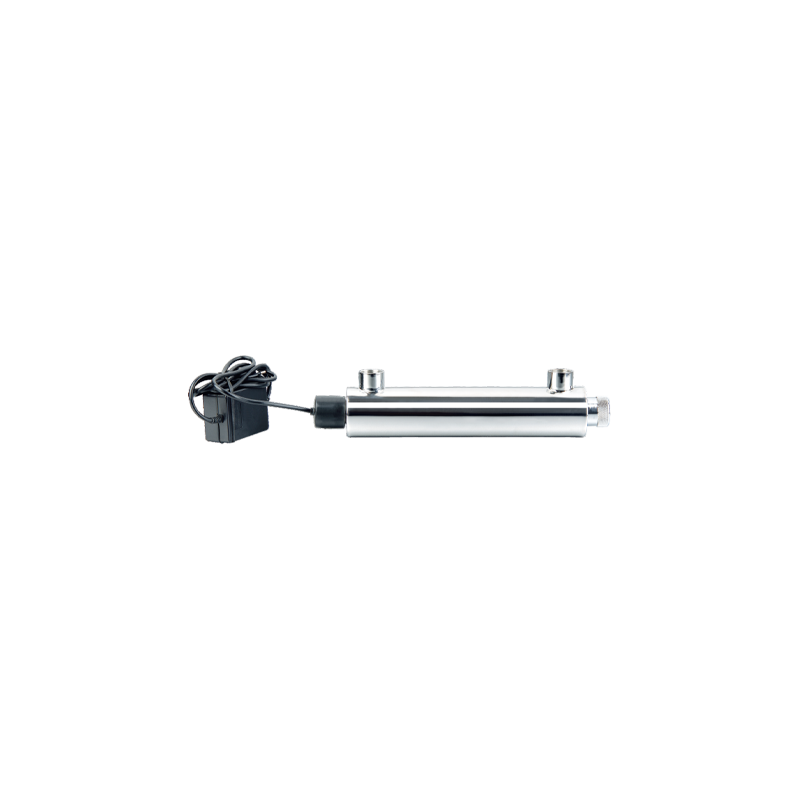 UV16W-A Household Stainless Steel UV Water Sterilizer Cat:Ultraviolet Water Sterilizer
The UV16W-A Household Stainless Steel UV Water Sterilizer is an innovative solution for ensuring safe and pure water in your home. Designed with durab...
See Details -
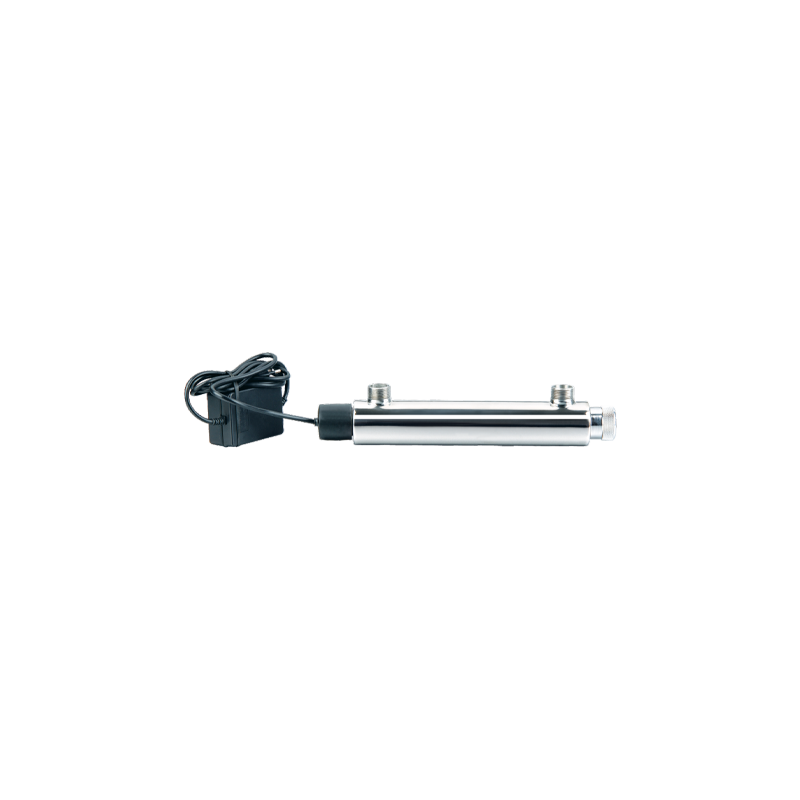 UV16W-B 304 Stainless Steel Water Purifier Ultraviolet Water Sterilizer Cat:Ultraviolet Water Sterilizer
UV16W-B 304 Stainless Steel Water Purifier Ultraviolet Water Sterilizer is an efficient water treatment equipment based on advanced ultraviolet disinf...
See Details -
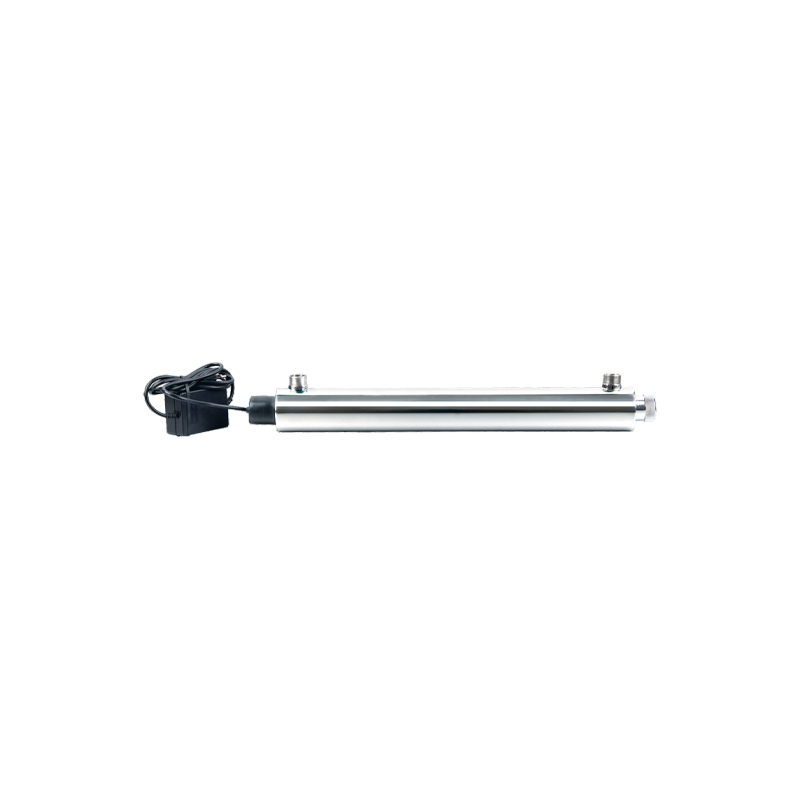 UV25W Stainless Steel Ultrafiltration Pre-Filtration UV Sterilizers For Water Cat:Ultraviolet Water Sterilizer
UV25W Stainless Steel Ultrafiltration Pre-Filtration UV Sterilizers For Water uses high-quality stainless steel materials, which have superb corrosion...
See Details -
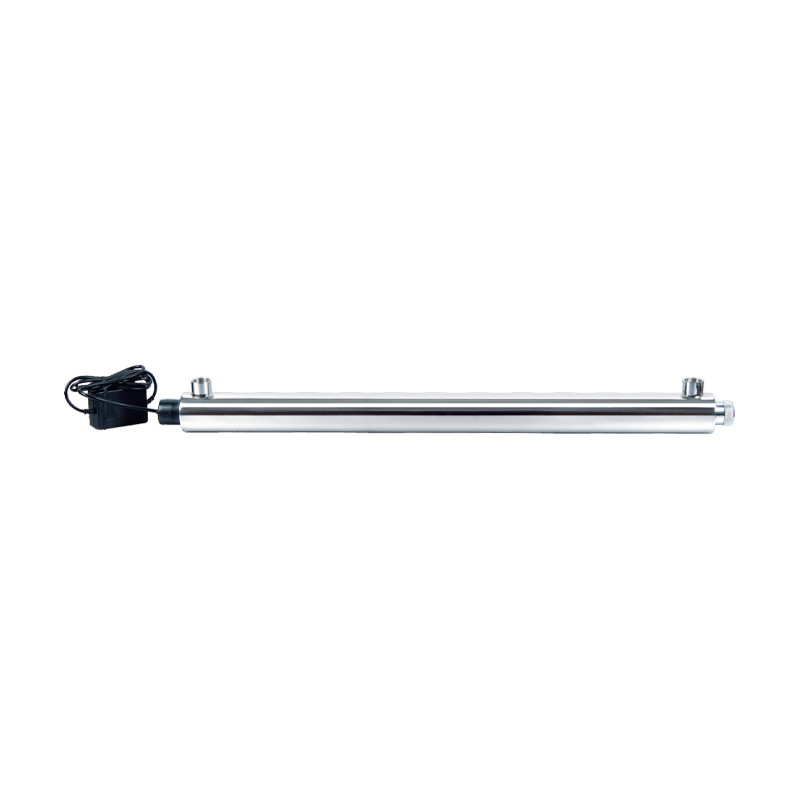 UV30W-55W Automatic Ultraviolet Sterilizer UV Filtration For Drinking Water Cat:Ultraviolet Water Sterilizer
The core advantage of UV30W-55W Automatic Ultraviolet Sterilizer UV Filtration For Drinking Water lies in its efficient and rapid disinfection capabil...
See Details -
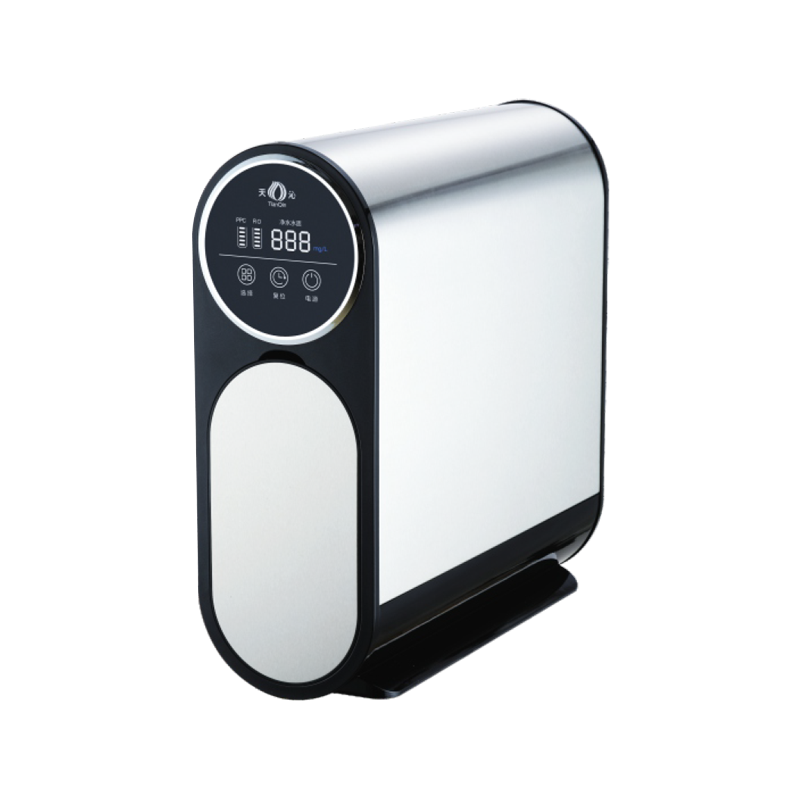 TQ-R03 Stainless Steel Booster Double Water Full Effect RO Water Purifier Cat:Stainless Steel Ro System
TQ-R03 Stainless Steel Booster Double Water Full Effect RO Water Purifier is a household water purification device that combines efficient water purif...
See Details -
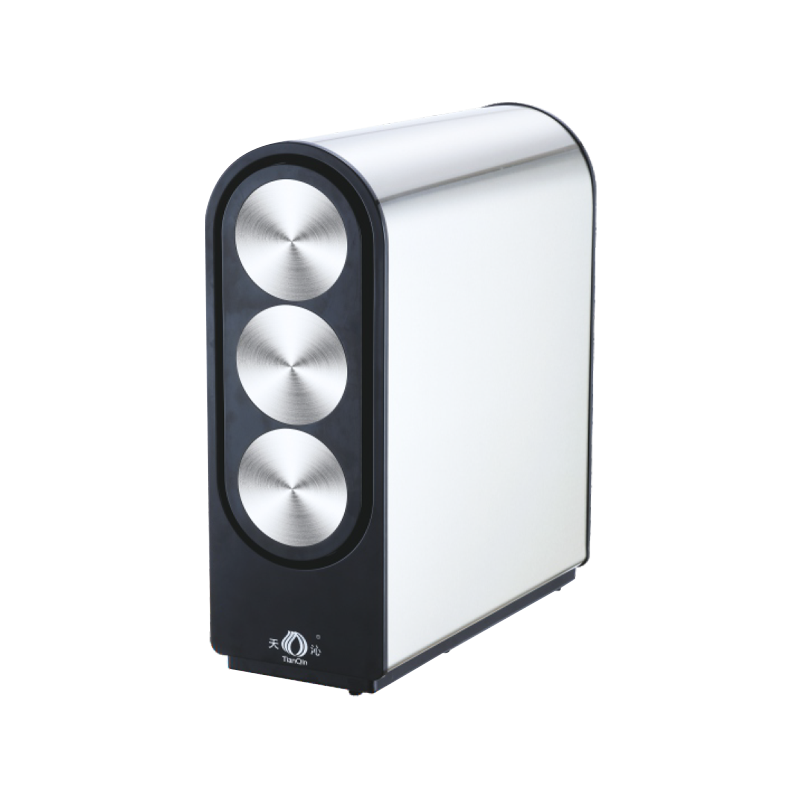 TQ-R05 Multifunctional Water Purification Source RO Water Purifier Cat:Stainless Steel Ro System
The TQ-R05 Multifunctional Water Purification Source RO Water Purifier is an advanced, versatile water purification solution designed for households a...
See Details -
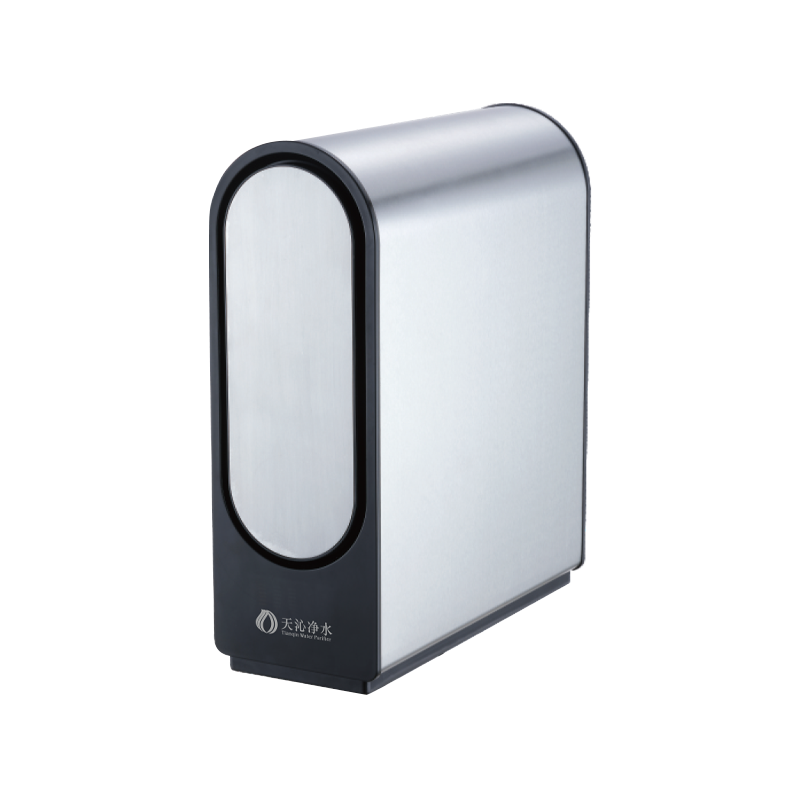 TQ-R06 Stainless Steel Environmentally Friendly RO Water Purifier Cat:Stainless Steel Ro System
The TQ-R06 Stainless Steel Environmentally Friendly RO Water Purifier combines advanced RO filtration technology, durable stainless steel housing, and...
See Details -
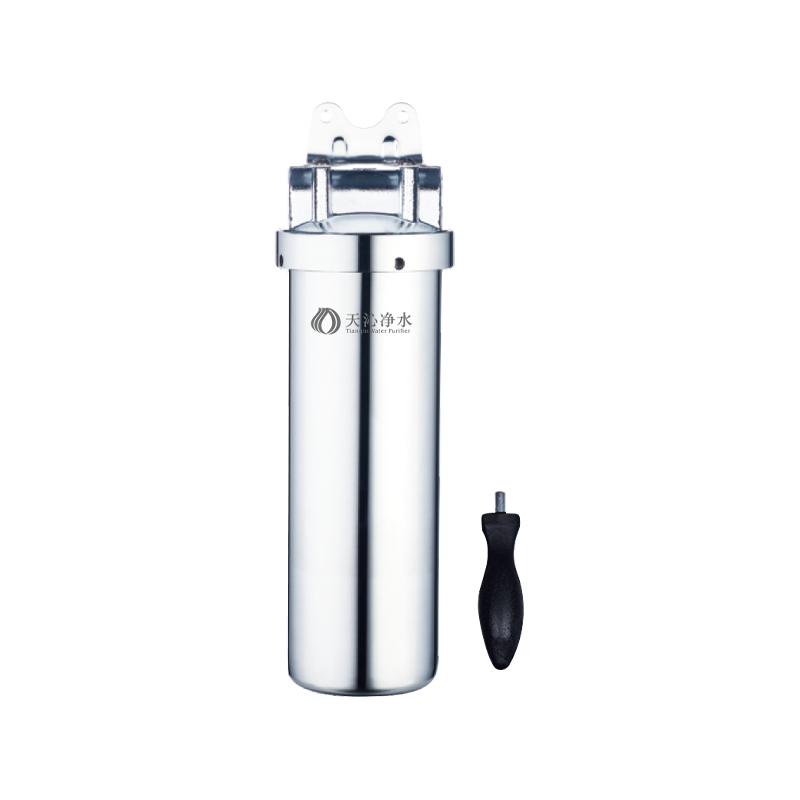 Stainless Steel Pure Double Water Pipe Water Purifier Cat:Stainless Steel Pipeline Water Purifier
The Stainless Steel Pure Double Water Pipe Water Purifier is an advanced water purification system designed to provide dual-mode purified water with e...
See Details -
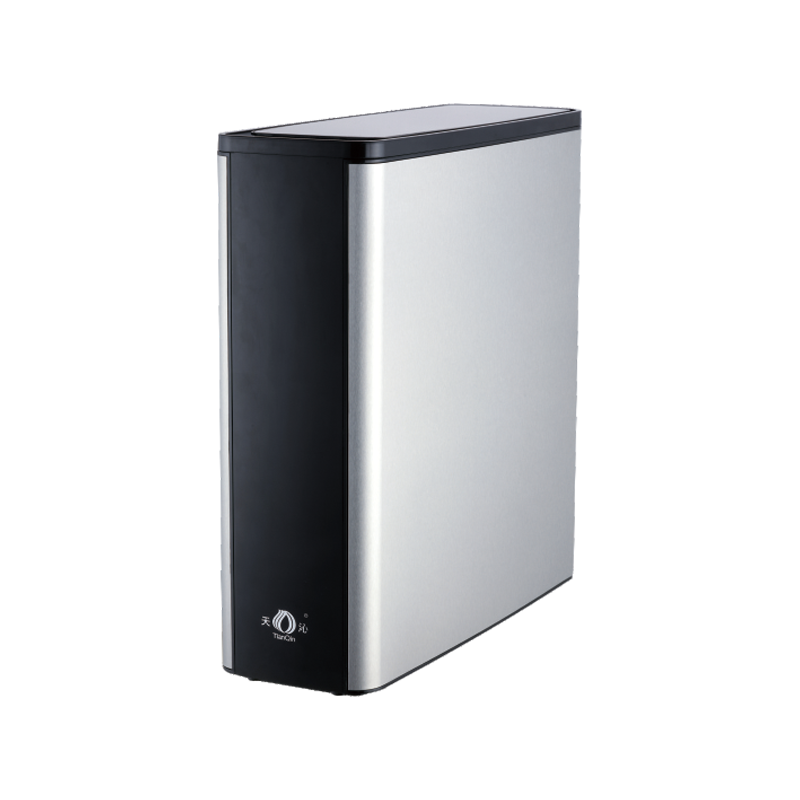 TQ-R08 Stainless Steel High-Flow RO Water Filter Cat:Stainless Steel Ro System
The Stainless Steel High-Flow RO Water Filter (TQ-R08) provides a powerful and effective solution for purifying drinking water, combining advanced rev...
See Details


 +86-0574-62381077/62386875

A Comprehensive Maintenance Guide for Your Stainless Steel Reverse Osmosis System
In modern industrial and commercial operations, water quality is often the silent backbone of success. From food processing and pharmaceuticals to power generation, a Reverse Osmosis System (RO system) provides the high-purity water required to keep processes running smoothly. Among various configurations, the Stainless Steel Reverse Osmosis System is favored for its exceptional durability, hygiene, and resistance to high pressures.
However, even the most robust stainless steel system is not a "set-and-forget" machine. To ensure that your investment continues to deliver the highest water quality while minimizing operational costs, a proactive maintenance strategy is essential.
Content
- 1 Why Stainless Steel Makes a Difference in Maintenance
- 2 The Daily Monitoring Routine: Your First Line of Defense
- 3 Pre-Filtration: Protecting the Heart of the RO System
- 4 Membrane Care: Cleaning and Sanitization
- 5 Pump and Motor Lubrication
- 6 Maintaining the Stainless Steel Exterior
- 7 Seasonal or Long-Term Shutdowns
- 8 Common Troubleshooting Tips
- 9 The Importance of Professional Audits
- 10 Consistency is Key
Why Stainless Steel Makes a Difference in Maintenance
Before diving into the "how," it is important to understand the "why." Choosing a Stainless Steel Reverse Osmosis System offers distinct advantages during the maintenance cycle. Unlike plastic or fiber-reinforced plastic (FRP) housings, stainless steel (typically Grade 304 or 316L) is less prone to cracking under pressure spikes and provides a non-porous surface that inhibits bacterial growth.
This structural integrity means that while you still need to care for the internal filters and membranes, the "skeleton" of your system is built to withstand rigorous cleaning chemicals and high-temperature sanitization cycles that might damage lesser materials.
The Daily Monitoring Routine: Your First Line of Defense
Maintenance doesn't always involve a wrench; often, it starts with a pen and a logbook. Monitoring the daily performance of your Reverse Osmosis System allows you to spot trends before they become expensive failures.
Key Metrics to Track:
- Inlet and Outlet Pressure: A significant drop in pressure across the pre-filters usually indicates they are clogged and need replacement.
- Permeate Flow Rate: If the amount of pure water produced starts to drop, it may be a sign of membrane fouling.
- TDS (Total Dissolved Solids) Levels: This is the ultimate test of your system's health. If the TDS in your purified water begins to rise, the RO membranes are likely losing their rejection capabilities.
- Conductivity: Similar to TDS, this measures the ion content in the water and is a critical indicator for high-precision laboratory or industrial applications.
Pre-Filtration: Protecting the Heart of the RO System
The most expensive part of any Reverse Osmosis System is the RO membrane. The primary goal of maintenance is to protect these membranes from damage. This is the job of the pre-filtration stage.
Sediment Filter Replacement
Sediment filters catch sand, silt, and rust. In a Stainless Steel Reverse Osmosis System, these are often housed in stainless steel canisters. Depending on your source water quality, these should typically be replaced every 2 to 4 months. If you notice a pressure drop of more than 10-15 PSI across the filter, it’s time for a change.
Carbon Filter Maintenance
Carbon filters remove chlorine and organics. Chlorine is the "natural enemy" of RO membranes; it can chemically "burn" the thin-film composite layer of the membrane, leading to permanent damage. Regularly testing for chlorine at the post-carbon stage is a vital maintenance step.
Membrane Care: Cleaning and Sanitization
The RO membrane is where the actual purification happens. Over time, minerals (scaling), bacteria (biofouling), and organic matter will accumulate on the membrane surface.
When to Clean the Membrane?
You should perform a Clean-In-Place (CIP) procedure when:
- 1. The permeate flow drops by 10-15%.
- 2. The salt passage increases by 5-10%.
- 3. The pressure required to produce the same amount of water increases by 10-15%.
Using the Right Chemicals
Because you are using a Stainless Steel Reverse Osmosis System, you have more flexibility with cleaning. High-pH cleaners are used to remove organic fouling and biofilm, while low-pH cleaners target
mineral scale (like calcium carbonate). Always ensure that the cleaning chemicals are compatible with both the membrane material and the stainless steel piping.
Pump and Motor Lubrication
The high-pressure pump is the "engine" of your RO system. To keep it running:
- Check for Leaks: Inspect the pump seals regularly. In a stainless steel setup, even a small leak can lead to mineral buildup on the exterior of the high-quality finish.
- Vibration Analysis: Excessive vibration can indicate misalignment or bearing wear. Addressing this early prevents a total motor burnout.
- Oil Changes: If your pump is oil-lubricated, follow the manufacturer’s schedule strictly—usually every 500 to 1,000 hours of operation.
Maintaining the Stainless Steel Exterior
One of the reasons you chose a Stainless Steel Reverse Osmosis System was its aesthetic and hygienic appeal. To maintain this:
- Passivation: Periodically, the stainless steel surfaces may need "passivation," a process that restores the protective oxide layer on the metal to prevent tea-staining or surface rust in salty or chemical-heavy environments.
- Wipe Downs: Use a soft cloth and a specialized stainless steel cleaner to remove dust and chemical residues. Avoid using steel wool or harsh abrasives, which can scratch the surface and create hiding places for bacteria.
Seasonal or Long-Term Shutdowns
If your facility operates seasonally, you cannot simply turn off the Reverse Osmosis System and walk away. Stagnant water inside the system will lead to massive biological growth within days.
- Preservation: If the system will be idle for more than 48 hours, it should be "pickled" or preserved using a food-grade chemical solution (like sodium metabisulfite) to prevent microbial growth and keep the membranes moist.
- System Flush: Upon restarting, the system must be flushed thoroughly for several hours before the water is used for production.
Common Troubleshooting Tips
Even with the best maintenance, issues can arise. Here is a quick reference for your RO system:
| Symptom | Potential Cause | Solution |
| Low Product Water Flow | Cold feed water or fouled membranes | Increase temperature (if possible) or perform CIP cleaning. |
| High Permeate TDS | Damaged O-rings or membrane exhaustion | Inspect internal seals or replace the RO membrane. |
| System Vibrating/Noisy | Air trapped in lines or pump cavitation | Bleed the air from the system and check inlet water supply. |
| Frequent Filter Clogs | Change in raw water quality | Consider adding a multimedia filter or flocculant pre-treatment. |
The Importance of Professional Audits
While your in-house team can handle daily and monthly tasks, having a professional water treatment expert audit your Stainless Steel Reverse Osmosis System annually is a wise move. They can perform deep-level water analysis and check the "normalization" of your data—a complex calculation that tells you how the system is performing regardless of changes in water temperature or pressure.
Consistency is Key
A Stainless Steel Reverse Osmosis System is a masterpiece of engineering designed to provide pure, safe water under demanding conditions. By following a consistent maintenance schedule—focusing on pre-filtration, membrane health, and mechanical upkeep—you protect your equipment and ensure the continuity of your business.
Remember, the cost of maintenance is always lower than the cost of a system failure. Keep your logs updated, change your filters on time, and treat your RO system with the care it deserves.
-
 Tel: +86-0574-62381077/62386875
-
 E-mail: leozhanglei@nbtianqin.net
-
 Add: Wuma Industrial Zone, Lubu Town, Yuyao City, Zhejiang Province, China.
Copyright © 2024 by Yuyao Tianqin Water Purification Equipment Co..Ltd.
All Rights Reserved.
 Wholesale Water Purifier Manufacturers

