 English
 中文简体
中文简体-
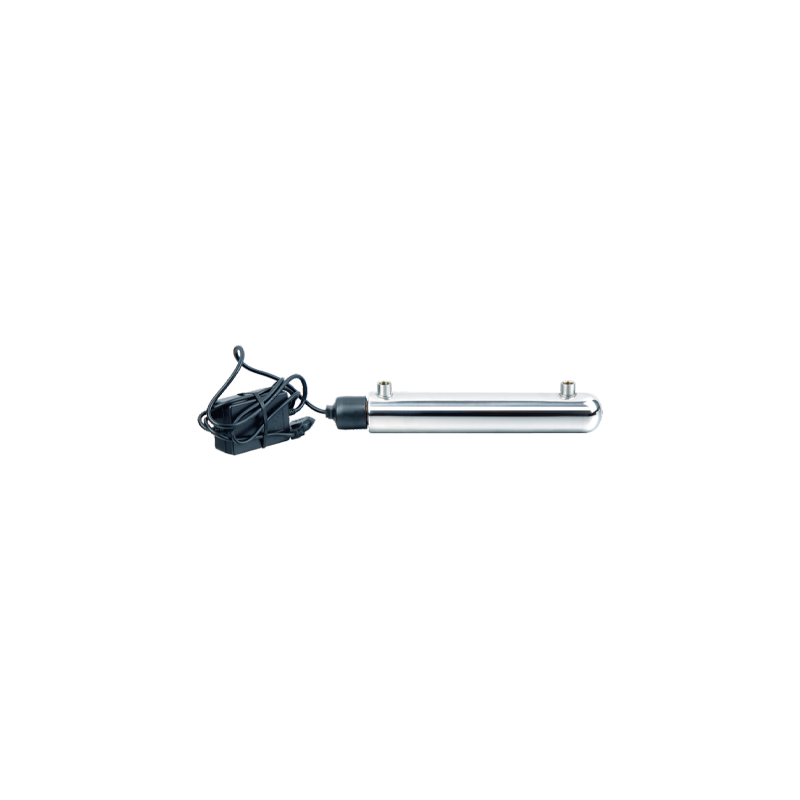 UV11W High-efficiency Intelligent UV Water Sterilizer Cat:Ultraviolet Water Sterilizer
The UV11W High-efficiency Intelligent UV Water Sterilizer is an advanced water purification system that offers convenience and reliability. This steri...
See Details -
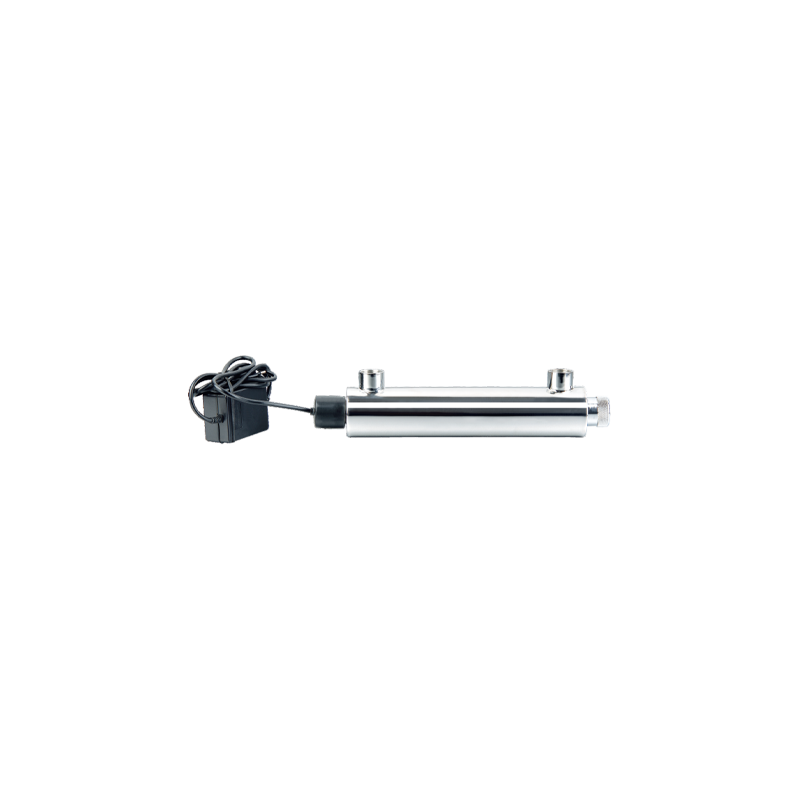 UV16W-A Household Stainless Steel UV Water Sterilizer Cat:Ultraviolet Water Sterilizer
The UV16W-A Household Stainless Steel UV Water Sterilizer is an innovative solution for ensuring safe and pure water in your home. Designed with durab...
See Details -
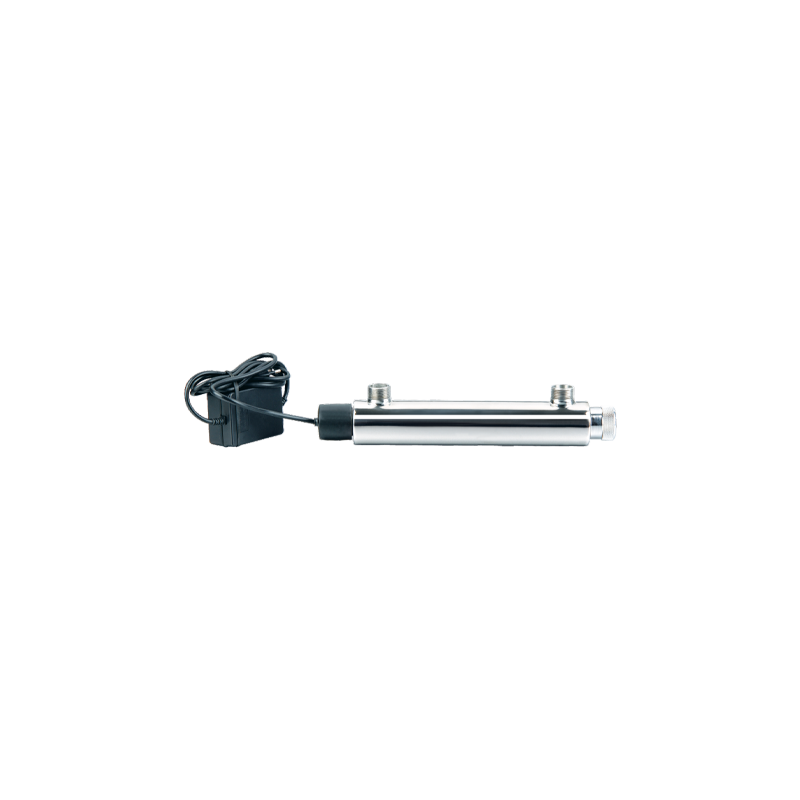 UV16W-B 304 Stainless Steel Water Purifier Ultraviolet Water Sterilizer Cat:Ultraviolet Water Sterilizer
UV16W-B 304 Stainless Steel Water Purifier Ultraviolet Water Sterilizer is an efficient water treatment equipment based on advanced ultraviolet disinf...
See Details -
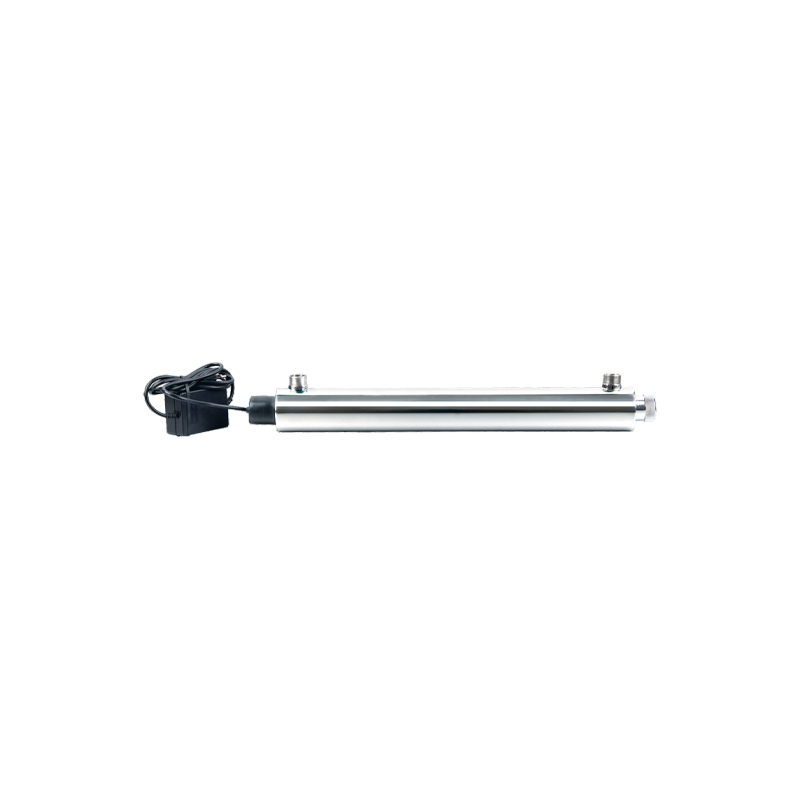 UV25W Stainless Steel Ultrafiltration Pre-Filtration UV Sterilizers For Water Cat:Ultraviolet Water Sterilizer
UV25W Stainless Steel Ultrafiltration Pre-Filtration UV Sterilizers For Water uses high-quality stainless steel materials, which have superb corrosion...
See Details -
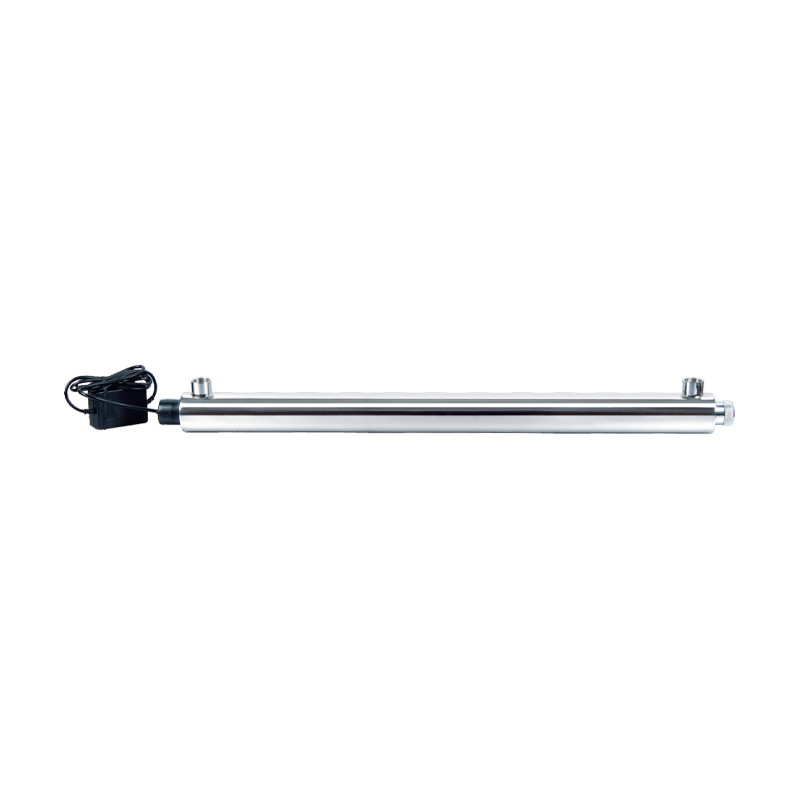 UV30W-55W Automatic Ultraviolet Sterilizer UV Filtration For Drinking Water Cat:Ultraviolet Water Sterilizer
The core advantage of UV30W-55W Automatic Ultraviolet Sterilizer UV Filtration For Drinking Water lies in its efficient and rapid disinfection capabil...
See Details -
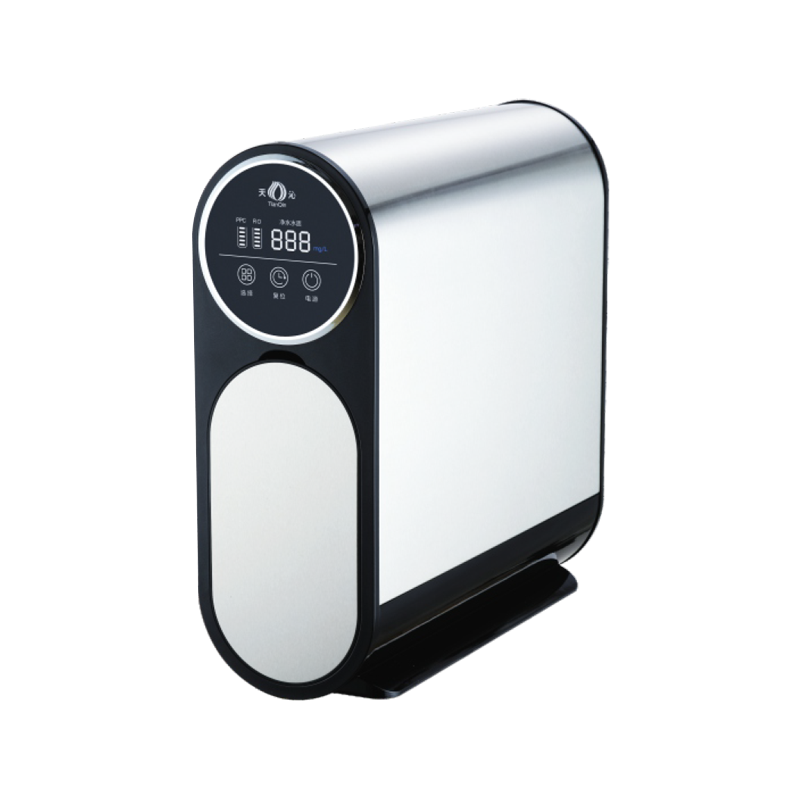 TQ-R03 Stainless Steel Booster Double Water Full Effect RO Water Purifier Cat:Stainless Steel Ro System
TQ-R03 Stainless Steel Booster Double Water Full Effect RO Water Purifier is a household water purification device that combines efficient water purif...
See Details -
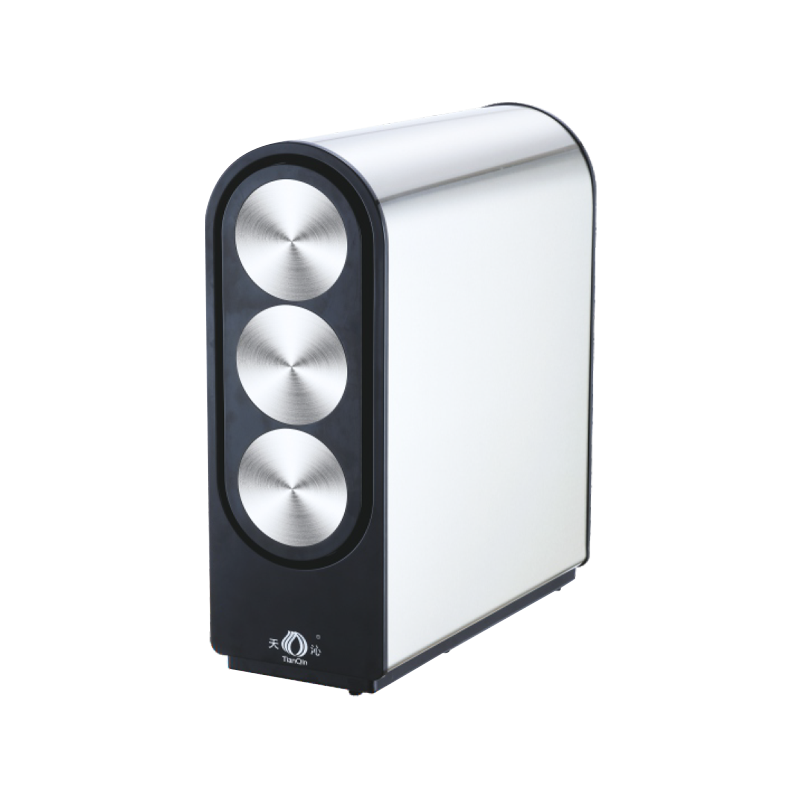 TQ-R05 Multifunctional Water Purification Source RO Water Purifier Cat:Stainless Steel Ro System
The TQ-R05 Multifunctional Water Purification Source RO Water Purifier is an advanced, versatile water purification solution designed for households a...
See Details -
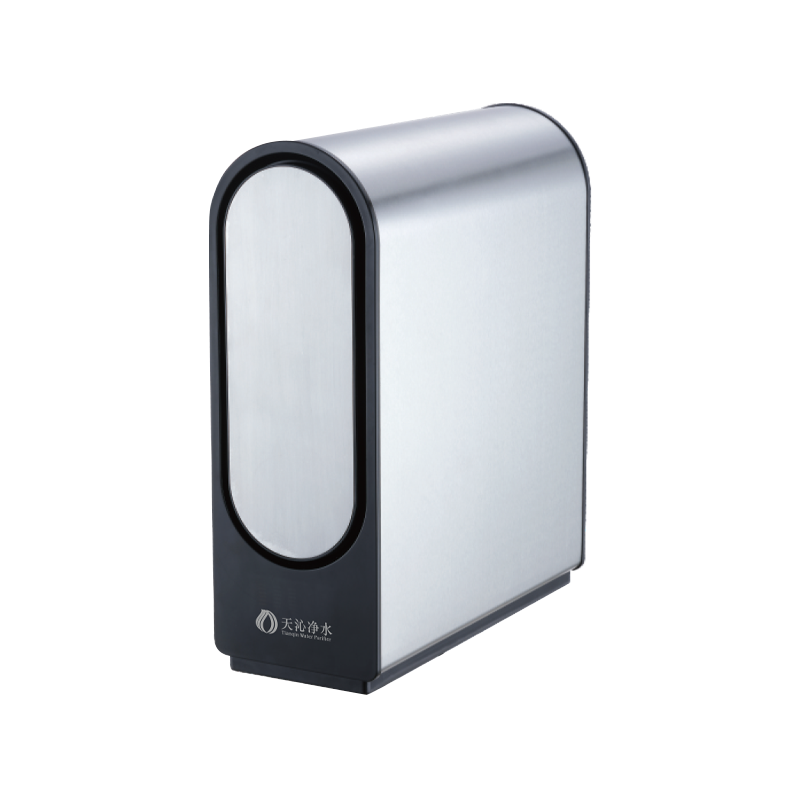 TQ-R06 Stainless Steel Environmentally Friendly RO Water Purifier Cat:Stainless Steel Ro System
The TQ-R06 Stainless Steel Environmentally Friendly RO Water Purifier combines advanced RO filtration technology, durable stainless steel housing, and...
See Details -
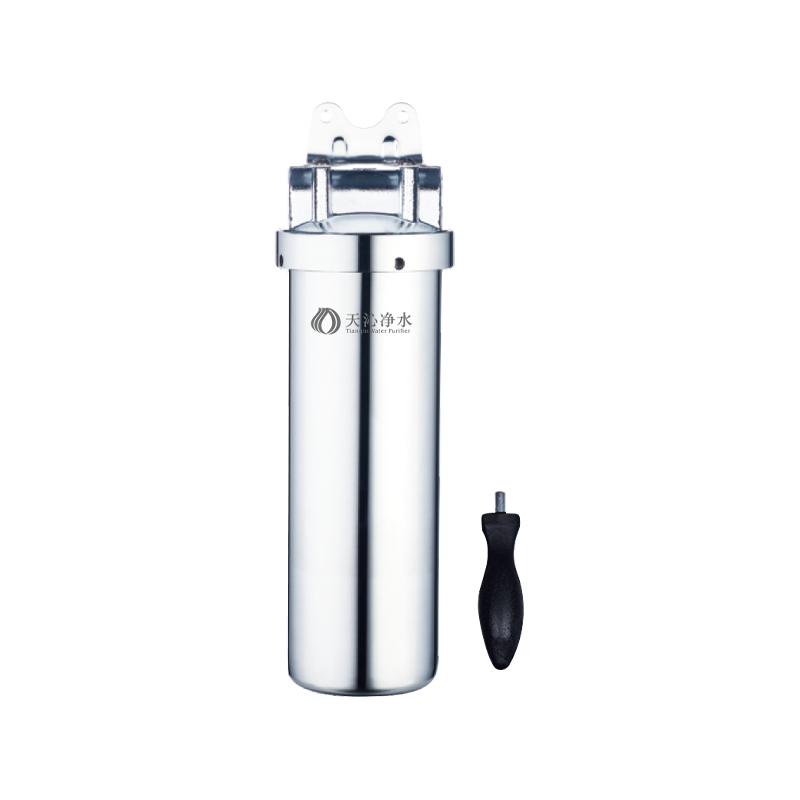 Stainless Steel Pure Double Water Pipe Water Purifier Cat:Stainless Steel Pipeline Water Purifier
The Stainless Steel Pure Double Water Pipe Water Purifier is an advanced water purification system designed to provide dual-mode purified water with e...
See Details -
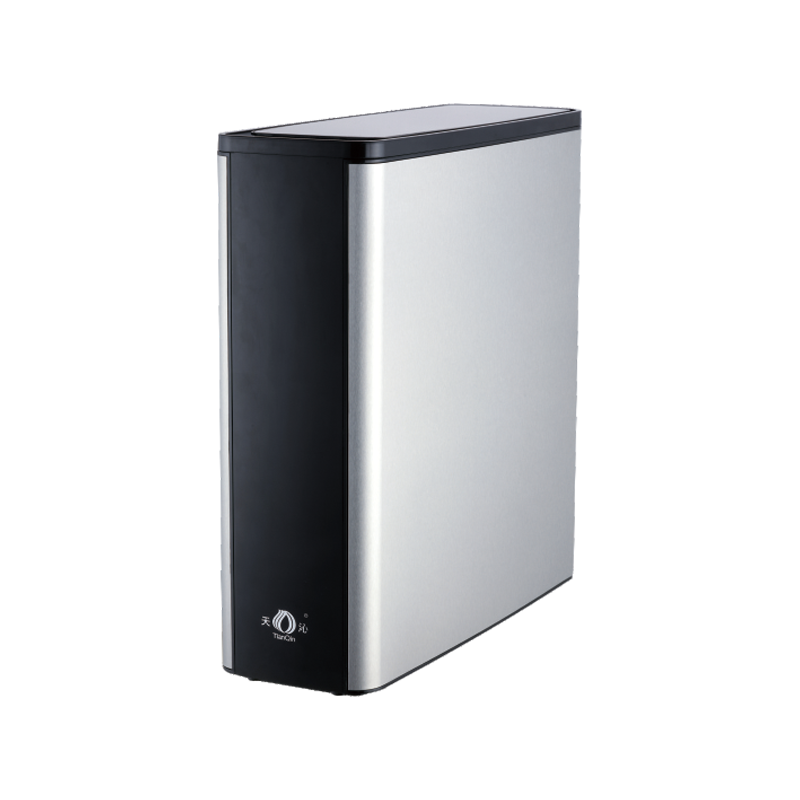 TQ-R08 Stainless Steel High-Flow RO Water Filter Cat:Stainless Steel Ro System
The Stainless Steel High-Flow RO Water Filter (TQ-R08) provides a powerful and effective solution for purifying drinking water, combining advanced rev...
See Details


 +86-0574-62381077/62386875

How Does a Water Dispenser Work? From Bottled to Commercial & Electric Instant Systems
A water dispenser works by moving water — from a bottle, a bottom-loaded jug, or a direct plumbing line — through a pump or gravity feed into insulated hot and cold tanks, where a heating element and a cooling system (compressor or thermoelectric) hold the water at set temperatures until a valve releases it on demand.
Every dispenser, whether it is a countertop bottle unit or a commercial straight drinking machine plumbed into the wall, follows the same three-step logic: get water into the machine, condition its temperature, release it through a valve. The difference between models is entirely in how each step is engineered — gravity versus pump, tank versus tankless, compressor versus instant coil.
The rest of this article breaks down each stage, compares bottle-fed and direct-piped machines, and explains exactly how instant hot water dispensers heat water in seconds rather than minutes.
Content
- 1 The three-stage mechanism every water dispenser shares
- 2 Bottled water dispensers: top-load versus bottom-load
- 3 Commercial straight drinking machines: how direct-piped units work
- 4 How an electric instant hot water dispenser heats water in seconds
- 5 Recognizing a well-built dispenser before you buy
- 6 Frequently asked questions
Strip away the branding and every water dispenser — countertop, floor-standing, or wall-mounted — is built around the same three mechanical stages. Water enters the unit, its temperature is conditioned in a reservoir, and a valve controls its release. The diagram below shows how those stages connect physically inside the machine, from the water source down to the tap.
Water intake
Water enters either by gravity from a top-mounted bottle, by suction from an electric pump drawing off a bottom-loaded jug, or under mains pressure from a direct plumbing connection.
Reservoir & conditioning
Water collects in one or more internal tanks. A float valve keeps the tank from overflowing, while a cooling coil or heating element brings the water to its target temperature.
Thermostat control
A thermostat — often a bimetallic strip — monitors tank temperature and cuts power to the heater or compressor once the set point is reached, then restarts it as the water cools or is drawn down.
Dispensing valve
Pressing a lever, paddle, or button opens a spring-loaded valve. Gravity or residual line pressure pushes conditioned water out through the spigot without it touching outside air.
Because the water in stages B and C sits inside a sealed tank rather than an open container, it never contacts room air between the source and the spigot — this is the main reason dispensed water tends to taste cleaner than water left standing in an open jug or glass.
Bottled water dispensers: top-load versus bottom-load
Bottled dispensers use a removable jug — almost always a 3 or 5-gallon (11.4–18.9 liter) container — as the water source. How that jug connects to the machine is the single biggest difference between models on the market, and it changes both the physics involved and the day-to-day experience of using the machine.
Top-load: gravity does the work
In a top-load dispenser, the inverted bottle sits directly above the reservoir. A probe punctures the cap, and gravity pulls water down into the tank. As water drains, a small amount of air is drawn back up into the bottle to equalize pressure — the same "glug" cycle you get tipping a jug over a sink. No pump, no electricity is needed to move the water itself, only to heat or cool it afterward.
Bottom-load: an electric pump replaces gravity
In a bottom-load unit, the jug sits right-side up in an enclosed cabinet at the base of the machine. A probe or suction tube runs into the bottle, and an electric pump creates suction that draws water upward through internal tubing into the same hot and cold tanks used by top-load models. Typical pumps in this design move around 0.5 liters of water per minute, activating each time the dispensing lever is pressed.
| Factor | Top-load | Bottom-load |
|---|---|---|
| How water moves | Gravity only | Electric pump + gravity |
| Bottle handling | Lifted to ~4 ft (40+ lb / 18 kg) | Slid into a low cabinet, no lifting |
| Moving parts | Fewer (no pump) | More (pump adds a wear part) |
| Typical noise | Silent while filling | Slightly louder — audible pump cycle |
| Pump service life | N/A | 5–10 years with normal use |
| Bottle visibility | Exposed on top | Hidden inside cabinet |
Neither design is objectively better — the choice comes down to what matters more in the space where it's installed. A top-load unit has one less electrical part to maintain; a bottom-load unit removes the physical strain of lifting a heavy bottle to shoulder height, which is why offices and households with limited mobility tend to favor it.
Commercial straight drinking machines: how direct-piped units work
A commercial straight drinking machine — also called a point-of-use (POU) or bottleless dispenser — skips the bottle entirely. It connects straight to a building's cold water line, which means it never runs out and never needs a delivery, but it also means all of the purification work that a bottling plant would normally do has to happen inside the machine itself.
That's done through a multi-stage filtration train mounted ahead of the hot and cold tanks. A typical commercial unit runs incoming tap water through:
- Sediment pre-filter — a physical filter that strips out rust, sand, and particulate before it can foul the finer stages downstream.
- Carbon block filters — usually two stages, removing chlorine, chloramine, and the compounds responsible for off-tastes and odors.
- Reverse osmosis (RO) membrane — forces water through a semi-permeable membrane under pressure, which is where the bulk of dissolved solids, heavy metals, and other contaminants are rejected.
- Post-carbon polish — a final carbon pass that refines taste immediately before the water reaches the storage tank.
- UV sterilization (on higher-spec commercial models) — an ultraviolet lamp that neutralizes bacteria and other microorganisms in the holding tank.
Commercial RO systems rated for continuous office, restaurant, or clinic use commonly filter at 100 to 500+ gallons per day (GPD), a far higher duty cycle than residential under-sink units — reflecting the fact that a straight drinking machine may serve dozens of people throughout a working day rather than a single household tap.
Because these machines run continuously off the mains, water pressure — not a pump or gravity alone — carries filtered water into the internal tank, where it is then heated and chilled exactly as it would be in a bottled unit. This is why a straight drinking machine is generally installed as a semi-permanent fixture near an existing water and drain line, rather than moved freely around a room the way a bottled dispenser can be.
How an electric instant hot water dispenser heats water in seconds
The "instant" in an instant hot water dispenser doesn't mean water is heated the moment it's requested — it means a small volume of water is kept hot at all times, so there's no wait when the tap is opened. That distinction is the entire engineering trick behind the feature.
Inside the unit sits a small, heavily insulated hot tank — often holding under a liter of water. A coiled heating element inside the tank runs continuously in short bursts, keeping that reserve at a set temperature around the clock. When the hot valve opens, water already at temperature flows straight out; the heater then runs again to reheat the tank before the next use.
Three components make this both fast and safe:
- Insulated hot tank — minimizes heat loss between uses, which is what keeps standby power draw low even though the heater is cycling all day.
- Thermostat — a bimetallic strip that bends as temperature rises, breaking the circuit to the heating element once the water reaches its set point, then reconnects it as the water cools.
- Safety fuse — a backup cutoff that permanently breaks the circuit if the thermostat fails, preventing the tank from overheating.
Typical residential and light-commercial units run a heating element rated between 500 and 1500 watts, holding water in the roughly 185–205°F (85–96°C) range — hot enough for tea, instant noodles, or oatmeal without a kettle. Commercial straight drinking machines often use a "step heating" tank design instead, which pre-warms a larger internal volume in stages so recovery stays fast even under repeated draws from multiple users.
| Spec | Typical range |
|---|---|
| Heating element power | 500 – 1500 W |
| Hot water temperature | 185°F – 205°F (85°C – 96°C) |
| Cold water temperature | 40°F – 50°F (4°C – 10°C) |
| Commercial hot flow rate | ≥ 22 L/h at 25°C ambient (step-heating tank) |
On the cold side, dispensers use one of two cooling methods. Compressor cooling works like a small refrigerator — a refrigerant loop chills a coil in contact with the tank — and delivers strong, fast cooling suited to high-traffic offices. Thermoelectric cooling instead uses the Peltier effect, passing current through a semiconductor plate to move heat away from the water; it's quieter and more energy-efficient but has a lower ceiling for cooling capacity, making it better suited to lighter home use.
Recognizing a well-built dispenser before you buy
The mechanics above translate into a short, practical checklist. These are the points worth checking on a spec sheet or during a showroom demo, regardless of whether the unit is a bottled top-load model or a commercial straight drinking machine.
- Stated pump flow rate (bottom-load only) — a healthy spec sits near 0.5 L/min; anything markedly lower suggests a weak pump that will struggle under regular use.
- Filter stage count and GPD rating (commercial/POU only) — look for at minimum sediment + carbon + RO, with a GPD rating that comfortably exceeds expected daily headcount.
- Thermostat and safety fuse, listed separately — a spec sheet that names both is a signal the hot tank has a genuine backup cutoff, not just a single thermostat.
- Heating element wattage relative to tank size — a larger insulated tank with a lower wattage element recovers more evenly than a small tank pushed with a high-wattage element.
- Noise rating in dB(A) — commercial units commonly publish this; 55 dB(A) or below keeps a compressor or pump from being disruptive in a shared space.
Frequently asked questions
Why does a bottom-load dispenser sometimes make a gurgling noise?
That's almost always air trapped in the intake tubing rather than a fault. Running the dispenser for a few minutes typically clears the air pocket and restores a smooth flow, since the pump is simply pushing the trapped air out ahead of the water.
Does an instant hot water dispenser use a lot of standby electricity?
Because the hot tank is well insulated, the heating element only needs short bursts to hold temperature between uses rather than running continuously, which is why standby draw stays modest compared to what boiling a full kettle from cold would cost each time.
Do commercial straight drinking machines need a drain line?
Most do. Because reverse osmosis filtration rejects a stream of concentrate water alongside the purified output, and because some models include a UV flush cycle, a nearby drain connection is typically part of the installation alongside the incoming water line.
How often should the water lines themselves be sanitized, not just the filters?
Independent of filter replacement schedules, manufacturers commonly recommend sanitizing the internal lines and dispensing nozzle roughly every 6–8 weeks, since scale and biofilm can build up inside tubing even when filters are current.
-
 Tel: +86-0574-62381077/62386875
-
 E-mail: leozhanglei@nbtianqin.net
-
 Add: Wuma Industrial Zone, Lubu Town, Yuyao City, Zhejiang Province, China.
Copyright © 2024 by Yuyao Tianqin Water Purification Equipment Co..Ltd.
All Rights Reserved.
 Wholesale Water Purifier Manufacturers

