 English
 中文简体
-
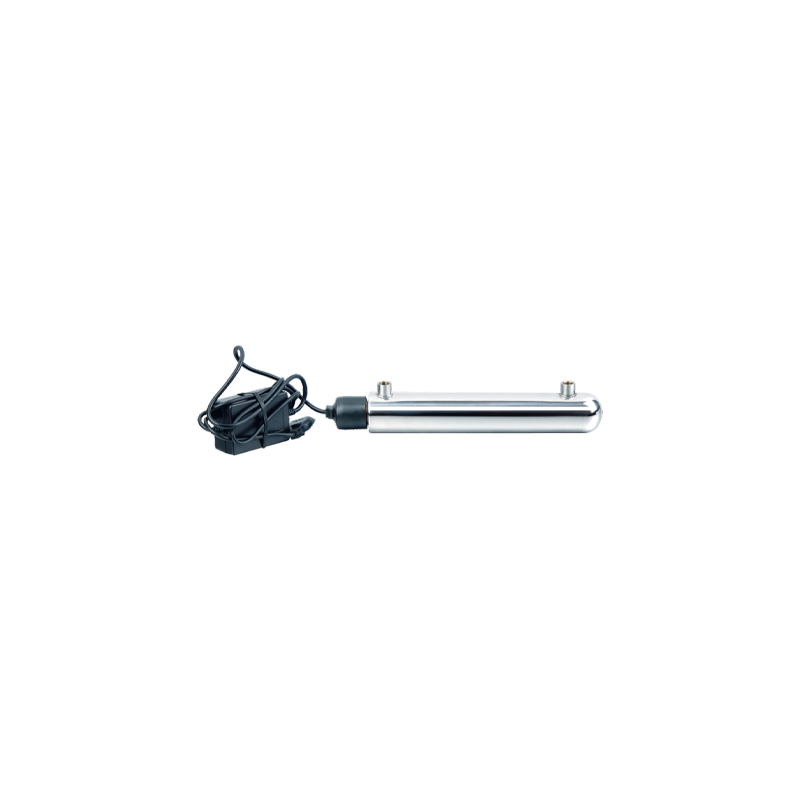 UV11W High-efficiency Intelligent UV Water Sterilizer Cat:Ultraviolet Water Sterilizer
The UV11W High-efficiency Intelligent UV Water Sterilizer is an advanced water purification system that offers convenience and reliability. This steri...
See Details -
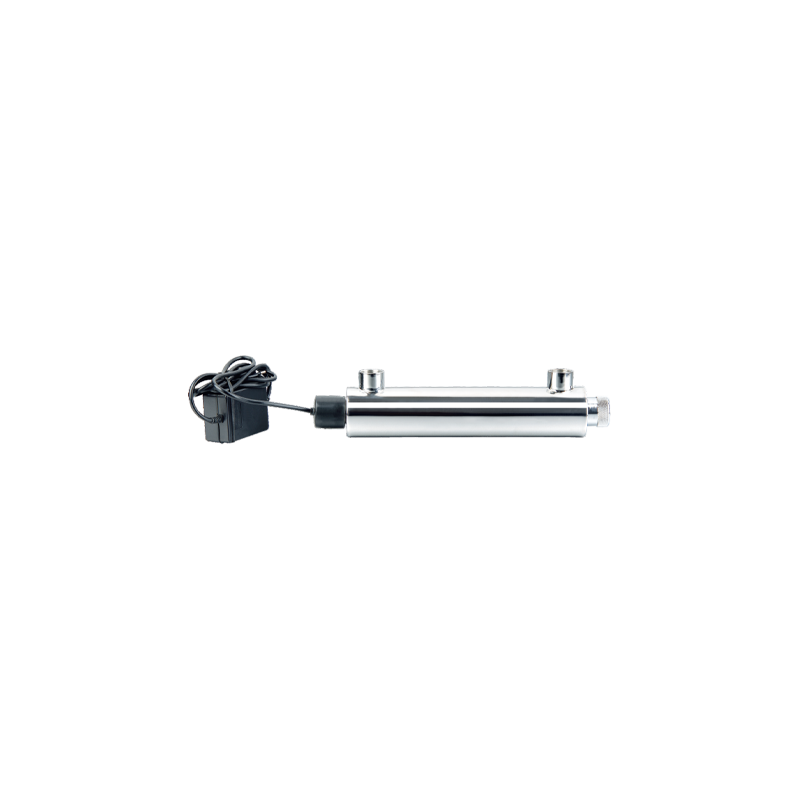 UV16W-A Household Stainless Steel UV Water Sterilizer Cat:Ultraviolet Water Sterilizer
The UV16W-A Household Stainless Steel UV Water Sterilizer is an innovative solution for ensuring safe and pure water in your home. Designed with durab...
See Details -
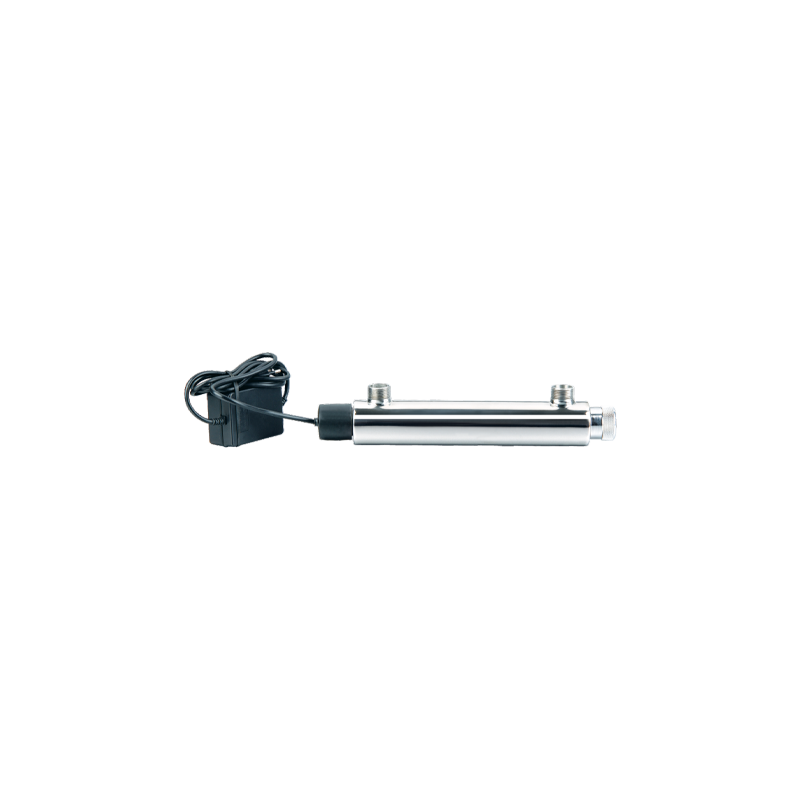 UV16W-B 304 Stainless Steel Water Purifier Ultraviolet Water Sterilizer Cat:Ultraviolet Water Sterilizer
UV16W-B 304 Stainless Steel Water Purifier Ultraviolet Water Sterilizer is an efficient water treatment equipment based on advanced ultraviolet disinf...
See Details -
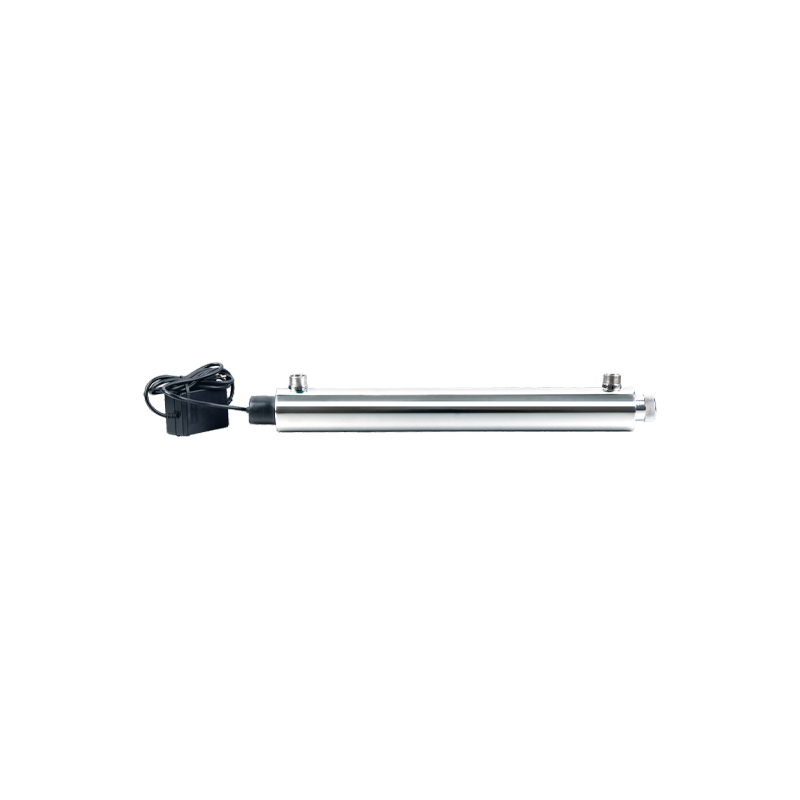 UV25W Stainless Steel Ultrafiltration Pre-Filtration UV Sterilizers For Water Cat:Ultraviolet Water Sterilizer
UV25W Stainless Steel Ultrafiltration Pre-Filtration UV Sterilizers For Water uses high-quality stainless steel materials, which have superb corrosion...
See Details -
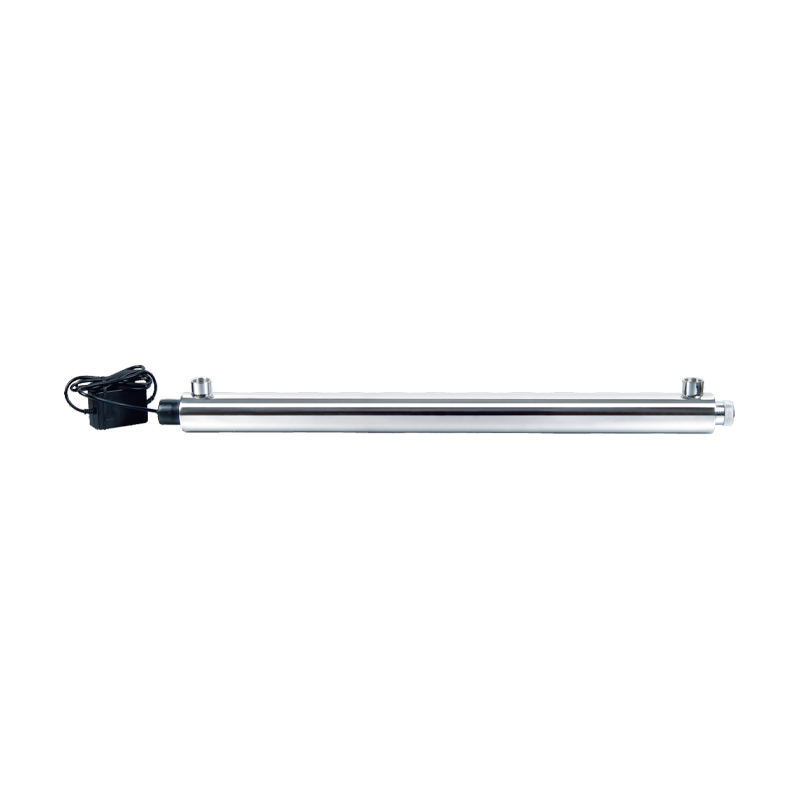 UV30W-55W Automatic Ultraviolet Sterilizer UV Filtration For Drinking Water Cat:Ultraviolet Water Sterilizer
The core advantage of UV30W-55W Automatic Ultraviolet Sterilizer UV Filtration For Drinking Water lies in its efficient and rapid disinfection capabil...
See Details -
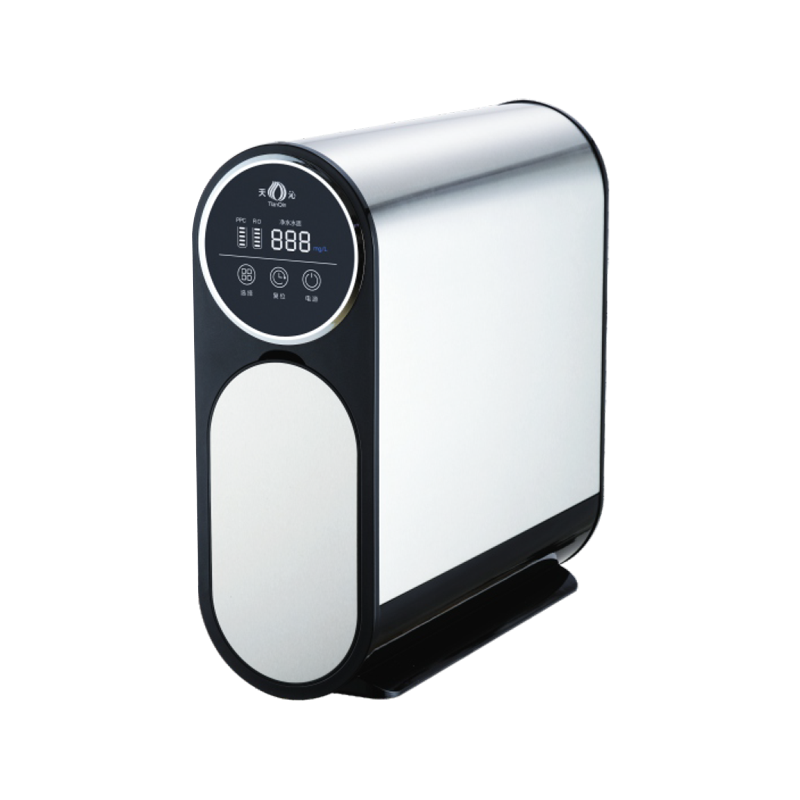 TQ-R03 Stainless Steel Booster Double Water Full Effect RO Water Purifier Cat:Stainless Steel Ro System
TQ-R03 Stainless Steel Booster Double Water Full Effect RO Water Purifier is a household water purification device that combines efficient water purif...
See Details -
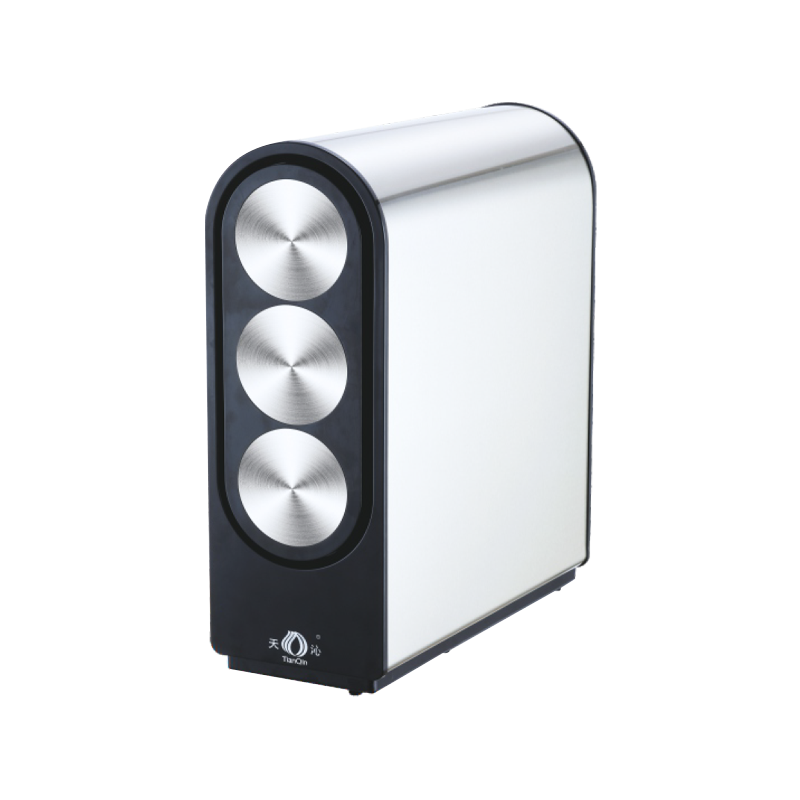 TQ-R05 Multifunctional Water Purification Source RO Water Purifier Cat:Stainless Steel Ro System
The TQ-R05 Multifunctional Water Purification Source RO Water Purifier is an advanced, versatile water purification solution designed for households a...
See Details -
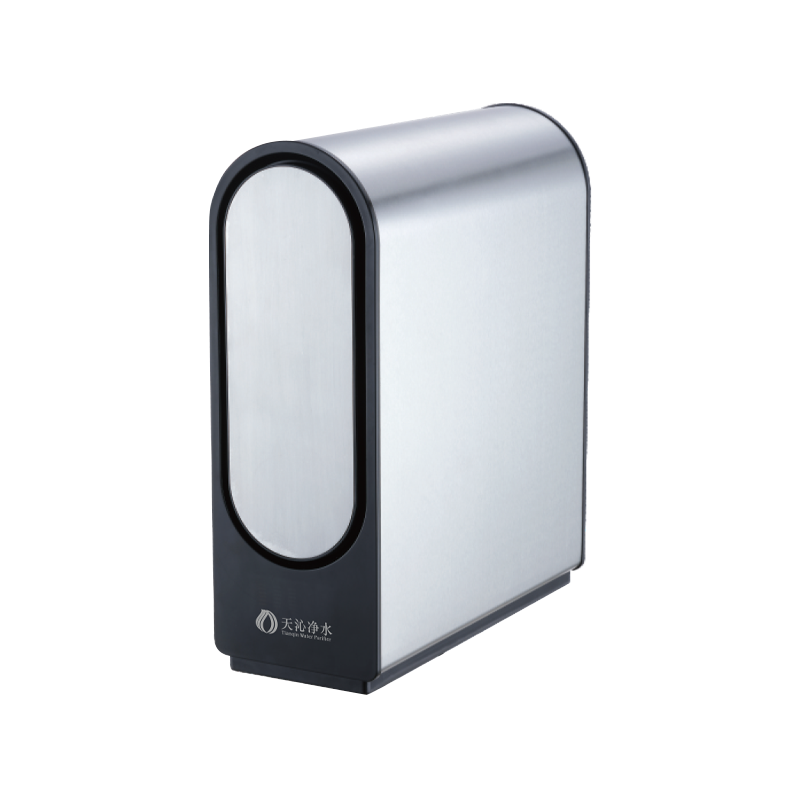 TQ-R06 Stainless Steel Environmentally Friendly RO Water Purifier Cat:Stainless Steel Ro System
The TQ-R06 Stainless Steel Environmentally Friendly RO Water Purifier combines advanced RO filtration technology, durable stainless steel housing, and...
See Details -
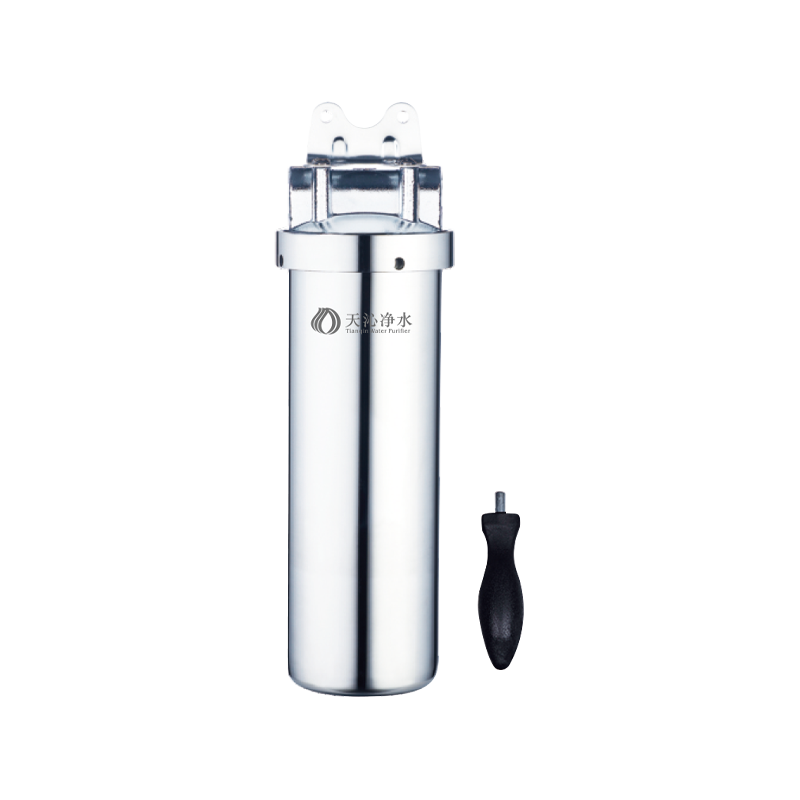 Stainless Steel Pure Double Water Pipe Water Purifier Cat:Stainless Steel Pipeline Water Purifier
The Stainless Steel Pure Double Water Pipe Water Purifier is an advanced water purification system designed to provide dual-mode purified water with e...
See Details -
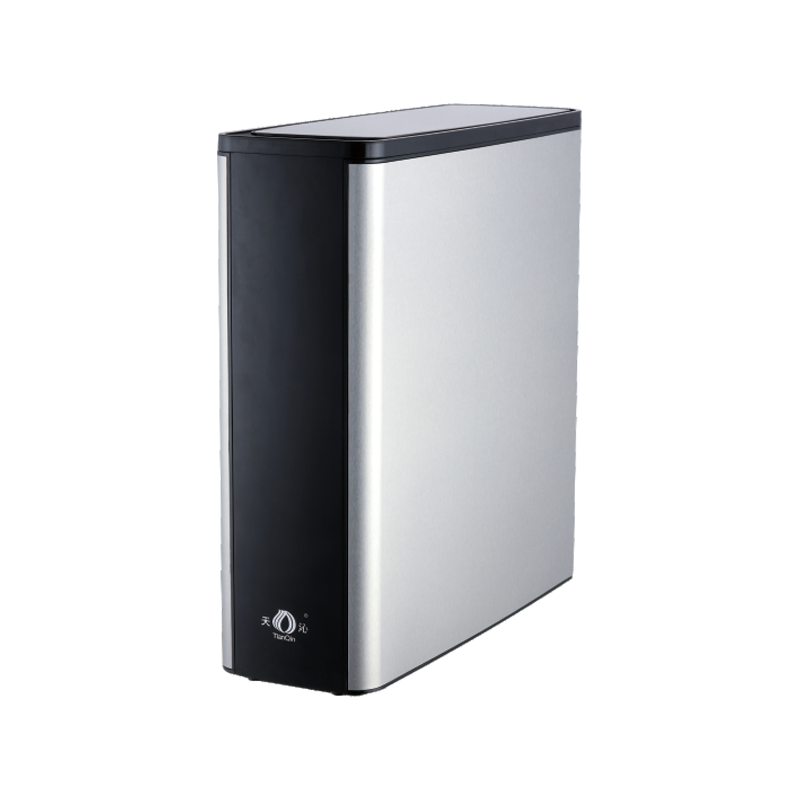 TQ-R08 Stainless Steel High-Flow RO Water Filter Cat:Stainless Steel Ro System
The Stainless Steel High-Flow RO Water Filter (TQ-R08) provides a powerful and effective solution for purifying drinking water, combining advanced rev...
See Details


 +86-0574-62381077/62386875

How Can Bacteria Be Removed from Water? | Filtration & Disinfection Guide
Bacteria can enter drinking water through many routes, and “how can bacteria be removed from water?” is one of the questions we hear most often in our work. At Tianqin, we have spent over two decades manufacturing water purification equipment for homes and businesses in different parts of the world. Along the way, we have learned that there is no single right answer. The method that works for you depends on your water source, how much water you need, and the level of protection you expect. This guide will walk through the main approaches and explain what each filter can and cannot do.
Content
- 1 Where Do Bacteria in Water Come From?
- 2 Mechanical Filtration: The Role of Pore Size
- 3 Reverse Osmosis: A Denser Barrier
- 4 Ultraviolet Disinfection: Inactivating What Filtration Might Miss
- 5 Boiling and Chemical Disinfection: Dependable Backup Options
- 6 Choosing the Right Approach for Your Situation
- 7 Maintenance Makes the Difference
- 8 A Practical Path Forward
Where Do Bacteria in Water Come From?
Bacteria are not hard to find in the environment. Surface water, shallow wells, and even municipal distribution pipes can all harbor microorganisms. Heavy rainfall can wash soil and animal waste into the water supply, while an older pipe network may allow biofilm to form after a pressure drop. In some areas, the water leaving a treatment plant is safe, but it picks up contamination on the way to your tap. This is why a home or business purifier should not be treated as an optional add-on. Knowing what is likely in your water makes it easier to choose a removal technology.
Mechanical Filtration: The Role of Pore Size
The most intuitive way to remove bacteria is to physically trap them. That is what mechanical filters do. Bacteria are generally around 0.2 to 2 microns in size, although some are smaller. Microfiltration can catch larger bacteria and particles, while ultrafiltration membranes have pores around 0.01 micron, which means they also retain many viruses and other tiny organisms.
Ultrafiltration is one of the most practical options for everyday drinking water. It keeps the membrane barrier small enough to block bacteria while allowing dissolved minerals to pass through, so the taste remains natural. In our own product range, this type of purification is available in compact under-sink and countertop designs.
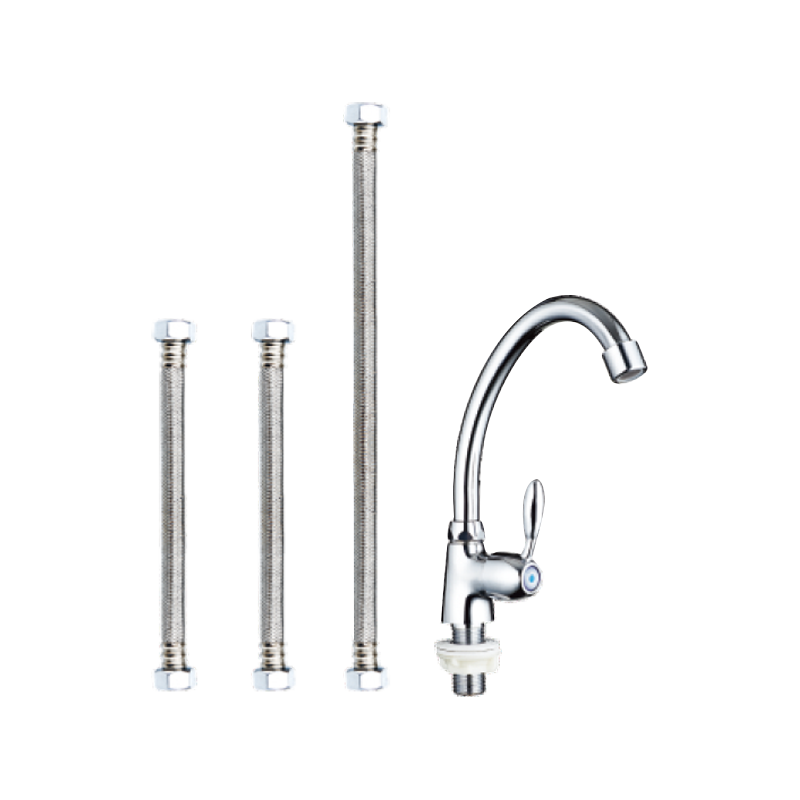 High-Efficiency UF Filter Elements for Bacteria-Reducing Water PurificationThis compact ultrafiltration system blocks bacteria while preserving minerals, making it a practical choice for everyday drinking water at home or office.View Product →
There is an important warning here. Not every filter that claims to purify water can remove bacteria. Many activated carbon filters only improve taste and reduce chlorine, and they do not have the sub-micron pore structure needed to block microorganisms. When choosing a filter, look for a clear pore size rating and, ideally, certification from an independent laboratory.
Reverse Osmosis: A Denser Barrier
If you need more than a mechanical screen, reverse osmosis (RO) goes much further. An RO membrane is a semi-permeable film with openings around 0.0001 micron. Water is pushed through it under pressure, while dissolved solids, heavy metals, and microbial contaminants are left behind. The result is a very high level of purification that can handle hard water, chemical residues, and bacteria at the same time.
RO systems are ideal for families who want one unit to solve several water-quality problems at once. They do need electricity for a booster pump in most installations and produce a small amount of reject water. The membrane also needs a clean prefilter to last long. But for drinking and cooking water, the extra effort is usually worthwhile.
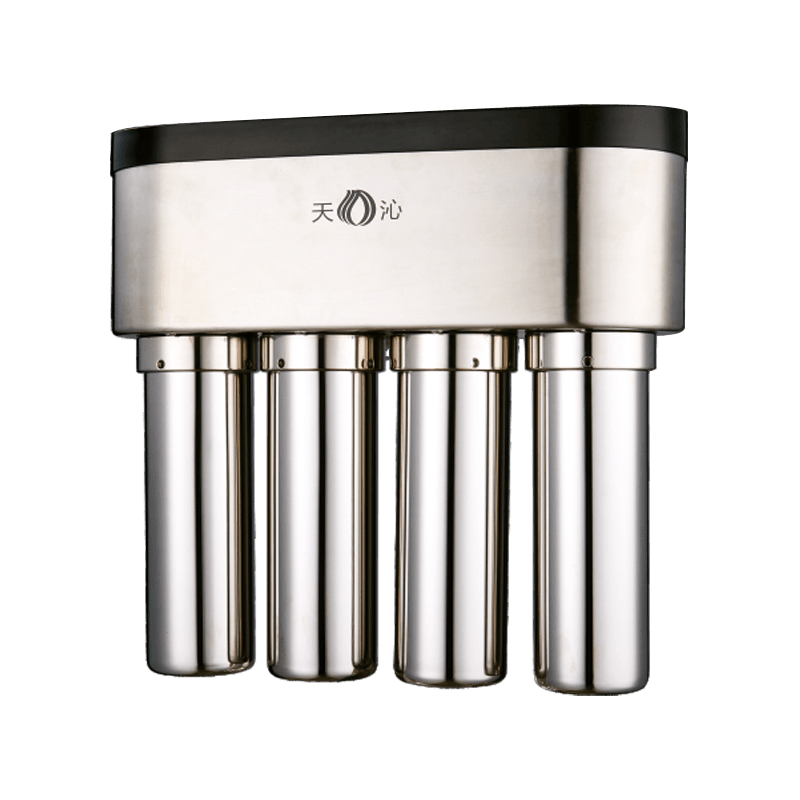 TQ-R01 Smart RO Water Purifier with Single or Dual Water ModeThis five-stage reverse osmosis system removes heavy metals and pathogens, and its flexible dual-outlet design suits cooking and tea making in modern households.View Product →
Because RO removes so much, it changes the mineral balance of the water. Many people appreciate the cleaner taste, while others prefer to add a remineralization stage afterward. Either way, RO remains one of the most reliable methods for keeping bacteria out of a household water supply.
Ultraviolet Disinfection: Inactivating What Filtration Might Miss
Another way to deal with bacteria is to destroy them before they reach the glass. Ultraviolet (UV) disinfection uses a lamp that emits light at 254 nanometers, a wavelength that damages the DNA of bacteria, viruses, and protozoa. After exposure, these organisms cannot reproduce or cause illness. UV is especially useful when you are worried about pathogens that are too small for a simple filter or that may regrow inside a storage tank.
UV16W-A Stainless Steel UV Water Sterilizer for Household DisinfectionUsing 254-nanometer ultraviolet light, this sterilizer inactivates bacteria and viruses, adding a final safety margin after pre-filtration for clear water.View Product →
Yet UV only works if the water is clear. Turbidity can shield microorganisms from the light, so a prefilter is essential. The lamp also needs to be kept clean and replaced at least once a year. For more on how to use this technology correctly, you can read our explanation of UV water sterilization. In many commercial or whole-house systems, UV is added as a final step after mechanical filtration, which gives an extra margin of safety.
Boiling and Chemical Disinfection: Dependable Backup Options
When no purifier is available, boiling is the classic answer. Heating water to a rolling boil for one minute will kill pathogenic bacteria, viruses, and most protozoa. It is simple and inexpensive, but it is not a practical way to supply water throughout the day. Chemical options such as chlorine dioxide, iodine, or chlorine tablets can also work in emergencies. They are easy to carry and useful during travel, but they can leave an unpleasant taste and have a limited effect on some cysts. For daily use, these methods are best kept as a backup rather than a primary system.
Choosing the Right Approach for Your Situation
There is no need to limit yourself to one technology. Many homes use a prefilter, an ultrafiltration or RO membrane, and a final taste-polishing filter. Commercial kitchens and offices may add UV or a stainless-steel RO system to provide consistent safe water throughout the day. The table below summarizes the main methods so you can compare them at a glance.
| Method | How It Works | Best For | Drawbacks |
|---|---|---|---|
| Boiling | Heat kills microorganisms | Emergencies, small quantities | Not convenient for daily use; high energy use |
| Ultrafiltration | Physical membrane barrier around 0.01 micron | Household point-of-use systems | Does not remove dissolved chemicals |
| Reverse Osmosis | Dense membrane blocks molecules and microbes | High-purity drinking water, hard water areas | Produces wastewater; needs electricity |
| UV Disinfection | Light damages DNA and inactivates organisms | Final disinfection step; commercial systems | Requires clear water and regular lamp replacement |
| Chemical Disinfection | Chlorine, iodine, or similar agents | Travel, emergency preparedness | Taste issues; not all protozoa are affected |
If your water tests well but you still want extra protection, an ultrafiltration system is often the lightest practical upgrade. If you also want to reduce scale, metals, or chemical residues, reverse osmosis covers more ground. And if you are supplying multiple taps in a business or a large household, a central purifier combined with UV is a dependable direction.
Maintenance Makes the Difference
A high-quality system will still fail if it is ignored. Bacteria can grow inside a filter that has been left wet for too long, especially if the filter cartridge is not replaced on time. For UF and RO systems, check the prefilter frequently and replace the membrane by the manufacturer's schedule. For UV units, the lamp usually has a service life of about 9,000 to 12,000 hours, which means a yearly replacement in most households. After any period of inactivity, flush the system before use. These small habits are what separate a purifier that truly protects you from one that becomes another source of contamination.
A Practical Path Forward
Bacteria can be removed from water with mechanical filtration, reverse osmosis, UV light, or a combination of these methods. The right choice depends on your local water quality, your budget, and how much water you use every day. Test your water first, think about your installation space, and remember that regular maintenance is part of the system. With the right setup, clean water is not a complicated goal—it is just a matter of choosing the right layer of protection.
-
 Tel: +86-0574-62381077/62386875
-
 E-mail: leozhanglei@nbtianqin.net
-
 Add: Wuma Industrial Zone, Lubu Town, Yuyao City, Zhejiang Province, China.
Copyright © 2024 by Yuyao Tianqin Water Purification Equipment Co..Ltd.
All Rights Reserved.
 Wholesale Water Purifier Manufacturers

