 English
 中文简体
-
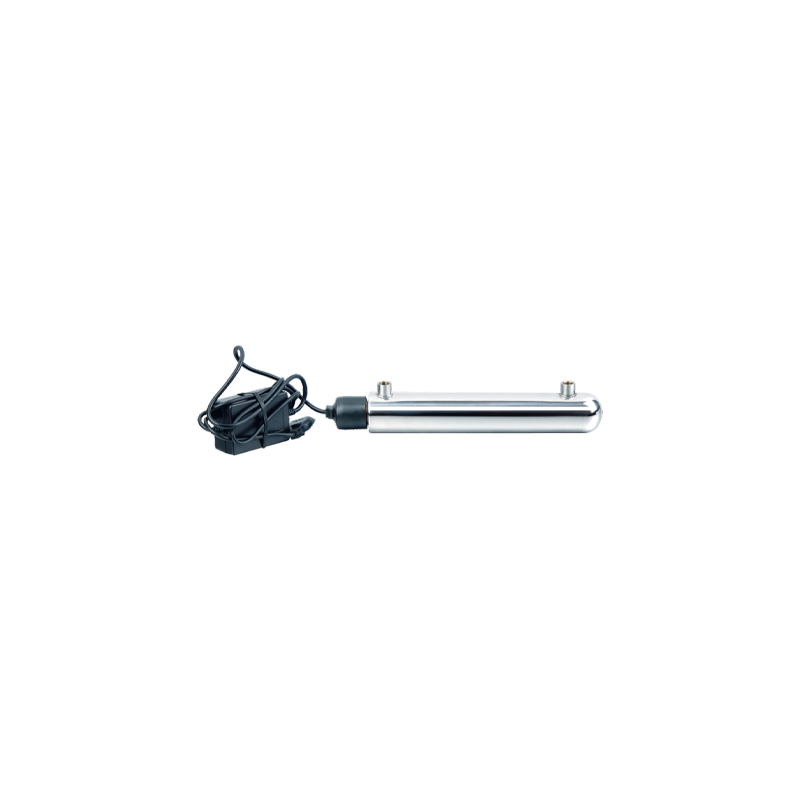 UV11W High-efficiency Intelligent UV Water Sterilizer Cat:Ultraviolet Water Sterilizer
The UV11W High-efficiency Intelligent UV Water Sterilizer is an advanced water purification system that offers convenience and reliability. This steri...
See Details -
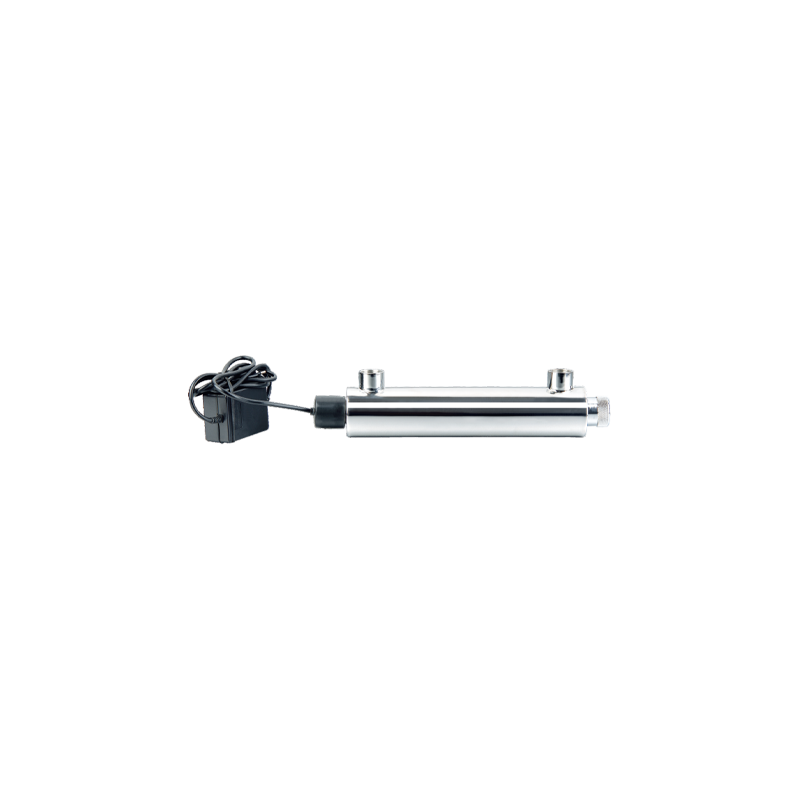 UV16W-A Household Stainless Steel UV Water Sterilizer Cat:Ultraviolet Water Sterilizer
The UV16W-A Household Stainless Steel UV Water Sterilizer is an innovative solution for ensuring safe and pure water in your home. Designed with durab...
See Details -
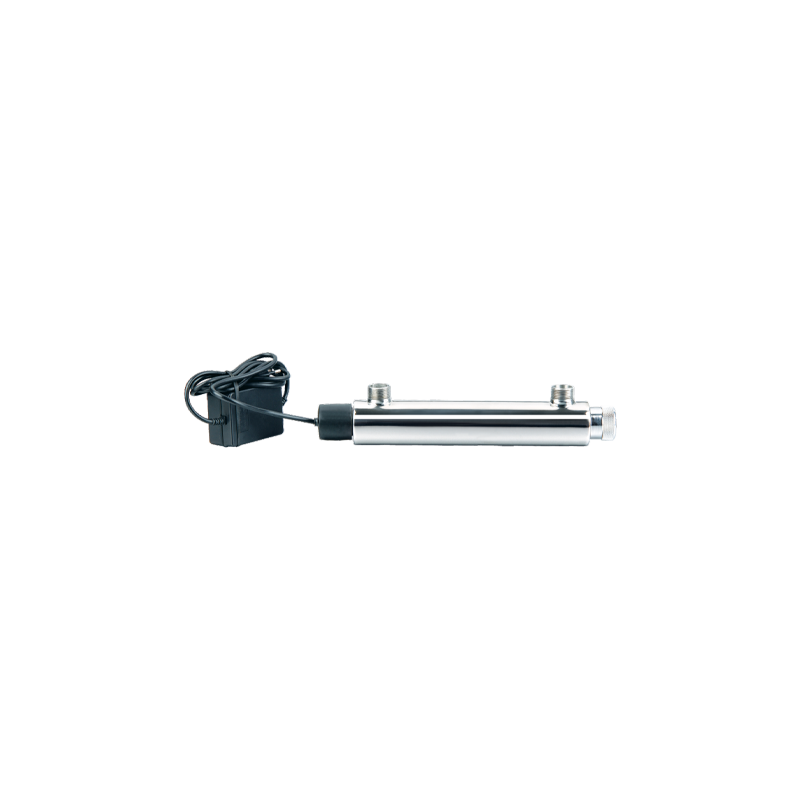 UV16W-B 304 Stainless Steel Water Purifier Ultraviolet Water Sterilizer Cat:Ultraviolet Water Sterilizer
UV16W-B 304 Stainless Steel Water Purifier Ultraviolet Water Sterilizer is an efficient water treatment equipment based on advanced ultraviolet disinf...
See Details -
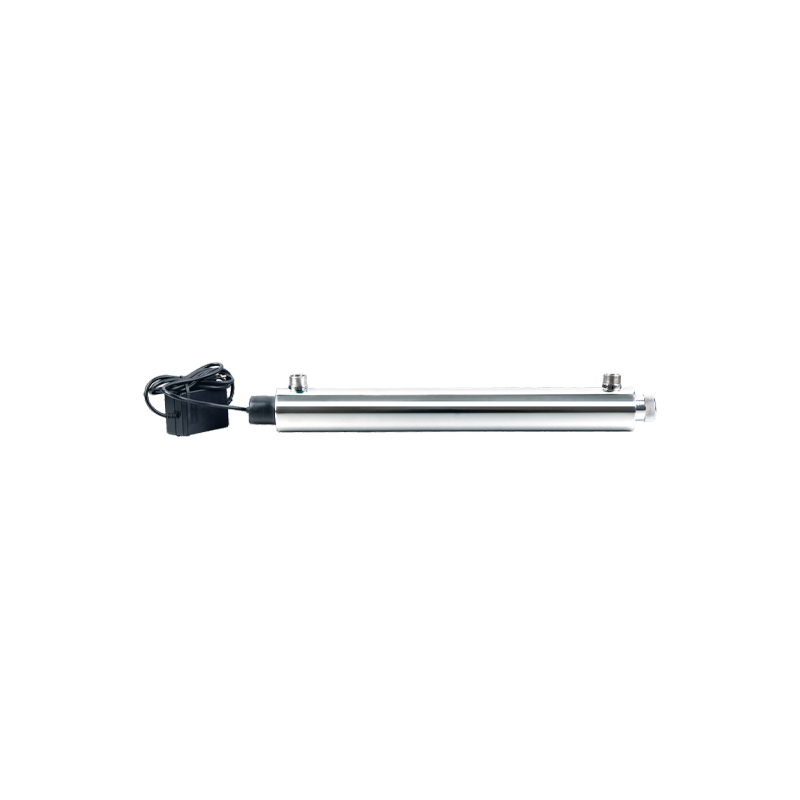 UV25W Stainless Steel Ultrafiltration Pre-Filtration UV Sterilizers For Water Cat:Ultraviolet Water Sterilizer
UV25W Stainless Steel Ultrafiltration Pre-Filtration UV Sterilizers For Water uses high-quality stainless steel materials, which have superb corrosion...
See Details -
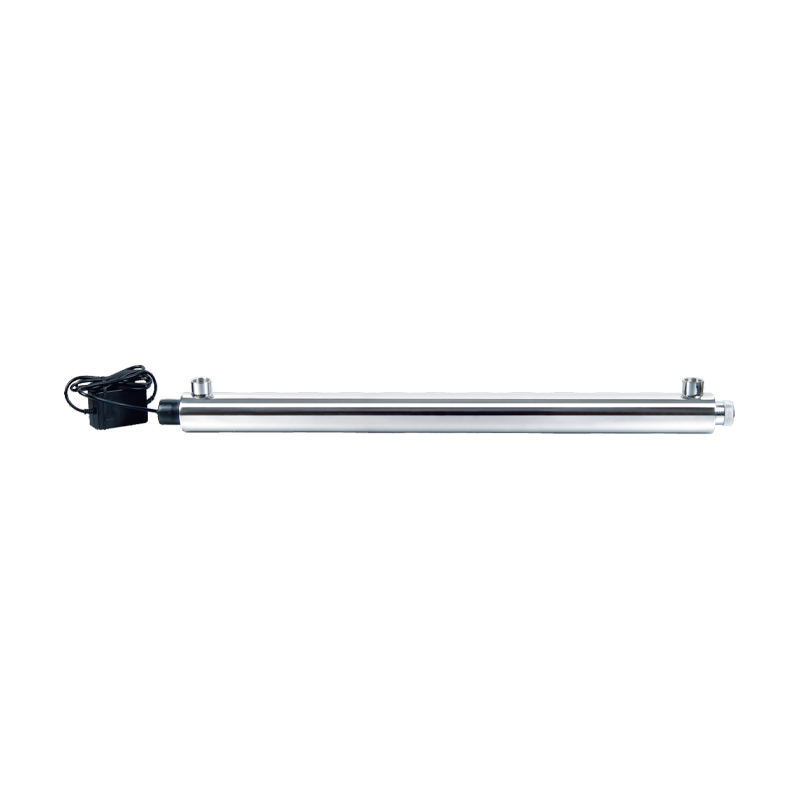 UV30W-55W Automatic Ultraviolet Sterilizer UV Filtration For Drinking Water Cat:Ultraviolet Water Sterilizer
The core advantage of UV30W-55W Automatic Ultraviolet Sterilizer UV Filtration For Drinking Water lies in its efficient and rapid disinfection capabil...
See Details -
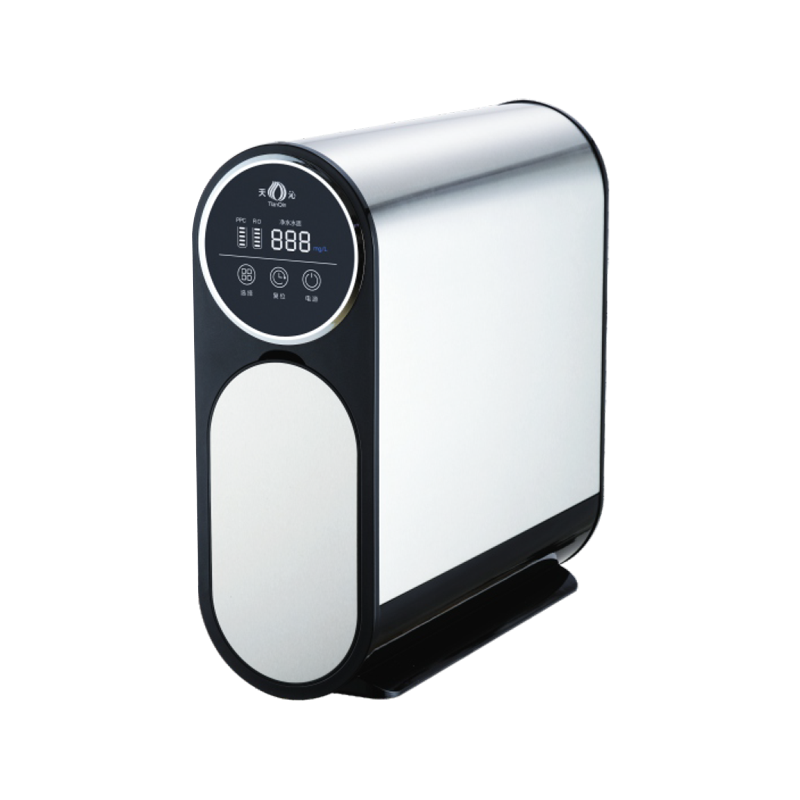 TQ-R03 Stainless Steel Booster Double Water Full Effect RO Water Purifier Cat:Stainless Steel Ro System
TQ-R03 Stainless Steel Booster Double Water Full Effect RO Water Purifier is a household water purification device that combines efficient water purif...
See Details -
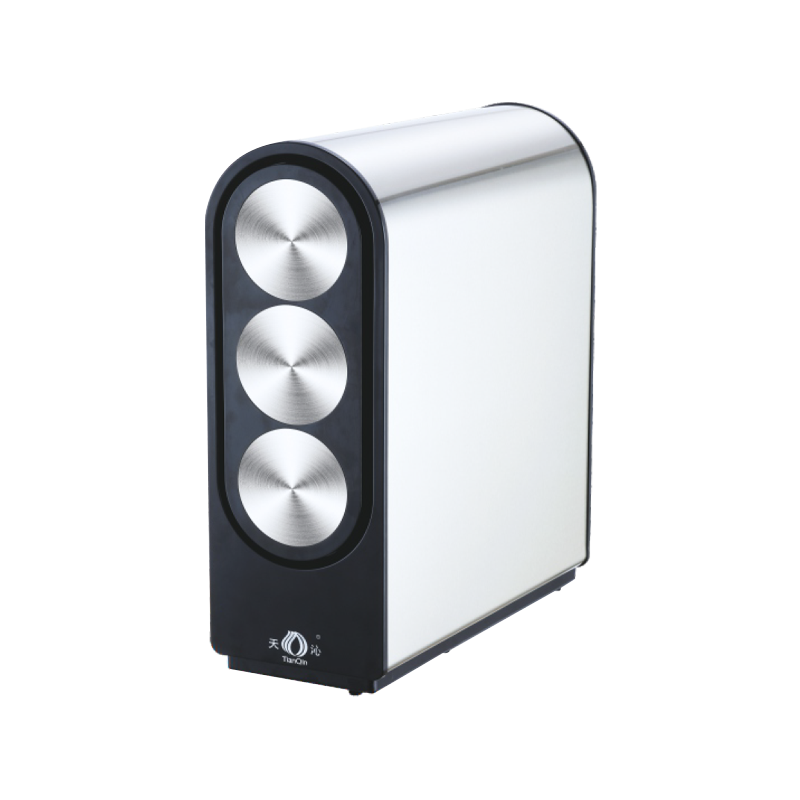 TQ-R05 Multifunctional Water Purification Source RO Water Purifier Cat:Stainless Steel Ro System
The TQ-R05 Multifunctional Water Purification Source RO Water Purifier is an advanced, versatile water purification solution designed for households a...
See Details -
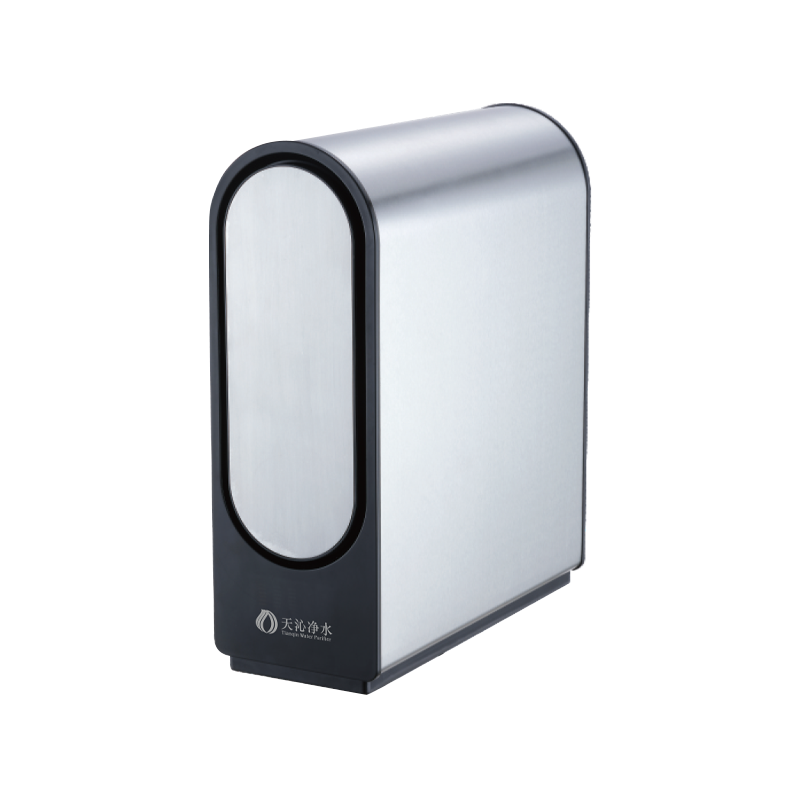 TQ-R06 Stainless Steel Environmentally Friendly RO Water Purifier Cat:Stainless Steel Ro System
The TQ-R06 Stainless Steel Environmentally Friendly RO Water Purifier combines advanced RO filtration technology, durable stainless steel housing, and...
See Details -
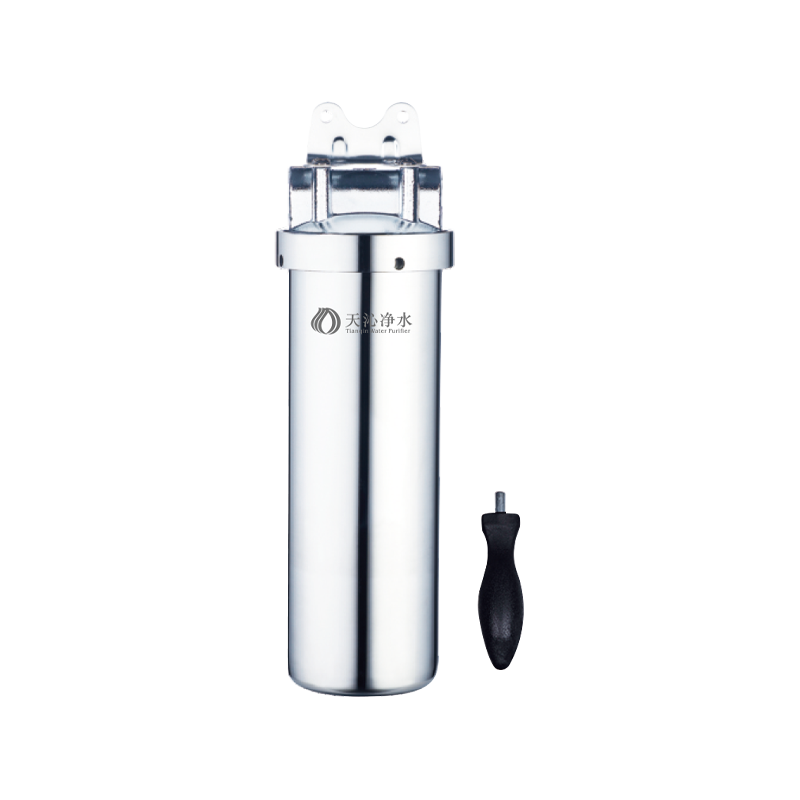 Stainless Steel Pure Double Water Pipe Water Purifier Cat:Stainless Steel Pipeline Water Purifier
The Stainless Steel Pure Double Water Pipe Water Purifier is an advanced water purification system designed to provide dual-mode purified water with e...
See Details -
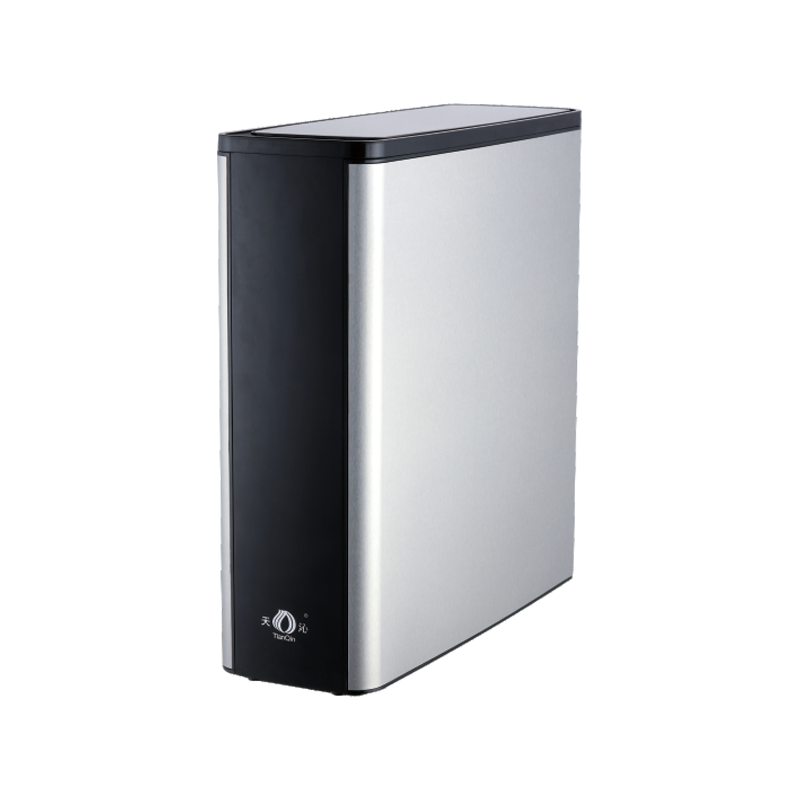 TQ-R08 Stainless Steel High-Flow RO Water Filter Cat:Stainless Steel Ro System
The Stainless Steel High-Flow RO Water Filter (TQ-R08) provides a powerful and effective solution for purifying drinking water, combining advanced rev...
See Details


 +86-0574-62381077/62386875

How Do Bottleless Water Dispensers Work? A Complete Guide to Filtration
Ask several water-treatment technicians how long a reverse osmosis system lasts, and you will get a range rather than one neat number. That is not evasive. It is how RO systems age: the housing, pump, tank, membrane, and filters do not wear out on the same schedule. In ordinary household use, a complete system often lasts 10 to 15 years. The RO membrane usually lasts 2 to 5 years, while the filters need changing every 6 to 12 months. The system is the frame; the membrane and filters are the parts doing the daily work.
Content
How long each part of a reverse osmosis system lasts
The useful life of an RO system is really a set of overlapping service lives. The table below shows the ranges we see most often in household and light commercial settings.
| Component | Typical service life | What to watch |
|---|---|---|
| Sediment pre-filter | 3–6 months | Pressure drop, discolored cartridge, reduced flow |
| Carbon pre-filter | 6–12 months | Chlorine taste, odor, exhausted carbon |
| RO membrane | 2–5 years | Rising TDS, falling production, poor rejection |
| Post-carbon filter | 6–12 months | Returning taste or odor |
| Storage tank | 5–10 years | Waterlogged tank, low draw pressure |
| Pump and valves | 5–10 years | Noise, short cycling, leaks |
| Stainless-steel housing | 10–15+ years | Joint leaks, damage from freezing or pressure spikes |
A membrane that lasts five years is not unusual, and a membrane that fails at 18 months is not proof of a bad product. Sediment load, chlorine exposure, hardness, pressure, temperature, and how many liters pass through it every day all matter. The same goes for the housing. Stainless steel resists many of the cracks and UV damage that shorten plastic enclosures, but it still needs correct installation and protection from freezing.
Tankless models change the list slightly by removing the storage tank, though they still depend on the membrane and prefilters.
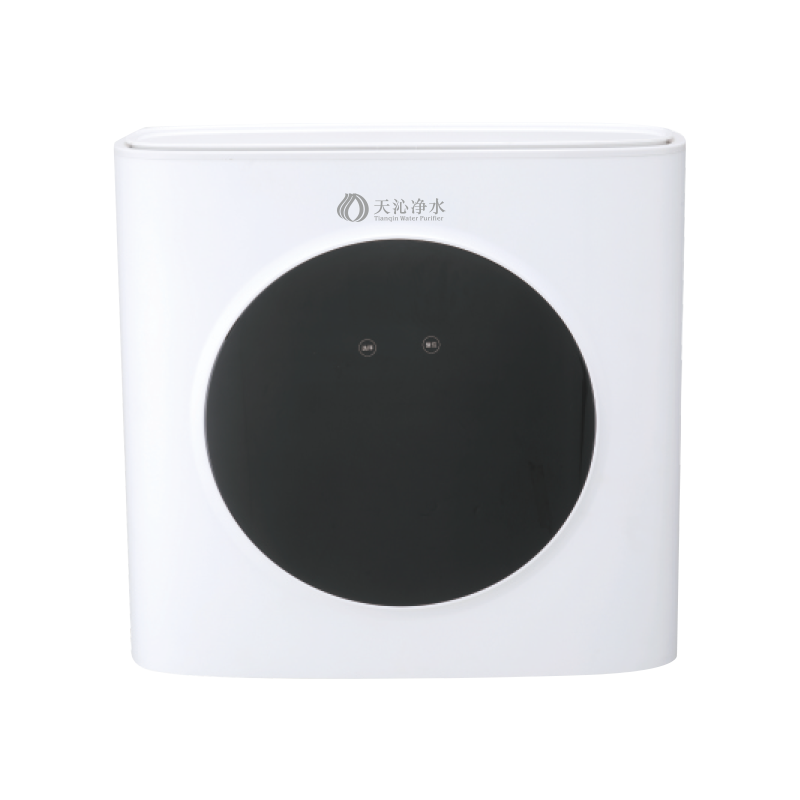 TQ-R14 Tankless Reverse Osmosis PurifierTankless RO system with PP, CTO, RO and CTO filters, LED filter-life display and 1.0–1.5 L/min pure water flow; useful when comparing tankless setups and upkeep.View Product →
What decides whether your system reaches 15 years
Two systems bought on the same day can have very different lives. The difference is usually not luck.
Feed water quality
Sediment, chlorine, hardness, iron, manganese, and high TDS all put pressure on an RO system. A sediment prefilter that is changed on time is much cheaper than a membrane that fouls early. If your water is hard or heavy with sediment, pretreatment is not a luxury; it is part of the system's working life.
Daily volume and operating pattern
A household that draws a few liters at a time asks less of a system than a café, office, or small processing line that runs for hours. Continuous demand shortens membrane life and puts more cycles on pumps and valves. Long idle periods matter too, because water that sits in the system can encourage fouling and taste problems.
Pressure, temperature, and installation
RO membranes need stable pressure within the range specified by the manufacturer. Low pressure reduces output; high pressure spikes stress housings, fittings, and seals. Hot feed water can damage a membrane, and freezing can crack tanks, lines, and housings. A correct installation with proper clearances and leak-free joints is just as important as the components themselves. In areas where pressure swings are common, a model built for that condition reduces unnecessary strain.
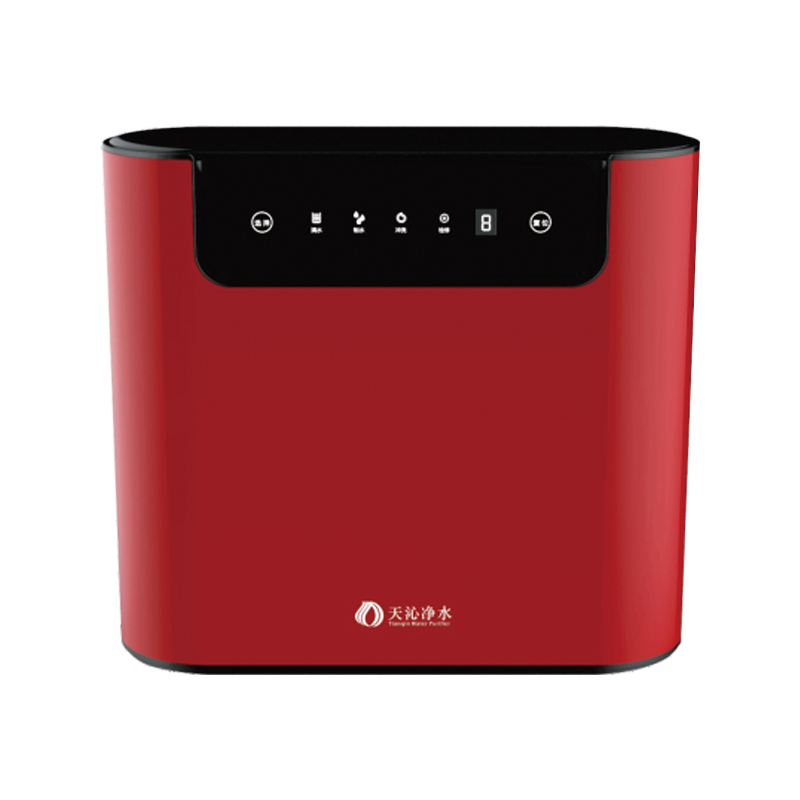 TQ-R10 Self-Priming Reverse Osmosis SystemSelf-priming RO purifier for low or fluctuating pressure, rated 0.1–0.4 MPa with 3.2G pressure barrel and PP/CTO/RO/CTO filters; relevant where pressure stability and upkeep are concerns.View Product →
Maintenance consistency
The systems that reach the longer end of the range are not the ones that are left alone. They are the ones whose owners replace prefilters before they clog, flush the membrane as directed, and check pressure and TDS rather than waiting for a taste problem.
Signs your RO system is nearing the end of its life
A single symptom does not condemn a system. A cluster of them usually tells you something important.
- Product water TDS creeps upward even after new filters are installed.
- Water production slows noticeably, or the pump runs longer than it used to.
- Tap water tastes flat, salty, or earthy shortly after a filter change.
- The storage tank feels heavy but delivers little water, a sign of a failed bladder.
- Leaks appear at joints, seams, or the housing, especially after pressure changes.
- Filters clog much faster than before, suggesting sediment or scaling upstream.
If the membrane is old and rejection has fallen, replacing the membrane may be enough. If the tank, pump, and housing are all showing age, the smarter choice may be a new system rather than a series of repairs.
Maintenance habits that add years
There is no secret trick to making an RO system last. There is a routine, done consistently.
- Replace sediment and carbon prefilters on schedule, not only when flow drops.
- Flush the membrane according to the manufacturer's instructions, especially after idle periods.
- Protect the system from freezing and from hot feed water.
- Check inlet pressure and product TDS every few months and keep a simple log.
- Sanitize the tank and downstream lines when the manufacturer permits it.
- Add softening or other pretreatment if hardness or sediment is clearly shortening filter life.
If you want a step-by-step schedule, our maintenance guide for stainless-steel RO systems walks through the practical checks in more detail.
Household systems vs commercial systems
A home system often reaches 10 to 15 years because it works intermittently. A commercial RO system can have a similar housing life, but its membrane may sit at the shorter end of the 2 to 5 year range, and pumps, valves, and solenoids may need service sooner. Larger tanks and more complex controls also mean more places for small leaks or electrical faults to appear. The maintenance logic is the same, but the inspection intervals should be tighter.
A purpose-built commercial unit with a stainless-steel housing can handle heavier demand, yet it still needs the same filter discipline and pressure protection.
 TQ-Q3 Stainless Steel Commercial RO MachineCommercial stainless-steel RO drinking machine with 50W power, 60 L/H standard output, five-stage filtration and optional UV; relevant for heavier-demand venues evaluating replacement.View Product →
Repair or replace? A practical rule
Use age and failure pattern together. If the system is under eight years old, the problem is isolated, and parts are available, repair usually makes sense. If it is past ten years, has a failing tank or leaking housing, needs a pump and membrane at the same time, or no longer meets your water-quality goal, replacement is often the better value.
Do not replace a system simply because the membrane is old; that is a consumable. Do not keep repairing a system with a corroded housing or a tank that will not hold pressure. Test the water, check pressure and flow, and look at the whole system before deciding.
The bottom line
For most homes, a reverse osmosis system lasts about 10 to 15 years, with the RO membrane changed every 2 to 5 years and the filters every 6 to 12 months. The system that reaches the top of that range is not necessarily the most expensive one. It is the one with suitable pretreatment, stable pressure, correct installation, and a owner who replaces consumables before they fail.
At Tianqin, we have worked with stainless-steel water-treatment equipment since the late 1990s, and that experience has made one point clear: a long-lasting RO system is a maintained system. You can learn more about our manufacturing background and how we approach stainless-steel housings, or talk with us about matching a system to your water test and daily usage.
-
 Tel: +86-0574-62381077/62386875
-
 E-mail: leozhanglei@nbtianqin.net
-
 Add: Wuma Industrial Zone, Lubu Town, Yuyao City, Zhejiang Province, China.
Copyright © 2024 by Yuyao Tianqin Water Purification Equipment Co..Ltd.
All Rights Reserved.
 Wholesale Water Purifier Manufacturers

