 English
 中文简体
-
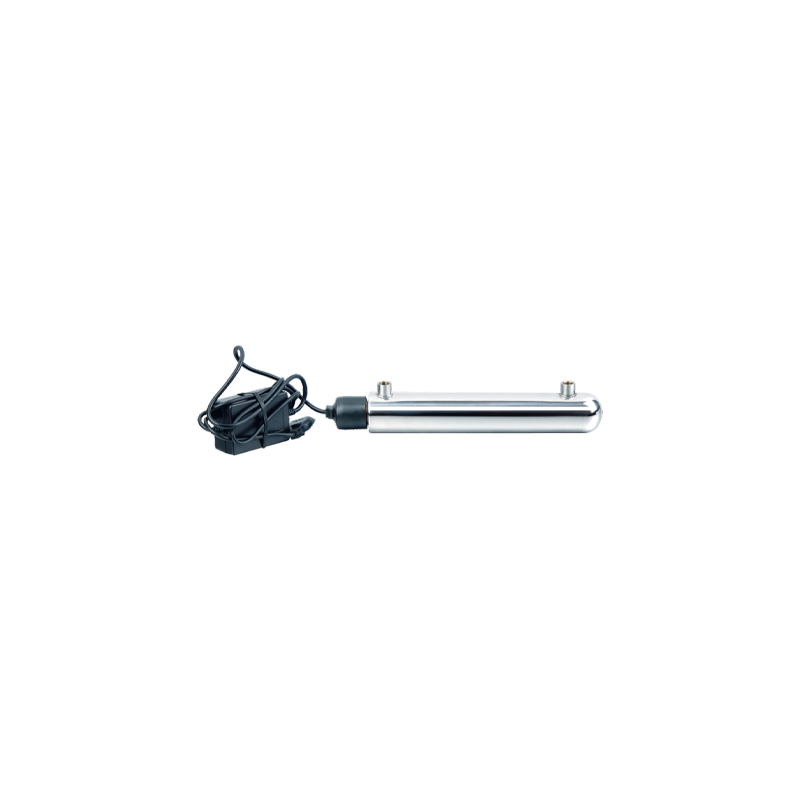 UV11W High-efficiency Intelligent UV Water Sterilizer Cat:Ultraviolet Water Sterilizer
The UV11W High-efficiency Intelligent UV Water Sterilizer is an advanced water purification system that offers convenience and reliability. This steri...
See Details -
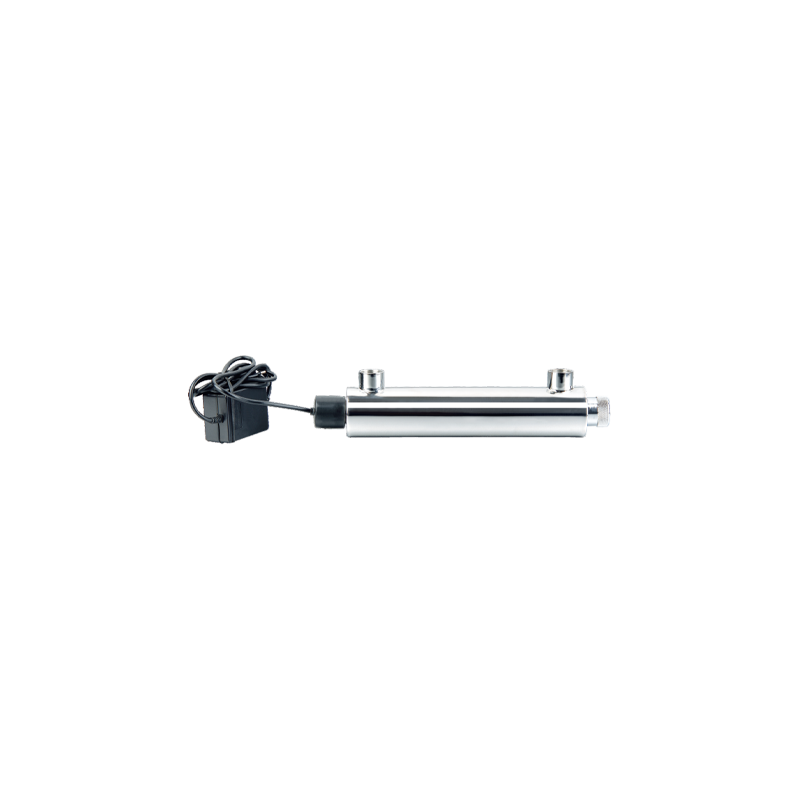 UV16W-A Household Stainless Steel UV Water Sterilizer Cat:Ultraviolet Water Sterilizer
The UV16W-A Household Stainless Steel UV Water Sterilizer is an innovative solution for ensuring safe and pure water in your home. Designed with durab...
See Details -
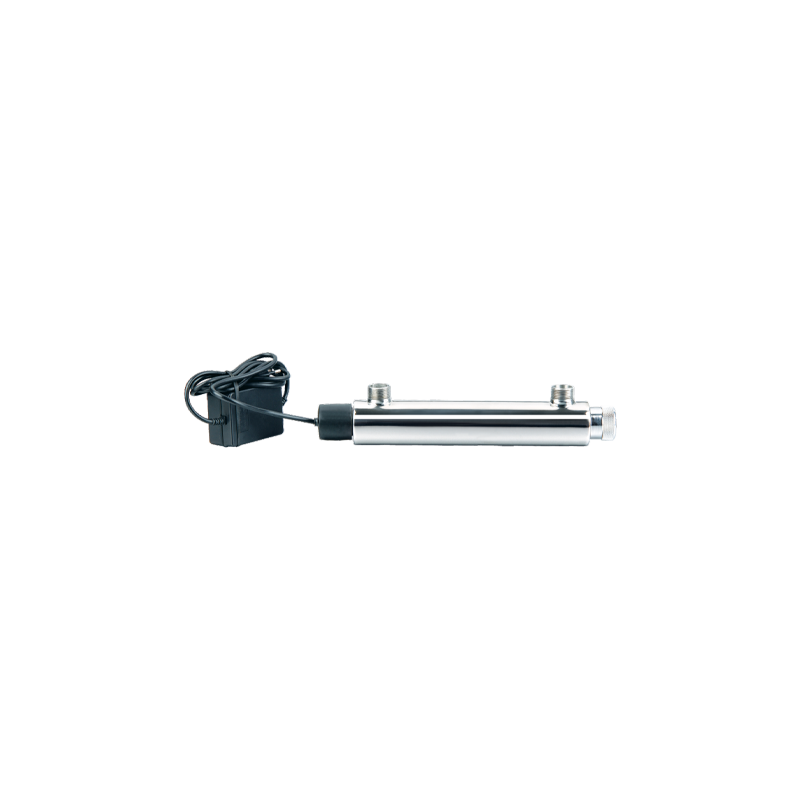 UV16W-B 304 Stainless Steel Water Purifier Ultraviolet Water Sterilizer Cat:Ultraviolet Water Sterilizer
UV16W-B 304 Stainless Steel Water Purifier Ultraviolet Water Sterilizer is an efficient water treatment equipment based on advanced ultraviolet disinf...
See Details -
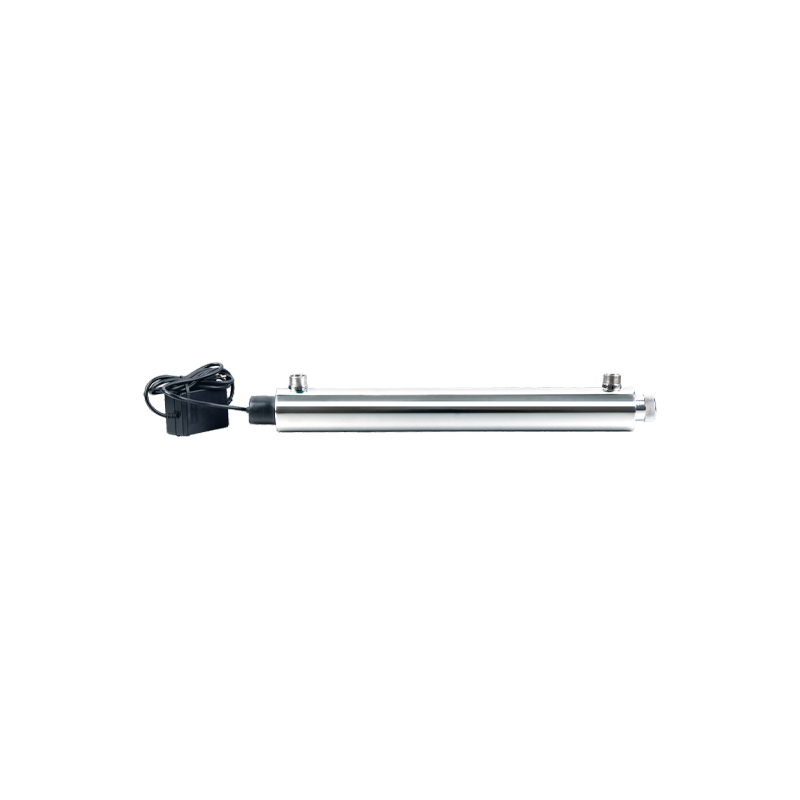 UV25W Stainless Steel Ultrafiltration Pre-Filtration UV Sterilizers For Water Cat:Ultraviolet Water Sterilizer
UV25W Stainless Steel Ultrafiltration Pre-Filtration UV Sterilizers For Water uses high-quality stainless steel materials, which have superb corrosion...
See Details -
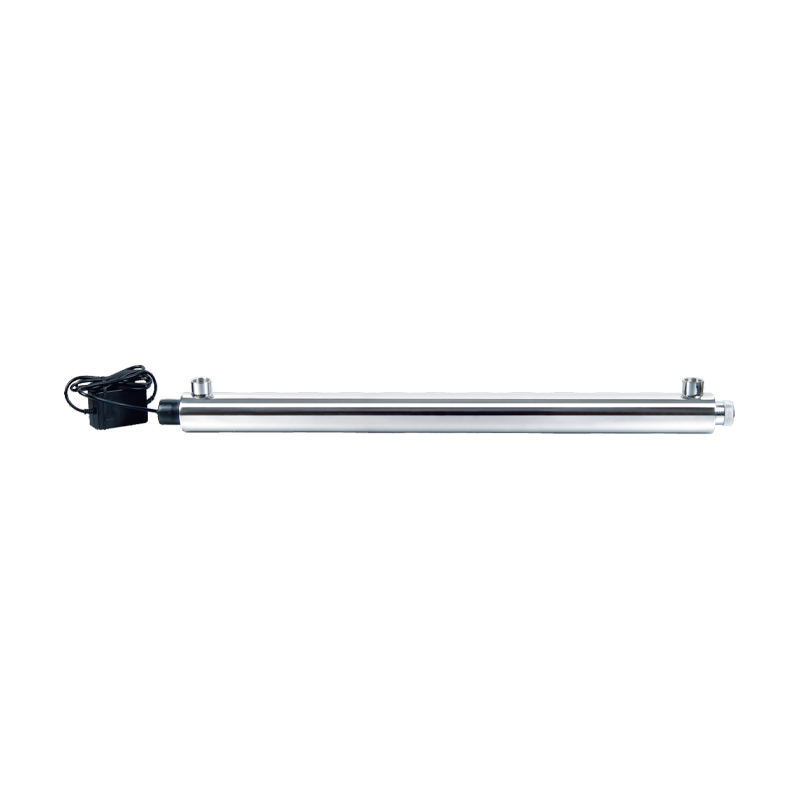 UV30W-55W Automatic Ultraviolet Sterilizer UV Filtration For Drinking Water Cat:Ultraviolet Water Sterilizer
The core advantage of UV30W-55W Automatic Ultraviolet Sterilizer UV Filtration For Drinking Water lies in its efficient and rapid disinfection capabil...
See Details -
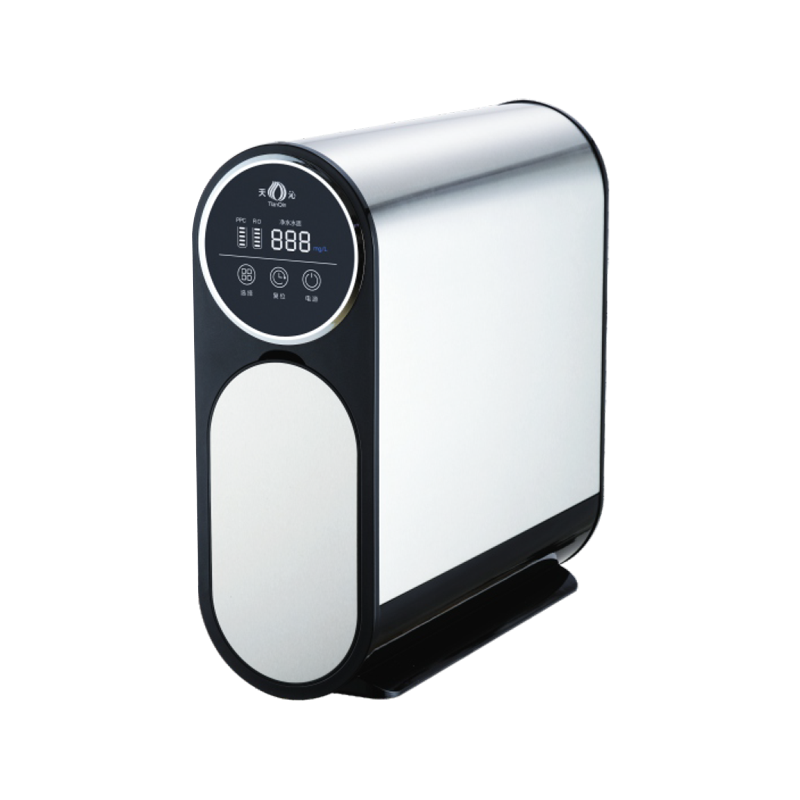 TQ-R03 Stainless Steel Booster Double Water Full Effect RO Water Purifier Cat:Stainless Steel Ro System
TQ-R03 Stainless Steel Booster Double Water Full Effect RO Water Purifier is a household water purification device that combines efficient water purif...
See Details -
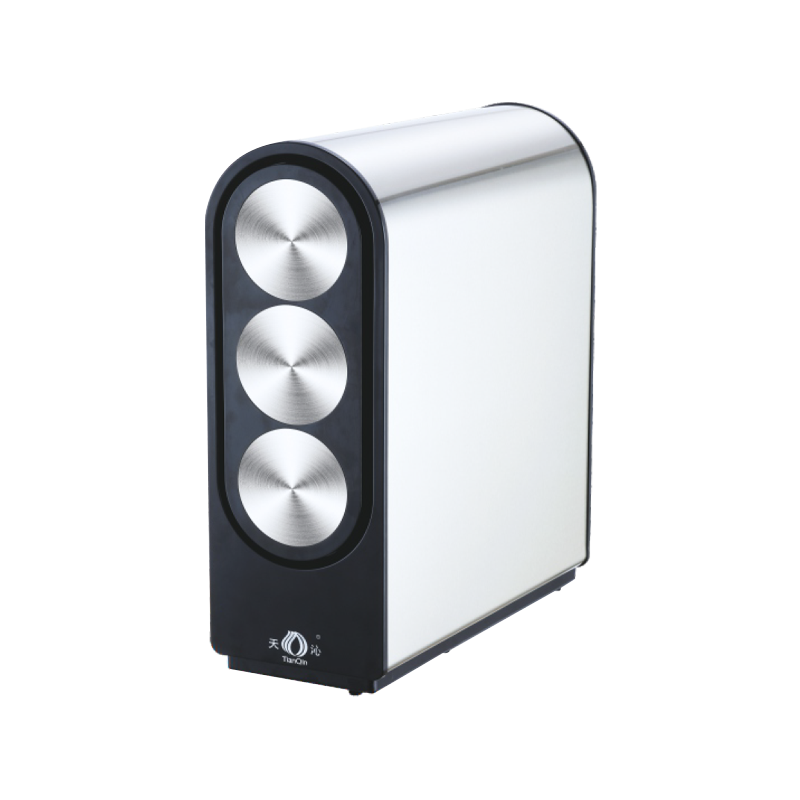 TQ-R05 Multifunctional Water Purification Source RO Water Purifier Cat:Stainless Steel Ro System
The TQ-R05 Multifunctional Water Purification Source RO Water Purifier is an advanced, versatile water purification solution designed for households a...
See Details -
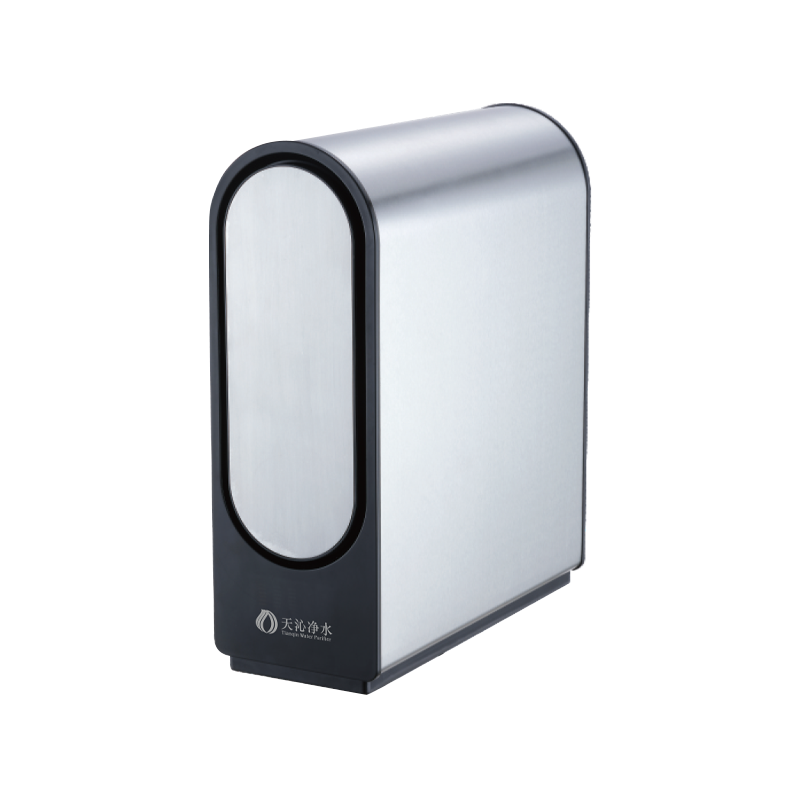 TQ-R06 Stainless Steel Environmentally Friendly RO Water Purifier Cat:Stainless Steel Ro System
The TQ-R06 Stainless Steel Environmentally Friendly RO Water Purifier combines advanced RO filtration technology, durable stainless steel housing, and...
See Details -
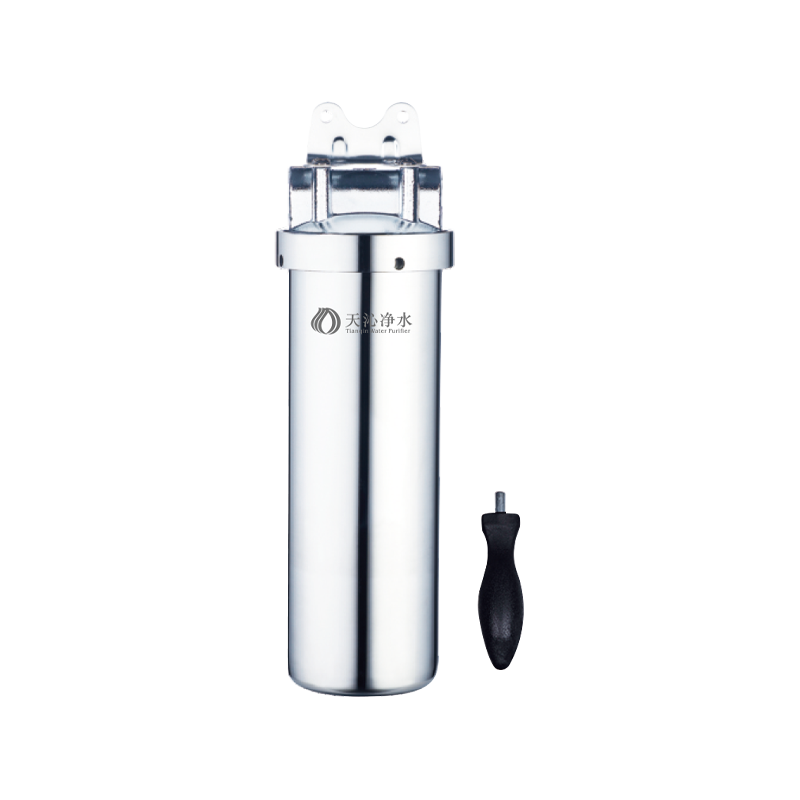 Stainless Steel Pure Double Water Pipe Water Purifier Cat:Stainless Steel Pipeline Water Purifier
The Stainless Steel Pure Double Water Pipe Water Purifier is an advanced water purification system designed to provide dual-mode purified water with e...
See Details -
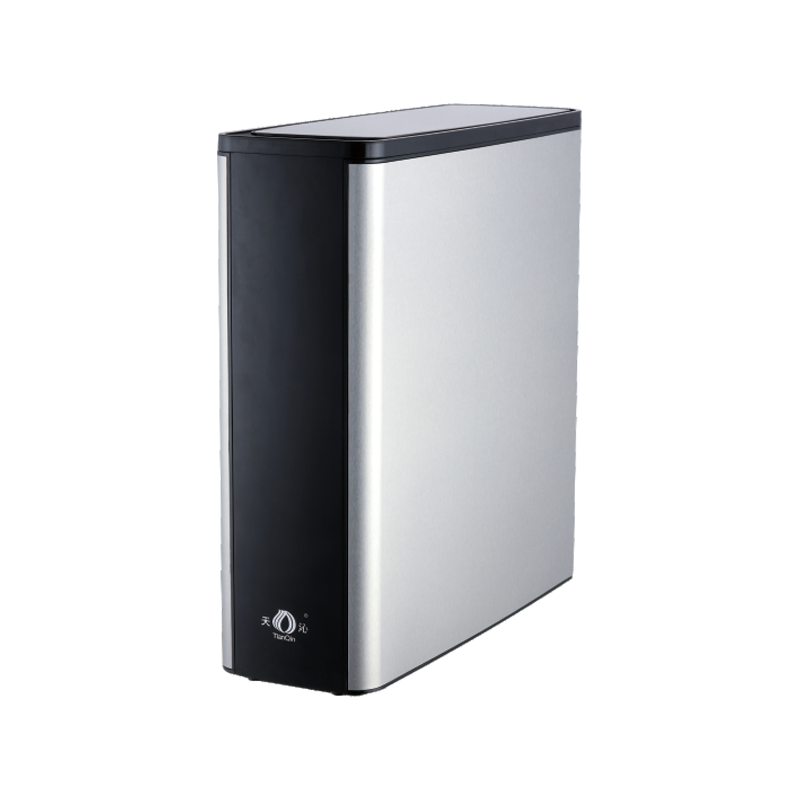 TQ-R08 Stainless Steel High-Flow RO Water Filter Cat:Stainless Steel Ro System
The Stainless Steel High-Flow RO Water Filter (TQ-R08) provides a powerful and effective solution for purifying drinking water, combining advanced rev...
See Details


 +86-0574-62381077/62386875

How Long Do Reverse Osmosis Filters Last? A Practical RO Filter Life Guide
If you have been searching for a straight answer to “how long do reverse osmosis filters last,” you have probably noticed that the numbers move around. One chart says six months, another says three years, and a forum post says “until the water tastes bad.” In our experience building stainless steel water treatment systems, the honest answer is that each stage in an RO system has its own clock. The sediment filter, carbon block, RO membrane, and post-carbon polishing stage do not all expire on the same day.
This guide gives practical ranges, the signs that a filter is spent, and habits that help you get the full life from each cartridge. It is written from a manufacturer’s workbench, not a laboratory fantasy.
Content
- 1 Why RO Filters Do Not Share One Replacement Date
- 2 Typical Filter Life Ranges
- 3 The Pre-Filter Stage Usually Sets the Pace
- 4 The RO Membrane: Two to Three Years Is a Useful Starting Point
- 5 What Makes RO Filters Last Longer or Shorter
- 6 Signs That Your RO Filters Are Ready to Be Changed
- 7 How to Get the Full Life From RO Filters
- 8 Home Systems vs Commercial Systems
- 9 A Note From Our Stainless Steel RO Workshop
- 10 The Practical Answer
An RO system is a chain of treatments. A sediment or PP cartridge catches rust, sand, and particles. A carbon block reduces chlorine, taste, and some organic compounds. The reverse osmosis membrane does the fine work, rejecting dissolved salts and many contaminants. A post-carbon filter polishes the water before it reaches the tap.
Each part fails differently. Sediment filters fill up mechanically. Carbon blocks exhaust their adsorption capacity. The membrane becomes fouled, scaled, or damaged. That is why the question is really four questions in one. The weakest stage also tends to set the service rhythm for the whole system.
Typical Filter Life Ranges
The ranges below are a good planning baseline for a household RO system. Commercial or high-volume systems often sit at the shorter end; very clean feed water and light use can push some stages toward the longer end.
| Filter stage | Typical life | Main job | Common replacement signal |
|---|---|---|---|
| Sediment or PP pre-filter | 3–6 months | Traps sand, rust, and silt | Pressure drop, visible brown cartridge |
| Carbon block or GAC | 6–12 months | Reduces chlorine, taste, and odor | Chlorine taste returns |
| RO membrane | 2–3 years | Rejects dissolved salts and many contaminants | Lower flow, higher TDS in product water |
| Post-carbon polishing | 6–12 months | Improves final taste | Taste or odor returns |
Notice that these are intervals, not guarantees. A 3–6 month pre-filter can clog in six weeks if your water carries a lot of sediment. A membrane rated for two to three years can fail earlier if chlorine slips past the carbon stage or if the system runs at the wrong pressure.
The Pre-Filter Stage Usually Sets the Pace
In most homes, the sediment cartridge is the first part to need attention. It is doing the dirty work. If it is allowed to clog, the membrane behind it has to work harder, and the whole system loses flow. We usually tell customers to check the pre-filter every two to three months, even if they replace it on a longer schedule.
A stainless steel pre-filter can be a practical addition where sediment is heavy, because it takes some of the load off the disposable cartridges.
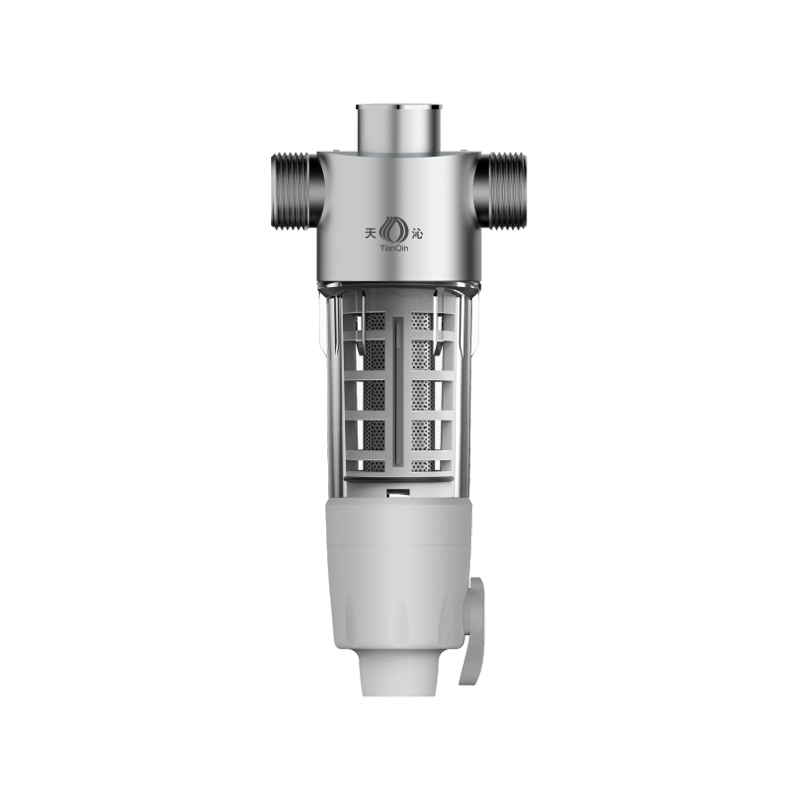 TQ-QZ01 High-Performance Stainless Steel Water Pre-FilterA durable 40 μm stainless steel pre-filter for high-flow sediment reduction before advanced filtration, helping ease the load on disposable cartridges.View Product →
That is not a substitute for changing cartridges on time, but it can reduce how often the RO system’s first stage is overwhelmed.
The RO Membrane: Two to Three Years Is a Useful Starting Point
The membrane is the most expensive and most misunderstood filter in the system. It does not fill up like a sediment cartridge. It fouls, scales, or degrades. In normal household service with a protected feed, two to three years is a realistic planning figure. Some carefully maintained systems reach four years; heavily used systems may need a new membrane sooner.
Hot water is the enemy. Most membranes are rated for cold feed water, and sending hot water through them can damage the membrane permanently. If your system is fed by a hot water line or exposed to direct sun in summer, fix that before blaming the membrane.
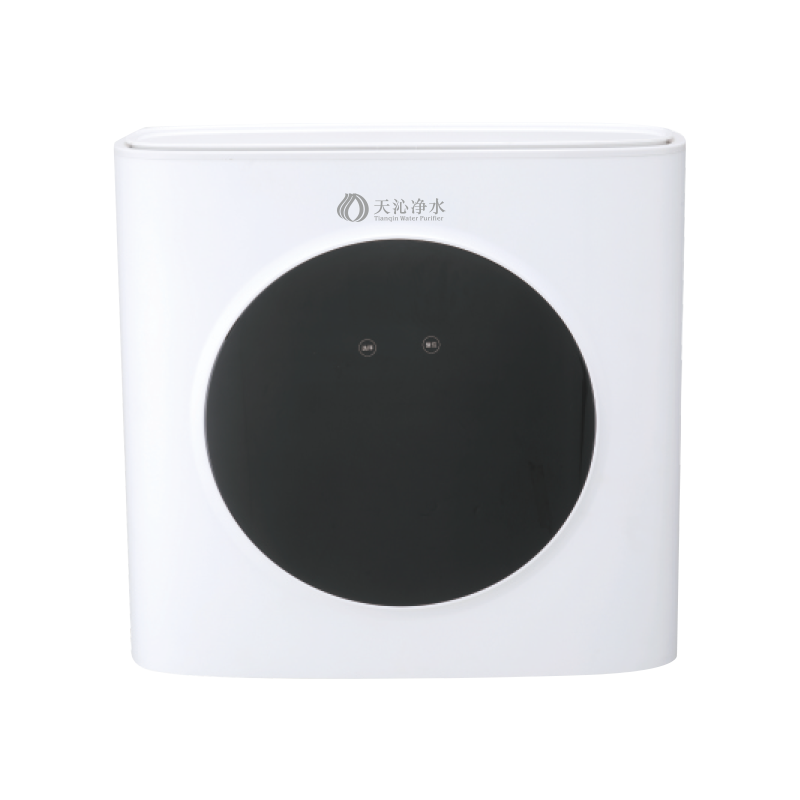 TQ-R14 High-Efficiency Tankless Reverse Osmosis Water PurifierCompact tankless RO purifier using PP, CTO, and RO stages with LED filter-life prompts for continuous on-demand drinking water.View Product →
What Makes RO Filters Last Longer or Shorter
Feed water quality
Clean municipal water with moderate hardness is easier on filters than well water with iron, manganese, silt, or high hardness. Iron and hardness scale can shorten membrane life. Chlorine is helpful for disinfection in the pipe but harmful to thin-film composite membranes if it reaches them unprotected.
Pressure and temperature
RO membranes want stable pressure within their rated range. Low pressure reduces output and can cause the pump to run poorly; high pressure stresses seals and housings. Rapid pressure swings are common in some buildings and can shorten component life. A system designed for fluctuating supply pressure makes maintenance less reactive.
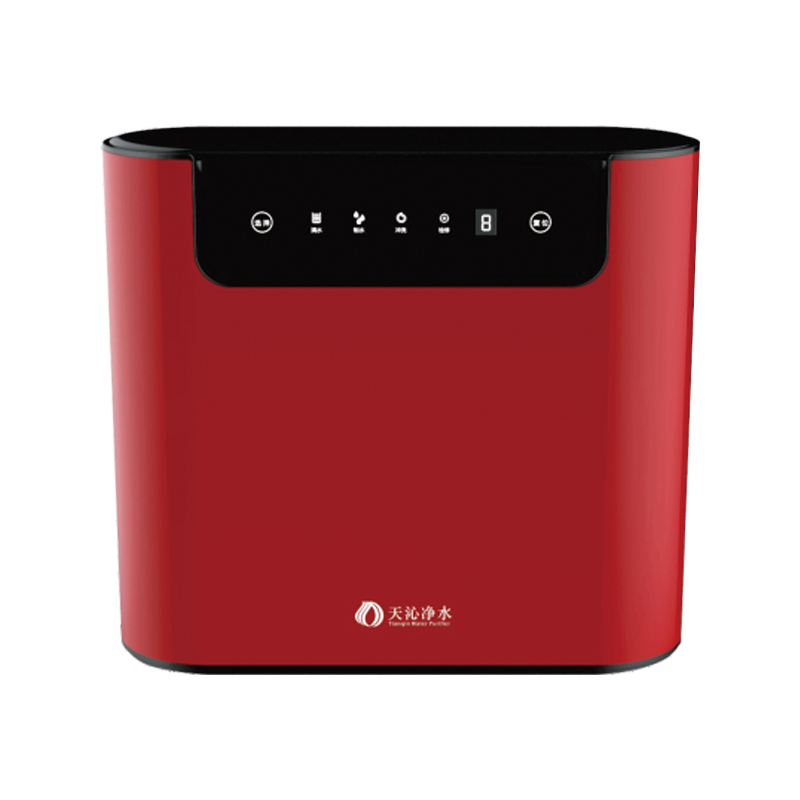 TQ-R10 Self-Priming Reverse Osmosis Water PurifierA household RO purifier with self-priming operation and 0.1–0.4 MPa range, designed for low or fluctuating water pressure and consistent purification.View Product →
Volume of water used
A family of two making a few liters a day puts far less demand on a system than a café or office drawing water all day. High-volume commercial RO systems need a tighter maintenance calendar. The same cartridge model can last months longer in a lightly used home than in a busy kitchen.
Maintenance habits
Regular flushing, timely pre-filter changes, and keeping the system out of freezing temperatures all help. Neglect rarely causes a dramatic failure at once; it shows up as falling flow and rising TDS over weeks.
Signs That Your RO Filters Are Ready to Be Changed
Calendars are useful, but the system also gives signals. Watch for these changes:
- Falling water flow: a clogged pre-filter or fouled membrane is a common cause. Check the pre-filter first.
- Worse taste or odor: a spent carbon block or post-filter often lets chlorine or musty notes return.
- Higher TDS in the product water: compare with your normal baseline. A rising trend suggests membrane performance is slipping.
- Visible sediment or color: a brown or rust-colored pre-filter has done its job and needs replacement.
- Frequent pump cycling or low recovery: scale or pressure problems may be shortening membrane life.
For a broader look at how different water filters age, this filter lifespan guide walks through related cartridge types and practical replacement cues.
How to Get the Full Life From RO Filters
Most of the work is boring and consistent. That is good news:
- Replace the sediment pre-filter on time. Do not wait for the membrane to suffer.
- Change carbon blocks before chlorine breakthrough, not after you taste it.
- Flush the system according to the manufacturer’s schedule. A short regular flush helps keep the membrane wet and reduces fouling.
- Protect the system from hot feed water and freezing conditions.
- Keep supply pressure stable. If pressure swings are normal in your building, choose a system built for that reality.
- Use the best feed water you can reasonably provide. A pre-filter or whole-house pretreatment can remove sediment before it reaches the RO stage.
- Monitor product water TDS. A slow rise is more useful than waiting for a dramatic failure.
- Sanitize or service the storage tank and lines as instructed. Clean downstream components protect the taste of the water and reduce biofilm growth.
For commercial systems, put the filter changes on a written schedule and keep a log. In a busy food service or office setting, a missed pre-filter change can cost more in membrane replacement than the cartridge itself.
Home Systems vs Commercial Systems
Household RO systems often follow the package insert: pre-filter every three to six months, carbon every six to twelve months, membrane every two to three years. Commercial systems can compress those intervals because they process far more water. A 50-gallon-per-day office unit and a high-output restaurant system should not share the same calendar.
If usage is heavy, check the pre-filter monthly and track pressure across the system. When the pressure drop across a cartridge rises, it is telling you something. The same is true when product flow falls or TDS climbs. Use the numbers, not just the calendar.
A Note From Our Stainless Steel RO Workshop
Our team has been building stainless steel water treatment equipment since 1998, and RO systems are part of that range. We see filters last longest when the housing, pressure path, and pretreatment are matched to the actual water supply. Stainless steel housings can support durability and clean operation, but no housing material can rescue a cartridge that is fed dirty water or run at the wrong pressure.
If you are comparing system designs, see our company background and the way we build stainless steel RO and pretreatment products. We would rather give you a realistic maintenance plan than promise a filter that never needs changing.
The Practical Answer
So, how long do reverse osmosis filters last? Plan for the pre-filter and post-carbon stages to need attention within six to twelve months, the carbon block every six to twelve months, and the RO membrane every two to three years. Adjust from there based on sediment, chlorine, hardness, pressure, temperature, and daily water use.
Replace the cheap stages on time to protect the expensive stage. Watch flow, taste, and TDS. That is a more reliable schedule than any single number printed on a box.
-
 Tel: +86-0574-62381077/62386875
-
 E-mail: leozhanglei@nbtianqin.net
-
 Add: Wuma Industrial Zone, Lubu Town, Yuyao City, Zhejiang Province, China.
Copyright © 2024 by Yuyao Tianqin Water Purification Equipment Co..Ltd.
All Rights Reserved.
 Wholesale Water Purifier Manufacturers

