 English
 中文简体
中文简体-
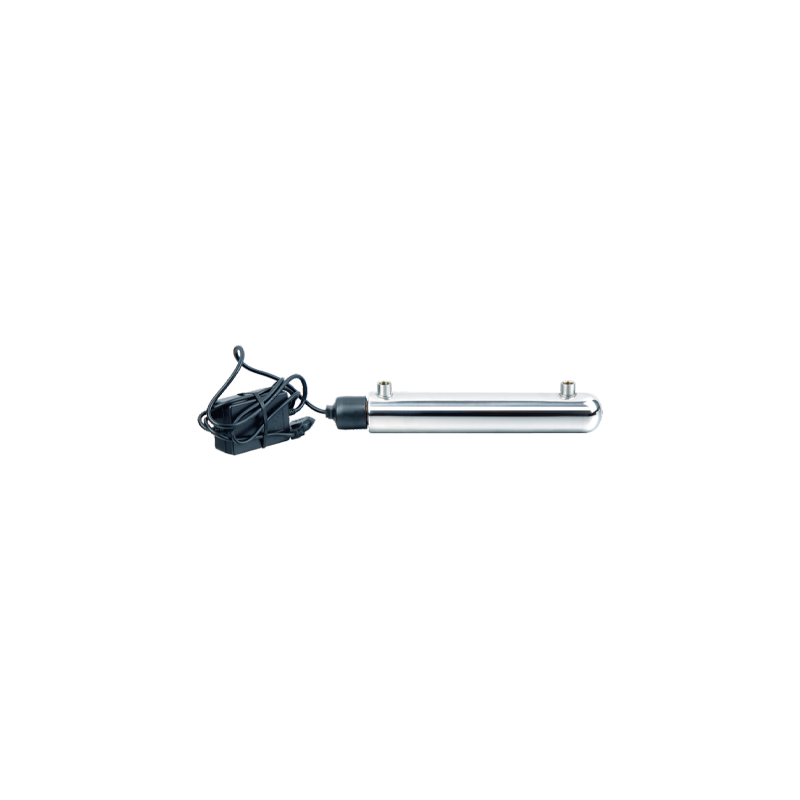 UV11W High-efficiency Intelligent UV Water Sterilizer Cat:Ultraviolet Water Sterilizer
The UV11W High-efficiency Intelligent UV Water Sterilizer is an advanced water purification system that offers convenience and reliability. This steri...
See Details -
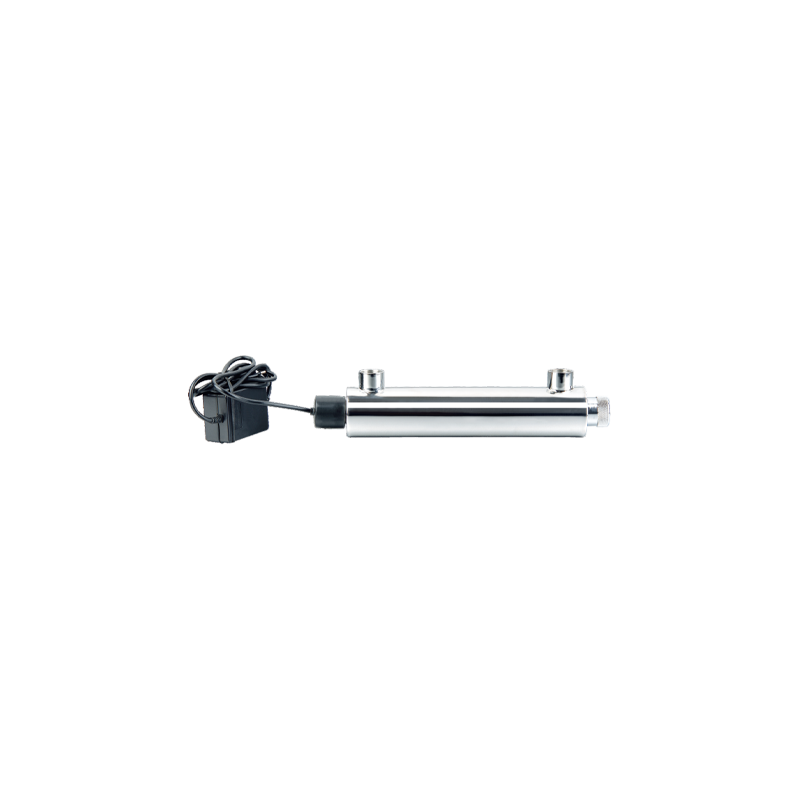 UV16W-A Household Stainless Steel UV Water Sterilizer Cat:Ultraviolet Water Sterilizer
The UV16W-A Household Stainless Steel UV Water Sterilizer is an innovative solution for ensuring safe and pure water in your home. Designed with durab...
See Details -
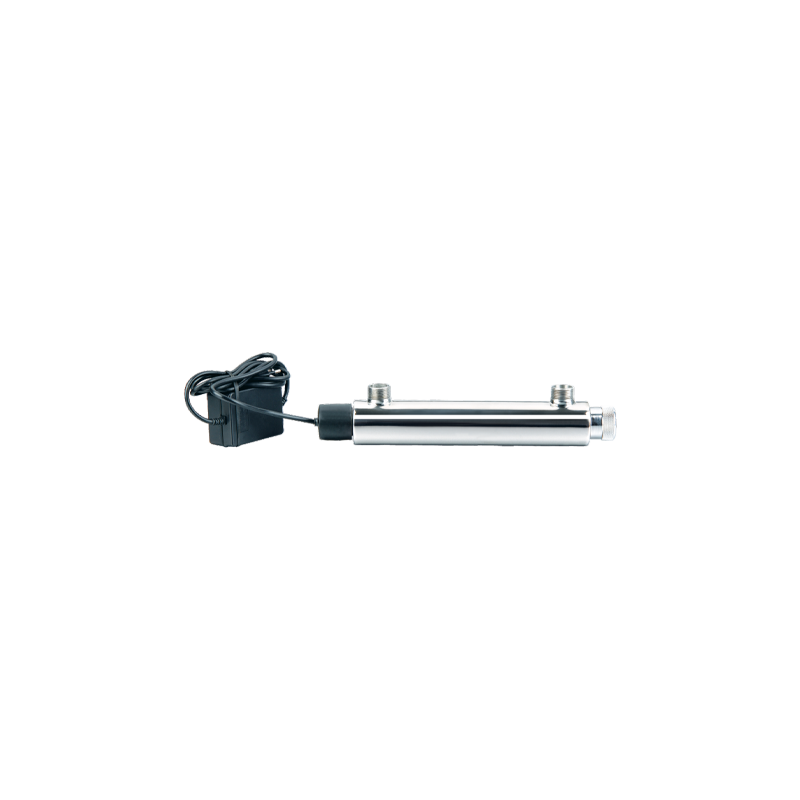 UV16W-B 304 Stainless Steel Water Purifier Ultraviolet Water Sterilizer Cat:Ultraviolet Water Sterilizer
UV16W-B 304 Stainless Steel Water Purifier Ultraviolet Water Sterilizer is an efficient water treatment equipment based on advanced ultraviolet disinf...
See Details -
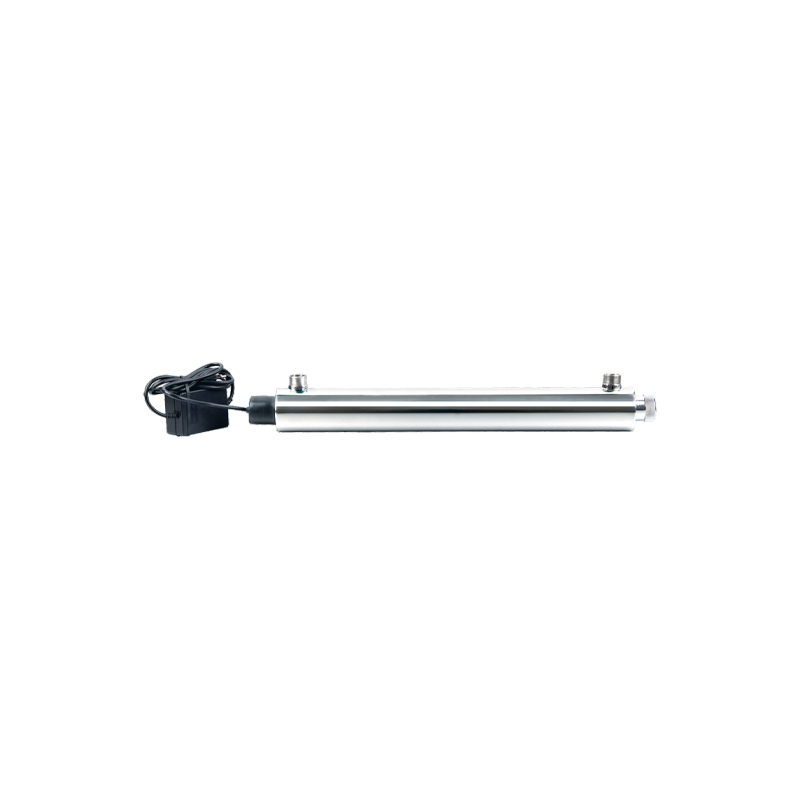 UV25W Stainless Steel Ultrafiltration Pre-Filtration UV Sterilizers For Water Cat:Ultraviolet Water Sterilizer
UV25W Stainless Steel Ultrafiltration Pre-Filtration UV Sterilizers For Water uses high-quality stainless steel materials, which have superb corrosion...
See Details -
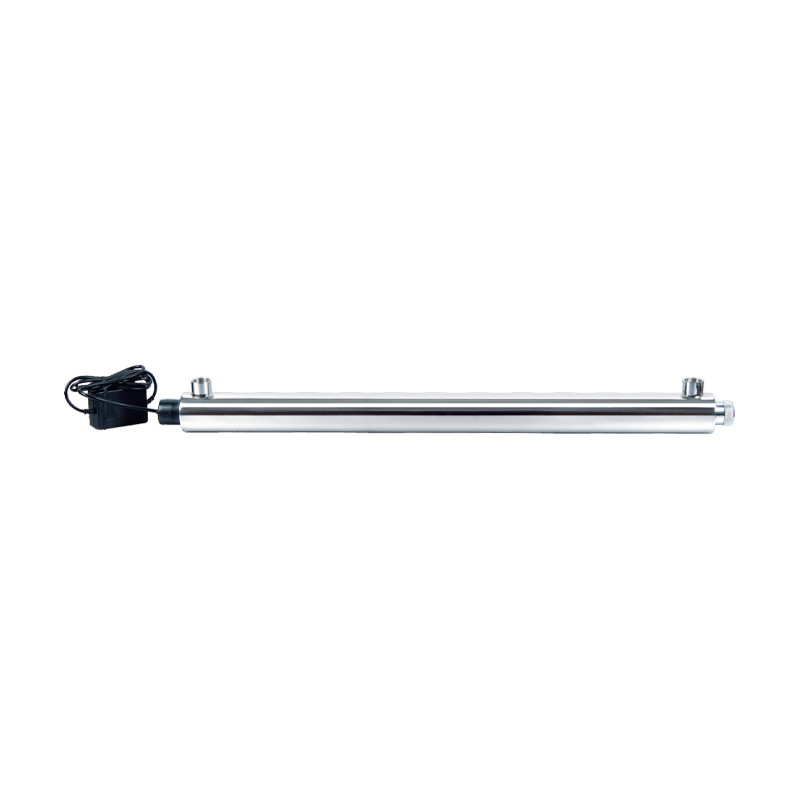 UV30W-55W Automatic Ultraviolet Sterilizer UV Filtration For Drinking Water Cat:Ultraviolet Water Sterilizer
The core advantage of UV30W-55W Automatic Ultraviolet Sterilizer UV Filtration For Drinking Water lies in its efficient and rapid disinfection capabil...
See Details -
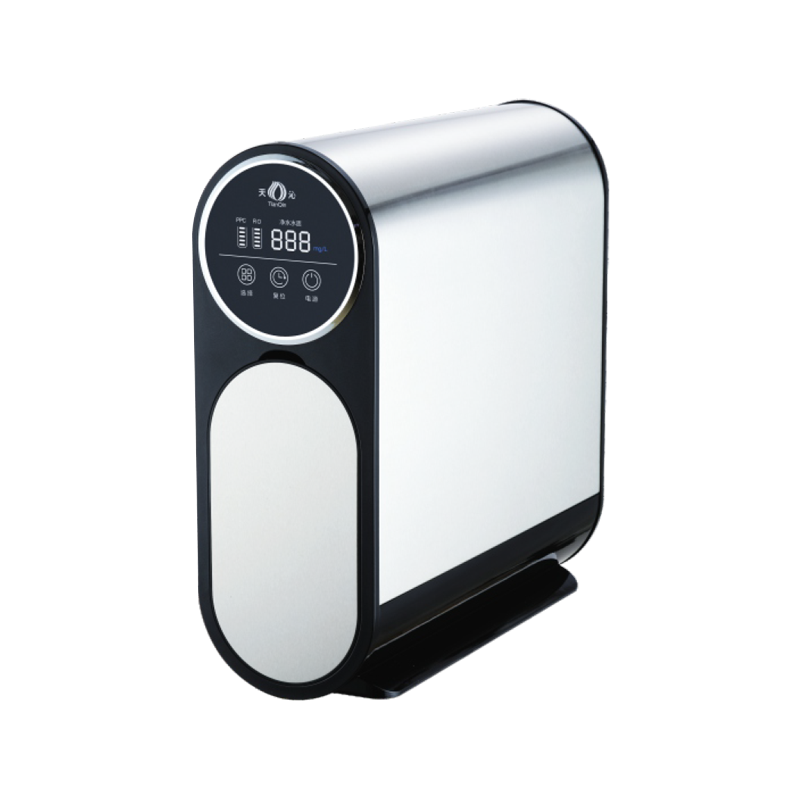 TQ-R03 Stainless Steel Booster Double Water Full Effect RO Water Purifier Cat:Stainless Steel Ro System
TQ-R03 Stainless Steel Booster Double Water Full Effect RO Water Purifier is a household water purification device that combines efficient water purif...
See Details -
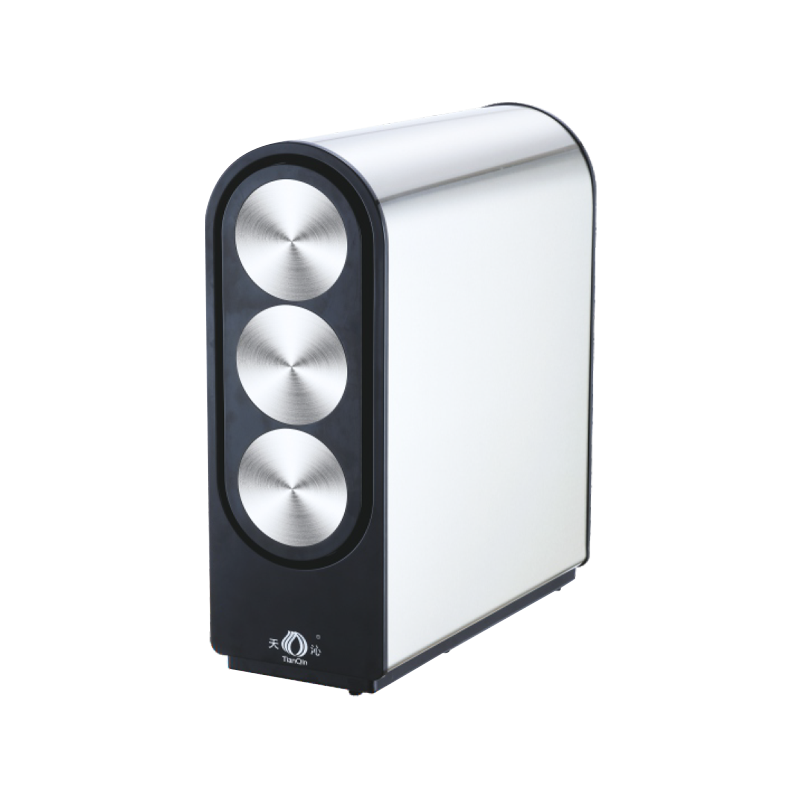 TQ-R05 Multifunctional Water Purification Source RO Water Purifier Cat:Stainless Steel Ro System
The TQ-R05 Multifunctional Water Purification Source RO Water Purifier is an advanced, versatile water purification solution designed for households a...
See Details -
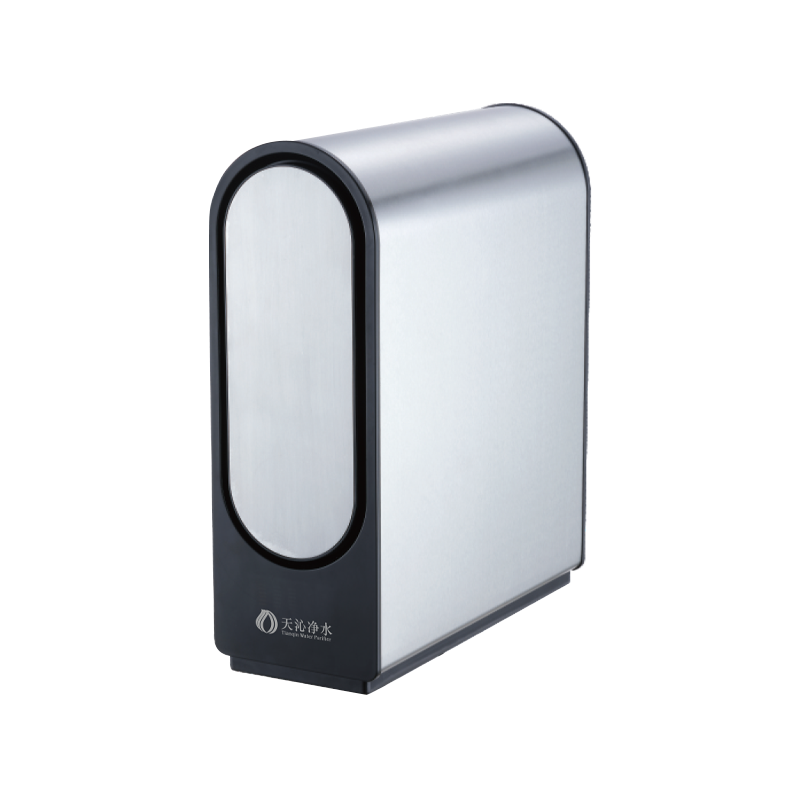 TQ-R06 Stainless Steel Environmentally Friendly RO Water Purifier Cat:Stainless Steel Ro System
The TQ-R06 Stainless Steel Environmentally Friendly RO Water Purifier combines advanced RO filtration technology, durable stainless steel housing, and...
See Details -
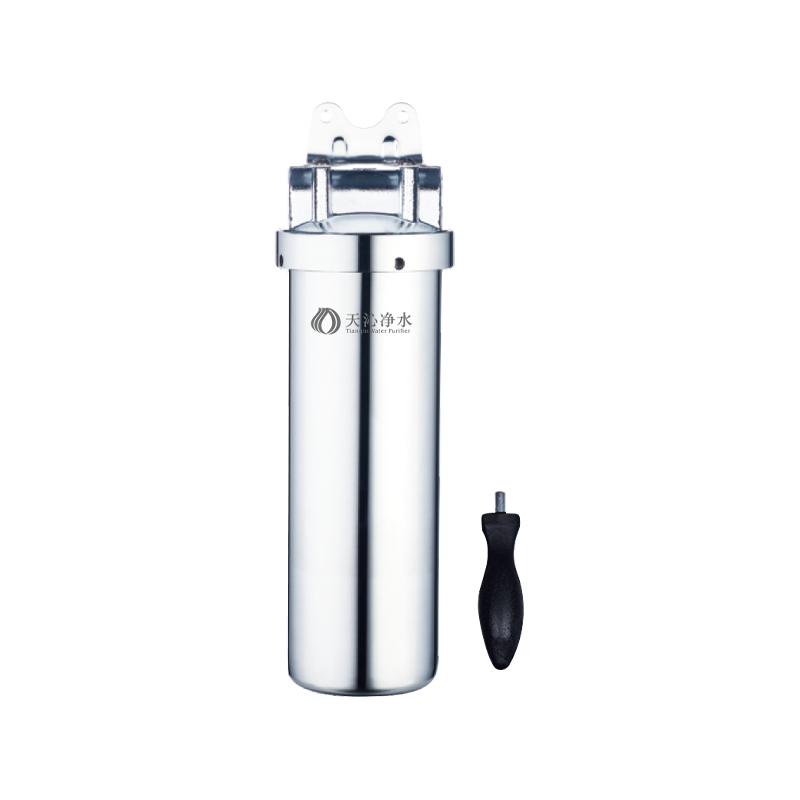 Stainless Steel Pure Double Water Pipe Water Purifier Cat:Stainless Steel Pipeline Water Purifier
The Stainless Steel Pure Double Water Pipe Water Purifier is an advanced water purification system designed to provide dual-mode purified water with e...
See Details -
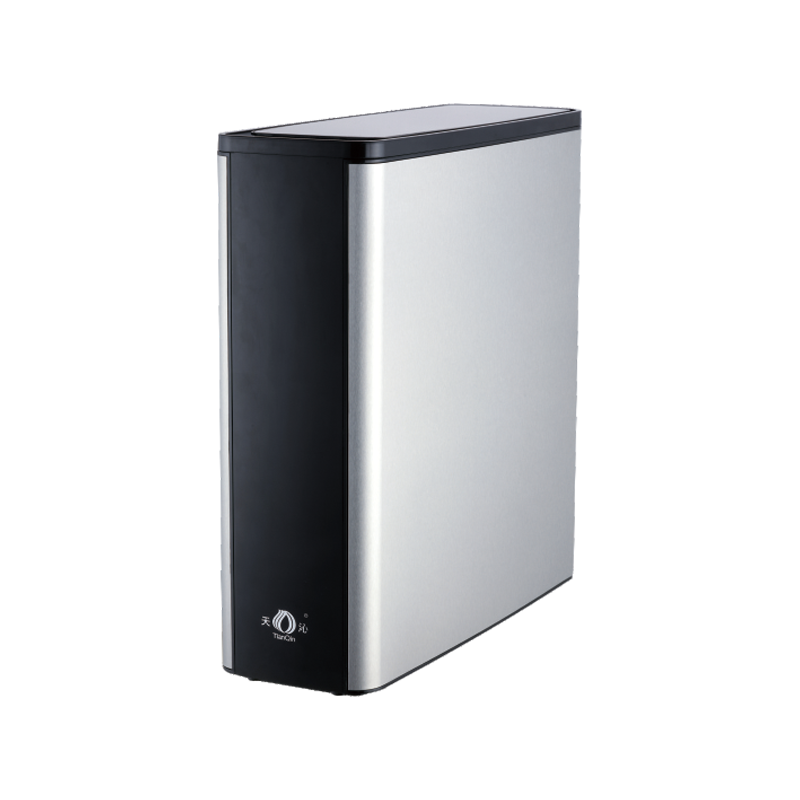 TQ-R08 Stainless Steel High-Flow RO Water Filter Cat:Stainless Steel Ro System
The Stainless Steel High-Flow RO Water Filter (TQ-R08) provides a powerful and effective solution for purifying drinking water, combining advanced rev...
See Details


 +86-0574-62381077/62386875

What Is a Stainless Steel RO System? Everything You Need to Know
Content
- 1 What Is a Stainless Steel RO System? The Direct Answer
- 2 Why Manufacturers Use Stainless Steel Instead of Plastic
- 3 Key Components of a Stainless Steel RO System
- 4 How a Stainless Steel RO System Works
- 5 Stainless Steel Grades Used in RO Systems
- 6 Stainless Steel RO vs Plastic and FRP RO Systems
- 7 Capacity and Sizing Options
- 8 Industries That Rely on Stainless Steel RO Systems
- 9 Advantages and Drawbacks of Stainless Steel RO Systems
- 10 Maintenance Tips for Longer System Life
- 11 Cost Considerations When Budgeting for a System
- 12 How to Choose the Right Stainless Steel RO System
What Is a Stainless Steel RO System? The Direct Answer
A stainless steel RO system is a reverse osmosis water purification unit built with a stainless steel frame, membrane housings, and piping instead of plastic, PVC, or FRP components. The stainless steel construction makes the system more durable, more hygienic, and better suited to high-pressure or high-temperature operation than standard plastic-bodied RO units.
In practical terms, if you need an RO system for a food, beverage, pharmaceutical, or heavy industrial application where corrosion resistance and sanitation matter, a stainless steel RO system is almost always the correct choice over a plastic alternative.
Most commercial and industrial stainless steel RO systems operate at feed pressures between 150 and 300 psi and can achieve salt rejection rates of 95-99%, depending on the membrane type and feed water quality.
Why Manufacturers Use Stainless Steel Instead of Plastic
Plastic and FRP (fiberglass-reinforced plastic) RO housings are common in residential and small commercial setups, but they have real limitations once pressure, temperature, or hygiene requirements increase. Stainless steel solves three specific problems that plastic struggles with.
- Pressure tolerance: stainless steel housings can safely handle operating pressures above 300 psi, while most plastic housings are rated under 150 psi.
- Temperature resistance: stainless steel components tolerate hot water cleaning and sanitization cycles up to 80°C, which plastic parts cannot withstand without warping.
- Hygiene and inertness: stainless steel does not leach plasticizers or absorb odors, which is why it is required in most food, dairy, and pharmaceutical water treatment standards.
- UV and chemical resistance: stainless steel does not degrade under sunlight or aggressive cleaning chemicals the way plastic can over years of use.
Key Components of a Stainless Steel RO System
A complete stainless steel RO system is built from several stages working together, not just a single filter cartridge.
Pre-Filtration Stage
Sediment and carbon pre-filters remove suspended particles and chlorine before water reaches the membrane, protecting it from physical damage and chemical degradation.
High-Pressure Pump
A stainless steel or stainless-clad pump pushes feed water through the membrane at the pressure needed to overcome osmotic pressure and force purified water across the membrane.
Stainless Steel Membrane Housing
The membrane housing holds the RO membrane element and withstands the continuous internal pressure. This is the component most often upgraded to stainless steel in industrial systems, since it bears the highest mechanical stress.
Control Panel and Sensors
Pressure gauges, flow meters, and conductivity sensors monitor performance in real time and trigger automatic flushing or shutdown if pressure or water quality falls outside set limits.
How a Stainless Steel RO System Works
Reverse osmosis forces water through a semi-permeable membrane under pressure, leaving dissolved salts, bacteria, and most contaminants behind. The stainless steel components exist to contain this pressure safely over a long service life.
- Feed water passes through sediment and carbon pre-filters to remove particles and chlorine.
- A high-pressure pump raises water pressure to between 150-300 psi, depending on the membrane and feed water salinity.
- Pressurized water enters the stainless steel membrane housing, where the RO membrane separates clean permeate from concentrated reject water.
- Purified permeate exits through one outlet, while the concentrated reject stream, typically 25-50% of the feed volume, is discharged or recirculated.
- Post-treatment stages, such as UV sterilization or remineralization, may be added depending on the end use.
Stainless Steel Grades Used in RO Systems
Not all stainless steel is equally suited to RO service. The grade selected affects corrosion resistance, cost, and lifespan, especially when handling water with chlorides or high salinity.
| Grade | Key Composition | Corrosion Resistance | Typical Use |
|---|---|---|---|
| SS 304 | 18% chromium, 8% nickel | Good | General industrial and commercial RO frames |
| SS 316 / 316L | 16% chromium, 10% nickel, 2% molybdenum | Excellent, including chlorides | High-salinity, brackish, or seawater RO |
| SS 904L | High nickel and molybdenum super-austenitic | Superior | Seawater desalination and high-pressure RO |
SS 316L is the most common choice for RO membrane housings because it resists pitting and crevice corrosion from chloride ions far better than SS 304, which can corrode in continuous high-salinity service.
Stainless Steel RO vs Plastic and FRP RO Systems
Buyers comparing material options should weigh upfront cost against long-term durability and hygiene requirements.
| Factor | Stainless Steel | Plastic / FRP |
|---|---|---|
| Max operating pressure | 300+ psi | Typically under 150 psi |
| Temperature tolerance | Up to 80°C | Generally under 45°C |
| Expected service life | 15-25 years | 5-10 years |
| Upfront cost | Higher | Lower |
| Hygiene compliance | Meets food/pharma standards | Limited for sanitary applications |
Capacity and Sizing Options
Stainless steel RO systems are available across a wide capacity range, from small commercial units to large industrial plants. Sizing is typically expressed in gallons per day (GPD) or liters per hour (LPH).
| Capacity Range | Typical Application |
|---|---|
| 500-2,000 GPD | Small cafes, clinics, lab water |
| 2,000-10,000 GPD | Restaurants, bottling lines, small dairies |
| 10,000-50,000 GPD | Food and beverage plants, hospitals |
| 50,000+ GPD | Municipal supply, large industrial plants |
Industries That Rely on Stainless Steel RO Systems
Food and Beverage Production
Bottling plants, breweries, and dairy facilities use stainless steel RO systems because the material meets sanitary design standards and withstands frequent hot-water cleaning cycles required for food safety.
Pharmaceutical and Laboratory Use
Producing USP purified water or water for injection requires systems with low extractables and high corrosion resistance, which is why stainless steel, often 316L, is the standard material specified in pharmaceutical water systems.
Power Generation and Boiler Feed
Power plants use stainless steel RO systems to produce low-mineral boiler feed water, where high pressure and temperature stability prevent scaling and corrosion inside boilers.
Seawater and Brackish Water Desalination
High-pressure desalination systems, often operating above 800 psi for seawater, require 316L or super-duplex stainless steel components to withstand both pressure and chloride exposure simultaneously.
Advantages and Drawbacks of Stainless Steel RO Systems
Choosing stainless steel construction involves a clear trade-off between long-term reliability and initial investment.
| Advantages | Drawbacks |
|---|---|
| Long service life, often 15-25 years | Higher initial purchase cost |
| Handles high pressure and temperature | Heavier, requires sturdier installation space |
| Meets food, pharma, and sanitary standards | Lower grades can corrode in high-chloride water |
| Resists UV, chemicals, and physical impact | Welding and fabrication require skilled labor |
Maintenance Tips for Longer System Life
Stainless steel housings reduce mechanical failures, but membrane and component maintenance still determines overall system performance and lifespan.
- Replace sediment and carbon pre-filters every 1-3 months depending on feed water quality to protect the membrane from fouling.
- Monitor feed pressure and permeate flow weekly; a pressure increase of more than 15% often signals membrane fouling.
- Perform chemical cleaning-in-place (CIP) every 3-6 months to remove scale and biofilm from membrane surfaces.
- Inspect stainless steel welds and fittings annually for signs of pitting, especially in high-chloride feed water.
- Replace RO membranes every 3-5 years under normal operating conditions, or sooner if rejection rates drop below specification.
Cost Considerations When Budgeting for a System
Stainless steel RO systems typically cost 30-60% more upfront than equivalent plastic or FRP systems, largely due to material and fabrication costs. However, the total cost of ownership often favors stainless steel in industrial settings because of fewer housing replacements, lower failure rates under pressure, and compliance savings in regulated industries.
Ongoing costs to budget for include membrane replacement, pre-filter cartridges, cleaning chemicals, and electricity for the high-pressure pump, which is usually the largest energy consumer in the system.
How to Choose the Right Stainless Steel RO System
- Test your feed water source first; chloride and total dissolved solids (TDS) levels determine whether 304 or 316L stainless steel is required.
- Calculate daily water demand in gallons or liters, then size the system with at least 20% capacity buffer for peak usage.
- Confirm the recovery rate needed; most systems operate at 50-75% recovery, with higher recovery requiring multi-stage membrane arrays.
- Check whether your industry requires sanitary or pharmaceutical-grade certification, which affects required stainless steel finish and welding standards.
- Request documentation on the stainless steel grade, membrane brand, and pump specifications before purchasing to verify long-term parts availability.
-
 Tel: +86-0574-62381077/62386875
-
 E-mail: leozhanglei@nbtianqin.net
-
 Add: Wuma Industrial Zone, Lubu Town, Yuyao City, Zhejiang Province, China.
Copyright © 2024 by Yuyao Tianqin Water Purification Equipment Co..Ltd.
All Rights Reserved.
 Wholesale Water Purifier Manufacturers

