 English
 中文简体
中文简体-
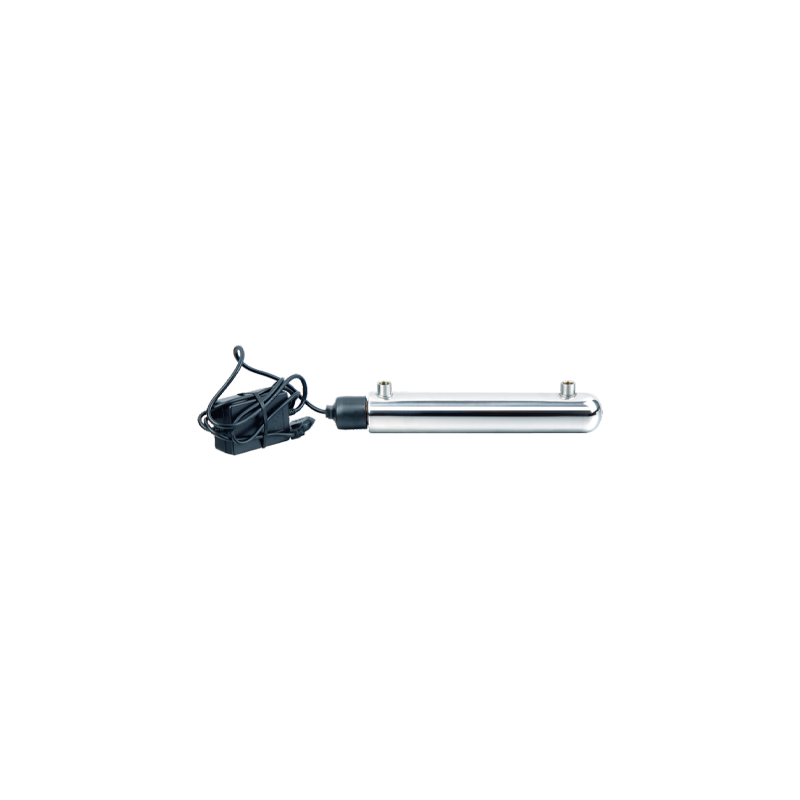 UV11W High-efficiency Intelligent UV Water Sterilizer Cat:Ultraviolet Water Sterilizer
The UV11W High-efficiency Intelligent UV Water Sterilizer is an advanced water purification system that offers convenience and reliability. This steri...
See Details -
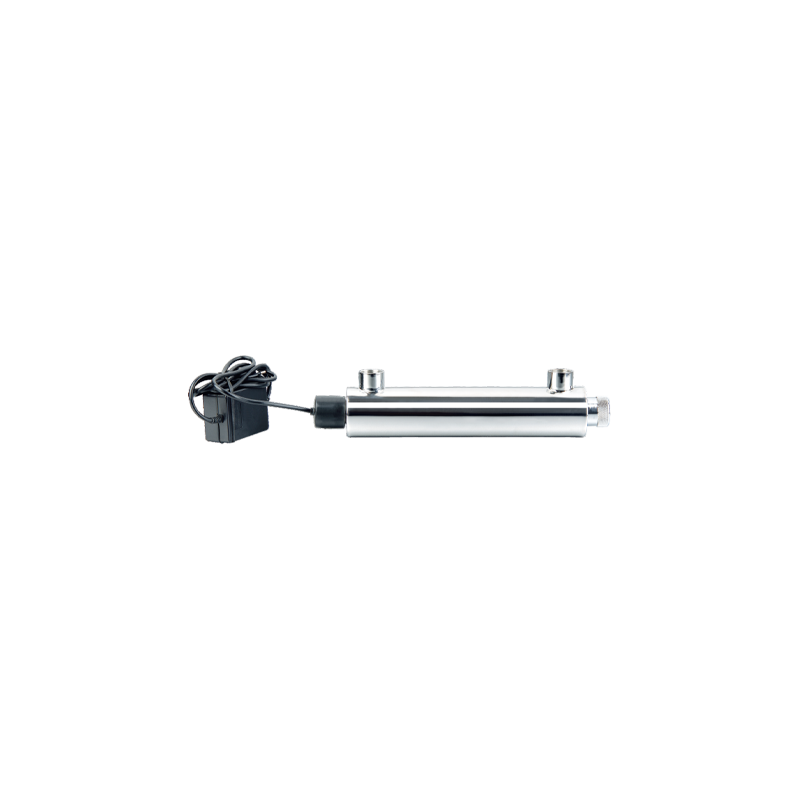 UV16W-A Household Stainless Steel UV Water Sterilizer Cat:Ultraviolet Water Sterilizer
The UV16W-A Household Stainless Steel UV Water Sterilizer is an innovative solution for ensuring safe and pure water in your home. Designed with durab...
See Details -
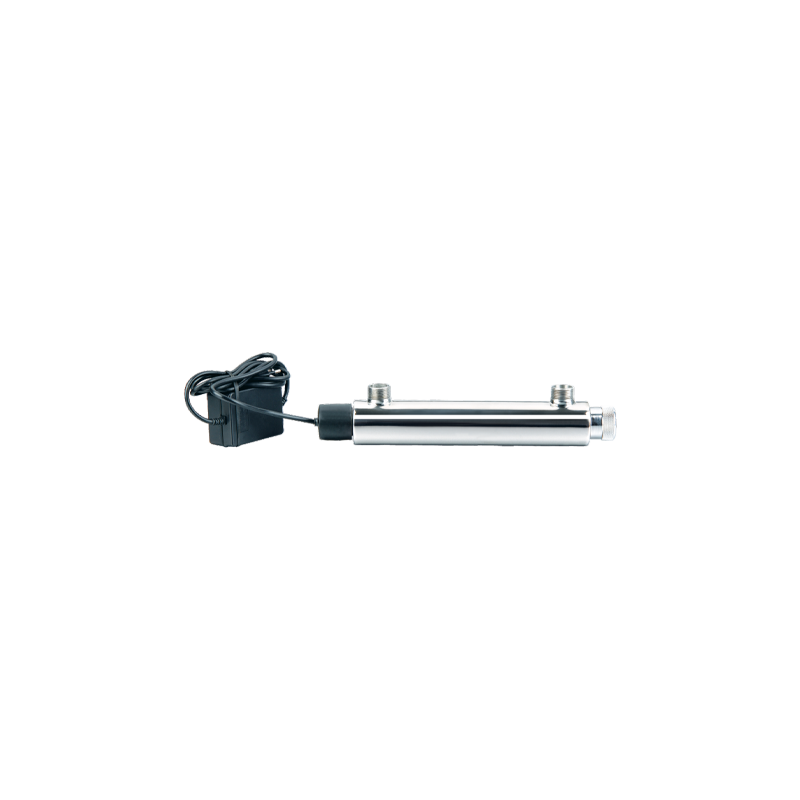 UV16W-B 304 Stainless Steel Water Purifier Ultraviolet Water Sterilizer Cat:Ultraviolet Water Sterilizer
UV16W-B 304 Stainless Steel Water Purifier Ultraviolet Water Sterilizer is an efficient water treatment equipment based on advanced ultraviolet disinf...
See Details -
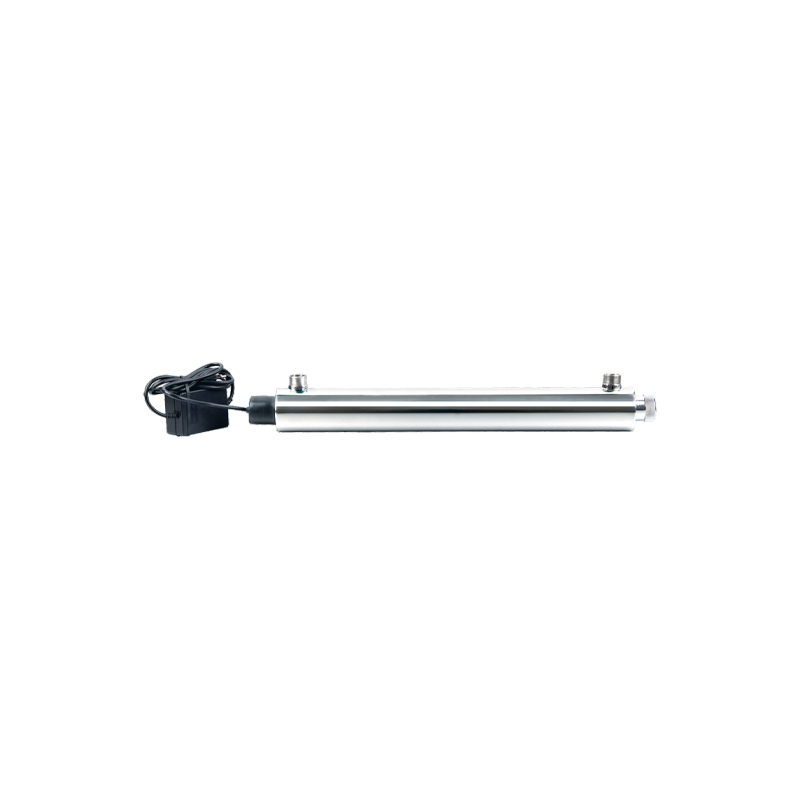 UV25W Stainless Steel Ultrafiltration Pre-Filtration UV Sterilizers For Water Cat:Ultraviolet Water Sterilizer
UV25W Stainless Steel Ultrafiltration Pre-Filtration UV Sterilizers For Water uses high-quality stainless steel materials, which have superb corrosion...
See Details -
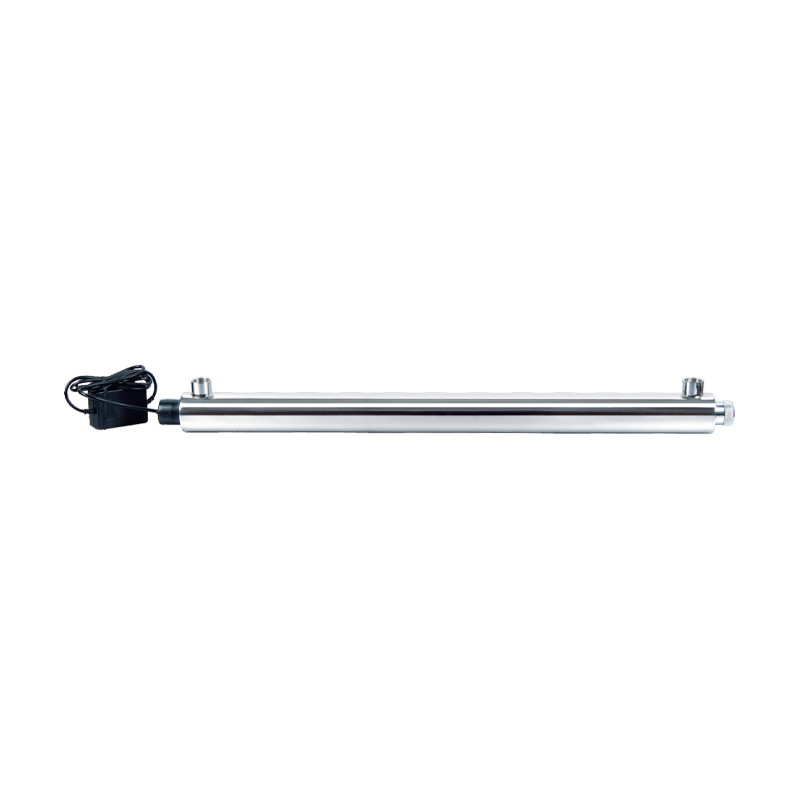 UV30W-55W Automatic Ultraviolet Sterilizer UV Filtration For Drinking Water Cat:Ultraviolet Water Sterilizer
The core advantage of UV30W-55W Automatic Ultraviolet Sterilizer UV Filtration For Drinking Water lies in its efficient and rapid disinfection capabil...
See Details -
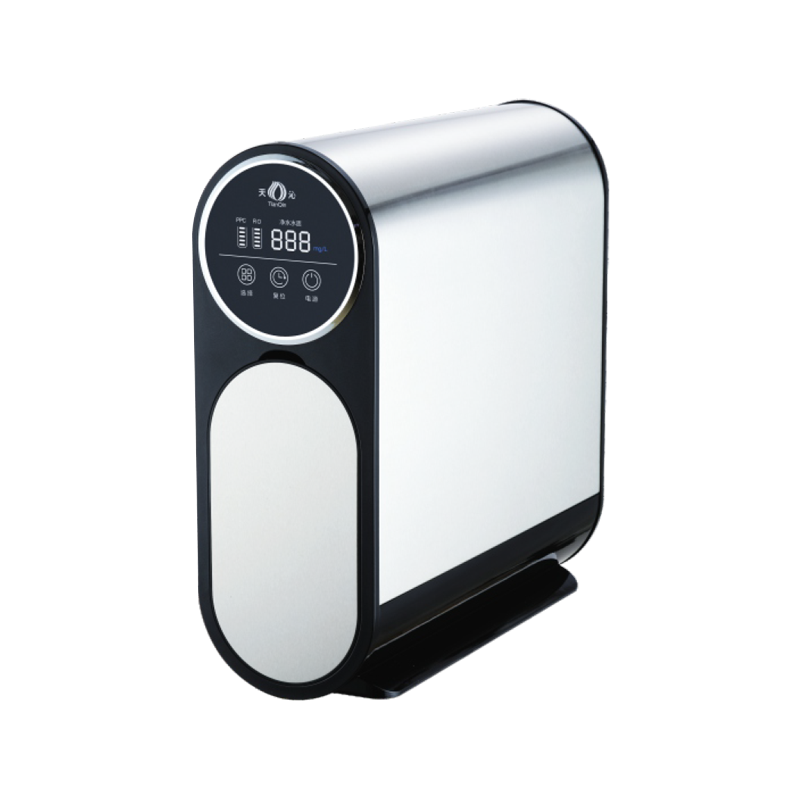 TQ-R03 Stainless Steel Booster Double Water Full Effect RO Water Purifier Cat:Stainless Steel Ro System
TQ-R03 Stainless Steel Booster Double Water Full Effect RO Water Purifier is a household water purification device that combines efficient water purif...
See Details -
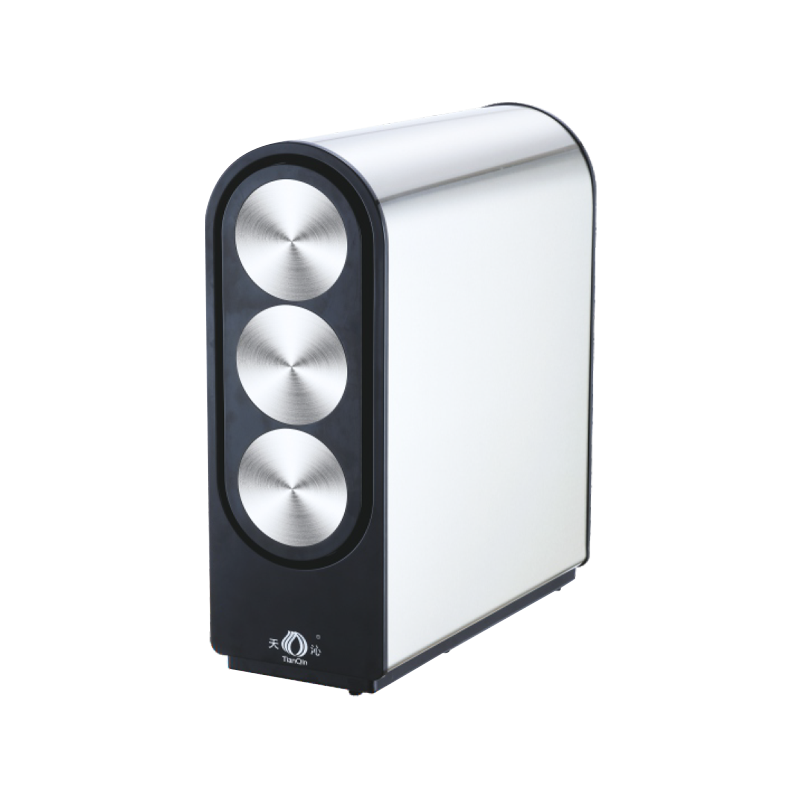 TQ-R05 Multifunctional Water Purification Source RO Water Purifier Cat:Stainless Steel Ro System
The TQ-R05 Multifunctional Water Purification Source RO Water Purifier is an advanced, versatile water purification solution designed for households a...
See Details -
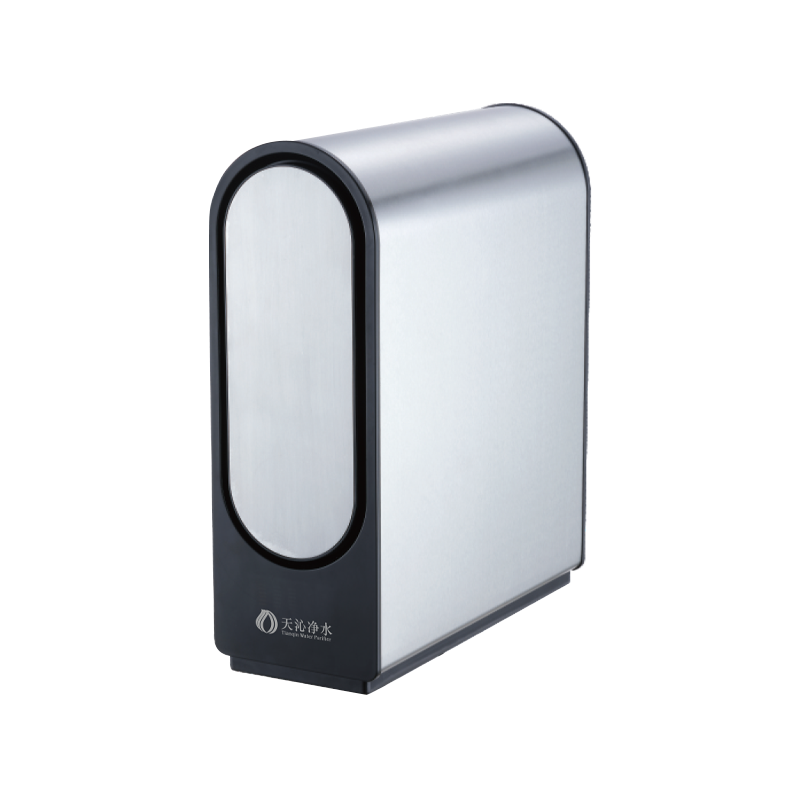 TQ-R06 Stainless Steel Environmentally Friendly RO Water Purifier Cat:Stainless Steel Ro System
The TQ-R06 Stainless Steel Environmentally Friendly RO Water Purifier combines advanced RO filtration technology, durable stainless steel housing, and...
See Details -
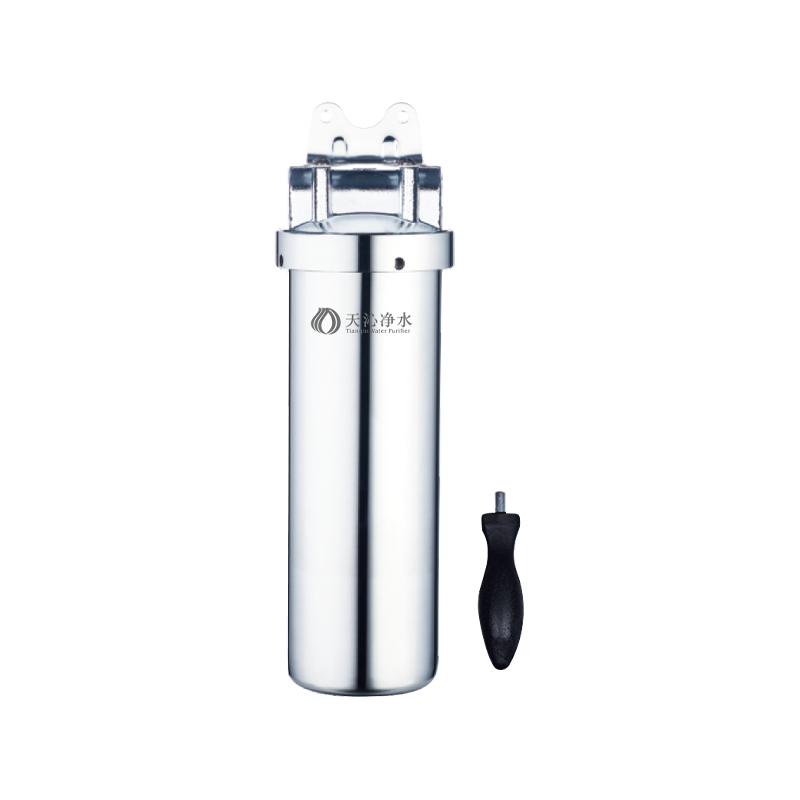 Stainless Steel Pure Double Water Pipe Water Purifier Cat:Stainless Steel Pipeline Water Purifier
The Stainless Steel Pure Double Water Pipe Water Purifier is an advanced water purification system designed to provide dual-mode purified water with e...
See Details -
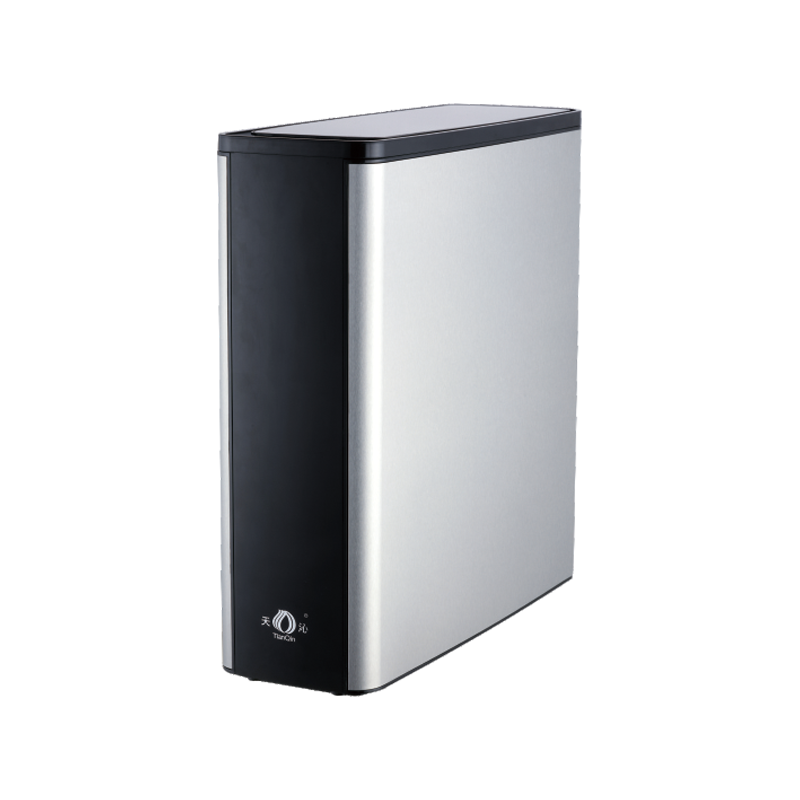 TQ-R08 Stainless Steel High-Flow RO Water Filter Cat:Stainless Steel Ro System
The Stainless Steel High-Flow RO Water Filter (TQ-R08) provides a powerful and effective solution for purifying drinking water, combining advanced rev...
See Details


 +86-0574-62381077/62386875

Gravity Water Filter vs. Gravity Water Purifier: How to Choose the Right System
A gravity water purifier uses only the natural downward pull of gravity to push water through layered filtration and purification media, requiring no electricity, batteries, or plumbing connection. The key distinction to understand upfront is that a gravity water filter typically removes sediment, chlorine, and improves taste, while a true gravity water purifier goes further, also neutralizing biological contaminants like bacteria and viruses — a difference that matters significantly if the water source is untreated, such as a well, lake, or emergency supply. Independent testing standards like NSF/ANSI 53 and 58 are the clearest way to confirm which category a specific unit falls into before relying on it for questionable water sources.
This article explains how gravity filtration works, what separates a purifier from a basic filter, the contaminants each can realistically remove, and how to choose the right system for home or travel use.
Content
- 1 How Gravity Water Filtration Works
- 2 Gravity Water Filter vs. Gravity Water Purifier: The Core Difference
- 3 Filtration Stages Inside a Gravity System
- 4 Common Contaminants Addressed and Certification Standards
- 5 Where Gravity Systems Are Commonly Used
- 6 Choosing Between a Filter and a Purifier
- 7 Maintaining a Gravity Filtration System
- 8 Conclusion
How Gravity Water Filtration Works
A gravity water filter or purifier typically consists of two stacked chambers. Untreated water is poured into the upper chamber, then slowly drips or flows down through one or more filter cartridges into a clean-water reservoir below. No pump or electrical pressure is involved — the weight of the water column itself provides the force needed to push it through the filtration media.
Because gravity provides relatively low and constant pressure compared to pumped or pressurized systems, filtration media in gravity systems is generally designed with finer pore structures and longer contact time to compensate. A typical countertop gravity system filters at a rate of roughly 0.5 to 2 gallons per hour, depending on the number and type of filter elements installed.
Gravity Water Filter vs. Gravity Water Purifier: The Core Difference
These two terms are often used interchangeably in marketing, but the distinction matters for safety when water quality is uncertain.
| Feature | Gravity Water Filter | Gravity Water Purifier |
|---|---|---|
| Sediment Removal | Yes | Yes |
| Chlorine & Taste Improvement | Yes | Yes |
| Bacteria Removal | Not guaranteed | Yes (certified units) |
| Virus Removal | No | Yes (certified units) |
| Safe for Untreated/Wild Water | Not recommended | Yes, if certified |
In practice, a gravity water filter is designed to improve the taste and clarity of water that is already considered safe to drink, such as treated municipal tap water. A gravity water purifier is engineered to make questionable or untreated water safe to drink in the first place.
Filtration Stages Inside a Gravity System
Most multi-stage gravity systems layer several types of media to target different contaminants as water passes through:
- A pre-filter or sediment layer that captures larger particles like dirt, rust, and sand
- Activated carbon, which absorbs chlorine, improves taste and odor, and reduces some organic compounds
- A ceramic filter element, often with pore sizes around 0.2 to 0.3 microns, small enough to physically block most bacteria and protozoa
- In purifier-grade systems, an additional stage using silver-impregnated media, ultrafiltration membranes, or chemical treatment to address viruses, which are too small for ceramic filtration alone to reliably block
Viruses typically measure between 0.02 and 0.3 microns, smaller than most standalone ceramic filters can physically block, which is exactly why the filter-versus-purifier distinction matters for anyone using untreated surface water.
Common Contaminants Addressed and Certification Standards
Independent certification is the most reliable way to verify a manufacturer's performance claims rather than relying on marketing language alone.
- NSF/ANSI 42 — covers aesthetic improvements like chlorine taste and odor reduction
- NSF/ANSI 53 — covers health-related contaminant reduction, including certain bacteria and cysts
- NSF/ANSI 58 — typically applies to reverse osmosis but is relevant for systems combining gravity filtration with additional purification stages
- NSF P231 — the specific standard for microbiological water purifiers, testing removal of bacteria, viruses, and cysts under simulated worst-case water quality
A unit certified to NSF P231 is generally the strongest indicator that a product qualifies as a true purifier rather than a basic filter.
Where Gravity Systems Are Commonly Used
- Homes without reliable electricity or where a countertop, no-installation solution is preferred over an under-sink system
- Off-grid cabins and rural properties relying on well or rainwater collection
- Camping, hiking, and backpacking, where compact gravity purifiers treat water from streams and lakes
- Emergency preparedness kits, where a gravity purifier can treat water during power or municipal supply outages
- Regions and travel destinations where tap water safety is uncertain
Choosing Between a Filter and a Purifier
The right choice depends almost entirely on the water source:
- If the source is already treated municipal tap water and the goal is improving taste and reducing chlorine, a standard gravity water filter is sufficient
- If the source is a well, rainwater tank, or any water of unknown biological safety, a certified gravity water purifier is the safer choice
- For travel to regions with uncertain water treatment infrastructure, a purifier-grade unit provides meaningfully more protection than a taste-focused filter
Cartridge capacity is also worth checking before purchase — ceramic and carbon filter elements in gravity systems typically last 6 to 12 months or a rated number of gallons, whichever comes first, and should be inspected periodically for reduced flow rate, a common sign the element needs cleaning or replacement.
Maintaining a Gravity Filtration System
- Clean the upper chamber and filter housing regularly to prevent mineral scale and biofilm buildup
- Gently scrub ceramic filter elements with a soft brush when flow rate slows noticeably
- Replace carbon and ceramic elements according to the manufacturer's gallon or time rating
- Keep the lower (clean water) reservoir covered to prevent recontamination after filtration
Conclusion
A gravity water purifier and a gravity water filter both use the simple force of gravity to move water through filtration media without electricity, but only a purifier — certified to standards like NSF P231 — is designed to reliably remove bacteria and viruses from untreated water. Matching the right system to the actual water source, rather than assuming any gravity-fed unit provides full protection, is the deciding factor in whether a device improves taste or genuinely makes water safe to drink.
-
 Tel: +86-0574-62381077/62386875
-
 E-mail: leozhanglei@nbtianqin.net
-
 Add: Wuma Industrial Zone, Lubu Town, Yuyao City, Zhejiang Province, China.
Copyright © 2024 by Yuyao Tianqin Water Purification Equipment Co..Ltd.
All Rights Reserved.
 Wholesale Water Purifier Manufacturers

