 English
 中文简体
中文简体-
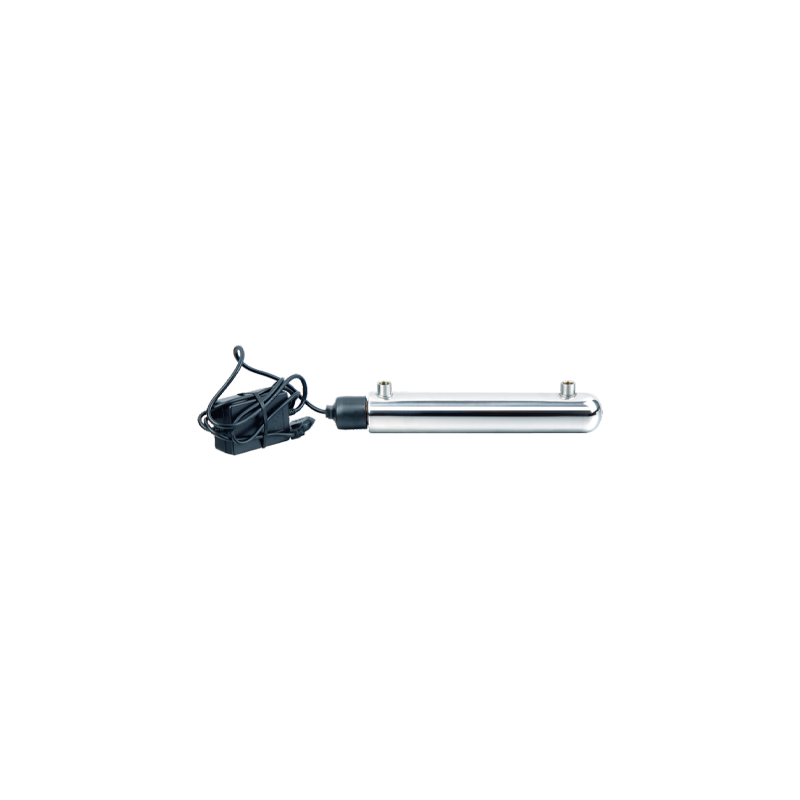 UV11W High-efficiency Intelligent UV Water Sterilizer Cat:Ultraviolet Water Sterilizer
The UV11W High-efficiency Intelligent UV Water Sterilizer is an advanced water purification system that offers convenience and reliability. This steri...
See Details -
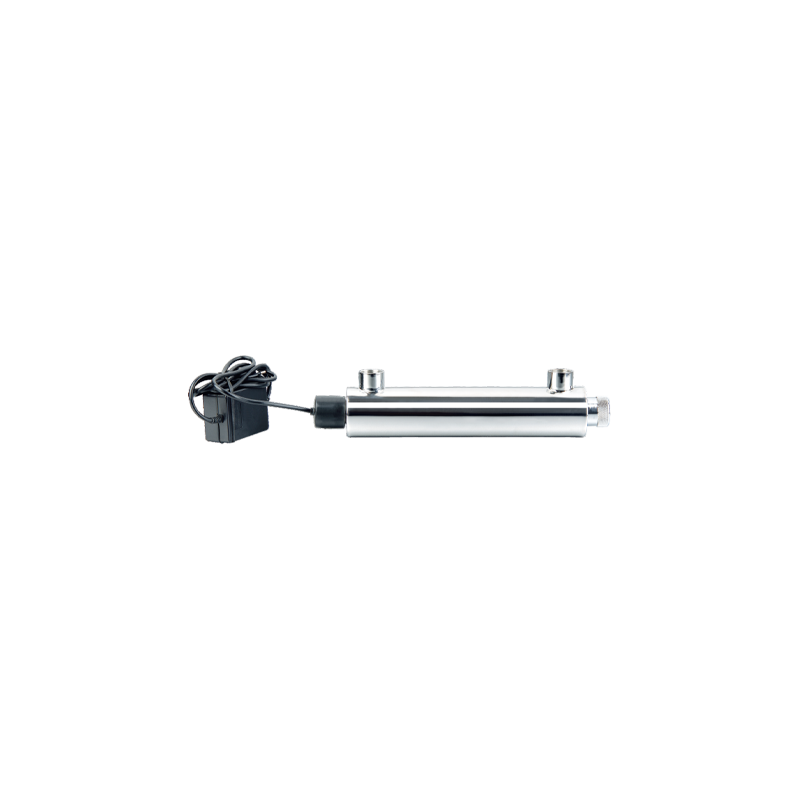 UV16W-A Household Stainless Steel UV Water Sterilizer Cat:Ultraviolet Water Sterilizer
The UV16W-A Household Stainless Steel UV Water Sterilizer is an innovative solution for ensuring safe and pure water in your home. Designed with durab...
See Details -
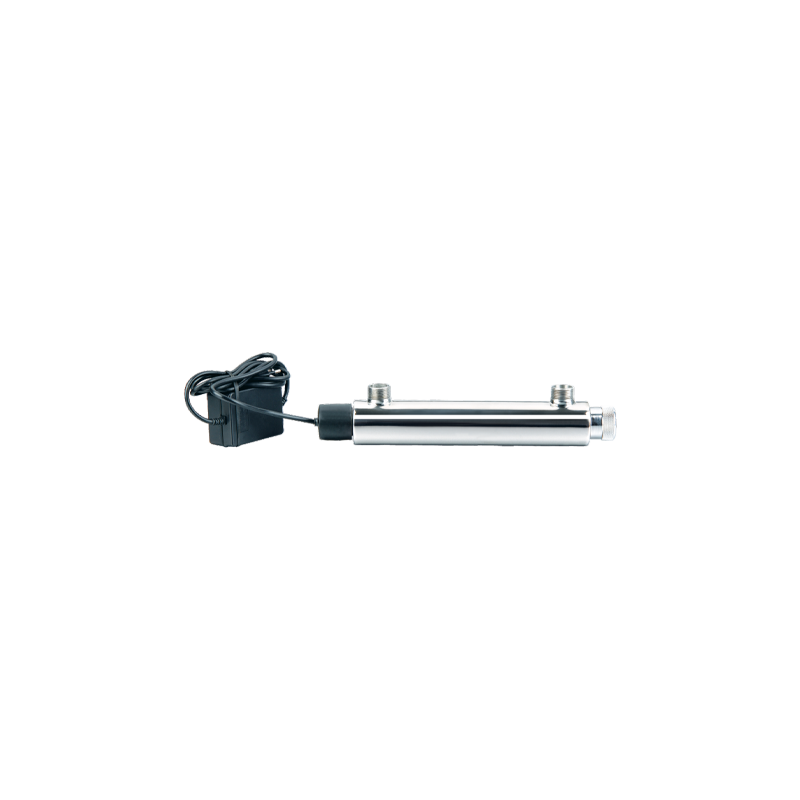 UV16W-B 304 Stainless Steel Water Purifier Ultraviolet Water Sterilizer Cat:Ultraviolet Water Sterilizer
UV16W-B 304 Stainless Steel Water Purifier Ultraviolet Water Sterilizer is an efficient water treatment equipment based on advanced ultraviolet disinf...
See Details -
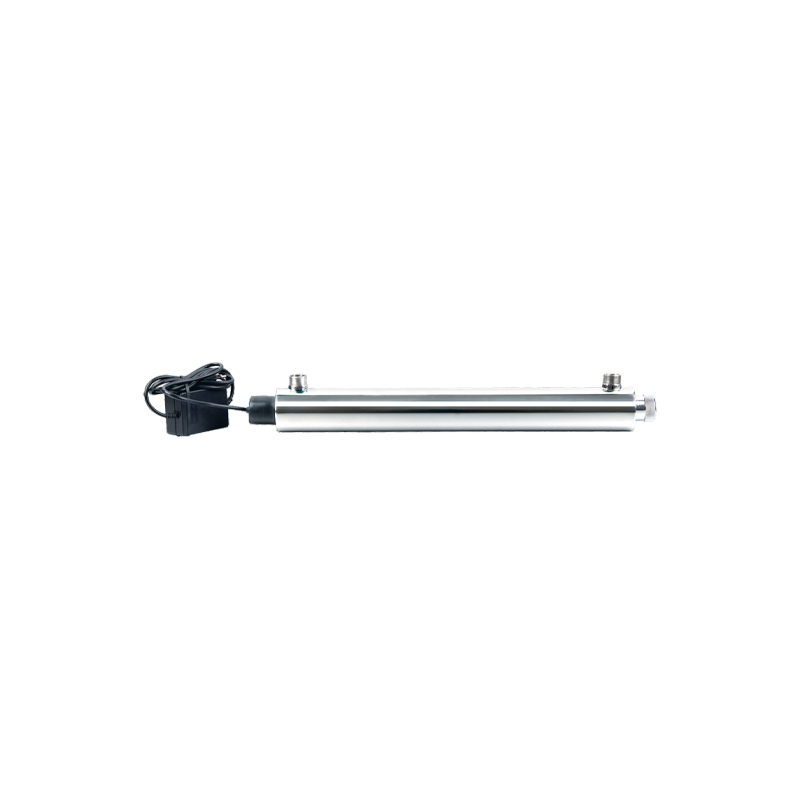 UV25W Stainless Steel Ultrafiltration Pre-Filtration UV Sterilizers For Water Cat:Ultraviolet Water Sterilizer
UV25W Stainless Steel Ultrafiltration Pre-Filtration UV Sterilizers For Water uses high-quality stainless steel materials, which have superb corrosion...
See Details -
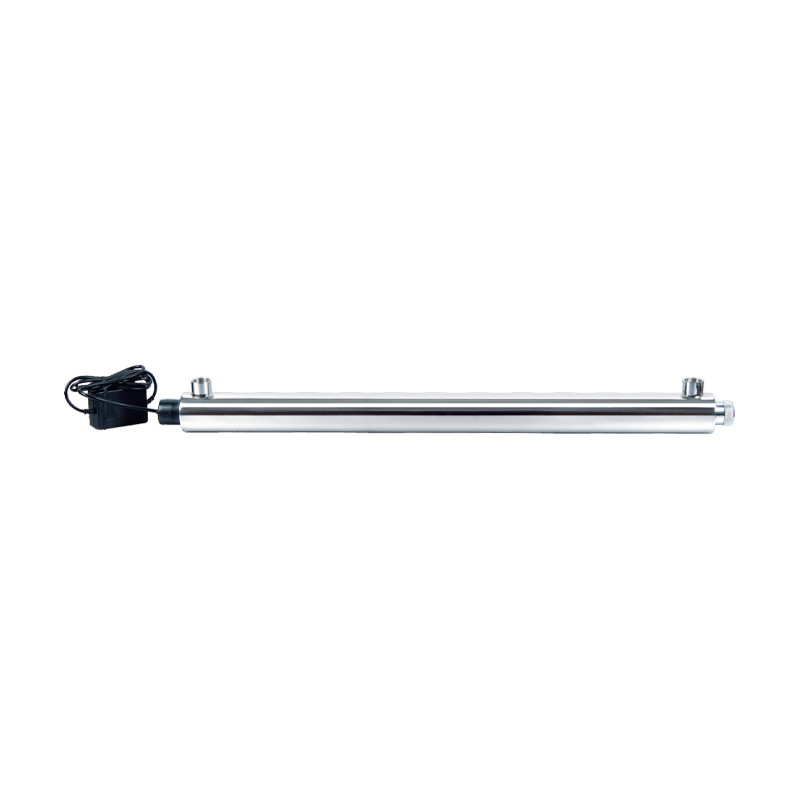 UV30W-55W Automatic Ultraviolet Sterilizer UV Filtration For Drinking Water Cat:Ultraviolet Water Sterilizer
The core advantage of UV30W-55W Automatic Ultraviolet Sterilizer UV Filtration For Drinking Water lies in its efficient and rapid disinfection capabil...
See Details -
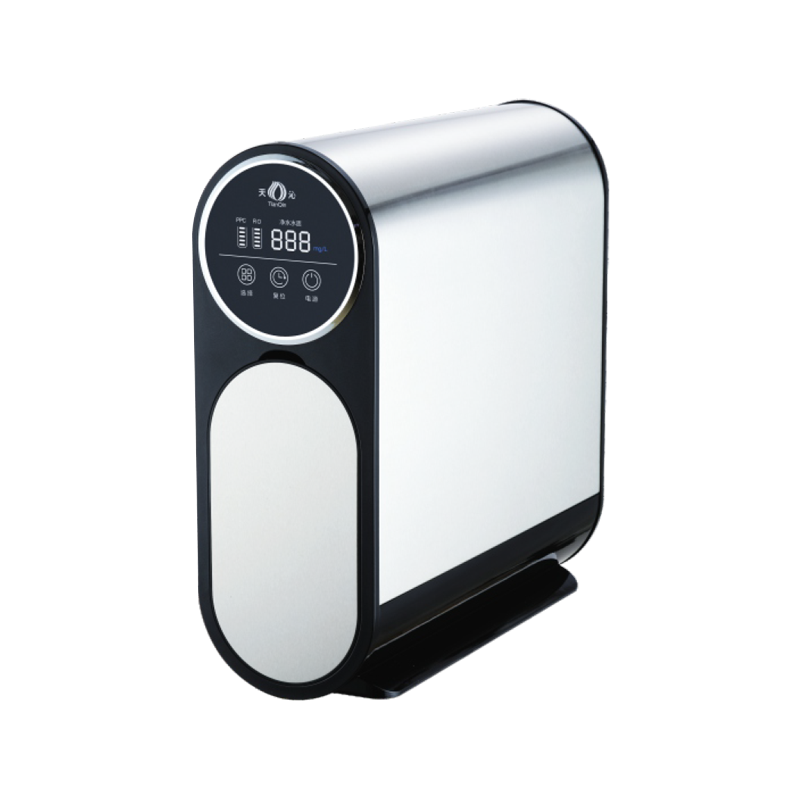 TQ-R03 Stainless Steel Booster Double Water Full Effect RO Water Purifier Cat:Stainless Steel Ro System
TQ-R03 Stainless Steel Booster Double Water Full Effect RO Water Purifier is a household water purification device that combines efficient water purif...
See Details -
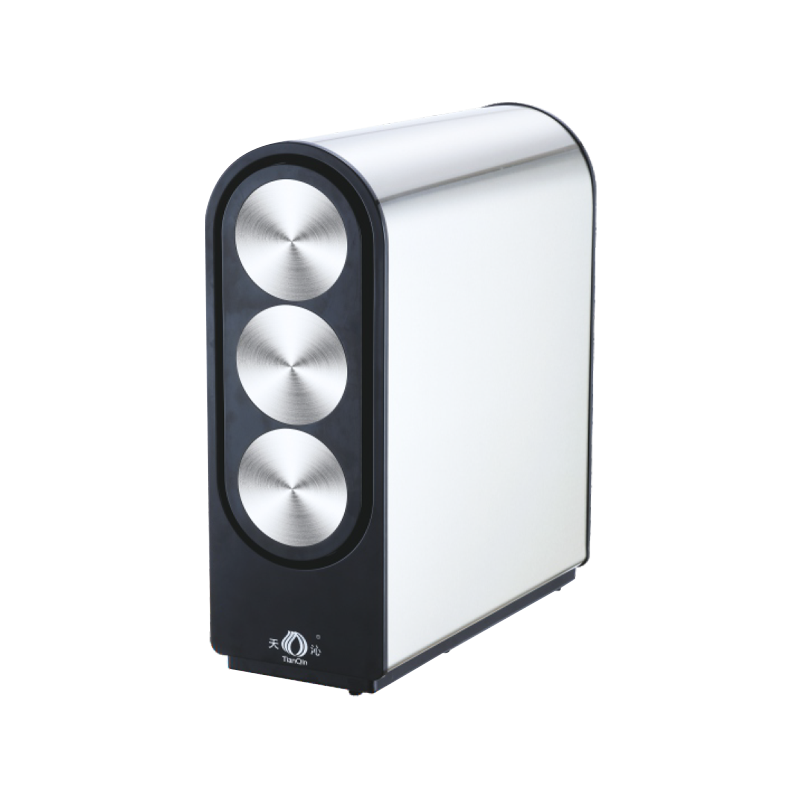 TQ-R05 Multifunctional Water Purification Source RO Water Purifier Cat:Stainless Steel Ro System
The TQ-R05 Multifunctional Water Purification Source RO Water Purifier is an advanced, versatile water purification solution designed for households a...
See Details -
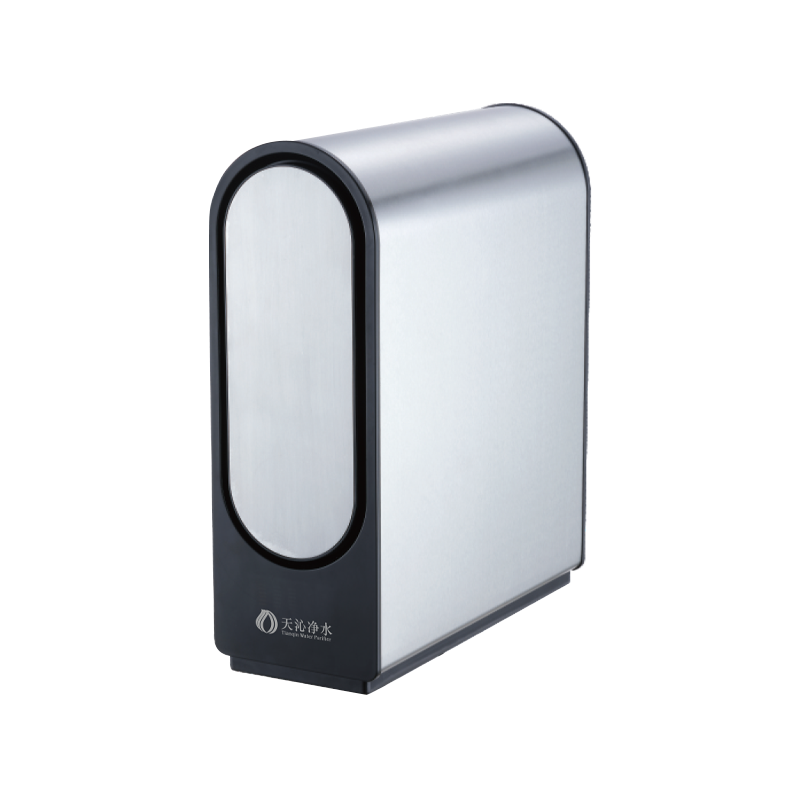 TQ-R06 Stainless Steel Environmentally Friendly RO Water Purifier Cat:Stainless Steel Ro System
The TQ-R06 Stainless Steel Environmentally Friendly RO Water Purifier combines advanced RO filtration technology, durable stainless steel housing, and...
See Details -
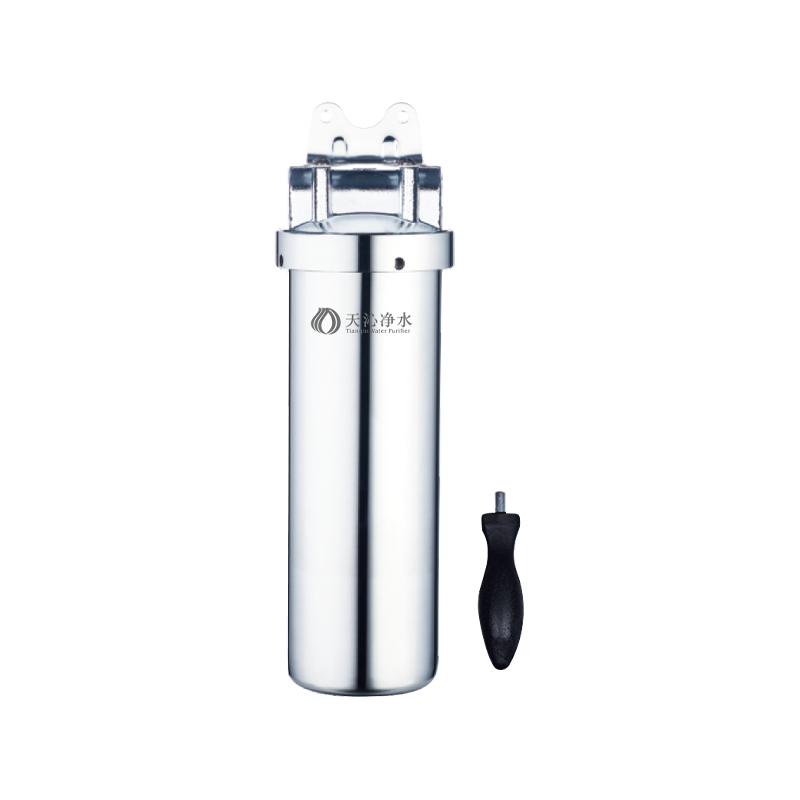 Stainless Steel Pure Double Water Pipe Water Purifier Cat:Stainless Steel Pipeline Water Purifier
The Stainless Steel Pure Double Water Pipe Water Purifier is an advanced water purification system designed to provide dual-mode purified water with e...
See Details -
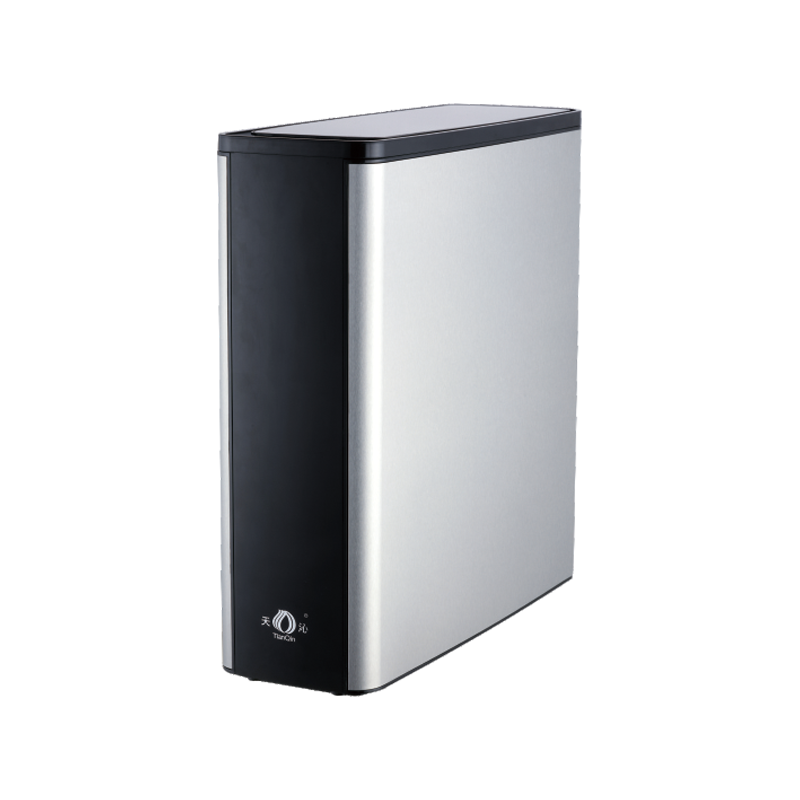 TQ-R08 Stainless Steel High-Flow RO Water Filter Cat:Stainless Steel Ro System
The Stainless Steel High-Flow RO Water Filter (TQ-R08) provides a powerful and effective solution for purifying drinking water, combining advanced rev...
See Details


 +86-0574-62381077/62386875

What is a Gravity Water Filter & Purifier? The Ultimate Guide
A gravity water filter is a non-electric filtration system that uses the natural force of gravity to pull water through one or more filter elements, removing contaminants without any pump, power source, or pressurized plumbing. A gravity water purifier takes this a step further — it not only filters particulates and sediment but also eliminates or inactivates biological contaminants such as bacteria, viruses, and protozoa, making water safe to drink even from untreated natural sources. Both are trusted solutions for households, outdoor adventurers, and communities in areas with unreliable water infrastructure.
The core distinction matters: filtration removes physical and chemical impurities, while purification adds pathogen elimination. Understanding this difference helps you choose the right device for your situation.
Content
- 1 How a Gravity Water Filter Works
- 2 Gravity Water Filter vs. Gravity Water Purifier: Key Differences
- 3 Types of Gravity Water Filters and Purifiers
- 4 What Contaminants Do They Actually Remove?
- 5 Advantages of Gravity Water Filters Over Other Systems
- 6 Limitations You Should Know Before Buying
- 7 How to Choose the Right Gravity Water Filter
- 8 Maintenance and Safe Use Best Practices
- 9 Who Should Use a Gravity Water Filter or Purifier?
- 10 Frequently Asked Questions
How a Gravity Water Filter Works
The operating principle is elegantly simple. Water is poured into an upper chamber or reservoir. Gravity pulls the water downward through a filter medium — commonly ceramic, activated carbon, or hollow-fiber membranes — into a lower clean-water chamber, where it is ready to drink or cook with. No electricity, batteries, or manual pumping is required.
Typical Filter Stages
- Pre-filter / sediment layer: Removes sand, dirt, rust, and large particles that would clog finer media.
- Ceramic or hollow-fiber membrane: Blocks bacteria, protozoa (e.g., Giardia, Cryptosporidium), and particulates down to 0.1–0.3 microns.
- Activated carbon block: Adsorbs chlorine, chloramines, volatile organic compounds (VOCs), pesticides, and improves taste and odor.
- Optional ion-exchange resin: Reduces heavy metals such as lead and mercury, as well as excess fluoride or nitrates in some models.
Flow rate typically ranges from 0.5 to 2.5 liters per hour per filter candle, depending on filter type, water turbidity, and how clogged the media becomes over time. Many household countertop gravity filters hold 8–20 liters total and can produce 10–25 liters of clean water per day under normal use.
Gravity Water Filter vs. Gravity Water Purifier: Key Differences
The terms are often used interchangeably in marketing, but they describe different levels of protection. The table below clarifies what each device type typically handles:
| Contaminant Type | Gravity Water Filter | Gravity Water Purifier |
|---|---|---|
| Sediment & turbidity | Yes | Yes |
| Chlorine & taste/odor | Yes (with carbon) | Yes |
| Protozoa (Giardia, Crypto) | Yes (ceramic/hollow-fiber) | Yes |
| Bacteria (E. coli, Salmonella) | Yes (0.1–0.3 µm ceramic) | Yes |
| Viruses (Norovirus, Rotavirus) | Usually not | Yes (UF membrane + silver / iodine resin) |
| Heavy metals (lead, mercury) | Partial (carbon + resin) | Partial (varies by model) |
If your water source is municipal tap water that is already treated for pathogens, a gravity filter is sufficient. If you rely on well water, rainwater, river water, or any untreated source — especially in areas with poor sanitation — a gravity water purifier capable of virus removal is the safer choice.
Types of Gravity Water Filters and Purifiers
Gravity-fed systems come in several form factors, each optimized for different contexts:
1. Countertop Drip Filters (Stainless Steel or Plastic Vessels)
The most popular household format. Systems like the Berkey, Doulton, and Stefani typically hold 8–22 liters, use two or more ceramic or carbon block candles, and sit on a countertop. The Berkey Black filter, for example, is rated to filter up to 22,700 liters per element and can handle water from rivers, ponds, or tap. Ideal for families of 2–6 people.
2. Ceramic Pot Filters (CPF)
Widely deployed in low-income and rural settings by NGOs and UNICEF programs. A clay or ceramic pot sits inside a plastic or metal receptacle. Studies by WHO and PATH show ceramic pot filters can reduce E. coli contamination by 99.8% when used correctly, though they require careful handling since the porous ceramic can crack. Flow rates are slow — often only 1–3 liters per hour.
3. Bag and Bottle Gravity Filters (Portable)
Designed for camping, hiking, and emergency use. Products like the Sawyer Squeeze or LifeStraw Flex can be rigged as gravity systems using a hydration bladder hung from a tree branch. Hollow-fiber membranes in these models filter down to 0.1 microns, blocking bacteria and protozoa but not viruses. Lightweight and compact — many weigh under 100 grams.
4. Large-Scale Community Gravity Systems
Industrial gravity-fed biofilter or slow sand filter systems treat hundreds to thousands of liters per day. These are typically deployed at the village or institutional level. Slow sand filtration, which has been used since the 19th century, relies on a biologically active sand layer (the schmutzdecke) and can achieve 99.9–99.999% pathogen reduction without chemicals.
What Contaminants Do They Actually Remove?
The effectiveness of a gravity water filter depends heavily on the filter media used. Here is a practical breakdown:
- Activated carbon (GAC or block): Removes chlorine (up to 97%), chloramine, benzene, trihalomethanes, pesticides, herbicides, and many pharmaceuticals. Does NOT reliably remove heavy metals unless combined with KDF media.
- Ceramic with silver impregnation: Mechanically blocks bacteria and protozoa. Silver ions provide additional bacteriostatic effect to prevent bacterial growth within the filter. Typical log reduction: 6-log (99.9999%) for bacteria.
- Hollow-fiber UF membrane (0.02–0.1 µm): Absolute barrier to all bacteria and protozoa; cannot remove viruses (which are 0.02–0.3 µm in size) unless pore size is ≤0.02 µm or a viricidal agent is added.
- Ion-exchange resin: Targets heavy metals (lead, cadmium, mercury), nitrates, fluoride, and water hardness minerals. Lifespan is limited — typically 2,000–4,000 liters before replacement.
- Fluoride/arsenic reduction media: Some premium gravity filters include alumina-based or bone char media specifically for fluoride and arsenic reduction, important in regions with geogenic contamination.
Advantages of Gravity Water Filters Over Other Systems
Gravity systems occupy a unique niche compared to reverse osmosis (RO), UV purifiers, or distillers. Here is how they compare across practical dimensions:
| Feature | Gravity Filter | Reverse Osmosis | UV Purifier |
|---|---|---|---|
| Electricity required | No | No (passive) / Yes (booster) | Yes |
| Removes chemicals | Yes (carbon) | Yes | No |
| Removes pathogens | Bacteria & protozoa (purifier adds viruses) | Yes | Yes (all) |
| Water waste | None | 2–4× wastewater per liter filtered | None |
| Minerals retained | Yes | No (stripped) | Yes |
| Upfront cost (household) | $30–$400 | $150–$600+ | $50–$200 |
| Works off-grid | Yes | Limited | No |
The most notable advantage of gravity systems is zero operating cost after purchase. No electricity bills, no water waste, no plumbing connections needed. For off-grid living, emergency preparedness, or countries with frequent power outages, this makes gravity filters uniquely resilient.
Limitations You Should Know Before Buying
Despite their strengths, gravity water filters have real limitations that every buyer should understand:
- Slow flow rate: Even a 20-liter system may take 8–12 hours to process a full tank, which can be inconvenient for large households. Planning ahead is essential.
- No virus removal in basic models: Standard ceramic and carbon filters do not eliminate viruses such as Hepatitis A, Norovirus, or Rotavirus. This is a critical gap in regions with fecal contamination of water supplies.
- Does not remove dissolved solids (TDS): Nitrates, sodium, sulfates, and other dissolved minerals pass through most gravity filters. If your water has high TDS (above 500 mg/L), taste and health impacts may persist. Only RO or distillation removes dissolved solids.
- Maintenance required: Ceramic elements must be scrubbed every 1–4 weeks in turbid water conditions. Carbon blocks typically need replacement every 6–12 months (or every 1,000–5,000 liters, model dependent). Neglected filters can become a bacterial breeding ground.
- Vulnerable to contamination of the lower chamber: If the clean-water vessel is not kept clean, recontamination can occur. Always use a lid, wash hands before use, and clean the lower tank weekly.
How to Choose the Right Gravity Water Filter
Use these criteria to match a gravity system to your actual situation:
Step 1 — Know Your Water Source
Municipal tap water: a carbon + ceramic gravity filter handles chlorine, taste, and bacteria. Well water or surface water: choose a purifier with virus reduction capability or combine with a UV post-treatment stage. If you suspect heavy metals (old pipes, industrial areas), ensure the system includes KDF-55 or ion-exchange media rated for the specific metal.
Step 2 — Calculate Your Daily Volume Needs
The WHO recommends at least 2 liters of drinking water per person per day (up to 3–4 liters in hot climates or for active individuals). A family of four needs 8–16 liters daily for drinking and cooking alone. Match this to a system's daily output — check the manufacturer's stated flow rate under realistic conditions, not best-case marketing figures.
Step 3 — Evaluate Filter Lifespan and Running Costs
Calculate the cost per liter over the filter's lifespan. A filter element costing $30 and rated for 3,000 liters works out to $0.01 per liter — cheaper than bottled water by a factor of 50–100. Compare replacement filter prices and availability in your region before committing to a brand.
Step 4 — Check Third-Party Certifications
Look for filters tested to NSF/ANSI Standard 53 (health effects — chemicals, lead, cysts), NSF/ANSI 42 (aesthetic — chlorine, taste, odor), or EPA Guide Standard and Protocol for Testing Microbiological Water Purifiers. Some international products carry WHO SSTF performance ratings. Avoid systems with only manufacturer-claimed performance data and no independent laboratory verification.
Maintenance and Safe Use Best Practices
A poorly maintained gravity filter can deliver contaminated water even when it looks clean. Follow these practices:
- Scrub ceramic elements under clean running water every 2–4 weeks, or whenever flow rate drops noticeably. Use a soft brush; never use soap.
- Replace carbon blocks on schedule — do not wait for taste changes, as chemical adsorption capacity can be exhausted before taste breaks through.
- Disinfect the lower reservoir monthly with a dilute food-safe bleach solution (1 teaspoon of 5% bleach per 4 liters of water), let sit 30 minutes, rinse thoroughly.
- Store filters correctly when not in use for extended periods — dry them completely to prevent mold, or follow the manufacturer's short-term wet-storage guidance.
- Run a flush cycle of 1–2 liters through new filter elements before first use to remove manufacturing residues and carbon fines.
Who Should Use a Gravity Water Filter or Purifier?
Gravity-fed systems are particularly well-suited to the following users and scenarios:
- Households on municipal water who want to remove chlorine, chloramines, and trace chemicals without installing under-sink plumbing.
- Rural or well-water users seeking a chemical-free, low-cost purification method that handles bacteria and sediment.
- Emergency preparedness planners who need a reliable system that works during power outages, natural disasters, or infrastructure failures.
- Campers, hikers, and overlanders who need a lightweight or bag-style gravity system for use with natural water sources.
- NGOs and humanitarian organizations deploying water treatment in disaster zones or low-resource communities, where ceramic pot filters and biosand systems have a proven track record.
- Eco-conscious consumers aiming to eliminate single-use plastic water bottle waste, given that a gravity filter producing 3,000 liters replaces approximately 6,000 half-liter plastic bottles.
Frequently Asked Questions
Can I use a gravity filter with any water source?
Most gravity filters work with fresh water sources — tap, well, river, or rainwater. Avoid highly saline water (seawater), water with extreme pH levels, or water contaminated with industrial chemicals beyond the filter's rated capacity. Always check the manufacturer's influent water quality specifications.
How do I know when to replace the filter?
Track liters filtered (use a tally or flow-rate log) and follow the manufacturer's lifespan rating. A significant drop in flow rate after scrubbing, return of chlorine taste, or cloudy output water are all signs a filter element needs replacement. Do not rely solely on taste — chemical breakthrough can be odorless.
Is gravity-filtered water safe for infants and immunocompromised individuals?
For healthy adults and children, a properly maintained gravity filter removing bacteria and protozoa from municipal water provides safe drinking water. For infants under 6 months, severely immunocompromised patients (e.g., post-transplant, HIV/AIDS), or if the source water is known to carry viruses, a system with certified virus removal — or additional boiling — is strongly recommended.
-
 Tel: +86-0574-62381077/62386875
-
 E-mail: leozhanglei@nbtianqin.net
-
 Add: Wuma Industrial Zone, Lubu Town, Yuyao City, Zhejiang Province, China.
Copyright © 2024 by Yuyao Tianqin Water Purification Equipment Co..Ltd.
All Rights Reserved.
 Wholesale Water Purifier Manufacturers

