 English
 中文简体
中文简体-
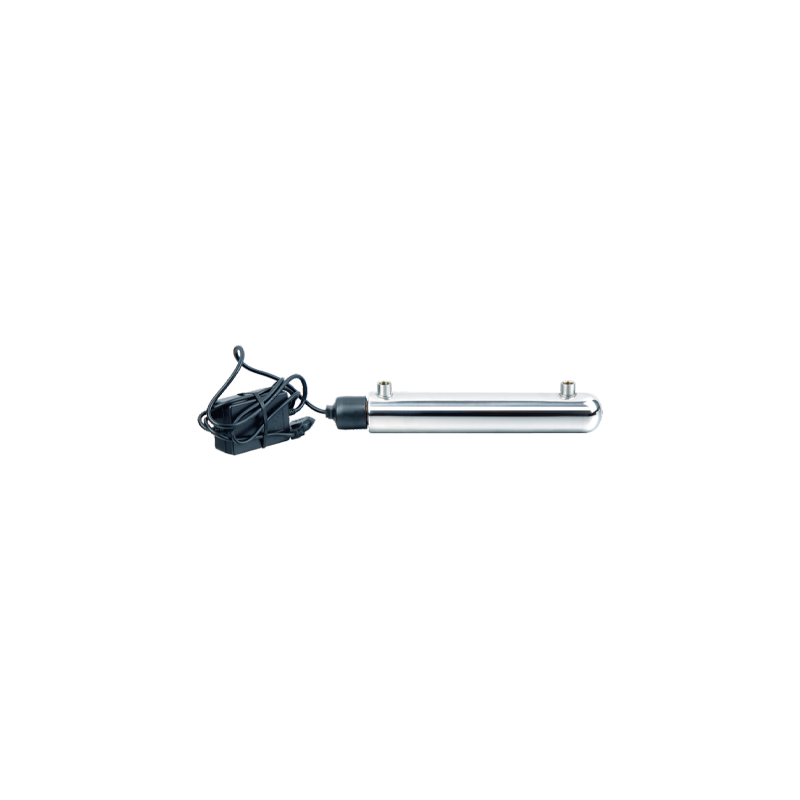 UV11W High-efficiency Intelligent UV Water Sterilizer Cat:Ultraviolet Water Sterilizer
The UV11W High-efficiency Intelligent UV Water Sterilizer is an advanced water purification system that offers convenience and reliability. This steri...
See Details -
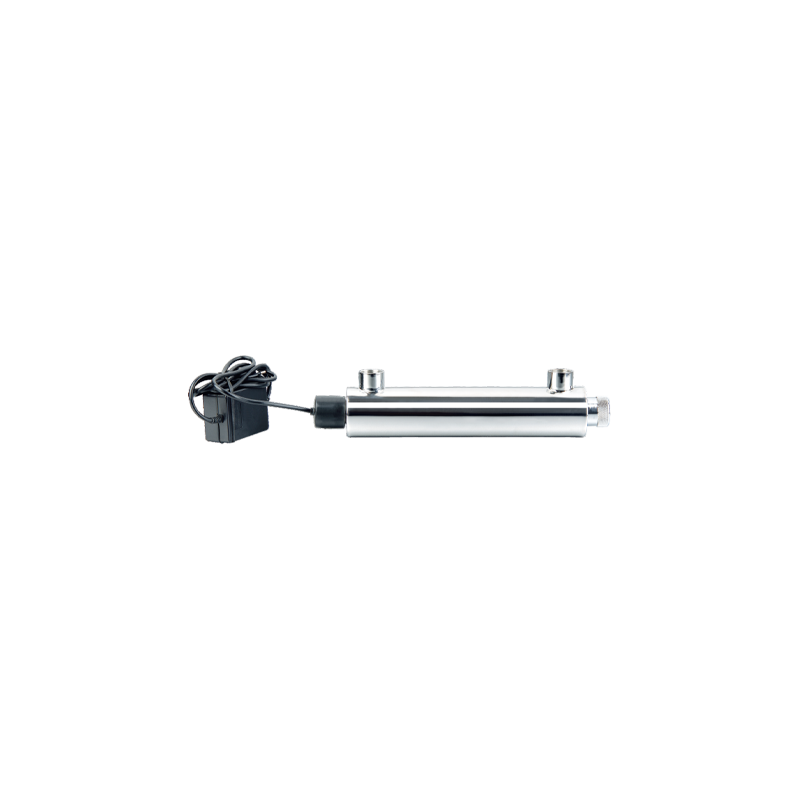 UV16W-A Household Stainless Steel UV Water Sterilizer Cat:Ultraviolet Water Sterilizer
The UV16W-A Household Stainless Steel UV Water Sterilizer is an innovative solution for ensuring safe and pure water in your home. Designed with durab...
See Details -
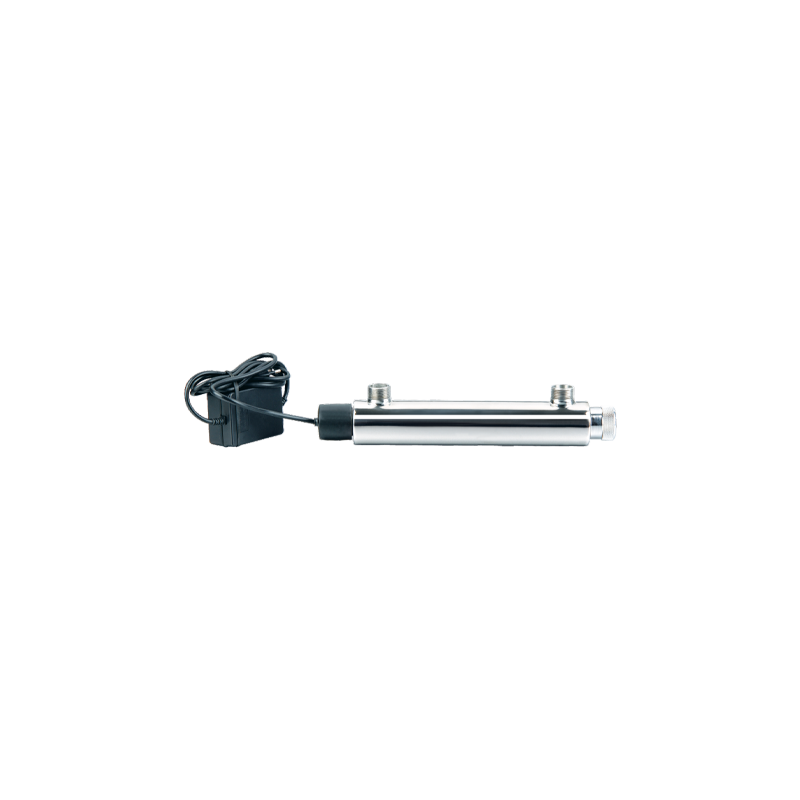 UV16W-B 304 Stainless Steel Water Purifier Ultraviolet Water Sterilizer Cat:Ultraviolet Water Sterilizer
UV16W-B 304 Stainless Steel Water Purifier Ultraviolet Water Sterilizer is an efficient water treatment equipment based on advanced ultraviolet disinf...
See Details -
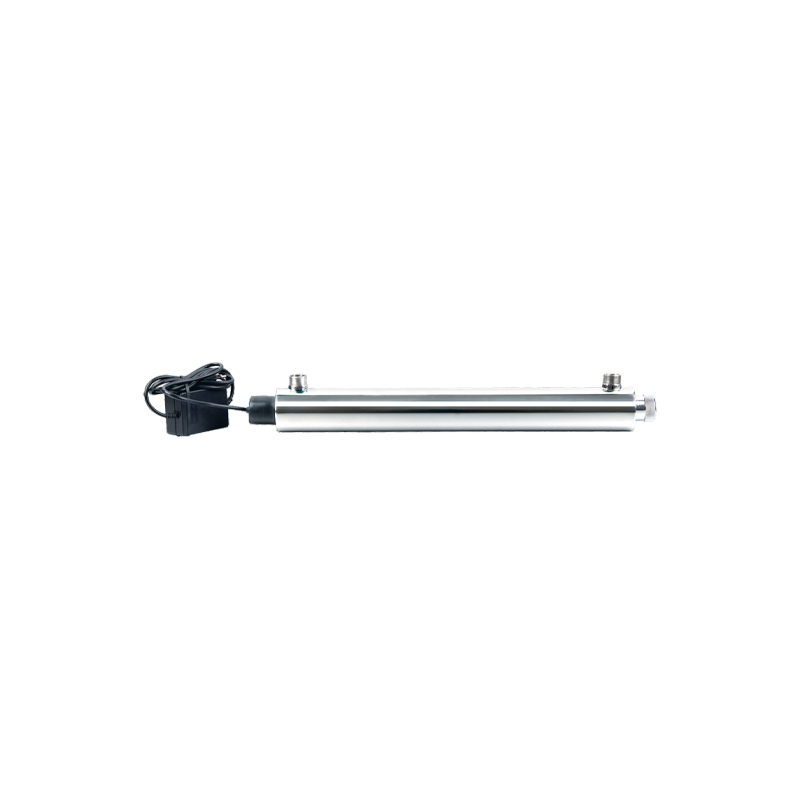 UV25W Stainless Steel Ultrafiltration Pre-Filtration UV Sterilizers For Water Cat:Ultraviolet Water Sterilizer
UV25W Stainless Steel Ultrafiltration Pre-Filtration UV Sterilizers For Water uses high-quality stainless steel materials, which have superb corrosion...
See Details -
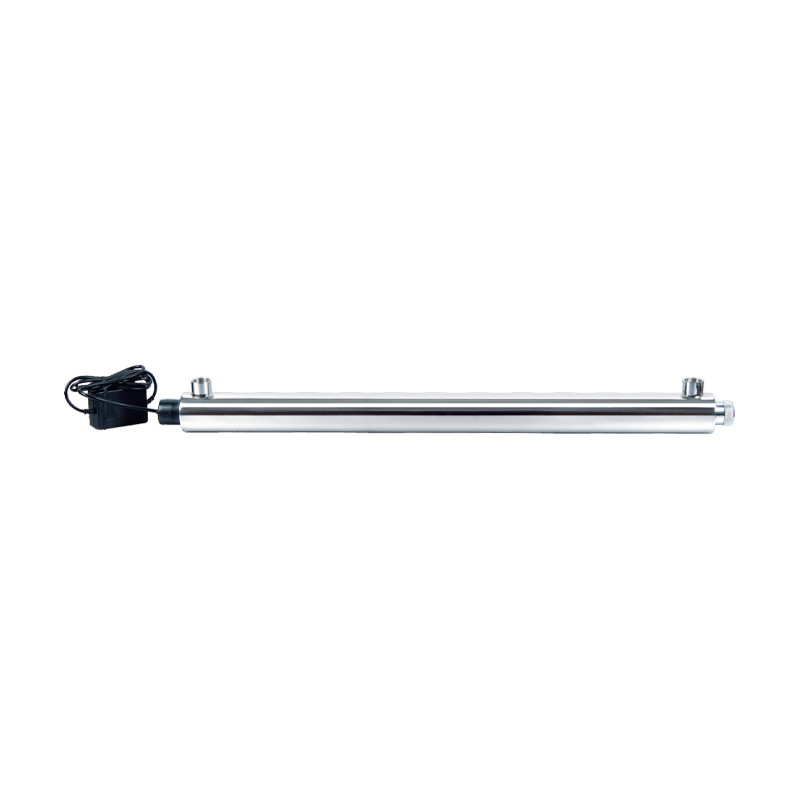 UV30W-55W Automatic Ultraviolet Sterilizer UV Filtration For Drinking Water Cat:Ultraviolet Water Sterilizer
The core advantage of UV30W-55W Automatic Ultraviolet Sterilizer UV Filtration For Drinking Water lies in its efficient and rapid disinfection capabil...
See Details -
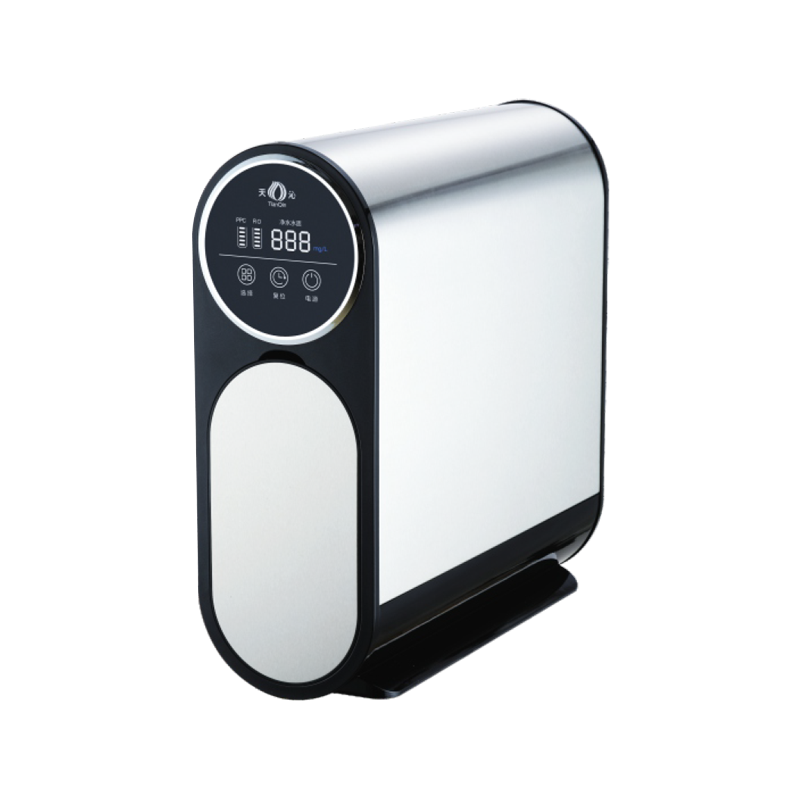 TQ-R03 Stainless Steel Booster Double Water Full Effect RO Water Purifier Cat:Stainless Steel Ro System
TQ-R03 Stainless Steel Booster Double Water Full Effect RO Water Purifier is a household water purification device that combines efficient water purif...
See Details -
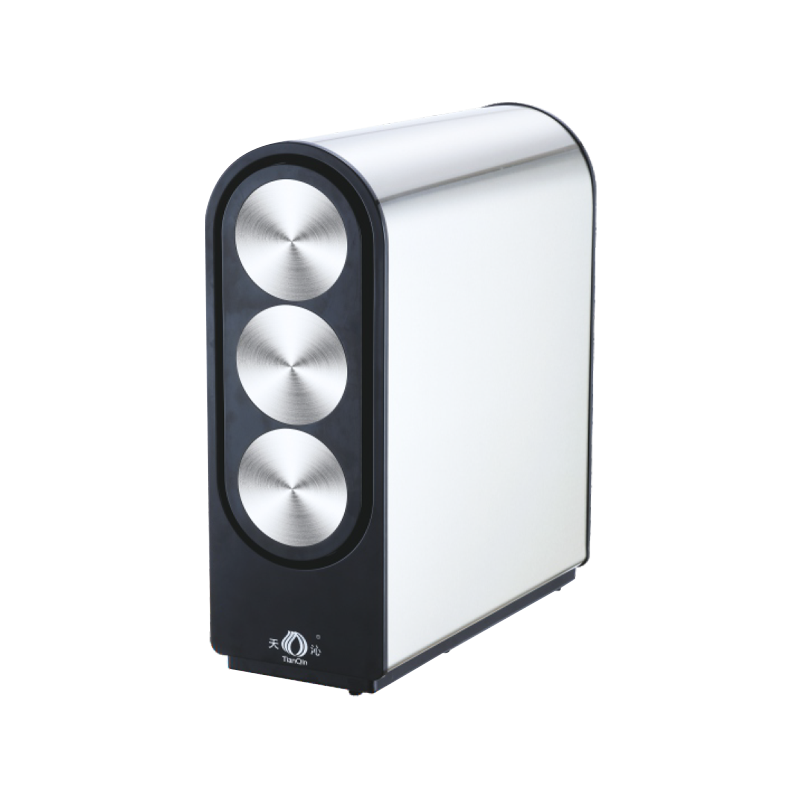 TQ-R05 Multifunctional Water Purification Source RO Water Purifier Cat:Stainless Steel Ro System
The TQ-R05 Multifunctional Water Purification Source RO Water Purifier is an advanced, versatile water purification solution designed for households a...
See Details -
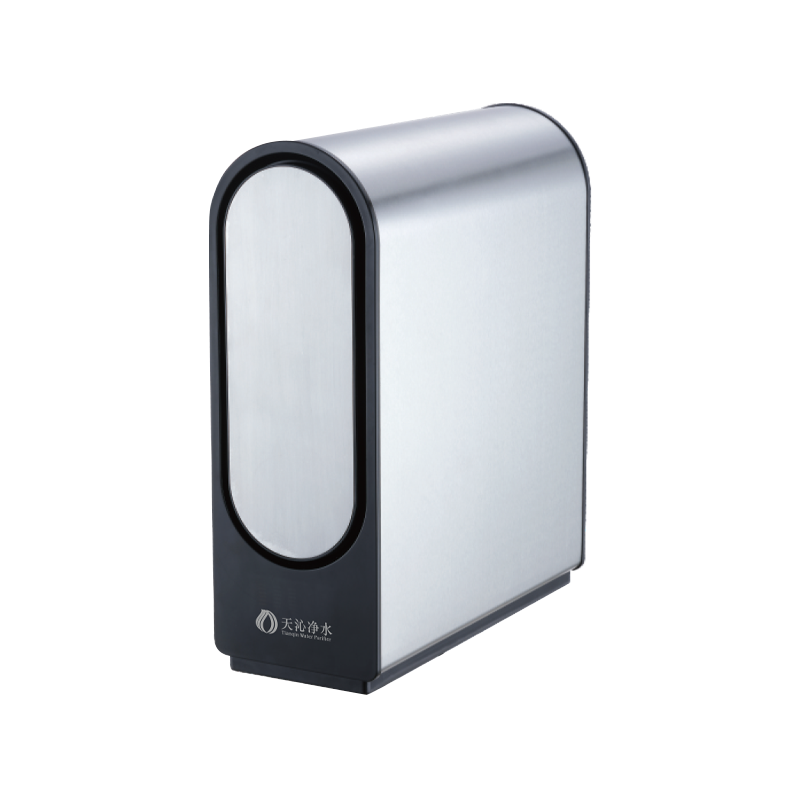 TQ-R06 Stainless Steel Environmentally Friendly RO Water Purifier Cat:Stainless Steel Ro System
The TQ-R06 Stainless Steel Environmentally Friendly RO Water Purifier combines advanced RO filtration technology, durable stainless steel housing, and...
See Details -
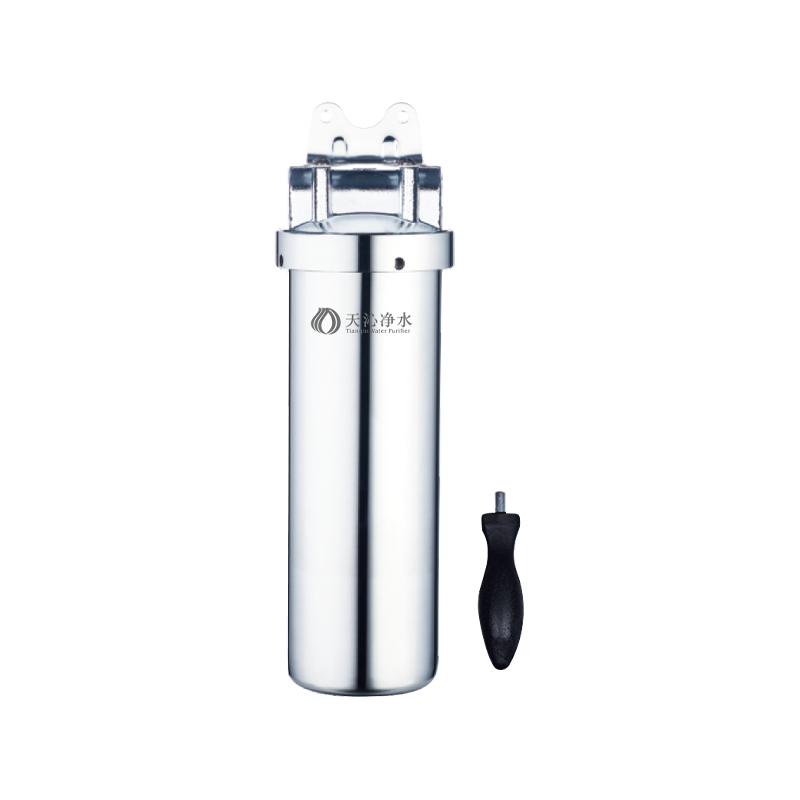 Stainless Steel Pure Double Water Pipe Water Purifier Cat:Stainless Steel Pipeline Water Purifier
The Stainless Steel Pure Double Water Pipe Water Purifier is an advanced water purification system designed to provide dual-mode purified water with e...
See Details -
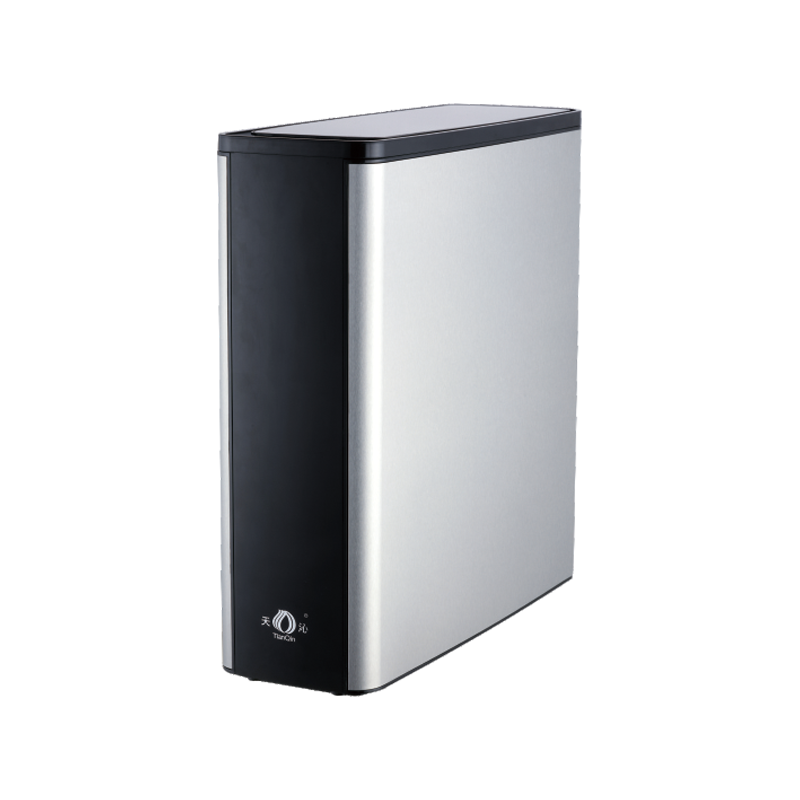 TQ-R08 Stainless Steel High-Flow RO Water Filter Cat:Stainless Steel Ro System
The Stainless Steel High-Flow RO Water Filter (TQ-R08) provides a powerful and effective solution for purifying drinking water, combining advanced rev...
See Details


 +86-0574-62381077/62386875

How Water Filters Work: Hollow Fiber & Household Guide
Water filters work by passing water through one or more physical, chemical, or biological barrier materials that trap or neutralize contaminants — removing sediment, bacteria, heavy metals, chlorine, and other impurities before the water reaches your tap. A household water filter can reduce over 70 types of contaminants, and modern technologies like hollow fiber membranes can block particles as small as 0.1 microns, including most bacteria and protozoa, without any chemicals or electricity.
Whether you are evaluating a pitcher filter, an under-sink system, or a hollow fiber filter for travel or home use, understanding the core mechanisms helps you choose the right product and maintain it properly.
Content
- 1 The Core Mechanisms Behind Water Filtration
- 2 What Is a Hollow Fiber Water Filter and How Does It Work?
- 3 Types of Household Water Filters Compared
- 4 How a Multi-Stage Household Water Filter System Works Step by Step
- 5 What Contaminants Do Household Water Filters Actually Remove?
- 6 How to Choose the Right Household Water Filter
- 7 Filter Maintenance: Why Replacement Schedules Matter
- 8 Hollow Fiber vs. Activated Carbon: Which Technology Is Right for You?
The Core Mechanisms Behind Water Filtration
All water filters rely on one or more of the following physical, chemical, or biological processes. Most household systems combine several methods in sequence to tackle different classes of contaminants.
Mechanical Filtration (Physical Barrier)
A physical medium — such as ceramic, pleated polyester, or hollow fiber membranes — physically blocks particles larger than the filter's pore size. Pore sizes are measured in microns (µm):
- 5–100 µm: Removes sediment, sand, silt, and rust particles.
- 1–5 µm: Removes fine sediment, some cysts like Cryptosporidium (4–6 µm).
- 0.1–1 µm: Removes bacteria (most are 0.5–5 µm), protozoa, and larger microplastics.
- 0.001–0.01 µm: Nanofiltration and reverse osmosis — removes viruses, heavy metal ions, and dissolved salts.
Adsorption (Chemical Attraction)
Activated carbon (derived from coconut shells, coal, or wood) is the most widely used adsorption medium. Its extremely porous surface — 1 gram of activated carbon has a surface area of up to 1,500 m² — attracts and binds chlorine, chloramines, volatile organic compounds (VOCs), pesticides, herbicides, and many taste- and odor-causing compounds. Activated carbon does not effectively remove heavy metals, nitrates, bacteria, or dissolved minerals without additional enhancement (e.g., catalytic carbon or ion exchange resin).
Ion Exchange
Ion exchange resins swap harmful ions for harmless ones. In water softeners, calcium (Ca²⁺) and magnesium (Mg²⁺) ions responsible for "hardness" are exchanged for sodium or potassium ions. Specialized mixed-bed resins can also reduce heavy metals like lead and mercury. This process is highly targeted — it removes specific ionic contaminants without affecting non-ionic ones.
Reverse Osmosis (RO)
Reverse osmosis pushes water under pressure (40–80 psi) through a semi-permeable membrane with pores of approximately 0.0001 µm. This rejects up to 99% of dissolved salts, heavy metals, fluoride, nitrates, and most microorganisms. The trade-off: RO systems typically waste 3–4 gallons of water for every 1 gallon of filtered water produced, and they strip beneficial minerals along with harmful ones.
UV Disinfection
Ultraviolet light at 254 nm wavelength disrupts the DNA of bacteria, viruses, and protozoa, rendering them unable to reproduce. UV systems are chemical-free and highly effective against microorganisms — a properly sized UV system achieves 99.99% (4-log) disinfection — but they do not remove particulate matter, heavy metals, or chemical contaminants. UV is most effective when used after mechanical pre-filtration to ensure water clarity.
What Is a Hollow Fiber Water Filter and How Does It Work?
A hollow fiber water filter is a type of ultrafiltration (UF) membrane filter that uses thousands of hair-thin, straw-like fibers — typically made from polysulfone or polyethersulfone (PES) — bundled together inside a housing. Each fiber is hollow in the center with microscopic pores averaging 0.1 microns in diameter running through the wall.
Water flows from the outside of the fibers, through the pore walls, and into the hollow core where it exits as filtered water. Contaminants larger than 0.1 µm — including bacteria, protozoa like Giardia and Cryptosporidium, cysts, and larger microplastics — cannot pass through the pore walls and are retained on the outer surface.
Key Advantages of Hollow Fiber Filters
- No electricity or chemicals required — gravity or hand pressure drives filtration.
- Very long lifespan — many hollow fiber elements are rated for 100,000 liters or more before replacement.
- Backwashable — flushing water backward through the fibers dislodges trapped particles and restores flow rate.
- Compact and lightweight — widely used in portable filters, countertop systems, and whole-house pre-filters.
Limitations of Hollow Fiber Filters
- Pores of 0.1 µm do not reliably remove viruses (typically 0.02–0.3 µm) — a paired UV or chemical stage is needed in high-risk water sources.
- Does not remove dissolved chemicals, heavy metals, nitrates, or chlorine without an additional activated carbon stage.
- Fibers can crack if frozen — damaged hollow fiber membranes must be replaced, as cracked fibers allow unfiltered water to bypass the membrane.
Types of Household Water Filters Compared
Each household water filter type suits different needs, water quality problems, and budgets. The table below summarizes the most common options.
| Filter Type | Primary Mechanism | Key Contaminants Removed | Approx. Filter Life | Typical Cost (USD) |
|---|---|---|---|---|
| Pitcher / Carafe | Activated carbon + ion exchange | Chlorine, taste, odor, lead (some) | ~200 liters (2 months) | $20–$50 unit; $5–$15/filter |
| Faucet-Mount | Activated carbon | Chlorine, cysts, some VOCs | ~700 liters (3 months) | $30–$80 unit |
| Hollow Fiber (countertop/portable) | Ultrafiltration membrane (0.1 µm) | Bacteria, protozoa, cysts, sediment | 100,000+ liters | $20–$120 |
| Under-Sink (multi-stage) | Sediment + carbon + UF/RO | Broad spectrum including heavy metals | 6–12 months per stage | $150–$500+ unit |
| Reverse Osmosis (RO) | Semi-permeable membrane (0.0001 µm) | Salts, fluoride, heavy metals, nitrates, viruses | 2–5 years (membrane) | $200–$600+ |
| Whole-House | Sediment + carbon (+ optional softener/UV) | Sediment, chlorine, hardness, bacteria (with UV) | 3–6 months (pre-filter) | $300–$2,000+ |
How a Multi-Stage Household Water Filter System Works Step by Step
Premium household water filters combine multiple stages to address different contaminant classes in sequence. Here is how a typical 4-stage under-sink or countertop system processes tap water:
- Stage 1 — Sediment Pre-Filter (5–20 µm): Removes visible particles — sand, rust flakes, silt, and debris. This stage protects downstream filters from clogging prematurely, extending the life of the entire system.
- Stage 2 — Granular Activated Carbon (GAC): Adsorbs chlorine, chloramines, disinfection byproducts (THMs), herbicides, and pesticides. Also improves taste and odor significantly. Typical contact time: 2–5 seconds in a properly sized filter.
- Stage 3 — Hollow Fiber or Carbon Block Membrane: Blocks bacteria, cysts, and fine particulate matter to 0.1–1 µm. Carbon block filters in this stage combine mechanical filtration with additional chemical adsorption.
- Stage 4 — Post-Carbon Polish Filter: A final activated carbon stage removes any residual tastes or odors acquired inside the filter housing, delivering clean, fresh-tasting water at the tap.
High-end systems may add a reverse osmosis membrane between stages 3 and 4, and a remineralization cartridge after the RO stage to add back beneficial calcium and magnesium.
What Contaminants Do Household Water Filters Actually Remove?
Not all filters remove all contaminants. The EPA recognizes over 90 regulated drinking water contaminants, and certified household filters are tested against specific contaminants by NSF International or ANSI standards. Here is a practical breakdown:
Contaminants Most Filters Handle Well
- Chlorine and chloramines — activated carbon adsorbs these effectively; NSF/ANSI Standard 42 certifies aesthetic improvements.
- Sediment, rust, and particulates — removed by any mechanical filter stage.
- Cryptosporidium and Giardia cysts — removed by filters with pores ≤ 1 µm (hollow fiber, ceramic, carbon block).
- Lead — certified carbon block and RO systems remove lead under NSF/ANSI Standard 53.
Contaminants Requiring Specialized Filtration
- Viruses (Norovirus, Hepatitis A, etc.) — require RO, UV, or NSF P231/P248-certified filters; standard hollow fiber (0.1 µm) does not reliably remove all viruses.
- Nitrates and nitrites — require RO or anion exchange resin; activated carbon alone is ineffective.
- PFAS ("forever chemicals") — NSF/ANSI Standard 58 (RO) and Standard 53 (carbon block) certifications cover PFAS reduction; conventional GAC has limited effectiveness against short-chain PFAS.
- Arsenic — requires RO, activated alumina, or iron-based media; not removed by standard carbon filters.
How to Choose the Right Household Water Filter
Choosing the right filter starts with knowing what is in your water, not what sounds impressive on a product label.
Step 1: Test Your Water First
Municipal water utilities are legally required to publish annual Consumer Confidence Reports (CCRs) listing detected contaminants and their levels. For private wells, an independent lab test is essential — the CDC recommends testing at minimum for coliform bacteria, nitrates, pH, and hardness annually. Home test kits ($10–$30) provide a quick screen, while certified lab tests ($100–$200) deliver comprehensive results.
Step 2: Match Filter Technology to Contaminants
- Municipal water with chlorine taste/odor only → pitcher or faucet-mount carbon filter is sufficient and cost-effective.
- Well water with biological risk → hollow fiber UF filter + UV disinfection.
- High lead or heavy metal levels → NSF 53-certified carbon block or RO system.
- High TDS, nitrates, or fluoride → reverse osmosis system.
- Whole-house sediment or hardness → whole-house sediment filter + water softener.
Step 3: Look for NSF/ANSI Certifications
Certifications indicate third-party verified performance, not just manufacturer claims. The most relevant standards are:
- NSF/ANSI 42 — Aesthetic effects (chlorine, taste, odor, particulates).
- NSF/ANSI 53 — Health effects (lead, cysts, VOCs, some PFAS).
- NSF/ANSI 58 — Reverse osmosis systems (TDS, heavy metals, nitrates).
- NSF P231 — Microbiological purifiers including virus removal.
Filter Maintenance: Why Replacement Schedules Matter
An expired or clogged filter does not just stop working — it can become a source of contamination. Saturated activated carbon can release trapped contaminants back into the water (a process called "desorption"), and a blocked mechanical filter can crack under pressure, allowing unfiltered water to bypass the media entirely.
Key maintenance rules by filter type:
- Pitcher filters: Replace every 2 months or 200 liters — whichever comes first. A slower-than-normal flow rate is a reliable indicator it is time to replace.
- Hollow fiber filters: Backwash regularly (every 5–10 uses for portable models) by pushing water backward through the fibers. Inspect for cracks annually. Replace if flow cannot be restored after backwashing, or after any freeze event.
- RO membranes: Replace every 2–5 years; pre-filter and post-filter cartridges every 6–12 months. Monitor TDS reduction — a drop below 85–90% removal efficiency signals membrane replacement.
- UV lamps: Replace annually regardless of visual appearance — UV output degrades over time even when the lamp is still lit.
Hollow Fiber vs. Activated Carbon: Which Technology Is Right for You?
These two technologies are often paired together in multi-stage systems but they address fundamentally different threat categories. Understanding the distinction helps you evaluate whether a single-stage filter is adequate or whether a combined system is necessary.
- Choose hollow fiber UF if your main concern is microbiological safety — bacteria from a well, a boil-water advisory situation, or travel in areas with suspect water quality. The long filter life (100,000 liters) and backwashability make it extremely cost-effective for biological filtration.
- Choose activated carbon if your main concern is chemical contamination — chlorine, THMs, pesticides, pharmaceuticals, or taste and odor issues from municipal treatment. Carbon filters are low-cost and widely available.
- Choose both in a combined system if you want comprehensive protection: the hollow fiber membrane handles pathogens while an activated carbon stage handles chemical contaminants. Many quality countertop and under-sink systems include both stages for under $100–$200.
For most urban households on municipal water, a certified carbon block or multi-stage filter is sufficient. For rural households on well water or anyone in an area with documented microbiological risk, a hollow fiber ultrafiltration membrane — ideally paired with UV — provides a meaningfully higher level of protection.
-
 Tel: +86-0574-62381077/62386875
-
 E-mail: leozhanglei@nbtianqin.net
-
 Add: Wuma Industrial Zone, Lubu Town, Yuyao City, Zhejiang Province, China.
Copyright © 2024 by Yuyao Tianqin Water Purification Equipment Co..Ltd.
All Rights Reserved.
 Wholesale Water Purifier Manufacturers

