 English
 中文简体
中文简体-
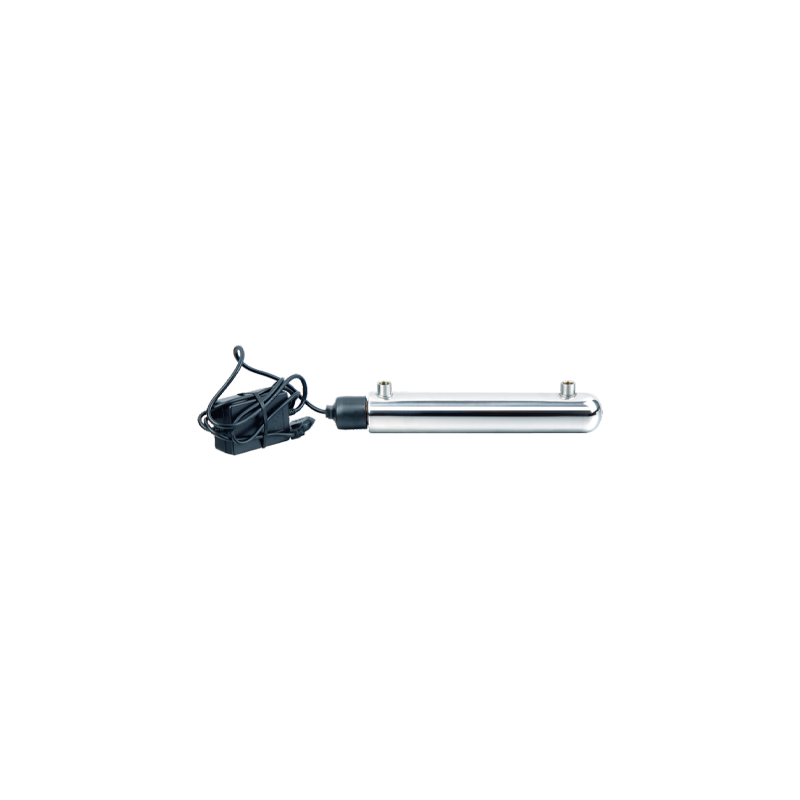 UV11W High-efficiency Intelligent UV Water Sterilizer Cat:Ultraviolet Water Sterilizer
The UV11W High-efficiency Intelligent UV Water Sterilizer is an advanced water purification system that offers convenience and reliability. This steri...
See Details -
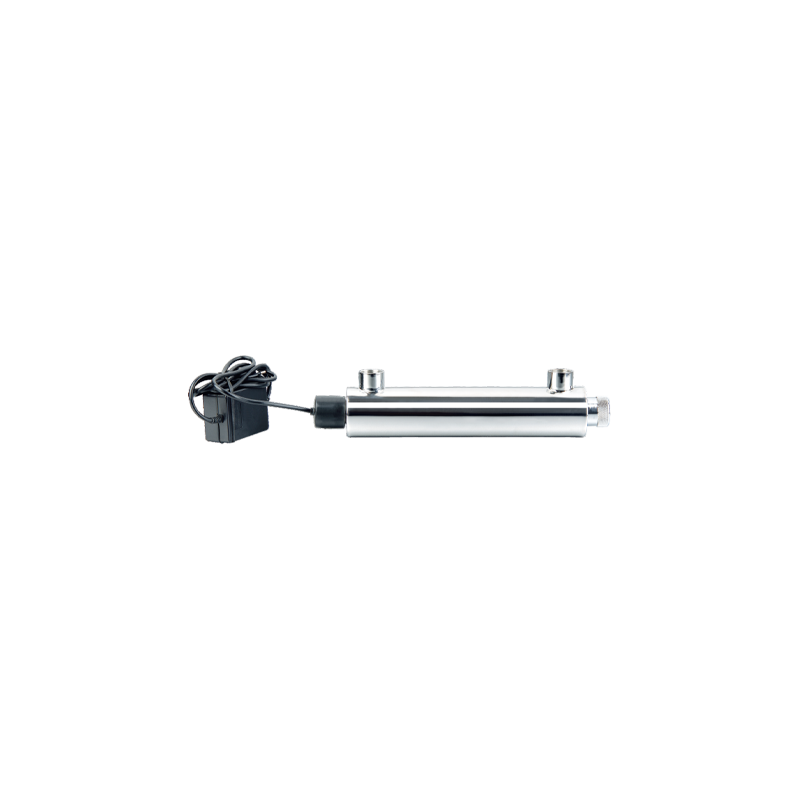 UV16W-A Household Stainless Steel UV Water Sterilizer Cat:Ultraviolet Water Sterilizer
The UV16W-A Household Stainless Steel UV Water Sterilizer is an innovative solution for ensuring safe and pure water in your home. Designed with durab...
See Details -
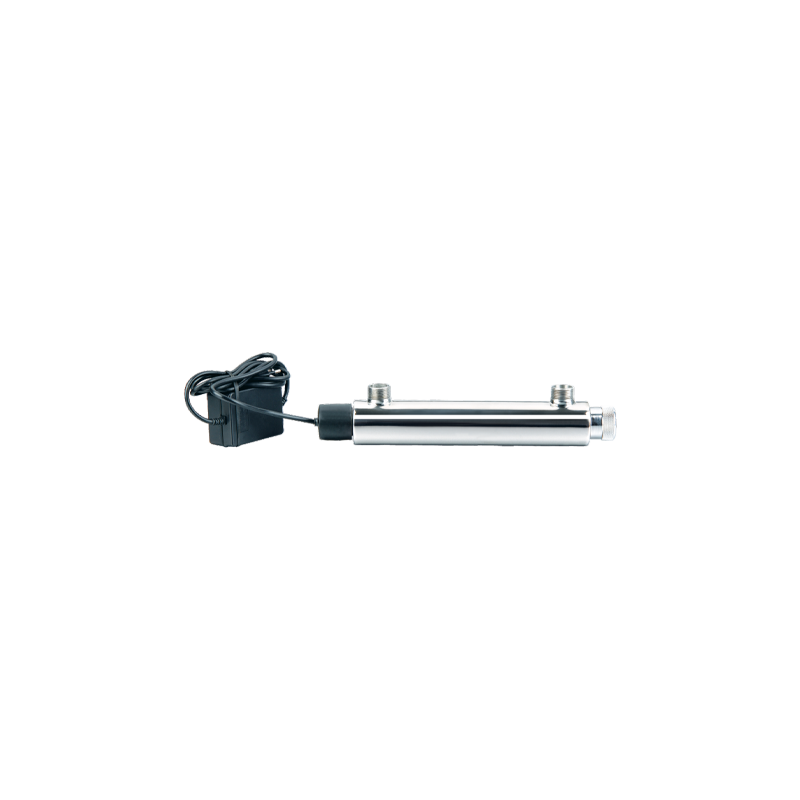 UV16W-B 304 Stainless Steel Water Purifier Ultraviolet Water Sterilizer Cat:Ultraviolet Water Sterilizer
UV16W-B 304 Stainless Steel Water Purifier Ultraviolet Water Sterilizer is an efficient water treatment equipment based on advanced ultraviolet disinf...
See Details -
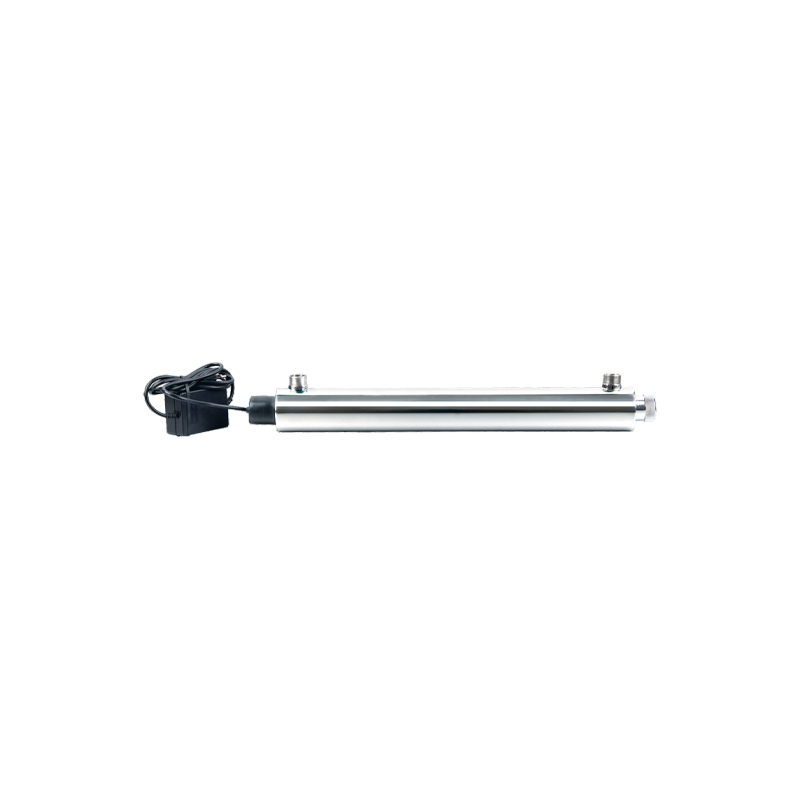 UV25W Stainless Steel Ultrafiltration Pre-Filtration UV Sterilizers For Water Cat:Ultraviolet Water Sterilizer
UV25W Stainless Steel Ultrafiltration Pre-Filtration UV Sterilizers For Water uses high-quality stainless steel materials, which have superb corrosion...
See Details -
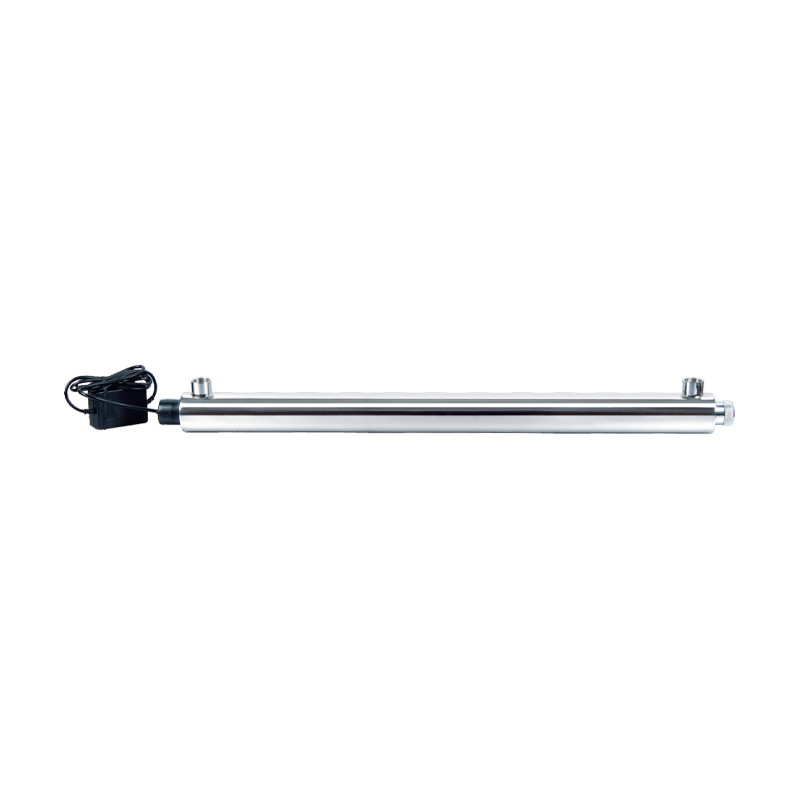 UV30W-55W Automatic Ultraviolet Sterilizer UV Filtration For Drinking Water Cat:Ultraviolet Water Sterilizer
The core advantage of UV30W-55W Automatic Ultraviolet Sterilizer UV Filtration For Drinking Water lies in its efficient and rapid disinfection capabil...
See Details -
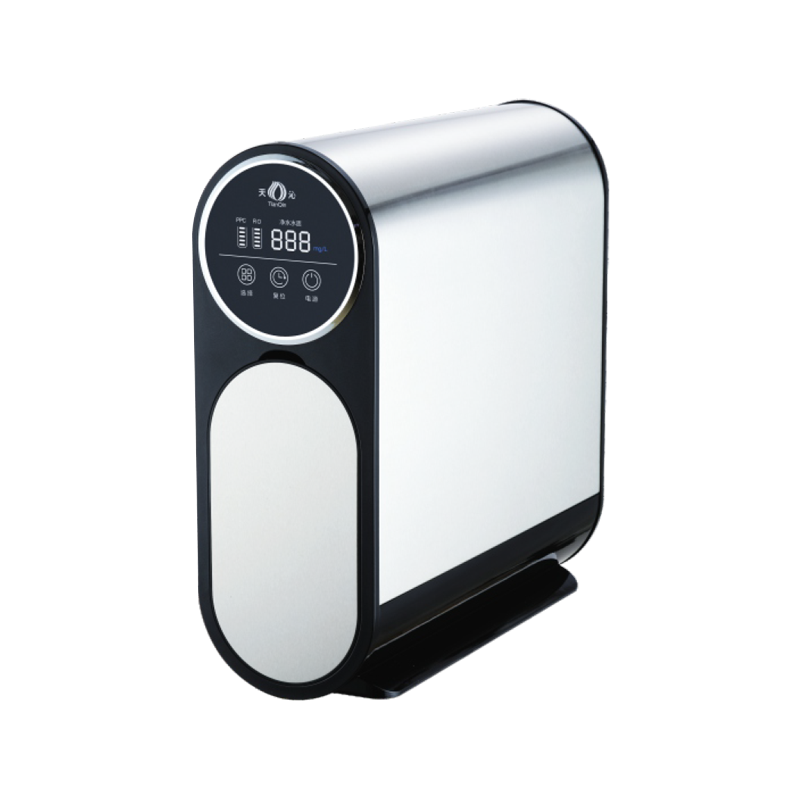 TQ-R03 Stainless Steel Booster Double Water Full Effect RO Water Purifier Cat:Stainless Steel Ro System
TQ-R03 Stainless Steel Booster Double Water Full Effect RO Water Purifier is a household water purification device that combines efficient water purif...
See Details -
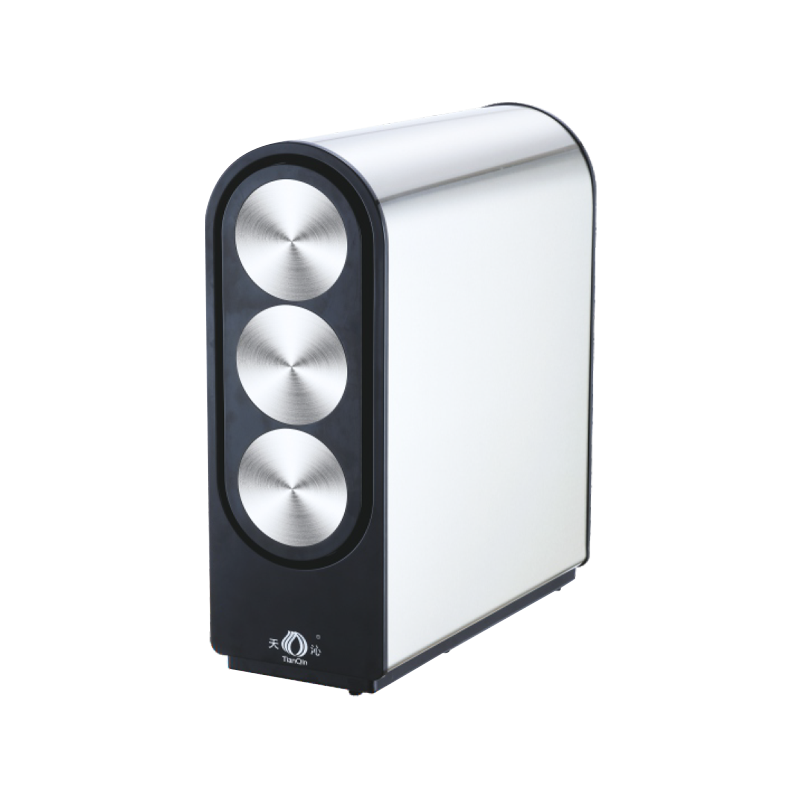 TQ-R05 Multifunctional Water Purification Source RO Water Purifier Cat:Stainless Steel Ro System
The TQ-R05 Multifunctional Water Purification Source RO Water Purifier is an advanced, versatile water purification solution designed for households a...
See Details -
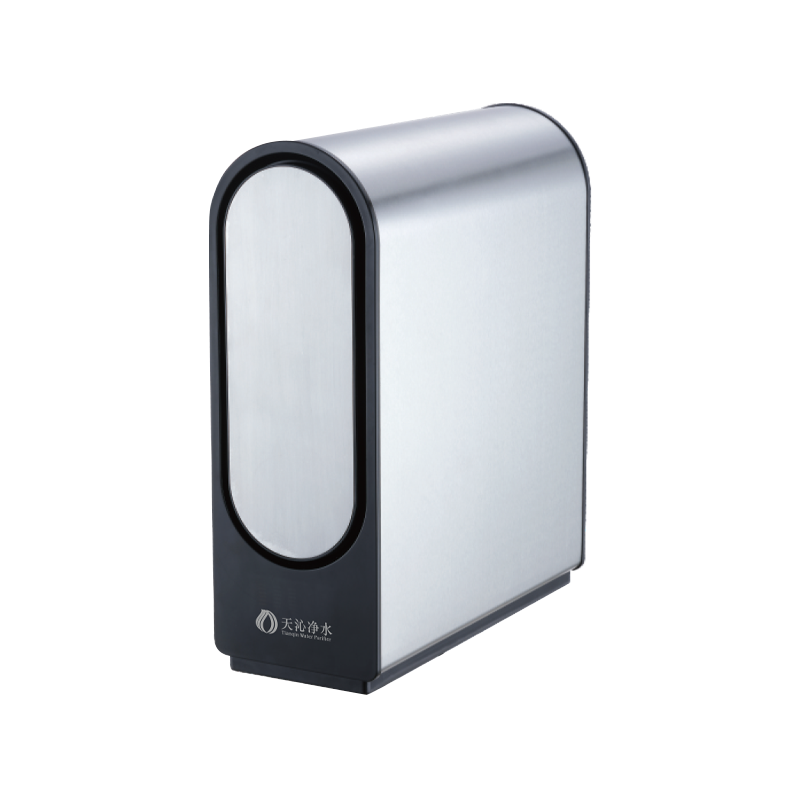 TQ-R06 Stainless Steel Environmentally Friendly RO Water Purifier Cat:Stainless Steel Ro System
The TQ-R06 Stainless Steel Environmentally Friendly RO Water Purifier combines advanced RO filtration technology, durable stainless steel housing, and...
See Details -
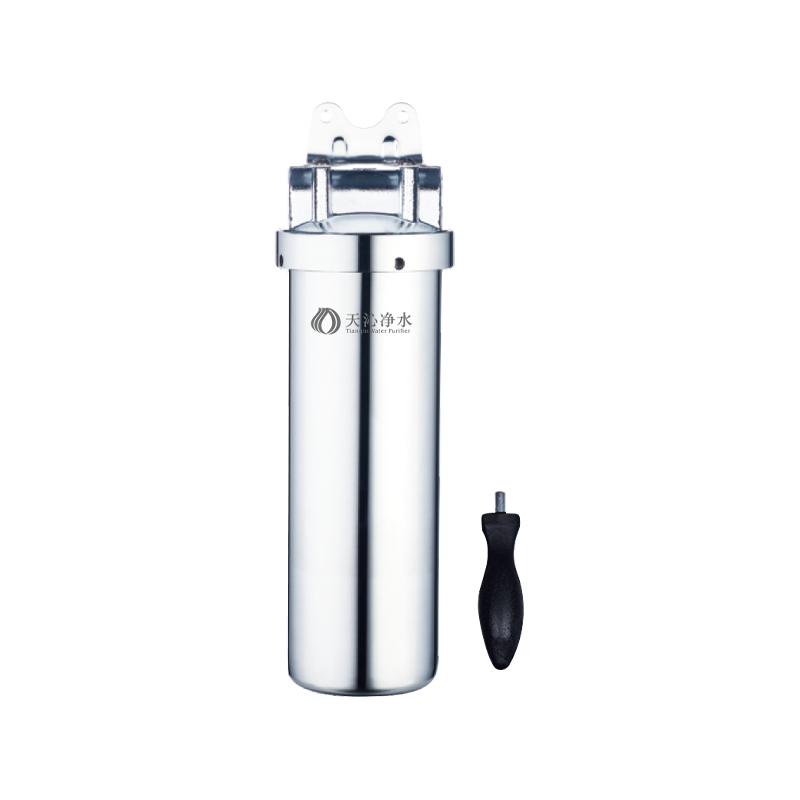 Stainless Steel Pure Double Water Pipe Water Purifier Cat:Stainless Steel Pipeline Water Purifier
The Stainless Steel Pure Double Water Pipe Water Purifier is an advanced water purification system designed to provide dual-mode purified water with e...
See Details -
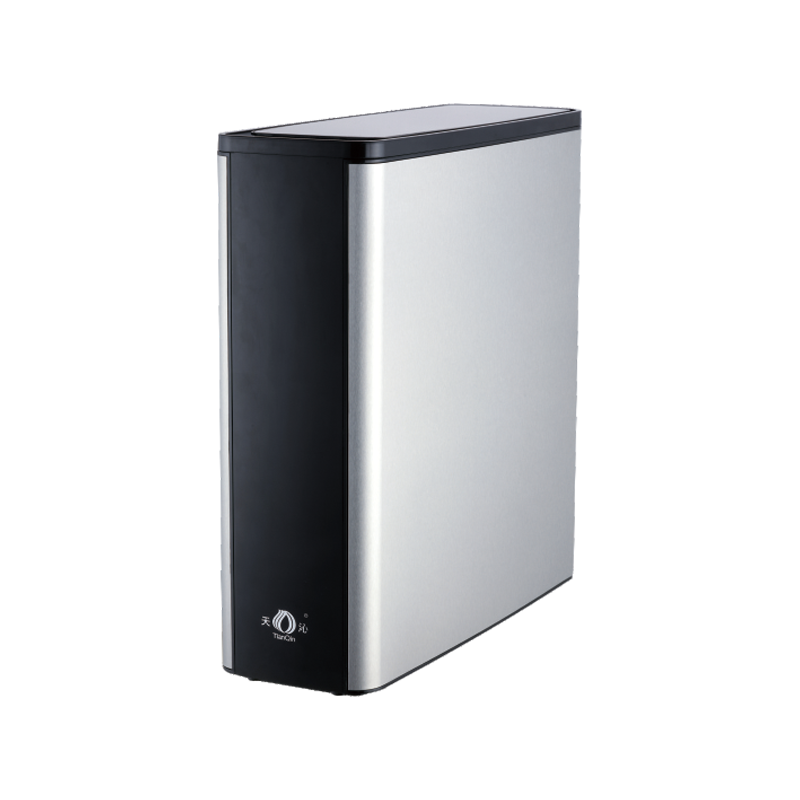 TQ-R08 Stainless Steel High-Flow RO Water Filter Cat:Stainless Steel Ro System
The Stainless Steel High-Flow RO Water Filter (TQ-R08) provides a powerful and effective solution for purifying drinking water, combining advanced rev...
See Details


 +86-0574-62381077/62386875

How Does an UV Sterilizer Work for Water? The Science of Chemical-Free Disinfection
A UV water sterilizer works by exposing water to ultraviolet light at a specific wavelength — typically 254 nanometers — that penetrates microbial cells and destroys their DNA or RNA, preventing them from reproducing and rendering them harmless. This process eliminates bacteria, viruses, and protozoa without adding any chemicals to the water. It is one of the most effective, fast-acting, and widely used methods for point-of-use water disinfection available today.
Content
- 1 The Core Mechanism: What UV Light Does to Microorganisms
- 2 Key Components Inside a UV Water Sterilizer
- 3 What a UV Sterilizer Can and Cannot Eliminate
- 4 The Role of UV Dose: Why Exposure Time and Intensity Matter
- 5 Factors That Reduce UV Sterilizer Effectiveness
- 6 UV Sterilizer vs. Other Water Disinfection Methods
- 7 Types of UV Water Sterilizer Systems
- 8 How to Choose and Maintain a UV Water Sterilizer
- 9 Is a UV Water Sterilizer Enough on Its Own?
The Core Mechanism: What UV Light Does to Microorganisms
Ultraviolet light occupies the spectrum between visible light and X-rays, spanning wavelengths from 100 to 400 nm. For water sterilization, the critical range is UV-C (200–280 nm), with 254 nm being the most germicidal wavelength because it coincides precisely with the peak absorption of nucleic acids in microbial DNA and RNA.
When a microorganism passes through a UV sterilizer chamber, the UV-C photons are absorbed by the thymine and cytosine bases in the organism's genetic material. This causes adjacent bases to bond together, forming what are called thymine dimers — structural defects that block the cell's ability to replicate its DNA. Without the ability to reproduce, the organism cannot cause infection. It is effectively inactivated, even if it remains physically present in the water.
Critically, this mechanism does not kill microorganisms in the traditional sense — it inactivates them permanently. The distinction matters because inactivation is sufficient for public health protection; a pathogen that cannot reproduce cannot cause disease.
Key Components Inside a UV Water Sterilizer
Understanding the hardware helps explain both how the system works and what can go wrong. A standard ultraviolet water sterilizer consists of four main parts:
- UV-C lamp: The light source, typically a low-pressure mercury lamp or, in newer systems, a UV-C LED array. Mercury lamps emit strongly at 254 nm; UV-C LEDs can be tuned to specific wavelengths and contain no mercury.
- Quartz sleeve: A transparent tube that surrounds the lamp, separating it from the water while allowing UV light to pass through with minimal absorption. Quartz is used because standard glass blocks UV-C wavelengths.
- Stainless steel reaction chamber: The cylindrical vessel through which water flows. Its reflective inner surface helps maximize UV exposure by bouncing light across the water column.
- Controller and sensor unit: Monitors lamp output, water flow rate, and UV intensity. Higher-end systems include UV sensors that alert users when lamp intensity falls below effective thresholds.
What a UV Sterilizer Can and Cannot Eliminate
UV sterilization is highly effective against a broad spectrum of pathogens, but it is not a universal solution. Knowing its scope prevents misuse.
| Contaminant Type | Examples | UV Effectiveness |
|---|---|---|
| Bacteria | E. coli, Salmonella, Cholera | Excellent (99.99%+ inactivation) |
| Viruses | Rotavirus, Hepatitis A, Norovirus | Very Good (requires higher dose) |
| Protozoa | Cryptosporidium, Giardia | Excellent (highly UV-sensitive) |
| Algae / Mold spores | Cyanobacteria, Aspergillus | Good |
| Heavy metals | Lead, Arsenic, Mercury | None |
| Chemical contaminants | Pesticides, Pharmaceuticals | None |
| Sediment / Turbidity | Dirt, Rust particles | None (blocks UV penetration) |
Notably, UV is one of the only disinfection methods effective against Cryptosporidium, a chlorine-resistant protozoan responsible for major waterborne disease outbreaks. Chlorine at standard doses cannot inactivate it; UV at a dose of just 10 mJ/cm² achieves 3-log (99.9%) inactivation.
The Role of UV Dose: Why Exposure Time and Intensity Matter
Effectiveness is not just about having a UV lamp — it depends on delivering a sufficient UV dose, measured in millijoules per square centimeter (mJ/cm²). UV dose is calculated as:
UV Dose (mJ/cm²) = UV Intensity (mW/cm²) × Exposure Time (seconds)
The U.S. EPA and NSF International (Standard 55) require a minimum validated dose of 40 mJ/cm² for residential drinking water systems to achieve a 4-log (99.99%) reduction in bacteria and viruses. Most certified household UV units are engineered to deliver this dose at their rated flow rate.
If water flows too quickly through the chamber — exceeding the system's rated flow rate — exposure time drops and the delivered dose may fall below the effective threshold. This is why matching system capacity to actual water flow is a critical installation consideration.
UV Dose Requirements by Pathogen
- E. coli (3-log inactivation): ~6 mJ/cm²
- Cryptosporidium (3-log inactivation): ~10 mJ/cm²
- Giardia (3-log inactivation): ~11 mJ/cm²
- Adenovirus (4-log inactivation): ~186 mJ/cm² (requires specialized high-output systems)
- NSF/EPA standard for drinking water: 40 mJ/cm² (covers most pathogens with a safety margin)
Factors That Reduce UV Sterilizer Effectiveness
Several water quality and equipment conditions can significantly undermine UV performance even when the system is running.
Water Turbidity and Suspended Particles
UV light cannot penetrate particles. Microorganisms that are shielded inside or behind suspended sediment receive no UV exposure and survive intact. Most UV system manufacturers require inlet water to have turbidity below 1 NTU (Nephelometric Turbidity Unit) for reliable disinfection. Pre-filtration with a 5-micron sediment filter before the UV unit is standard practice.
Iron, Manganese, and Tannins
Dissolved iron above 0.3 mg/L, manganese above 0.05 mg/L, or high tannin levels absorb UV light, reducing the intensity that reaches the water and lowering the effective dose. Water testing before installation helps identify whether upstream treatment (such as iron filtration) is needed.
Lamp Aging and Quartz Sleeve Fouling
UV lamps degrade over time. A standard low-pressure mercury lamp loses approximately 30–40% of its initial UV output after 9,000 hours of operation (roughly one year of continuous use), which is why annual lamp replacement is the universal recommendation regardless of whether the lamp still glows visibly. The quartz sleeve can also develop a mineral scale coating that blocks UV transmission; it should be cleaned every 6–12 months depending on water hardness.
UV Sterilizer vs. Other Water Disinfection Methods
UV disinfection has distinct advantages and limitations compared to chemical alternatives. Here is how it compares in practice:
| Criterion | UV Sterilizer | Chlorination | Reverse Osmosis |
|---|---|---|---|
| Bacteria removal | Excellent | Excellent | Good |
| Virus removal | Very Good | Good | Good |
| Cryptosporidium | Excellent | Poor | Good |
| Chemical byproducts | None | Yes (THMs, HAAs) | None |
| Taste / odor impact | None | Noticeable chlorine taste | None |
| Removes heavy metals | No | No | Yes |
| Residual protection | No | Yes | No |
| Running cost | Low | Low–Moderate | Moderate–High |
One important limitation: UV provides no residual disinfection. Once treated water leaves the UV chamber and sits in pipes or storage tanks, any recontamination from biofilm or post-treatment sources goes unchecked. For this reason, UV is best used as a point-of-use system at the final tap rather than at the main water entry for large storage systems.
Types of UV Water Sterilizer Systems
UV sterilizers are available in several configurations suited to different applications and water volumes.
Point-of-Use (Under-Sink) Systems
Installed beneath the kitchen sink and connected directly to the drinking water tap. Flow rates typically range from 0.5 to 2 gallons per minute (GPM). Ideal for households on well water or those seeking additional protection beyond municipal treatment.
Whole-House (Point-of-Entry) Systems
Installed at the main water supply line entering the home. These systems treat all water used in the house — for drinking, bathing, and laundry — with flow rates from 5 to 20+ GPM. Particularly valuable for homes relying on private wells where microbial contamination is a consistent concern.
Commercial and Municipal Systems
Large-scale UV reactors used in municipal water treatment, food and beverage processing, and aquaculture. These can handle tens of thousands of gallons per minute and are validated against EPA and NSF standards for public health compliance.
UV-C LED Systems
An emerging technology using UV-C LEDs instead of mercury lamps. Advantages include instant-on operation, no mercury content, longer theoretical lifespan (up to 10,000+ hours), and a smaller form factor. Current limitations include lower output intensity compared to mercury lamps, making them better suited for low-flow applications at present.
How to Choose and Maintain a UV Water Sterilizer
Selecting the right system and maintaining it correctly determines whether you get reliable protection or a false sense of security.
Selection Checklist
- Test your water first: Identify turbidity, iron, manganese, and microbial load to determine whether pre-treatment is needed before the UV unit.
- Match flow rate to your demand: Size the system so peak household flow (typically 6–10 GPM for a family home) does not exceed the unit's rated capacity.
- Look for NSF Standard 55 Class A certification: This certifies a minimum 40 mJ/cm² dose and 4-log pathogen reduction — the benchmark for drinking water safety.
- Choose systems with UV intensity monitors: These alert you when lamp output drops below safe levels, eliminating guesswork about when to replace the lamp.
- Plan for pre-filtration: Install a 5-micron sediment filter upstream, and if iron or hardness is high, add appropriate treatment before the UV unit.
Maintenance Schedule
- Every 12 months: Replace the UV lamp, even if it still illuminates — visible glow does not indicate sufficient UV-C output
- Every 6–12 months: Clean the quartz sleeve with a soft cloth and diluted citric acid solution to remove mineral deposits
- Every 6 months: Replace the upstream sediment pre-filter cartridge
- Annually: Test source water for microbiological contaminants to confirm the system is performing as expected
Is a UV Water Sterilizer Enough on Its Own?
For microbiological safety with clean, low-turbidity water, a properly maintained UV sterilizer is fully sufficient as a standalone disinfection method. It meets or exceeds EPA drinking water standards for pathogen reduction and does so without chemicals, taste impact, or harmful byproducts.
However, if your water also contains heavy metals, nitrates, volatile organic compounds, or high sediment — common in private well water — UV alone is not enough. In those cases, a multi-barrier approach combining sediment pre-filtration, activated carbon filtration (or reverse osmosis), and UV disinfection provides comprehensive protection across both chemical and biological contaminants.
The practical takeaway: UV sterilization is a highly reliable, chemically clean, and cost-effective technology for eliminating pathogens — but it works best as part of a system designed around your specific water quality profile, not as a plug-and-forget solution.
-
 Tel: +86-0574-62381077/62386875
-
 E-mail: leozhanglei@nbtianqin.net
-
 Add: Wuma Industrial Zone, Lubu Town, Yuyao City, Zhejiang Province, China.
Copyright © 2024 by Yuyao Tianqin Water Purification Equipment Co..Ltd.
All Rights Reserved.
 Wholesale Water Purifier Manufacturers

