 English
 中文简体
中文简体-
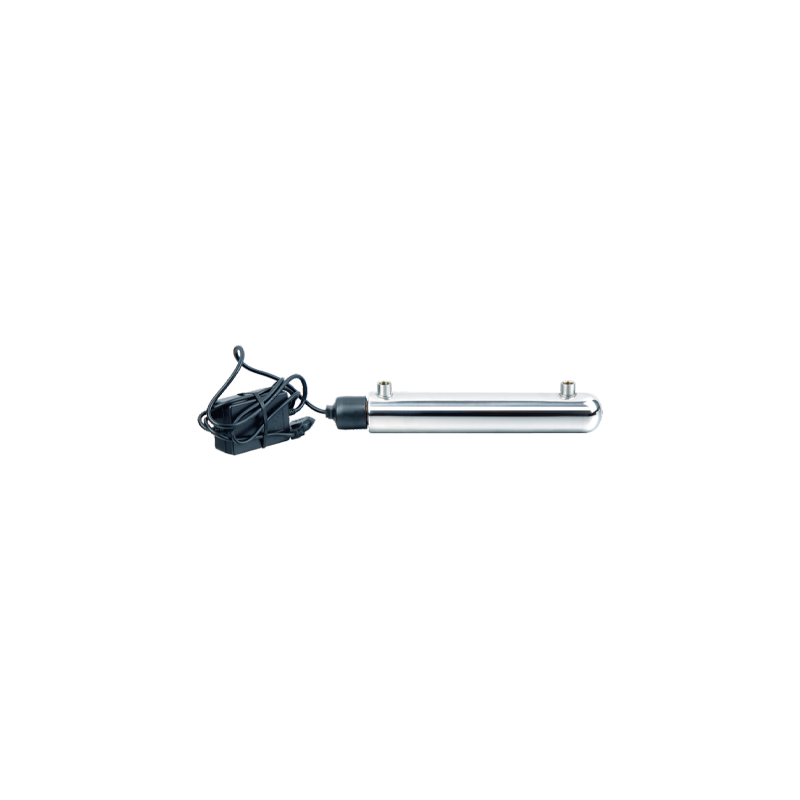 UV11W High-efficiency Intelligent UV Water Sterilizer Cat:Ultraviolet Water Sterilizer
The UV11W High-efficiency Intelligent UV Water Sterilizer is an advanced water purification system that offers convenience and reliability. This steri...
See Details -
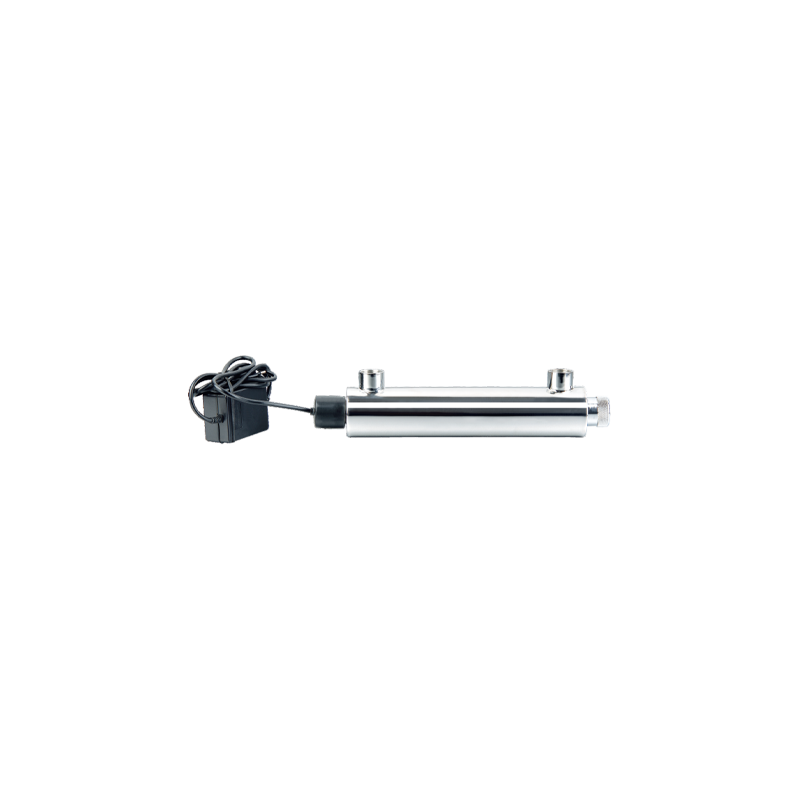 UV16W-A Household Stainless Steel UV Water Sterilizer Cat:Ultraviolet Water Sterilizer
The UV16W-A Household Stainless Steel UV Water Sterilizer is an innovative solution for ensuring safe and pure water in your home. Designed with durab...
See Details -
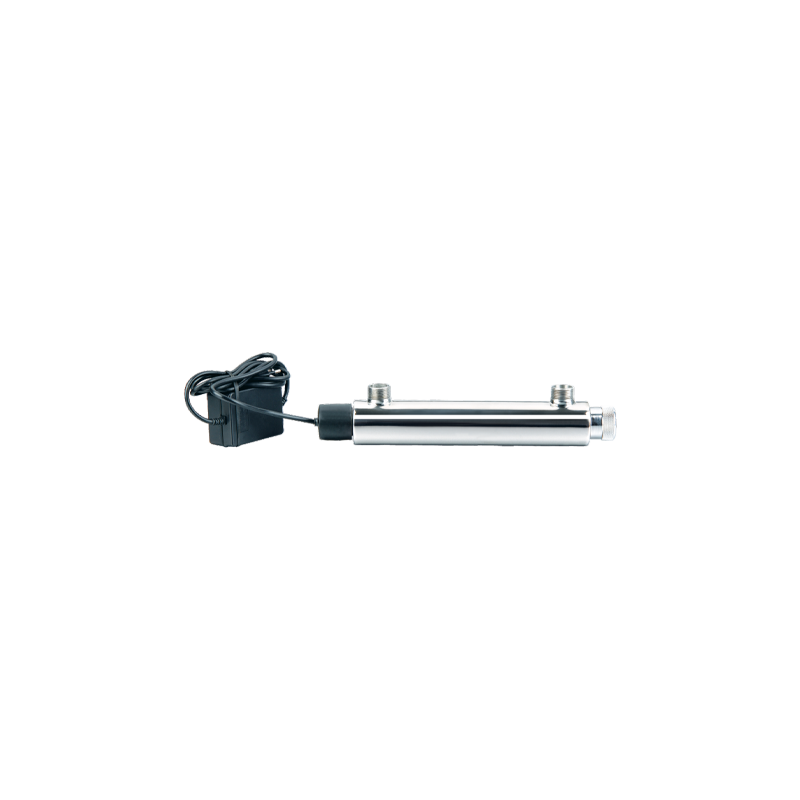 UV16W-B 304 Stainless Steel Water Purifier Ultraviolet Water Sterilizer Cat:Ultraviolet Water Sterilizer
UV16W-B 304 Stainless Steel Water Purifier Ultraviolet Water Sterilizer is an efficient water treatment equipment based on advanced ultraviolet disinf...
See Details -
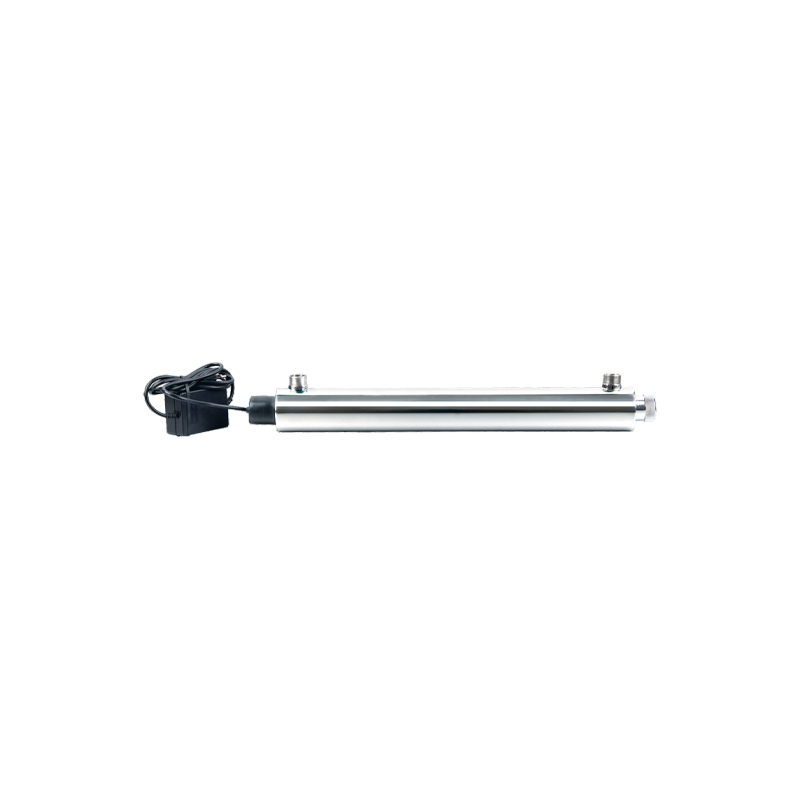 UV25W Stainless Steel Ultrafiltration Pre-Filtration UV Sterilizers For Water Cat:Ultraviolet Water Sterilizer
UV25W Stainless Steel Ultrafiltration Pre-Filtration UV Sterilizers For Water uses high-quality stainless steel materials, which have superb corrosion...
See Details -
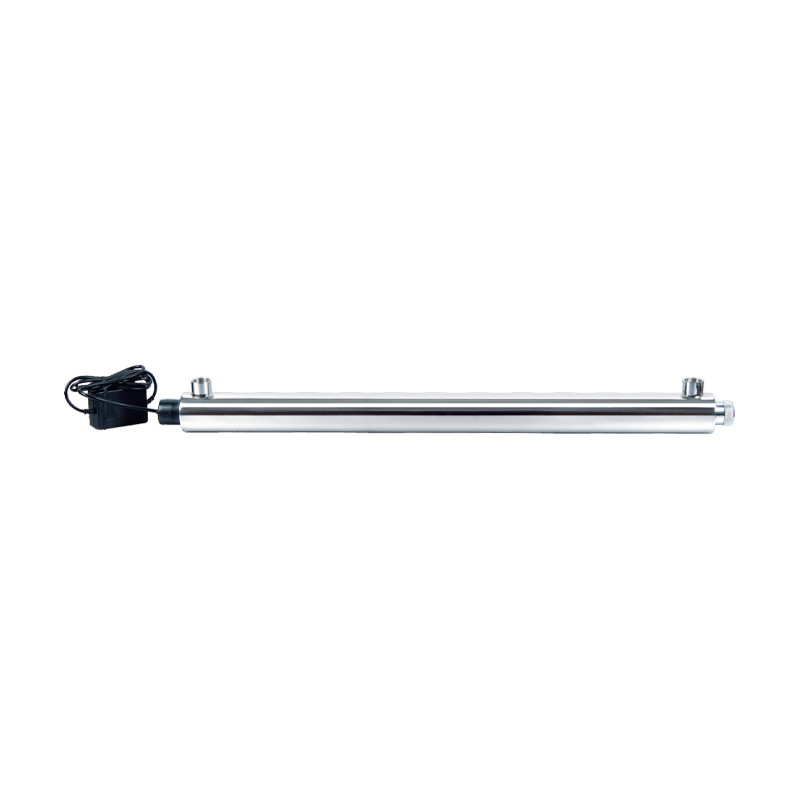 UV30W-55W Automatic Ultraviolet Sterilizer UV Filtration For Drinking Water Cat:Ultraviolet Water Sterilizer
The core advantage of UV30W-55W Automatic Ultraviolet Sterilizer UV Filtration For Drinking Water lies in its efficient and rapid disinfection capabil...
See Details -
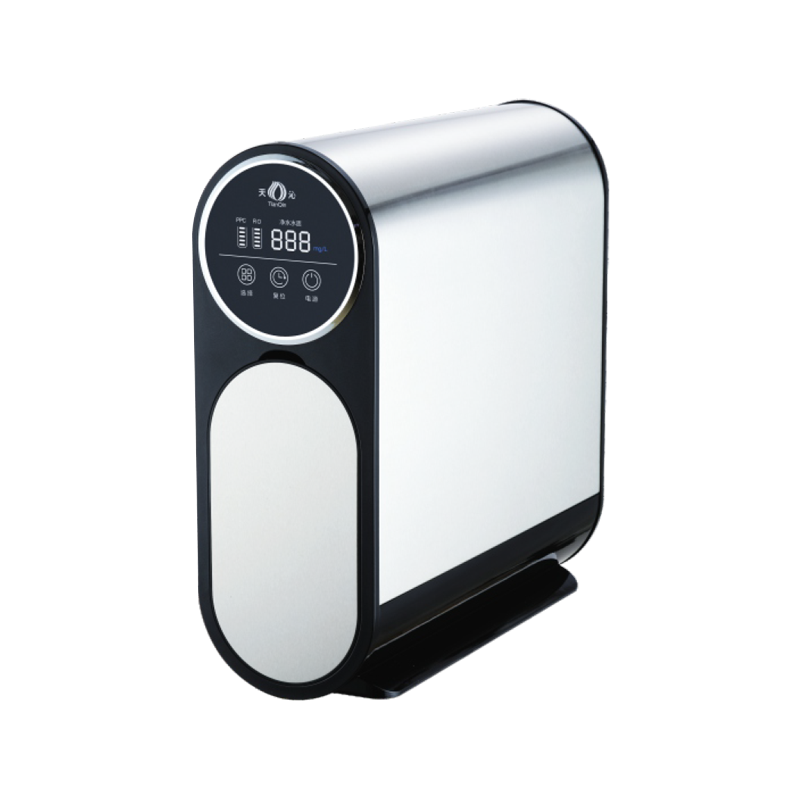 TQ-R03 Stainless Steel Booster Double Water Full Effect RO Water Purifier Cat:Stainless Steel Ro System
TQ-R03 Stainless Steel Booster Double Water Full Effect RO Water Purifier is a household water purification device that combines efficient water purif...
See Details -
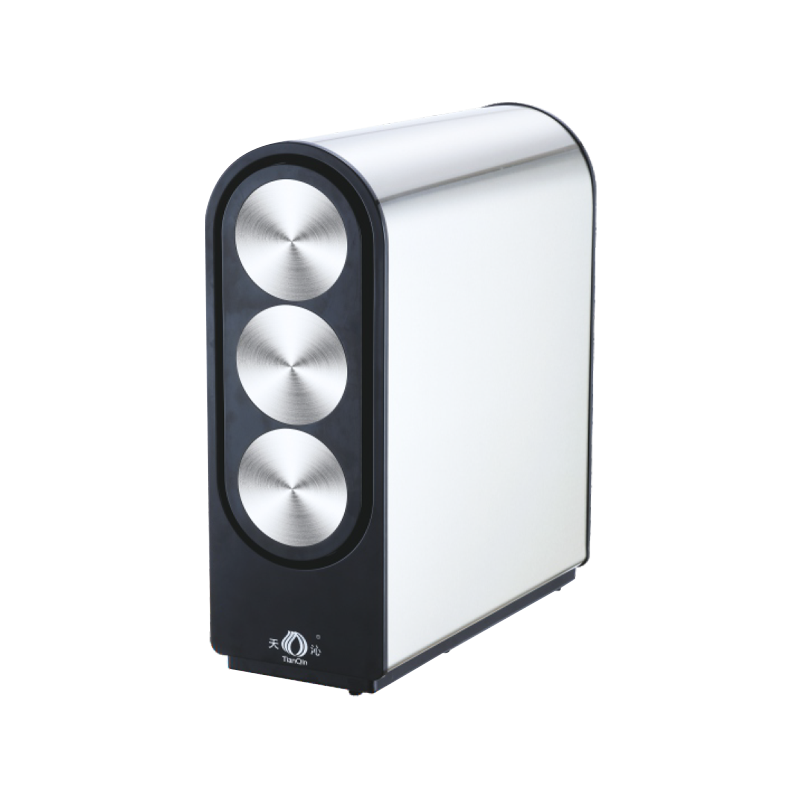 TQ-R05 Multifunctional Water Purification Source RO Water Purifier Cat:Stainless Steel Ro System
The TQ-R05 Multifunctional Water Purification Source RO Water Purifier is an advanced, versatile water purification solution designed for households a...
See Details -
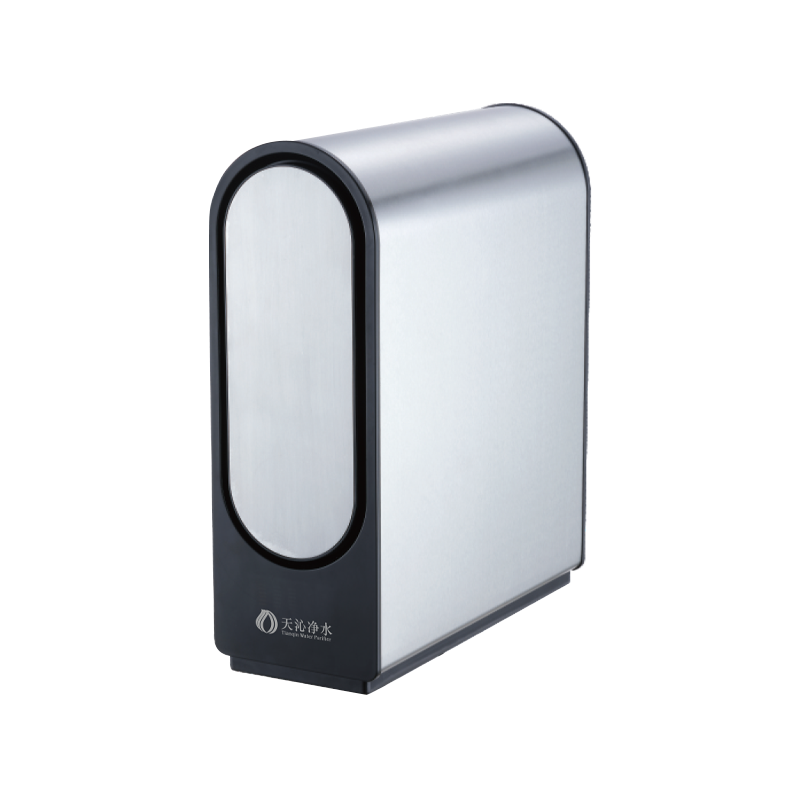 TQ-R06 Stainless Steel Environmentally Friendly RO Water Purifier Cat:Stainless Steel Ro System
The TQ-R06 Stainless Steel Environmentally Friendly RO Water Purifier combines advanced RO filtration technology, durable stainless steel housing, and...
See Details -
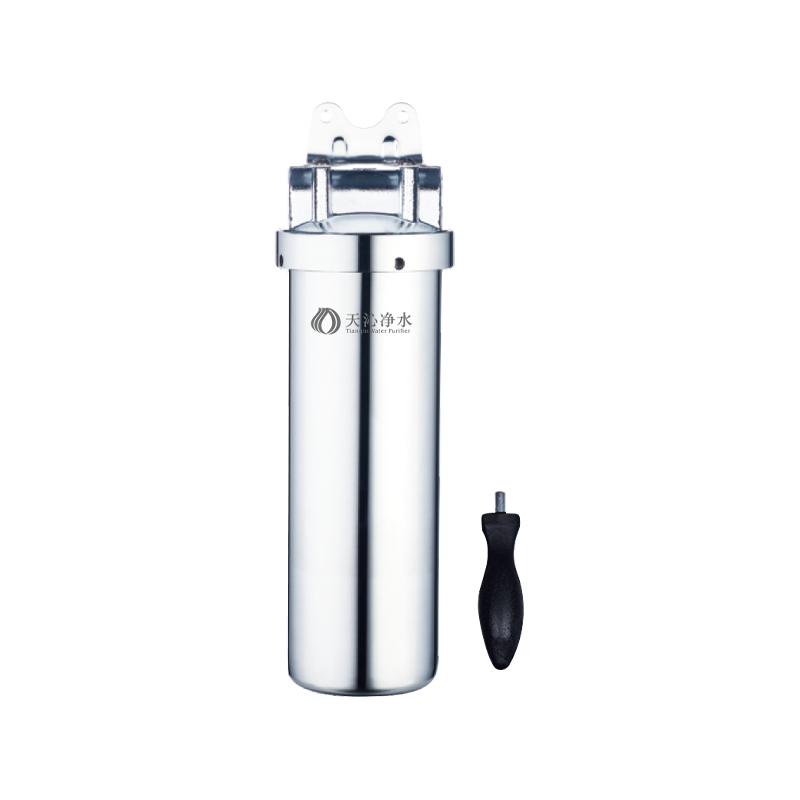 Stainless Steel Pure Double Water Pipe Water Purifier Cat:Stainless Steel Pipeline Water Purifier
The Stainless Steel Pure Double Water Pipe Water Purifier is an advanced water purification system designed to provide dual-mode purified water with e...
See Details -
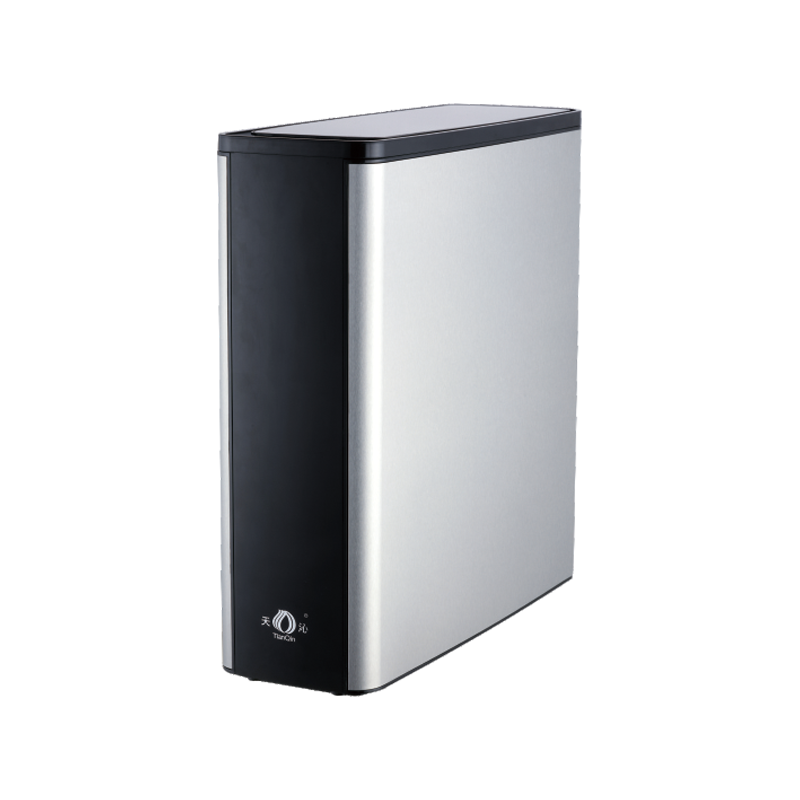 TQ-R08 Stainless Steel High-Flow RO Water Filter Cat:Stainless Steel Ro System
The Stainless Steel High-Flow RO Water Filter (TQ-R08) provides a powerful and effective solution for purifying drinking water, combining advanced rev...
See Details


 +86-0574-62381077/62386875

What Contaminants Do Water Filters Remove?
Water filters remove a wide range of contaminants depending on the filtration technology used. The most effective home filtration systems — particularly reverse osmosis — can remove over 99% of lead, arsenic, nitrates, PFAS, bacteria, viruses, heavy metals, and hundreds of other contaminants. However, no single filter type removes everything, and many common filters like standard pitcher filters or activated carbon blocks only address a specific subset of contaminants such as chlorine, chloramines, and some heavy metals.
The U.S. Environmental Protection Agency (EPA) regulates over 90 contaminants in public drinking water, and the Environmental Working Group (EWG) has detected more than 300 contaminants in U.S. tap water through its National Tap Water Database. Understanding which filter removes which contaminant is the only way to ensure your specific water concern is actually being addressed.
Content
- 1 The Main Categories of Water Contaminants
- 2 What Activated Carbon Filters Remove
- 3 What Reverse Osmosis Filters Remove
- 4 What UV Filters Remove
- 5 What Sediment Filters Remove
- 6 Contaminant Removal by Filter Type: Quick Reference
- 7 PFAS: The Emerging Contaminant Water Filters Must Address
- 8 Lead in Drinking Water: What Filters Actually Work
- 9 How to Know Which Contaminants Are in Your Water
- 10 What Water Filters Cannot Remove: Important Limitations
The Main Categories of Water Contaminants
Water contaminants fall into five broad categories, each requiring different filtration approaches. Knowing which category your concern falls into is the first step to selecting an effective filter.
- Microbial contaminants: Bacteria, viruses, protozoa, and cysts such as Giardia and Cryptosporidium. These are biological organisms that cause gastrointestinal illness and serious infection.
- Heavy metals and inorganic chemicals: Lead, arsenic, mercury, cadmium, chromium-6, nitrates, and fluoride. These enter water through aging pipes, agricultural runoff, and industrial discharge.
- Disinfection byproducts and chemical additives: Chlorine, chloramines, trihalomethanes (THMs), and haloacetic acids — created when municipal treatment chemicals react with organic matter in water.
- Emerging contaminants (PFAS, pharmaceuticals, microplastics): Per- and polyfluoroalkyl substances (PFAS), prescription drug residues, hormones, and microplastic particles — newer categories of concern with incomplete regulatory frameworks.
- Sediment and particulates: Rust, sand, silt, and suspended solids that affect taste, clarity, and can damage appliances.
What Activated Carbon Filters Remove
Activated carbon is the most widely used filtration medium, found in pitcher filters, under-sink carbon block filters, refrigerator filters, and shower filters. It works through adsorption — contaminant molecules bond to the carbon's enormous surface area (a single gram of activated carbon can have a surface area exceeding 1,000 square meters).
Contaminants Effectively Removed by Activated Carbon
- Chlorine: Reduces chlorine by 95–99% — the primary reason most people use a filter, as chlorine causes the characteristic tap water taste and odor.
- Chloramines: Catalytic activated carbon (a specialized form) reduces chloramines effectively. Standard carbon is less effective against chloramines.
- Trihalomethanes (THMs) and haloacetic acids: Disinfection byproducts linked to increased cancer risk at long-term elevated exposure are well-adsorbed by carbon.
- Volatile organic compounds (VOCs): Benzene, toluene, xylene, and industrial solvents that may enter groundwater are efficiently removed.
- Pesticides and herbicides: Atrazine, glyphosate, and other agricultural chemicals adsorb well to carbon.
- Lead (carbon block filters): High-density carbon block filters certified to NSF/ANSI Standard 53 can reduce lead by over 99% — though granular activated carbon (GAC) filters are less effective for lead.
- Some PFAS: Certain long-chain PFAS compounds adsorb to activated carbon, though removal rates vary significantly and shorter-chain PFAS are less effectively captured.
What Activated Carbon Does NOT Remove
- Dissolved minerals (calcium, magnesium, sodium)
- Nitrates and nitrites
- Arsenic (in most standard carbon configurations)
- Bacteria and viruses (carbon can harbor microbial growth if not maintained)
- Fluoride
- Total dissolved solids (TDS)
What Reverse Osmosis Filters Remove
Reverse osmosis (RO) is the most comprehensive residential filtration technology available. Water is forced under pressure through a semipermeable membrane with pores of approximately 0.0001 microns — small enough to block virtually all dissolved solids, heavy metals, and most microorganisms. Most RO systems combine the membrane with activated carbon pre- and post-filters for a multi-stage approach.
Contaminants Removed by Reverse Osmosis
- Lead: Removes 95–99%+ — critical for homes with older plumbing or lead service lines.
- Arsenic (As III and As V): Removes 90–95%+ of both arsenic forms — a major concern in well water across the American Southwest and Southeast Asia.
- Nitrates and nitrites: Removes 85–95% — essential for households with infants, as nitrates cause methemoglobinemia ("blue baby syndrome") at concentrations above 10 mg/L.
- Fluoride: Removes 85–95% — relevant for those in communities with fluoridated water supplies or areas with naturally high fluoride in groundwater.
- PFAS (per- and polyfluoroalkyl substances): Removes over 90% of most PFAS compounds including PFOA and PFOS — RO is one of the most effective residential technologies for PFAS removal.
- Chromium-6 (hexavalent chromium): Removes 85–99% — a carcinogen found in tap water across many U.S. cities.
- Bacteria and cysts: The membrane blocks Giardia, Cryptosporidium, and most bacteria, though viruses require additional UV treatment for complete removal.
- Total dissolved solids (TDS): Reduces TDS by 90–99%, producing water with very low mineral content.
- Pharmaceuticals and hormones: Removes the majority of pharmaceutical residues detected in municipal water supplies.
- Microplastics: The 0.0001-micron membrane blocks virtually all microplastic particles, which typically range from 1 micron to several millimeters in size.
The primary trade-off of reverse osmosis is water waste — standard RO systems produce 3–4 gallons of wastewater for every 1 gallon of filtered water, though high-efficiency models now achieve ratios closer to 1:1. RO also removes beneficial minerals like calcium and magnesium, which some users address with a remineralization post-filter.
What UV Filters Remove
Ultraviolet (UV) purification works fundamentally differently from carbon and membrane filtration — it does not remove contaminants from water but instead destroys their ability to reproduce by damaging their DNA with UV-C light at 254 nanometers. UV systems are therefore exclusively effective against biological threats.
- Bacteria: Inactivates 99.99% of bacteria including E. coli, Salmonella, Legionella, and Campylobacter — the most common causes of waterborne illness.
- Viruses: Inactivates 99.99%+ of viruses including norovirus, rotavirus, and hepatitis A — the major gap that RO alone cannot reliably address.
- Protozoa and cysts: Inactivates Giardia and Cryptosporidium, which are resistant to chlorine disinfection at standard doses.
UV purification removes zero chemical contaminants, heavy metals, or dissolved solids. It is used as the final stage in multi-technology systems — typically following sediment filtration and carbon treatment — for well water, travel situations, or any scenario where microbial contamination is the primary concern.
What Sediment Filters Remove
Sediment filters are mechanical filters — typically polypropylene or pleated polyester — that physically trap particles above a certain size. They are rated by micron size, with common residential ratings of 1, 5, 10, and 50 microns.
- Rust and iron particles: Common in older municipal systems and homes with iron pipes.
- Sand and grit: Especially relevant for well water users or areas with aging distribution infrastructure.
- Silt and turbidity: Fine suspended particles that cause cloudiness and can interfere with the effectiveness of downstream filters.
- Some cysts (1-micron filters): Giardia (6–10 microns) and Cryptosporidium (4–6 microns) are physically blocked by 1-micron absolute sediment filters.
Sediment filters are almost always used as pre-filters to protect more expensive downstream filtration stages. They remove no dissolved contaminants whatsoever — chemicals, heavy metals, bacteria, and viruses pass through unaffected.
Contaminant Removal by Filter Type: Quick Reference
The following table provides a consolidated comparison of the four primary residential filter technologies against the most common water contaminants of concern:
| Contaminant | Activated Carbon | Reverse Osmosis | UV Purification | Sediment Filter |
|---|---|---|---|---|
| Chlorine / Taste & Odor | effective | effective | not effective | not effective |
| Lead | partial (block only) | effective | not effective | not effective |
| Arsenic | not effective | effective | not effective | not effective |
| Nitrates | not effective | effective | not effective | not effective |
| Fluoride | not effective | effective | not effective | not effective |
| PFAS | partial (partial) | effective | not effective | not effective |
| Bacteria | not effective | partial (blocks, not kills) | effective | not effective |
| Viruses | not effective | partial (partial) | effective | not effective |
| Giardia / Cryptosporidium | not effective | effective | effective | partial (1 micron only) |
| Microplastics | partial (block filters) | effective | not effective | partial (larger particles) |
| Sediment / Rust / Sand | partial (some) | effective (with pre-filter) | not effective | effective |
| VOCs / Pesticides | effective | effective | not effective | not effective |
PFAS: The Emerging Contaminant Water Filters Must Address
PFAS — per- and polyfluoroalkyl substances — represent one of the most serious emerging water quality concerns. Often called "forever chemicals" because they do not break down in the environment, PFAS have been detected in the drinking water of an estimated 200 million Americans according to Environmental Working Group analysis. The EPA set the first-ever enforceable Maximum Contaminant Level (MCL) for PFOA and PFOS at 4 parts per trillion in April 2024 — among the strictest drinking water standards ever established.
Research on PFAS filter effectiveness shows the following removal rates for common technologies:
- Reverse osmosis: Removes 90–99% of most PFAS compounds — the most effective residential option.
- Activated carbon (NSF/ANSI 58 certified): Removes 73–96% of longer-chain PFAS like PFOA and PFOS, but significantly less effective for shorter-chain variants like PFBS and PFHxS.
- Standard pitcher filters (Brita, PUR): Remove only 40–73% of some PFAS — insufficient for high-PFAS water sources.
- UV and sediment filters: No meaningful removal of PFAS — these technologies are chemically and physically incapable of capturing PFAS molecules.
Lead in Drinking Water: What Filters Actually Work
Lead contamination is particularly insidious because it has no taste, odor, or color, and enters water primarily through lead service lines and lead-containing solder in plumbing — not from the source water itself. The EPA estimates that up to 10 million homes in the United States still receive water through lead service lines.
The key distinction for lead filtration is filter certification:
- NSF/ANSI Standard 53 certified filters are independently tested and verified to reduce lead by 99%+ at levels up to 150 ppb — the standard all lead-removal filter claims should be verified against.
- Carbon block filters certified to NSF 53: Highly effective for lead removal when properly maintained and replaced on schedule.
- Reverse osmosis systems: Effectively remove lead in all forms — both particulate and dissolved ionic lead.
- Pitcher filters without NSF 53 certification: Should not be relied upon for lead removal — many standard pitcher filters are only certified to NSF 42 (aesthetic improvements, not health contaminants).
The EPA's action level for lead is 15 parts per billion (ppb), but the agency has stated there is no safe level of lead exposure for children — making effective filtration critical in any home with plumbing that may contain lead components.
How to Know Which Contaminants Are in Your Water
Selecting a filter without knowing what's actually in your water risks spending money on technology that doesn't address your real concern — or missing a genuine health threat entirely. Three practical approaches exist for identifying your specific water contaminants:
- Review your Consumer Confidence Report (CCR): All U.S. community water systems are required to publish an annual water quality report. Available from your utility's website or by request, it lists detected contaminants and their levels relative to EPA standards. Search the EPA's website by ZIP code to access your local report.
- Use the EWG Tap Water Database: The Environmental Working Group's database covers over 48,000 utilities and includes contaminants that utilities are not legally required to disclose — including those detected below current (but potentially unsafe) regulatory limits.
- Commission independent water testing: Certified laboratory tests from services like National Testing Laboratories or SimpleLab (Tap Score) provide a detailed contaminant profile of your specific tap water for $100–$400 depending on test panel depth. This is the most accurate approach and is strongly recommended for well water users, who have no utility oversight of their water quality.
Once you know what's in your water, verify that any filter you consider carries NSF/ANSI certification for the specific contaminants you need removed — not just a manufacturer's marketing claim. NSF certification means the removal claims have been independently validated through standardized testing protocols.
What Water Filters Cannot Remove: Important Limitations
Understanding filter limitations is as important as understanding capabilities. Several contaminants are difficult to remove with common residential filtration:
- Total dissolved solids (TDS) — most filters: Only reverse osmosis and distillation significantly reduce TDS. Activated carbon filters leave dissolved mineral content unchanged.
- Dissolved oxygen and carbon dioxide: No residential filter removes these gases, which affect taste and carbonate chemistry.
- Hardness minerals (calcium, magnesium) — most filters: Only water softeners (ion exchange) and RO reduce water hardness. Carbon filters and UV do not address hardness.
- Some short-chain PFAS: Even RO systems show reduced effectiveness against the newest short-chain PFAS compounds being introduced as replacements for legacy PFAS chemicals.
- Radon (dissolved gas): Most filters do not address dissolved radon gas — aeration treatment is required for radon-contaminated well water.
For households with complex water quality concerns, a multi-stage system combining sediment pre-filtration, activated carbon, reverse osmosis, and UV disinfection provides the most comprehensive protection available at the residential level — addressing chemical, biological, and particulate contaminants in a single integrated system.
-
 Tel: +86-0574-62381077/62386875
-
 E-mail: leozhanglei@nbtianqin.net
-
 Add: Wuma Industrial Zone, Lubu Town, Yuyao City, Zhejiang Province, China.
Copyright © 2024 by Yuyao Tianqin Water Purification Equipment Co..Ltd.
All Rights Reserved.
 Wholesale Water Purifier Manufacturers

