 English
 中文简体
中文简体-
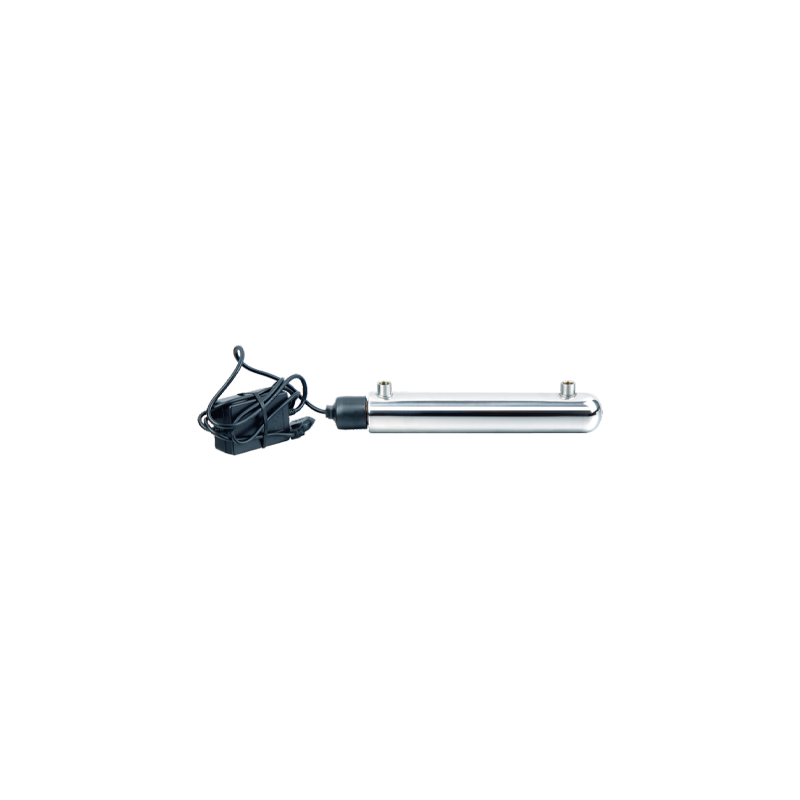 UV11W High-efficiency Intelligent UV Water Sterilizer Cat:Ultraviolet Water Sterilizer
The UV11W High-efficiency Intelligent UV Water Sterilizer is an advanced water purification system that offers convenience and reliability. This steri...
See Details -
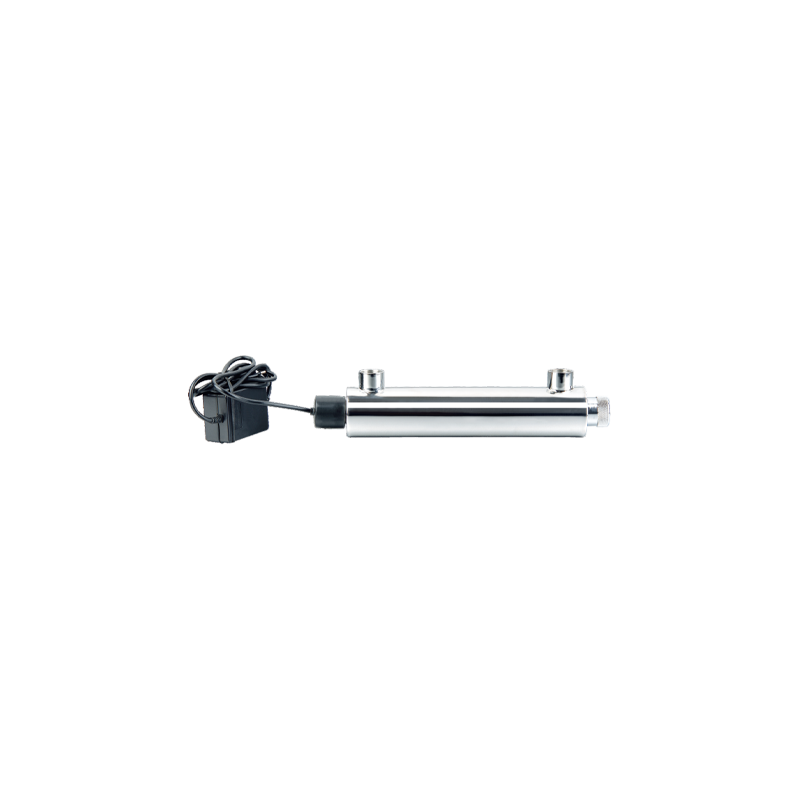 UV16W-A Household Stainless Steel UV Water Sterilizer Cat:Ultraviolet Water Sterilizer
The UV16W-A Household Stainless Steel UV Water Sterilizer is an innovative solution for ensuring safe and pure water in your home. Designed with durab...
See Details -
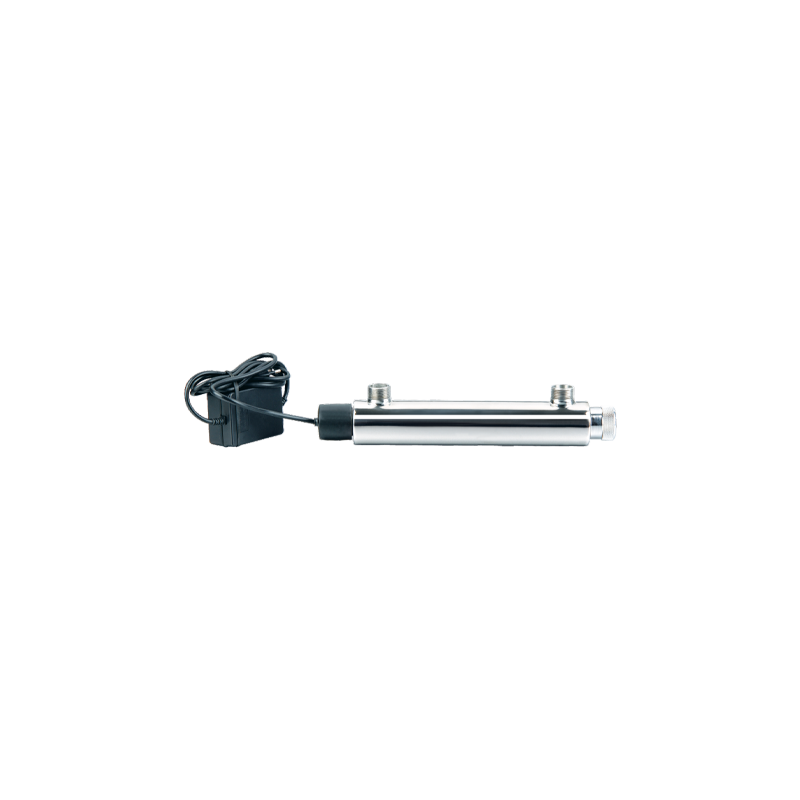 UV16W-B 304 Stainless Steel Water Purifier Ultraviolet Water Sterilizer Cat:Ultraviolet Water Sterilizer
UV16W-B 304 Stainless Steel Water Purifier Ultraviolet Water Sterilizer is an efficient water treatment equipment based on advanced ultraviolet disinf...
See Details -
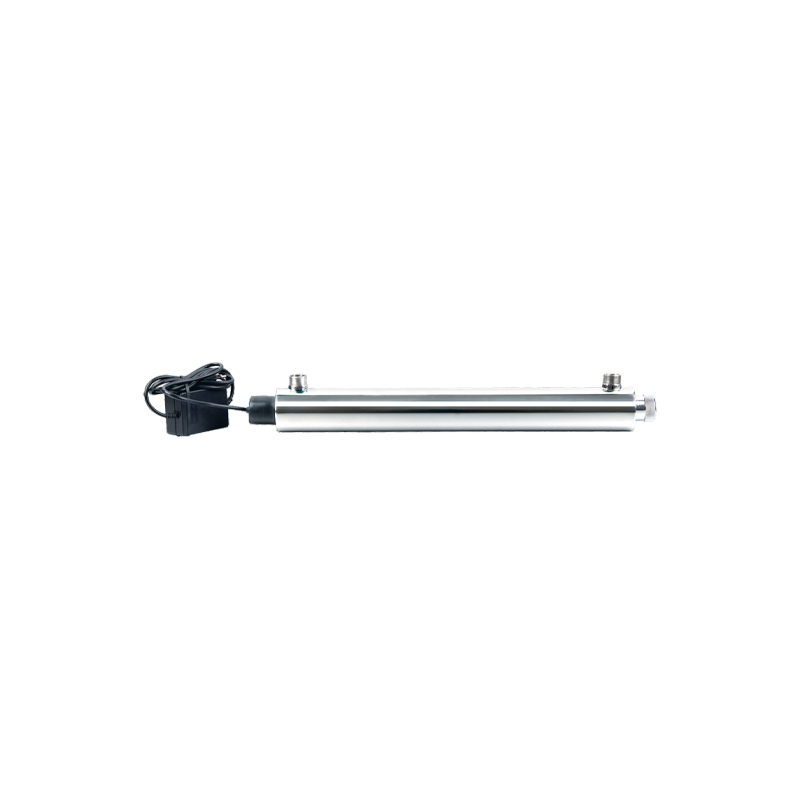 UV25W Stainless Steel Ultrafiltration Pre-Filtration UV Sterilizers For Water Cat:Ultraviolet Water Sterilizer
UV25W Stainless Steel Ultrafiltration Pre-Filtration UV Sterilizers For Water uses high-quality stainless steel materials, which have superb corrosion...
See Details -
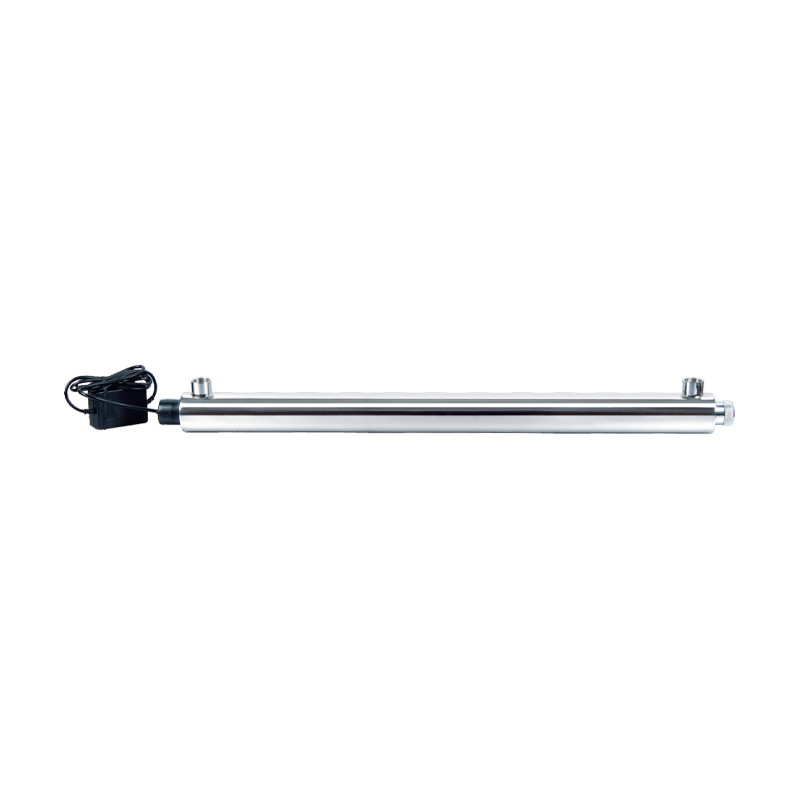 UV30W-55W Automatic Ultraviolet Sterilizer UV Filtration For Drinking Water Cat:Ultraviolet Water Sterilizer
The core advantage of UV30W-55W Automatic Ultraviolet Sterilizer UV Filtration For Drinking Water lies in its efficient and rapid disinfection capabil...
See Details -
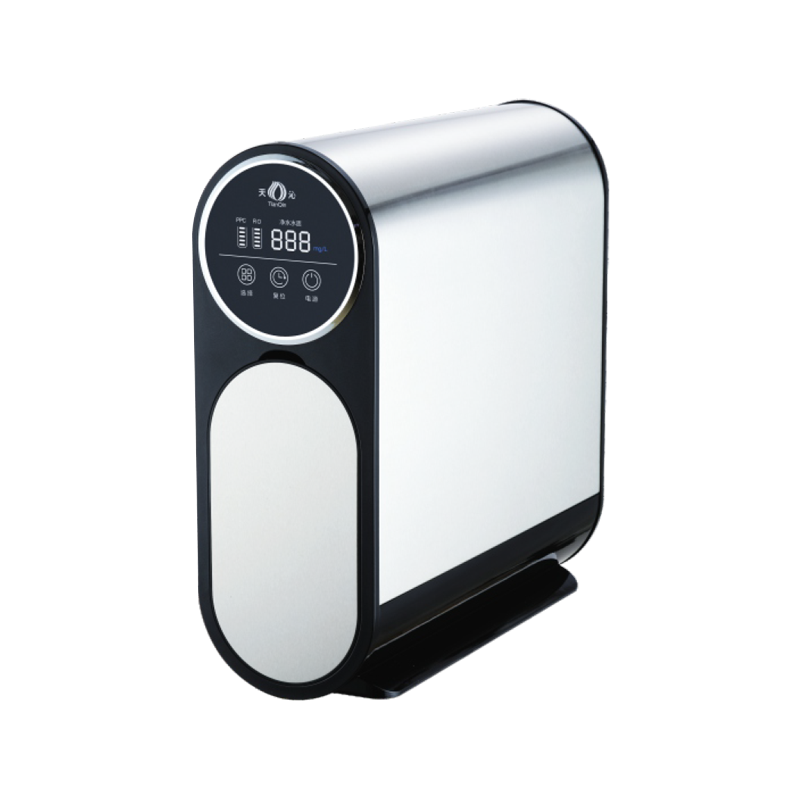 TQ-R03 Stainless Steel Booster Double Water Full Effect RO Water Purifier Cat:Stainless Steel Ro System
TQ-R03 Stainless Steel Booster Double Water Full Effect RO Water Purifier is a household water purification device that combines efficient water purif...
See Details -
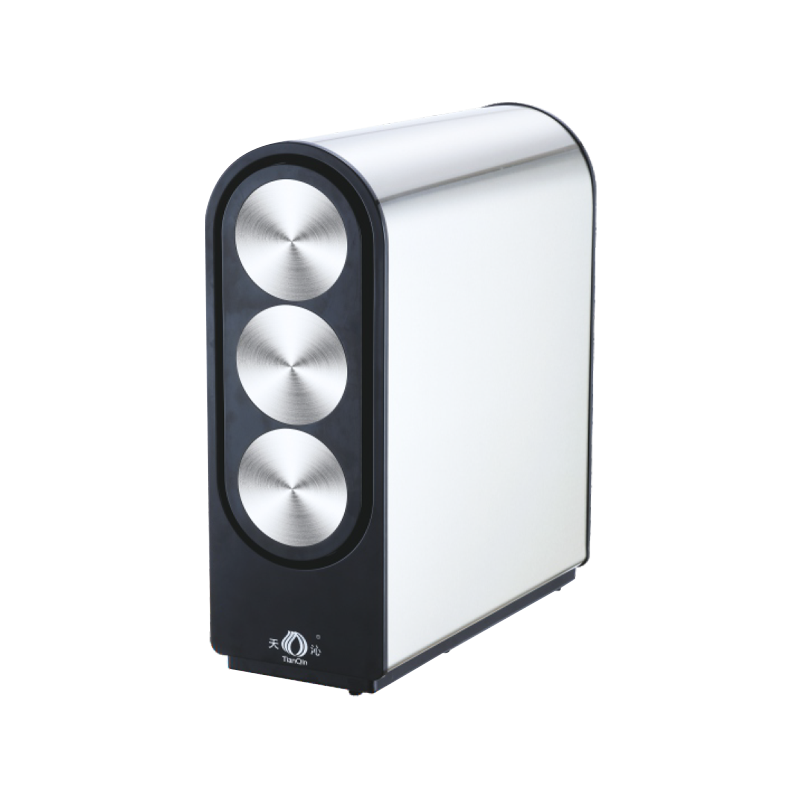 TQ-R05 Multifunctional Water Purification Source RO Water Purifier Cat:Stainless Steel Ro System
The TQ-R05 Multifunctional Water Purification Source RO Water Purifier is an advanced, versatile water purification solution designed for households a...
See Details -
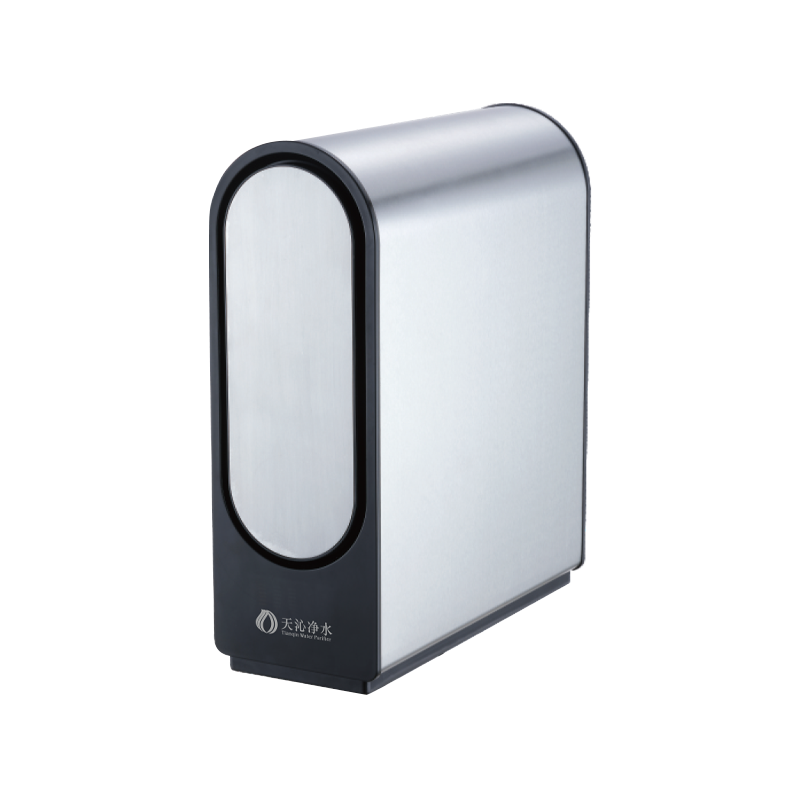 TQ-R06 Stainless Steel Environmentally Friendly RO Water Purifier Cat:Stainless Steel Ro System
The TQ-R06 Stainless Steel Environmentally Friendly RO Water Purifier combines advanced RO filtration technology, durable stainless steel housing, and...
See Details -
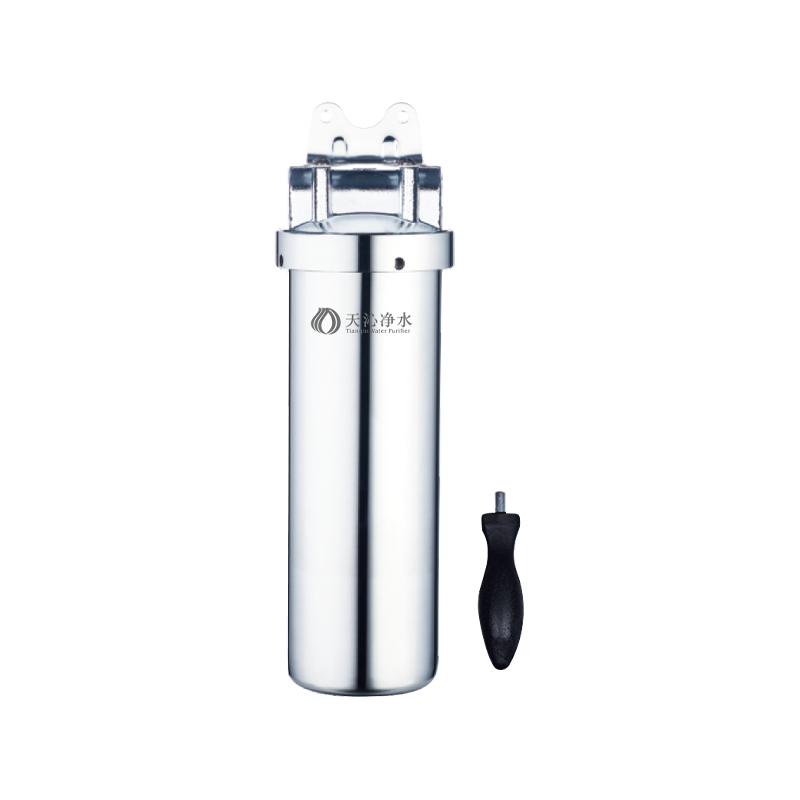 Stainless Steel Pure Double Water Pipe Water Purifier Cat:Stainless Steel Pipeline Water Purifier
The Stainless Steel Pure Double Water Pipe Water Purifier is an advanced water purification system designed to provide dual-mode purified water with e...
See Details -
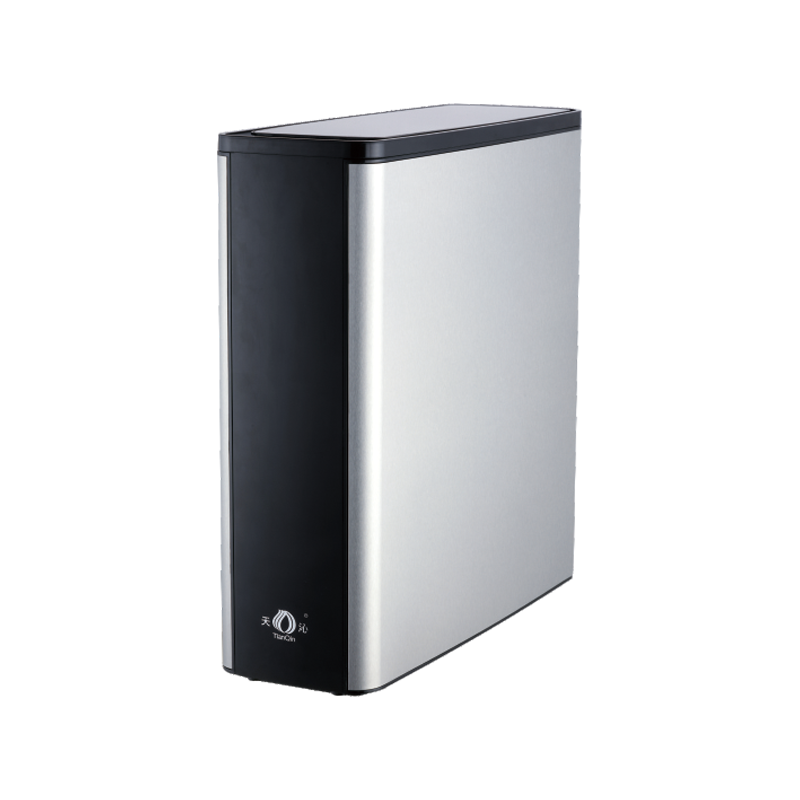 TQ-R08 Stainless Steel High-Flow RO Water Filter Cat:Stainless Steel Ro System
The Stainless Steel High-Flow RO Water Filter (TQ-R08) provides a powerful and effective solution for purifying drinking water, combining advanced rev...
See Details


 +86-0574-62381077/62386875

UF vs RO: Which Water Filter System Is Right for You?
Choose a reverse osmosis (RO) system if your water contains dissolved salts, heavy metals, nitrates, fluoride, or TDS levels above 500 ppm. Choose a UF (ultrafiltration) water filter if your main concerns are bacteria, viruses, sediment, and turbidity — and your source water has acceptable dissolved mineral levels. Both systems remove contaminants effectively within their respective filtration ranges, but they operate on fundamentally different principles and are suited to different water quality problems.
This guide explains exactly how UF and RO systems work, what each removes and retains, how they compare on cost, water waste, maintenance, and mineral retention — and which system is the right investment based on your specific water source and household needs.
Content
- 1 How UF and RO Filtration Work: The Core Difference
- 2 UF vs RO: Full Side-by-Side Comparison
- 3 What Each System Removes — and What It Doesn't
- 4 The Minerals Question: UF Retains Them, RO Removes Them
- 5 Water Waste: A Critical Practical Difference
- 6 Cost Comparison: Installation, Running Costs, and Maintenance
- 7 Which System Is Right for Your Water Source?
- 8 Types of UF Water Filter Systems Available for Home Use
- 9 Types of Reverse Osmosis Systems Available for Home Use
- 10 Can You Combine UF and RO in the Same System?
- 11 Maintenance Requirements: What Each System Demands
- 12 Making the Final Decision: A Quick-Reference Guide
How UF and RO Filtration Work: The Core Difference
How a UF Water Filter Works
A UF water filter uses a hollow fiber membrane with pore sizes typically ranging from 0.01 to 0.1 microns. Water is pushed through the membrane under low pressure — often just the pressure of the municipal supply line — and the membrane physically blocks bacteria, viruses, protozoa, sediment, and colloidal particles. Dissolved minerals, salts, and small organic molecules pass through the membrane along with the filtered water. UF membranes do not require electricity and produce no wastewater — all input water that passes through the membrane becomes filtered output water.
How a Reverse Osmosis System Works
A reverse osmosis system uses a semi-permeable membrane with pore sizes of approximately 0.0001 microns — roughly 1,000 times smaller than a UF membrane. Water is forced through the membrane under pressure (typically 40–80 psi), and the membrane rejects dissolved solids including salts, heavy metals, nitrates, fluoride, chlorine by-products, and most organic compounds. The contaminants that are rejected are flushed away in a concentrated wastewater stream called the brine or reject stream. A complete RO system typically includes pre-filters (sediment and carbon) and a post-filter (carbon polish) in addition to the RO membrane itself.
UF vs RO: Full Side-by-Side Comparison
| Factor | UF Water Filter | Reverse Osmosis System |
|---|---|---|
| Membrane pore size | 0.01–0.1 microns | ~0.0001 microns |
| Removes bacteria | Yes — 99.99%+ | Yes — 99.99%+ |
| Removes viruses | Yes (most UF membranes) | Yes — 99.99%+ |
| Removes dissolved salts / TDS | No | Yes — 90–99% rejection |
| Removes heavy metals | No (dissolved metals pass through) | Yes — 95–99% |
| Removes fluoride | No | Yes — 85–95% |
| Removes nitrates | No | Yes — 85–95% |
| Retains beneficial minerals | Yes — minerals pass through | No — most minerals removed |
| Water waste | None — zero wastewater | 2–4 liters waste per 1 liter produced |
| Electricity required | No | Sometimes (booster pump models) |
| Flow rate | High — direct flow, no tank needed | Slower — storage tank typically used |
| System cost (under-sink) | $50–$200 | $150–$600+ |
| Membrane replacement interval | Every 12–24 months | Every 2–5 years (membrane); pre-filters every 6–12 months |
| Best suited for | Municipal water with low TDS | Hard water, well water, high TDS sources |
What Each System Removes — and What It Doesn't
The most important factor in choosing between a UF water filter and a reverse osmosis system is matching the technology to the actual contaminants in your water. Testing your water before purchasing any filtration system is the single most valuable step you can take.
What a UF Water Filter Removes Effectively
- Bacteria — including E. coli, Salmonella, Legionella (log 6 or greater reduction)
- Viruses — most UF membranes at 0.01–0.02 microns achieve log 4 virus reduction
- Protozoa and cysts — Giardia, Cryptosporidium (both larger than 1 micron, easily blocked)
- Sediment, turbidity, and suspended solids
- Colloids and macromolecules including humic acids and some organic matter
- Microplastics (particles larger than 0.1 microns)
What a UF Water Filter Does NOT Remove
- Dissolved salts, calcium, magnesium, sodium — all pass freely through the membrane
- Heavy metals in dissolved ionic form — lead, arsenic, mercury, cadmium
- Fluoride, nitrates, sulfates, chlorides
- Total dissolved solids (TDS) — a UF filter does not reduce TDS at all
- Small organic compounds such as pesticides, herbicides, and pharmaceuticals (requires carbon pre-filtration)
What a Reverse Osmosis System Removes Effectively
- Total dissolved solids — typical RO systems reduce TDS by 90–99%
- Heavy metals — lead (95–98%), arsenic (93–96%), cadmium, chromium, mercury
- Fluoride (85–95%), nitrates (85–95%), sulfates (96–98%)
- Chlorine, chloramines, and disinfection by-products (via carbon pre-filter)
- Bacteria, viruses, and protozoa
- Pharmaceuticals, pesticides, and many industrial chemical contaminants
- Radium and uranium (naturally occurring radioactive contaminants in some well water)
What a Reverse Osmosis System Does NOT Remove Well
- Dissolved gases — chlorine gas, radon, and carbon dioxide can pass through the membrane (carbon pre-filter handles chlorine)
- Some pesticides and volatile organic compounds (VOCs) — requires activated carbon stage for effective removal
- Beneficial minerals — calcium, magnesium, and potassium are removed along with contaminants
The Minerals Question: UF Retains Them, RO Removes Them
One of the most debated differences between UF and RO systems is their effect on naturally occurring minerals in drinking water. This matters both for taste and for health considerations.
A UF water filter passes all dissolved minerals through the membrane unchanged. Calcium, magnesium, potassium, and bicarbonates — which contribute to water's characteristic taste and provide modest nutritional value — remain in the filtered water. This is a meaningful advantage for people who prefer the taste of mineral water or who rely on water as a dietary mineral source.
A reverse osmosis system removes 90–99% of all dissolved minerals, producing water with a TDS often below 20–50 ppm compared to source water TDS of 200–500 ppm or more. This ultra-pure water has a flat or slightly acidic taste that some people find unappealing. Many premium RO systems address this by incorporating a remineralization stage — a post-filter cartridge containing calcium and magnesium minerals — which adds back a controlled amount of beneficial minerals and raises the pH to a more neutral or slightly alkaline level. Systems with remineralization typically produce output water with a TDS of 50–150 ppm, which most users find more palatable than water at 10–30 ppm.
From a health perspective, the World Health Organization (WHO) has noted that long-term consumption of very low-mineral water may have health implications, though dietary sources of calcium and magnesium far outweigh what drinking water typically provides. For most people with a varied diet, the mineral removal by RO is not a significant nutritional concern — but the taste difference is real and matters for daily drinking satisfaction.
Water Waste: A Critical Practical Difference
Water waste is one of the most significant practical differences between UF and RO systems, particularly in water-scarce regions or for households concerned about utility bills and environmental impact.
A UF water filter produces zero wastewater. Every liter of water that enters the system passes through the membrane and exits as filtered water. The only "waste" is the contaminants trapped on the membrane surface, which are periodically backflushed down the drain during maintenance.
A reverse osmosis system produces a reject (brine) stream that flushes concentrated contaminants down the drain. Traditional RO systems waste 3 to 4 liters of water for every 1 liter of purified water produced, meaning the system is only 20–25% water-efficient. Modern high-efficiency RO systems — such as those marketed as "permeate pump" or "zero waste" designs — improve this ratio significantly, with some achieving 1:1 waste-to-product ratios or redirecting the reject stream for non-drinking uses such as garden watering. For a household consuming 10 liters of filtered water per day, a traditional RO system discards 30–40 liters daily as wastewater.
Cost Comparison: Installation, Running Costs, and Maintenance
UF Water Filter Costs
Under-sink UF water filter systems typically cost $50 to $200 for the unit itself. Installation is straightforward — most systems connect directly to the cold water supply line with no drain connection required. Maintenance consists of replacing the UF membrane cartridge every 12 to 24 months, with replacement cartridges priced between $20 and $60. Annual running costs for a household are typically $30 to $80 per year.
Reverse Osmosis System Costs
Under-sink RO systems range from $150 to $600 for quality residential units, with premium systems featuring remineralization, UV sterilization, or tankless designs reaching $400–$800. Installation requires connection to both the water supply and the drain line. Maintenance involves replacing sediment and carbon pre-filters every 6 to 12 months ($20–$50 per set), replacing the RO membrane every 2 to 5 years ($40–$100), and replacing the post-carbon polishing filter annually. Total annual maintenance costs for a typical household RO system run $80 to $180 per year, not including the additional water utility cost from wastewater generation.
Five-Year Total Cost of Ownership Estimate
| Cost Item | UF Water Filter | Reverse Osmosis System |
|---|---|---|
| Initial unit cost | $100 | $300 |
| 5-year filter/membrane replacements | ~$150 | ~$550 |
| Additional water waste cost (estimated) | $0 | ~$100–$200 |
| Estimated 5-year total | ~$250 | ~$1,000–$1,150 |
Which System Is Right for Your Water Source?
The correct choice between UF and RO depends almost entirely on the specific characteristics of your source water. Here is a practical breakdown by water type:
Municipal Tap Water with Low TDS (Under 300 ppm)
If your municipal water supply already meets safe TDS and heavy metal standards — common in many cities in North America, Europe, and Australia — a UF water filter is typically sufficient. It removes any residual bacteria, viruses, and particulates that may be introduced through aging pipes or distribution systems, while retaining beneficial minerals and producing no water waste. A UF system is the most cost-effective and environmentally responsible choice for already safe municipal water.
Municipal Water with High Chlorine, Chloramines, or Suspected Lead
For households with older lead pipes, high chloramine disinfection levels, or detectable levels of heavy metals in tap water, a reverse osmosis system is the appropriate choice. The RO membrane combined with the carbon pre-filter stage removes lead, chloramines, and disinfection by-products far more comprehensively than UF alone.
Well Water or Groundwater
Well water frequently contains elevated TDS, hardness minerals, iron, manganese, nitrates (from agricultural runoff), arsenic, and sometimes bacterial contamination. A reverse osmosis system is almost always the recommended choice for well water — it addresses the full range of well water contaminants more comprehensively than UF alone. In many cases, a pre-treatment system (iron filter or water softener) is also needed before the RO unit to protect the membrane.
Water in Developing Regions or Areas with Microbial Risk
In areas where the primary concern is microbial safety — bacteria and viruses from inadequate sanitation — a UF water filter provides robust protection at lower cost, with no electricity and zero wastewater. Gravity-fed UF systems (where water flows through the membrane by the force of gravity rather than pressure) are widely used in disaster relief and rural water access programs for exactly this reason. For regions where both microbial and chemical contamination are present, a combination system with UF and activated carbon, or a full RO system, is required.
Types of UF Water Filter Systems Available for Home Use
UF water filters come in several configurations for residential use, each suited to different installation scenarios and usage volumes.
- Under-sink UF systems: Installed under the kitchen sink with a dedicated faucet; provides on-demand filtered water directly at the tap; most common residential format; typical flow rate of 0.5–1.5 liters per minute
- Countertop UF filters: Compact units that connect to the existing faucet without permanent installation; ideal for renters; slightly slower flow rate than under-sink models
- Whole-house UF systems: Installed at the main water supply line to filter all water entering the home; protects all taps, showers, and appliances; suitable for homes on well water with bacterial concerns
- Gravity UF filters: No water pressure or electricity required; water pours into an upper chamber and gravity-feeds through the UF membrane into a lower storage vessel; popular for emergency preparedness and off-grid use
- Multi-stage UF systems: Combine a sediment pre-filter, activated carbon filter, and UF membrane to address a broader range of contaminants including chlorine and organic compounds that the UF membrane alone does not remove
Types of Reverse Osmosis Systems Available for Home Use
Residential RO systems have evolved significantly in recent years, with options ranging from basic 3-stage systems to advanced 7-stage units with smart monitoring and tankless design.
- Standard 4–5 stage under-sink RO: Sediment pre-filter + carbon pre-filter + RO membrane + carbon post-filter (+ optional remineralization); most common residential format; storage tank typically holds 3–5 liters
- Tankless / instant RO systems: No pressurized storage tank; water is produced on demand at higher flow rates; reduces risk of bacterial growth in stored water; larger footprint under the sink
- High-efficiency RO with permeate pump: Reduces wastewater ratio from 4:1 to approximately 1:1 using a non-electric pressure-balancing pump; best choice for water-conscious households
- RO with UV sterilization: Adds an ultraviolet light stage after the RO membrane for additional protection against any bacteria or viruses that might bypass the membrane; recommended for well water applications
- Countertop RO systems: Portable units requiring no installation; connect to any standard faucet; lower capacity than under-sink models but suitable for renters or small households
Can You Combine UF and RO in the Same System?
Yes — and many multi-stage water treatment systems do exactly this. In a combined system, UF filtration typically serves as a pre-treatment stage before the RO membrane. The UF membrane removes suspended solids, bacteria, and colloids that would otherwise foul and degrade the RO membrane prematurely. This extends RO membrane lifespan significantly and reduces the frequency of pre-filter replacements.
In large-scale municipal water treatment, this sequence — UF pre-treatment followed by RO — is standard practice. For residential applications, this combination is most relevant for well water or surface water sources with high turbidity and simultaneously high TDS. For most municipal water users, a standard RO system's sediment and carbon pre-filters provide adequate pre-treatment without requiring a dedicated UF stage.
Maintenance Requirements: What Each System Demands
Maintaining a UF Water Filter
- Backflush the membrane periodically (some systems do this automatically) to remove accumulated surface fouling and restore flow rate — typically every few weeks for high-use systems
- Replace the UF membrane cartridge every 12 to 24 months depending on water quality and usage volume
- If the system includes sediment or carbon pre-stages, replace those cartridges every 6 to 12 months
- Sanitize the filter housing annually with a dilute food-safe disinfectant solution
Maintaining a Reverse Osmosis System
- Replace the sediment pre-filter every 6 to 12 months — this is the first line of defense and protects the carbon and RO stages
- Replace the carbon block pre-filter every 6 to 12 months — this removes chlorine and chloramines that would degrade the RO membrane
- Replace the RO membrane every 2 to 5 years depending on source water quality and usage; monitor output TDS with an inexpensive TDS meter to determine when replacement is needed
- Replace the post-carbon polishing filter every 12 months
- Sanitize the storage tank annually to prevent biofilm accumulation; tankless systems eliminate this maintenance step
- Check and repressurize the storage tank bladder annually — correct pressure (typically 6–8 psi when empty) is essential for adequate flow rate
Making the Final Decision: A Quick-Reference Guide
Use this summary to identify which system aligns with your situation:
- Choose a UF water filter if: Your water source is municipal with TDS under 300 ppm, your primary concern is bacteria and viruses, you want zero water waste, you prefer to retain natural minerals, or you need a low-cost low-maintenance solution
- Choose a reverse osmosis system if: Your TDS exceeds 500 ppm, you have detectable heavy metals or nitrates, you use well water or groundwater, you live in an area with known contamination issues, or you want the most comprehensive contaminant removal available for home use
- Choose an RO system with remineralization if: You want RO-level purity but prefer the taste and slight nutritional benefit of mineral water
- Test your water first: A basic home water test kit ($15–$40) or a certified laboratory test ($50–$150) will identify your specific contaminants and make the decision straightforward
Neither system is universally superior — the best water filter is the one matched to your actual water quality problem. A UF water filter on clean municipal water delivers safe, mineral-rich drinking water at minimal cost and zero waste. A reverse osmosis system on high-TDS or contaminated water delivers a level of purification that no other residential technology can match.
-
 Tel: +86-0574-62381077/62386875
-
 E-mail: leozhanglei@nbtianqin.net
-
 Add: Wuma Industrial Zone, Lubu Town, Yuyao City, Zhejiang Province, China.
Copyright © 2024 by Yuyao Tianqin Water Purification Equipment Co..Ltd.
All Rights Reserved.
 Wholesale Water Purifier Manufacturers

