 English
 中文简体
中文简体-
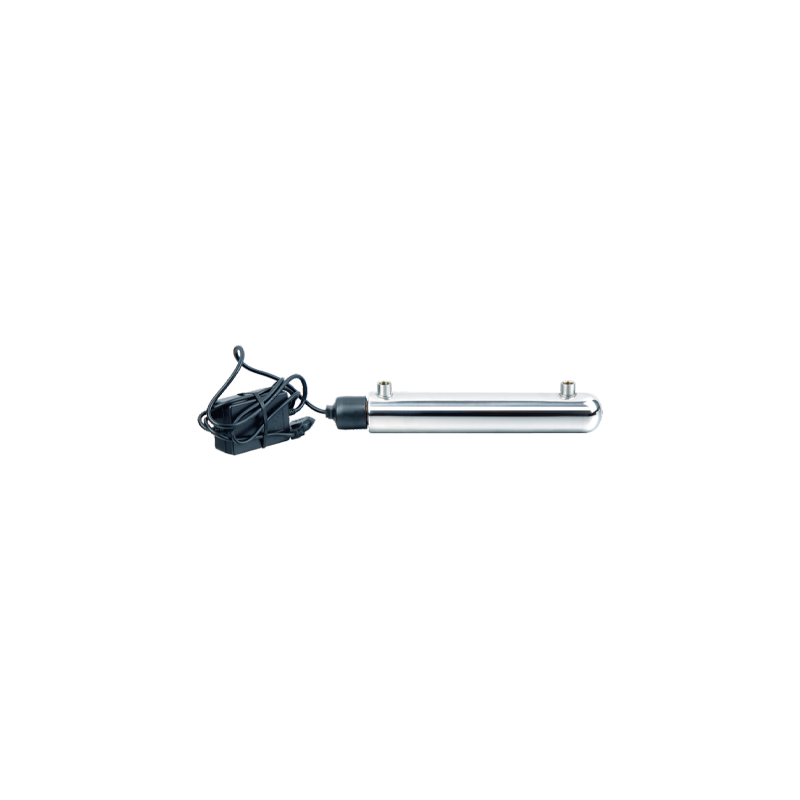 UV11W High-efficiency Intelligent UV Water Sterilizer Cat:Ultraviolet Water Sterilizer
The UV11W High-efficiency Intelligent UV Water Sterilizer is an advanced water purification system that offers convenience and reliability. This steri...
See Details -
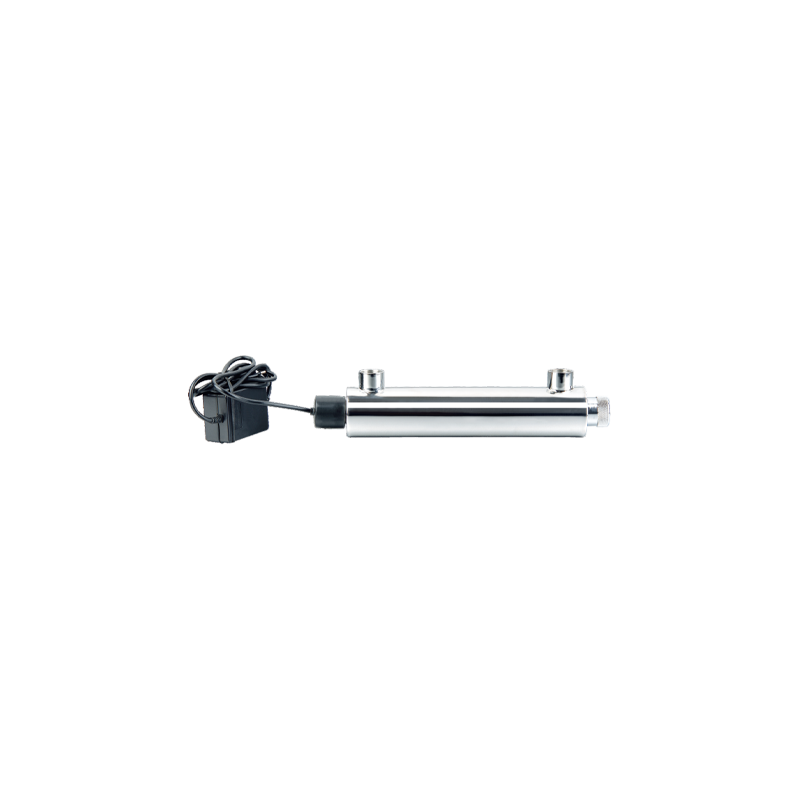 UV16W-A Household Stainless Steel UV Water Sterilizer Cat:Ultraviolet Water Sterilizer
The UV16W-A Household Stainless Steel UV Water Sterilizer is an innovative solution for ensuring safe and pure water in your home. Designed with durab...
See Details -
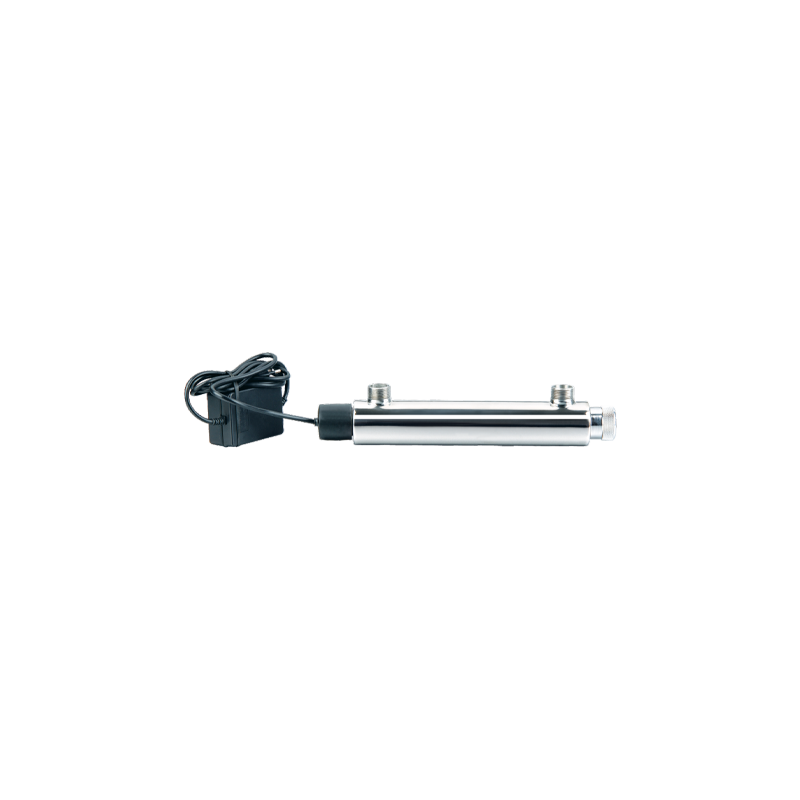 UV16W-B 304 Stainless Steel Water Purifier Ultraviolet Water Sterilizer Cat:Ultraviolet Water Sterilizer
UV16W-B 304 Stainless Steel Water Purifier Ultraviolet Water Sterilizer is an efficient water treatment equipment based on advanced ultraviolet disinf...
See Details -
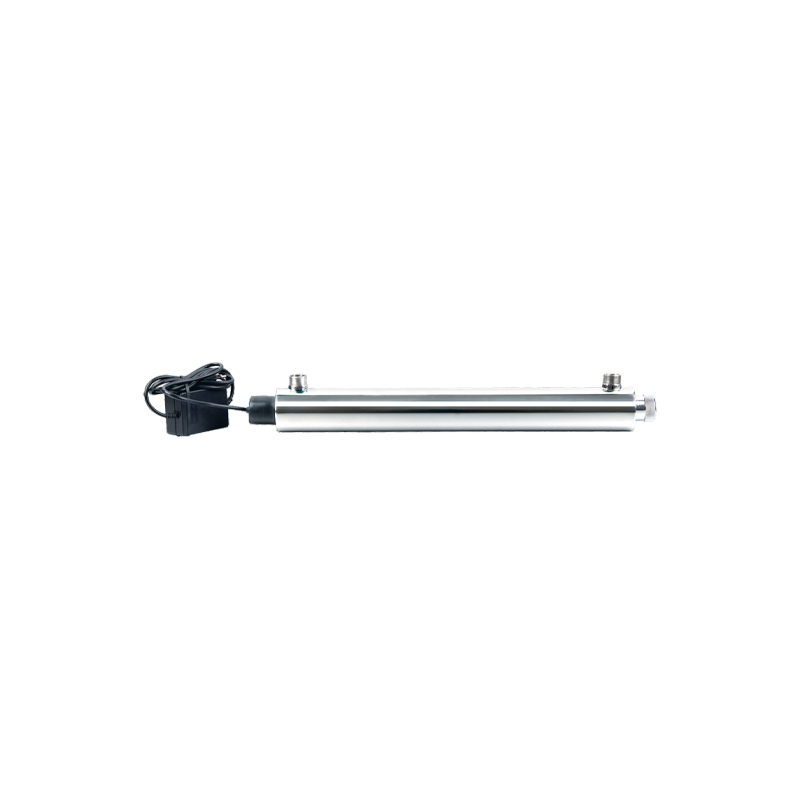 UV25W Stainless Steel Ultrafiltration Pre-Filtration UV Sterilizers For Water Cat:Ultraviolet Water Sterilizer
UV25W Stainless Steel Ultrafiltration Pre-Filtration UV Sterilizers For Water uses high-quality stainless steel materials, which have superb corrosion...
See Details -
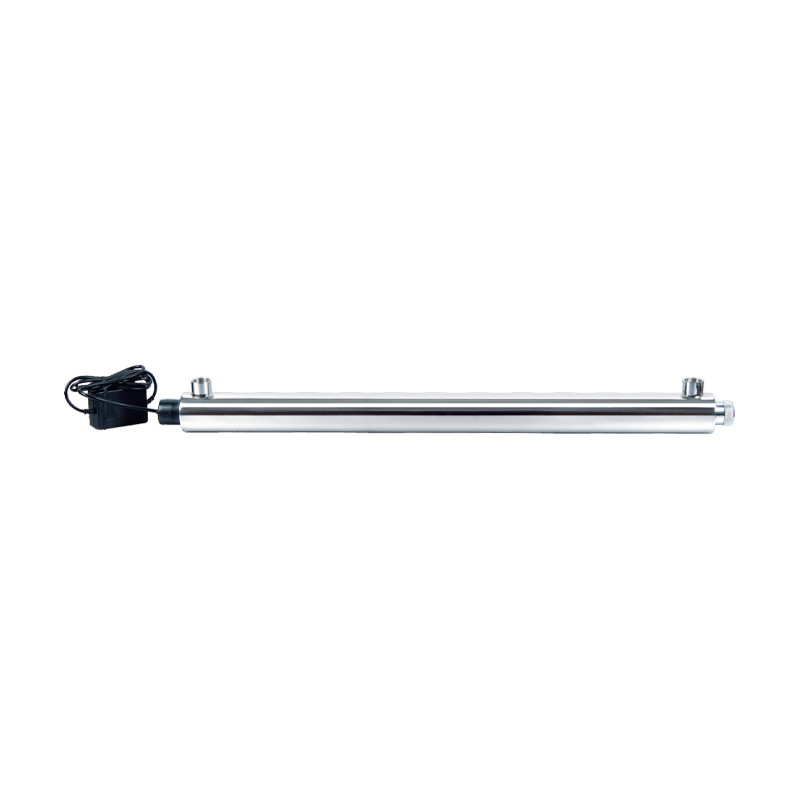 UV30W-55W Automatic Ultraviolet Sterilizer UV Filtration For Drinking Water Cat:Ultraviolet Water Sterilizer
The core advantage of UV30W-55W Automatic Ultraviolet Sterilizer UV Filtration For Drinking Water lies in its efficient and rapid disinfection capabil...
See Details -
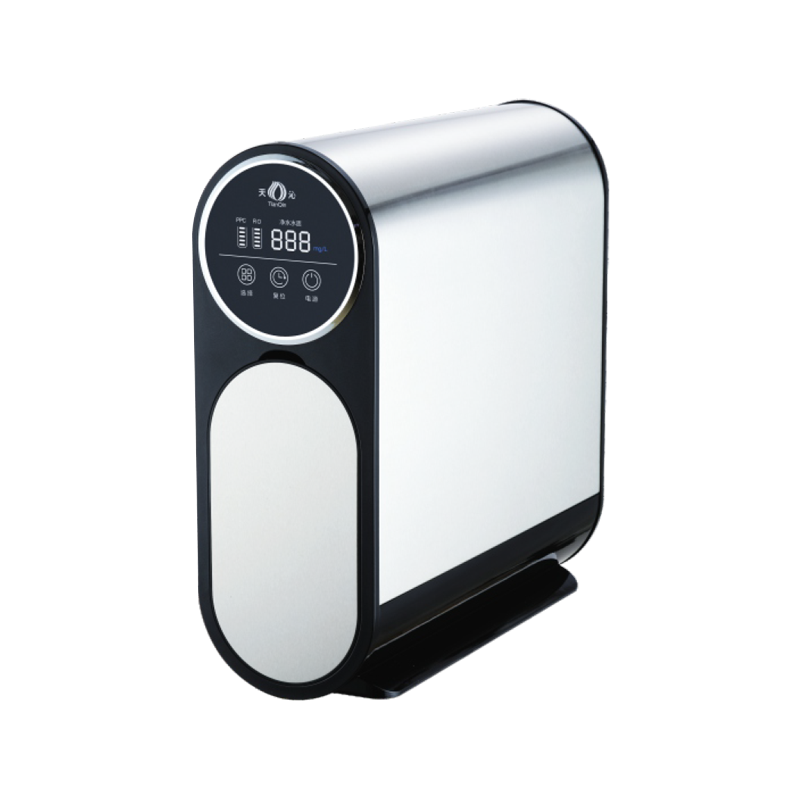 TQ-R03 Stainless Steel Booster Double Water Full Effect RO Water Purifier Cat:Stainless Steel Ro System
TQ-R03 Stainless Steel Booster Double Water Full Effect RO Water Purifier is a household water purification device that combines efficient water purif...
See Details -
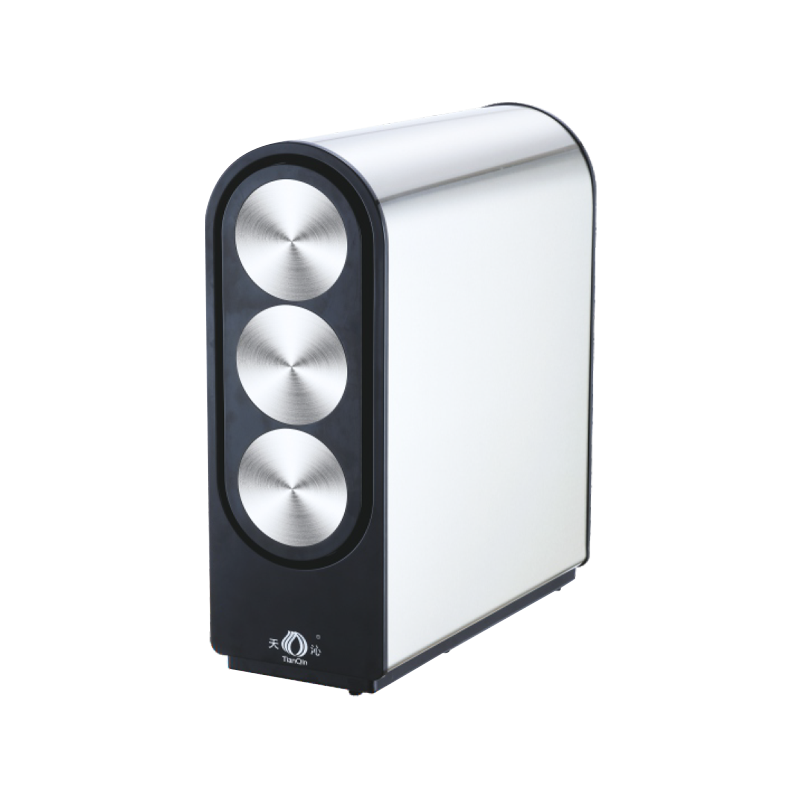 TQ-R05 Multifunctional Water Purification Source RO Water Purifier Cat:Stainless Steel Ro System
The TQ-R05 Multifunctional Water Purification Source RO Water Purifier is an advanced, versatile water purification solution designed for households a...
See Details -
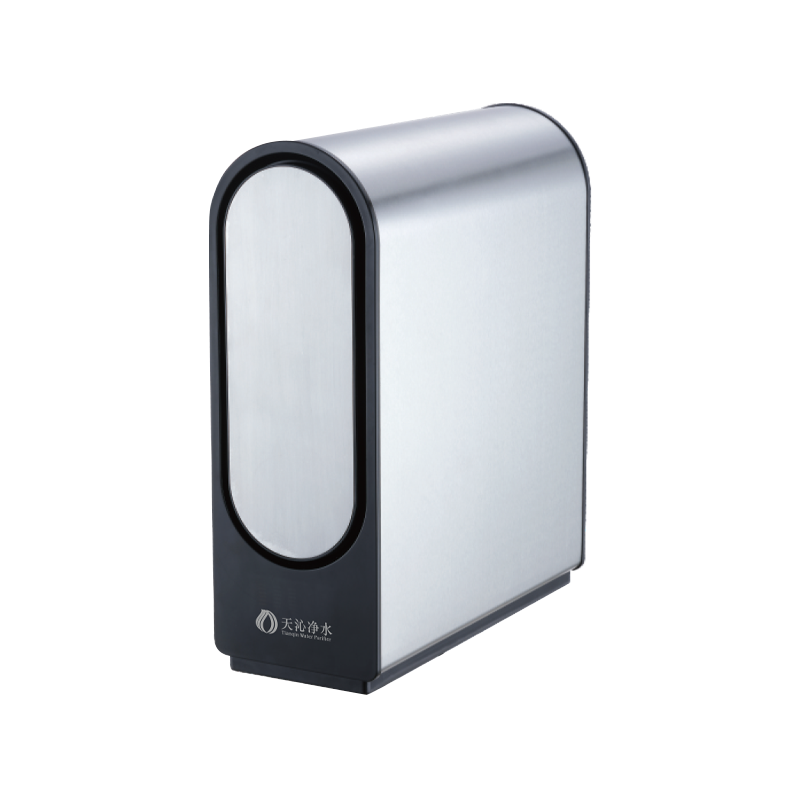 TQ-R06 Stainless Steel Environmentally Friendly RO Water Purifier Cat:Stainless Steel Ro System
The TQ-R06 Stainless Steel Environmentally Friendly RO Water Purifier combines advanced RO filtration technology, durable stainless steel housing, and...
See Details -
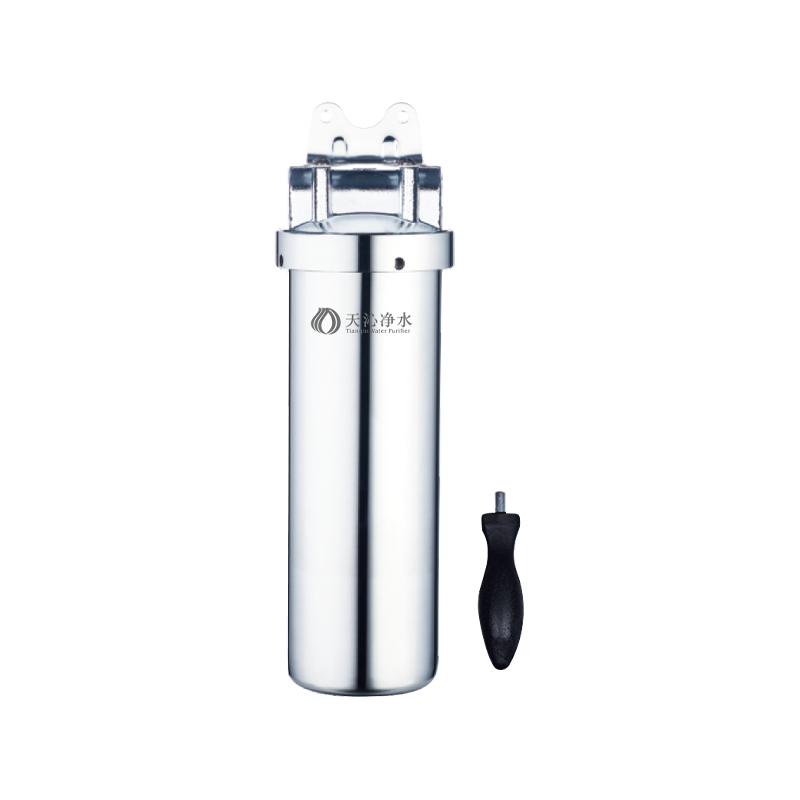 Stainless Steel Pure Double Water Pipe Water Purifier Cat:Stainless Steel Pipeline Water Purifier
The Stainless Steel Pure Double Water Pipe Water Purifier is an advanced water purification system designed to provide dual-mode purified water with e...
See Details -
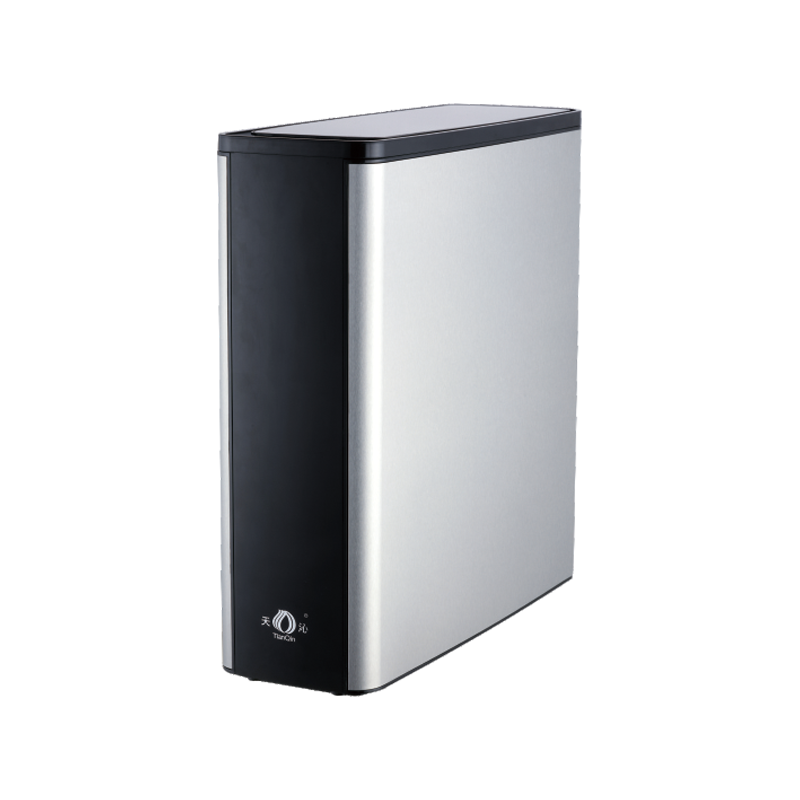 TQ-R08 Stainless Steel High-Flow RO Water Filter Cat:Stainless Steel Ro System
The Stainless Steel High-Flow RO Water Filter (TQ-R08) provides a powerful and effective solution for purifying drinking water, combining advanced rev...
See Details


 +86-0574-62381077/62386875

What Are Reverse Osmosis Systems? How They Work & Benefits
Reverse osmosis (RO) systems are water purification systems that force water through a semipermeable membrane under pressure, removing up to 99% of dissolved contaminants including lead, arsenic, nitrates, fluoride, chlorine, and many other impurities. They are used in homes, commercial facilities, and industrial plants to produce clean drinking water or process-grade water from tap, well, or even brackish sources. Understanding how these systems work, what they remove, and what their limitations are helps you decide whether an RO system is right for your needs.
Content
The Science Behind Reverse Osmosis
To understand reverse osmosis, it helps to first understand regular osmosis. In natural osmosis, water moves through a semipermeable membrane from a region of low solute concentration to one of high solute concentration—equalizing the two sides. Reverse osmosis does the opposite: external pressure is applied to the high-concentration side, forcing water molecules back through the membrane and leaving dissolved solids, salts, and contaminants behind.
The RO membrane has pores approximately 0.0001 microns (0.1 nanometers) in diameter—small enough to block virtually all dissolved salts and molecules while allowing water molecules (0.00028 microns) to pass through. For comparison, a human hair is about 75 microns wide. This size difference is why RO is so effective at removing contaminants that other filters miss entirely.
The pressure required to drive water through the membrane in residential systems is typically supplied by household water pressure, which usually ranges from 40 to 80 psi (275–550 kPa). Industrial and desalination systems use high-pressure pumps generating 600–1,200 psi for seawater applications.
How a Reverse Osmosis System Is Structured
A complete RO system is not just a single membrane—it is a multi-stage filtration train. Most residential under-sink RO systems have 3 to 5 stages, each serving a specific purpose.
- Stage 1 – Sediment Pre-Filter: A 5-micron polypropylene filter removes sand, silt, rust particles, and large suspended solids. This protects the RO membrane from physical damage and clogging.
- Stage 2 – Carbon Block Pre-Filter: Activated carbon removes chlorine, chloramines, volatile organic compounds (VOCs), and bad tastes/odors. Chlorine degrades the thin-film composite (TFC) RO membrane, so this stage is critical for membrane longevity.
- Stage 3 – RO Membrane: The core filtration stage. Water is forced through the semipermeable membrane, rejecting dissolved solids, heavy metals, fluoride, nitrates, bacteria, and viruses. Rejected contaminants are flushed away as wastewater (brine).
- Stage 4 – Storage Tank: Purified water is stored in a pressurized tank (typically 2–4 gallons for residential systems) because the membrane filters slowly—often producing only 50–100 gallons per day.
- Stage 5 – Carbon Post-Filter (Polishing Filter): A final activated carbon stage removes any residual taste or odor picked up from the storage tank before water reaches the faucet.
Some systems include a 6th stage remineralization filter, which adds back beneficial minerals like calcium and magnesium that were removed by the membrane—improving taste and slightly raising the pH of the purified water.
What Reverse Osmosis Systems Remove
RO systems are among the most comprehensive water purification technologies available for point-of-use applications. The table below shows typical rejection rates for common contaminants.
| Contaminant | Typical RO Rejection Rate | Health Concern |
|---|---|---|
| Lead | 95–98% | Neurological damage, especially in children |
| Arsenic | 92–96% | Carcinogen, cardiovascular disease |
| Fluoride | 85–92% | Dental/skeletal fluorosis at high levels |
| Nitrates | 83–92% | Methemoglobinemia (blue baby syndrome) |
| Total Dissolved Solids (TDS) | 90–99% | Taste, scaling, industrial process quality |
| Chlorine & Chloramines | >95% (via pre-filter) | DBP formation, taste and odor |
| Bacteria & Viruses | 99–99.9% | Gastrointestinal illness |
| Chromium (hexavalent) | 85–95% | Carcinogen |
| PFAS (Forever Chemicals) | 90–95% | Hormonal disruption, cancer risk |
It is worth noting that RO membranes also remove beneficial minerals like calcium, magnesium, and potassium. The resulting water has a TDS of 10–50 ppm, compared to typical tap water at 150–500 ppm. While this is not a health risk for most people, those relying on water as a primary mineral source may benefit from a remineralization stage.
Types of Reverse Osmosis Systems
RO systems are available in several configurations suited to different scales and applications.
Under-Sink RO Systems
The most common residential type. Installed beneath the kitchen sink, they connect to the cold water supply line and have a dedicated faucet. They produce 50–100 gallons per day and store purified water in a pressurized tank. Standard systems waste 3–4 gallons of water for every 1 gallon purified, though newer high-efficiency models achieve 1:1 or 2:1 waste-to-pure ratios.
Tankless (On-Demand) RO Systems
A newer design that uses a booster pump to produce purified water on demand without a storage tank. These systems deliver 400–600 gallons per day and waste significantly less water—typically at a 1:1 pure-to-drain ratio. They are more expensive upfront but save space and reduce water waste.
Whole-House RO Systems
Installed at the main water entry point to treat all household water. These are uncommon due to high cost (typically $1,000–$5,000 installed) and significant water waste, but are used in areas with extremely high TDS or specific well-water contamination issues.
Commercial and Industrial RO Systems
Used in restaurants, laboratories, pharmaceutical manufacturing, semiconductor fabrication, and power plants. These systems produce thousands of gallons per day and may include multiple membrane stages, UV sterilization, and deionization polishing. Municipal desalination plants—such as those in Saudi Arabia, Israel, and California—use large-scale RO to convert seawater into potable water.
Countertop and Portable RO Systems
Compact units that connect to a standard faucet without permanent installation. Useful for renters or travelers. Production capacity is lower—typically 25–75 gallons per day—but they offer flexibility without plumbing modifications.
Advantages and Disadvantages of Reverse Osmosis
RO systems are powerful but not perfect. Understanding both sides helps set realistic expectations.
Advantages
- Comprehensive contaminant removal: Few other point-of-use technologies match RO's ability to simultaneously remove heavy metals, salts, bacteria, viruses, and organic compounds.
- Improved taste and clarity: Removing TDS, chlorine, and organic matter produces noticeably cleaner-tasting water—a key reason for widespread residential adoption.
- Cost-effective vs. bottled water: A residential RO system produces water at roughly $0.01–$0.05 per gallon, compared to $1–$3 per gallon for bottled water.
- Low maintenance: Filter replacements are needed every 6–12 months; membranes typically last 2–5 years.
- No chemicals required: RO is a purely physical filtration process with no chemical additives.
Disadvantages
- Water waste: Traditional systems waste 3–4 gallons of water per gallon purified. In water-scarce regions, this is a significant drawback.
- Slow production rate: Tank-based systems filter slowly and can run out of stored water during high-demand periods.
- Removes beneficial minerals: Calcium, magnesium, and potassium are removed along with contaminants. While dietary impact is minimal for balanced diets, the slightly acidic, low-mineral water may affect plumbing over time.
- Does not remove dissolved gases: Radon, hydrogen sulfide, and carbon dioxide pass through the RO membrane and require separate treatment.
- Requires adequate water pressure: Below 40 psi, membrane rejection efficiency drops significantly. A booster pump adds cost but solves this issue.
Maintenance Requirements and Operating Costs
Ongoing maintenance is straightforward but must not be neglected. A poorly maintained RO system can become a breeding ground for bacteria in the storage tank or deliver reduced filtration performance.
| Component | Replacement Frequency | Typical Cost |
|---|---|---|
| Sediment Pre-Filter | Every 6–12 months | $5–$15 |
| Carbon Pre-Filter | Every 6–12 months | $10–$25 |
| RO Membrane | Every 2–5 years | $30–$80 |
| Carbon Post-Filter | Every 12 months | $10–$20 |
| Storage Tank Sanitization | Annually | DIY or $50–$100 service |
Total annual maintenance costs for a residential system typically run $50–$150 per year—far less than the equivalent volume of bottled water. The initial system cost ranges from $150–$400 for under-sink units to $500–$1,000 for high-efficiency tankless models.
When an RO System Is the Right Choice
An RO system is worth considering in the following situations:
- Your water test shows elevated levels of lead, arsenic, nitrates, fluoride, or TDS above 300 ppm.
- You rely on well water with unknown or variable contamination.
- You regularly buy bottled water and want to reduce cost and plastic waste.
- You need ultra-pure water for aquariums, hydroponics, laboratory use, or espresso equipment.
- You live in an area with aging infrastructure where lead or copper pipe leaching is a concern.
If your primary concern is chlorine taste, odor, or sediment only, a simple activated carbon filter is a less expensive and more water-efficient alternative. Always get your water tested before investing in an RO system—knowing your specific contaminants ensures you choose the right solution and the right number of stages.
-
 Tel: +86-0574-62381077/62386875
-
 E-mail: leozhanglei@nbtianqin.net
-
 Add: Wuma Industrial Zone, Lubu Town, Yuyao City, Zhejiang Province, China.
Copyright © 2024 by Yuyao Tianqin Water Purification Equipment Co..Ltd.
All Rights Reserved.
 Wholesale Water Purifier Manufacturers

