 English
 中文简体
中文简体-
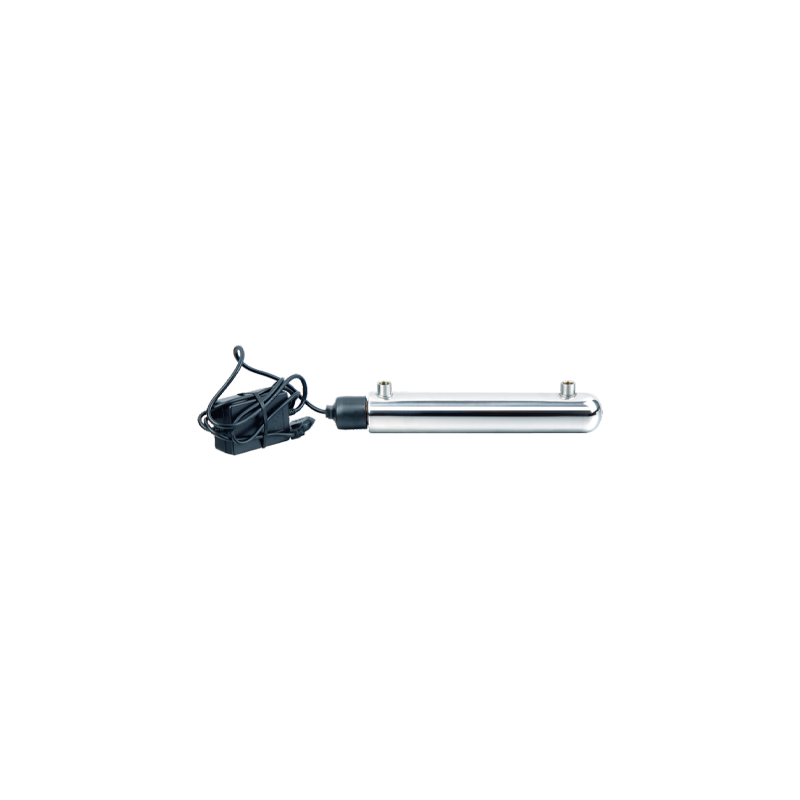 UV11W High-efficiency Intelligent UV Water Sterilizer Cat:Ultraviolet Water Sterilizer
The UV11W High-efficiency Intelligent UV Water Sterilizer is an advanced water purification system that offers convenience and reliability. This steri...
See Details -
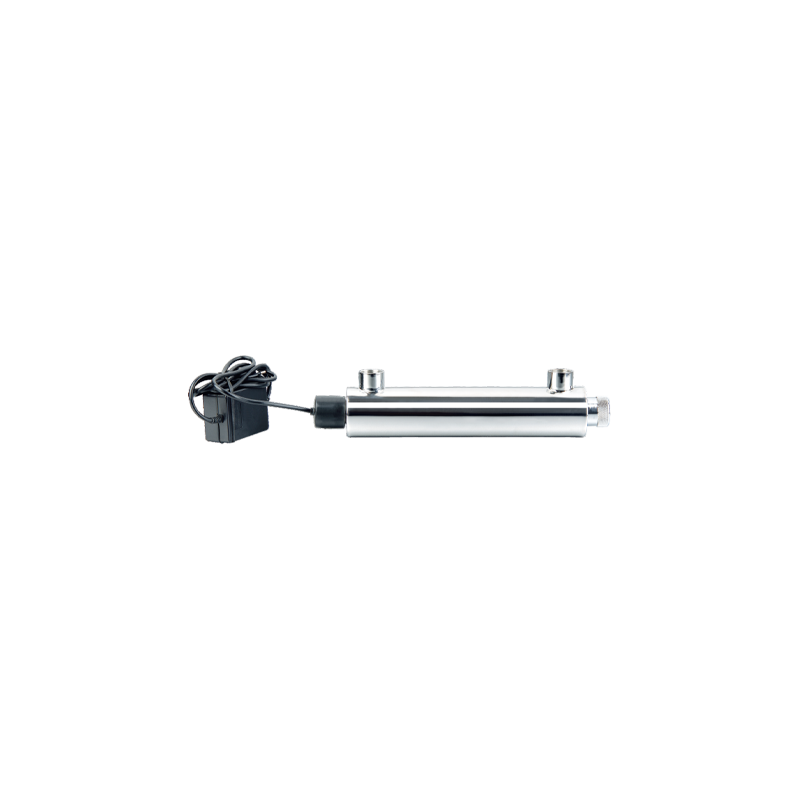 UV16W-A Household Stainless Steel UV Water Sterilizer Cat:Ultraviolet Water Sterilizer
The UV16W-A Household Stainless Steel UV Water Sterilizer is an innovative solution for ensuring safe and pure water in your home. Designed with durab...
See Details -
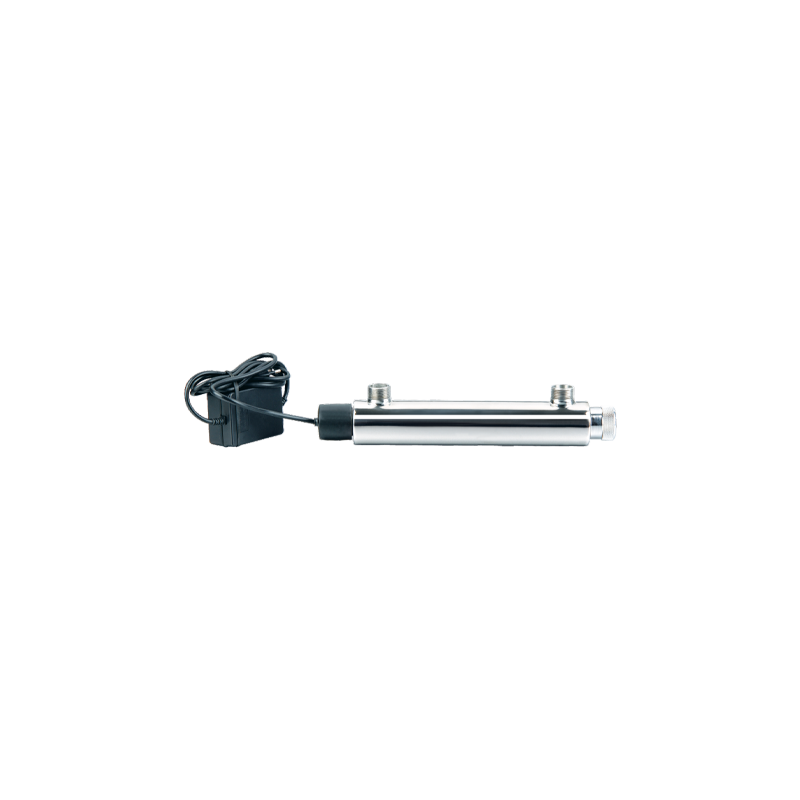 UV16W-B 304 Stainless Steel Water Purifier Ultraviolet Water Sterilizer Cat:Ultraviolet Water Sterilizer
UV16W-B 304 Stainless Steel Water Purifier Ultraviolet Water Sterilizer is an efficient water treatment equipment based on advanced ultraviolet disinf...
See Details -
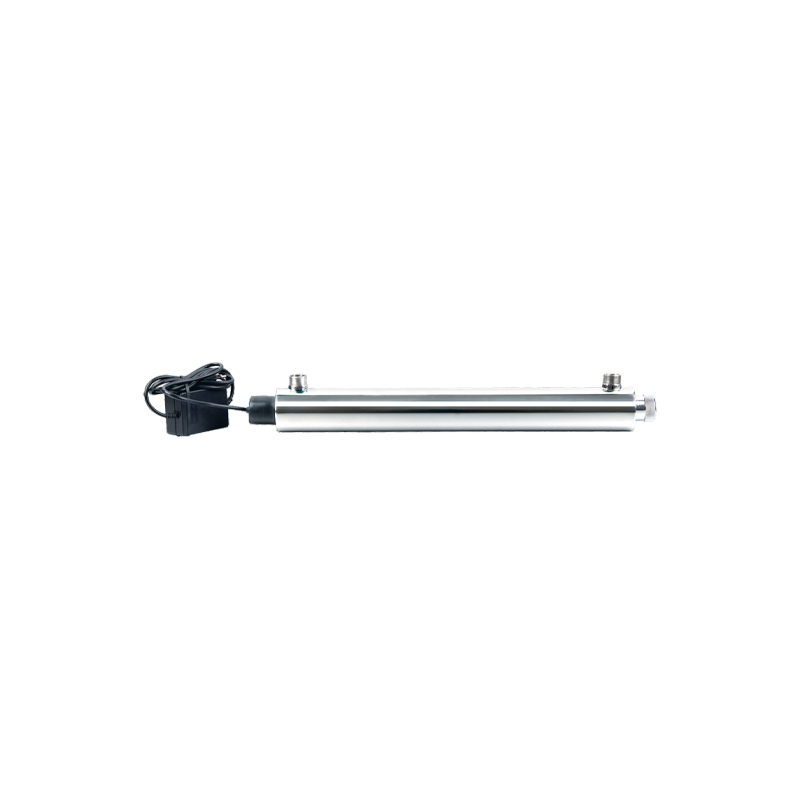 UV25W Stainless Steel Ultrafiltration Pre-Filtration UV Sterilizers For Water Cat:Ultraviolet Water Sterilizer
UV25W Stainless Steel Ultrafiltration Pre-Filtration UV Sterilizers For Water uses high-quality stainless steel materials, which have superb corrosion...
See Details -
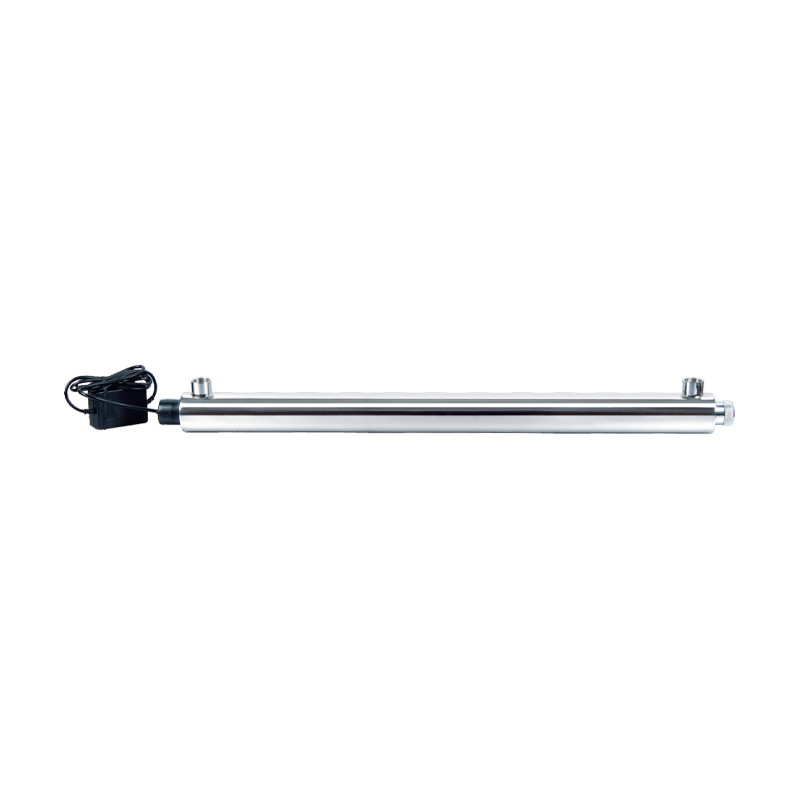 UV30W-55W Automatic Ultraviolet Sterilizer UV Filtration For Drinking Water Cat:Ultraviolet Water Sterilizer
The core advantage of UV30W-55W Automatic Ultraviolet Sterilizer UV Filtration For Drinking Water lies in its efficient and rapid disinfection capabil...
See Details -
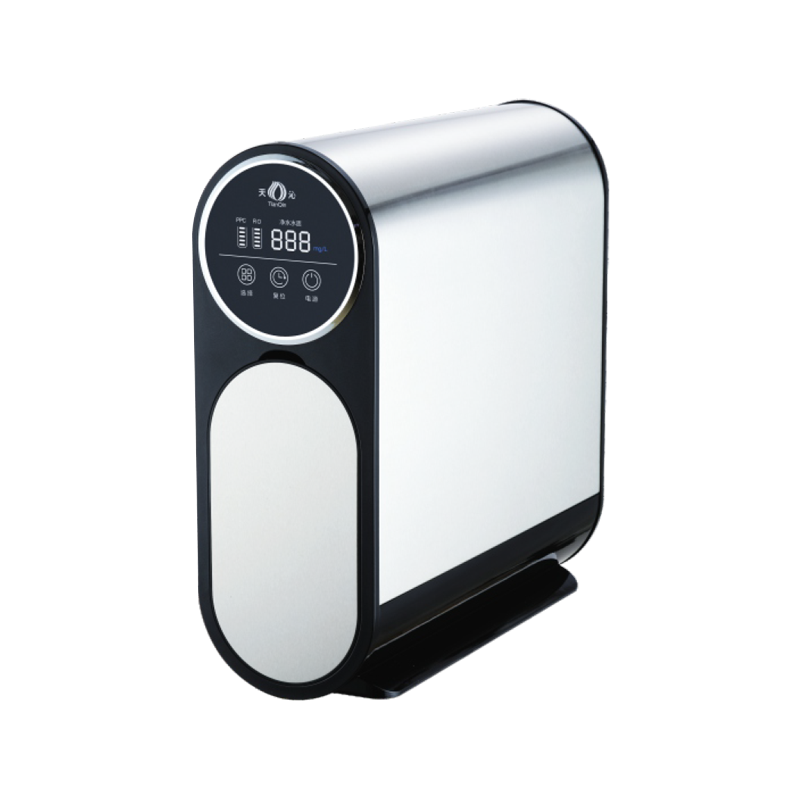 TQ-R03 Stainless Steel Booster Double Water Full Effect RO Water Purifier Cat:Stainless Steel Ro System
TQ-R03 Stainless Steel Booster Double Water Full Effect RO Water Purifier is a household water purification device that combines efficient water purif...
See Details -
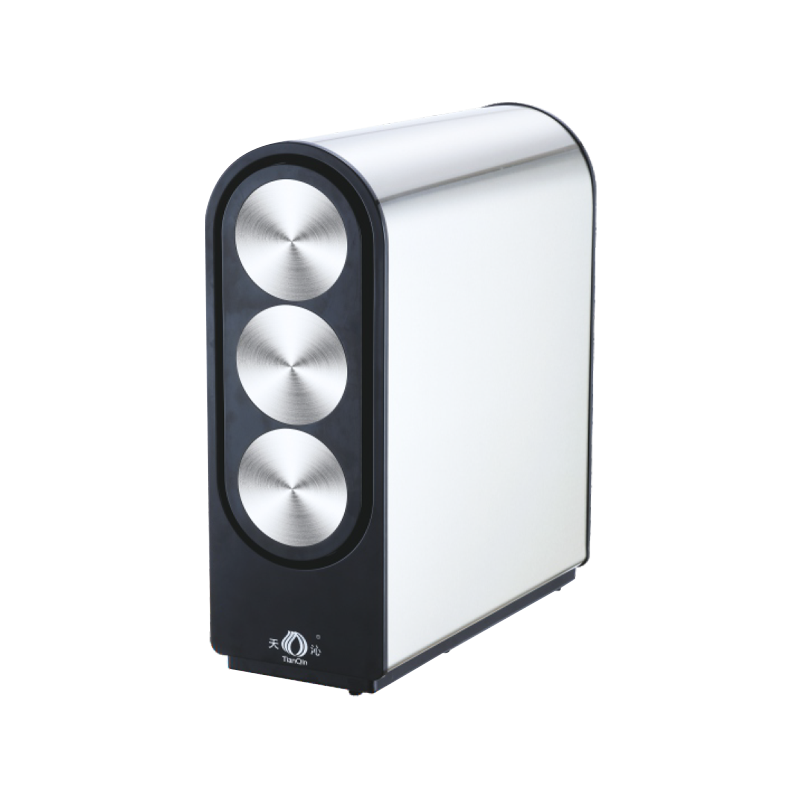 TQ-R05 Multifunctional Water Purification Source RO Water Purifier Cat:Stainless Steel Ro System
The TQ-R05 Multifunctional Water Purification Source RO Water Purifier is an advanced, versatile water purification solution designed for households a...
See Details -
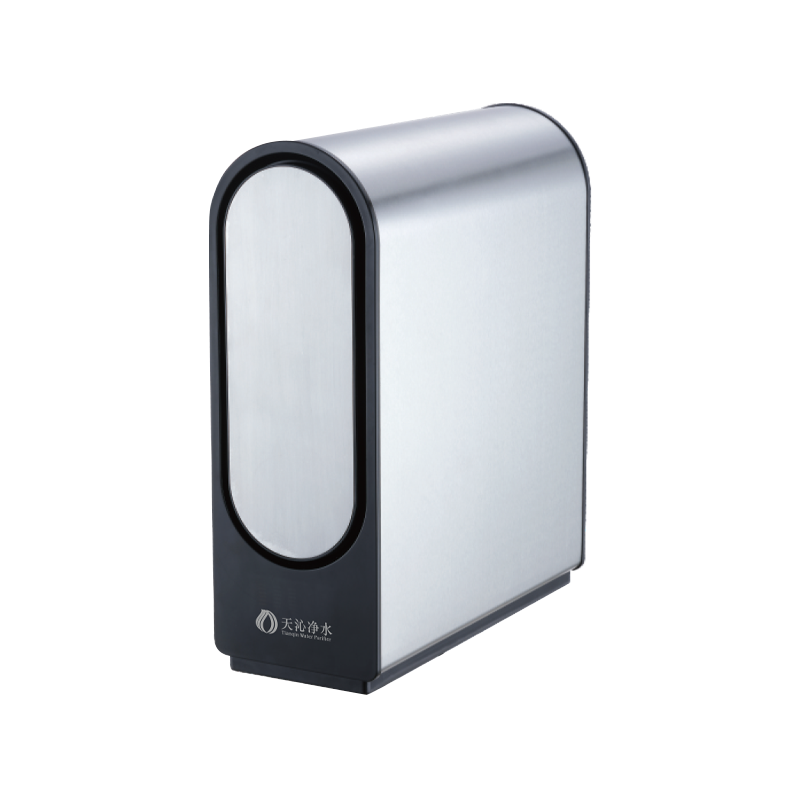 TQ-R06 Stainless Steel Environmentally Friendly RO Water Purifier Cat:Stainless Steel Ro System
The TQ-R06 Stainless Steel Environmentally Friendly RO Water Purifier combines advanced RO filtration technology, durable stainless steel housing, and...
See Details -
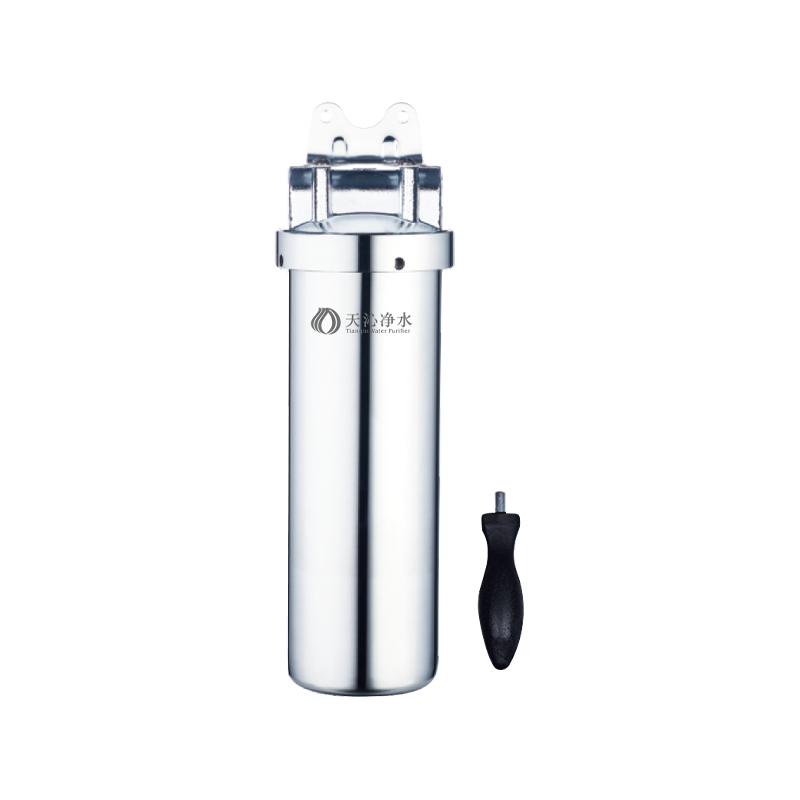 Stainless Steel Pure Double Water Pipe Water Purifier Cat:Stainless Steel Pipeline Water Purifier
The Stainless Steel Pure Double Water Pipe Water Purifier is an advanced water purification system designed to provide dual-mode purified water with e...
See Details -
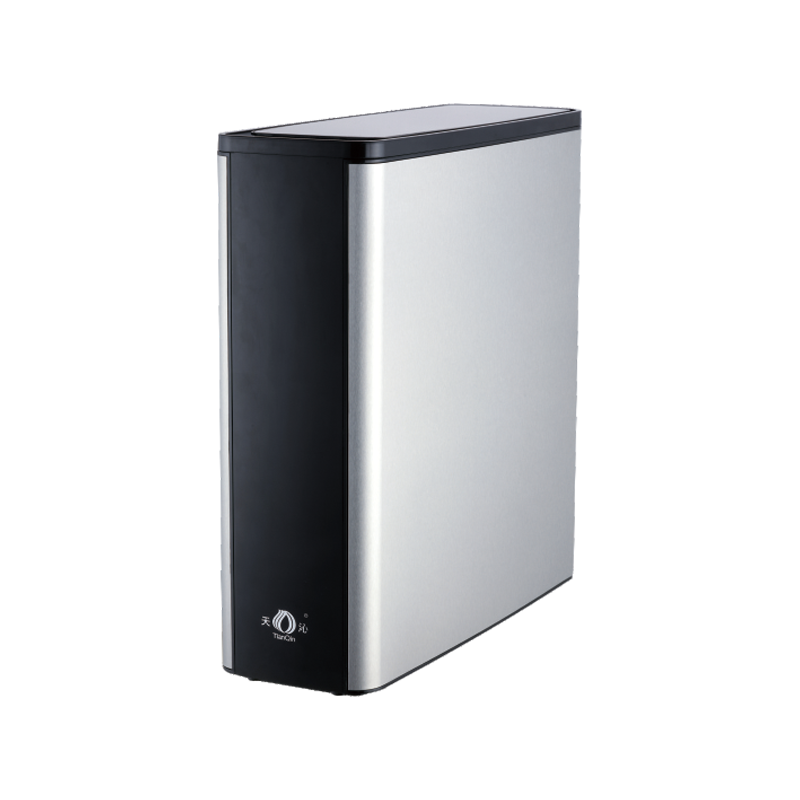 TQ-R08 Stainless Steel High-Flow RO Water Filter Cat:Stainless Steel Ro System
The Stainless Steel High-Flow RO Water Filter (TQ-R08) provides a powerful and effective solution for purifying drinking water, combining advanced rev...
See Details


 +86-0574-62381077/62386875

Reverse Osmosis vs Gravity Water Filter: Which Is Better?
If you're choosing between a reverse osmosis system and a gravity water purifier, the answer depends on your water source, budget, and how you'll use the filtered water. A reverse osmosis system removes a broader range of contaminants — including dissolved solids, heavy metals, fluoride, and nitrates — while a gravity water purifier excels at portability, requires no electricity or plumbing, and costs significantly less to own and operate. Neither is universally superior; each solves a different problem. The sections below compare both systems across every dimension that matters to a real purchasing decision.
Content
- 1 How Each System Works: The Core Difference
- 2 Contaminant Removal: The Most Important Comparison
- 3 Cost Comparison: Purchase, Installation, and Long-Term Running Costs
- 4 Flow Rate and Convenience: Daily Usability
- 5 Installation and Setup: Complexity and Requirements
- 6 Maintenance Requirements: What Each System Demands Over Time
- 7 Which System Is Right for Your Situation
- 8 Can You Use Both Systems Together?
How Each System Works: The Core Difference
How a Reverse Osmosis System Filters Water
A reverse osmosis (RO) system forces pressurized tap water through a semipermeable membrane with pores approximately 0.0001 microns in diameter — small enough to block dissolved ions, molecules, and virtually all biological contaminants. A standard residential RO system uses 3 to 5 filtration stages: typically a sediment pre-filter, one or two carbon block pre-filters, the RO membrane itself, and a carbon post-filter (polishing stage). The membrane rejects contaminants by size and ionic charge, routing them to a drain as concentrate waste water while pure permeate water accumulates in a pressurized storage tank.
Because tap water pressure (typically 40–80 PSI) does the work, RO systems require a connection to a water supply line and a drain — they are permanently installed, usually under the kitchen sink. Production rate is slow: a standard 50–75 GPD (gallons per day) membrane produces roughly 2–3 gallons per hour, which is why a storage tank is necessary for on-demand flow.
How a Gravity Water Purifier Filters Water
A gravity water purifier uses no electricity, pump, or plumbing connection. Water is poured into an upper chamber and flows downward through one or more filter elements — typically ceramic, carbon block, or a combination — driven purely by gravity. Flow rate is determined by the filter media density and the water head (depth) above the filter. Most gravity purifiers produce 1–3 liters per hour per filter element under normal use.
The filter elements in a gravity purifier physically strain particles, adsorb chemicals, and (in ceramic or ultrafiltration configurations) block bacteria and protozoa. Because the filtration mechanism relies on physical passage through a solid medium rather than a pressure-driven membrane, gravity filters cannot remove dissolved ionic contaminants — they have no mechanism to separate dissolved salts, heavy metals in ionic form, or fluoride from the water molecule stream.
Contaminant Removal: The Most Important Comparison
This is where the two systems diverge most significantly. Understanding what each removes — and what it cannot — is the critical factor in matching the right system to your water quality problem.
| Contaminant | Reverse Osmosis System | Gravity Water Purifier |
|---|---|---|
| Sediment / particulates | Yes (pre-filter stage) | Yes (ceramic/carbon) |
| Chlorine and chloramines | Yes (carbon pre-filter) | Yes (carbon block element) |
| Bacteria and protozoa | Yes (membrane) | Yes (ceramic, 0.2–0.5 µm) |
| Viruses | Yes (membrane, >99.99%) | Not reliably (ceramic pore too large) |
| Dissolved heavy metals (lead, arsenic) | Yes (95–99% removal) | Limited (ionic form passes through) |
| Fluoride | Yes (85–95% removal) | No (dissolved ion) |
| Nitrates and nitrites | Yes (60–75% removal) | No |
| Total Dissolved Solids (TDS) | Yes (90–98% reduction) | No |
| Pharmaceuticals / PFAS | Yes (high rejection rate) | Partial (carbon only) |
| VOCs and pesticides | Yes (carbon + membrane) | Partial (carbon adsorption) |
The key takeaway: if your water concern involves dissolved contaminants — high TDS, lead, arsenic, fluoride, nitrates — only a reverse osmosis system addresses these effectively. If your primary concern is bacteria, sediment, chlorine taste, and odor from tap water or collected rainwater, a gravity purifier handles these capably at far lower cost.
Cost Comparison: Purchase, Installation, and Long-Term Running Costs
Total cost of ownership over a 5-year period tells a very different story than purchase price alone.
| Cost Category | Reverse Osmosis System | Gravity Water Purifier |
|---|---|---|
| Initial purchase (unit) | $150–$600 (residential) | $30–$350 (countertop/gravity) |
| Installation | $0 (DIY) to $150–$300 (plumber) | $0 (no installation needed) |
| Annual filter replacement | $60–$150/year (full set) | $30–$80/year (1–2 elements) |
| Electricity cost | Negligible (uses line pressure) | $0 (gravity-fed) |
| Water waste | 2–4 gallons waste per 1 gallon pure (standard); 1:1 ratio (permeate pump models) | Zero waste water |
| Estimated 5-year total cost | $600–$1,350 | $180–$750 |
Water waste is a significant hidden cost of RO systems. A standard membrane operating at 25% recovery wastes 3 gallons for every 1 gallon of purified water produced. For a family consuming 2 gallons of filtered water per day, this adds up to approximately 2,190 gallons of waste water annually — a meaningful concern in water-scarce regions or areas with high water rates. Modern systems with permeate pumps improve recovery to 1:1 ratios, substantially reducing this waste.
Flow Rate and Convenience: Daily Usability
Flow rate determines whether the system keeps up with household demand without interruption.
Reverse Osmosis System Flow Rate
The RO membrane itself is slow — but the pressurized storage tank (typically 2–4 gallons for under-sink systems) delivers water at normal tap pressure on demand. As long as the tank remains charged, the user experiences normal faucet flow. Problems arise when demand exceeds the tank's capacity — during cooking, entertaining, or filling large pots — at which point the user must wait 2–4 hours for the tank to refill. Tankless RO systems (direct-flow) solve this but require higher source water pressure (minimum 60 PSI) to function properly.
Gravity Water Purifier Flow Rate
Gravity purifiers are inherently slower and require manual refilling of the upper chamber. A typical ceramic gravity filter element produces 1–3 liters per hour; a two-element system doubles this to 2–6 liters per hour. A large-format gravity purifier (like the Berkey or Doulton Gravity models) with multiple filter candles can produce 10–26 liters per hour and stores 6–30 liters in the lower chamber. For families accustomed to keeping the upper chamber filled, flow rate is rarely a practical problem — but it requires the discipline of consistent manual refilling.
Installation and Setup: Complexity and Requirements
Reverse Osmosis System Installation
A standard under-sink RO system requires:
- Connection to the cold water supply line (typically via a saddle valve or T-fitting)
- A drain connection for the concentrate waste line
- A dedicated RO faucet hole in the sink or countertop (often already present in modern sinks)
- Under-sink cabinet space for the filter housing, membrane, and pressure tank
Many homeowners complete DIY installation in 1–2 hours using the supplied hardware. However, in rental properties, older homes with non-standard plumbing, or when a dedicated faucet hole must be drilled, professional installation is advisable. RO systems cannot be used where there is no pressurized water supply — off-grid cabins, camping situations, emergency preparedness, or travel contexts are out of scope.
Gravity Water Purifier Setup
Setup involves assembling the upper and lower chambers, installing the filter elements, priming the ceramic candles (pre-soaking for 5–10 minutes), and placing the unit on a countertop or shelf. Total setup time is typically under 15 minutes. No tools, plumbing connections, or electrical access are needed. This makes gravity purifiers the only practical option for:
- Renters who cannot modify plumbing
- Off-grid homes, cabins, and rural properties without pressurized water
- Emergency preparedness and disaster response
- Travelers, campers, and international aid contexts
- Developing-world water treatment where infrastructure is absent
Maintenance Requirements: What Each System Demands Over Time
Maintaining a Reverse Osmosis System
RO systems have the most complex maintenance schedule of any point-of-use water filter:
- Sediment pre-filter: Replace every 3–6 months, or sooner if source water is turbid
- Carbon pre-filter(s): Replace every 6–12 months to protect the RO membrane from chlorine damage
- RO membrane: Replace every 2–3 years; monitor using a TDS meter (product water TDS rising above 10–15% of source TDS indicates membrane degradation)
- Carbon post-filter: Replace annually for taste polishing
- Storage tank: Check and recharge air pressure annually (should be 6–8 PSI when empty)
Neglecting pre-filter changes is the leading cause of premature RO membrane failure — a replacement membrane costs $25–$60, significantly more than a $10–$20 pre-filter cartridge.
Maintaining a Gravity Water Purifier
Gravity purifier maintenance is simpler but requires physical attention to the filter elements:
- Ceramic filter scrubbing: Ceramic elements accumulate a surface layer of filtered particulates that progressively slow flow rate. Scrubbing the ceramic surface with a clean brush under running water restores flow rate. This is typically needed every 1–4 weeks depending on source water turbidity.
- Filter element replacement: Ceramic elements last 1,000–3,000 liters before the physical ceramic wall has been scrubbed too thin to maintain structural integrity. Carbon block elements within the ceramic body or as separate stages last 6–12 months.
- Chamber cleaning: The lower storage chamber should be cleaned monthly with mild soap and water to prevent biofilm accumulation, especially in warm climates.
Which System Is Right for Your Situation
Use these practical scenarios to identify the best match:
- Municipal tap water with high TDS, lead, or fluoride concerns: Choose a reverse osmosis system. Only RO reliably addresses dissolved ionic contaminants at the concentrations found in municipal supply.
- Municipal tap water — primarily chlorine taste, odor, and sediment: A gravity water purifier with a carbon block element handles this competently at a fraction of the cost.
- Well water with bacterial contamination risk: A gravity purifier with ceramic element (0.2 µm pore size) removes bacteria and protozoa effectively. For virus risk (uncommon in private wells but possible), an RO system provides a more complete barrier.
- Rental apartment or no plumbing access: Choose a gravity water purifier — no installation required, takes 15 minutes to set up, and moves with you.
- Off-grid, emergency preparedness, or travel: Choose a gravity water purifier. It operates without electricity, pressure, or infrastructure.
- Family with young children or immunocompromised members on well water: Choose a reverse osmosis system with UV post-treatment for the most comprehensive pathogen and contaminant barrier.
- Water-scarce region with high water bills: Consider a gravity purifier to avoid RO waste water, or a permeate pump RO system that reduces waste to near 1:1 ratio.
Can You Use Both Systems Together?
Yes — and in some scenarios this is the optimal approach. A gravity purifier can serve as a pre-treatment stage before an RO system, reducing the sediment and chlorine load on the RO pre-filters and extending membrane life. Conversely, RO-purified water can be stored in a gravity purifier's lower chamber as a holding vessel, benefiting from the carbon polishing element for taste. In emergency preparedness setups, having a gravity purifier as a backup when the RO system's water supply is interrupted provides a practical safety net. The two systems are complementary rather than mutually exclusive — particularly for households with complex water quality challenges or off-grid preparedness goals.
-
 Tel: +86-0574-62381077/62386875
-
 E-mail: leozhanglei@nbtianqin.net
-
 Add: Wuma Industrial Zone, Lubu Town, Yuyao City, Zhejiang Province, China.
Copyright © 2024 by Yuyao Tianqin Water Purification Equipment Co..Ltd.
All Rights Reserved.
 Wholesale Water Purifier Manufacturers

