 English
 中文简体
中文简体-
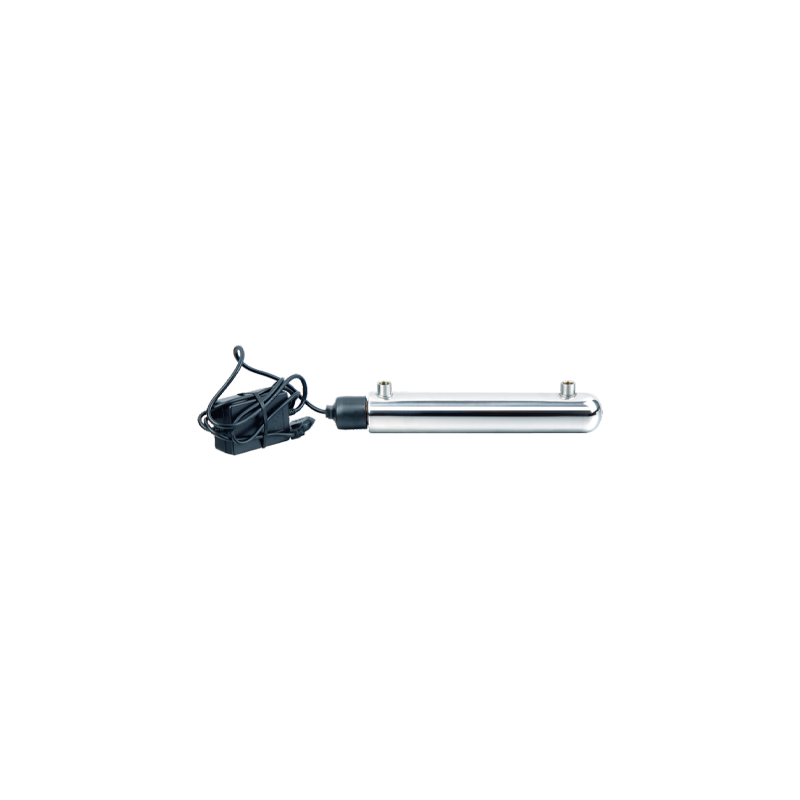 UV11W High-efficiency Intelligent UV Water Sterilizer Cat:Ultraviolet Water Sterilizer
The UV11W High-efficiency Intelligent UV Water Sterilizer is an advanced water purification system that offers convenience and reliability. This steri...
See Details -
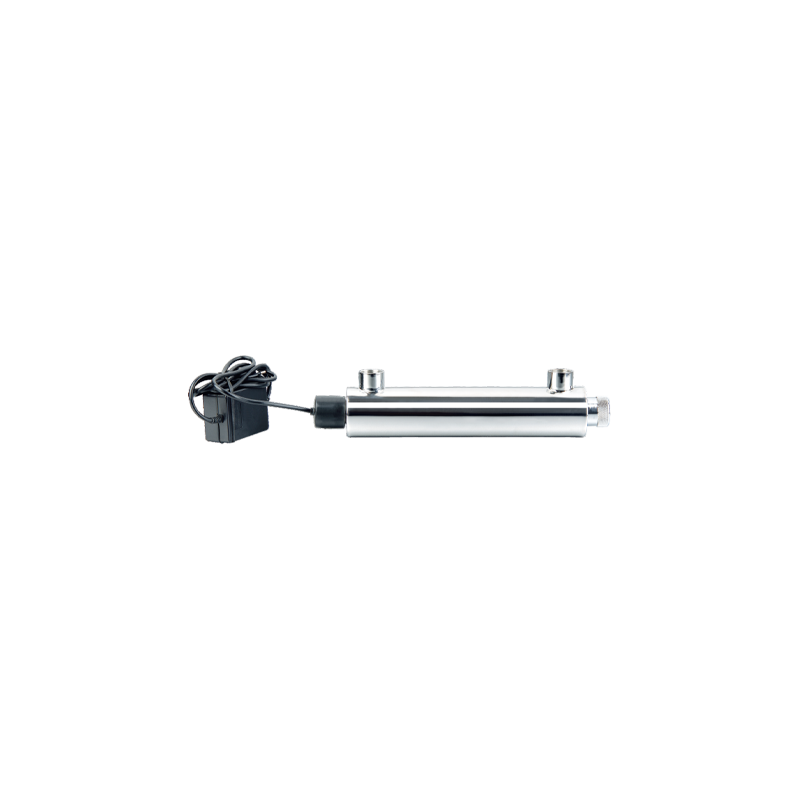 UV16W-A Household Stainless Steel UV Water Sterilizer Cat:Ultraviolet Water Sterilizer
The UV16W-A Household Stainless Steel UV Water Sterilizer is an innovative solution for ensuring safe and pure water in your home. Designed with durab...
See Details -
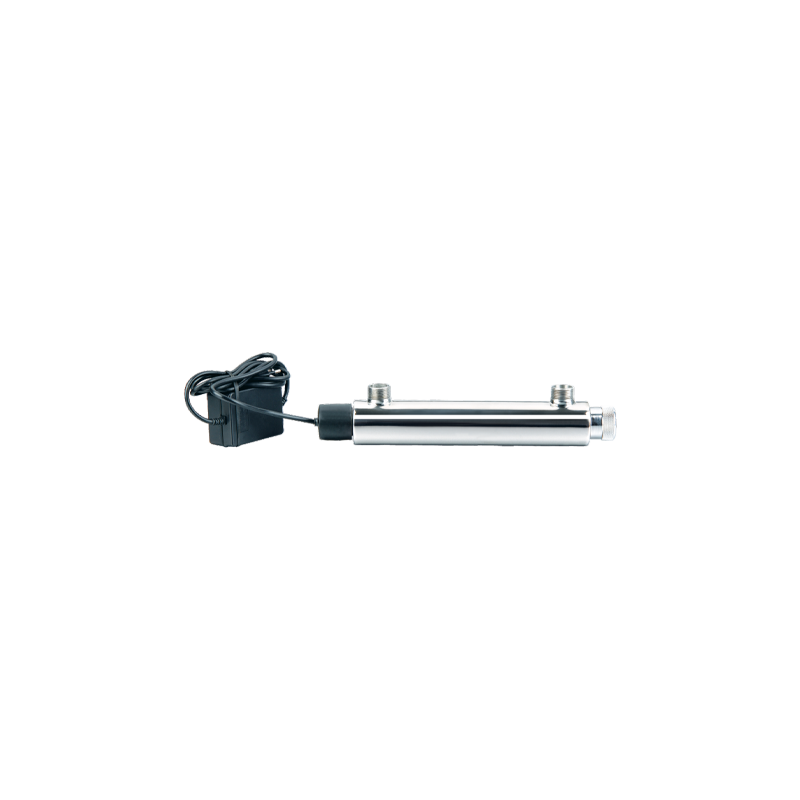 UV16W-B 304 Stainless Steel Water Purifier Ultraviolet Water Sterilizer Cat:Ultraviolet Water Sterilizer
UV16W-B 304 Stainless Steel Water Purifier Ultraviolet Water Sterilizer is an efficient water treatment equipment based on advanced ultraviolet disinf...
See Details -
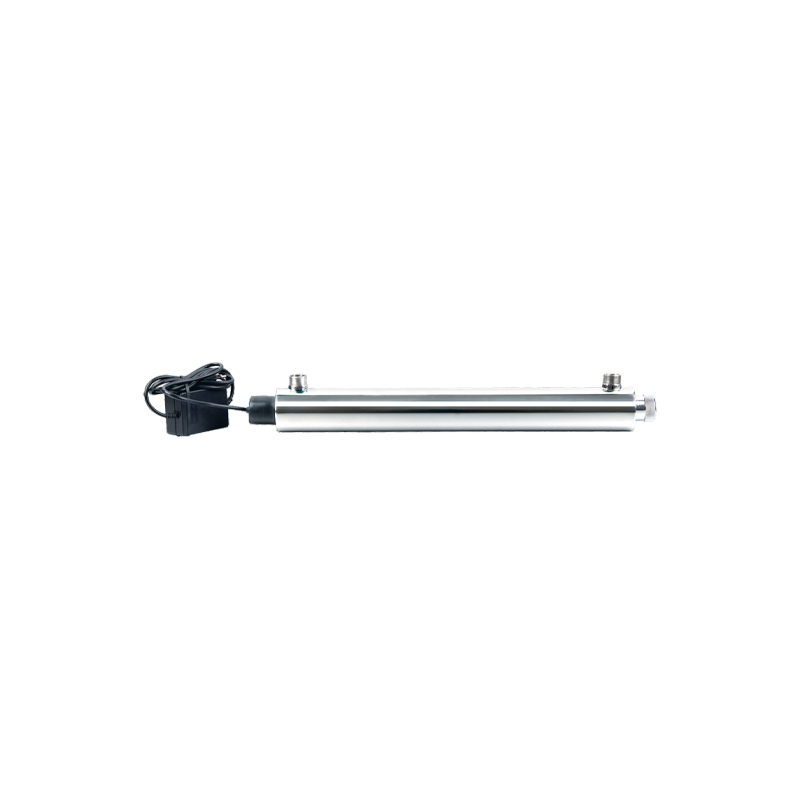 UV25W Stainless Steel Ultrafiltration Pre-Filtration UV Sterilizers For Water Cat:Ultraviolet Water Sterilizer
UV25W Stainless Steel Ultrafiltration Pre-Filtration UV Sterilizers For Water uses high-quality stainless steel materials, which have superb corrosion...
See Details -
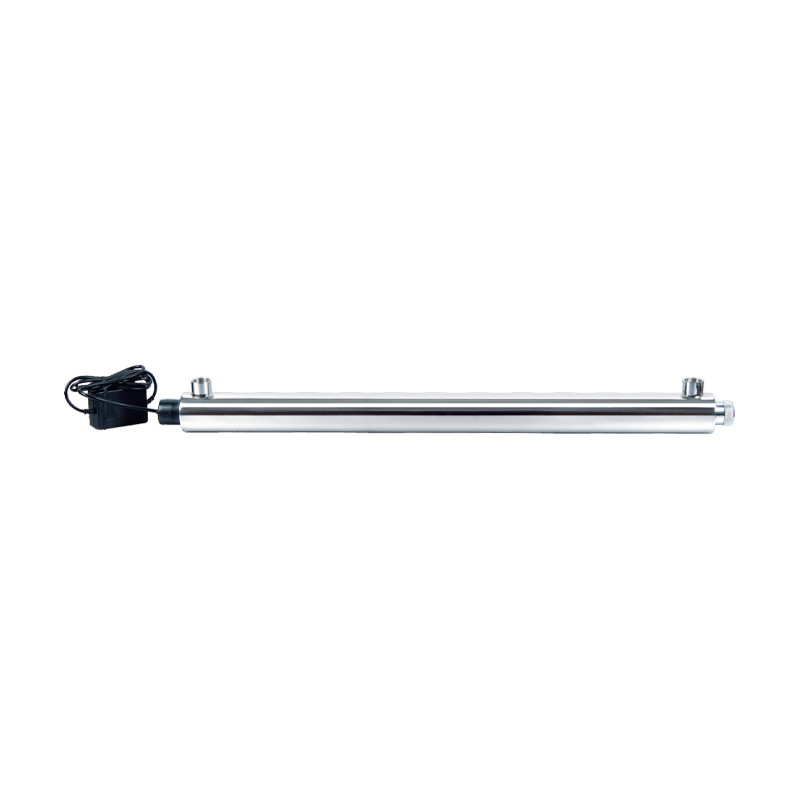 UV30W-55W Automatic Ultraviolet Sterilizer UV Filtration For Drinking Water Cat:Ultraviolet Water Sterilizer
The core advantage of UV30W-55W Automatic Ultraviolet Sterilizer UV Filtration For Drinking Water lies in its efficient and rapid disinfection capabil...
See Details -
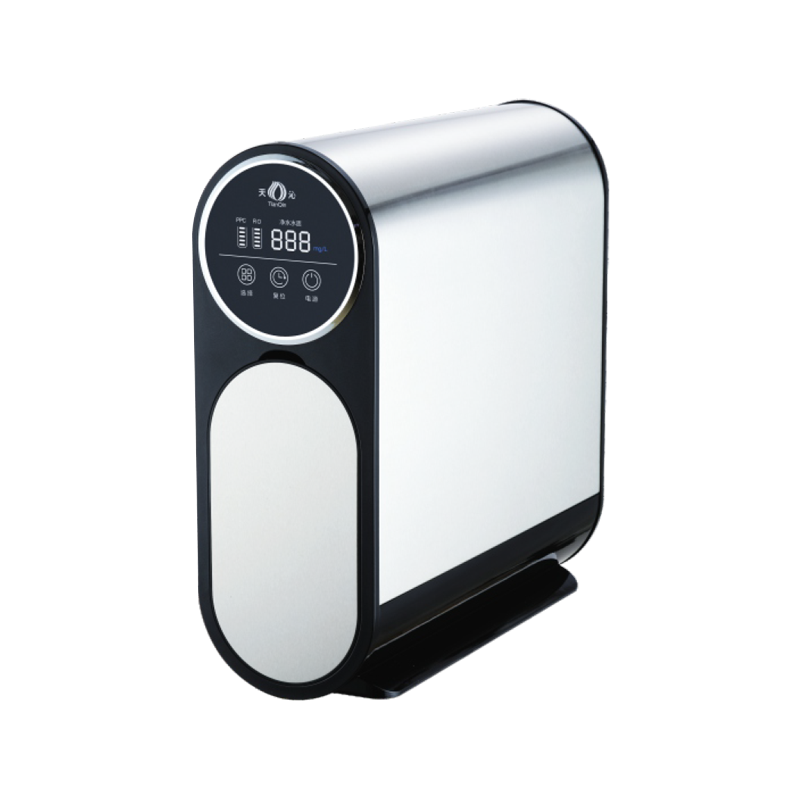 TQ-R03 Stainless Steel Booster Double Water Full Effect RO Water Purifier Cat:Stainless Steel Ro System
TQ-R03 Stainless Steel Booster Double Water Full Effect RO Water Purifier is a household water purification device that combines efficient water purif...
See Details -
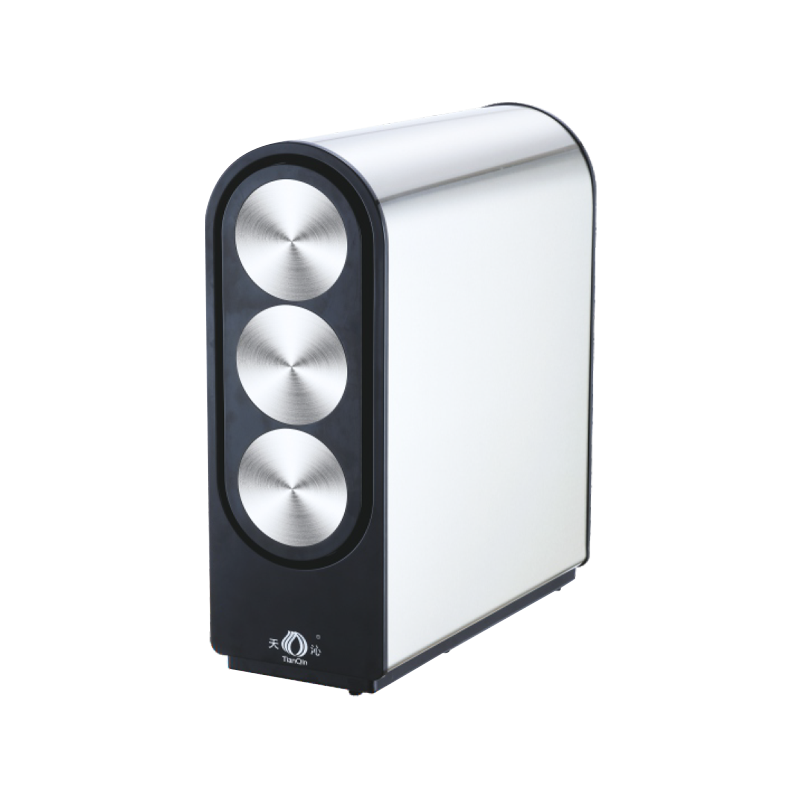 TQ-R05 Multifunctional Water Purification Source RO Water Purifier Cat:Stainless Steel Ro System
The TQ-R05 Multifunctional Water Purification Source RO Water Purifier is an advanced, versatile water purification solution designed for households a...
See Details -
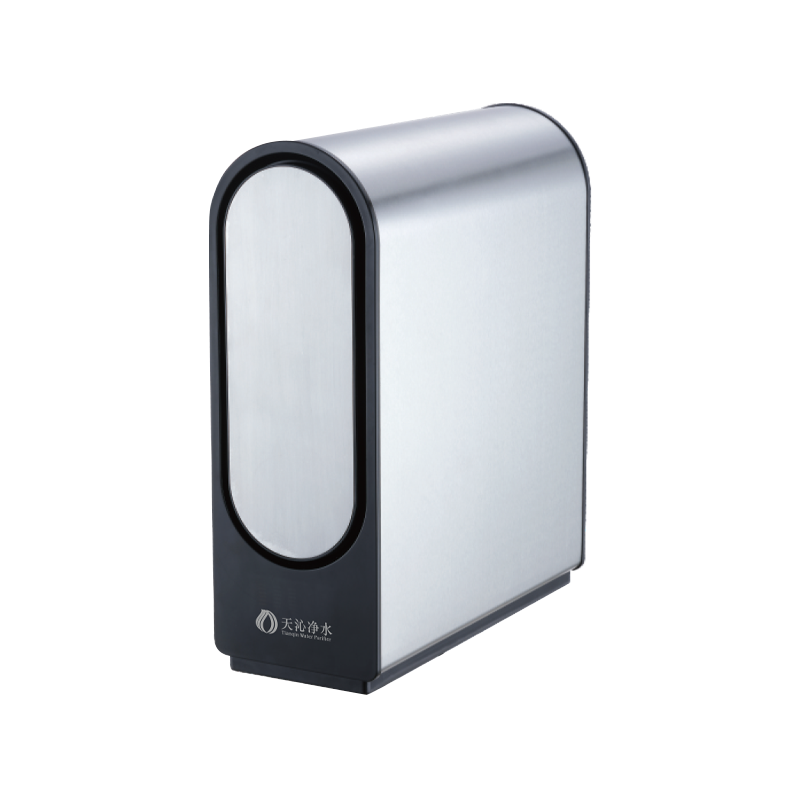 TQ-R06 Stainless Steel Environmentally Friendly RO Water Purifier Cat:Stainless Steel Ro System
The TQ-R06 Stainless Steel Environmentally Friendly RO Water Purifier combines advanced RO filtration technology, durable stainless steel housing, and...
See Details -
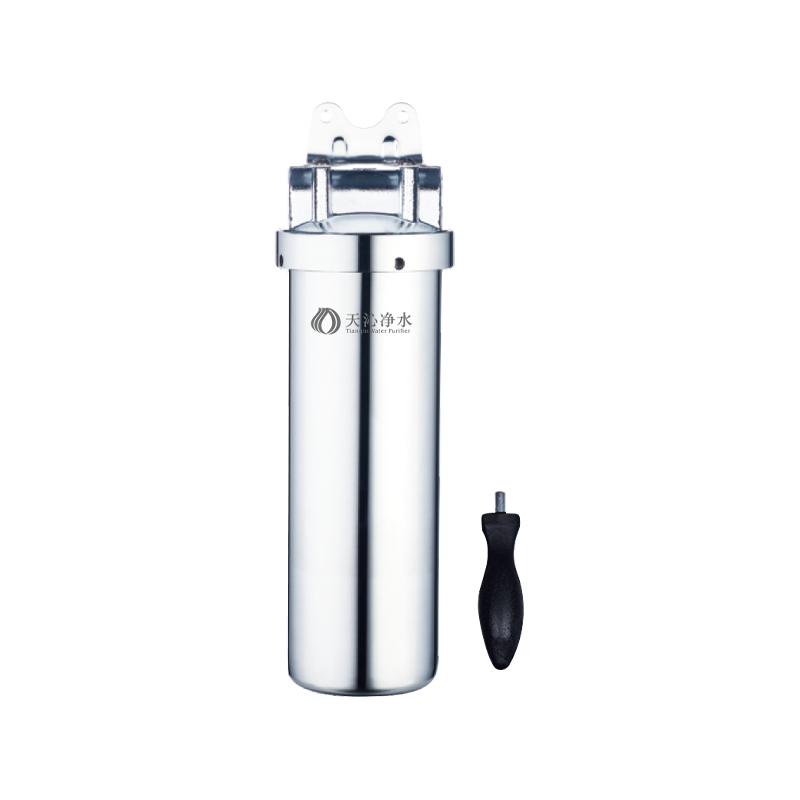 Stainless Steel Pure Double Water Pipe Water Purifier Cat:Stainless Steel Pipeline Water Purifier
The Stainless Steel Pure Double Water Pipe Water Purifier is an advanced water purification system designed to provide dual-mode purified water with e...
See Details -
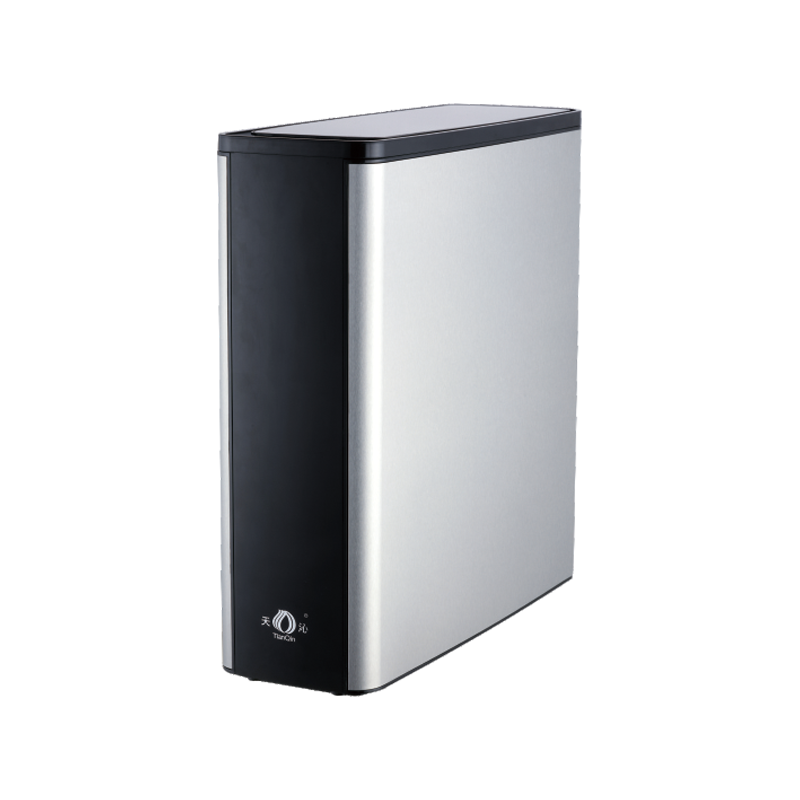 TQ-R08 Stainless Steel High-Flow RO Water Filter Cat:Stainless Steel Ro System
The Stainless Steel High-Flow RO Water Filter (TQ-R08) provides a powerful and effective solution for purifying drinking water, combining advanced rev...
See Details


 +86-0574-62381077/62386875

Types of Water Filters: Complete Guide to Water Purifiers
The seven main types of water filters are: reverse osmosis (RO), ultrafiltration (UF), activated carbon, central whole-house purifiers, stainless steel pipeline purifiers, stainless steel desktop purifiers, and high magnetic activation purifiers. Each works through a different mechanism, removes different contaminants, and suits different household situations. Choosing the wrong type means either over-spending on filtration you don't need, or under-filtering water that contains contaminants your system cannot remove. This guide explains each type with specifications, real-world trade-offs, and clear recommendations.
Content
- 1 Overview: How the Main Water Filter Types Compare
- 2 Reverse Osmosis Water Purifier: Maximum Filtration for Contaminated Sources
- 3 Ultrafiltration Water Purifier: Mineral-Retaining Membrane Filtration
- 4 Central Water Purifier: Whole-House Protection from the Mains Inlet
- 5 Stainless Steel Pipeline Water Purifier: Durable Inline Filtration
- 6 Stainless Steel Desktop Water Purifier: No-Plumbing Countertop Solution
- 7 High Magnetic Activation Water Purifier: Scale Prevention and Structured Water
- 8 Stainless Steel Water Purifier: Why Housing Material Matters
- 9 How to Choose the Right Water Filter Type for Your Situation
- 10 Filter Maintenance: The Factor Most Buyers Underestimate
Overview: How the Main Water Filter Types Compare
Before exploring each type in depth, the table below gives a fast reference for filtration precision, typical application, and relative cost — the three factors that most influence purchasing decisions.
| Filter Type | Pore Size / Technology | Key Contaminants Removed | Retains Minerals | Typical Application |
|---|---|---|---|---|
| Reverse Osmosis (RO) | 0.0001 µm | Heavy metals, TDS, fluoride, nitrates, bacteria, viruses | No (remineralisation filter optional) | Under-sink drinking water |
| Ultrafiltration (UF) | 0.01–0.1 µm | Bacteria, cysts, colloids, suspended solids | Yes | Counter-top or under-sink drinking water |
| Activated Carbon | Adsorption | Chlorine, VOCs, taste, odour | Yes | Pre-filter stage or standalone pitcher |
| Central Water Purifier | Multi-stage (sediment + carbon) | Sediment, chlorine, rust, large particles | Yes | Whole-house pre-treatment |
| Stainless Steel Pipeline Purifier | Multi-stage inline | Sediment, chlorine, rust, partial bacteria | Yes | In-line kitchen or bathroom installation |
| Stainless Steel Desktop Purifier | UF or carbon, countertop | Sediment, chlorine, bacteria (UF models) | Yes | Rental homes, offices, small kitchens |
| High Magnetic Activation Purifier | Magnetic field + filtration | Scale prevention, sediment, partial chlorine | Yes | Hard water areas, appliance protection |
Reverse Osmosis Water Purifier: Maximum Filtration for Contaminated Sources
Reverse osmosis is the most thorough water filtration technology available for residential use. Water is forced under pressure through a semi-permeable membrane with pores as small as 0.0001 micrometres — small enough to block dissolved salts, heavy metals, nitrates, fluoride, and virtually all biological contaminants including bacteria and viruses.
How a Reverse Osmosis System Works
A standard RO system uses 4 to 6 filtration stages: a sediment pre-filter (removes particles above 5 µm), one or two activated carbon pre-filters (removes chlorine to protect the membrane), the RO membrane itself, a post-carbon polishing filter, and optionally a remineralisation or alkaline filter. Purified water is stored in a pressurised tank (typically 3–10 litres) and dispensed on demand.
Key Performance Data
- TDS reduction: 90–99% — a water source at 500 ppm TDS will typically be reduced to 5–50 ppm
- Heavy metal removal: Lead removal rates typically exceed 95%; arsenic removal 92–96%
- Water waste: Traditional RO systems waste 3–4 litres for every 1 litre purified; modern tankless RO systems achieve a 1:1 ratio
- Flow rate: 50–600 GPD (gallons per day) depending on membrane grade
- Membrane replacement: Every 2–3 years; pre-filters every 6–12 months
The main limitation of RO is that it strips beneficial minerals — calcium, magnesium, and potassium — along with contaminants. If your water source has high TDS, heavy metal contamination, or known nitrate issues, RO is the only residential technology capable of reliably addressing all of these simultaneously.
Ultrafiltration Water Purifier: Mineral-Retaining Membrane Filtration
An ultrafiltration water purifier uses hollow fibre membranes with pore sizes of 0.01 to 0.1 micrometres — larger than RO but small enough to physically block bacteria (0.2–2 µm), cysts, colloids, and suspended solids. Critically, UF pores are too large to block dissolved salts and minerals, meaning beneficial minerals such as calcium and magnesium pass through unchanged.
Advantages of Ultrafiltration
- No electricity required — UF operates purely on water pressure (minimum 0.1 MPa), making it suitable for areas with unreliable power
- Zero water waste — unlike RO, UF produces no reject water stream
- Retains natural mineral content, which many users prefer for taste and health reasons
- Membrane lifespan of 3–5 years with periodic backwashing, lower ongoing cost than RO
- Effective against bacteria (>99.99% removal) and protozoa including Giardia and Cryptosporidium
Limitations of Ultrafiltration
- Cannot remove dissolved contaminants: heavy metals, nitrates, fluoride, pesticides, or TDS remain in the filtered water
- Not suitable for water with high TDS (above 300–400 ppm) or known heavy metal contamination
- Virus removal is variable — most UF membranes reduce but do not guarantee complete virus elimination
UF is the right choice when your municipal water supply is microbiologically safe but you want to remove chlorine, sediment, and residual bacteria without losing minerals. It is particularly well-suited to regions with soft, low-TDS water.
Central Water Purifier: Whole-House Protection from the Mains Inlet
A central water purifier (also called a whole-house filter) is installed at the point where the mains water supply enters the home. Every tap, shower, washing machine, and appliance in the house receives pre-treated water. This is fundamentally different from a point-of-use filter, which only treats water at one outlet.
What a Central Purifier Removes
Central systems typically combine a 100–200 µm stainless steel mesh pre-filter (removing sediment, rust, and sand) with a large activated carbon block (removing chlorine, chloramines, and organic compounds). Some advanced central units add a KDF (Kinetic Degradation Fluxion) media stage to reduce heavy metals and inhibit bacterial growth within the filter housing.
Central water purifiers do not remove dissolved salts or TDS — they are a pre-treatment and protective layer, not a drinking water purification system on their own. They work best when paired with a point-of-use filter (RO or UF) at the kitchen tap for drinking water.
Benefits of Whole-House Filtration
- Protects all household appliances (washing machines, water heaters, dishwashers) from sediment and scale damage
- Reduces chlorine exposure during showering and bathing — dermatologically beneficial for sensitive skin
- A high-flow central unit handles 1,000–3,000 litres per hour without pressure drop — suitable for large families or properties with multiple bathrooms
- Filter cartridge replacement typically needed every 6–12 months depending on local water quality
Stainless Steel Pipeline Water Purifier: Durable Inline Filtration
A stainless steel pipeline water purifier is installed directly into the water supply line — typically under the kitchen sink or at a service point — and filters water as it flows through the pipe to the tap. The defining feature is the housing material: food-grade 304 or 316 stainless steel, which does not leach plasticisers or BPA and resists corrosion from both the water and the external environment.
Construction and Filtration Stages
Most stainless steel pipeline purifiers use a 3-to-5 stage filtration sequence:
- PP cotton sediment pre-filter (5 µm) — removes rust, sand, and particulates
- Granular activated carbon (GAC) — removes chlorine, odour, and organic compounds
- Carbon block filter — further chlorine and VOC reduction
- UF membrane (optional stage) — bacterial and colloidal removal
- Post-carbon polishing filter — final taste improvement
The stainless steel body adds meaningful longevity over plastic equivalents. In environments with high ambient temperatures or where pipes are exposed to sunlight, plastic housings can degrade and introduce microplastics into the water stream. Stainless steel pipeline purifiers typically carry a 5–10 year housing warranty, compared to 1–3 years for plastic units.
These units are best suited to rental properties, older buildings with ageing pipework, and any installation where the owner wants a long-service-life filtration solution without frequent housing replacements.
Stainless Steel Desktop Water Purifier: No-Plumbing Countertop Solution
A stainless steel desktop water purifier sits on the kitchen counter and connects to the tap via a diverter valve — no permanent plumbing required. This makes it ideal for renters, office environments, and users who want filtered water without modifying their property.
Design and Performance Characteristics
- Stainless steel outer casing (304 grade in most models) resists kitchen humidity, heat, and cleaning chemicals better than ABS plastic
- Internal filtration is typically UF membrane-based with a pre-carbon stage, producing mineral-retaining filtered water at 1.5–3 litres per minute
- No electricity or water storage tank needed — filtered water flows directly and continuously
- Installation takes under 10 minutes; removal for moving requires no tools
- Filter cartridges typically last 6–12 months or 3,000–6,000 litres, whichever comes first
The primary limitation is flow rate — a desktop unit cannot match the throughput of an under-sink system, making it less practical for large households. For one to three people who primarily want improved-taste drinking water from a municipal chlorinated supply, a stainless steel desktop purifier offers an excellent balance of performance, hygiene, and convenience.
High Magnetic Activation Water Purifier: Scale Prevention and Structured Water
A high magnetic activation water purifier combines conventional physical filtration with a permanent magnetic field applied to the water as it passes through the unit. This technology is primarily aimed at hard water management — reducing limescale formation in pipes, boilers, and appliances — rather than contaminant removal in the traditional sense.
How Magnetic Activation Works
When hard water (high in dissolved calcium and magnesium carbonate) passes through a strong magnetic field, the ionic structure of calcium and magnesium ions is temporarily altered. The result is that these minerals remain in solution rather than precipitating as scale deposits on heating elements and pipe walls. The magnetic field strength in quality units ranges from 3,000 to 5,000 Gauss.
Most high magnetic activation units also incorporate a filtration stage — sediment filter and activated carbon — so they simultaneously remove particulates and chlorine while the magnetic module addresses scale.
Realistic Expectations
- Scale reduction: Studies in hard water regions (above 200 ppm hardness) show meaningful reduction in new limescale formation in downstream appliances — a boiler manufacturer test reported up to 40% less scale accumulation over 12 months with magnetic treatment
- Minerals are not removed — water hardness by TDS measurement is unchanged; the physical behaviour of the minerals is modified
- No electricity, no salt, no chemicals — zero running cost beyond occasional pre-filter cartridge replacement
- Not a replacement for RO or UF when drinking water purity from biological or chemical contamination is the goal
High magnetic activation purifiers deliver best value in homes in hard water areas where scale damage to water heaters, kettles, and washing machines is a recognised ongoing cost. They work best as part of a system — installed at the mains alongside or integrated into a central purifier, with a dedicated drinking water filter at the kitchen tap.
Stainless Steel Water Purifier: Why Housing Material Matters
The term "stainless steel water purifier" refers broadly to any water purifier — pipeline, desktop, or central — that uses stainless steel for its primary housing rather than plastic. While the filtration technology inside may be identical to a plastic-housed equivalent, the choice of housing material has meaningful implications for hygiene, durability, and safety.
Stainless Steel vs Plastic Housing: Practical Differences
| Factor | Stainless Steel Housing | Plastic (ABS/PP) Housing |
|---|---|---|
| BPA / plasticiser leaching risk | None | Low (BPA-free plastics) to moderate |
| Resistance to high temperatures | Excellent (up to 200°C+) | Moderate (60–80°C typical limit) |
| UV / sunlight degradation | None | Significant over 3–5 years |
| Impact resistance | High | Moderate |
| Typical housing lifespan | 10–15+ years | 3–7 years |
| Upfront cost | 20–40% higher | Lower |
| Aesthetic / kitchen integration | Professional finish, widely preferred | Functional, less premium appearance |
For anyone planning to keep a water purifier in place for more than five years, the long-term cost calculation often favours stainless steel — the higher upfront price is offset by not needing to replace a degraded plastic housing mid-lifecycle.
How to Choose the Right Water Filter Type for Your Situation
The correct filter depends on three inputs: your water source quality (TDS, contaminants), your household size and water usage pattern, and your installation constraints (rental vs. owned property, access to plumbing).
Decision Framework by Water Quality
- TDS above 300 ppm or known heavy metal / nitrate contamination: Reverse osmosis is the only residential technology proven to address this comprehensively. Add a remineralisation filter if taste is a concern.
- TDS below 300 ppm, microbiologically safe municipal supply: Ultrafiltration with activated carbon pre-filter is sufficient and preserves mineral content.
- Hard water area (above 200 ppm hardness): High magnetic activation purifier at the mains, paired with a point-of-use filter for drinking water.
- Old building with suspected rusty pipework: Stainless steel pipeline purifier with sediment and carbon stages; consider a central pre-filter at the mains inlet.
- Rental property or no permanent installation permitted: Stainless steel desktop water purifier — connects to the existing tap with no modifications.
- Large home, multiple bathrooms, appliance protection priority: Central water purifier at the mains inlet, with RO under the kitchen sink for drinking water.
Before purchasing any filter, test your tap water with a TDS meter (£8–£15 online) and a basic water test kit (available for £15–£40, testing chlorine, hardness, nitrates, and pH). This two-step test costs under £50 and immediately identifies which contaminants are present — preventing both under-specification and unnecessary expenditure on high-end filtration your water supply does not require.
Filter Maintenance: The Factor Most Buyers Underestimate
A water purifier that is not maintained on schedule can become a source of contamination rather than protection. Overloaded carbon filters stop adsorbing chlorine and begin releasing trapped contaminants. Clogged UF membranes reduce to minimal flow rates. Saturated sediment pre-filters bypass particles into downstream stages.
Typical Replacement Intervals by Filter Component
| Filter Component | Replacement Interval | Volume Limit | Consequence of Delay |
|---|---|---|---|
| PP sediment pre-filter | 3–6 months | ~3,000–6,000 L | Pressure drop, membrane damage |
| Granular activated carbon | 6–12 months | ~6,000–12,000 L | Chlorine breaks through, RO membrane shortened |
| RO membrane | 2–3 years | ~15,000–25,000 L | TDS rejection falls, contaminants pass through |
| UF hollow fibre membrane | 3–5 years (with backwashing) | ~30,000–50,000 L | Flow rate drops significantly |
| Post-carbon polishing filter | 6–12 months | ~6,000–10,000 L | Taste and odour return to filtered water |
Set calendar reminders when installing any filter. Many modern water purifiers include a filter life indicator LED or digital counter — prioritise models with this feature if maintenance is a concern. Annual filter cartridge costs for a typical 5-stage RO system run £40–£100 per year, depending on brand and local water quality.
-
 Tel: +86-0574-62381077/62386875
-
 E-mail: leozhanglei@nbtianqin.net
-
 Add: Wuma Industrial Zone, Lubu Town, Yuyao City, Zhejiang Province, China.
Copyright © 2024 by Yuyao Tianqin Water Purification Equipment Co..Ltd.
All Rights Reserved.
 Wholesale Water Purifier Manufacturers

