 English
 中文简体
中文简体-
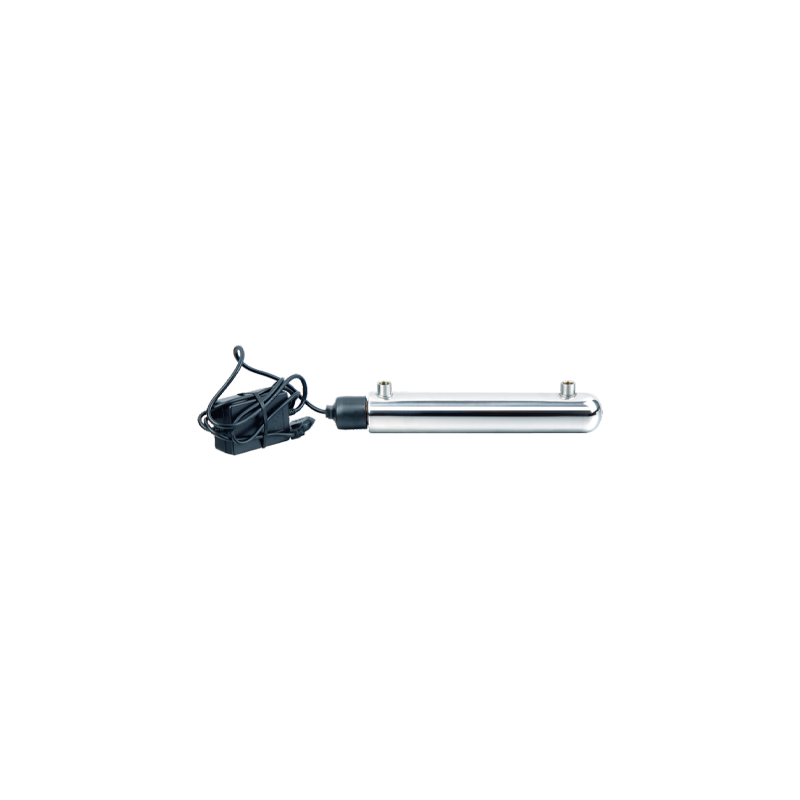 UV11W High-efficiency Intelligent UV Water Sterilizer Cat:Ultraviolet Water Sterilizer
The UV11W High-efficiency Intelligent UV Water Sterilizer is an advanced water purification system that offers convenience and reliability. This steri...
See Details -
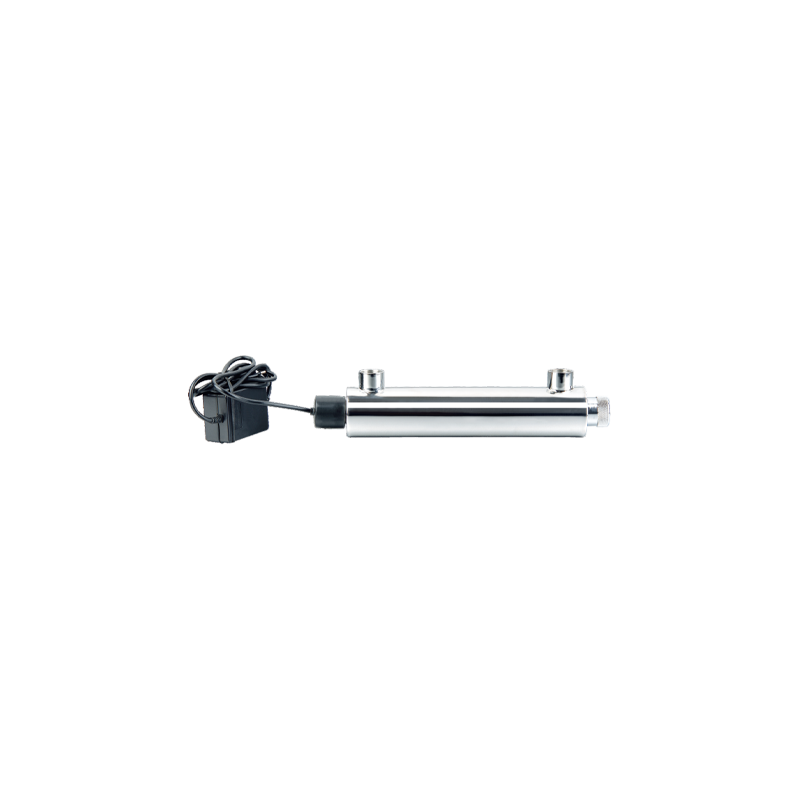 UV16W-A Household Stainless Steel UV Water Sterilizer Cat:Ultraviolet Water Sterilizer
The UV16W-A Household Stainless Steel UV Water Sterilizer is an innovative solution for ensuring safe and pure water in your home. Designed with durab...
See Details -
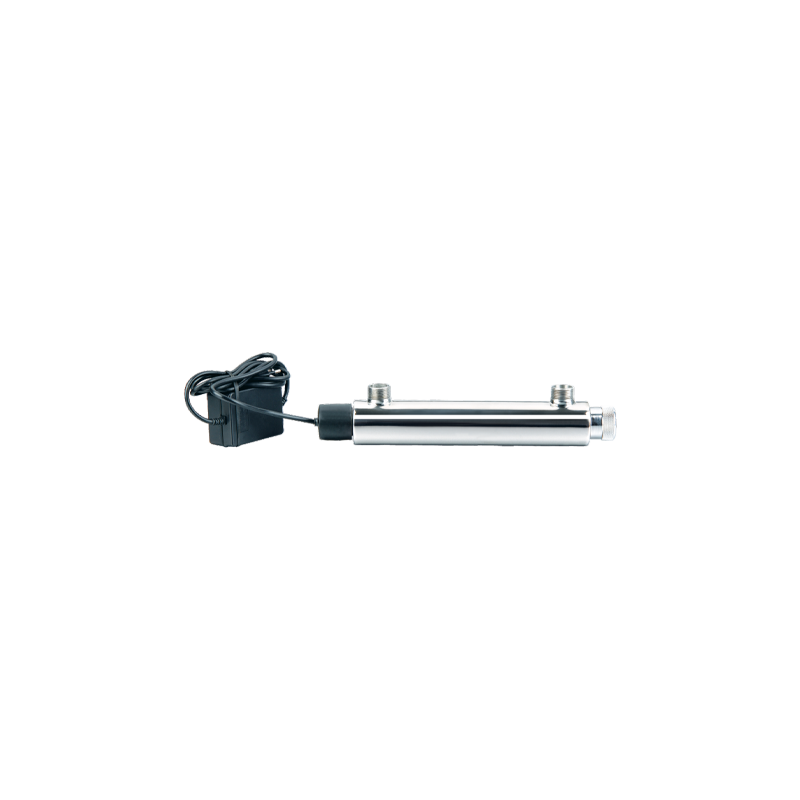 UV16W-B 304 Stainless Steel Water Purifier Ultraviolet Water Sterilizer Cat:Ultraviolet Water Sterilizer
UV16W-B 304 Stainless Steel Water Purifier Ultraviolet Water Sterilizer is an efficient water treatment equipment based on advanced ultraviolet disinf...
See Details -
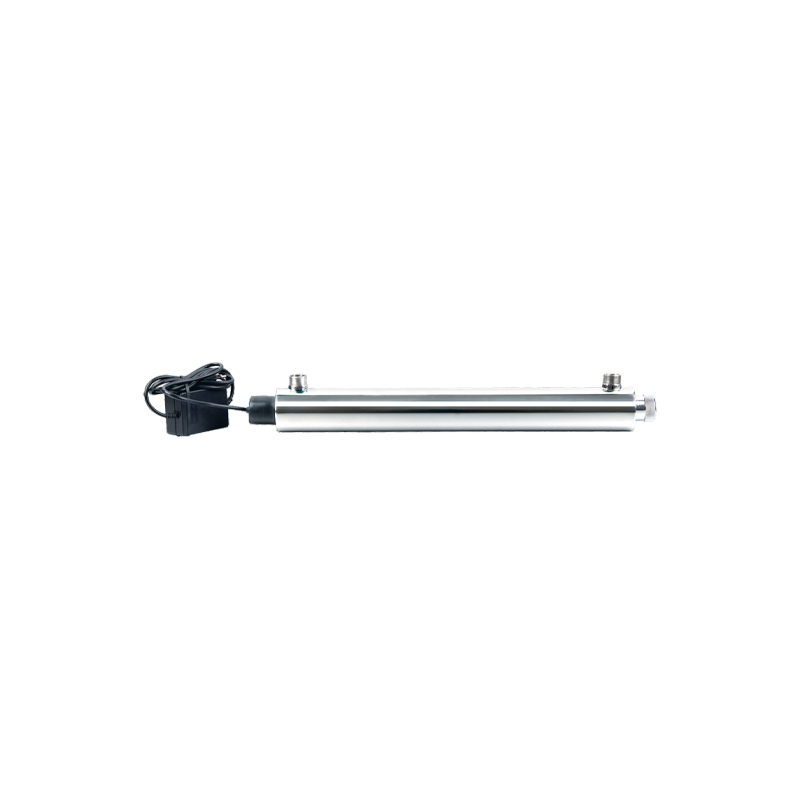 UV25W Stainless Steel Ultrafiltration Pre-Filtration UV Sterilizers For Water Cat:Ultraviolet Water Sterilizer
UV25W Stainless Steel Ultrafiltration Pre-Filtration UV Sterilizers For Water uses high-quality stainless steel materials, which have superb corrosion...
See Details -
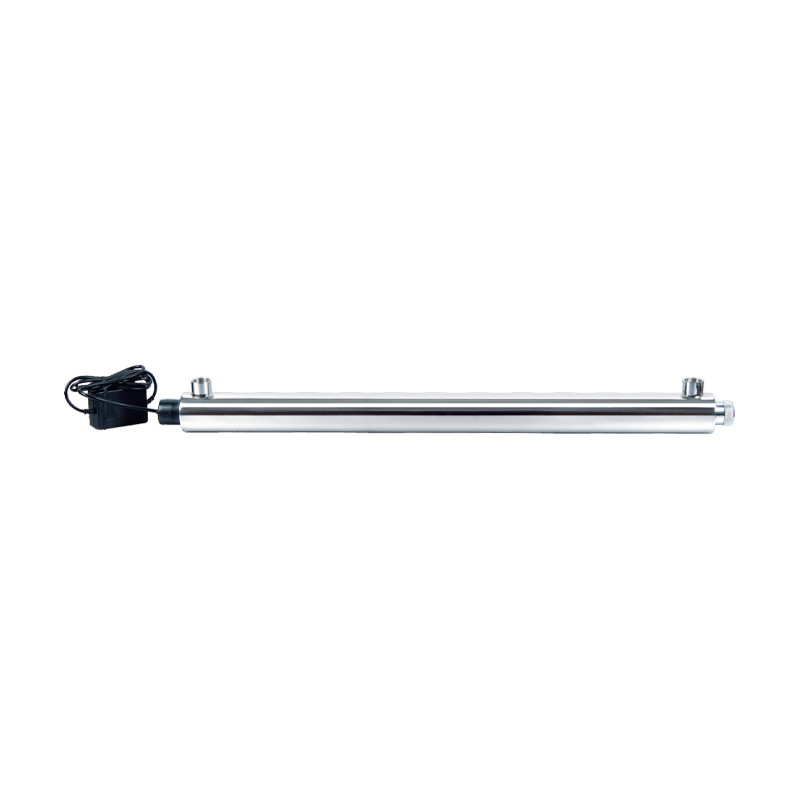 UV30W-55W Automatic Ultraviolet Sterilizer UV Filtration For Drinking Water Cat:Ultraviolet Water Sterilizer
The core advantage of UV30W-55W Automatic Ultraviolet Sterilizer UV Filtration For Drinking Water lies in its efficient and rapid disinfection capabil...
See Details -
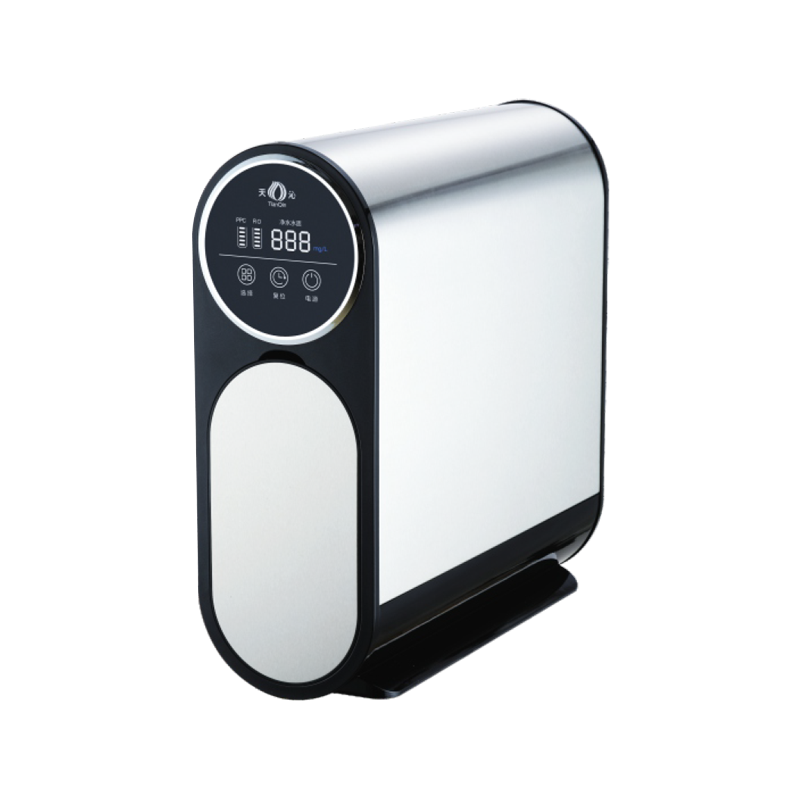 TQ-R03 Stainless Steel Booster Double Water Full Effect RO Water Purifier Cat:Stainless Steel Ro System
TQ-R03 Stainless Steel Booster Double Water Full Effect RO Water Purifier is a household water purification device that combines efficient water purif...
See Details -
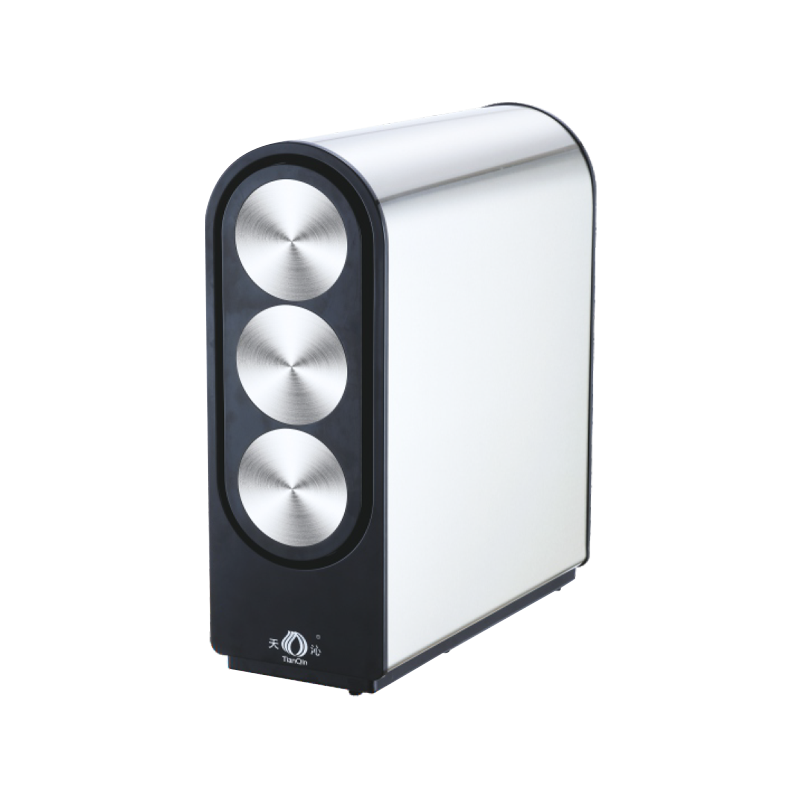 TQ-R05 Multifunctional Water Purification Source RO Water Purifier Cat:Stainless Steel Ro System
The TQ-R05 Multifunctional Water Purification Source RO Water Purifier is an advanced, versatile water purification solution designed for households a...
See Details -
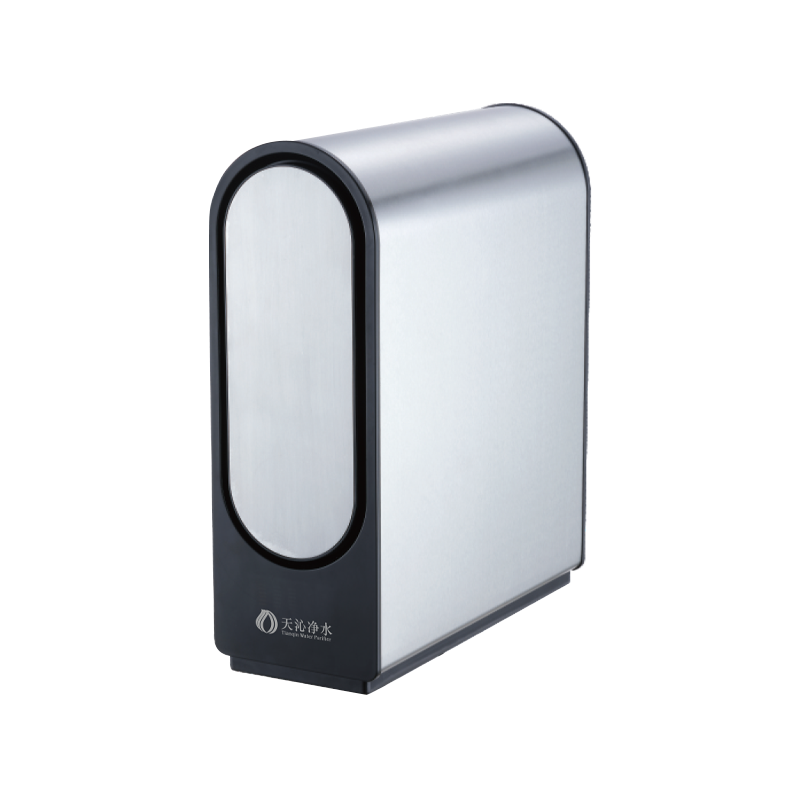 TQ-R06 Stainless Steel Environmentally Friendly RO Water Purifier Cat:Stainless Steel Ro System
The TQ-R06 Stainless Steel Environmentally Friendly RO Water Purifier combines advanced RO filtration technology, durable stainless steel housing, and...
See Details -
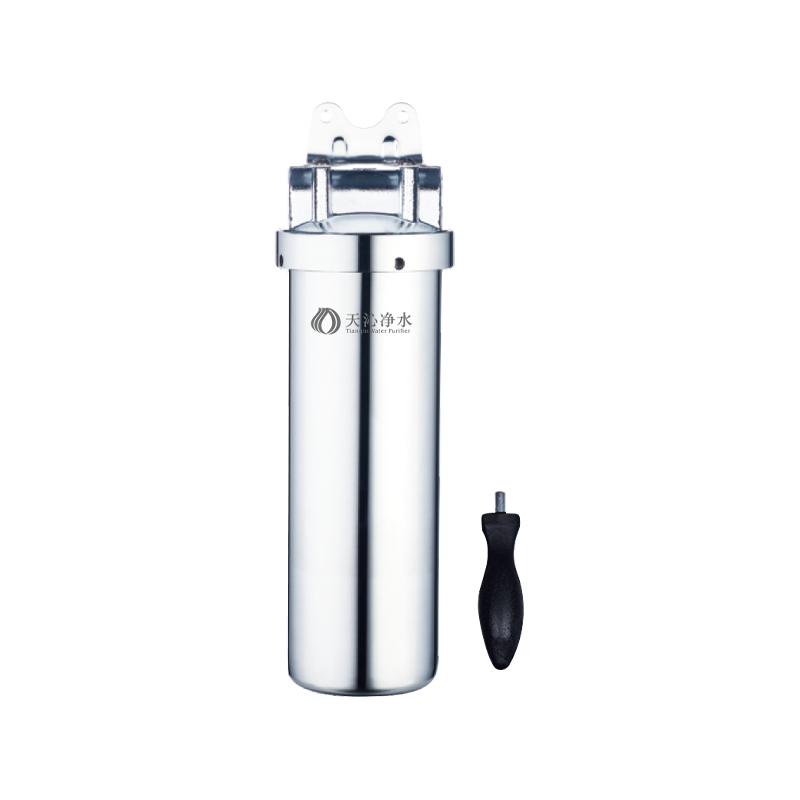 Stainless Steel Pure Double Water Pipe Water Purifier Cat:Stainless Steel Pipeline Water Purifier
The Stainless Steel Pure Double Water Pipe Water Purifier is an advanced water purification system designed to provide dual-mode purified water with e...
See Details -
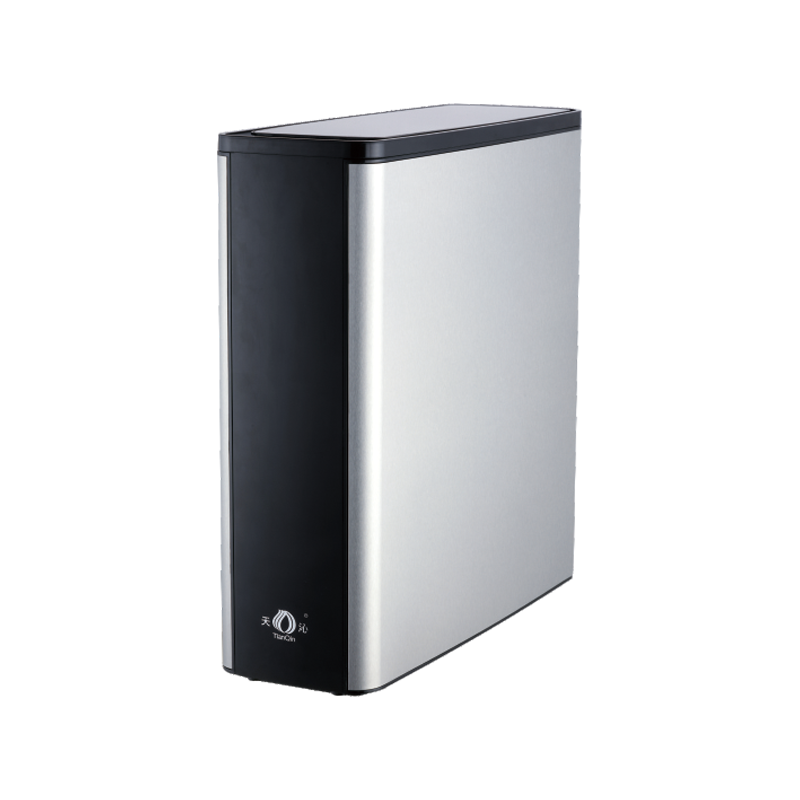 TQ-R08 Stainless Steel High-Flow RO Water Filter Cat:Stainless Steel Ro System
The Stainless Steel High-Flow RO Water Filter (TQ-R08) provides a powerful and effective solution for purifying drinking water, combining advanced rev...
See Details


 +86-0574-62381077/62386875

UV vs UF Water Filters: Key Differences Explained
UV (ultraviolet) and UF (ultrafiltration) water treatment systems both eliminate harmful microorganisms, but they work in fundamentally different ways and are not interchangeable. A UV water sterilizer uses ultraviolet light to destroy the DNA of bacteria, viruses, and protozoa without removing any particles from the water. A UF water filter uses a physical membrane with pores as small as 0.01 microns to mechanically block bacteria, protozoa, sediment, and some viruses — but it cannot neutralize dissolved contaminants or chemicals. Choosing between them depends on your specific water source, contaminant profile, and whether you need filtration, sterilization, or both.
Content
How a UV Water Sterilizer Works
An ultraviolet water sterilizer passes water through a chamber housing a UV-C lamp, which emits light at a wavelength of 254 nanometers — the wavelength most effective at disrupting microbial DNA and RNA. When microorganisms absorb this radiation, their genetic material is damaged to the point where they can no longer reproduce or cause infection. The process is chemical-free and adds nothing to the water.
Key performance metrics for UV systems are measured in mJ/cm² (millijoules per square centimeter) of UV dose. The U.S. EPA and NSF/ANSI Standard 55 require a minimum dose of 40 mJ/cm² for Class A systems, which provides:
- 99.99% (4-log) reduction of bacteria such as E. coli and Salmonella
- 99.99% reduction of viruses including Hepatitis A and Rotavirus
- 99.9% (3-log) reduction of protozoan cysts like Cryptosporidium and Giardia
Critically, UV treatment does not remove particles, sediment, heavy metals, chlorine, or any dissolved substance. The water must be relatively clear before entering a UV chamber — turbidity above 1 NTU (Nephelometric Turbidity Unit) significantly reduces UV effectiveness because particles shield microorganisms from the light.
How a UF Water Filter Works
Ultrafiltration is a pressure-driven membrane filtration process. Water is forced through a hollow fiber or flat-sheet membrane with pore sizes typically ranging from 0.01 to 0.1 microns. Anything larger than those pores is physically blocked and remains on the feed side, while purified water passes through.
At 0.01–0.02 microns, a UF membrane can block:
- Bacteria (0.2–10 microns): Completely blocked — 6-log (99.9999%) reduction is achievable
- Protozoa and cysts (1–10 microns): Completely blocked
- Sediment, colloids, and turbidity: Effectively removed
- Some larger viruses (0.02–0.3 microns): Partially blocked, but small viruses (e.g., Norovirus at ~0.027 microns) may pass through lower-quality UF membranes
Unlike UV, UF does not require electricity to operate in gravity-fed configurations, and it physically removes contaminants rather than neutralizing them. However, it cannot remove dissolved salts, heavy metals, pesticides, chlorine, or small organic molecules — those require reverse osmosis (RO) or activated carbon.
UV vs UF: Side-by-Side Comparison
The table below summarizes the most important differences between UV sterilization and UF filtration across the criteria that matter most for drinking water decisions:
| Criteria | UV Sterilizer | UF Water Filter |
|---|---|---|
| Treatment method | DNA disruption via UV-C light | Physical membrane barrier |
| Bacteria removal | 99.99% (inactivated, not removed) | 99.9999% (physically blocked) |
| Virus removal | 99.99% (all sizes inactivated) | Partial (small viruses may pass) |
| Protozoa / cysts | 99.9% (inactivated) | 100% (physically blocked) |
| Sediment / turbidity | Not removed | Effectively removed |
| Heavy metals / chemicals | Not removed | Not removed |
| Electricity required | Yes (lamp must be powered) | No (gravity or low pressure) |
| Maintenance | Annual lamp replacement (~$30–$80) | Periodic backwashing; membrane replacement every 2–5 years |
| Water taste / odor | No change | Slight improvement (removes colloids) |
| Turbidity sensitivity | High — requires pre-filtration above 1 NTU | Handles moderate turbidity directly |
| Typical cost (whole house) | $150–$500 installed | $100–$400 installed |
When to Choose a UV Water Sterilizer
A UV sterilizer is the better choice in the following scenarios:
- Virus risk is primary: Municipal water or well water in areas with known viral contamination (e.g., Hepatitis A, Norovirus, Rotavirus outbreaks) benefits from UV, since UF membranes may not reliably block all small viruses.
- Water is already visually clear: If incoming water has low turbidity (below 1 NTU) and no significant sediment, UV can work effectively without pre-filtration.
- Last-stage point-of-use treatment: UV is commonly installed as the final stage after carbon filtration and sediment filtration in under-sink or whole-house systems.
- No desire to alter mineral content: UV does not affect TDS (total dissolved solids), hardness, or mineral balance — ideal for those who want pathogen protection without changing water chemistry.
The primary limitation is electricity dependency — if power is lost, the UV lamp goes off and water passes through unsterilized. Systems with flow sensors that shut off water during power failure are available but add cost.
When to Choose a UF Water Filter
A UF water filter is the stronger choice when:
- Sediment and turbidity are concerns: Well water, surface water, or water from aging infrastructure often contains particulates. UF physically removes these, improving both safety and clarity. UV would be compromised by the same water without pre-treatment.
- No electricity is available: Gravity-fed UF systems (like the Sawyer Squeeze or large-scale gravity filters for rural homes) require no power, making them ideal for off-grid use, emergencies, or developing regions.
- Bacteria and protozoa are the main threat: For water sources where bacterial and cyst contamination is the dominant risk (common in well water and surface water), UF provides physical, absolute removal — microorganisms cannot pass through an intact membrane regardless of flow rate.
- Lower ongoing maintenance cost is important: UF membranes can last 2–5 years with periodic backwashing, compared to annual UV lamp replacement every 9,000 hours of use.
The Case for Combining UV and UF in One System
Many water treatment professionals recommend using UV and UF together, since each covers the weaknesses of the other. This combination is especially effective for:
- Well water or borehole water with mixed biological and sediment contamination
- Homes in areas with aging distribution infrastructure where both turbidity spikes and microbial events occur
- Hospitality, food service, or healthcare settings requiring the highest level of biological certainty
The recommended sequence in a multi-stage system is: sediment pre-filter → UF membrane → activated carbon → UV sterilizer. The UF stage removes particles and bacteria, protecting the UV lamp from fouling and shielding; the UV stage then inactivates any viruses that may have passed the membrane. This layered approach is used in NSF-certified systems rated for Class A treatment of untreated water supplies.
What Neither UV Nor UF Can Remove
It is important to understand the shared limitations of both UV sterilizers and UF water filters. Neither system addresses:
- Heavy metals: Lead, arsenic, mercury, and fluoride remain in the water after both UV and UF treatment. Reverse osmosis or ion exchange is required.
- Chlorine, chloramines, and VOCs: These dissolved chemicals are unaffected by UV light and pass through UF membranes. Activated carbon filtration is needed.
- Nitrates and pesticides: Dissolved agricultural contaminants require RO or specialized ion exchange media.
- Hardness (calcium/magnesium): Neither process affects water hardness or TDS levels.
If your water test reveals chemical contamination alongside biological risk, a multi-stage system incorporating activated carbon and/or reverse osmosis alongside UV or UF is necessary for comprehensive treatment.
How to Decide: Start With a Water Test
The single most important step before choosing between UV and UF — or any water treatment system — is to test your water. A basic test kit or certified laboratory analysis (typically $30–$150) should identify:
- Total coliform and E. coli count: Indicates bacterial contamination level and determines urgency of treatment.
- Turbidity (NTU): Values above 1 NTU indicate sediment that will impair UV performance and favor UF as a pre-treatment or primary stage.
- TDS (total dissolved solids): High TDS signals dissolved minerals or contaminants that neither UV nor UF address — pointing toward an RO component.
- Iron and manganese: Levels above 0.3 mg/L for iron can foul UV lamp sleeves and clog UF membranes rapidly, requiring pre-treatment with an iron filter.
- pH: Highly acidic water (below pH 6.5) can degrade UF membrane material over time and should be neutralized before the filtration stage.
With test results in hand, match the contaminants found to the removal capabilities of each system. In most residential well water scenarios, a UF filter paired with a UV sterilizer covers the widest range of biological threats at a combined installed cost of $250–$700 — a sound investment given the health risks of untreated biological contamination.
-
 Tel: +86-0574-62381077/62386875
-
 E-mail: leozhanglei@nbtianqin.net
-
 Add: Wuma Industrial Zone, Lubu Town, Yuyao City, Zhejiang Province, China.
Copyright © 2024 by Yuyao Tianqin Water Purification Equipment Co..Ltd.
All Rights Reserved.
 Wholesale Water Purifier Manufacturers

