 English
 中文简体
中文简体-
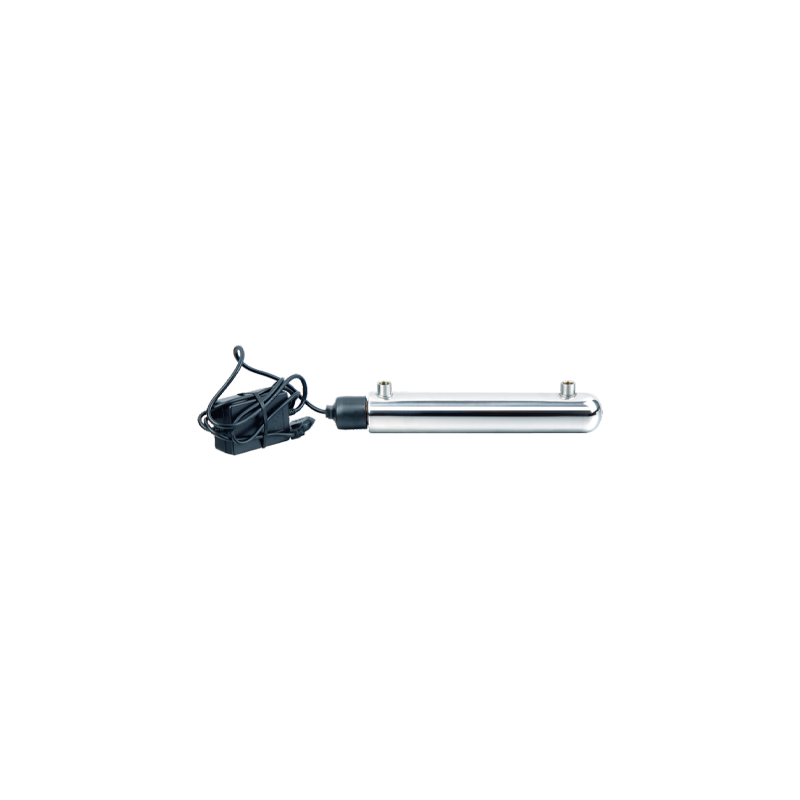 UV11W High-efficiency Intelligent UV Water Sterilizer Cat:Ultraviolet Water Sterilizer
The UV11W High-efficiency Intelligent UV Water Sterilizer is an advanced water purification system that offers convenience and reliability. This steri...
See Details -
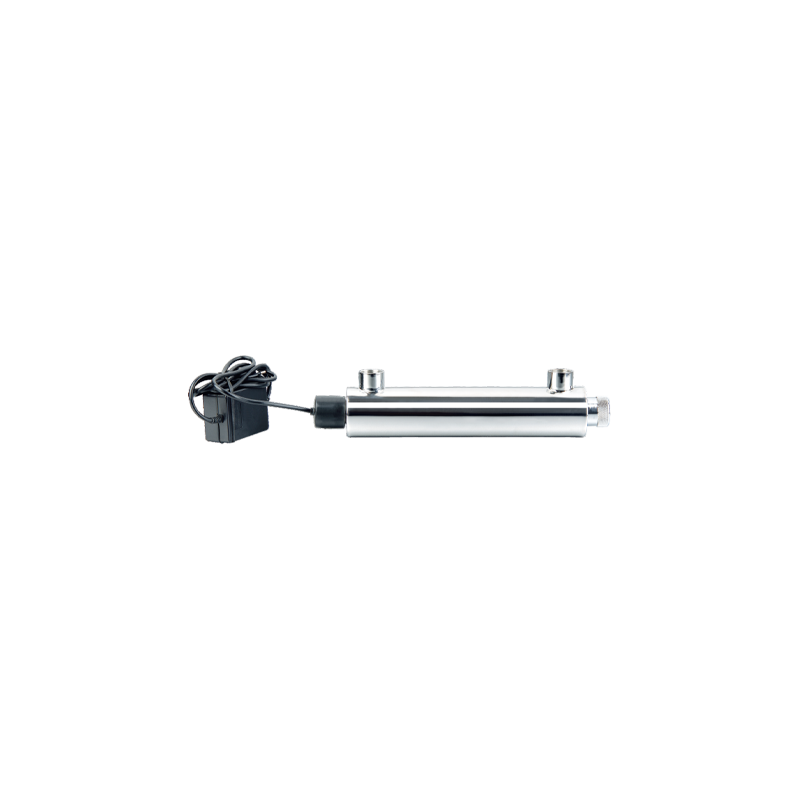 UV16W-A Household Stainless Steel UV Water Sterilizer Cat:Ultraviolet Water Sterilizer
The UV16W-A Household Stainless Steel UV Water Sterilizer is an innovative solution for ensuring safe and pure water in your home. Designed with durab...
See Details -
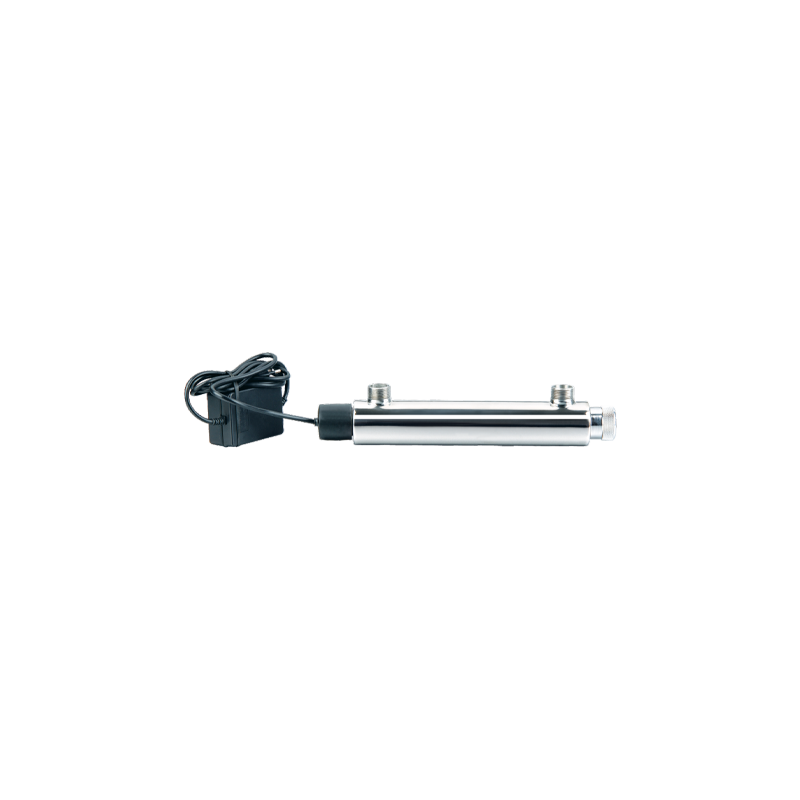 UV16W-B 304 Stainless Steel Water Purifier Ultraviolet Water Sterilizer Cat:Ultraviolet Water Sterilizer
UV16W-B 304 Stainless Steel Water Purifier Ultraviolet Water Sterilizer is an efficient water treatment equipment based on advanced ultraviolet disinf...
See Details -
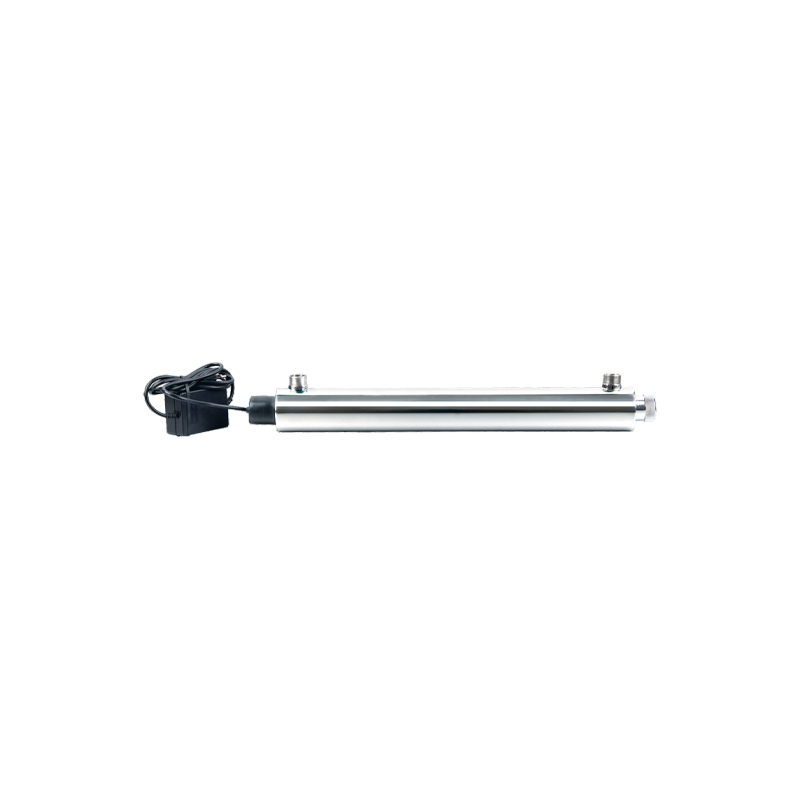 UV25W Stainless Steel Ultrafiltration Pre-Filtration UV Sterilizers For Water Cat:Ultraviolet Water Sterilizer
UV25W Stainless Steel Ultrafiltration Pre-Filtration UV Sterilizers For Water uses high-quality stainless steel materials, which have superb corrosion...
See Details -
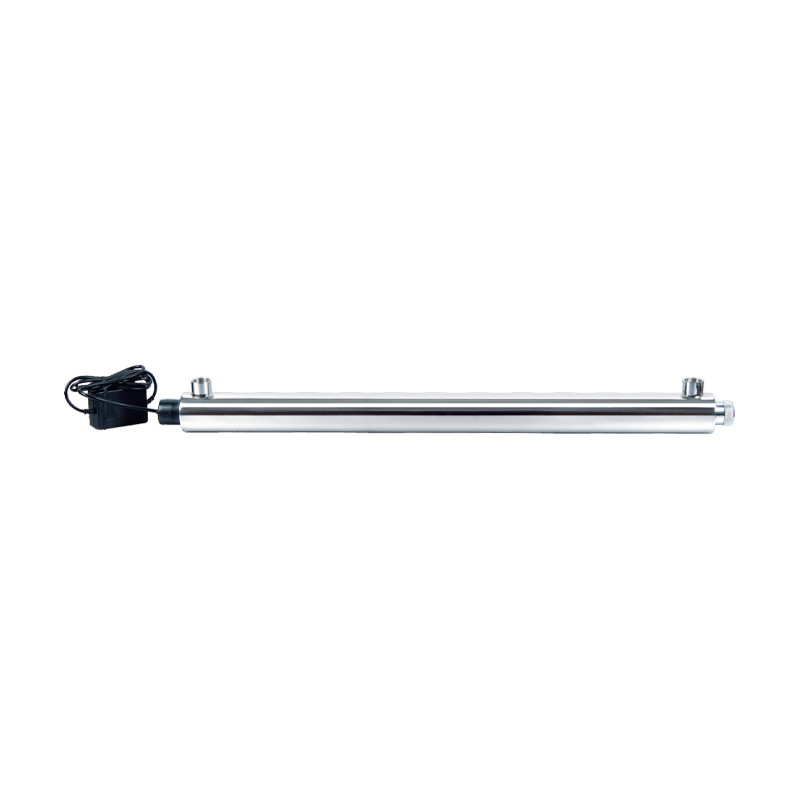 UV30W-55W Automatic Ultraviolet Sterilizer UV Filtration For Drinking Water Cat:Ultraviolet Water Sterilizer
The core advantage of UV30W-55W Automatic Ultraviolet Sterilizer UV Filtration For Drinking Water lies in its efficient and rapid disinfection capabil...
See Details -
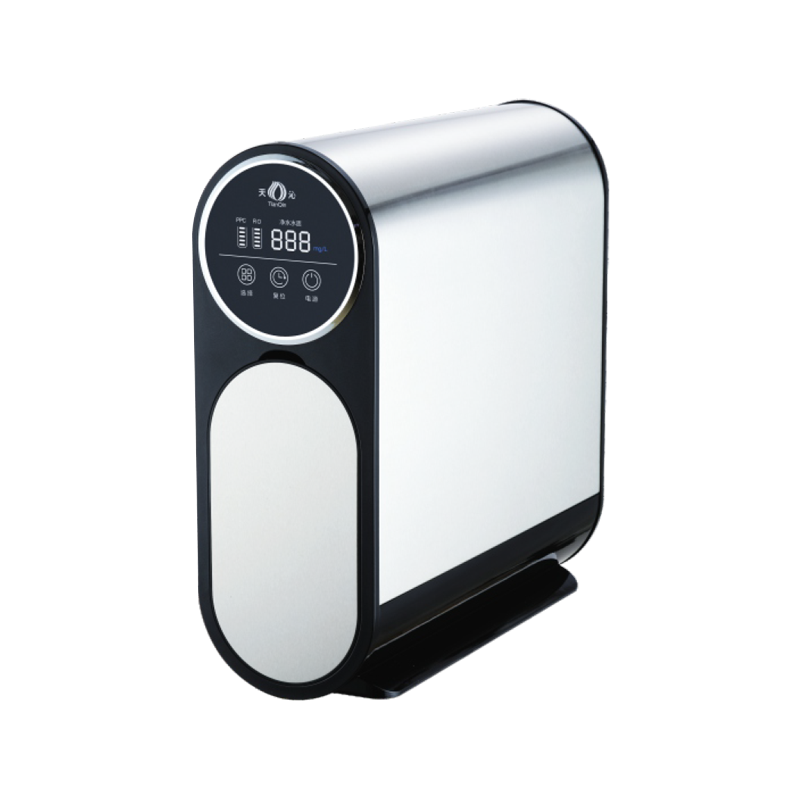 TQ-R03 Stainless Steel Booster Double Water Full Effect RO Water Purifier Cat:Stainless Steel Ro System
TQ-R03 Stainless Steel Booster Double Water Full Effect RO Water Purifier is a household water purification device that combines efficient water purif...
See Details -
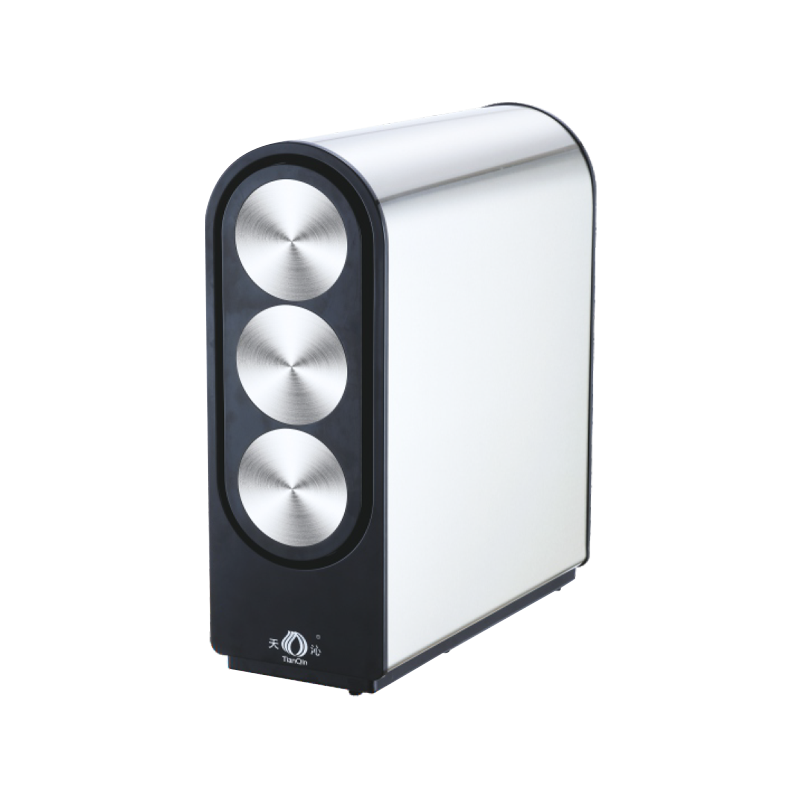 TQ-R05 Multifunctional Water Purification Source RO Water Purifier Cat:Stainless Steel Ro System
The TQ-R05 Multifunctional Water Purification Source RO Water Purifier is an advanced, versatile water purification solution designed for households a...
See Details -
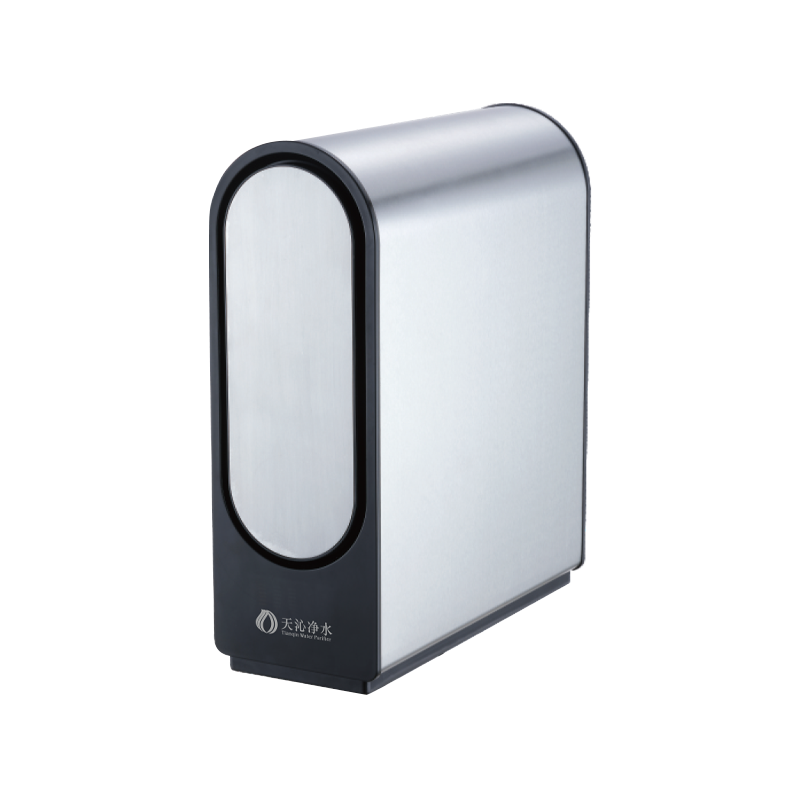 TQ-R06 Stainless Steel Environmentally Friendly RO Water Purifier Cat:Stainless Steel Ro System
The TQ-R06 Stainless Steel Environmentally Friendly RO Water Purifier combines advanced RO filtration technology, durable stainless steel housing, and...
See Details -
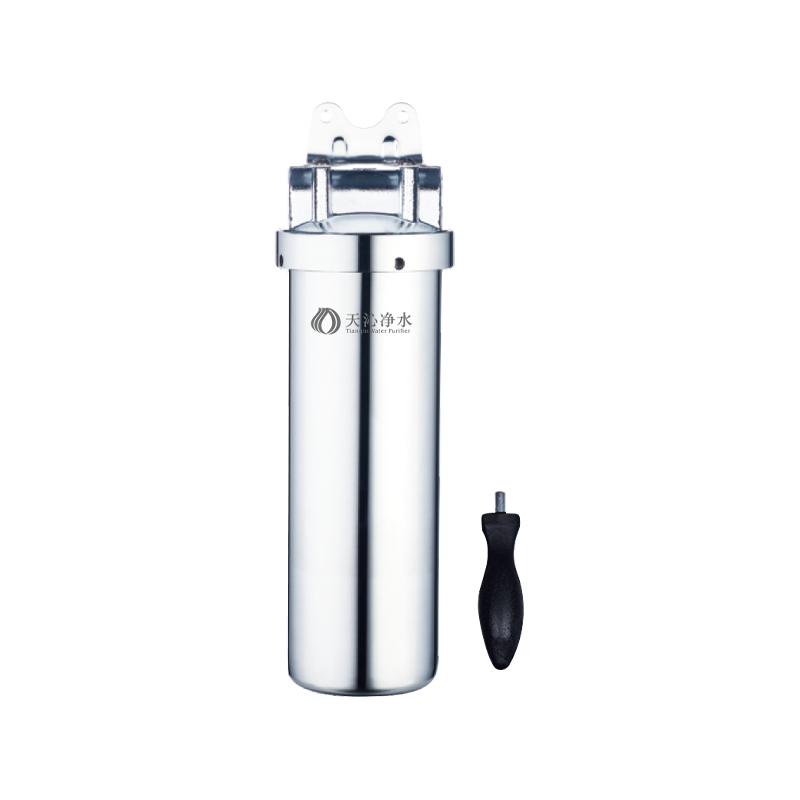 Stainless Steel Pure Double Water Pipe Water Purifier Cat:Stainless Steel Pipeline Water Purifier
The Stainless Steel Pure Double Water Pipe Water Purifier is an advanced water purification system designed to provide dual-mode purified water with e...
See Details -
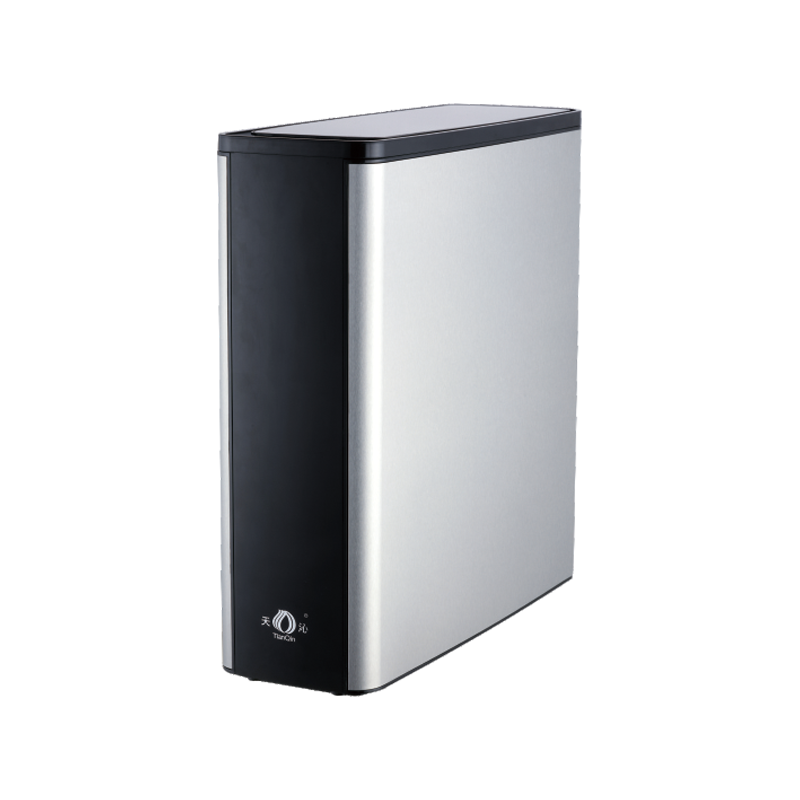 TQ-R08 Stainless Steel High-Flow RO Water Filter Cat:Stainless Steel Ro System
The Stainless Steel High-Flow RO Water Filter (TQ-R08) provides a powerful and effective solution for purifying drinking water, combining advanced rev...
See Details


 +86-0574-62381077/62386875

How to Choose a Household Water Filter: Complete Guide
Choosing the right household water filter comes down to one core question: what contaminants are in your water, and what filtration technology removes them most effectively? For most homes dealing with sediment, bacteria, and common chemicals, a hollow fiber water filter paired with activated carbon delivers the best balance of performance, flow rate, and long-term cost. If you have heavy metal concerns or very hard water, a reverse osmosis (RO) system may be necessary. This guide walks through every factor you need to make a confident, informed decision.
Content
- 1 Why Your Water Source Determines Everything
- 2 The Main Types of Household Water Filters Compared
- 3 What Is a Hollow Fiber Water Filter and How Does It Work?
- 4 How to Choose a Water Filter: 5 Decision Factors
- 5 Installation Types: Point-of-Use vs. Whole-House Systems
- 6 Multi-Stage Filtration: Why Combining Technologies Wins
- 7 Common Mistakes When Buying a Household Water Filter
- 8 Maintenance Requirements by Filter Type
- 9 Final Recommendation Summary
Why Your Water Source Determines Everything
Before comparing any water filter, you must know what's actually in your water. Municipal tap water and private well water present entirely different challenges.
Municipal (City) Water
City water is pre-treated but often contains residual disinfectants. According to the U.S. Environmental Protection Agency (EPA), over 90% of U.S. public water systems use chlorine or chloramine as disinfectants. These chemicals are safe at regulated levels but negatively affect taste and smell. Municipal water may also contain:
- Trihalomethanes (THMs) — disinfection byproducts linked to long-term health risks
- Lead — from aging pipes in homes built before 1986
- Microplastics — increasingly detected in treated water supplies
- Fluoride — added intentionally but debated for sensitive populations
Well Water
Private well water is unregulated at the federal level. The CDC estimates that approximately 15% of Americans rely on private wells, which can contain bacteria (E. coli, coliform), nitrates from agricultural runoff, arsenic, iron, and manganese. A certified lab water test ($30–$150) is essential before choosing any filtration system for well water.
The Main Types of Household Water Filters Compared
There are five primary filtration technologies used in household water filters. Each has specific strengths, limitations, and ideal use cases.
| Filter Type | Pore Size | Removes Bacteria | Removes Viruses | Removes Heavy Metals | Flow Rate | Avg. Annual Cost |
|---|---|---|---|---|---|---|
| Hollow Fiber (UF) | 0.01–0.1 µm | Yes | No | No | High | $20–$60 |
| Activated Carbon | Adsorption-based | No | No | Partial (lead) | High | $30–$100 |
| Reverse Osmosis (RO) | 0.0001 µm | Yes | Yes | Yes | Low | $100–$300 |
| Ceramic | 0.2–1.0 µm | Yes | No | No | Medium | $40–$80 |
| UV Purifier | N/A (light-based) | Yes | Yes | No | High | $50–$150 |
What Is a Hollow Fiber Water Filter and How Does It Work?
A hollow fiber water filter uses thousands of tiny, hair-like tubes made from a semi-permeable membrane — typically polysulfone or polyethersulfone (PES). Water is forced through the walls of these tubes, while contaminants larger than the membrane's pore size (typically 0.01 to 0.1 microns) are physically blocked and retained on the outside.
This is a purely mechanical filtration process — no chemicals, no electricity, no waste water. Key capabilities include:
- Removes 99.9999% of bacteria (including E. coli, Salmonella, and Legionella) — meeting the NSF/ANSI 58 and EPA microbiological standards
- Removes protozoa (Giardia, Cryptosporidium) at 0.1 µm pore size
- Removes sediment, rust, and suspended particles
- Retains beneficial minerals (calcium, magnesium) — unlike RO membranes
The hollow fiber membrane does not remove viruses (too small at 0.02–0.3 µm for most standard membranes), dissolved chemicals, chlorine, or heavy metals. This is why high-quality hollow fiber water filters are almost always combined with activated carbon in a multi-stage system.
Backwashing: The Self-Cleaning Advantage
One major practical advantage of hollow fiber filters is their ability to be backwashed — reversing the flow of water to flush trapped contaminants off the membrane surface. This extends filter life significantly. A well-maintained hollow fiber cartridge can last 6 to 12 months or filter up to 100,000 liters, depending on incoming water quality.
How to Choose a Water Filter: 5 Decision Factors
Selecting the right household water filter requires evaluating five practical dimensions. Skipping any of these leads to either over-spending on filtration you don't need, or under-filtering for real contaminant risks in your water.
1. Identify Your Specific Contaminants First
Request your municipality's annual Consumer Confidence Report (CCR) — legally required to be published each year in the U.S. — or send a water sample to a certified lab. Focus on contaminants that exceed 50% of the EPA Maximum Contaminant Level (MCL), even if still technically "safe," as cumulative exposure matters over years.
2. Match Filtration Technology to Contaminant Profile
Use this as a quick-reference guide:
- Chlorine taste/odor, VOCs, pesticides → Activated carbon block filter
- Bacteria, protozoa, sediment → Hollow fiber ultrafiltration (UF)
- Lead, arsenic, nitrates, fluoride → Reverse osmosis (RO)
- Bacteria + chlorine (comprehensive everyday needs) → Multi-stage hollow fiber + activated carbon system
- Well water with bacterial risk → UV purifier (as a final stage after sediment and carbon pre-filtration)
3. Consider Daily Water Volume and Flow Rate
A family of four typically uses 300–400 liters of drinking and cooking water per day. RO systems can produce as little as 50–200 liters/day and waste 3–5 gallons of water for every gallon filtered. Hollow fiber systems, by contrast, operate at near full tap pressure with minimal flow reduction — making them far more practical for whole-house or high-demand point-of-use applications.
4. Calculate Total Cost of Ownership, Not Just Purchase Price
A $30 pitcher filter may seem economical, but at a 2-month replacement cycle, annual cartridge costs reach $180–$240. Compare this to a under-sink hollow fiber + carbon system with a $80 initial investment and $50/year in filter replacements over a 3-year period. Total 3-year cost: $230 vs. $570+ for the pitcher filter, at higher filtration quality.
5. Verify Certifications — Not Just Marketing Claims
Look for NSF International or Water Quality Association (WQA) certifications. Specifically:
- NSF/ANSI 42 — Aesthetic effects (chlorine, taste, odor)
- NSF/ANSI 53 — Health effects (lead, cysts, VOCs)
- NSF/ANSI 58 — Reverse osmosis systems
- NSF/ANSI 244 — Microbiological reduction (bacteria and protozoa)
Any product claiming to remove bacteria or cysts without an NSF/ANSI 244 certification should be treated with skepticism, regardless of the manufacturer's stated pore size.
Installation Types: Point-of-Use vs. Whole-House Systems
Household water filters are installed in two fundamentally different ways, each serving different goals.
Point-of-Use (POU) Filters
Installed at a single water outlet — typically the kitchen sink or refrigerator line. Best for drinking and cooking water. Options include:
- Under-sink multi-stage systems (hollow fiber + activated carbon)
- Countertop filter units
- Faucet-mounted filters
- Filter pitchers (activated carbon only)
Point-of-Entry (POE) / Whole-House Filters
Installed at the main water line entering the home, treating all water including showers, laundry, and outdoor taps. This is the right choice when sediment, iron, or chlorine affects plumbing, appliances, or skin and hair health. Whole-house hollow fiber systems typically use larger-diameter cartridges (4.5" × 20") and handle flows of 15–25 gallons per minute. Initial costs range from $200–$800, but they protect the entire home's infrastructure.
Multi-Stage Filtration: Why Combining Technologies Wins
No single filter technology removes all contaminant types. The most effective household water filter systems layer complementary technologies in sequence. A best-practice multi-stage setup looks like this:
- Stage 1 — Sediment pre-filter (5 µm): Removes visible particles, rust, and sand. Protects downstream membranes from clogging and extends overall system life.
- Stage 2 — Hollow fiber ultrafiltration (0.01 µm): Physically blocks bacteria, protozoa, and fine particles. No chemicals required. Backwashable design maintains performance over time.
- Stage 3 — Activated carbon block: Adsorbs chlorine, chloramines, THMs, VOCs, herbicides, and improves taste and odor. Carbon block outperforms granular activated carbon (GAC) for contact time and contaminant removal efficiency.
- Optional Stage 4 — Mineralization cartridge: For RO or UF systems removing too many minerals, re-adding calcium and magnesium brings pH back to a neutral 7.0–7.5 and improves taste.
This three-stage configuration — sediment + hollow fiber + carbon — handles the majority of drinking water safety and quality concerns for city water users without the waste water or low flow rate problems of RO systems.
Common Mistakes When Buying a Household Water Filter
Even well-intentioned buyers regularly make these errors:
- Buying based on price alone: A $15 pitcher filter cannot remove bacteria. A $300 RO system removes beneficial minerals. Match technology to need, not budget.
- Ignoring filter replacement schedules: An expired carbon filter becomes a bacterial breeding ground. An expired hollow fiber membrane loses structural integrity and allows contaminants to pass through.
- Assuming "all filters are the same": Pore size differences are enormous in practical terms. A 1 µm ceramic filter passes bacteria (0.5–5 µm range). A 0.01 µm hollow fiber filter does not.
- Choosing RO for bacterial concerns only: If your only risk is bacteria and protozoa, a hollow fiber system achieves equivalent microbiological protection at a fraction of the cost, without wasting water.
- Not testing water before buying: Purchasing a filter without knowing what's in your water is guesswork. A basic water test costs less than most filter cartridge replacements.
Maintenance Requirements by Filter Type
Long-term performance of any household water filter depends on consistent maintenance. Here is a realistic overview of what each type requires:
| Filter Type | Replacement Interval | Backwashable? | Maintenance Difficulty |
|---|---|---|---|
| Hollow Fiber (UF) | 6–12 months | Yes | Low |
| Activated Carbon Block | 3–6 months | No | Low |
| Reverse Osmosis | Membrane: 2–3 years; Pre/post filters: 6–12 months | No | Medium |
| Ceramic | 12 months (or scrub clean as needed) | Scrub-clean | Low–Medium |
| UV Purifier | UV lamp: 12 months | No | Low |
Final Recommendation Summary
Here is a straightforward decision framework to match your situation to the right water filter:
- City water, concerned about taste/odor and bacteria → Under-sink multi-stage with hollow fiber (UF) + activated carbon block. Best all-around value for most households.
- City water with confirmed lead or arsenic → Reverse osmosis system with NSF/ANSI 58 certification. Accept the trade-off in flow rate and water waste.
- Well water with bacterial risk → Sediment pre-filter + hollow fiber UF + activated carbon + UV stage as final disinfection.
- Budget-conscious, city water, low sediment → NSF/ANSI 53-certified activated carbon block faucet filter or under-sink unit. Not for microbial protection.
- Whole-home protection (iron, sediment, chlorine) → Whole-house hollow fiber + carbon system at the point of entry.
The hollow fiber water filter stands out as the most versatile and cost-efficient core technology for households that need reliable microbiological protection without the installation complexity, water waste, or high operating costs of reverse osmosis. When combined with activated carbon in a multi-stage system, it addresses the most common drinking water concerns for the majority of households globally.
-
 Tel: +86-0574-62381077/62386875
-
 E-mail: leozhanglei@nbtianqin.net
-
 Add: Wuma Industrial Zone, Lubu Town, Yuyao City, Zhejiang Province, China.
Copyright © 2024 by Yuyao Tianqin Water Purification Equipment Co..Ltd.
All Rights Reserved.
 Wholesale Water Purifier Manufacturers

