 English
 中文简体
中文简体-
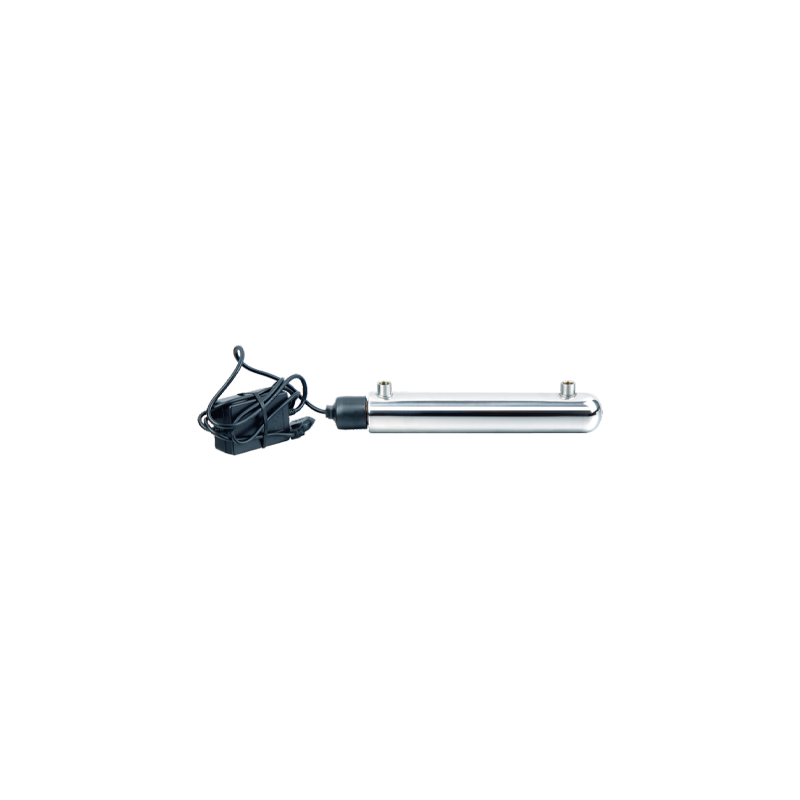 UV11W High-efficiency Intelligent UV Water Sterilizer Cat:Ultraviolet Water Sterilizer
The UV11W High-efficiency Intelligent UV Water Sterilizer is an advanced water purification system that offers convenience and reliability. This steri...
See Details -
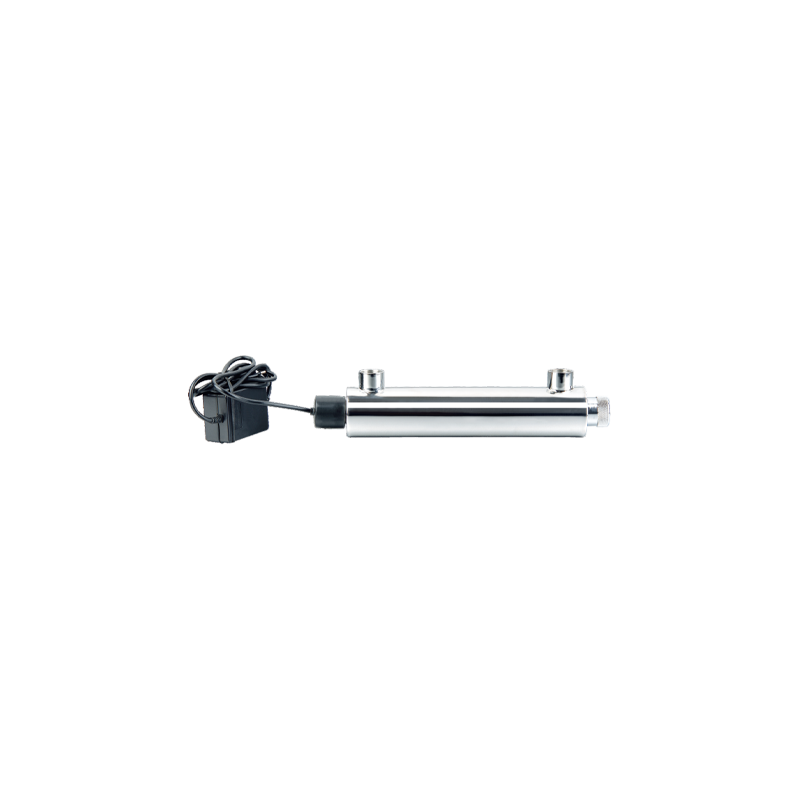 UV16W-A Household Stainless Steel UV Water Sterilizer Cat:Ultraviolet Water Sterilizer
The UV16W-A Household Stainless Steel UV Water Sterilizer is an innovative solution for ensuring safe and pure water in your home. Designed with durab...
See Details -
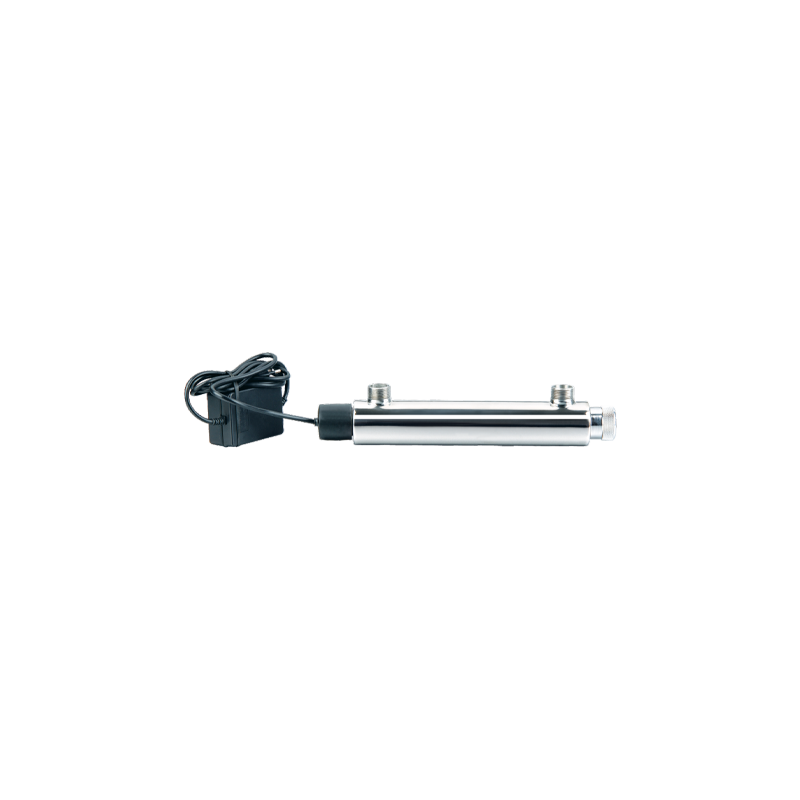 UV16W-B 304 Stainless Steel Water Purifier Ultraviolet Water Sterilizer Cat:Ultraviolet Water Sterilizer
UV16W-B 304 Stainless Steel Water Purifier Ultraviolet Water Sterilizer is an efficient water treatment equipment based on advanced ultraviolet disinf...
See Details -
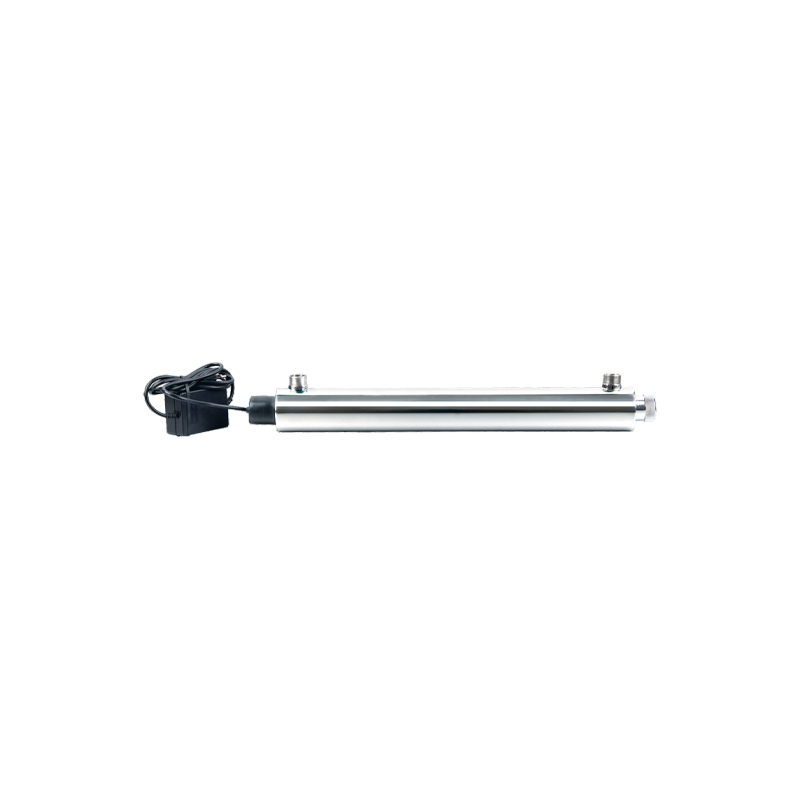 UV25W Stainless Steel Ultrafiltration Pre-Filtration UV Sterilizers For Water Cat:Ultraviolet Water Sterilizer
UV25W Stainless Steel Ultrafiltration Pre-Filtration UV Sterilizers For Water uses high-quality stainless steel materials, which have superb corrosion...
See Details -
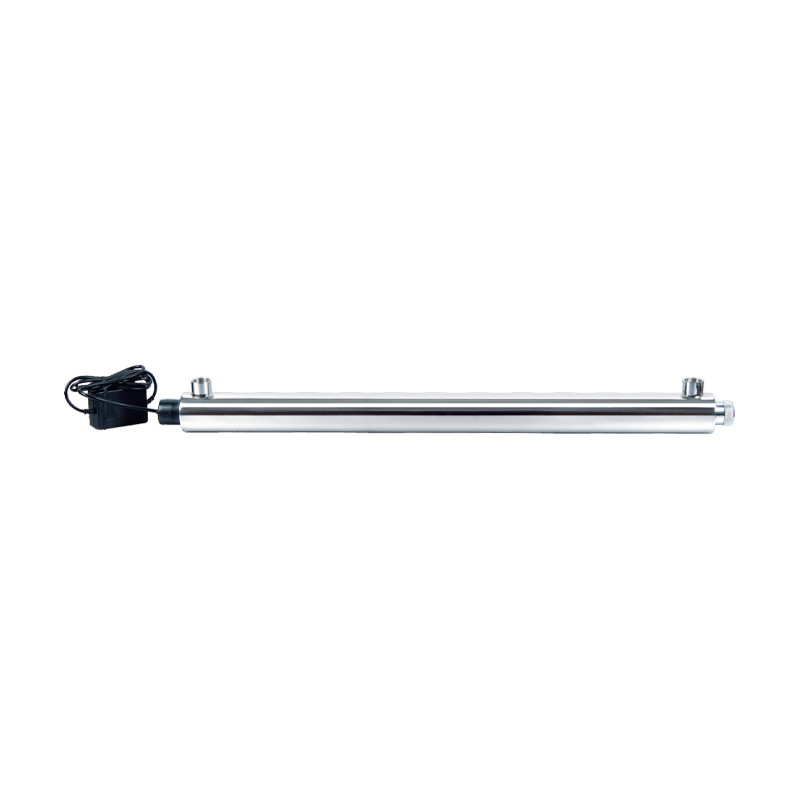 UV30W-55W Automatic Ultraviolet Sterilizer UV Filtration For Drinking Water Cat:Ultraviolet Water Sterilizer
The core advantage of UV30W-55W Automatic Ultraviolet Sterilizer UV Filtration For Drinking Water lies in its efficient and rapid disinfection capabil...
See Details -
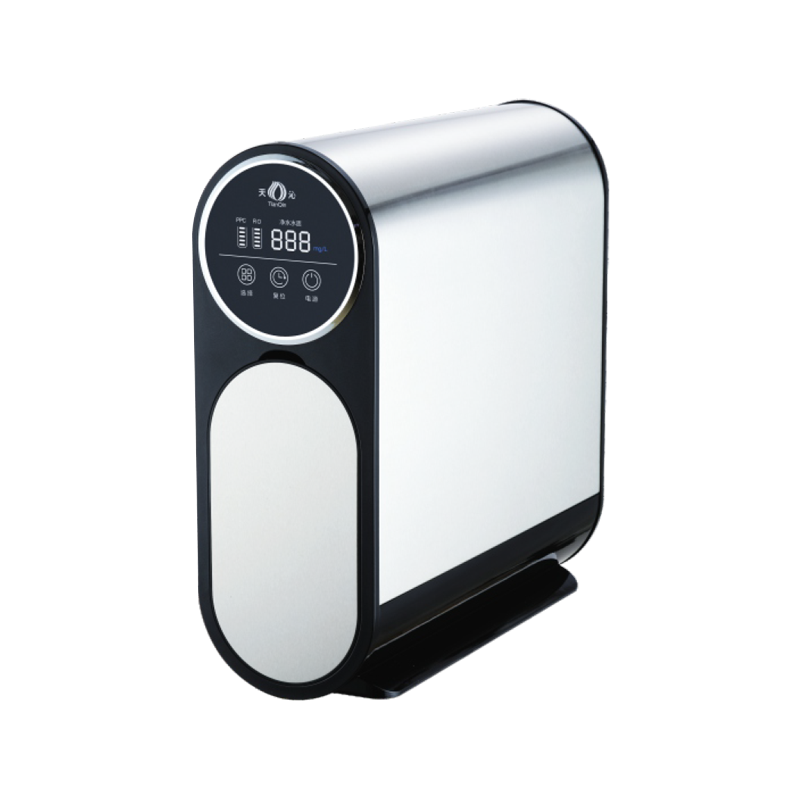 TQ-R03 Stainless Steel Booster Double Water Full Effect RO Water Purifier Cat:Stainless Steel Ro System
TQ-R03 Stainless Steel Booster Double Water Full Effect RO Water Purifier is a household water purification device that combines efficient water purif...
See Details -
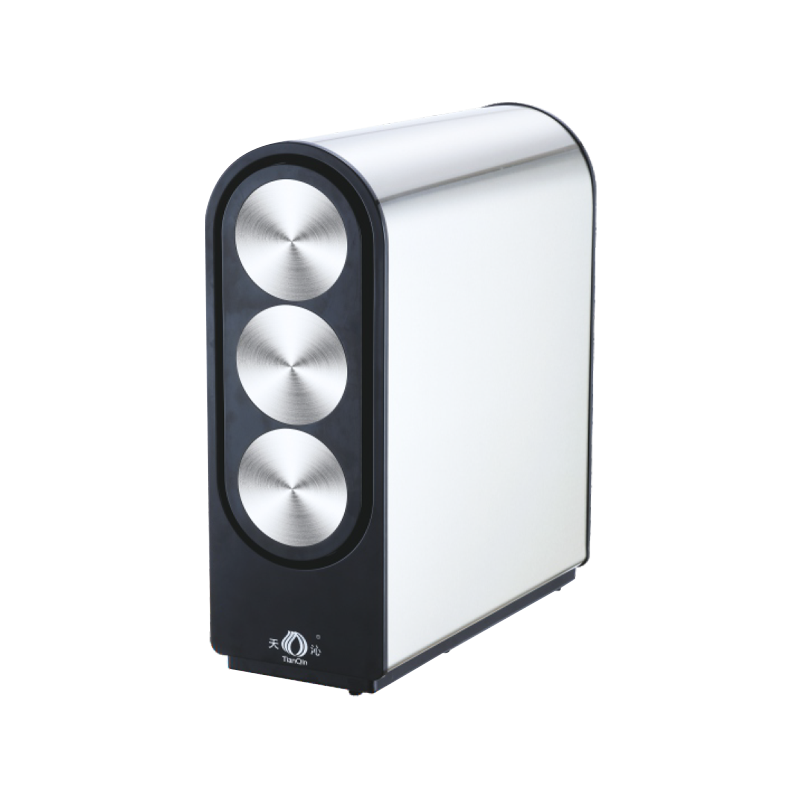 TQ-R05 Multifunctional Water Purification Source RO Water Purifier Cat:Stainless Steel Ro System
The TQ-R05 Multifunctional Water Purification Source RO Water Purifier is an advanced, versatile water purification solution designed for households a...
See Details -
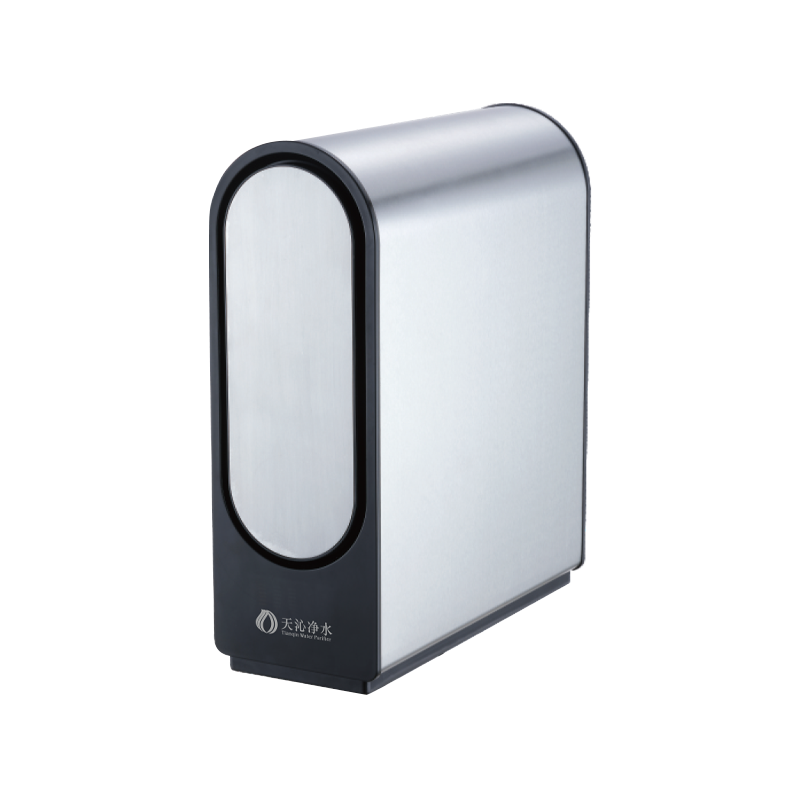 TQ-R06 Stainless Steel Environmentally Friendly RO Water Purifier Cat:Stainless Steel Ro System
The TQ-R06 Stainless Steel Environmentally Friendly RO Water Purifier combines advanced RO filtration technology, durable stainless steel housing, and...
See Details -
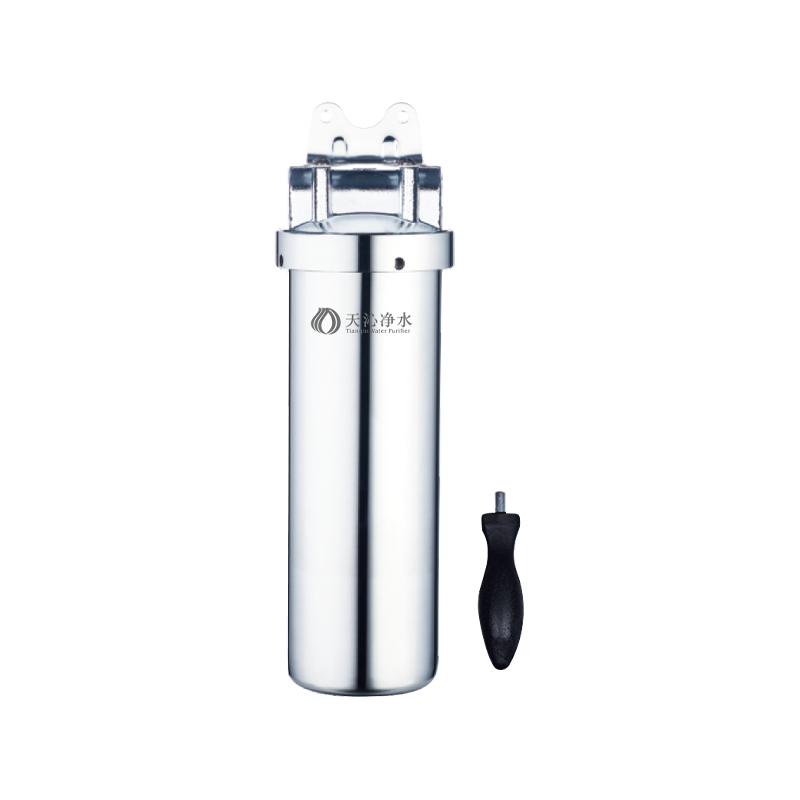 Stainless Steel Pure Double Water Pipe Water Purifier Cat:Stainless Steel Pipeline Water Purifier
The Stainless Steel Pure Double Water Pipe Water Purifier is an advanced water purification system designed to provide dual-mode purified water with e...
See Details -
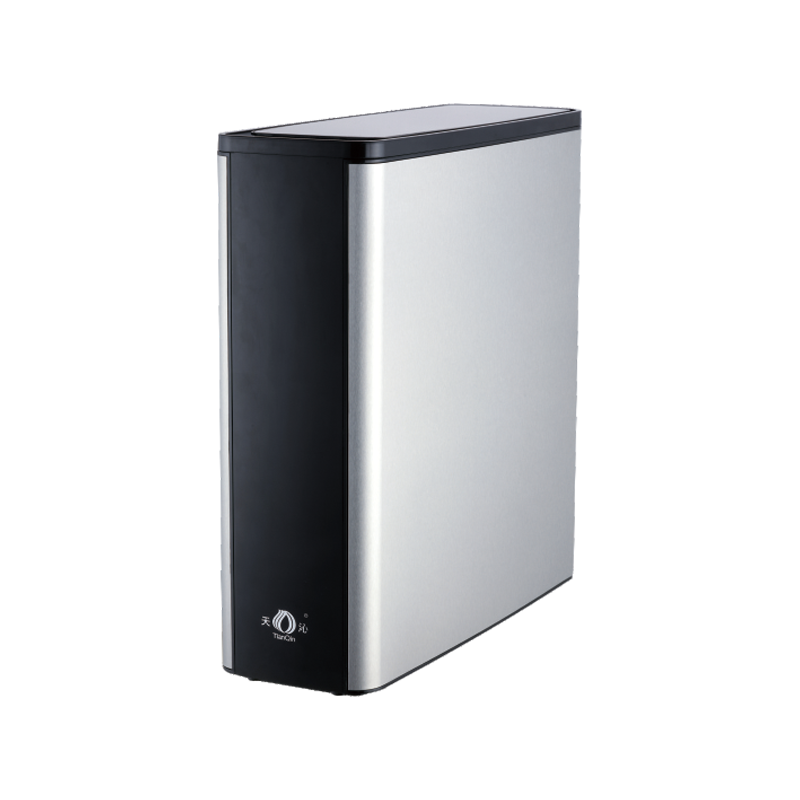 TQ-R08 Stainless Steel High-Flow RO Water Filter Cat:Stainless Steel Ro System
The Stainless Steel High-Flow RO Water Filter (TQ-R08) provides a powerful and effective solution for purifying drinking water, combining advanced rev...
See Details


 +86-0574-62381077/62386875

Steam Steriliser vs UV Steriliser: Which One Wins?
Content
- 1 Steam vs UV Steriliser: The Direct Verdict
- 2 How Each Sterilisation Method Works
- 3 Effectiveness: What Each Method Actually Kills
- 4 Cost Comparison: Upfront Price vs Long-Term Running Costs
- 5 How Ultraviolet Water Sterilizers Work for Drinking Water
- 6 Steam Steriliser Advantages and Limitations
- 7 UV Steriliser Advantages and Limitations
- 8 Which Steriliser Should You Choose? A Practical Decision Guide
- 9 Installation and Maintenance: What to Expect
Steam vs UV Steriliser: The Direct Verdict
For baby bottle and feeding equipment sterilisation, steam sterilisers are generally the more reliable and cost-effective choice for most households. They physically destroy pathogens using heat and require no consumable parts. UV sterilisers, on the other hand, offer chemical-free, heat-free sterilisation that is faster and more convenient — but with a narrower kill rate and higher long-term cost.
When it comes to water purification, an Ultraviolet Water Sterilizer holds a clear advantage: it deactivates 99.99% of bacteria, viruses, and protozoa in seconds without altering taste, odour, or chemical composition — making it the preferred solution for point-of-use drinking water treatment worldwide. Understanding which technology fits your specific use case requires a closer look at how each method works, what it kills, and what it costs over time.
How Each Sterilisation Method Works
Steam Sterilisation
Steam sterilisers use moist heat at temperatures between 121°C and 134°C to destroy the cell walls of bacteria, viruses, and fungi. Most electric steam sterilisers for baby products reach operating temperature within 6–12 minutes. The steam penetrates surfaces and cavities, making it effective even inside bottles and teats where direct light or airflow cannot reach.
UV Sterilisation
UV sterilisers use ultraviolet-C (UV-C) light at a wavelength of 253.7 nanometres — the most germicidal range of the UV spectrum. This radiation penetrates microbial cell walls and disrupts DNA and RNA, preventing reproduction and rendering pathogens inactive. UV does not use heat, chemicals, or water, and leaves no residue on treated surfaces or in treated liquids.
In an Ultraviolet Water Sterilizer, water flows past or around a UV lamp housed in a quartz sleeve. Contact time is typically less than 10 seconds for effective sterilisation at standard residential flow rates of 0.5–2 gallons per minute.
Effectiveness: What Each Method Actually Kills
Not all sterilisers eliminate the same range of threats. The table below compares pathogen coverage across both technologies:
| Pathogen Type | Steam Steriliser | UV Steriliser (Surface) | UV Water Sterilizer |
|---|---|---|---|
| Bacteria (E. coli, Salmonella) | 99.9%+ | 99.9%+ | 99.99% |
| Viruses (Rotavirus, Norovirus) | 99.9%+ | Effective | 99.99% |
| Fungal Spores | Effective | Partially effective | Effective |
| Protozoa (Cryptosporidium, Giardia) | Effective | Limited | 99.9%+ |
| Chemical contaminants | Not removed | Not removed | Not removed |
| Shaded / Hidden surface areas | Steam penetrates | Line-of-sight only | N/A |
A critical limitation of surface UV sterilisers is that UV-C light only works in a direct line of sight. Any surface shaded by another object, or the inside curve of a bottle, may receive insufficient UV exposure. Steam has no such limitation — it envelops every surface it contacts.
Cost Comparison: Upfront Price vs Long-Term Running Costs
Purchase price alone does not tell the full story. Here is a realistic cost breakdown across a two-year period for each technology:
| Cost Factor | Steam Steriliser | UV Baby Steriliser | UV Water Sterilizer |
|---|---|---|---|
| Upfront Purchase | $30–$120 | $60–$250 | $80–$400 |
| Replacement Parts | None (descaling solution ~$5/yr) | UV bulb: $15–$40/year | UV lamp: $30–$80/year |
| Electricity Use | ~800W per cycle, 8–10 min | ~5–20W, 3–5 min | ~25–40W continuous |
| Estimated 2-Year Total | $40–$140 | $90–$330 | $140–$560 |
Steam sterilisers consistently deliver the lowest total cost of ownership for baby equipment. UV water sterilizers cost more upfront and require annual lamp replacement, but the value proposition changes when compared against bottled water costs — a family spending $50–$100/month on bottled water can recover the UV unit cost within 6–12 months.
How Ultraviolet Water Sterilizers Work for Drinking Water
An Ultraviolet Water Sterilizer is a purpose-built device for point-of-use or point-of-entry water treatment. It consists of a stainless steel or UV-transparent chamber through which water flows while being exposed to a UV-C lamp encased in a protective quartz sleeve.
Key Technical Specifications to Look For
- UV dose: Effective sterilisation requires a minimum UV dose of 40 mJ/cm² as recommended by the NSF/ANSI 55 standard. Look for units certified to this standard.
- Flow rate: Most residential units handle 0.5–2 gallons per minute (GPM). Whole-house systems typically need 5–15 GPM capacity.
- Lamp life: Standard UV lamps last approximately 9,000 hours, or roughly one year of continuous operation. Lamp output degrades over time even if the lamp still illuminates — annual replacement is non-negotiable.
- Water clarity (UVT): UV only works effectively in clear water. Water with high turbidity, iron (above 0.3 ppm), or manganese will block UV penetration. Pre-filtration is often required.
- Quartz sleeve: Must be cleaned every 3–6 months to remove mineral deposits that reduce UV transmission.
What UV Water Sterilization Does Not Do
An Ultraviolet Water Sterilizer does not remove dissolved chemicals, heavy metals, chlorine, fluoride, sediment, or hardness minerals. It is a biological disinfection tool only. For comprehensive water purification, UV is typically installed as the final stage after sediment filtration and carbon filtration in a multi-barrier system.
Steam Steriliser Advantages and Limitations
Where Steam Sterilisers Excel
- Full surface penetration: Steam reaches every interior crevice, making it ideal for bottles, teats, breast pump parts, and curved or narrow items.
- No consumable parts: Aside from occasional descaling, steam sterilisers require no replacement components.
- Proven medical-grade efficacy: Steam autoclave sterilisation at 121°C for 15 minutes is the gold standard in hospital and laboratory settings.
- Wide material compatibility: Safe for glass, stainless steel, and most BPA-free plastics rated for high heat.
Limitations of Steam Sterilisers
- Items must be fully dried after sterilisation or bacteria can recolonise within hours in residual moisture.
- Not suitable for heat-sensitive items such as electronics, certain plastics rated below 120°C, or delicate toys.
- Requires a power source and water — less convenient for travel compared to UV wand or portable UV box options.
- Hard water areas may require monthly descaling to maintain performance and prevent mineral buildup on heating elements.
UV Steriliser Advantages and Limitations
Where UV Sterilisers Excel
- No heat, no moisture: Safe for electronics, hearing aids, pacifiers, jewellery, phones, and other items that cannot tolerate water or high temperatures.
- Rapid cycle time: Most UV steriliser boxes complete a cycle in 3–5 minutes, compared to 8–15 minutes for steam units.
- Dry output: Items are immediately ready to use with no drying time required.
- Water purification superiority: In water sterilizer form, UV is the most efficient and chemical-free method to achieve log-4 reduction (99.99%) of biological contaminants at the point of use.
Limitations of UV Sterilisers
- Surface UV effectiveness is limited to line-of-sight exposure — hidden surfaces, stacked items, or opaque containers will not be adequately sterilised.
- UV lamps degrade over time. A lamp at the end of its service life may appear to function normally while delivering insufficient UV dose — only a UV intensity meter can confirm actual output.
- Higher upfront and ongoing cost compared to steam sterilisers for equivalent baby bottle use cases.
- UV-C light is hazardous to eyes and skin — units must be fully enclosed during operation and should never be operated with an open lid or unsealed chamber.
Which Steriliser Should You Choose? A Practical Decision Guide
The right choice depends entirely on your primary use case. Use the following guide to match your situation to the best technology:
- You are sterilising baby bottles and feeding equipment daily: Choose a steam steriliser. It offers complete surface coverage, zero ongoing parts cost, and proven efficacy for this exact use case.
- You need to sterilise items that cannot tolerate heat or moisture (phones, electronics, pacifiers, toys): Choose a UV steriliser box.
- You want safe, great-tasting drinking water without chemicals: Install an Ultraviolet Water Sterilizer, ideally after a sediment and carbon pre-filter. It is the most effective biological treatment available at the residential level.
- You travel frequently and need portable sterilisation: A UV wand or compact UV box is more practical than carrying a steam unit. Ensure the UV wand is NSF-certified and exposes all surfaces for the recommended duration (usually 30–60 seconds per area).
- You have a well water supply or live in an area with boil-water advisories: An Ultraviolet Water Sterilizer with appropriate pre-filtration is strongly recommended for continuous whole-home or kitchen protection.
In many households, both technologies serve complementary roles: a steam steriliser for baby feeding items and a UV water sterilizer installed inline under the kitchen sink for drinking water. These are not competing products so much as solutions designed for different problems.
Installation and Maintenance: What to Expect
Steam Steriliser Maintenance
- Descale every 4–8 weeks in hard water areas using a citric acid solution or commercial descaler.
- Always use distilled or filtered water if tap water is very hard (above 200 ppm hardness) to extend element life.
- Wipe seals and interior surfaces monthly to prevent mould growth in residual moisture.
UV Water Sterilizer Maintenance
- Replace the UV lamp annually regardless of whether it still appears to be glowing — lamp intensity degrades to below effective levels before physical failure occurs.
- Clean the quartz sleeve every 3–6 months using a soft cloth and a mild acid solution (white vinegar works well) to remove calcium and iron deposits.
- Check and replace pre-filters (sediment and carbon) every 6–12 months to ensure UV light is not being blocked by turbidity in the water.
- Consider installing a UV sensor monitor on higher-end units — this provides real-time feedback on lamp output and eliminates guesswork about sterilisation efficacy.
-
 Tel: +86-0574-62381077/62386875
-
 E-mail: leozhanglei@nbtianqin.net
-
 Add: Wuma Industrial Zone, Lubu Town, Yuyao City, Zhejiang Province, China.
Copyright © 2024 by Yuyao Tianqin Water Purification Equipment Co..Ltd.
All Rights Reserved.
 Wholesale Water Purifier Manufacturers

