 English
 中文简体
中文简体-
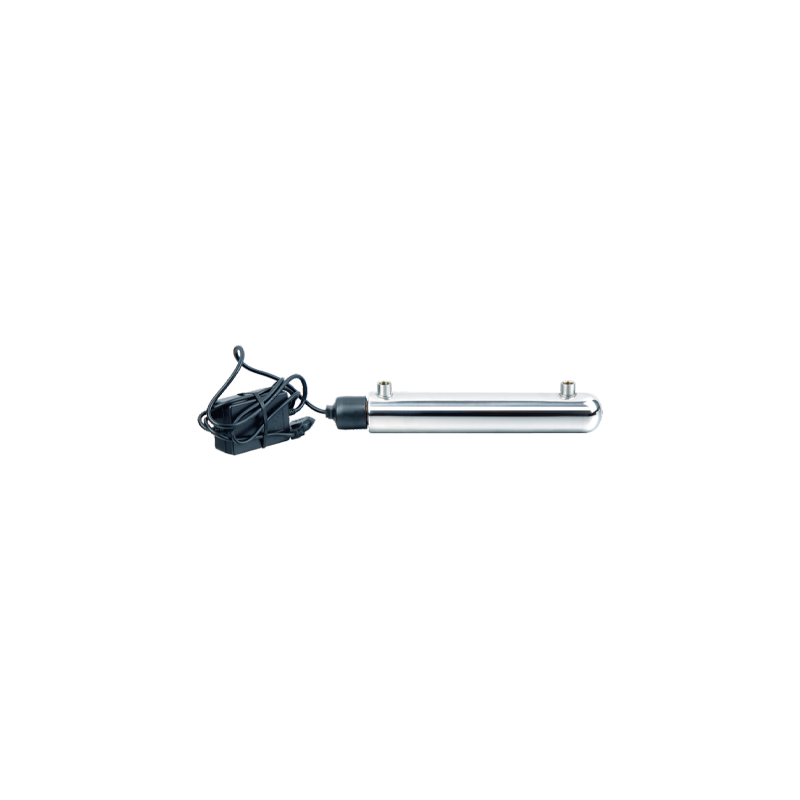 UV11W High-efficiency Intelligent UV Water Sterilizer Cat:Ultraviolet Water Sterilizer
The UV11W High-efficiency Intelligent UV Water Sterilizer is an advanced water purification system that offers convenience and reliability. This steri...
See Details -
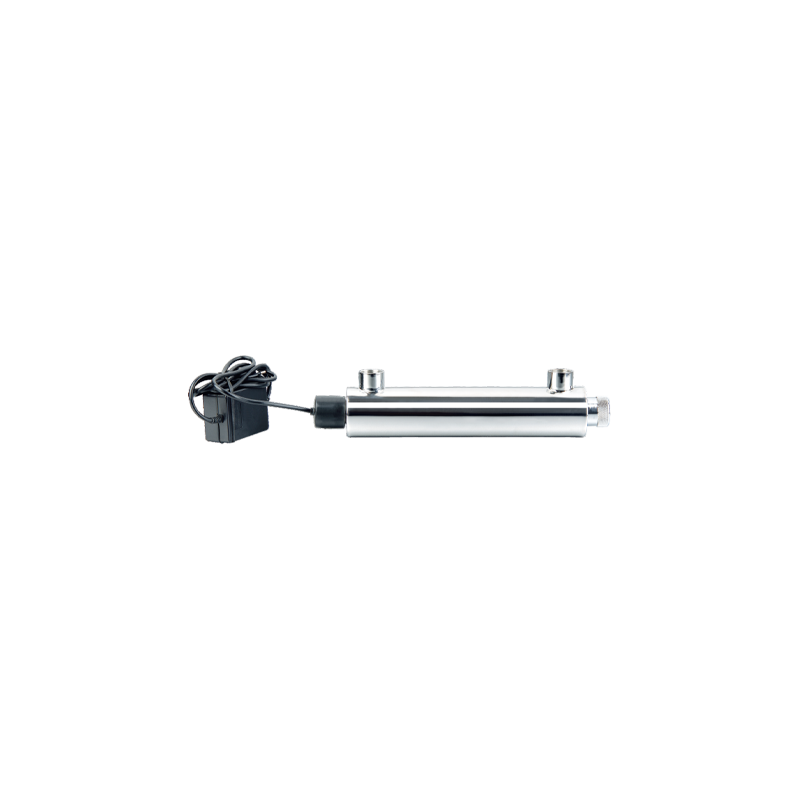 UV16W-A Household Stainless Steel UV Water Sterilizer Cat:Ultraviolet Water Sterilizer
The UV16W-A Household Stainless Steel UV Water Sterilizer is an innovative solution for ensuring safe and pure water in your home. Designed with durab...
See Details -
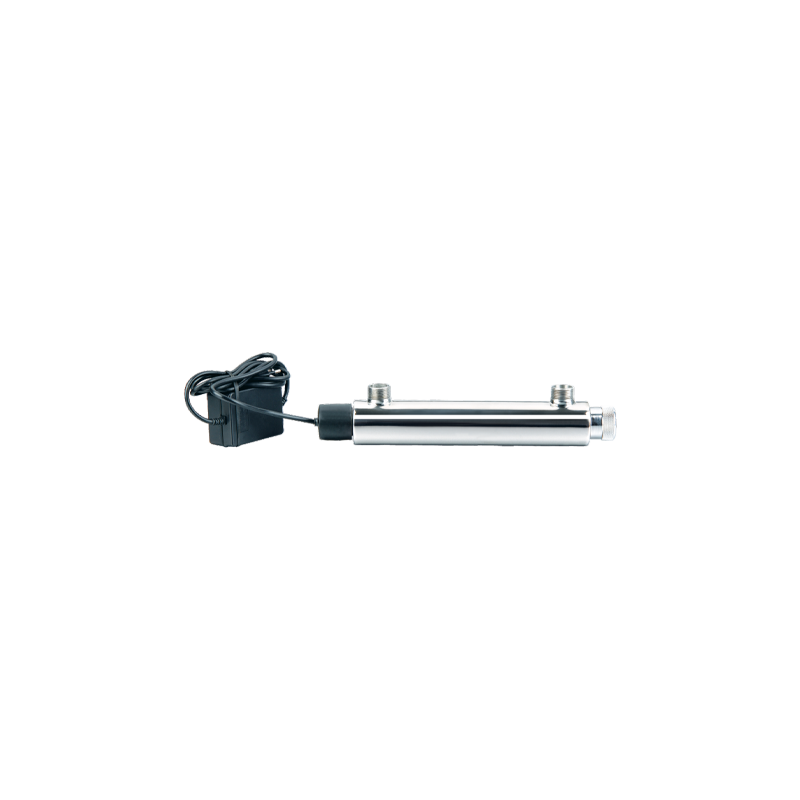 UV16W-B 304 Stainless Steel Water Purifier Ultraviolet Water Sterilizer Cat:Ultraviolet Water Sterilizer
UV16W-B 304 Stainless Steel Water Purifier Ultraviolet Water Sterilizer is an efficient water treatment equipment based on advanced ultraviolet disinf...
See Details -
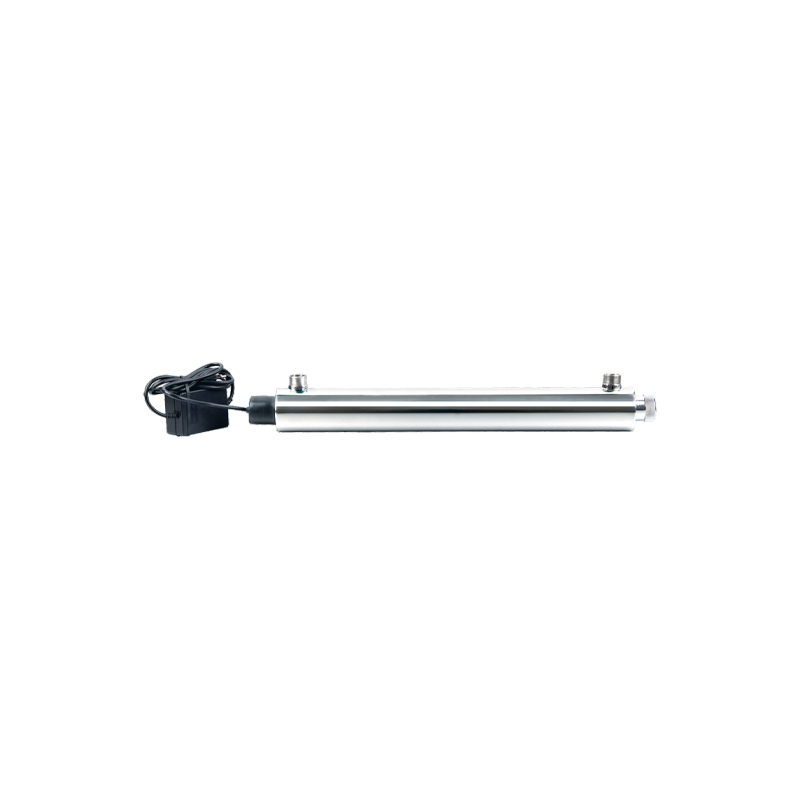 UV25W Stainless Steel Ultrafiltration Pre-Filtration UV Sterilizers For Water Cat:Ultraviolet Water Sterilizer
UV25W Stainless Steel Ultrafiltration Pre-Filtration UV Sterilizers For Water uses high-quality stainless steel materials, which have superb corrosion...
See Details -
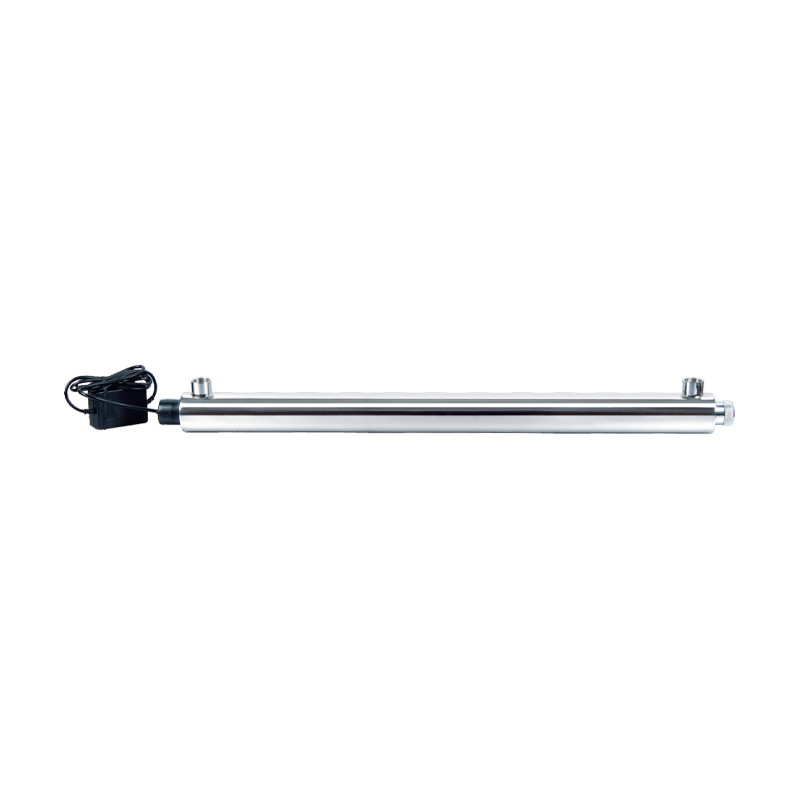 UV30W-55W Automatic Ultraviolet Sterilizer UV Filtration For Drinking Water Cat:Ultraviolet Water Sterilizer
The core advantage of UV30W-55W Automatic Ultraviolet Sterilizer UV Filtration For Drinking Water lies in its efficient and rapid disinfection capabil...
See Details -
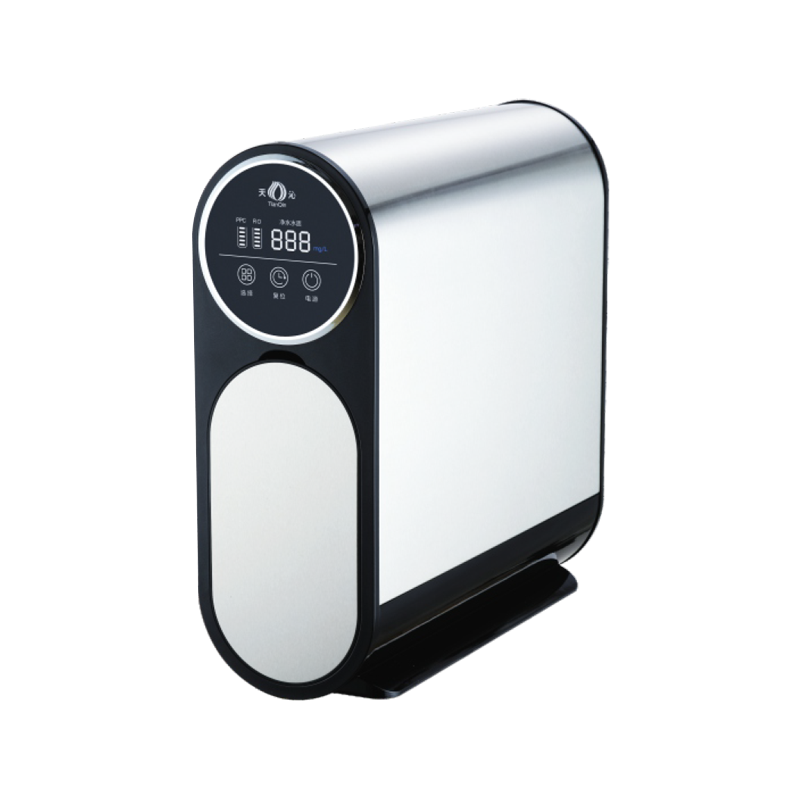 TQ-R03 Stainless Steel Booster Double Water Full Effect RO Water Purifier Cat:Stainless Steel Ro System
TQ-R03 Stainless Steel Booster Double Water Full Effect RO Water Purifier is a household water purification device that combines efficient water purif...
See Details -
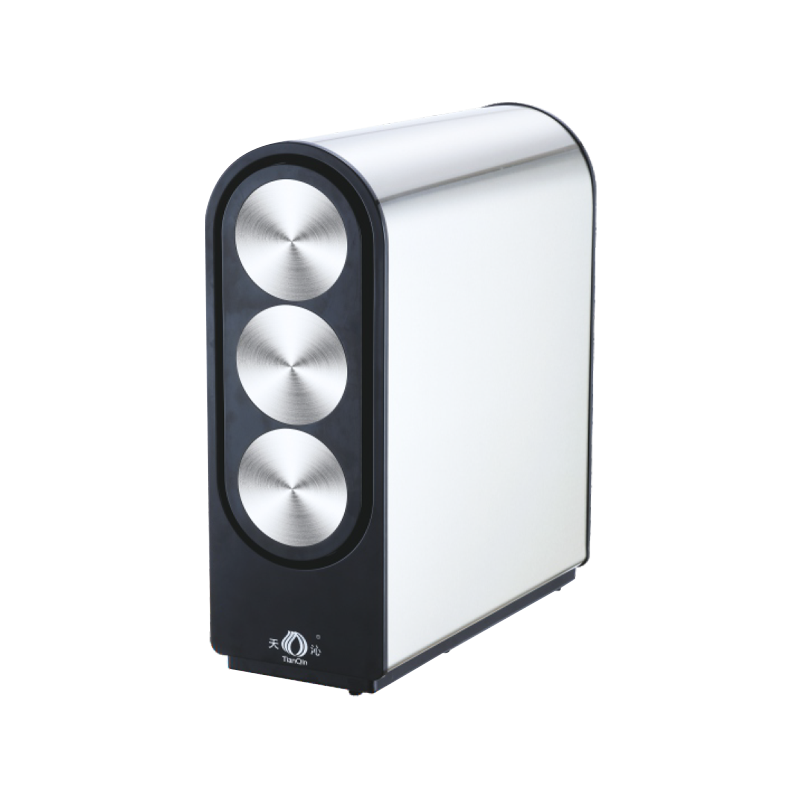 TQ-R05 Multifunctional Water Purification Source RO Water Purifier Cat:Stainless Steel Ro System
The TQ-R05 Multifunctional Water Purification Source RO Water Purifier is an advanced, versatile water purification solution designed for households a...
See Details -
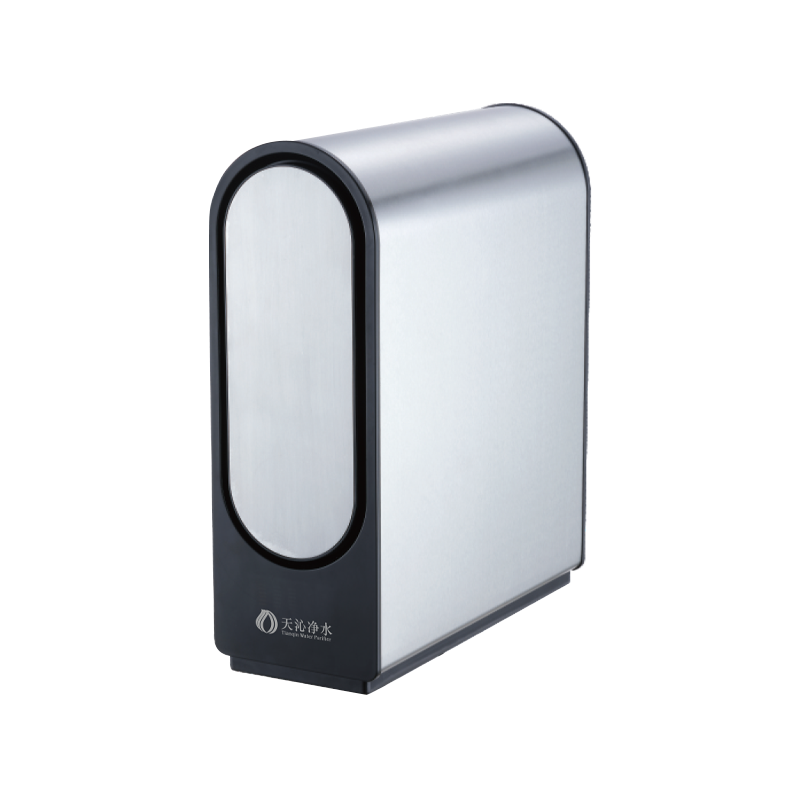 TQ-R06 Stainless Steel Environmentally Friendly RO Water Purifier Cat:Stainless Steel Ro System
The TQ-R06 Stainless Steel Environmentally Friendly RO Water Purifier combines advanced RO filtration technology, durable stainless steel housing, and...
See Details -
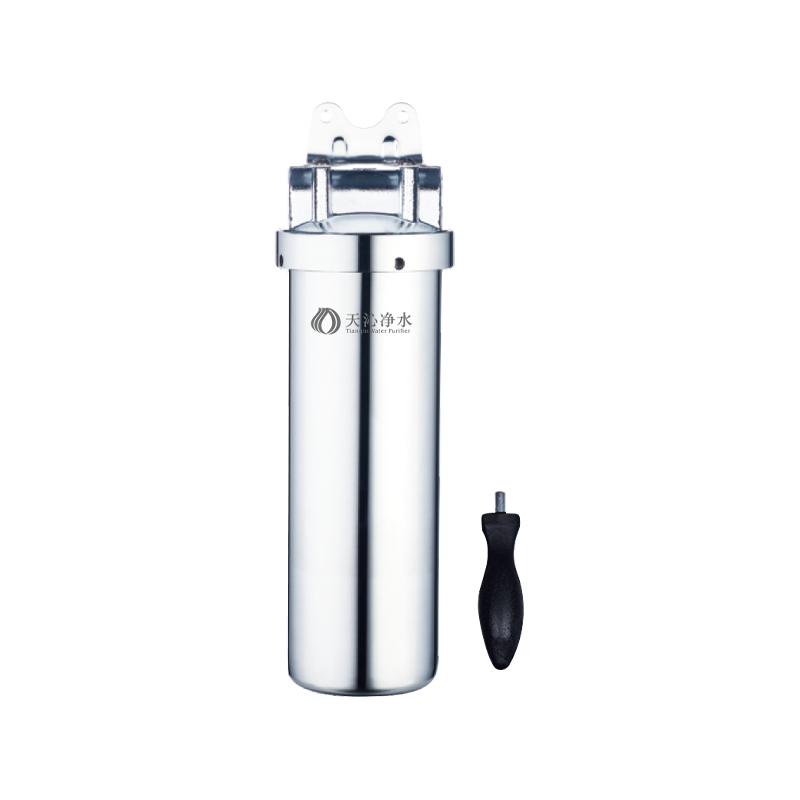 Stainless Steel Pure Double Water Pipe Water Purifier Cat:Stainless Steel Pipeline Water Purifier
The Stainless Steel Pure Double Water Pipe Water Purifier is an advanced water purification system designed to provide dual-mode purified water with e...
See Details -
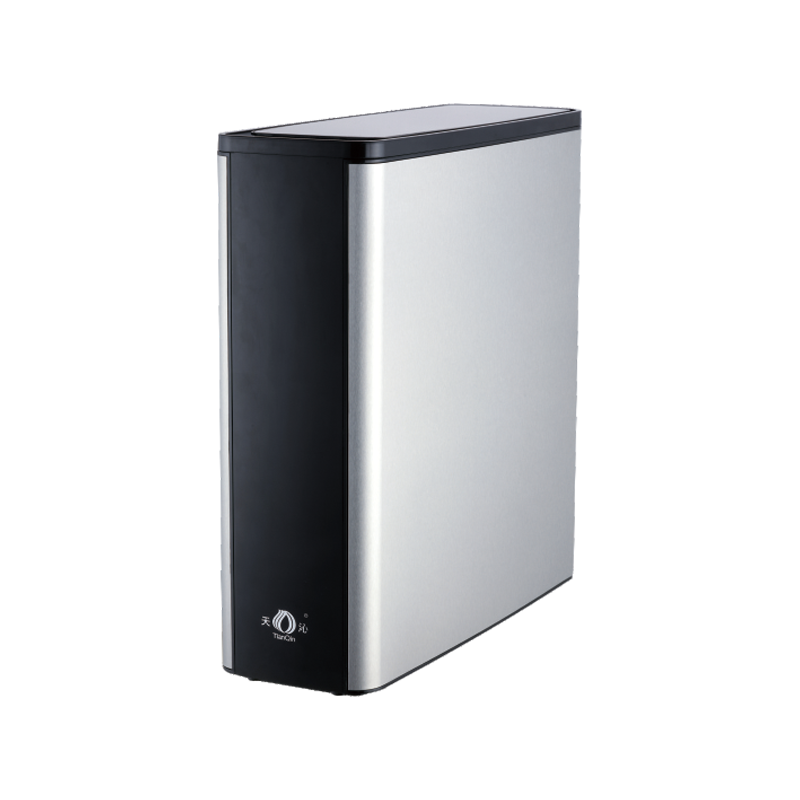 TQ-R08 Stainless Steel High-Flow RO Water Filter Cat:Stainless Steel Ro System
The Stainless Steel High-Flow RO Water Filter (TQ-R08) provides a powerful and effective solution for purifying drinking water, combining advanced rev...
See Details


 +86-0574-62381077/62386875

Stainless Steel Reverse Osmosis System: Industrial Guide & Benefits
Content
- 1 The Superiority of Stainless Steel in Reverse Osmosis Systems
- 2 Material Integrity: 304 vs. 316L Stainless Steel
- 3 Technical Components and System Architecture
- 4 The Filtration Journey: From Feed to Permeate
- 5 Industrial and Commercial Applications
- 6 Maintenance and Operational Best Practices
- 7 Sustainability and the Economic Case for Stainless Steel
- 8 Conclusion: Future-Proofing Your Water Supply
The Superiority of Stainless Steel in Reverse Osmosis Systems
A Stainless Steel Reverse Osmosis (RO) System represents the pinnacle of high-purity water filtration, engineered specifically to address the limitations of plastic and carbon steel units in corrosive or high-pressure environments. The definitive advantage lies in the use of 304 or 316L grade stainless steel for the skid frame, membrane housings, and high-pressure piping, which ensures zero leaching of chemicals and a service life exceeding 15 to 20 years. For industrial and commercial operators, these systems provide a 99.9% rejection rate of Total Dissolved Solids (TDS) while maintaining the structural integrity required for 24/7 operation at pressures up to 400-800 PSI, making them a constructive investment for pharmaceutical, food and beverage, and semiconductor manufacturing.
Material Integrity: 304 vs. 316L Stainless Steel
Choosing the correct alloy is the first step in designing a constructive RO system. While both materials offer superior durability, their application depends on the feed water chemistry and environmental salinity.
304 Stainless Steel for General Industrial Use
304 stainless steel is the standard for the majority of commercial RO systems. It offers excellent resistance to atmospheric corrosion and is highly weldable. In a typical municipal water treatment scenario, a 304SS frame and housing provide the necessary rigidity to prevent vibration-induced leaks, which are common in cheaper plastic-housed units. It is cost-effective yet significantly more robust than PVC alternatives.
316L Stainless Steel for High-Chloride and Sanitary Applications
For brackish water treatment or pharmaceutical grade water production, 316L is mandatory. The addition of molybdenum (2-3%) in 316L provides superior resistance to pitting and crevice corrosion caused by high chloride concentrations. Furthermore, the "L" denotes low carbon, which prevents carbide precipitation during welding, ensuring that the internal surfaces remain smooth and free of bacterial harboring points (biofilm), meeting strict FDA and USP standards.
Technical Components and System Architecture
The performance of a stainless steel reverse osmosis system is a function of its high-pressure components and multi-stage filtration logic. Each part must be balanced to ensure the osmotic pressure is overcome efficiently.
| Component | Material Specification | Function |
|---|---|---|
| Membrane Pressure Vessels | SS304 / SS316L | Houses the RO membranes at high PSI |
| Multi-Stage Centrifugal Pump | Stainless Steel Impellers | Generates required osmotic pressure |
| Pre-Treatment Housing | SS304 / Quartz Sand | Removes sediment and large particles |
| Control Panel (PLC) | NEMA 4X Stainless Enclosure | Automates flushing and monitoring |
The Filtration Journey: From Feed to Permeate
A stainless steel RO system is more than just a pump and a membrane; it is a sequence of purification steps designed to protect the delicate Thin-Film Composite (TFC) membranes.
Pre-Filtration and Carbon Buffering
Before water reaches the high-pressure stainless pump, it passes through sediment filters and activated carbon. In a stainless system, even these pre-filter housings are often made of steel to ensure high-temperature compatibility (for Clean-In-Place or CIP cycles). The carbon stage is critical as it neutralizes chlorine, which can cause irreversible oxidative damage to the polyamide membrane layer.
Reverse Osmosis and the Semi-Permeable Barrier
The water is forced through the membrane pores, which are as small as 0.0001 microns. At this stage, molecules of water pass through to become "permeate," while 99% of bacteria, viruses, and dissolved salts are rejected as "concentrate" (wastewater). The stainless steel pressure vessels ensure that the system can maintain the high flux rates required without expanding or leaking under the immense pressure of the pump.
Industrial and Commercial Applications
Stainless steel RO systems are the workhorses of several critical sectors where water quality is non-negotiable and downtime is extremely costly.
- Food & Beverage: Used for ingredient water and boiler feed. Stainless steel ensures that no plasticizers (like BPA) migrate into the water, preserving the flavor profile and safety of the final product.
- Laboratories & Healthcare: Provides Type II and Type III pure water for autoclaves, clinical analyzers, and hemodialysis. The ability to sterilize the stainless steel piping with heat is a major advantage over plastic systems.
- Boiler Feed Water: By removing minerals that cause scaling, stainless RO systems can increase boiler efficiency by up to 10% and significantly reduce blowdown frequency.
Maintenance and Operational Best Practices
To maintain the constructive efficiency of a stainless steel RO system, operators must adhere to a strict maintenance protocol that balances chemical cleaning with physical inspections.
Membrane Cleaning-In-Place (CIP)
When the permeate flow drops by 10-15% or the salt passage increases, a CIP cycle is necessary. Because the system is stainless steel, it can handle a wider range of acidic (pH 2) and alkaline (pH 12) cleaners compared to fiberglass or plastic systems. Using high-temperature water (up to 45°C) during the cleaning process can improve the solubility of scales and organic matter, restoring the membrane flux to near-original levels.
Monitoring SDI and TDS
The Silt Density Index (SDI) of the feed water should be kept below 3.0 to prevent rapid fouling. Integrated stainless steel flow meters and conductivity sensors provide real-time data to the PLC. If the TDS of the permeate rises above the set limit, the system should be programmed to divert water to the drain automatically, ensuring that sub-standard water never reaches the storage tank.
Sustainability and the Economic Case for Stainless Steel
While the initial capital expenditure (CAPEX) for a stainless steel reverse osmosis system is 20-40% higher than plastic alternatives, the Total Cost of Ownership (TCO) is substantially lower.
- Reduced Replacement Costs: Plastic housings often crack under thermal expansion or high-pressure transients (water hammer). Stainless steel's high tensile strength eliminates this risk, preventing catastrophic floods in the facility.
- Energy Efficiency: High-efficiency stainless steel pumps can reduce energy consumption by 15% compared to standard cast-iron pumps. Furthermore, the use of VFDs (Variable Frequency Drives) allows the system to adjust pressure based on real-time demand.
- Recyclability: At the end of its multi-decade lifecycle, the stainless steel skid and housings are 100% recyclable, aligning with corporate sustainability goals and Green Building certifications.
Conclusion: Future-Proofing Your Water Supply
A Stainless Steel Reverse Osmosis System is the gold standard for any organization that views water as a critical utility. By integrating advanced 316L materials, precision PLC controls, and high-efficiency filtration stages, these systems provide a level of reliability that plastic-based units simply cannot match. In 2026, as water scarcity and regulatory standards for pure water become more stringent, the shift toward ruggedized, sanitary stainless steel architecture is not just a preference but a necessity for operational resilience. Investing in a high-quality stainless RO system today ensures a consistent, pure, and high-volume water supply that will support your facility's growth and technological evolution for decades to come.
-
 Tel: +86-0574-62381077/62386875
-
 E-mail: leozhanglei@nbtianqin.net
-
 Add: Wuma Industrial Zone, Lubu Town, Yuyao City, Zhejiang Province, China.
Copyright © 2024 by Yuyao Tianqin Water Purification Equipment Co..Ltd.
All Rights Reserved.
 Wholesale Water Purifier Manufacturers

