 English
 中文简体
中文简体-
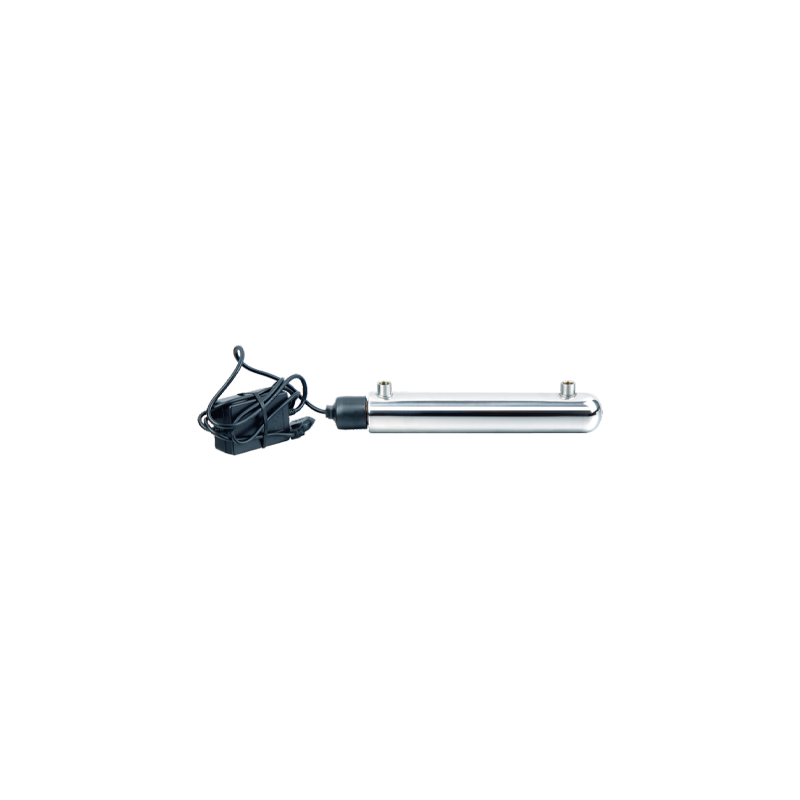 UV11W High-efficiency Intelligent UV Water Sterilizer Cat:Ultraviolet Water Sterilizer
The UV11W High-efficiency Intelligent UV Water Sterilizer is an advanced water purification system that offers convenience and reliability. This steri...
See Details -
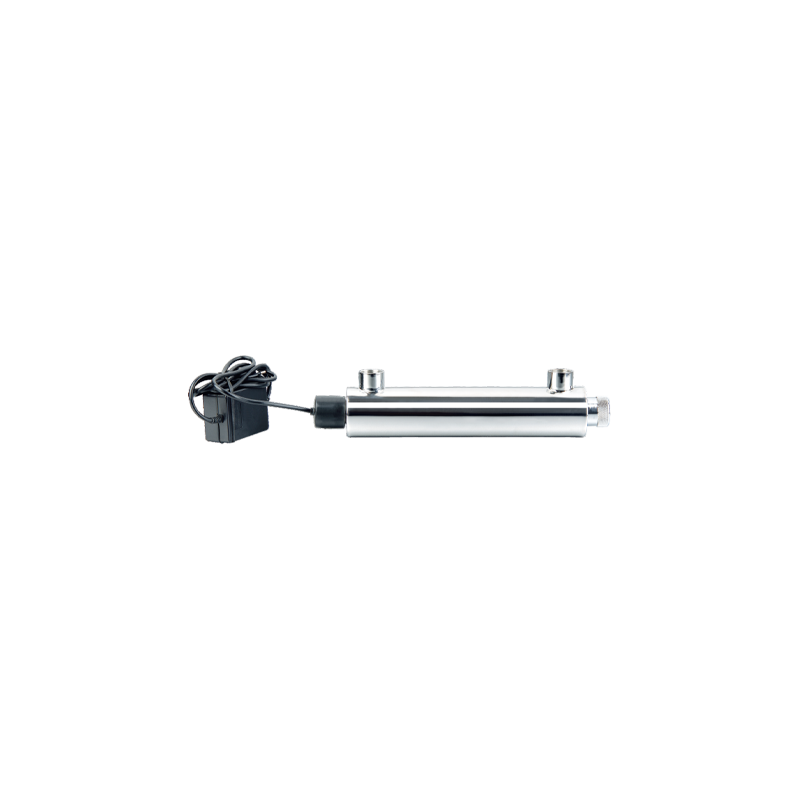 UV16W-A Household Stainless Steel UV Water Sterilizer Cat:Ultraviolet Water Sterilizer
The UV16W-A Household Stainless Steel UV Water Sterilizer is an innovative solution for ensuring safe and pure water in your home. Designed with durab...
See Details -
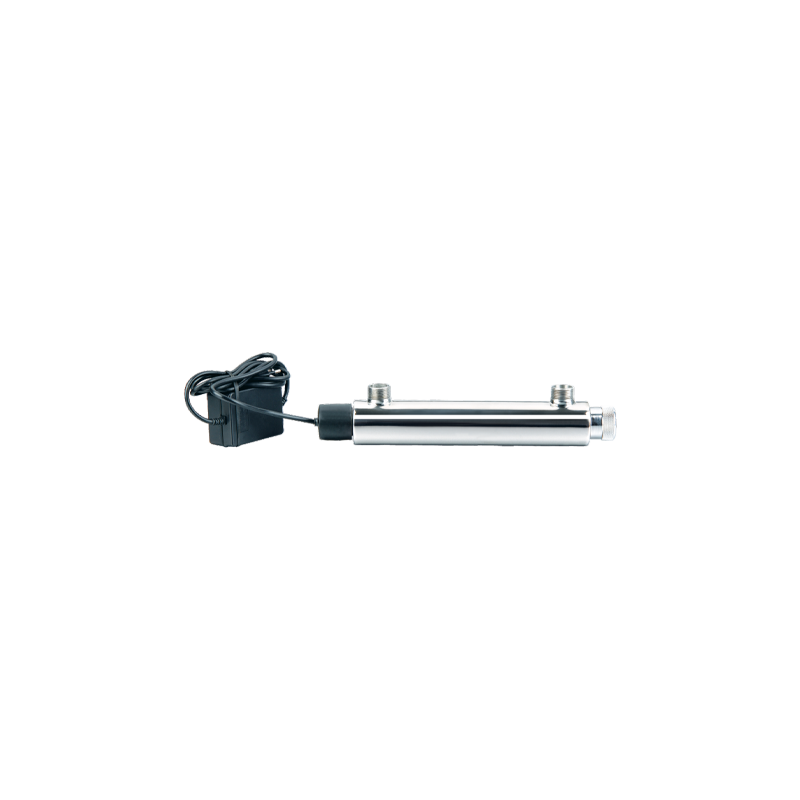 UV16W-B 304 Stainless Steel Water Purifier Ultraviolet Water Sterilizer Cat:Ultraviolet Water Sterilizer
UV16W-B 304 Stainless Steel Water Purifier Ultraviolet Water Sterilizer is an efficient water treatment equipment based on advanced ultraviolet disinf...
See Details -
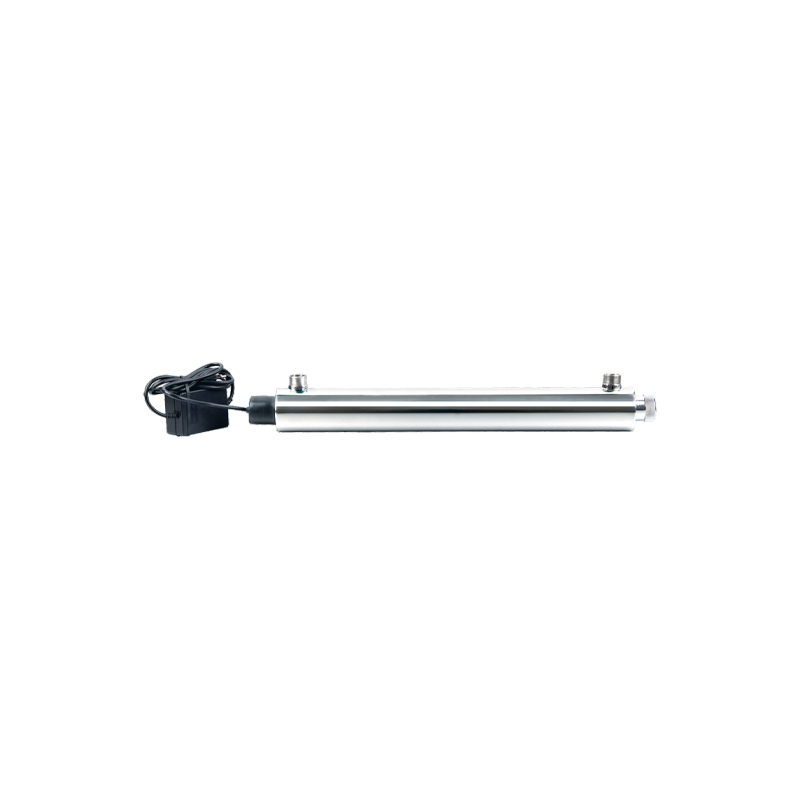 UV25W Stainless Steel Ultrafiltration Pre-Filtration UV Sterilizers For Water Cat:Ultraviolet Water Sterilizer
UV25W Stainless Steel Ultrafiltration Pre-Filtration UV Sterilizers For Water uses high-quality stainless steel materials, which have superb corrosion...
See Details -
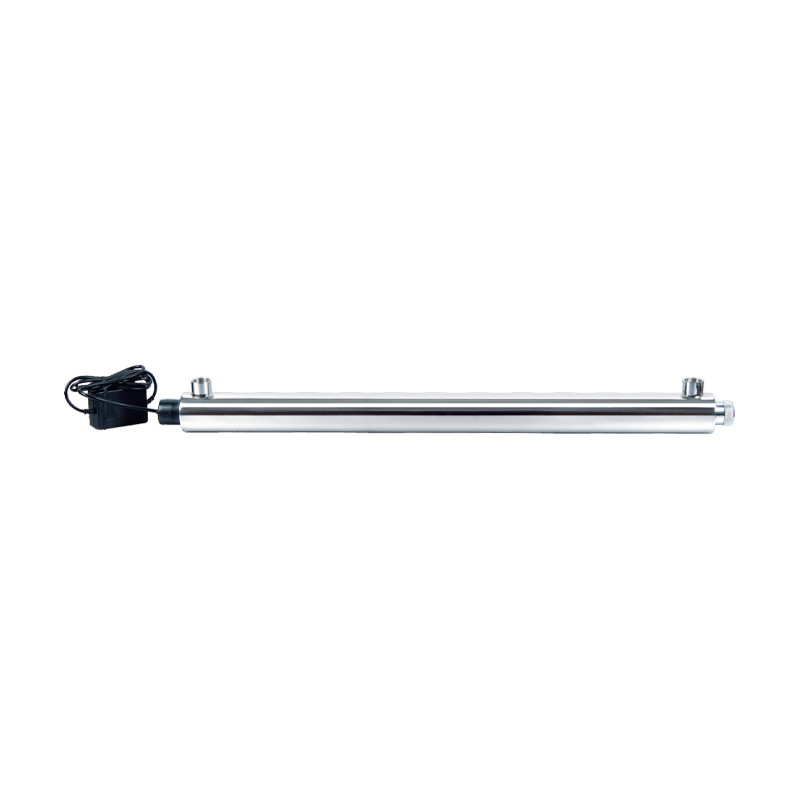 UV30W-55W Automatic Ultraviolet Sterilizer UV Filtration For Drinking Water Cat:Ultraviolet Water Sterilizer
The core advantage of UV30W-55W Automatic Ultraviolet Sterilizer UV Filtration For Drinking Water lies in its efficient and rapid disinfection capabil...
See Details -
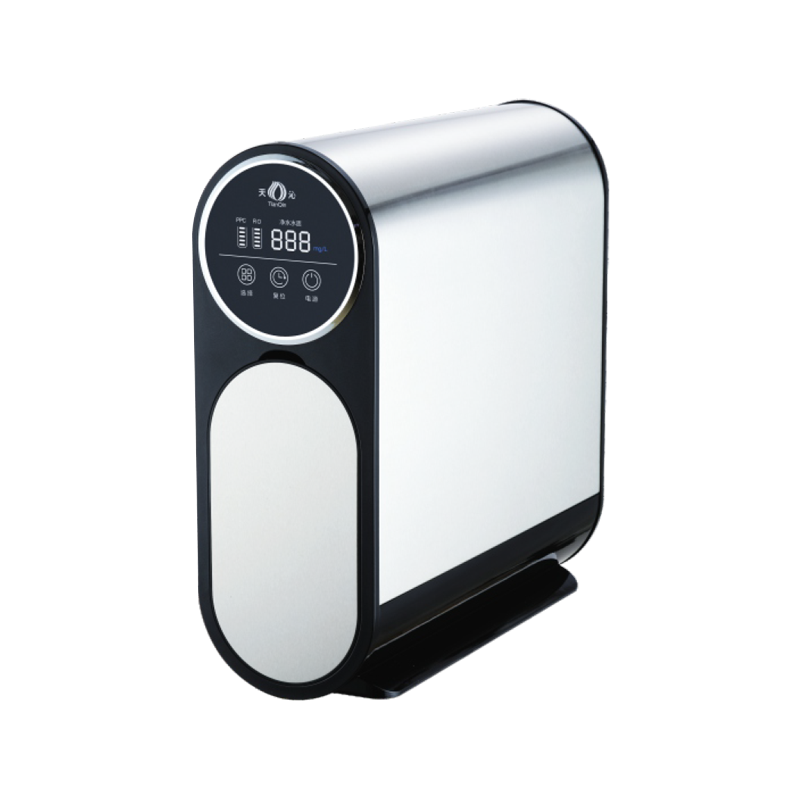 TQ-R03 Stainless Steel Booster Double Water Full Effect RO Water Purifier Cat:Stainless Steel Ro System
TQ-R03 Stainless Steel Booster Double Water Full Effect RO Water Purifier is a household water purification device that combines efficient water purif...
See Details -
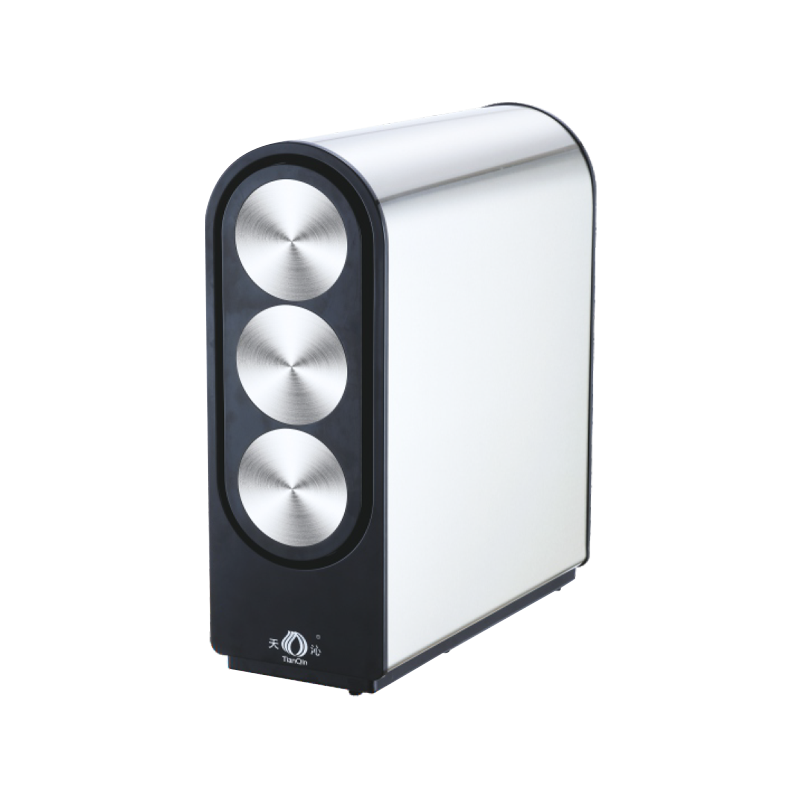 TQ-R05 Multifunctional Water Purification Source RO Water Purifier Cat:Stainless Steel Ro System
The TQ-R05 Multifunctional Water Purification Source RO Water Purifier is an advanced, versatile water purification solution designed for households a...
See Details -
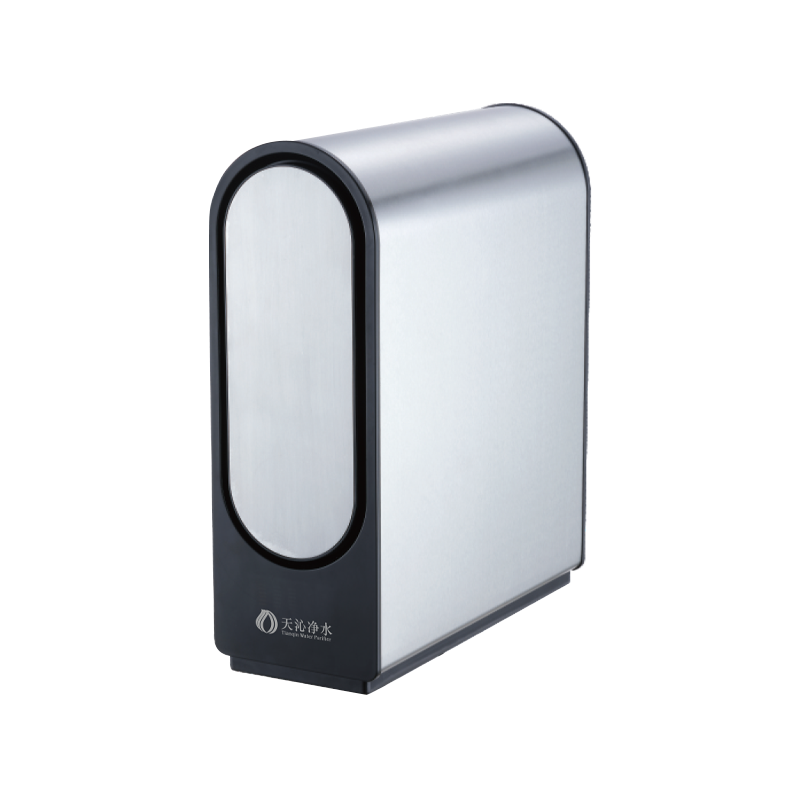 TQ-R06 Stainless Steel Environmentally Friendly RO Water Purifier Cat:Stainless Steel Ro System
The TQ-R06 Stainless Steel Environmentally Friendly RO Water Purifier combines advanced RO filtration technology, durable stainless steel housing, and...
See Details -
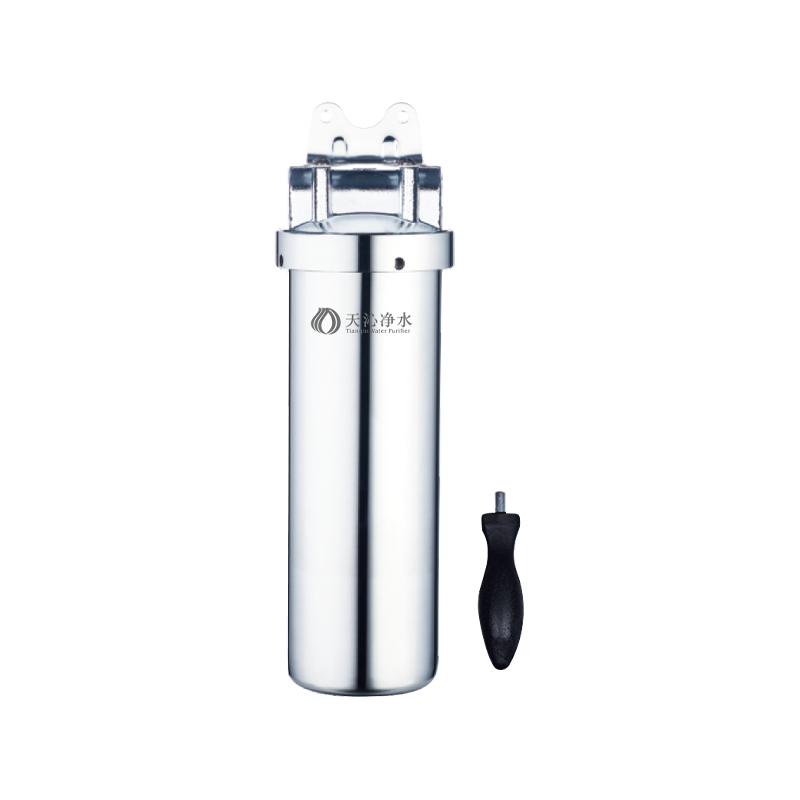 Stainless Steel Pure Double Water Pipe Water Purifier Cat:Stainless Steel Pipeline Water Purifier
The Stainless Steel Pure Double Water Pipe Water Purifier is an advanced water purification system designed to provide dual-mode purified water with e...
See Details -
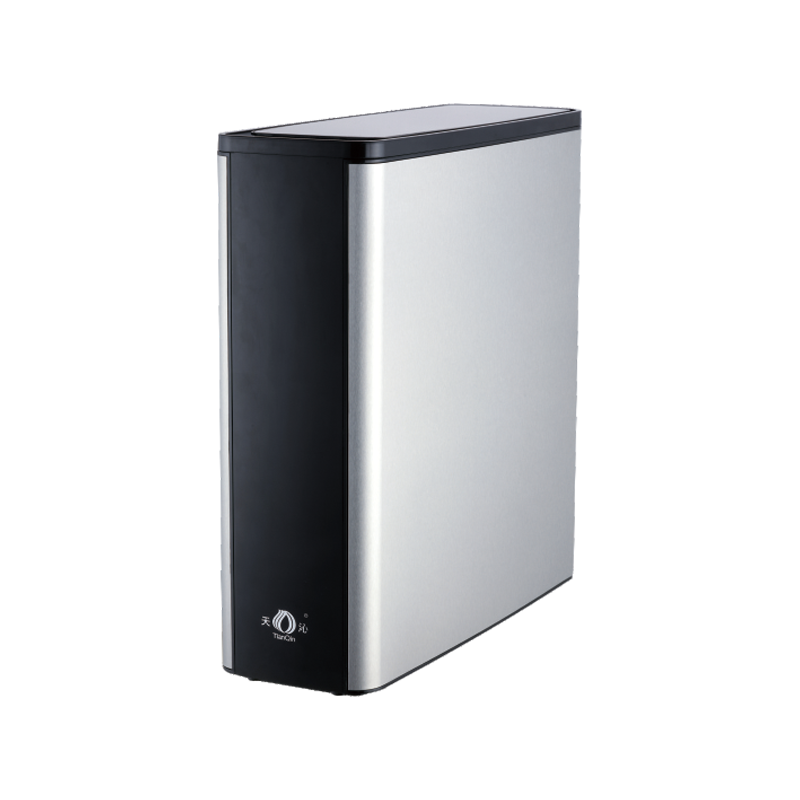 TQ-R08 Stainless Steel High-Flow RO Water Filter Cat:Stainless Steel Ro System
The Stainless Steel High-Flow RO Water Filter (TQ-R08) provides a powerful and effective solution for purifying drinking water, combining advanced rev...
See Details


 +86-0574-62381077/62386875

Clearly Filtered vs Reverse Osmosis: Which Is Better?
If you're choosing between Clearly Filtered and a reverse osmosis system, here's the direct answer: a reverse osmosis water purifier removes a broader range of contaminants at higher reduction rates — often 95–99% for dissolved solids, heavy metals, and chemicals — while Clearly Filtered offers strong performance without installation, wasted water, or high upfront cost. Your best choice depends on your water source, budget, and how you use water daily.
This article breaks down the real differences in filtration technology, contaminant removal, cost of ownership, and practical usability so you can make a confident, informed decision.
Content
- 1 How Each System Works: Filtration Technology Explained
- 2 Contaminant Removal Comparison: What Each System Actually Filters
- 3 Cost of Ownership: Upfront, Ongoing, and Hidden Expenses
- 4 Installation and Convenience: Daily Usability Differences
- 5 Water Taste and Mineral Content: A Meaningful Difference
- 6 When a Reverse Osmosis Water Purifier Is the Right Choice
- 7 When Clearly Filtered Is the Smarter Option
- 8 Choosing the Right Reverse Osmosis System: Key Features to Look For
- 9 Side-by-Side Summary: Clearly Filtered vs Reverse Osmosis
How Each System Works: Filtration Technology Explained
Understanding the core technology behind each system explains most of the differences in performance, cost, and convenience.
Clearly Filtered: Affinity Filtration Technology
Clearly Filtered uses a proprietary multi-stage filter called Affinity Filtration, which combines activated carbon, ion exchange media, and mechanical filtration layers. Water passes through these stages as it flows through a pitcher, water bottle, or under-sink unit. The system targets contaminants through adsorption — pollutants bond chemically to the filter media and are held there as clean water flows through.
Clearly Filtered pitchers are independently tested to NSF/ANSI Standards 42, 53, 244, 401, and P473, covering aesthetic contaminants, health-related contaminants, microplastics, and emerging compounds like PFAS.
Reverse Osmosis System: Semi-Permeable Membrane Filtration
A reverse osmosis water purifier forces water through a semi-permeable membrane with pores as small as 0.0001 microns — small enough to block dissolved salts, minerals, bacteria, viruses, and most chemical contaminants. A standard RO system includes 4–7 filtration stages: a sediment pre-filter, one or more carbon pre-filters, the RO membrane itself, and a post-filter for final polishing.
Most under-sink RO systems store purified water in a pressurized tank, delivering it through a dedicated faucet. The RO membrane alone removes up to 99% of dissolved solids, including fluoride, arsenic, nitrates, and lead — contaminants that carbon-only filters cannot address effectively.
Contaminant Removal Comparison: What Each System Actually Filters
This is the most critical category for households dealing with specific water quality concerns. The table below compares removal performance across key contaminant categories.
| Contaminant | Clearly Filtered | Reverse Osmosis System |
|---|---|---|
| Lead | Up to 99.5% | 95–98% |
| Fluoride | Up to 98% | Up to 99% |
| PFAS/PFOA | Up to 99.9% | Up to 99% |
| Chlorine & Chloramine | Up to 99.9% | Up to 99% |
| Arsenic | Up to 99.5% | Up to 99% |
| Nitrates | Up to 99.7% | 85–95% |
| Total Dissolved Solids (TDS) | Partial reduction | 95–99% reduction |
| Bacteria & Viruses | Not rated | 99.99% (membrane) |
| Microplastics | Up to 99.9% | Up to 99.9% |
| Pharmaceuticals | Up to 99%+ | Up to 99% |
On paper, both systems perform impressively. The key distinction is that an RO system's membrane physically blocks all dissolved solids by size, making it consistently effective regardless of contaminant type, whereas Clearly Filtered relies on chemical affinity — highly effective for tested contaminants but potentially variable for untested ones.
Cost of Ownership: Upfront, Ongoing, and Hidden Expenses
The true cost of a water filtration system goes well beyond the purchase price. Here's a realistic 3-year cost breakdown for each option.
| Cost Category | Clearly Filtered Pitcher | Under-Sink RO System |
|---|---|---|
| Upfront Purchase | $90–$120 | $150–$400 |
| Installation Cost | $0 | $0 (DIY) – $200 (plumber) |
| Annual Filter Cost | $50–$75 (2–3 filters/yr) | $50–$120 (membrane + pre-filters) |
| Water Waste | None | 2–4 gallons waste per gallon purified (traditional); near-zero (tankless RO) |
| Estimated 3-Year Total | $240–$345 | $300–$760 |
For renters or those on a tight budget, Clearly Filtered has a clear financial advantage. However, modern tankless reverse osmosis water purifiers have largely eliminated the water waste problem — some models now achieve a 1:1 pure-to-waste ratio, making long-term RO ownership far more economical and environmentally sound than older tank-based systems.
Installation and Convenience: Daily Usability Differences
For many households, daily convenience matters just as much as filtration performance. Here's how the two systems compare in practical use:
Clearly Filtered: No Installation Required
- Works straight out of the box — fill the top reservoir, wait, and drink.
- Filtration speed is slower: the pitcher filters approximately 1 gallon per 8–12 minutes, which can be limiting for larger families.
- Ideal for renters, travelers, or those in apartments where plumbing modifications are not permitted.
- Portable — take it to a vacation rental, office, or hotel.
- Capacity is limited to the pitcher size (typically 10–18 cups); requires manual refilling.
Reverse Osmosis System: Plumbed-In Convenience
- Requires connection to a cold water supply line under the sink — a 30–60 minute DIY installation for most homeowners.
- Delivers purified water on demand through a dedicated faucet — no waiting, no manual refilling.
- Tank-based systems store 2–4 gallons of purified water ready at all times; tankless systems produce water continuously on demand.
- Some RO systems include a smart display or app integration that monitors filter life and TDS in real time.
- Not portable — fixed to one location. Not suitable for renters without landlord approval.
Water Taste and Mineral Content: A Meaningful Difference
One of the most debated differences between these two systems is what happens to the minerals in your water — and whether that matters for health or taste.
A reverse osmosis water purifier removes virtually all dissolved minerals, including calcium and magnesium, producing water with a TDS of 10–50 ppm (compared to 150–500 ppm in typical tap water). Many users describe RO water as tasting very clean or slightly flat. To counter this, many premium RO systems include a remineralization post-filter that adds back calcium, magnesium, and potassium — restoring a more natural taste and slightly alkaline pH of 7.5–8.5.
Clearly Filtered, by contrast, preserves naturally occurring beneficial minerals while targeting harmful contaminants. This makes the water taste more similar to high-quality spring water and avoids the debate around whether demineralized water is healthy for long-term consumption — a topic where health organizations note that mineral intake from water is generally minor compared to dietary sources.
For households with very hard water (TDS above 400 ppm), an RO system dramatically improves taste. For households with moderate municipal water quality, Clearly Filtered often produces water with a more naturally palatable mineral balance.
When a Reverse Osmosis Water Purifier Is the Right Choice
An RO system is the better investment in specific, well-defined scenarios:
- High TDS or hard water: If your tap water TDS exceeds 300–400 ppm, only an RO membrane will reduce dissolved solids to comfortable drinking levels. Clearly Filtered does not significantly reduce TDS.
- Confirmed well water contamination: Households on private wells with tested levels of arsenic, nitrates, or bacteria need the comprehensive protection only an RO membrane provides.
- High daily volume needs: Families of 4 or more who cook with filtered water, make coffee and tea, fill a pet's bowl, and drink throughout the day will find pitcher-based filtration frustratingly slow. An RO system provides unlimited on-demand filtered water.
- Concern about microbiological safety: The RO membrane's 0.0001-micron pore size blocks bacteria, viruses, and cysts. If your water source carries any biological risk, a reverse osmosis system provides a level of protection no pitcher filter can match.
- Long-term homeownership: For homeowners planning to stay for 5+ years, the per-gallon cost of RO water drops well below $0.01 — cheaper than any pitcher filter over time.
When Clearly Filtered Is the Smarter Option
Clearly Filtered outperforms RO systems in practical terms for a significant portion of households:
- Renters and apartment dwellers: No plumbing, no landlord permission needed. Set up in 60 seconds and take it when you move.
- Moderate municipal water: If your tap water meets EPA standards but you want to remove chlorine, lead, PFAS, and pharmaceuticals, Clearly Filtered removes over 365 contaminants — more than most RO systems test for explicitly.
- Mineral-conscious households: If you prefer to retain natural calcium and magnesium without purchasing an extra remineralization filter, Clearly Filtered keeps beneficial minerals intact by design.
- Portability needs: Clearly Filtered makes water bottles and travel pitchers — a reverse osmosis system does not travel with you.
- Budget-sensitive households: The all-in cost for the first year is typically under $175, compared to $350–$600 for a professionally installed RO setup.
Choosing the Right Reverse Osmosis System: Key Features to Look For
If you've decided that an RO system fits your needs, not all systems are equal. Here are the specifications that separate a good RO water purifier from a great one:
- Tankless vs. tank-based: Modern tankless RO systems (also called on-demand RO) produce water instantly without storing it, eliminating bacterial growth risk in standing water tanks. They also waste significantly less water.
- Water efficiency ratio: Look for systems with a pure-to-drain ratio of at least 1:1. Traditional RO systems waste 3–4 gallons per gallon purified; newer models achieve 2:1 or better.
- NSF certification: Verify the system is certified to NSF/ANSI Standard 58 (RO systems) and that the membrane is tested, not just the housing. Some brands certify only components, not the full assembled system.
- Number of filtration stages: A 5-stage system (sediment + carbon pre-filter + RO membrane + post-carbon + remineralization) delivers the most complete purification and the best taste.
- Flow rate: Entry-level systems produce 50–75 gallons per day (GPD). For a family of 4 using filtered water for drinking and cooking, a 75–100 GPD system is more appropriate.
- Filter change indicators: Smart systems with TDS meters or app-connected filter life monitoring take the guesswork out of maintenance — a significant usability advantage over pitcher systems that require manual tracking.
Side-by-Side Summary: Clearly Filtered vs Reverse Osmosis
Use this summary table to quickly match each system to your situation.
| Factor | Clearly Filtered | Reverse Osmosis System |
|---|---|---|
| Installation | None required | Under-sink plumbing required |
| TDS Reduction | Minimal | 95–99% |
| Minerals Retained | Yes | No (unless remineralized) |
| Bacteria/Virus Removal | Not rated | Up to 99.99% |
| Water Waste | None | Low to moderate (model-dependent) |
| Portability | Fully portable | Fixed installation |
| Year 1 Cost (est.) | $140–$195 | $200–$600 |
| Best For | Renters, low-moderate TDS, portability | High TDS, well water, large families |
The bottom line: if your water has high dissolved solids, biological risks, or you need high-volume filtered water daily, a reverse osmosis water purifier is the definitive choice. If you rent, value portability, or simply want excellent contaminant removal from standard municipal water without installation complexity, Clearly Filtered delivers impressive results at a lower barrier to entry. Both are far superior to standard pitcher filters and represent two of the most rigorously tested consumer water purification options available.
-
 Tel: +86-0574-62381077/62386875
-
 E-mail: leozhanglei@nbtianqin.net
-
 Add: Wuma Industrial Zone, Lubu Town, Yuyao City, Zhejiang Province, China.
Copyright © 2024 by Yuyao Tianqin Water Purification Equipment Co..Ltd.
All Rights Reserved.
 Wholesale Water Purifier Manufacturers

