 English
 中文简体
-
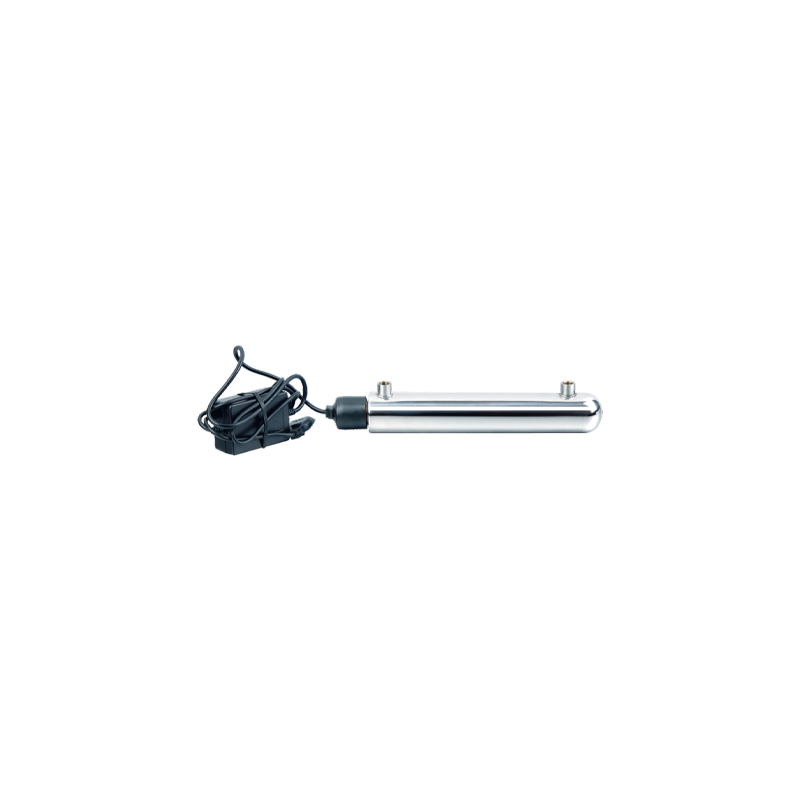 UV11W High-efficiency Intelligent UV Water Sterilizer Cat:Ultraviolet Water Sterilizer
The UV11W High-efficiency Intelligent UV Water Sterilizer is an advanced water purification system that offers convenience and reliability. This steri...
See Details -
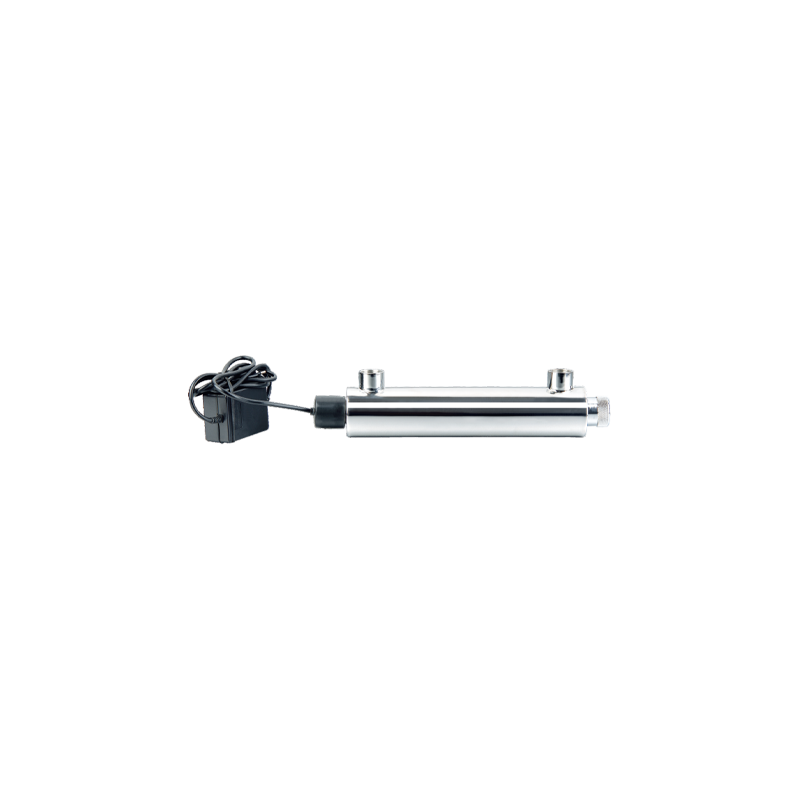 UV16W-A Household Stainless Steel UV Water Sterilizer Cat:Ultraviolet Water Sterilizer
The UV16W-A Household Stainless Steel UV Water Sterilizer is an innovative solution for ensuring safe and pure water in your home. Designed with durab...
See Details -
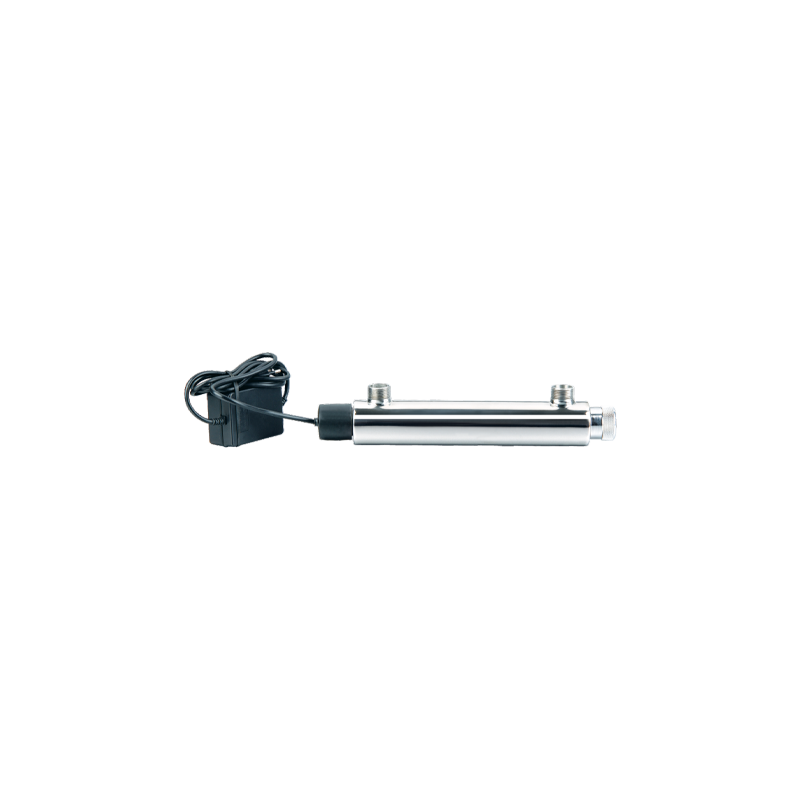 UV16W-B 304 Stainless Steel Water Purifier Ultraviolet Water Sterilizer Cat:Ultraviolet Water Sterilizer
UV16W-B 304 Stainless Steel Water Purifier Ultraviolet Water Sterilizer is an efficient water treatment equipment based on advanced ultraviolet disinf...
See Details -
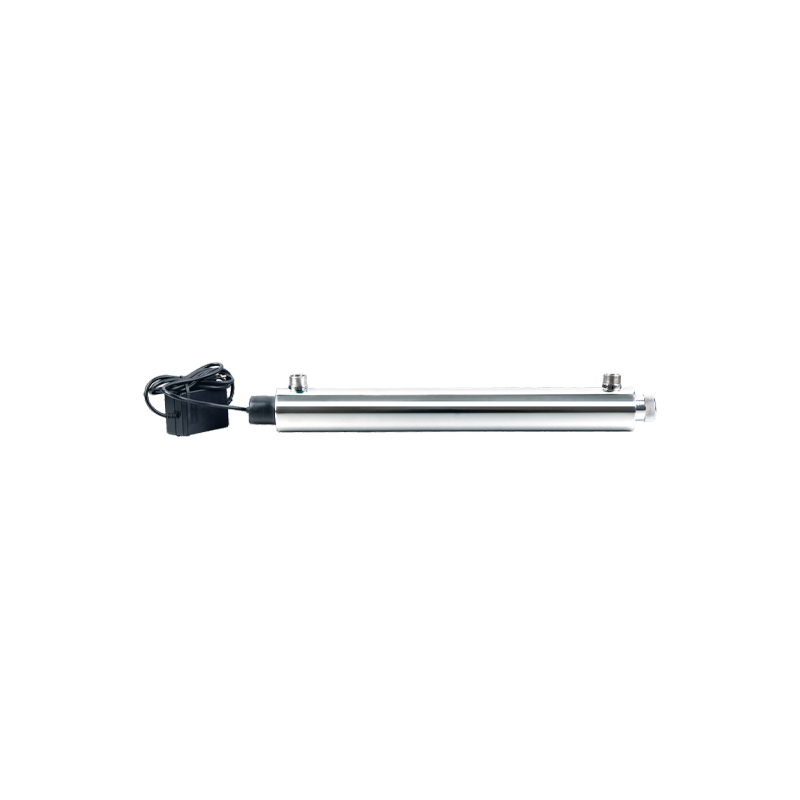 UV25W Stainless Steel Ultrafiltration Pre-Filtration UV Sterilizers For Water Cat:Ultraviolet Water Sterilizer
UV25W Stainless Steel Ultrafiltration Pre-Filtration UV Sterilizers For Water uses high-quality stainless steel materials, which have superb corrosion...
See Details -
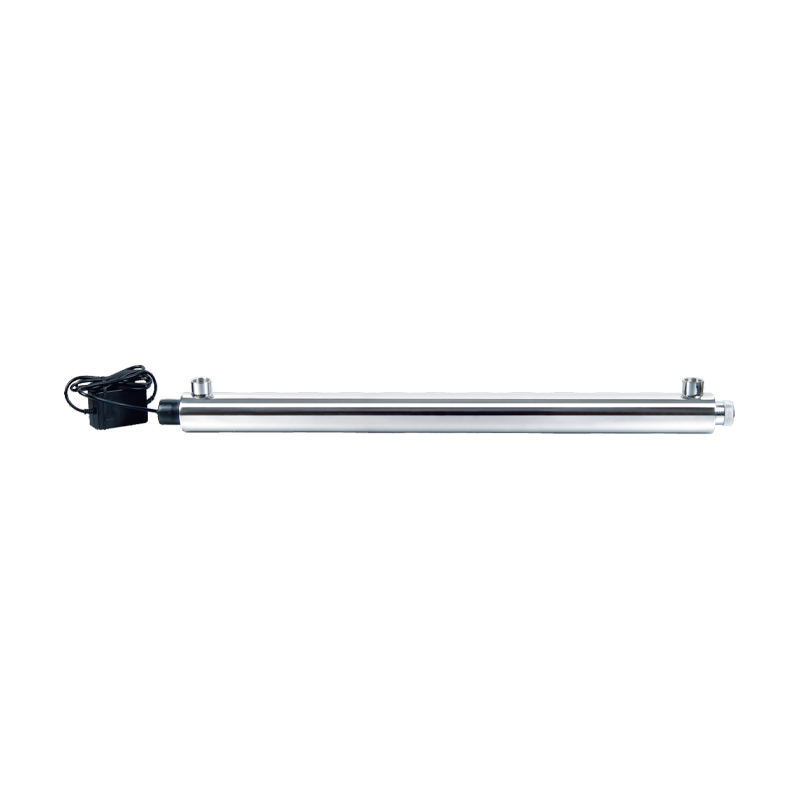 UV30W-55W Automatic Ultraviolet Sterilizer UV Filtration For Drinking Water Cat:Ultraviolet Water Sterilizer
The core advantage of UV30W-55W Automatic Ultraviolet Sterilizer UV Filtration For Drinking Water lies in its efficient and rapid disinfection capabil...
See Details -
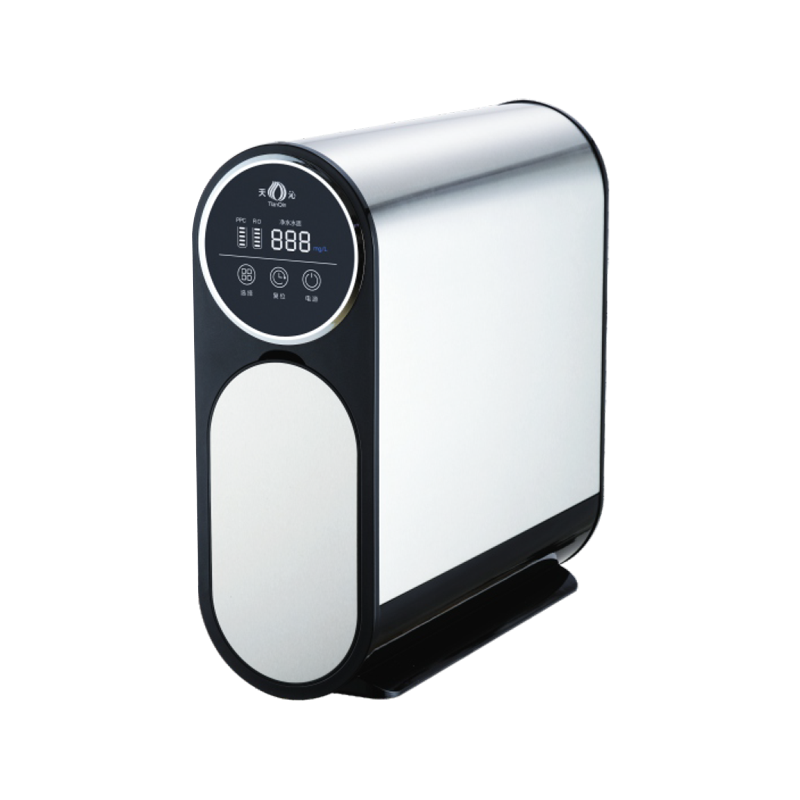 TQ-R03 Stainless Steel Booster Double Water Full Effect RO Water Purifier Cat:Stainless Steel Ro System
TQ-R03 Stainless Steel Booster Double Water Full Effect RO Water Purifier is a household water purification device that combines efficient water purif...
See Details -
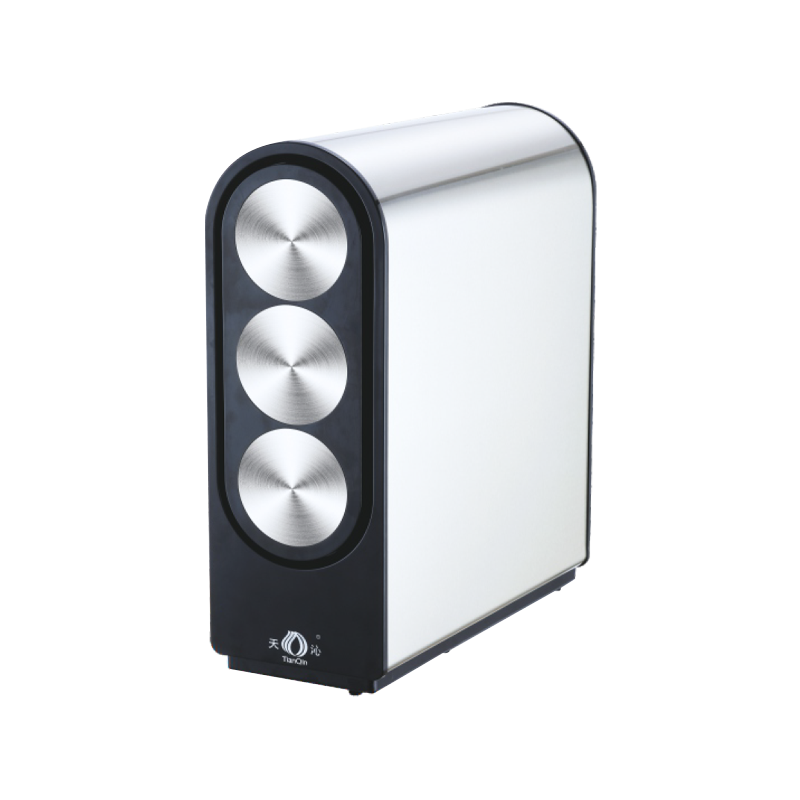 TQ-R05 Multifunctional Water Purification Source RO Water Purifier Cat:Stainless Steel Ro System
The TQ-R05 Multifunctional Water Purification Source RO Water Purifier is an advanced, versatile water purification solution designed for households a...
See Details -
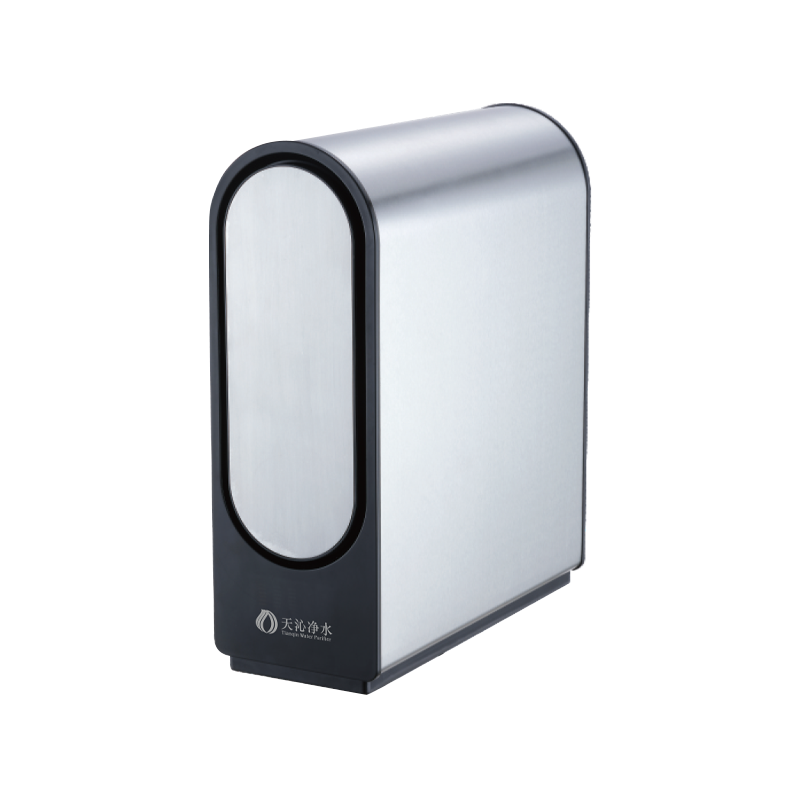 TQ-R06 Stainless Steel Environmentally Friendly RO Water Purifier Cat:Stainless Steel Ro System
The TQ-R06 Stainless Steel Environmentally Friendly RO Water Purifier combines advanced RO filtration technology, durable stainless steel housing, and...
See Details -
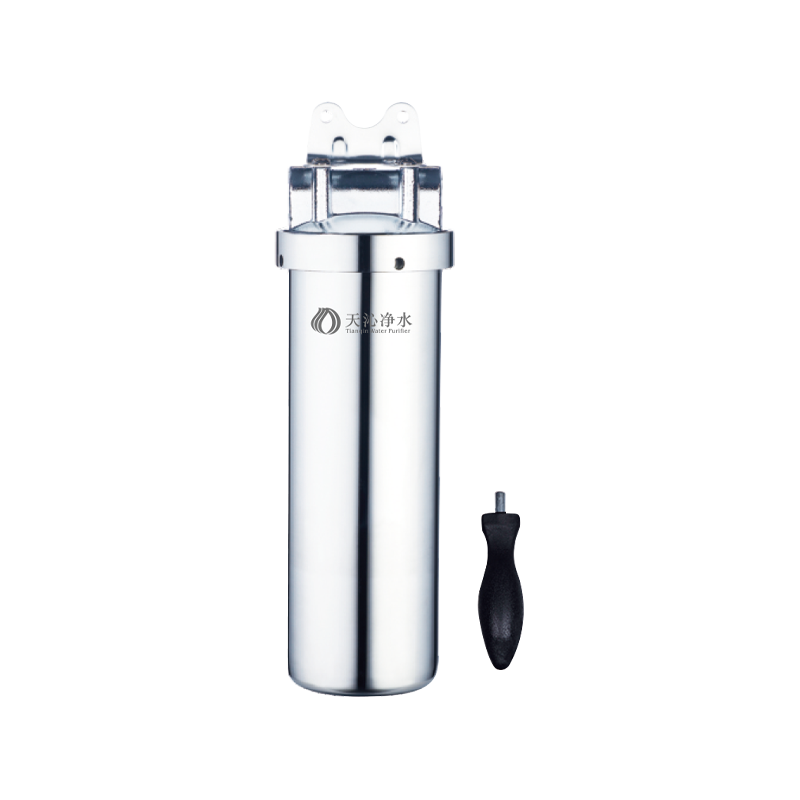 Stainless Steel Pure Double Water Pipe Water Purifier Cat:Stainless Steel Pipeline Water Purifier
The Stainless Steel Pure Double Water Pipe Water Purifier is an advanced water purification system designed to provide dual-mode purified water with e...
See Details -
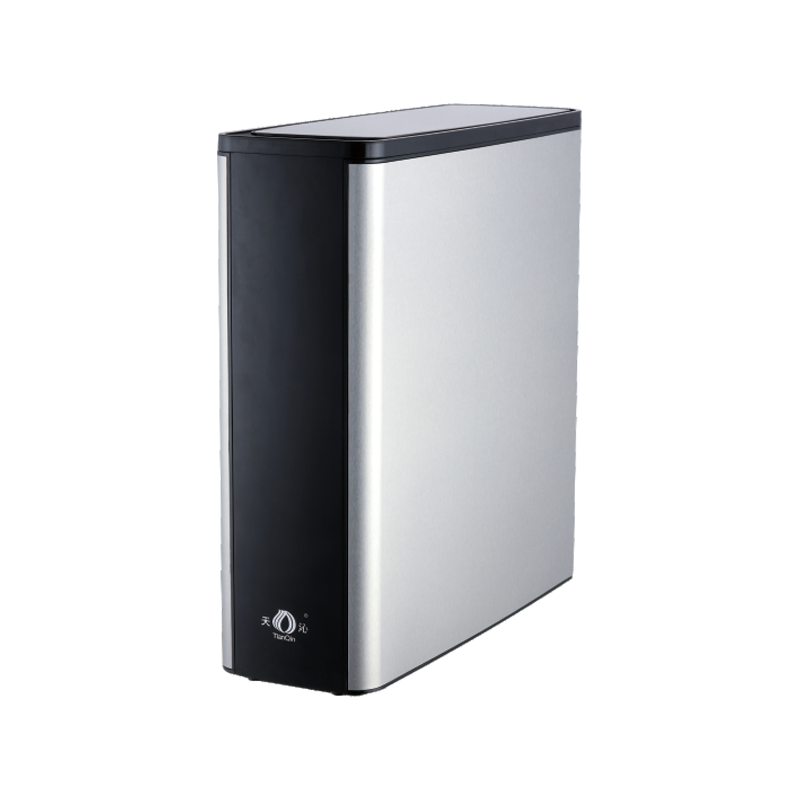 TQ-R08 Stainless Steel High-Flow RO Water Filter Cat:Stainless Steel Ro System
The Stainless Steel High-Flow RO Water Filter (TQ-R08) provides a powerful and effective solution for purifying drinking water, combining advanced rev...
See Details


 +86-0574-62381077/62386875

How Long Does a Reverse Osmosis Tank Last? Realistic Lifespan and Care Tips
Few parts of a reverse osmosis system are as misunderstood as the storage tank. It is not a filter, it does not purify anything, and there is no cartridge to swap — so it sits quietly under the sink for years until the day the faucet starts to sputter. That is usually the moment a homeowner asks the question: how long does a reverse osmosis tank last?
The short answer is five to ten years for most residential tanks. A well-made stainless steel pressure vessel in a commercial setting can keep working well beyond that, while a small, inexpensive tank fed with aggressive water may give up in four. The range is wide because the tank is a pressure vessel with a rubber bladder inside, and how long that bladder survives depends on your water, your pressure and how often the system cycles.
Content
- 1 How Long Does a Reverse Osmosis Tank Last in Practice?
- 2 What Is Actually Inside the Tank, and What Wears Out
- 3 The Factors That Decide Whether You Get Five Years or Ten
- 4 Signs Your RO Tank Is Nearing the End
- 5 How to Make an RO Tank Last Longer
- 6 Repair, Replace, or Move to a Tankless System?
- 7 The Bottom Line
How Long Does a Reverse Osmosis Tank Last in Practice?
The figures below reflect what we see across household and light commercial installations. They are not a guarantee, but they are a useful benchmark when you are trying to decide whether a tank is simply getting old or genuinely failing.
| Tank type | Typical service life | What usually ends it |
|---|---|---|
| Standard residential bladder tank (4–12 gallons) | 5–10 years | Bladder fatigue or loss of air charge |
| Compact under-sink tank (2–4 gallons) | 4–8 years | Waterlogging, cracked shell or neck |
| Stainless steel pressure vessel (commercial or whole-house RO) | 10–15 years or more | Bladder replacement, valve wear |
| Tankless RO (no storage tank) | No tank to replace | Pump and membrane service every 2–4 years |
Two details are worth keeping in mind. The tank usually outlives the membrane by a comfortable margin — you may replace cartridges every two or three years while the tank behind them keeps going. And failure rarely happens on a neat schedule; it is tied to cycling and water chemistry, so two households on the same street can get very different results from identical tanks.
What Is Actually Inside the Tank, and What Wears Out
Inside a bladder tank there are two chambers separated by a rubber diaphragm. One side holds pressurized air, usually pre-charged to around 7 psi when the tank is empty. The other side fills with purified water. Open the faucet and the air pressure squeezes the bladder, pushing water out — which is why flow stays steady without the pump starting for every glass.
The design is elegant, but it means the tank has a finite number of flex cycles. The bladder stretches and relaxes every time water is drawn, and after thousands of cycles the rubber hardens, develops pinholes or loses its seal at the neck. At the same time the air charge slowly leaks through the valve or diffuses through the rubber itself. Once the air side can no longer hold pressure, water fills both chambers, the tank becomes waterlogged, and the pump starts kicking in for every small draw. The steel shell rarely fails first — unless the tank sits in a damp cabinet and rusts from the outside in.
The Factors That Decide Whether You Get Five Years or Ten
- Feed pressure. High incoming pressure stresses the bladder and the tank seams. If your line regularly runs above 80 psi, a pressure regulator upstream of the system is cheap insurance.
- Chlorine and water chemistry. Chlorinated municipal water gradually degrades standard bladder rubber. Well water with iron, manganese or grit adds another kind of wear, because sediment reaches the tank and abrades the diaphragm.
- Daily draw. A family of two drawing a few litres a day cycles the tank far less than a busy kitchen or a small café. More cycles, shorter life.
- Pre-charge and installation. A tank installed with the wrong pre-charge, mounted at an odd angle, or fitted without a check valve works harder than it should from day one.
- Build quality. Butyl bladders, welded stainless shells and properly seated valves simply last longer than thin seamed steel with an EPDM bladder.
- Where it sits. Damp, unventilated cabinets and direct sunlight both shorten service life. So does a tank that is left to freeze in an unheated garage.
Signs Your RO Tank Is Nearing the End
Most tanks announce their retirement well before they stop working completely. Watch for these signals:
- The faucet sputters, spits air, or slows to a trickle soon after filling a glass.
- The pump or booster switches on and off rapidly, even for a small draw.
- Tap the tank: a healthy tank rings hollow on top and sounds dull lower down. A tank that sounds solid throughout is probably full of water.
- Pressing the valve core releases water instead of a short hiss of air — the bladder has failed.
- Product water quality drops, or the system takes much longer to refill.
- Visible rust, bulging or moisture at the seams and fittings.
A quick test costs nothing: shut off the feed, open the faucet to drain the tank, then check the air pressure at the valve with a low-range gauge. If it reads well below the manufacturer's specification and will not hold a charge after topping up, the bladder or valve is finished.
How to Make an RO Tank Last Longer
None of these steps takes long, and together they are the difference between replacing a tank at year five and at year ten.
- Check the air pre-charge once a year with the tank empty, and top it up to the specified value.
- Replace sediment and carbon pre-filters on schedule — protecting the membrane also protects everything downstream of it.
- Keep feed pressure inside the range the system was designed for, and add a regulator if it climbs.
- Sanitise the tank and lines during routine filter changes, especially after the system has sat unused for weeks.
- Inspect fittings and the valve for slow leaks, and keep the cabinet dry and ventilated.
- Never let a drained system sit open for long periods, and do not store a spare tank in a freezing space.
If you would like a step-by-step walkthrough, our team has put together a detailed maintenance guide for stainless steel reverse osmosis systems that covers tanks, housings and fittings in one place.
Repair, Replace, or Move to a Tankless System?
A failed bladder is not really repairable — the tank is a sealed pressure vessel, and cutting it open costs more than a new one. A leaking air valve or a damaged Schrader core can sometimes be swapped, so it is worth checking before you write the tank off. But once water has been sitting on the air side for months, corrosion has usually started and replacement is the sensible choice.
When you do replace, think about the next ten years rather than the next ten months. Stainless steel vessels cost more upfront but tolerate pressure spikes and damp cabinets far better than painted steel, and their bladders can often be serviced rather than discarded.
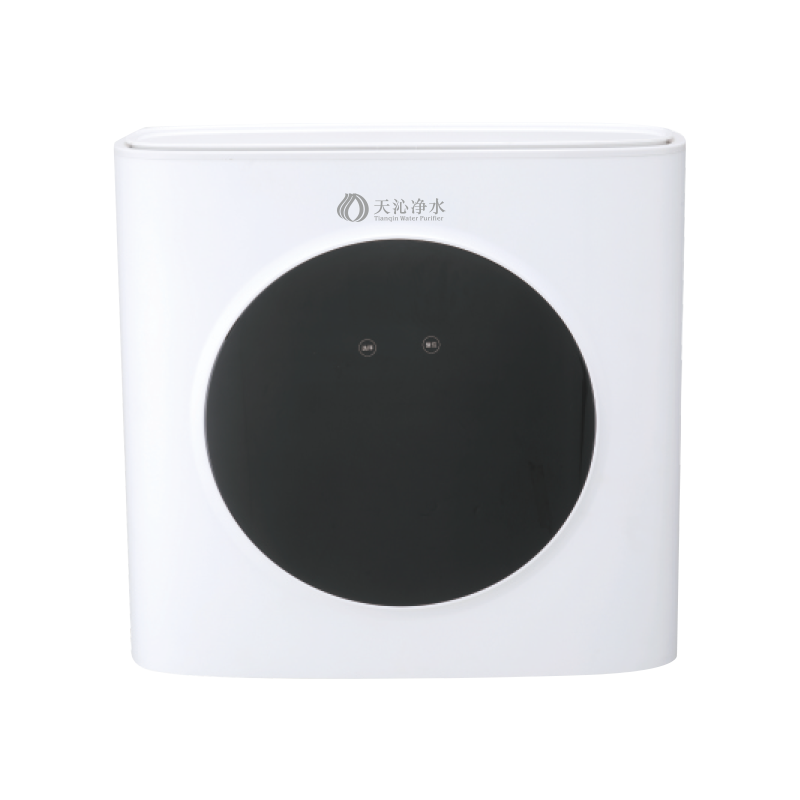 TQ-R14 Tankless Reverse Osmosis Water PurifierFor tight kitchens or small apartments, this tankless system delivers purified water on demand without a storage bladder, though it needs stable power.View Product →
Some households simply remove the problem. A tankless unit delivers water on demand through a pump, so there is no bladder to fatigue and no stored volume sitting under the sink. The trade-off is that the pump becomes the part that wears, and it needs a stable power supply — but for small apartments or kitchens where space is tight, it is a genuinely practical route.
For larger homes, cafés or offices where several taps draw at once, a high-flow stainless steel RO system with a properly sized pressure vessel is usually the better answer. Bigger stored volume means fewer cycles per day, and fewer cycles is exactly what makes a tank reach the upper end of that five-to-ten-year window.
TQ-R08 Stainless Steel High-Flow RO SystemFor larger homes or small offices needing high-flow purified water, this stainless steel RO system offers dual modes and 400G–800G membrane support.View Product →The Bottom Line
Expect five to ten years from a residential reverse osmosis tank, with stainless steel vessels in commercial duty stretching beyond that. Judge yours on behaviour rather than age: sputtering flow, short cycling and a tank that feels heavy with water are all more reliable indicators than a purchase date.
We have been building stainless steel water purification equipment since 1998, and the tanks we see fail earliest are almost always the ones that were never checked, never recharged and fed through clogged pre-filters. A yearly pressure check and honest filter changes will do more for tank life than any single upgrade. If you would like to know more about how our systems are put together, you are welcome to read our company background and manufacturing history — and if you are unsure whether your tank needs a recharge or a replacement, a pressure reading with the tank empty will usually tell you within a minute.
-
 Tel: +86-0574-62381077/62386875
-
 E-mail: leozhanglei@nbtianqin.net
-
 Add: Wuma Industrial Zone, Lubu Town, Yuyao City, Zhejiang Province, China.
Copyright © 2024 by Yuyao Tianqin Water Purification Equipment Co..Ltd.
All Rights Reserved.
 Wholesale Water Purifier Manufacturers

