 English
 中文简体
中文简体-
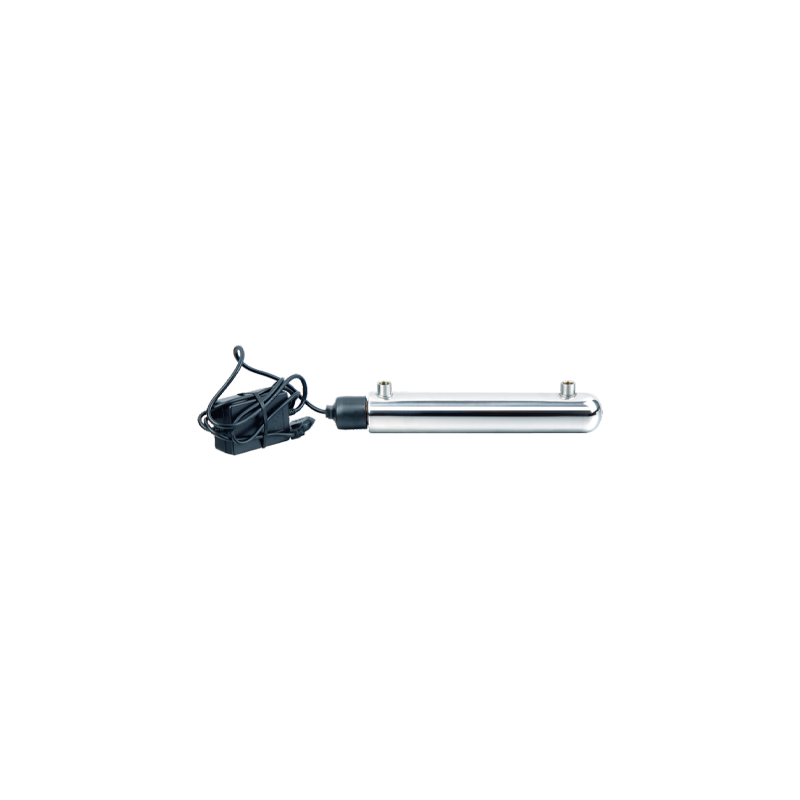 UV11W High-efficiency Intelligent UV Water Sterilizer Cat:Ultraviolet Water Sterilizer
The UV11W High-efficiency Intelligent UV Water Sterilizer is an advanced water purification system that offers convenience and reliability. This steri...
See Details -
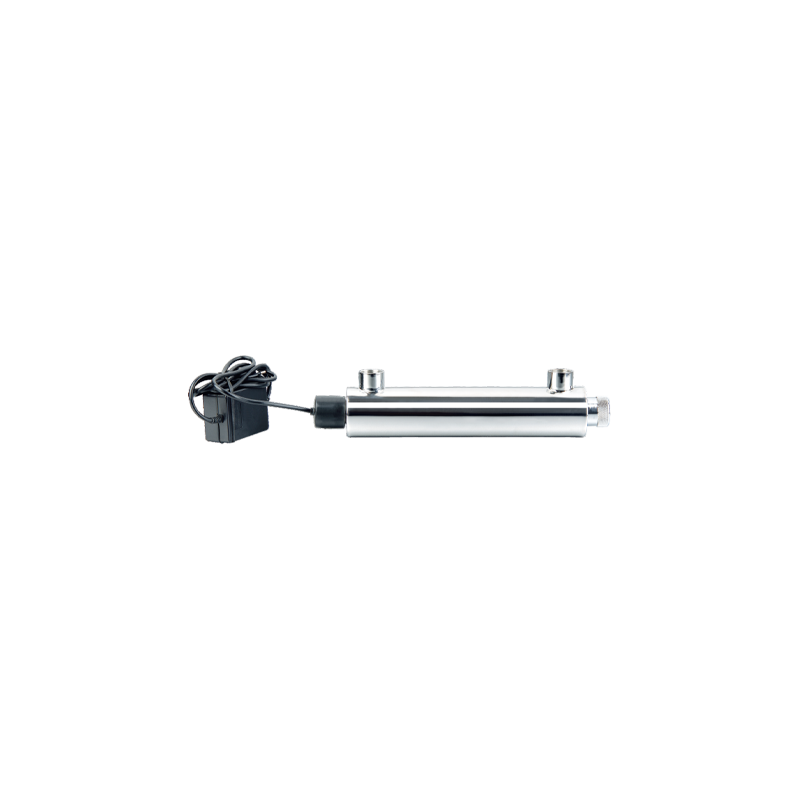 UV16W-A Household Stainless Steel UV Water Sterilizer Cat:Ultraviolet Water Sterilizer
The UV16W-A Household Stainless Steel UV Water Sterilizer is an innovative solution for ensuring safe and pure water in your home. Designed with durab...
See Details -
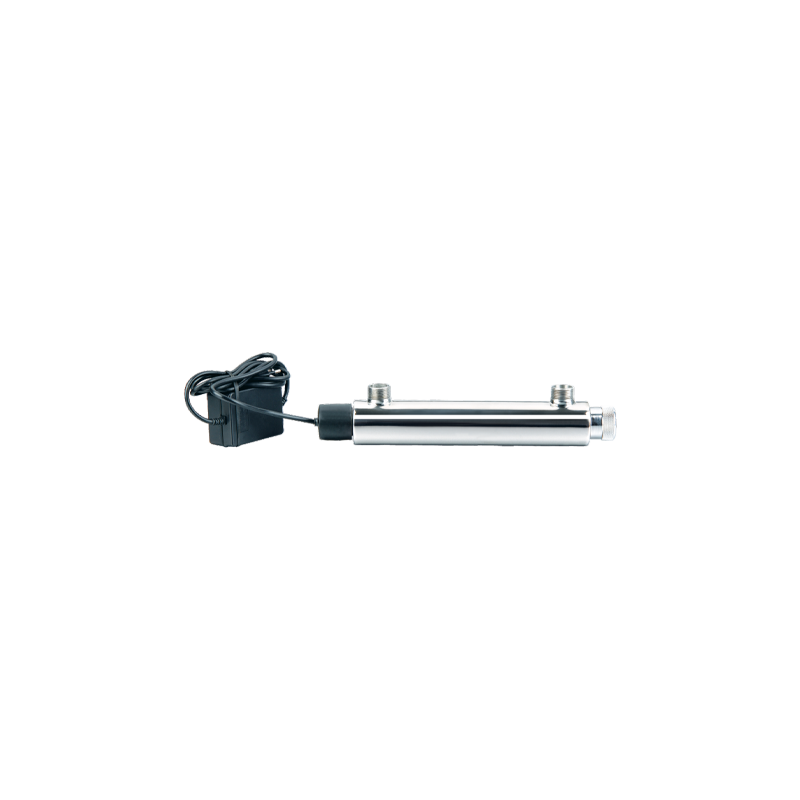 UV16W-B 304 Stainless Steel Water Purifier Ultraviolet Water Sterilizer Cat:Ultraviolet Water Sterilizer
UV16W-B 304 Stainless Steel Water Purifier Ultraviolet Water Sterilizer is an efficient water treatment equipment based on advanced ultraviolet disinf...
See Details -
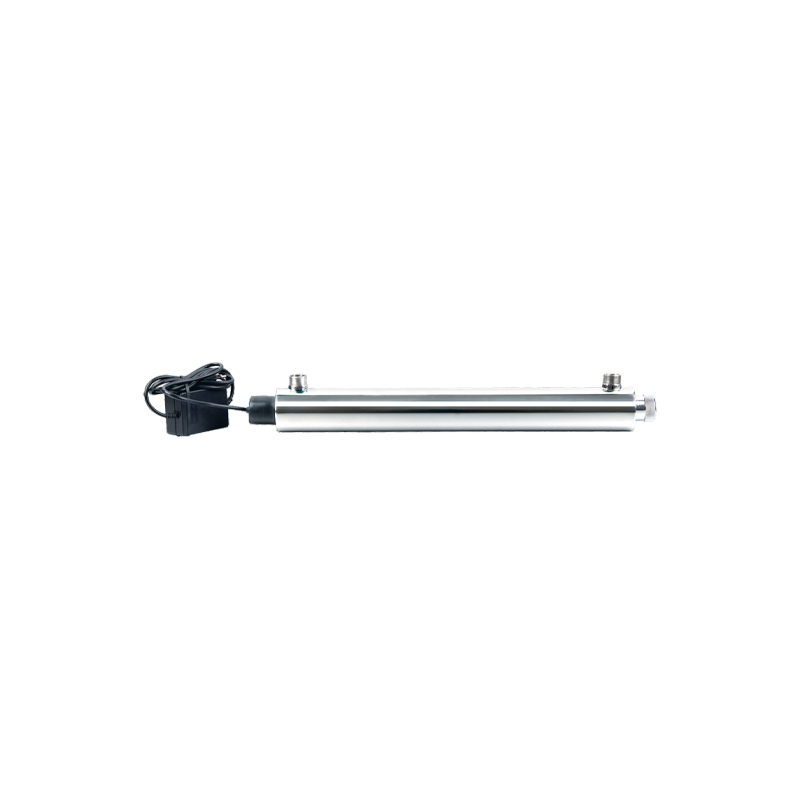 UV25W Stainless Steel Ultrafiltration Pre-Filtration UV Sterilizers For Water Cat:Ultraviolet Water Sterilizer
UV25W Stainless Steel Ultrafiltration Pre-Filtration UV Sterilizers For Water uses high-quality stainless steel materials, which have superb corrosion...
See Details -
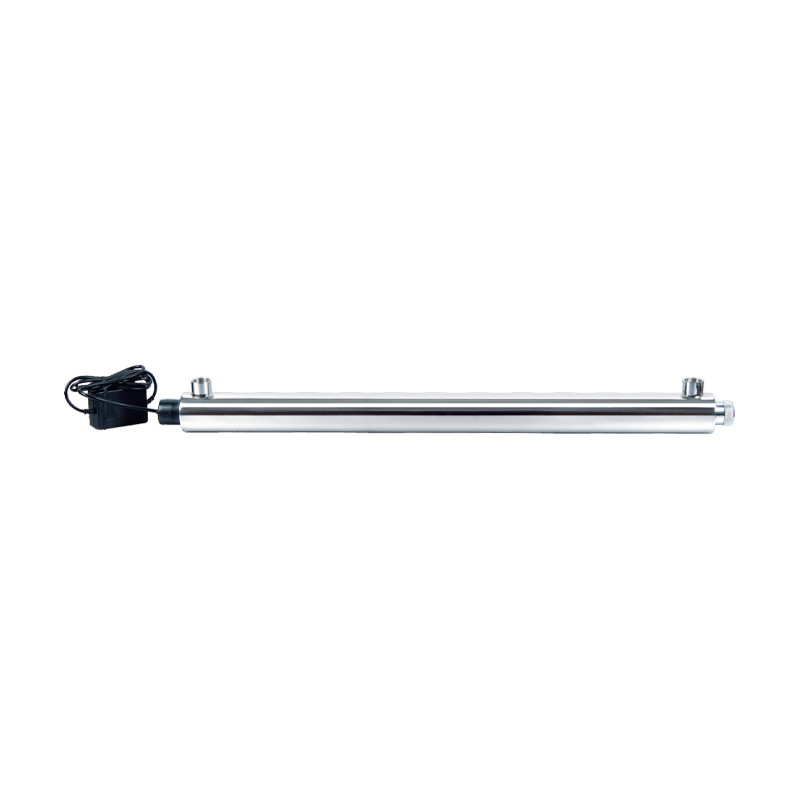 UV30W-55W Automatic Ultraviolet Sterilizer UV Filtration For Drinking Water Cat:Ultraviolet Water Sterilizer
The core advantage of UV30W-55W Automatic Ultraviolet Sterilizer UV Filtration For Drinking Water lies in its efficient and rapid disinfection capabil...
See Details -
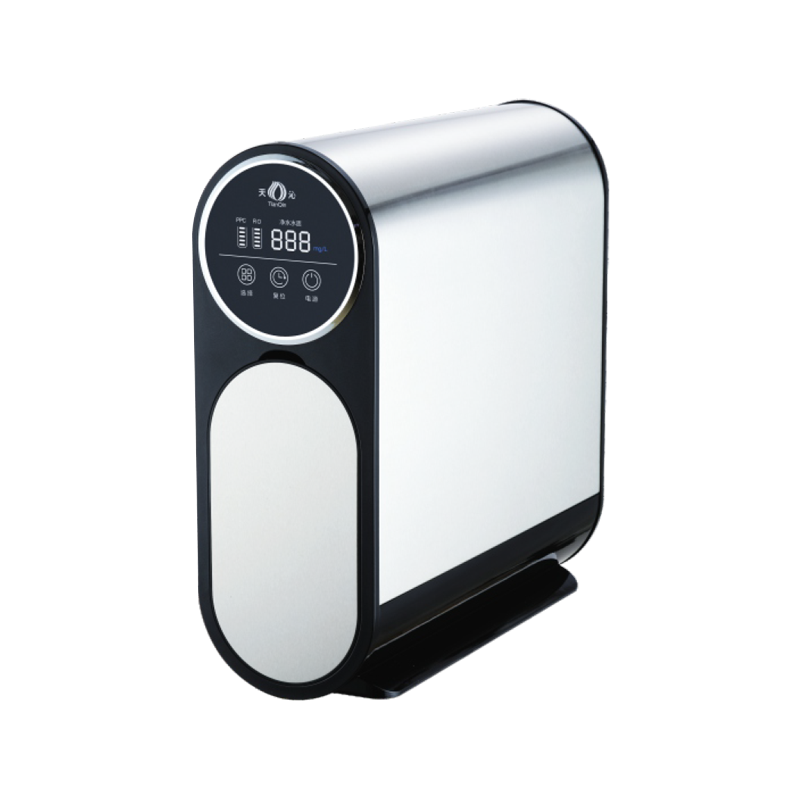 TQ-R03 Stainless Steel Booster Double Water Full Effect RO Water Purifier Cat:Stainless Steel Ro System
TQ-R03 Stainless Steel Booster Double Water Full Effect RO Water Purifier is a household water purification device that combines efficient water purif...
See Details -
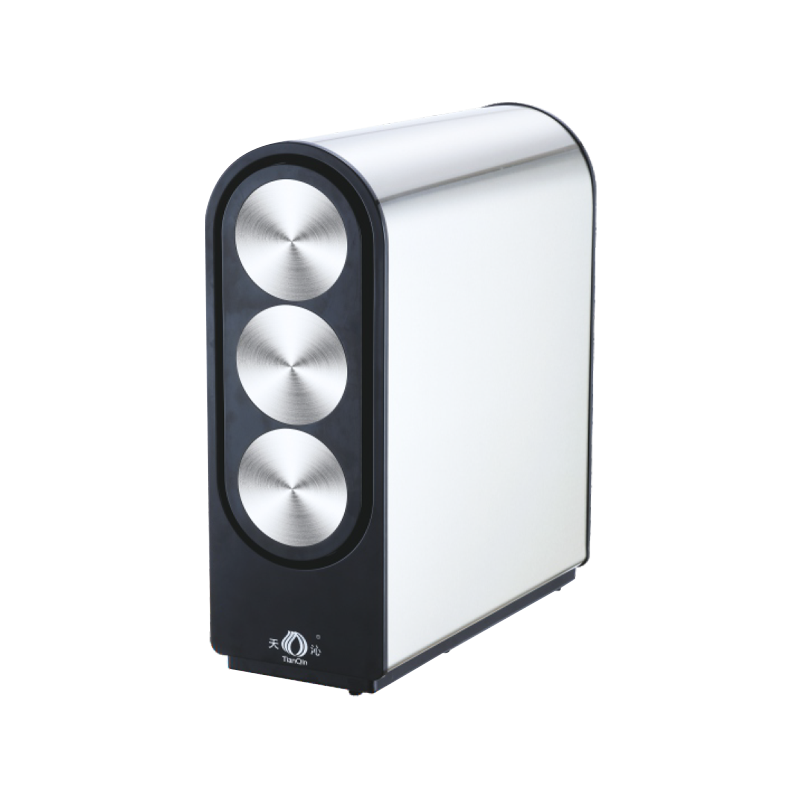 TQ-R05 Multifunctional Water Purification Source RO Water Purifier Cat:Stainless Steel Ro System
The TQ-R05 Multifunctional Water Purification Source RO Water Purifier is an advanced, versatile water purification solution designed for households a...
See Details -
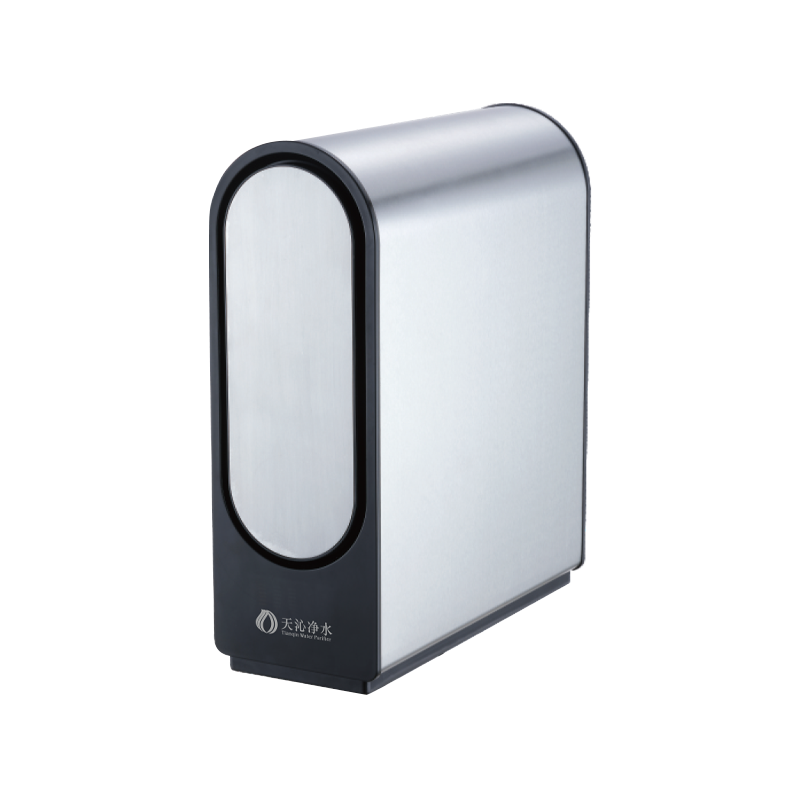 TQ-R06 Stainless Steel Environmentally Friendly RO Water Purifier Cat:Stainless Steel Ro System
The TQ-R06 Stainless Steel Environmentally Friendly RO Water Purifier combines advanced RO filtration technology, durable stainless steel housing, and...
See Details -
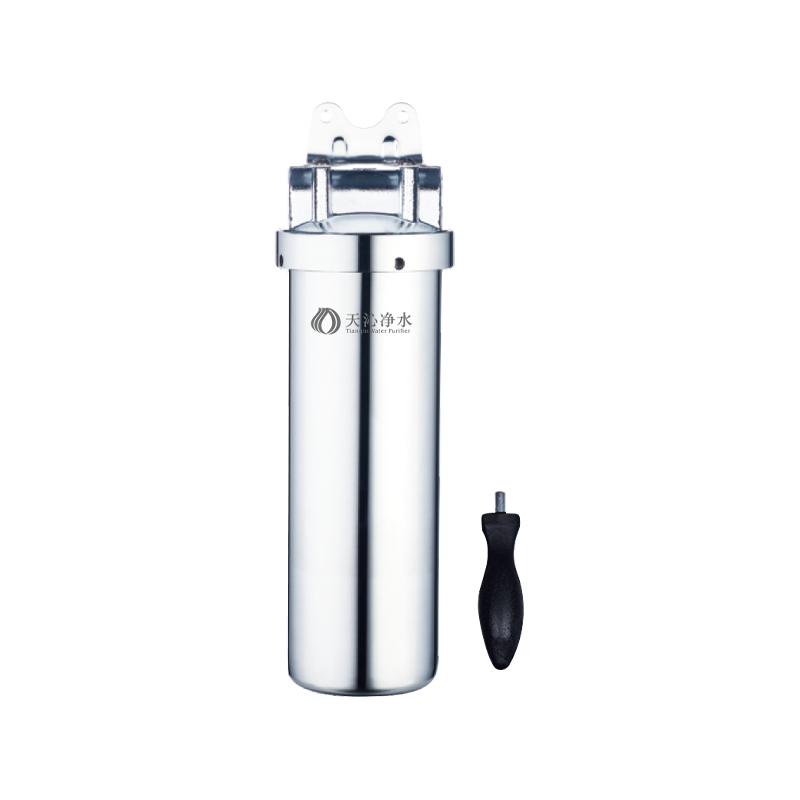 Stainless Steel Pure Double Water Pipe Water Purifier Cat:Stainless Steel Pipeline Water Purifier
The Stainless Steel Pure Double Water Pipe Water Purifier is an advanced water purification system designed to provide dual-mode purified water with e...
See Details -
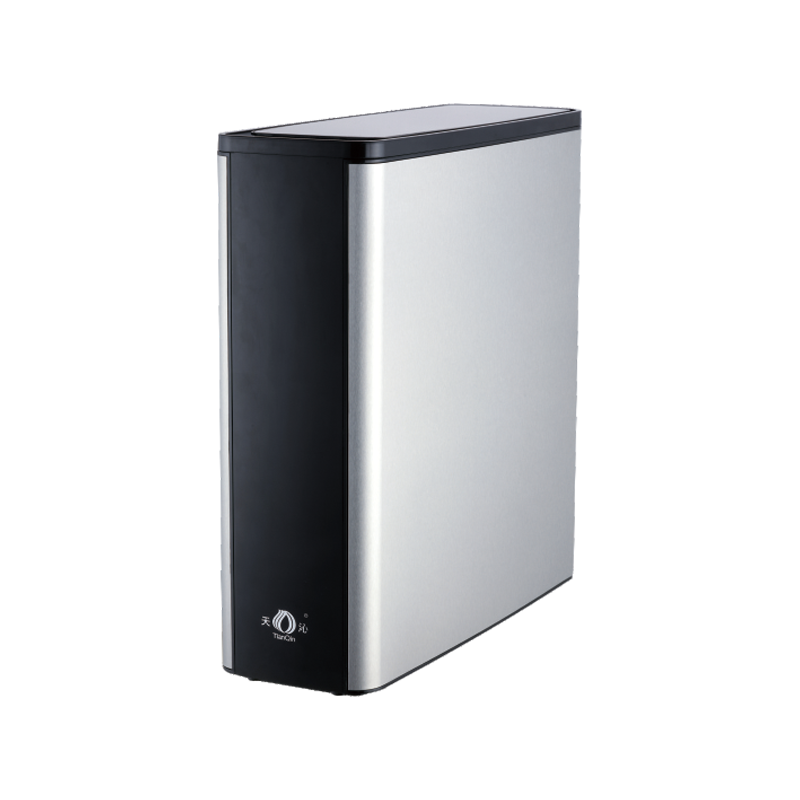 TQ-R08 Stainless Steel High-Flow RO Water Filter Cat:Stainless Steel Ro System
The Stainless Steel High-Flow RO Water Filter (TQ-R08) provides a powerful and effective solution for purifying drinking water, combining advanced rev...
See Details


 +86-0574-62381077/62386875

How Long Do Water Filters Last? A Guide to Drink Water Filter & Purifier Replacement
Water filters do not last forever, and using one past its service life can be worse than using no filter at all. Most drinking water filters last between 2 months and 12 months, but the actual lifespan depends heavily on the filter type, the volume of water processed, and the quality of your source water. Reverse osmosis membranes can last 2–5 years; under-sink carbon block filters typically need replacement every 6–12 months; pitcher filters run out in as little as 40 gallons. Knowing the real limits of your specific water filter — and recognizing when it has reached them — is the most practical step you can take to protect your drinking water quality.
Content
- 1 Water Filter Lifespan by Type: A Direct Reference Guide
- 2 Why Source Water Quality Shortens Filter Life More Than Usage
- 3 Signs That Your Water Filter Needs Replacing Now
- 4 What Happens If You Don't Replace Your Water Filter on Time
- 5 How Each Water Treatment Technology Ages Differently
- 6 How to Extend Your Water Filter's Useful Life Without Compromising Safety
- 7 Choosing the Right Water Filter Based on Lifespan and Running Cost
- 8 NSF Certification: What It Tells You About Filter Performance and Lifespan Claims
Water Filter Lifespan by Type: A Direct Reference Guide
Filter lifespan is expressed in two ways: calendar time and filtered volume. Both matter. A filter used infrequently may expire on volume before time, or degrade chemically before either threshold is reached. The table below covers the most common drink water filter and water purifier types with real-world replacement benchmarks.
| Filter Type | Typical Lifespan (Time) | Typical Lifespan (Volume) | What It Removes |
|---|---|---|---|
| Pitcher filter (activated carbon) | 1–2 months | 40–120 gallons | Chlorine, taste, odor, some metals |
| Refrigerator filter | 6 months | 200–300 gallons | Chlorine, sediment, some VOCs |
| Faucet-mount filter | 2–3 months | 100–200 gallons | Chlorine, lead, cysts, sediment |
| Under-sink carbon block | 6–12 months | 500–1,000 gallons | Chloramine, lead, VOCs, cysts |
| Reverse osmosis membrane | 2–5 years | 75,000–100,000 gallons | TDS, nitrates, arsenic, fluoride, heavy metals |
| Whole-house sediment filter | 3–6 months | Varies by sediment load | Rust, silt, sand, particulates |
| UV water purifier lamp | 12 months | Based on lamp hours (~9,000 hrs) | Bacteria, viruses, protozoa |
| Ceramic filter | 6–12 months (can be cleaned) | Up to 10,000 gallons | Bacteria, sediment, cysts |
Note that RO systems include multiple filter stages. While the membrane may last 2–5 years, the pre-filter and post-filter carbon cartridges in the same unit typically need replacement every 6–12 months — following only the membrane schedule will leave the system partially compromised.
Why Source Water Quality Shortens Filter Life More Than Usage
Manufacturer lifespan ratings are almost always based on laboratory conditions using standardized test water — typically NSF challenge water with a defined contaminant load. Real tap water rarely matches those conditions, and in many cases it is significantly more demanding on filter media.
High Chlorine and Chloramine Levels
Many municipal water suppliers in the US use chloramine (a chlorine-ammonia compound) instead of free chlorine because it is more stable in distribution pipes. Activated carbon removes chlorine efficiently; it removes chloramine far more slowly and requires longer contact time. A pitcher filter rated for 120 gallons against chlorine may exhaust significantly faster against a chloramine-treated supply, because the carbon sites saturate more rapidly with the more persistent molecule.
High Sediment and Turbidity
Sediment physically clogs the pores of carbon block filters, ceramic filters, and RO pre-filters, reducing flow rate before the chemical media is anywhere near exhausted. Households on well water, or those in older buildings with corroding pipes, may need to replace sediment pre-filters twice as often as the manufacturer's standard interval. A visual check — if a white filter cartridge has turned brown or grey — confirms premature sediment loading.
Heavy Metals and High TDS
Lead, copper, arsenic, and other dissolved metals occupy adsorption sites on activated carbon permanently — they do not desorb and cycle back into the water as organic compounds can. A filter serving water with elevated lead levels (EPA action level: 15 ppb) will exhaust its lead-removal capacity long before its chlorine removal capacity is depleted, creating a false sense of security if the user tracks only taste or odor changes.
Hard Water and Scale
Hard water (above 120 mg/L as CaCO₃) causes calcium and magnesium scale to form on RO membranes, reducing flux rates and forcing higher operating pressures that accelerate membrane fatigue. Without a water softener or anti-scalant pre-treatment, an RO membrane rated for 3–5 years in average water may require replacement in 18–24 months in very hard water areas.
Signs That Your Water Filter Needs Replacing Now
Waiting for a schedule notification is a reasonable baseline, but physical and sensory signals often indicate a filter is past its useful life before the calendar date arrives — especially in households with above-average consumption or challenging water quality.
- Return of chlorine taste or smell: The most reliable indicator for carbon-based drink water filters. If treated water begins to taste like tap water again, carbon adsorption capacity is exhausted.
- Reduced flow rate: A significant drop in how fast water flows through a pitcher, faucet mount, or under-sink filter almost always means physical clogging from sediment or scale. Do not confuse slow flow with adequate filtration — a clogged filter may be passing water around the media rather than through it.
- Cloudy or discolored water: Water appearing white (dissolved air, usually harmless), yellow (iron or organics), or brown (rust, sediment) after filtration indicates the filter is not performing as intended.
- Rising TDS readings on an RO system: A TDS meter at the RO outlet that reads above 50 ppm (or more than 10–15% of feed water TDS) signals membrane degradation. Many modern RO water purifiers include a built-in TDS display for this reason.
- Mold or visible growth on the filter housing: Filters stored in moist conditions without regular flushing can become a bacterial growth site. This is most common in pitcher filters left in refrigerators for extended periods or in whole-house housings that are rarely inspected.
- Indicator light or filter counter expired: Many refrigerator filters and under-sink systems include built-in counters. These are volume-based, not quality-based, but they provide a reliable minimum — replace the filter when the indicator fires even if the water still tastes acceptable.
What Happens If You Don't Replace Your Water Filter on Time
An expired water filter is not simply a less effective filter — in several important ways, it actively creates problems that unfiltered tap water would not.
Contaminant Dumping (Desorption)
Organic contaminants adsorbed onto activated carbon — particularly volatile organic compounds (VOCs) and some pesticides — can desorb back into the water when the carbon reaches saturation. This phenomenon, sometimes called "chromatographic effect", means a spent carbon filter can release concentrated bursts of previously captured contaminants rather than simply passing them through at ambient levels. Studies examining breakthrough behavior in exhausted carbon filters have found outlet concentrations of certain organics exceeding inlet concentrations by a measurable margin.
Bacterial Colonization
Carbon filter media provides an ideal surface for biofilm formation: large surface area, moderate moisture, and a nutrient supply from captured organics. A 2014 study published in the journal Water Research found that bacteria counts in water exiting an expired pitcher filter were significantly higher than in unfiltered tap water from the same source — the filter had become a bacterial reservoir rather than a barrier. This risk is amplified in filters that are allowed to dry out and rewet repeatedly.
False Security on Lead and Cyst Removal
Taste and odor changes may lag behind capacity exhaustion for heavy metals and biological contaminants. A filter that still produces palatable-tasting water may have completely lost its ability to remove lead, cryptosporidium, or giardia — contaminants that have no discernible taste at harmful concentrations. This makes schedule compliance, not sensory evaluation, the primary protection for households with known lead pipes or compromised source water.
How Each Water Treatment Technology Ages Differently
Different water treatment mechanisms degrade through entirely different processes, which is why replacement intervals vary so dramatically across filter types.
Activated Carbon: Adsorption Site Saturation
Activated carbon works by adsorbing contaminant molecules onto its vast internal surface area — a single gram of activated carbon can have a surface area exceeding 1,000 m². As sites fill, capacity drops. Granular activated carbon (GAC) exhausts faster than carbon block because channeling (water finding preferential paths through the loose media) reduces effective contact. Carbon block maintains more consistent contact time and therefore more predictable capacity, which is why it is used in certified under-sink and drinking water filter applications.
Reverse Osmosis Membranes: Physical Fouling and Chemical Degradation
RO membranes (typically thin-film composite, TFC) degrade through three mechanisms: biological fouling (biofilm on the membrane surface), scaling (mineral deposits in the membrane channels), and oxidative degradation (free chlorine in feed water attacks the polyamide membrane layer). This is why RO systems require a carbon pre-filter — to remove chlorine before it reaches and damages the membrane. A membrane exposed to chlorinated water without adequate pre-filtration can fail in months rather than years.
UV Water Purifiers: Lamp Intensity Decline
UV lamps do not burn out suddenly — they gradually lose intensity. A lamp that still glows visibly may be emitting less than 70% of its original UV-C output at 254 nm, which is insufficient to inactivate resistant organisms like Cryptosporidium at rated flow rates. Most UV water purifier manufacturers specify a 12-month or 9,000-hour replacement interval precisely because intensity degrades predictably to below effective disinfection threshold at that point, regardless of whether the lamp still illuminates.
Ceramic Filters: Pore Widening and Surface Contamination
Ceramic filters can be scrubbed clean of surface deposits, which is why they have longer service lives than most carbon media. However, repeated cleaning gradually widens surface pores, eventually compromising their ability to exclude bacteria and protozoa. The operational limit is typically reached when a filter that originally flowed at 1–2 liters per hour begins flowing at 3–4 liters per hour despite recent cleaning — widened pores no longer create adequate resistance to flow, and microbial rejection is no longer reliable.
How to Extend Your Water Filter's Useful Life Without Compromising Safety
Several practical steps can help a water filter reach — or in some cases exceed — its rated lifespan without sacrificing performance.
- Use a sediment pre-filter upstream of carbon and RO filters. A 5-micron or 10-micron sediment cartridge (costing as little as $5–$10 to replace) intercepts particulates before they reach more expensive media, dramatically extending carbon block and membrane service intervals in high-sediment water.
- Flush new filters before use. Carbon media releases carbon fines and trapped air when first wetted. Running 2–5 gallons through a new filter before drinking clears this material and ensures the media is properly conditioned for adsorption.
- Keep filter housings sealed and cool. UV light and warm temperatures accelerate bacterial growth within filter media. Store pitcher filters in the refrigerator and keep under-sink housings away from hot water pipes.
- Do not let filters dry out between uses. Drying and rewetting cycles cause carbon media to fracture and create channeling paths, reducing effective contact time and accelerating capacity loss. Filters that will be unused for more than a week should be stored wet in the refrigerator or removed and discarded.
- Test your source water annually. A basic water test (available from certified labs for $30–$150 depending on the panel) gives you actual contaminant data for your supply, allowing you to calibrate replacement intervals to your real usage conditions rather than lab averages.
- Track volume, not just time. A household of one using a pitcher filter processes far less water than a family of four. Many pitcher filters now include app-based volume tracking; for others, a simple usage log against the rated gallon capacity is more accurate than the monthly calendar reminder.
Choosing the Right Water Filter Based on Lifespan and Running Cost
Upfront cost is only one part of the water treatment equation. Annual replacement cartridge costs and the effort of filter changes determine the true cost of filtered drinking water over time.
| System Type | Typical Unit Cost | Annual Filter Cost | Cost Per Gallon | Best Suited For |
|---|---|---|---|---|
| Pitcher filter | $25–$60 | $60–$120 | $0.15–$0.35 | Renters, low volume, taste improvement |
| Faucet-mount filter | $20–$50 | $60–$100 | $0.10–$0.25 | Small households, moderate use |
| Under-sink carbon block | $100–$300 | $50–$120 | $0.05–$0.15 | Families, higher daily volume |
| Reverse osmosis system | $150–$600 | $50–$150 | $0.03–$0.10 | High contaminant loads, well water, health concerns |
| UV water purifier | $80–$400 | $30–$80 (lamp) | $0.02–$0.08 | Microbiologically suspect water, post-RO polishing |
| Whole-house system | $300–$2,000+ | $100–$400 | $0.01–$0.05 | Whole-home water treatment, well water, sediment |
On a per-gallon basis, reverse osmosis and UV systems offer the lowest long-term cost for comprehensive water treatment, despite higher upfront investment. Pitcher filters are the most expensive per gallon of filtered water over a year of use — a fact that surprises most buyers who compare only the purchase price.
NSF Certification: What It Tells You About Filter Performance and Lifespan Claims
Filter manufacturers can claim almost anything on packaging without independent verification. NSF International certifications provide an objective benchmark — they test actual contaminant reduction across the filter's entire rated service life, not just at the beginning.
- NSF/ANSI 42: Covers aesthetic effects — chlorine taste, odor, and particulates. The most commonly held certification, and the minimum standard for any carbon-based drink water filter making taste improvement claims.
- NSF/ANSI 53: Covers health-effects contaminants including lead, cysts, VOCs, and certain disinfection byproducts. A filter certified to NSF 53 for lead removal has been tested to maintain that reduction across its full rated volume.
- NSF/ANSI 58: The standard for reverse osmosis systems, covering TDS reduction and specific contaminants including arsenic, nitrates, and fluoride.
- NSF/ANSI 55: The UV water purifier standard — Class A certifies disinfection of contaminated water; Class B certifies reduction of non-disease-causing organisms in already treated water.
When evaluating any water filter or water purifier, look for the specific NSF standard and the specific contaminant it was tested against — not just a generic "NSF certified" logo, which may cover only the housing material rather than the filtration performance.
-
 Tel: +86-0574-62381077/62386875
-
 E-mail: leozhanglei@nbtianqin.net
-
 Add: Wuma Industrial Zone, Lubu Town, Yuyao City, Zhejiang Province, China.
Copyright © 2024 by Yuyao Tianqin Water Purification Equipment Co..Ltd.
All Rights Reserved.
 Wholesale Water Purifier Manufacturers

