

 English
 中文简体
中文简体A gravity water filter is a two-chamber, electricity-free system that uses the natural pull of gravity to push water down through a ceramic or carbon filter element, physically trapping bacteria, cysts, and sediment as small as 0.2–0.5 microns before the clean water collects in a lower tank for dispensing.
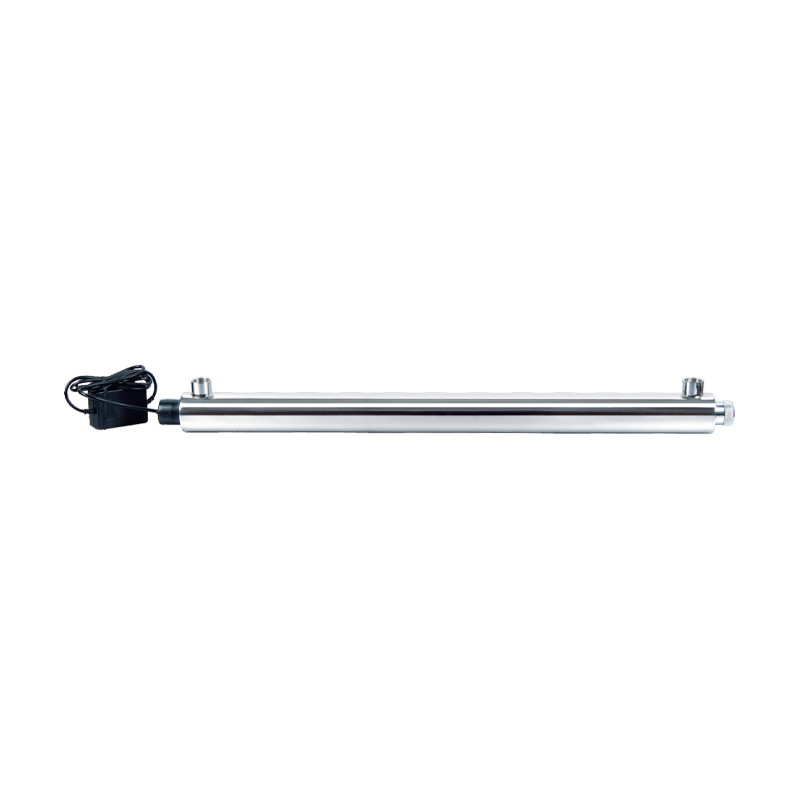
It's the right choice when you need reliable filtration with zero plumbing, zero power draw, and a system that keeps working during an outage — but it is not a virus purifier on its own. Standard ceramic and carbon elements do not reliably block viruses, which run as small as 0.02 microns, well below typical filter pore size. For full-spectrum protection against microbial contamination, gravity filtration is best paired with a UV sterilization stage rather than relied on in isolation.
Content
How Gravity Water Filtration Actually Works
Every gravity filter follows the same basic sequence, regardless of brand or size. Untreated water is poured into an upper chamber, gravity draws it down through one or more filter elements seated in the divider, and the treated water collects in a lower reservoir with a spigot for dispensing. No pump, no pressure, no electrical connection required at any point.
| Component | Function |
|---|---|
| Upper chamber | Holds untreated source water; typically 1–3 gallons of capacity |
| Filter element(s) | Ceramic, carbon, or hollow-fiber cartridges seated between the chambers — the actual filtration technology |
| Lower chamber | Collects filtered water, isolated from the untreated supply above |
| Spigot | Dispenses finished water without recontaminating the lower chamber |
The housing material — stainless steel, plastic, or otherwise — plays no role in filtration performance. The filter elements are what do the work; the chamber is simply the container. That distinction matters when comparing systems, since two units with identical stainless housings can have very different real-world filtration results depending on the cartridge installed.
What a Gravity Filter Removes — and What It Doesn't
Filtration performance comes down to pore size versus contaminant size. Because bacteria, protozoa, and viruses differ enormously in scale, a single filter element rarely handles all three equally well.
| Contaminant | Typical size | Standard gravity filter result |
|---|---|---|
| Sediment & turbidity | Varies, generally >1 micron | Effectively removed by ceramic and carbon block media |
| Bacteria (E. coli, Salmonella) | 0.2–10 microns | Blocked to 99.99% by 0.2–0.5 micron ceramic elements |
| Protozoan cysts (Giardia, Cryptosporidium) | Larger than bacteria | Blocked effectively; granular media alone achieves roughly 3.0 log reduction (99.9%) |
| Chlorine, taste & odor | Dissolved chemical | Reduced by activated carbon through adsorption, not pore blocking |
| Viruses | 0.02–0.3 microns | NOT reliably removed by standard 0.2–0.5 micron ceramic or carbon elements |
The virus gap matters most with untreated surface water: if a source could carry viral contamination — a stream, lake, or unknown well — standard gravity filtration alone is not a complete safeguard. Pairing the system with a UV sterilization stage, or selecting an element rated for viral log reduction, closes that gap.
Ceramic vs. Carbon Elements: Choosing the Right Media
Most gravity systems use ceramic elements, carbon elements, or a multi-stage combination of both. Each media targets a different category of contaminant, and neither one alone covers everything.
How the Two Technologies Differ
Ceramic elements
- Physical microfiltration through sub-micron pores (typically 0.2–0.5 µm)
- Strong barrier against bacteria, protozoa, and sediment
- Cleanable — scrub the outer shell to restore flow and extend service life
- Does not remove dissolved chemicals or heavy metals on its own
Carbon elements
- Adsorption-based — large internal surface area attracts and traps chemical molecules
- Effective against chlorine, taste, odor, and some organics
- Faster flow rate than ceramic due to lower physical resistance
- Weaker as a standalone physical barrier against bacteria compared to ceramic
Multi-stage elements combine a ceramic microfilter shell around an inner core of granular activated carbon and heavy-metal reduction media, addressing both physical contaminants and dissolved chemicals in a single cartridge. This layered design is why premium gravity systems typically outperform single-media filters across a broader contaminant list.
Flow Rate and Filter Capacity: What to Expect Day-to-Day
Gravity filtration trades speed for thoroughness — the slow pace through the media is what gives contaminants extended contact time with the filter surface. That's a deliberate feature, not a flaw, but it does mean setting realistic expectations for daily use.
- Home countertop systems: typically process 1–4 liters per hour, depending on the number of elements installed and water temperature (cold water filters more slowly due to higher viscosity).
- A full upper chamber of 2–3 gallons generally takes 2–4 hours to completely filter through under normal conditions.
- More elements mean more surface area and faster flow — a system with four elements will process water faster than an otherwise identical system with two, though ceramic media is inherently slower than carbon due to its finer pore structure.
- Filter lifespan varies significantly by media type, with carbon cartridges commonly rated between 5,000 and 10,000 gallons before replacement, depending on source water quality and usage volume.
Maintenance, Certification, and What the Labels Mean
A gravity filter's real-world performance depends on upkeep as much as the media inside it. Neglected elements clog, slow down, and eventually stop performing to their rated specification.
- Clean stainless steel chambers and spigot monthly with warm water and a mild, non-abrasive cleaner
- Scrub ceramic filter shells every 3–6 months, or as soon as flow rate noticeably slows
- Replace carbon cartridges once their rated gallon capacity is reached, not only when flow stops
- Never use soap directly on filter media — rinse with clean water only
- Track installation date and usage volume so replacement timing isn't guesswork
Reading Certification Labels Correctly
NSF/ANSI certification numbers tell you exactly which contaminants a specific element has been independently tested against — the number is the specification, not a general quality stamp.
| Standard | What it certifies |
|---|---|
| NSF/ANSI 42 | Aesthetic effects — chlorine, taste, odor, and particulate reduction |
| NSF/ANSI 53 | Health effects — including lead and other specific contaminant reduction |
| NSF/ANSI 372 | Low-lead compliance for the wetted components of the system itself |
| NSF/ANSI 401 | Reduction of emerging contaminants, including certain microplastics |
A system certified only to NSF/ANSI 42 has been tested for taste, odor, and chlorine — it has not necessarily been evaluated for lead or microplastics, even if the housing looks identical to a more thoroughly certified model. Always check which standards apply to the specific filter element, not just the overall product listing.
Building a Complete Water Treatment Setup
Gravity filtration handles sediment, bacteria, and chemical taste reliably without power or plumbing — but closing the virus gap and covering dissolved solids means thinking about the full system, not a single unit.