 English
 中文简体
-
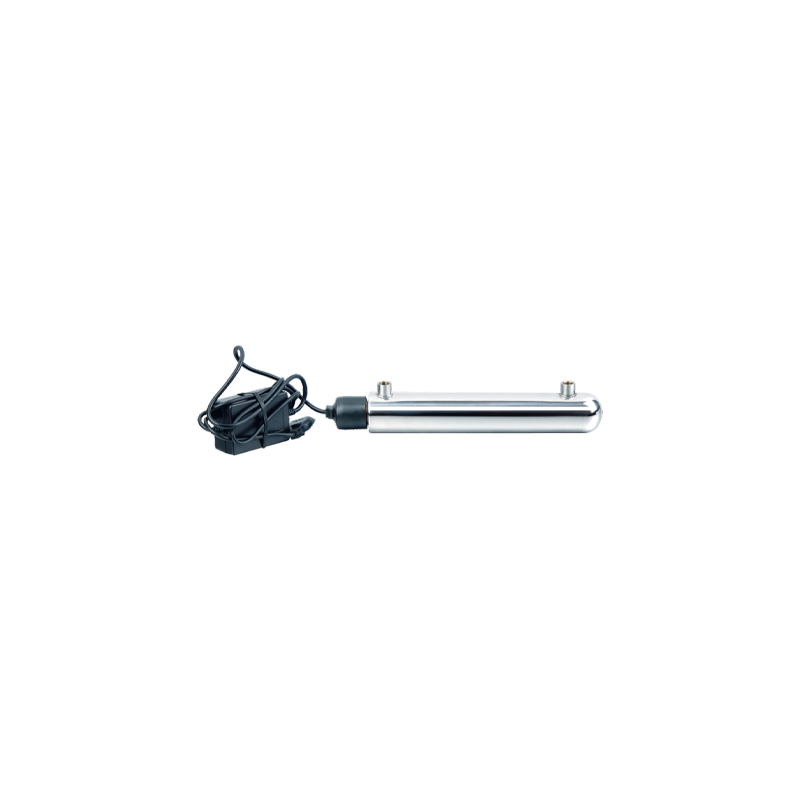 UV11W High-efficiency Intelligent UV Water Sterilizer Cat:Ultraviolet Water Sterilizer
The UV11W High-efficiency Intelligent UV Water Sterilizer is an advanced water purification system that offers convenience and reliability. This steri...
See Details -
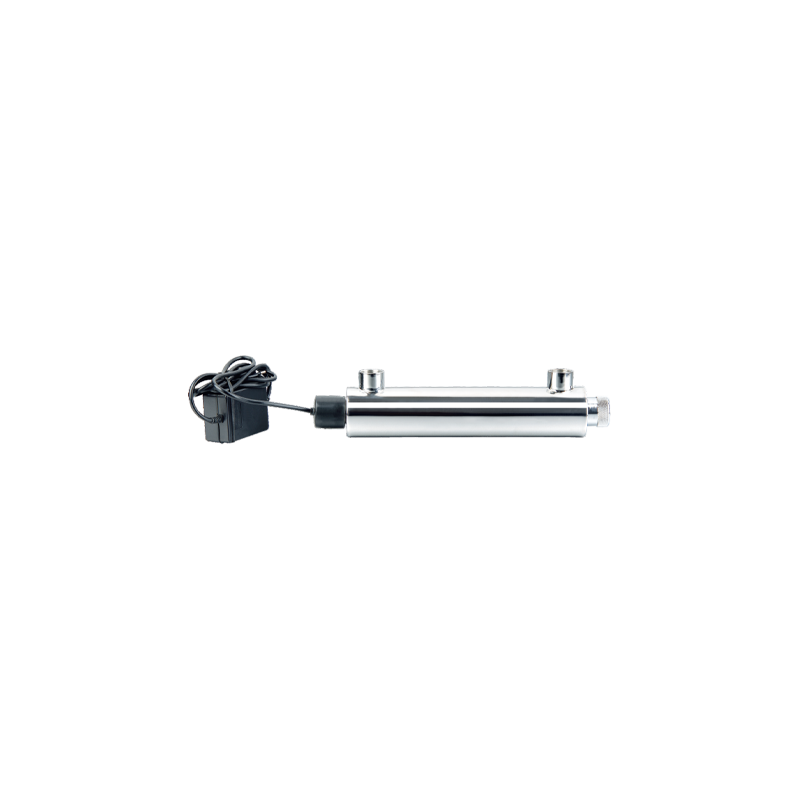 UV16W-A Household Stainless Steel UV Water Sterilizer Cat:Ultraviolet Water Sterilizer
The UV16W-A Household Stainless Steel UV Water Sterilizer is an innovative solution for ensuring safe and pure water in your home. Designed with durab...
See Details -
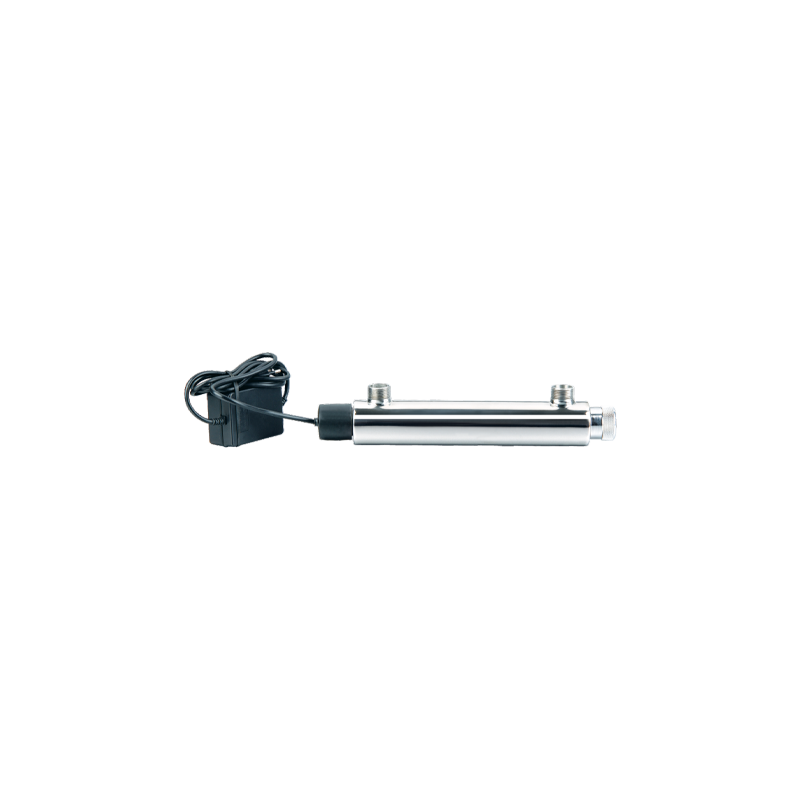 UV16W-B 304 Stainless Steel Water Purifier Ultraviolet Water Sterilizer Cat:Ultraviolet Water Sterilizer
UV16W-B 304 Stainless Steel Water Purifier Ultraviolet Water Sterilizer is an efficient water treatment equipment based on advanced ultraviolet disinf...
See Details -
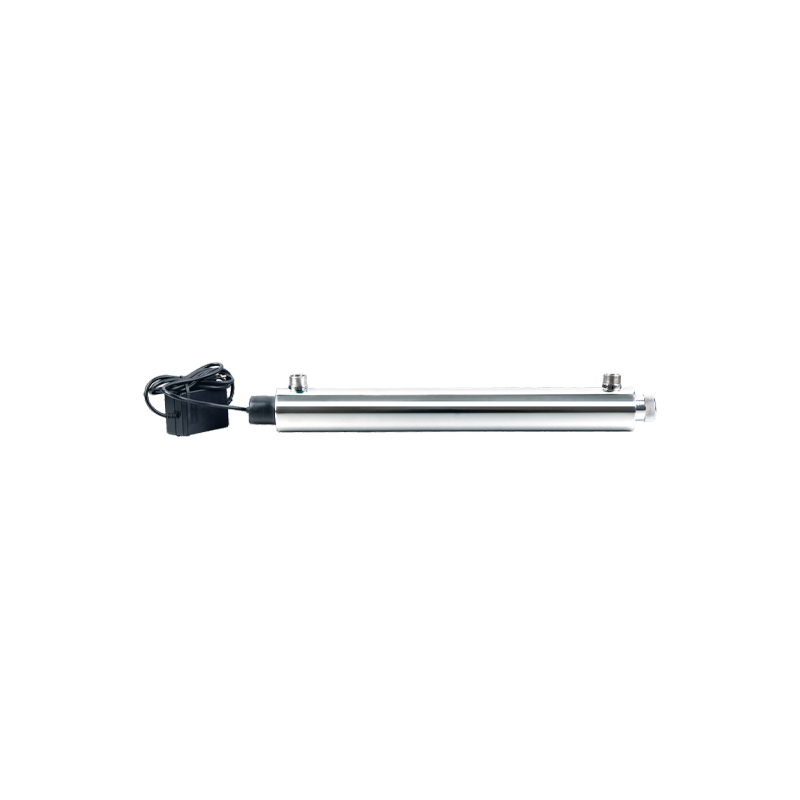 UV25W Stainless Steel Ultrafiltration Pre-Filtration UV Sterilizers For Water Cat:Ultraviolet Water Sterilizer
UV25W Stainless Steel Ultrafiltration Pre-Filtration UV Sterilizers For Water uses high-quality stainless steel materials, which have superb corrosion...
See Details -
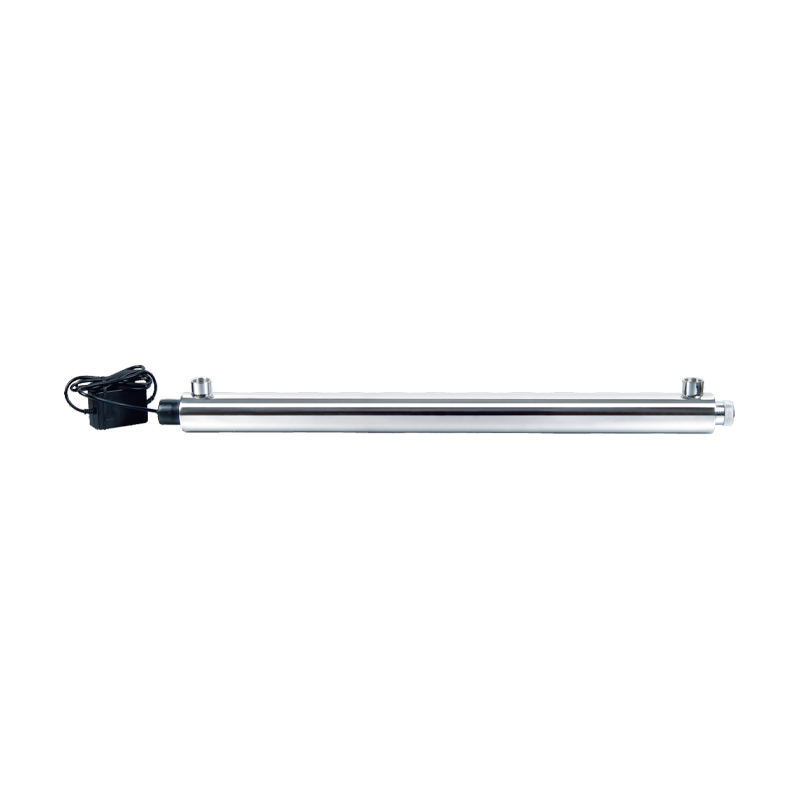 UV30W-55W Automatic Ultraviolet Sterilizer UV Filtration For Drinking Water Cat:Ultraviolet Water Sterilizer
The core advantage of UV30W-55W Automatic Ultraviolet Sterilizer UV Filtration For Drinking Water lies in its efficient and rapid disinfection capabil...
See Details -
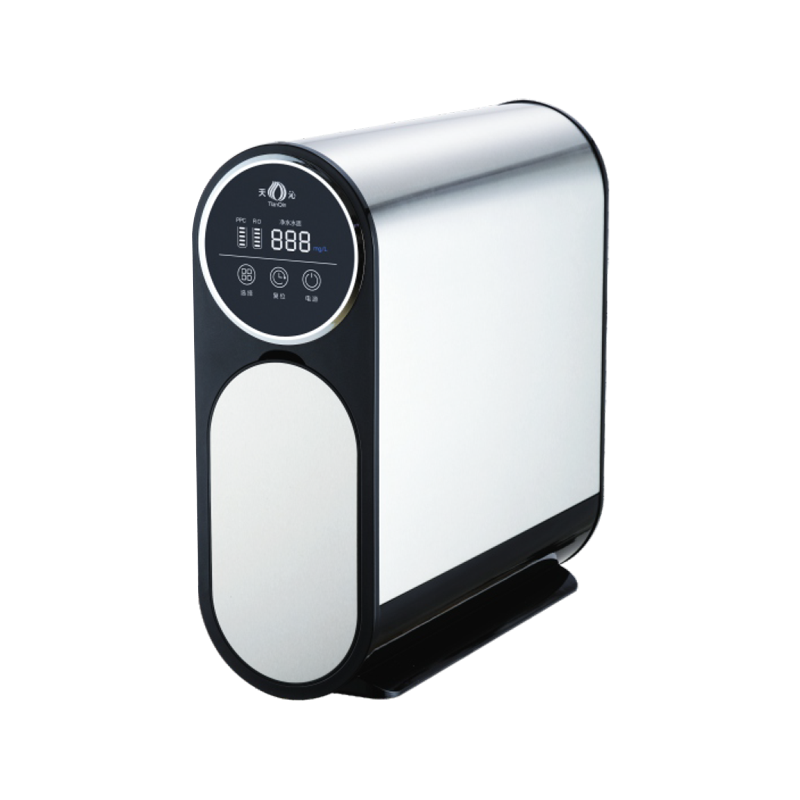 TQ-R03 Stainless Steel Booster Double Water Full Effect RO Water Purifier Cat:Stainless Steel Ro System
TQ-R03 Stainless Steel Booster Double Water Full Effect RO Water Purifier is a household water purification device that combines efficient water purif...
See Details -
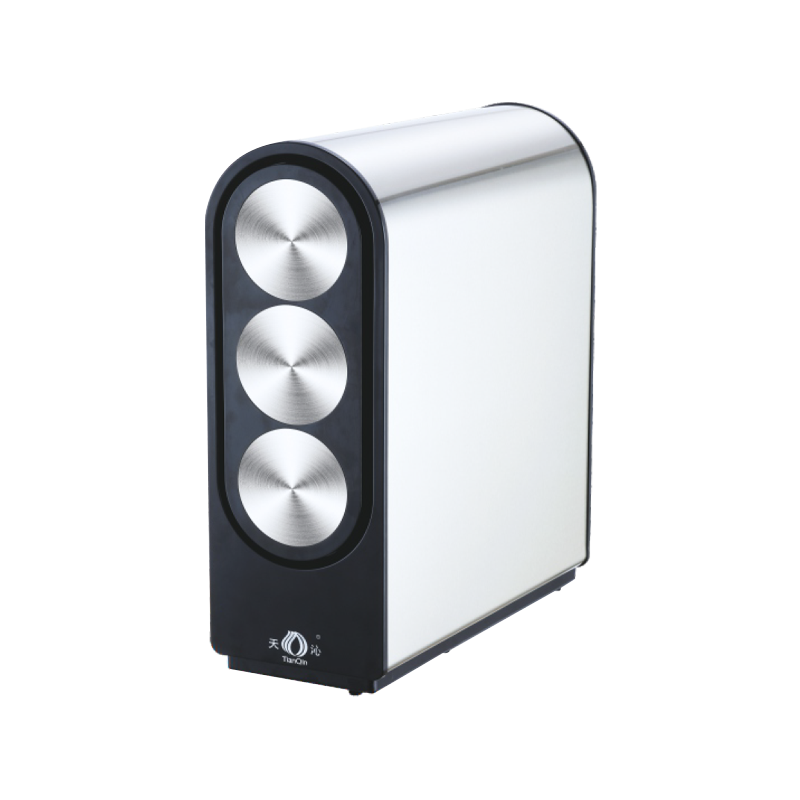 TQ-R05 Multifunctional Water Purification Source RO Water Purifier Cat:Stainless Steel Ro System
The TQ-R05 Multifunctional Water Purification Source RO Water Purifier is an advanced, versatile water purification solution designed for households a...
See Details -
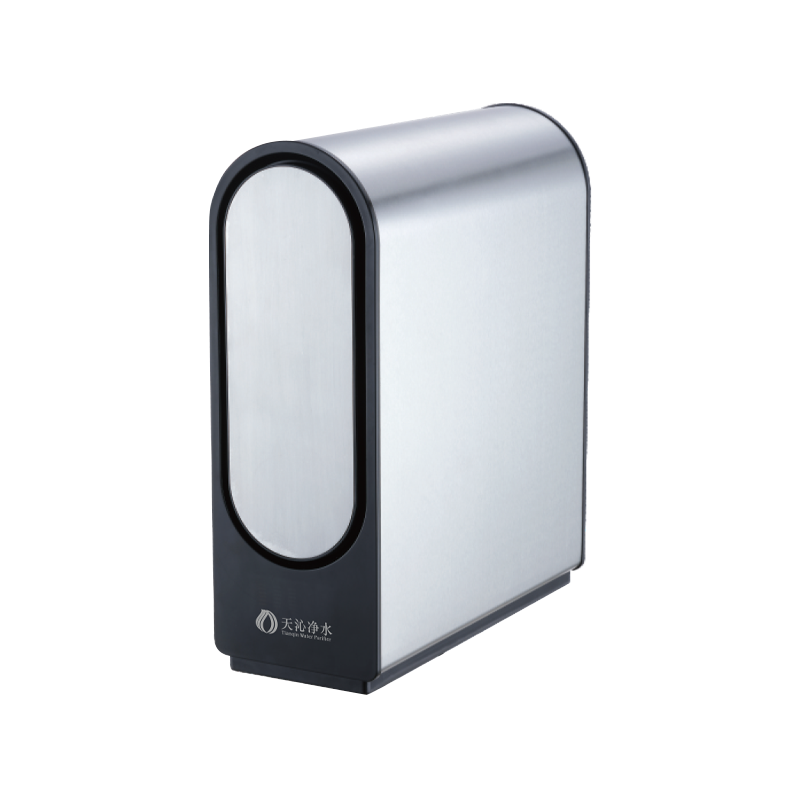 TQ-R06 Stainless Steel Environmentally Friendly RO Water Purifier Cat:Stainless Steel Ro System
The TQ-R06 Stainless Steel Environmentally Friendly RO Water Purifier combines advanced RO filtration technology, durable stainless steel housing, and...
See Details -
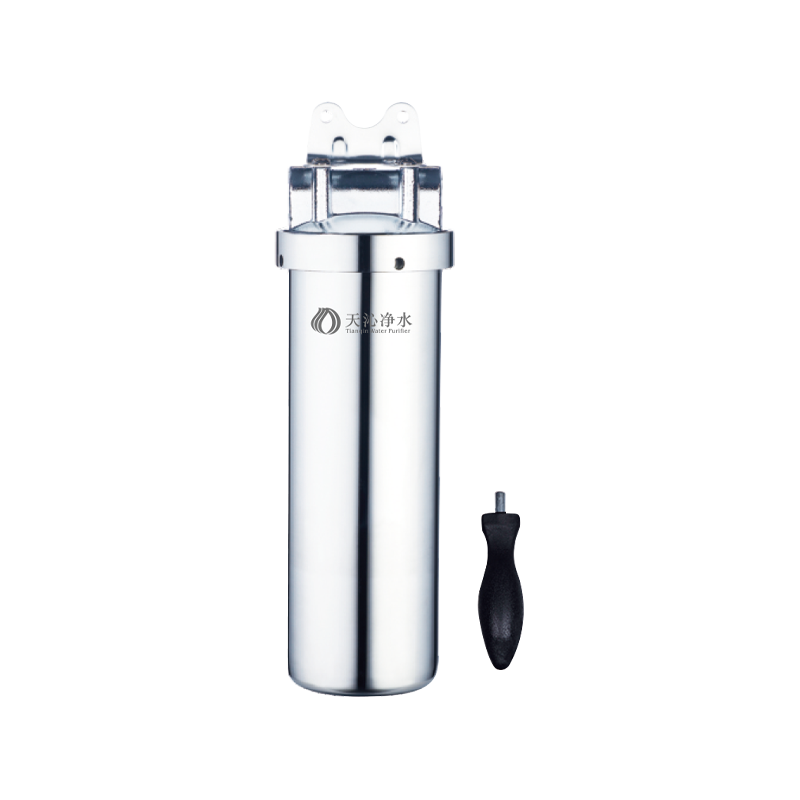 Stainless Steel Pure Double Water Pipe Water Purifier Cat:Stainless Steel Pipeline Water Purifier
The Stainless Steel Pure Double Water Pipe Water Purifier is an advanced water purification system designed to provide dual-mode purified water with e...
See Details -
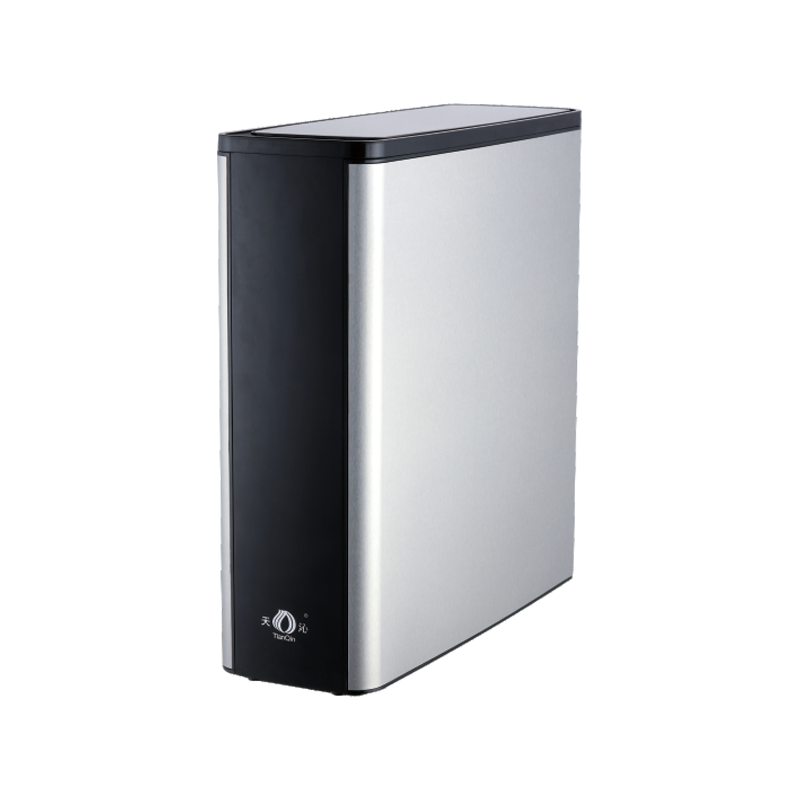 TQ-R08 Stainless Steel High-Flow RO Water Filter Cat:Stainless Steel Ro System
The Stainless Steel High-Flow RO Water Filter (TQ-R08) provides a powerful and effective solution for purifying drinking water, combining advanced rev...
See Details


 +86-0574-62381077/62386875

How Does a 5 Stage Reverse Osmosis System Work? A Stage-by-Stage Guide
A five-stage reverse osmosis system is one of the most common configurations in the water purification industry. You will find it inside under-sink RO purifiers, countertop drinking machines, and commercial straight-drinking equipment. The idea is simple: instead of relying on a single filter, water passes through five distinct stages, each designed to handle a different group of impurities.
Over the years, we have built and tested many RO systems at our facility, and we have learned that understanding each stage is the first step toward choosing the right system and maintaining it properly. Let us walk through the process together, stage by stage.
Content
The Five Stages at a Glance
Before diving into the details, here is a quick summary of what each stage does in a standard 5-stage RO system.
| Stage | Filter Type | Main Job | Target Contaminants |
|---|---|---|---|
| Stage 1 | PP Sediment Filter | Remove large particles | Sand, rust, mud, suspended solids |
| Stage 2 | Granular Activated Carbon | Absorb chlorine and organics | Chlorine, taste and odor compounds, VOCs |
| Stage 3 | Carbon Block | Fine carbon polishing | Residual chlorine, chloramines, color |
| Stage 4 | Reverse Osmosis Membrane | Reject dissolved impurities | Heavy metals, salts, fluoride, nitrates, microorganisms |
| Stage 5 | Post-Carbon Polishing Filter | Improve final taste | Residual odors, trace organics |
It is worth noting that some manufacturers add extra stages, such as UV sterilization or alkaline mineralization, but the five-stage layout described here is the backbone of most residential RO systems.
Stage by Stage: What Each Filter Actually Does
Stage 1: Sediment Pre-Filter
The journey begins with a polypropylene sediment filter, usually rated at 5 microns. This coarse filter catches visible particles such as sand, rust, mud, and other suspended solids that may enter the water line. It is a protective stage: by removing larger particles early, it prevents them from clogging or scratching the carbon filters and RO membrane that follow.
Stage 2: Granular Activated Carbon
The second stage uses granular activated carbon (GAC). Activated carbon is highly porous and acts like a sponge for chemical contaminants. Its main job is to absorb chlorine, which is commonly added by municipal water plants, as well as organic compounds that cause unpleasant tastes and smells. Removing chlorine early is especially important because chlorine can quickly degrade and damage the RO membrane in stage four.
Stage 3: Carbon Block
The third stage is typically a compressed carbon block, sometimes called CTO. It performs a similar role to the GAC stage but offers finer filtration and longer contact time. This stage catches what the granular carbon missed, reduces residual chlorine and chloramines more thoroughly, and polishes the water before it reaches the membrane. Together, stages two and three protect the RO membrane, the most expensive component in the system.
Stage 4: Reverse Osmosis Membrane
This is the heart of the system. The RO membrane is a thin-film composite semi-permeable membrane with pores so small that most dissolved solids cannot pass through. Under pressure, water molecules are pushed through the membrane, while dissolved salts, heavy metals, fluoride, nitrates, and other impurities are sent to the drain. The membrane also blocks bacteria and most viruses. This is what makes reverse osmosis fundamentally different from ordinary carbon or ultrafiltration filters.
Some of the contaminants the RO membrane removes include:
- Heavy metals such as lead and arsenic
- Dissolved salts and hardness minerals
- Fluoride and nitrates
- Bacteria, viruses, and cysts
Because the membrane needs consistent pressure to work well, many systems include a booster pump. We have seen the difference this makes in practice: homes with fluctuating water pressure benefit from an integrated booster that keeps rejection rates stable and extends membrane life.
TQ-R03 Stainless Steel Booster RO Water Purifier with Dual OutletsThis household purifier combines a self-priming booster pump and dual water outlets, ensuring stable pressure and versatile use for direct drinking and cleaning.View Product →
Stage 5: Post-Carbon Polishing Filter
Before the purified water reaches your glass, it passes through a final carbon polishing filter. This stage removes any residual taste or odor that may have been picked up during storage in the tank, and gives the water a clean, crisp finish. In some systems, the final stage also contains mineral media or alkaline balls to gently adjust pH and add back a little natural mineral balance.
What Happens After the Five Stages?
In a typical residential 5-stage system, the filtered water flows into a pressurized storage tank, ready for use at any moment. When you open the faucet, the tank releases water through the final carbon filter, and the system refills automatically once the pressure drops. A flow restrictor controls the amount of water sent to the drain, which is necessary for the membrane to wash away rejected contaminants.
Newer tankless designs use a high-flow membrane and deliver filtered water on demand, without a storage tank. They are more compact and leave less water sitting between uses, which is why tankless RO purifiers have become popular in space-conscious kitchens.
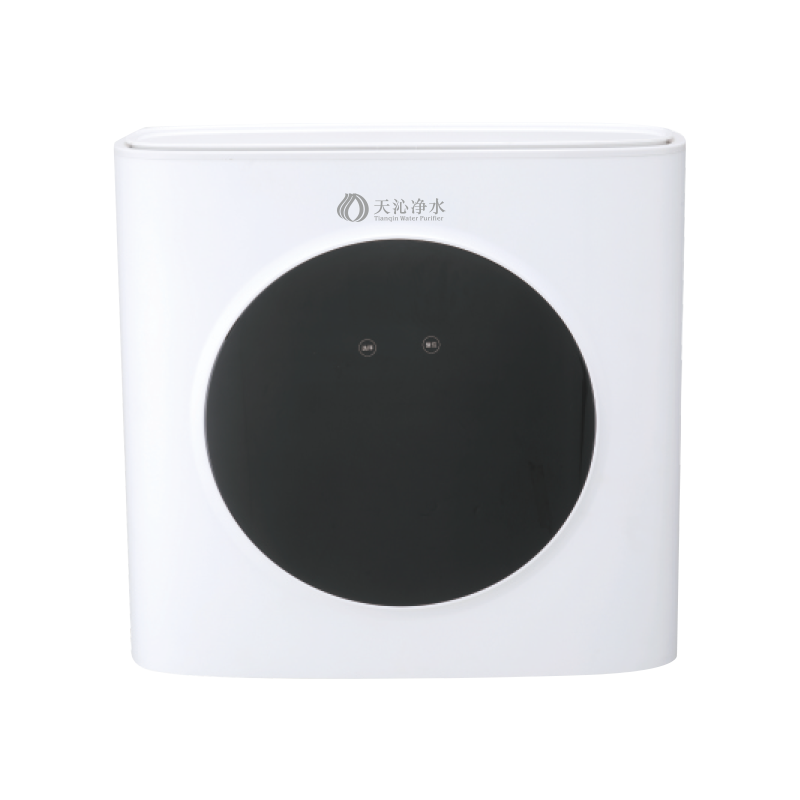 TQ-R14 Tankless Reverse Osmosis Water PurifierA compact, tankless RO system that delivers fresh water on demand, with a four-stage filter setup and LED monitoring for easy maintenance.View Product →
Why Build Quality and Housing Matter
A five-stage RO system is only as reliable as the components that hold it together. With our background in stainless steel water treatment equipment, we have seen how the housing material affects long-term performance. Stainless steel housings resist corrosion, handle pressure swings, and are easy to sanitize, which matters in humid kitchen environments and busy commercial settings. A well-sealed housing also prevents any unfiltered water from bypassing the cartridges, a detail that becomes more important as the system ages. The same five-stage principle applies across our commercial straight-drinking machines, where higher water volumes demand the same careful stage design.
 TQ-Q3 Commercial Stainless Steel RO Straight Drinking MachineA commercial-grade water dispenser with a five-stage filtration system and customizable capacity, built with durable stainless steel for high-volume use.View Product →
If you would like to know more about the company behind these systems, our about page shares more about our experience manufacturing water purification equipment since 1998.
Maintenance: Keeping the Five Stages Working
Regular maintenance keeps the water quality consistent. As a general rule, the sediment and carbon filters should be replaced every six to twelve months, while the RO membrane usually lasts two to three years depending on the source water and household usage. If the water tastes flat or the production speed drops, it is usually a sign that one of the stages needs attention. Many modern systems include indicator lights or filter-life reminders to make this easier. Keeping a simple log of filter change dates is a habit that pays off, too. If your system has been idle for a while, flushing it for a few minutes before first use is a good idea.
For a deeper look into the membrane science, our detailed guide to how reverse osmosis works covers the fundamentals in more depth.
A five-stage reverse osmosis system works because each stage has a clearly defined job: mechanical filtration first, chemical adsorption second, and the RO membrane as the final barrier against dissolved contaminants. Understanding the flow makes it easier to choose the right system, replace filters on time, and get the most from your investment.
Whether you are considering an under-sink RO unit for your kitchen or exploring options for a commercial venue, we hope this walkthrough gives you a clearer picture of what happens inside the system, and why the quality of every stage matters.
-
 Tel: +86-0574-62381077/62386875
-
 E-mail: leozhanglei@nbtianqin.net
-
 Add: Wuma Industrial Zone, Lubu Town, Yuyao City, Zhejiang Province, China.
Copyright © 2024 by Yuyao Tianqin Water Purification Equipment Co..Ltd.
All Rights Reserved.
 Wholesale Water Purifier Manufacturers

