 English
 中文简体
-
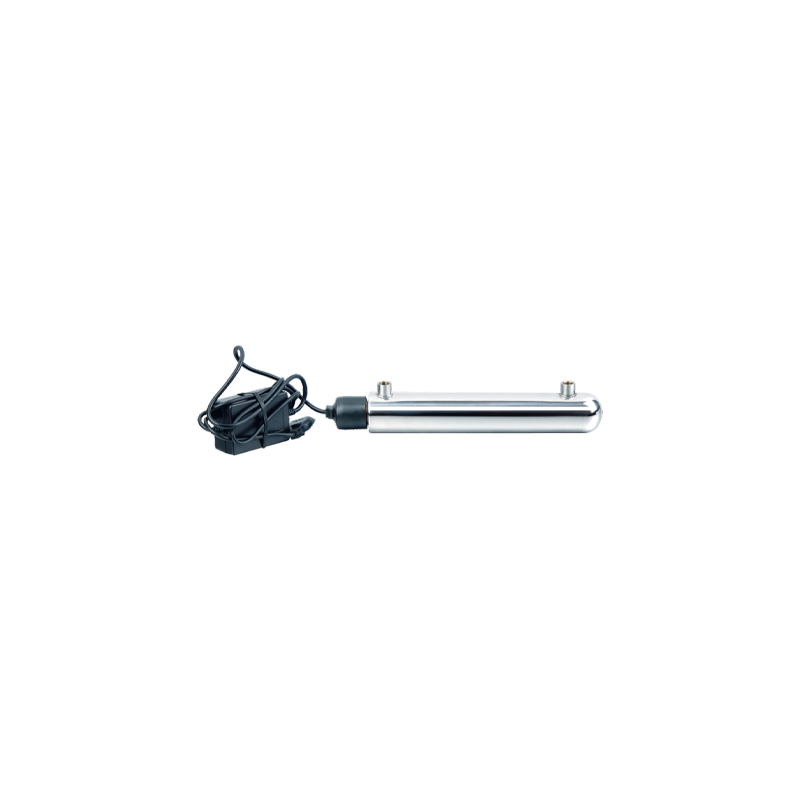 UV11W High-efficiency Intelligent UV Water Sterilizer Cat:Ultraviolet Water Sterilizer
The UV11W High-efficiency Intelligent UV Water Sterilizer is an advanced water purification system that offers convenience and reliability. This steri...
See Details -
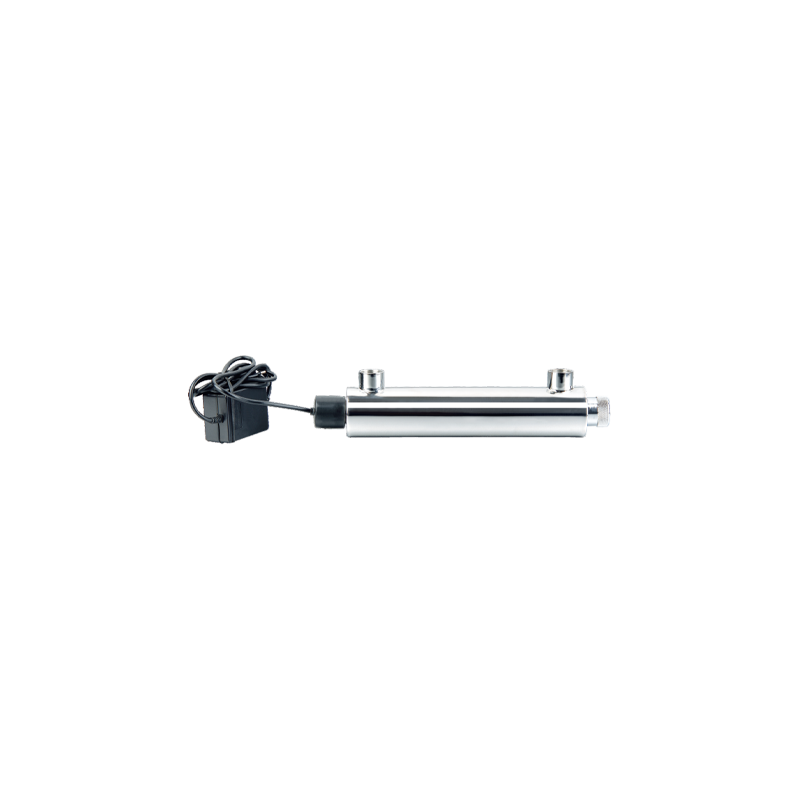 UV16W-A Household Stainless Steel UV Water Sterilizer Cat:Ultraviolet Water Sterilizer
The UV16W-A Household Stainless Steel UV Water Sterilizer is an innovative solution for ensuring safe and pure water in your home. Designed with durab...
See Details -
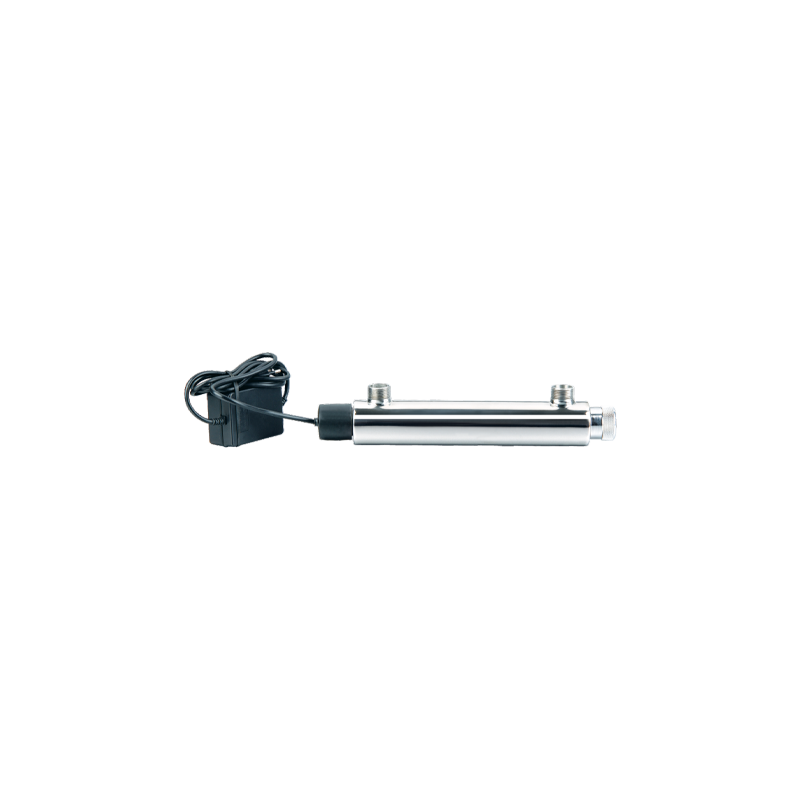 UV16W-B 304 Stainless Steel Water Purifier Ultraviolet Water Sterilizer Cat:Ultraviolet Water Sterilizer
UV16W-B 304 Stainless Steel Water Purifier Ultraviolet Water Sterilizer is an efficient water treatment equipment based on advanced ultraviolet disinf...
See Details -
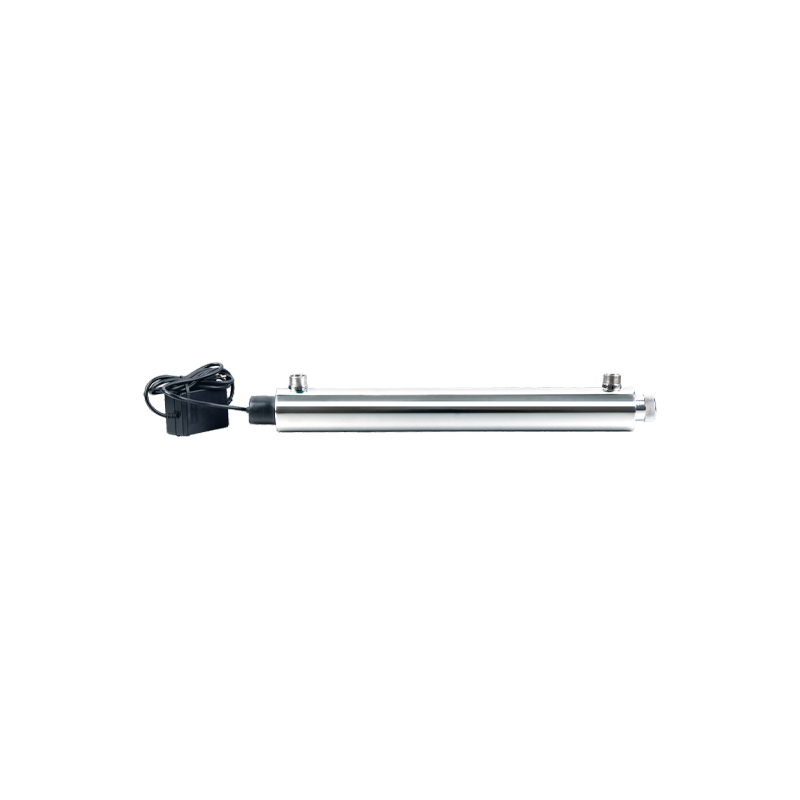 UV25W Stainless Steel Ultrafiltration Pre-Filtration UV Sterilizers For Water Cat:Ultraviolet Water Sterilizer
UV25W Stainless Steel Ultrafiltration Pre-Filtration UV Sterilizers For Water uses high-quality stainless steel materials, which have superb corrosion...
See Details -
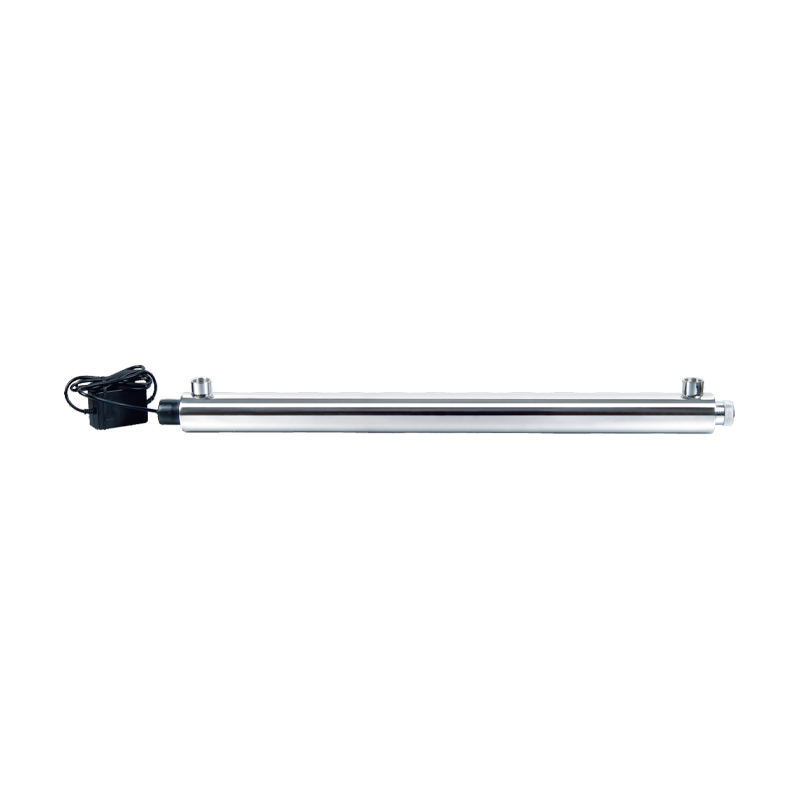 UV30W-55W Automatic Ultraviolet Sterilizer UV Filtration For Drinking Water Cat:Ultraviolet Water Sterilizer
The core advantage of UV30W-55W Automatic Ultraviolet Sterilizer UV Filtration For Drinking Water lies in its efficient and rapid disinfection capabil...
See Details -
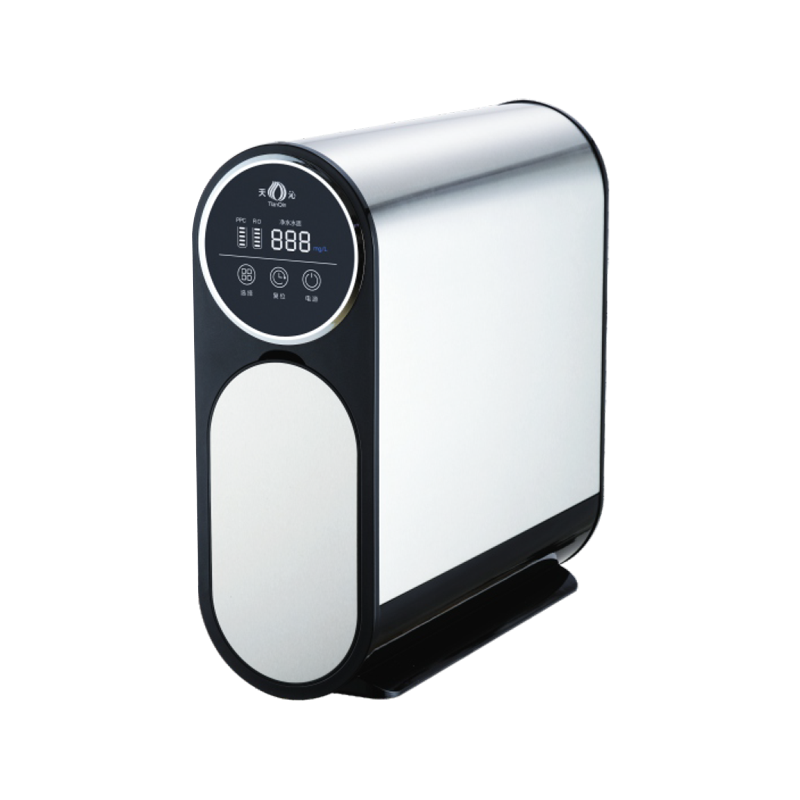 TQ-R03 Stainless Steel Booster Double Water Full Effect RO Water Purifier Cat:Stainless Steel Ro System
TQ-R03 Stainless Steel Booster Double Water Full Effect RO Water Purifier is a household water purification device that combines efficient water purif...
See Details -
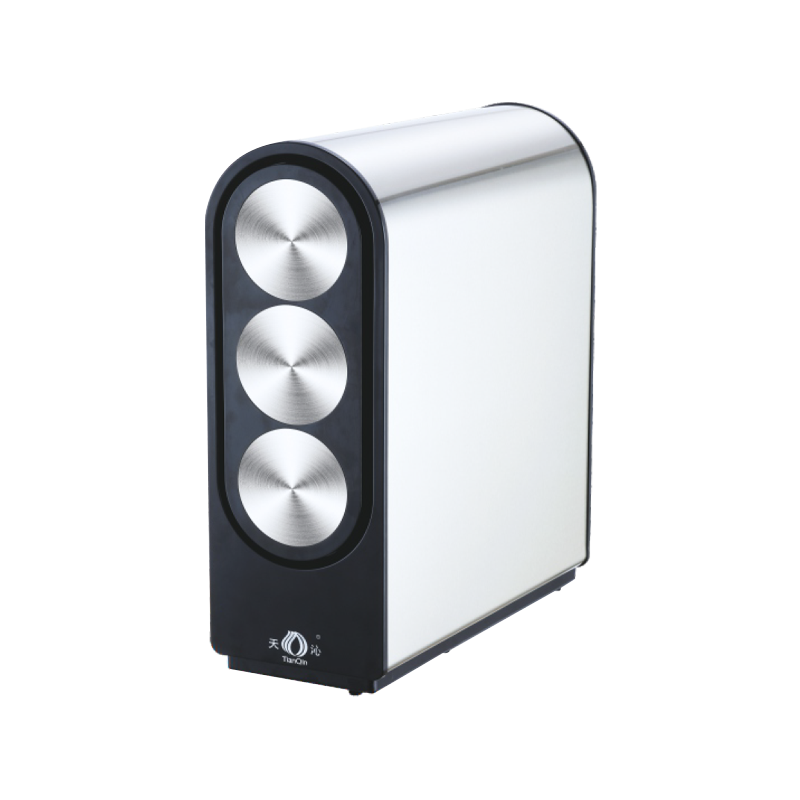 TQ-R05 Multifunctional Water Purification Source RO Water Purifier Cat:Stainless Steel Ro System
The TQ-R05 Multifunctional Water Purification Source RO Water Purifier is an advanced, versatile water purification solution designed for households a...
See Details -
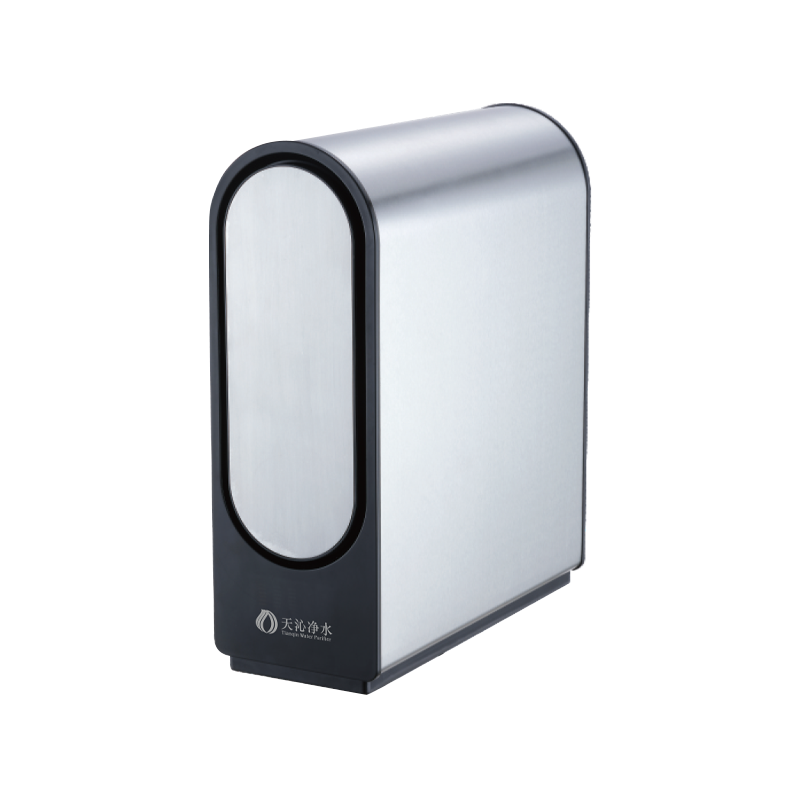 TQ-R06 Stainless Steel Environmentally Friendly RO Water Purifier Cat:Stainless Steel Ro System
The TQ-R06 Stainless Steel Environmentally Friendly RO Water Purifier combines advanced RO filtration technology, durable stainless steel housing, and...
See Details -
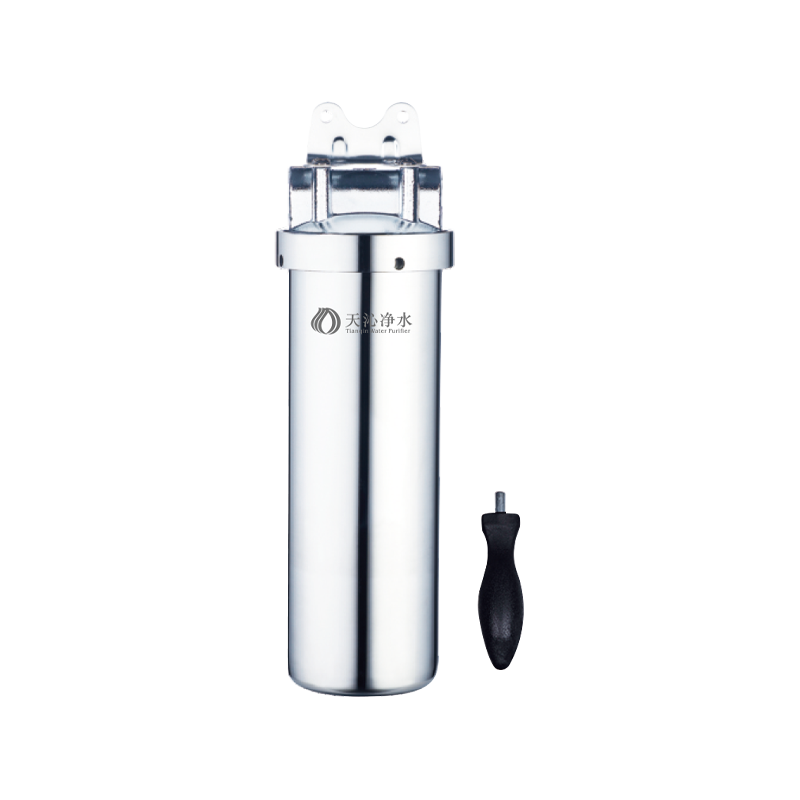 Stainless Steel Pure Double Water Pipe Water Purifier Cat:Stainless Steel Pipeline Water Purifier
The Stainless Steel Pure Double Water Pipe Water Purifier is an advanced water purification system designed to provide dual-mode purified water with e...
See Details -
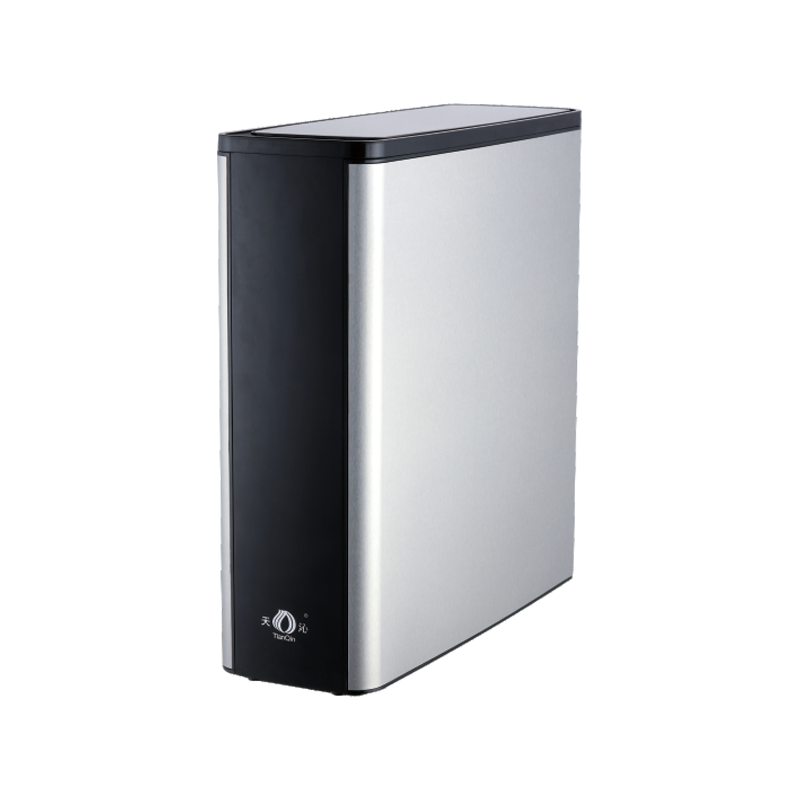 TQ-R08 Stainless Steel High-Flow RO Water Filter Cat:Stainless Steel Ro System
The Stainless Steel High-Flow RO Water Filter (TQ-R08) provides a powerful and effective solution for purifying drinking water, combining advanced rev...
See Details


 +86-0574-62381077/62386875

how do whole home water filtration systems work: Practical Applications, Selection
When you pour a glass of water from the kitchen tap, you are seeing the end of a long journey. Before that water reaches you, it has been treated at a municipal plant, pumped through miles of pipes, and stored in a tank somewhere along the way. A whole home water filtration system adds one more stage to that journey, and it is the stage you control. Installed where the main water supply enters the house, these systems work quietly in the background, filtering water for every tap, shower, and appliance.
Most families notice the signs sooner or later: a faint chlorine smell, white scale on the kettle, or cloudy water from the cold tap. These are not isolated problems. They are symptoms of a single supply that has not been filtered as a whole.
Content
Why "Whole Home" Matters
The idea behind a whole home system is simple: treat the water at the point of entry so the entire household benefits. Point-of-use filters, like countertop pitchers or under-sink units, only treat water at a single fixture. A whole home system, by contrast, catches sediment, chlorine, and other impurities before they ever reach your internal plumbing.
That difference matters more than you might think. Shower water comes into contact with your skin and hair; washing machines and dishwashers run on the same supply; and the water you use for cooking starts from a cleaner baseline. Whole home filtration turns every outlet in the house into a treated water outlet.
It also protects appliances. Sediment can shorten the life of a washing machine or a water heater, and chlorine can be hard on rubber seals and internal parts. Treating water at the point of entry keeps those particles out of your plumbing in the first place.
The Typical Stages of a Whole Home System
Whole home systems rarely rely on a single filter. Most combine several stages, each designed to handle a different category of impurity. Understanding these stages is the easiest way to see how the complete system works.
| Stage | What It Removes | How It Works |
|---|---|---|
| Pre-filtration | Sand, sediment, rust | Mesh screen or replaceable sediment filter |
| Carbon filtration | Chlorine, taste, odor | Activated carbon adsorbs impurities |
| Softening (optional) | Calcium and magnesium | Ion exchange resin reduces hardness |
| Ultrafiltration | Bacteria, fine particles | Hollow-fiber membrane acts as a barrier |
| UV disinfection (optional) | Bacteria and viruses | Ultraviolet light neutralizes microorganisms |
Not every system includes every stage. A typical municipal setup may be content with pre-filtration and carbon, while a home supplied by a well might add a softener and a UV sterilizer. The right combination depends on your source water and how you use water at home.
One thing to keep in mind is flow rate. A whole home system must handle the combined demand of multiple fixtures at once, so it needs larger plumbing and filter media than a point-of-use unit. Manufacturers rate their systems in gallons per minute, and matching that rating to your household's peak usage is essential.
The Technologies Behind Each Stage
Each stage relies on a different technology. Knowing how these technologies work will help you understand what a whole home system can and cannot do.
Mechanical Pre-filtration
Sediment and rust are often the most visible problem in tap water. A prefilter catches these larger particles early in the line, protecting everything downstream. Stainless steel prefilters with fine mesh or replaceable cartridges are popular because they handle high flow rates and are simple to service. A visible housing is also an advantage, because you can see when the filter needs attention.
Activated Carbon Filtration
Activated carbon is the workhorse of most whole home systems. Its porous surface traps chlorine, volatile organic compounds, and the musty tastes and smells that make tap water unappealing. Larger carbon beds allow longer contact time between water and carbon, which improves performance. This is why whole home systems use bigger housings than countertop filters because they have to treat much higher flow rates.
Ion Exchange Softening
Hard water is not a health risk, but it is a nuisance. Calcium and magnesium can leave scale on kettles, shorten the life of water heaters, and make soap less effective. An ion exchange softener swaps these minerals for sodium ions, producing softer water that is kinder to plumbing and appliances. For households bothered by scale, this stage is worth the investment.
Ultrafiltration Membranes
Ultrafiltration membranes use hollow fibers with microscopic pores to block bacteria, viruses, and larger organic molecules while letting water and dissolved minerals pass through. For whole home use, UF adds a level of fine filtration that carbon alone cannot match. It has been widely adopted in households because it delivers thorough filtration without the wastewater volume typically associated with reverse osmosis.
UV Disinfection
UV treatment is not filtration in the physical sense, but it is a valuable finishing step. Water passes through a chamber where ultraviolet light damages the DNA of microorganisms, preventing them from reproducing. It is especially useful for homes supplied by wells, cisterns, or storage tanks. Many whole home systems include a UV sterilizer as the final safeguard before water branches off to different rooms.
Stainless Steel UV Sterilizer for Whole Home DisinfectionA durable stainless steel ultraviolet sterilizer that eliminates microorganisms without chemicals, making it an ideal final safeguard for well, cistern, or tank water supplies.View Product →How the Stages Work Together
A typical whole home setup flows in a logical sequence. The main water line enters the house and passes through a prefilter, which removes the larger particles that could clog or wear down downstream components. The water then moves into a central water purifier containing activated carbon, and sometimes a UF membrane, to reduce chlorine, taste issues, and fine particulates. If the local water is hard, a softener can be inserted at this point. Finally, a UV sterilizer polishes the water before it splits into separate lines for the kitchen, bathroom, and laundry.
In other words, the system works as a team. The prefilter protects the carbon, the carbon improves the taste, and the UV sterilizer closes the last gap. Each stage makes the next one more effective, and the result is water that is consistently cleaner from the moment it crosses your property line.
This layered approach is what whole home purification is really about: not one magic filter, but a sequence of barriers, each lifting a specific burden from the next. Central water purifiers have become the heart of many systems because they combine multiple filtration actions in a single stainless steel housing.
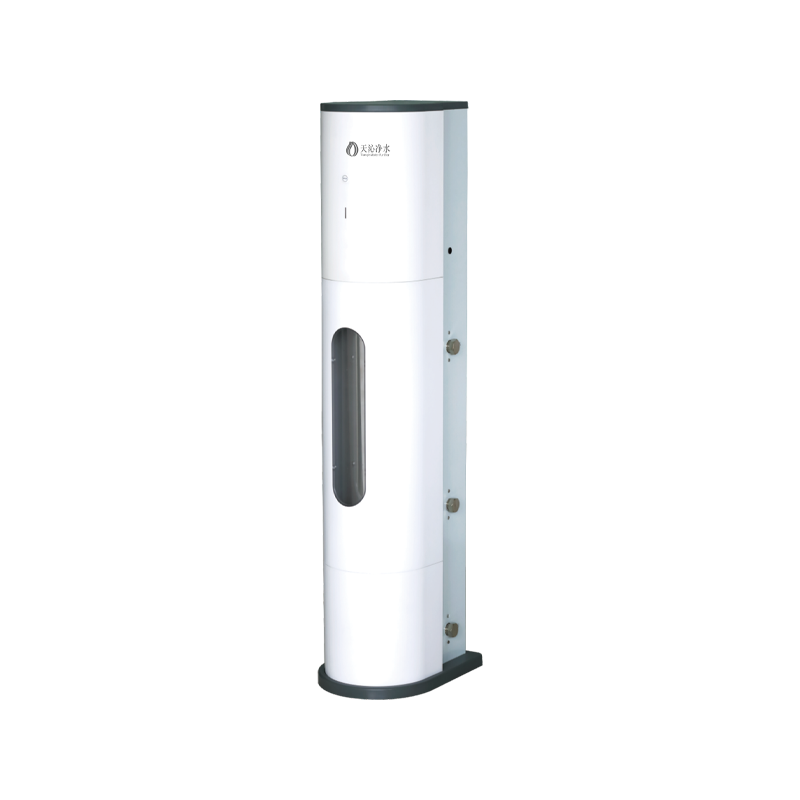 Self-Cleaning Central Water Purifier with Automatic FlushAn intelligent central purifier with automatic forward and reverse flushing, reducing maintenance while providing consistent high-flow filtration for modern whole home water systems.View Product →
Choosing the Right Whole Home System
Choosing a system starts with understanding your water. Municipal supplies typically need good sediment and carbon filtration; well water may require softening and disinfection. A simple water test can tell you what you are actually dealing with, and that is always the best place to start.
Household size matters just as much. Every system has a rated flow rate, and choosing one that matches your peak usage, such as when two showers and a washing machine run at the same time, prevents an annoying drop in pressure.
- Check your incoming water quality before selecting filter media.
- Match the system's flow rate to the number of bathrooms and people in the house.
- Leave room for maintenance: filters need replacing, and housings need cleaning.
- Consider stainless steel housings if you want corrosion resistance and a longer service life.
Think ahead, too. If you are planning a whole home system, it is wise to consider the water quality you expect in the future, for example, if your neighborhood switches from well water to municipal supply, or if you plan to add a point-of-use reverse osmosis unit for drinking water at the kitchen sink.
Whole home water filtration is not a luxury. It is a practical way to make sure every drop of water in your home is held to the same standard. At Tianqin, we have spent more than two decades designing and manufacturing stainless steel water purifiers, prefilters, and UV sterilizers for households and businesses around the world. If you are planning a system and want to understand how our products fit into the wider picture of whole-house purification, we would be glad to share what we have learned over the years.
-
 Tel: +86-0574-62381077/62386875
-
 E-mail: leozhanglei@nbtianqin.net
-
 Add: Wuma Industrial Zone, Lubu Town, Yuyao City, Zhejiang Province, China.
Copyright © 2024 by Yuyao Tianqin Water Purification Equipment Co..Ltd.
All Rights Reserved.
 Wholesale Water Purifier Manufacturers

