 English
 中文简体
中文简体-
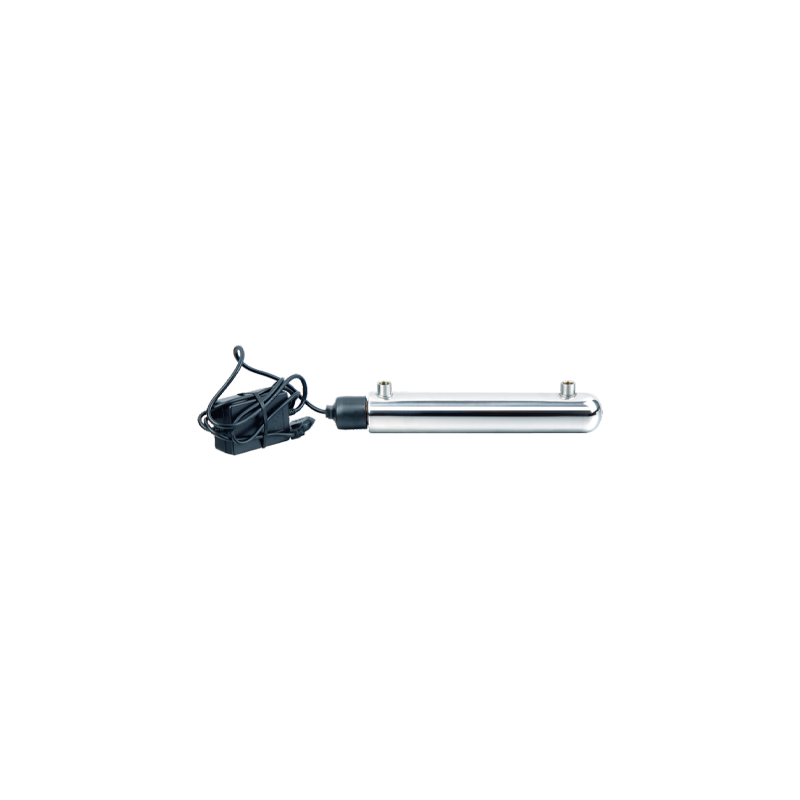 UV11W High-efficiency Intelligent UV Water Sterilizer Cat:Ultraviolet Water Sterilizer
The UV11W High-efficiency Intelligent UV Water Sterilizer is an advanced water purification system that offers convenience and reliability. This steri...
See Details -
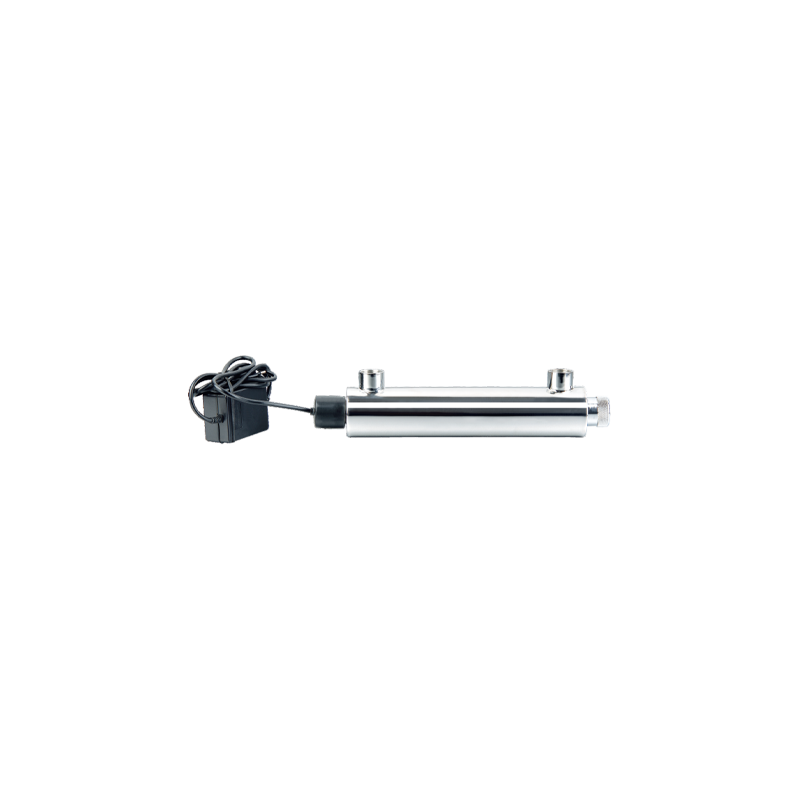 UV16W-A Household Stainless Steel UV Water Sterilizer Cat:Ultraviolet Water Sterilizer
The UV16W-A Household Stainless Steel UV Water Sterilizer is an innovative solution for ensuring safe and pure water in your home. Designed with durab...
See Details -
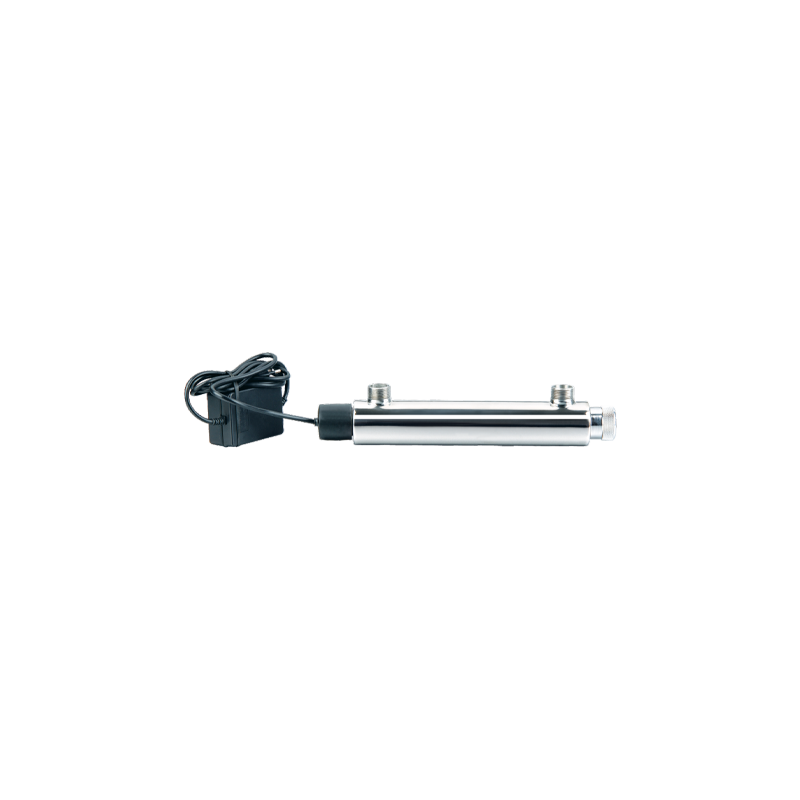 UV16W-B 304 Stainless Steel Water Purifier Ultraviolet Water Sterilizer Cat:Ultraviolet Water Sterilizer
UV16W-B 304 Stainless Steel Water Purifier Ultraviolet Water Sterilizer is an efficient water treatment equipment based on advanced ultraviolet disinf...
See Details -
 UV25W Stainless Steel Ultrafiltration Pre-Filtration UV Sterilizers For Water Cat:Ultraviolet Water Sterilizer
UV25W Stainless Steel Ultrafiltration Pre-Filtration UV Sterilizers For Water uses high-quality stainless steel materials, which have superb corrosion...
See Details -
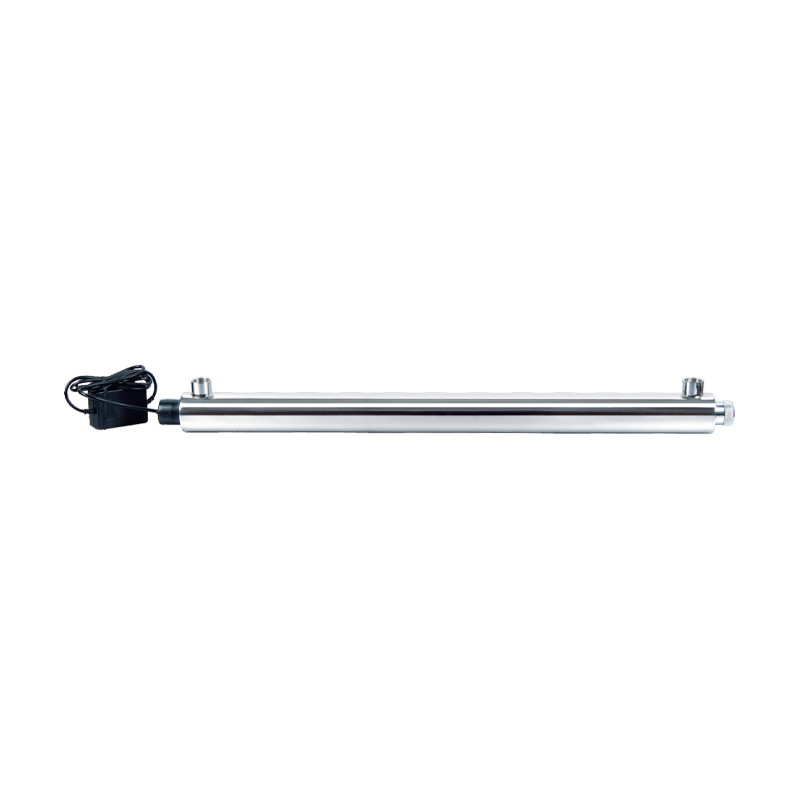 UV30W-55W Automatic Ultraviolet Sterilizer UV Filtration For Drinking Water Cat:Ultraviolet Water Sterilizer
The core advantage of UV30W-55W Automatic Ultraviolet Sterilizer UV Filtration For Drinking Water lies in its efficient and rapid disinfection capabil...
See Details -
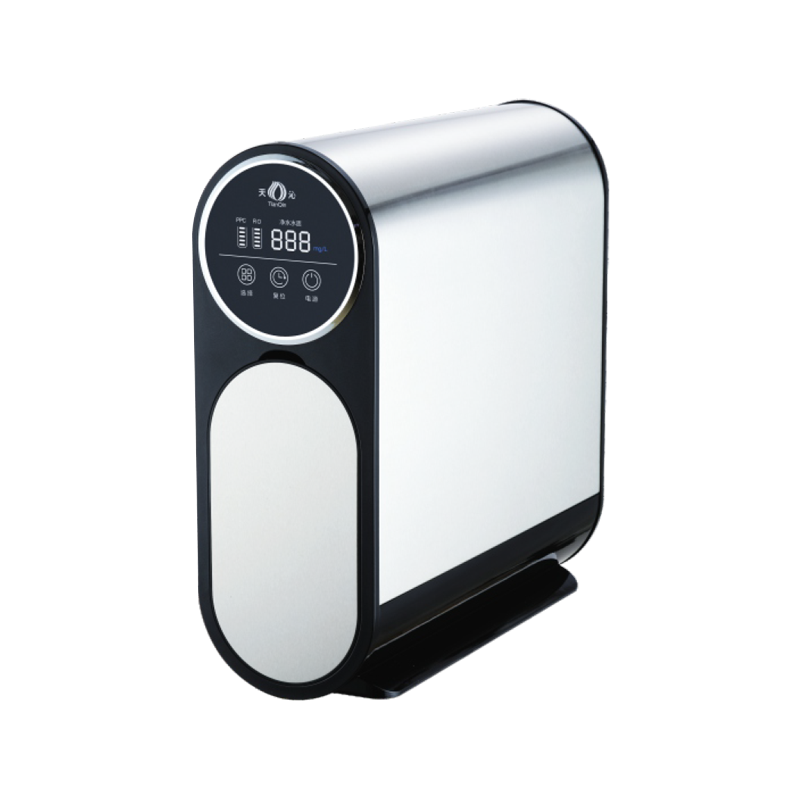 TQ-R03 Stainless Steel Booster Double Water Full Effect RO Water Purifier Cat:Stainless Steel Ro System
TQ-R03 Stainless Steel Booster Double Water Full Effect RO Water Purifier is a household water purification device that combines efficient water purif...
See Details -
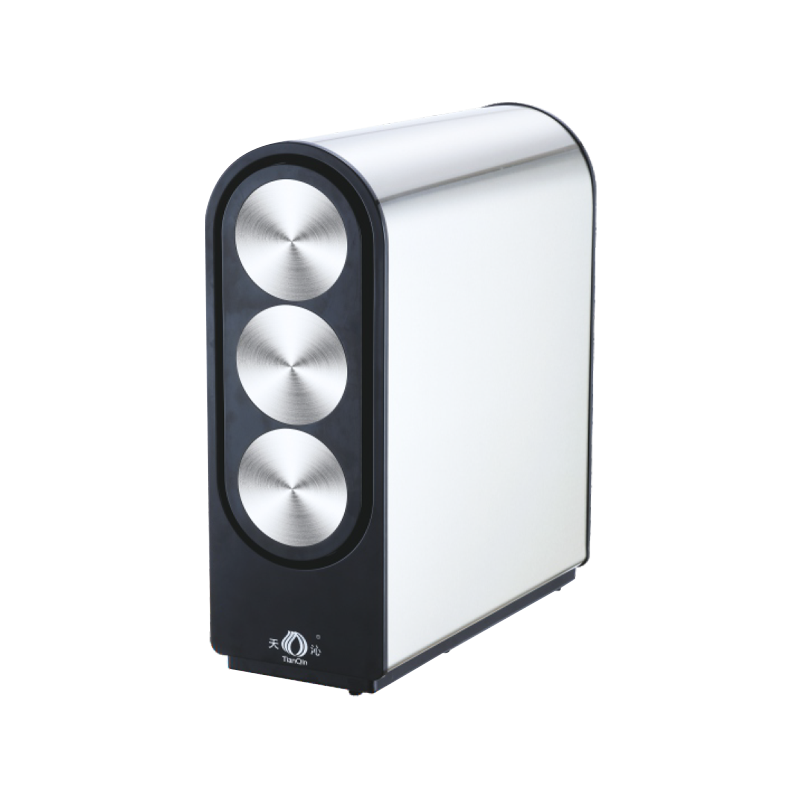 TQ-R05 Multifunctional Water Purification Source RO Water Purifier Cat:Stainless Steel Ro System
The TQ-R05 Multifunctional Water Purification Source RO Water Purifier is an advanced, versatile water purification solution designed for households a...
See Details -
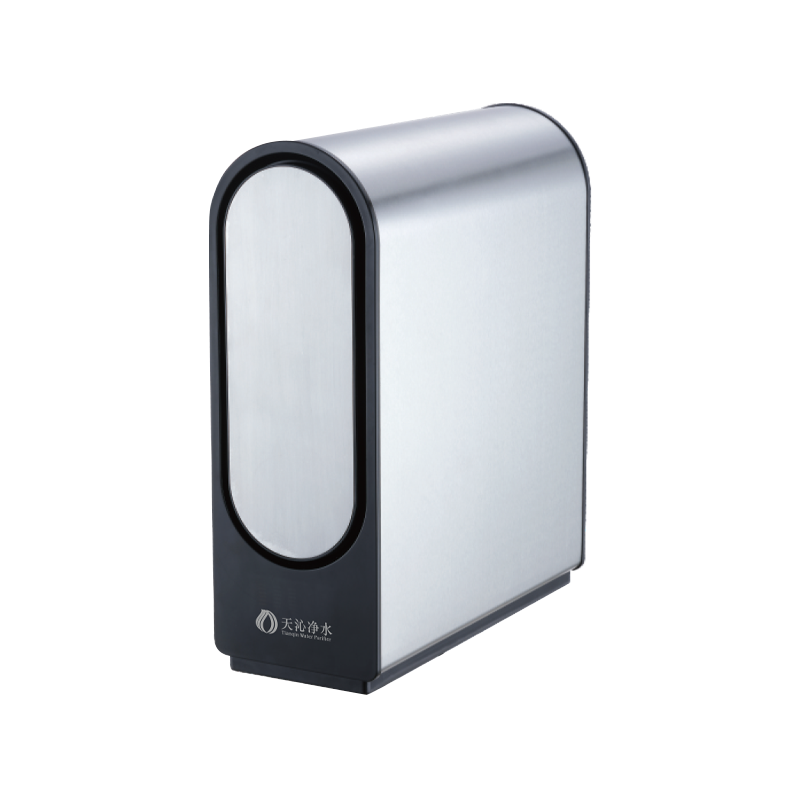 TQ-R06 Stainless Steel Environmentally Friendly RO Water Purifier Cat:Stainless Steel Ro System
The TQ-R06 Stainless Steel Environmentally Friendly RO Water Purifier combines advanced RO filtration technology, durable stainless steel housing, and...
See Details -
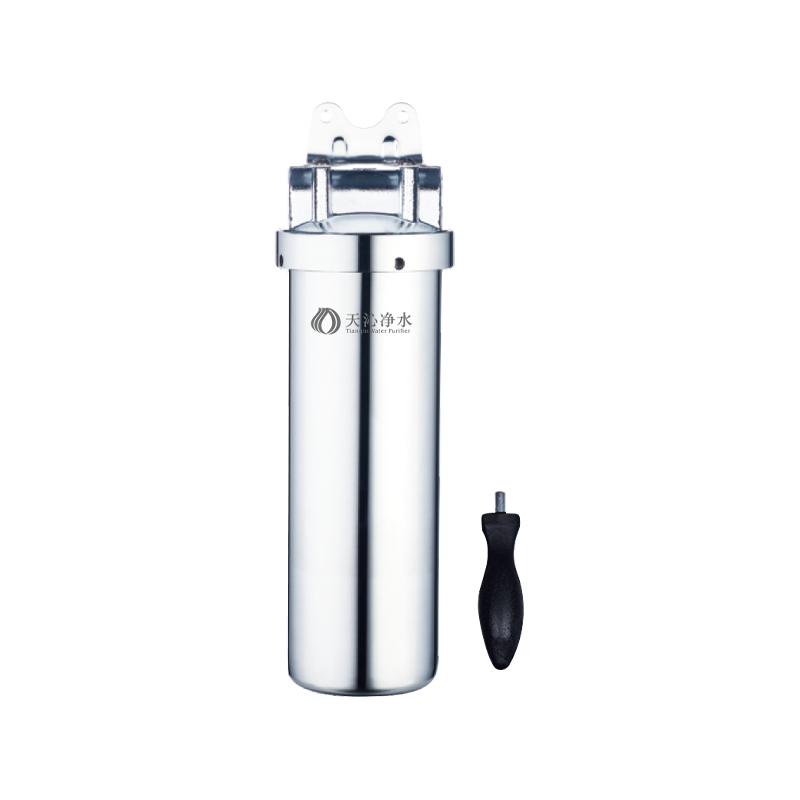 Stainless Steel Pure Double Water Pipe Water Purifier Cat:Stainless Steel Pipeline Water Purifier
The Stainless Steel Pure Double Water Pipe Water Purifier is an advanced water purification system designed to provide dual-mode purified water with e...
See Details -
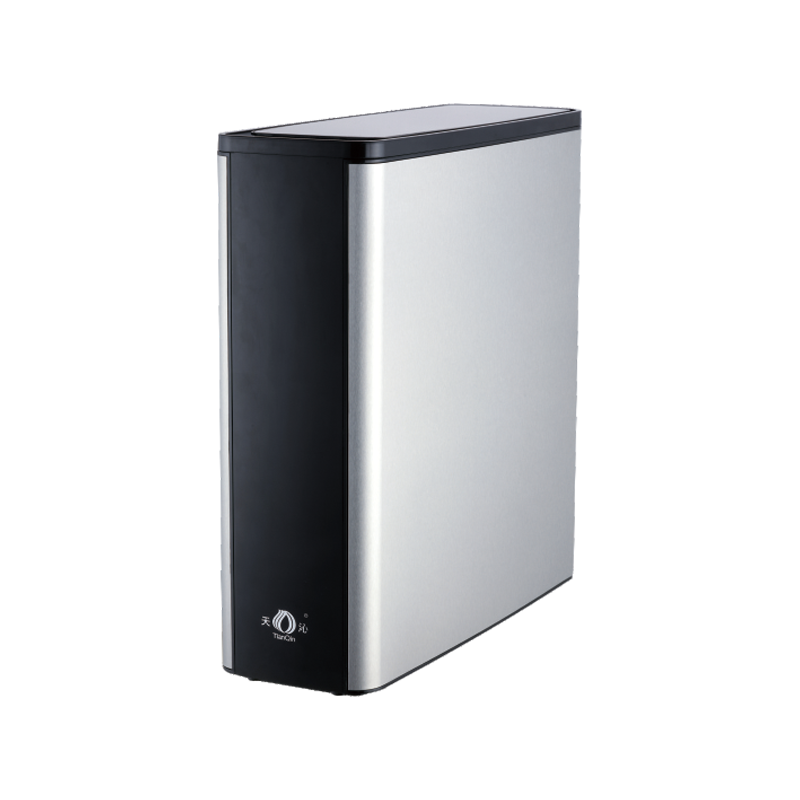 TQ-R08 Stainless Steel High-Flow RO Water Filter Cat:Stainless Steel Ro System
The Stainless Steel High-Flow RO Water Filter (TQ-R08) provides a powerful and effective solution for purifying drinking water, combining advanced rev...
See Details


 +86-0574-62381077/62386875

How Big of a Water Softener Do I Need? A Complete Sizing Guide for Households
Ask ten homeowners what size water softener they need and you will get ten different answers, most of them based on the size of the house rather than the water running through it. That is easy to understand. The label on the tank says 24,000 or 48,000 grains, but nothing on it tells you whether that number suits your family.
Sizing is really a short calculation with two honest inputs: how hard your water is, and how much of it your household uses each day. Everything else, from resin volume and tank size to salt consumption and how often the unit regenerates, follows from those two numbers.
Content
- 1 What a Water Softener's Size Actually Measures
- 2 Step One: Get Your Hardness in Grains per Gallon
- 3 Step Two: Estimate Daily Water Use
- 4 Step Three: Multiply and Match the Capacity
- 5 Adjust for Iron, Manganese and Very Hard Water
- 6 Flow Rate: The Number People Forget
- 7 Too Small, Too Big and Just Right
- 8 A Five-Minute Sizing Checklist
- 9 Protect the Resin Before You Size Anything
- 10 Where a Softener Fits in a Whole-House System
- 11 If You Also Want Better Drinking Water
What a Water Softener's Size Actually Measures
Grain capacity is the number most people recognize. It describes how many grains of hardness, meaning calcium and magnesium, the resin bed can hold before it has to be regenerated with brine. Behind that rating is resin volume: 0.75 cubic feet of resin is typically rated near 24,000 grains, 1 cubic foot near 32,000, 1.5 cubic feet near 48,000, and 2 cubic feet near 64,000.
Capacity alone tells you very little, though. What matters is how quickly your daily water use fills it. The working target most manufacturers aim for, us included, is a softener that regenerates about once a week: often enough that soft water never runs out, rare enough that you are not hauling salt bags every other day.
Step One: Get Your Hardness in Grains per Gallon
Hardness appears on test reports either as grains per gallon (GPG) or as milligrams per liter (mg/L, which is the same as ppm). If your report uses ppm, divide by 17.1 to convert it. Water at 171 ppm is 10 GPG.
| Hardness (GPG) | Class | What homeowners typically notice |
|---|---|---|
| 0 to 3 | Soft | Little scaling, soap lathers easily |
| 4 to 7 | Moderately hard | Light film on fixtures, some scale in kettles |
| 8 to 14 | Hard | Visible scale, stiff laundry, soap scum |
| 15 and above | Very hard | Heavy scale, clogged aerators, extra strain on water heaters |
City customers can usually find a hardness range in the annual water quality report. If you are on a well, a lab test is worth the small cost. Either way, test the raw water before any treatment, and ask for iron and manganese at the same time, because both of them change the sizing math.
Step Two: Estimate Daily Water Use
Use 60 to 75 gallons per person per day as a planning figure. A family of four lands near 300 gallons a day, and a household of six may run 450 gallons or more. Outdoor watering normally does not pass through a softener, so leave irrigation out of the total. Long showers, a large soaking tub, or several loads of laundry a day all push you toward the higher end of the range.
Step Three: Multiply and Match the Capacity
Multiply hardness by daily gallons and you have your daily softening requirement. A home using 300 gallons a day at 12 GPG needs to remove roughly 3,600 grains every day. Across a week that is about 25,200 grains, which points to a 32,000 grain (1 cubic foot) unit regenerating about every seven days, with a little reserve for guests and heavy weekends.
| Daily softening requirement | Resin volume | Rated capacity | Usually fits |
|---|---|---|---|
| Up to 3,500 grains | 0.75 cu ft | 24,000 grains | 1 to 3 people, up to about 12 GPG |
| 3,500 to 4,500 grains | 1.0 cu ft | 32,000 grains | 3 to 5 people on hard water |
| 4,500 to 6,500 grains | 1.5 cu ft | 48,000 grains | 5 to 6 people, or very hard water |
| 6,500 grains and above | 2.0 cu ft | 64,000 grains | Large households, very hard water with iron |
Treat the table as a planning range rather than gospel. If you land between two sizes, choose the larger one. The extra capacity costs a bit more up front and is far less frustrating than a unit that cannot keep up.
Adjust for Iron, Manganese and Very Hard Water
Resin collects iron and manganese as well, and both consume capacity that you were counting on for hardness. The common rule of thumb is that each 1 ppm of iron behaves like about 5 GPG of hardness. Water testing at 10 GPG with 2 ppm iron should therefore be sized as though it were 20 GPG. Manganese works the same way at lower concentrations.
If hardness climbs above 25 GPG, or iron sits above 2 or 3 ppm, a single standard softener may struggle to keep up. A larger resin bed, dedicated iron treatment, or a different order of equipment is worth discussing with your supplier before you buy anything.
Flow Rate: The Number People Forget
Capacity is storage; flow rate is delivery. Your softener also has to keep up during peak demand, when two showers, the washing machine and the dishwasher are all running at once. An undersized resin bed creates a pressure drop you feel as weak shower flow rather than as hard water.
As a rough guide, 1 cubic foot of resin handles around 8 to 12 gallons per minute of service flow, and larger tank diameters move more water with less pressure loss. If your home has three or more bathrooms, size the tank for flow, not only for weekly capacity.
Too Small, Too Big and Just Right
Signs the unit is undersized
- Salt disappears quickly and regeneration runs every two or three days.
- Water feels hard again near the end of each cycle.
- Soap lathers poorly even right after a regeneration.
Signs the unit is oversized
- Regenerations are rare relative to your water use, so the system recharges a full bed of resin each time and wastes salt.
- You paid for capacity and floor space you will never use.
A well-sized softener regenerates about once a week, holds soft water through normal peak demand, and keeps salt consumption predictable.
A Five-Minute Sizing Checklist
- Test raw water for hardness, iron and manganese.
- Multiply the number of people by 75 gallons.
- Multiply daily gallons by hardness in GPG.
- Add iron compensation: 5 GPG for every 1 ppm of iron.
- Multiply by seven to see your weekly load, then choose the next capacity up.
- Confirm the unit's service flow covers your busiest hour.
Protect the Resin Before You Size Anything
Before choosing a tank, take a look at what is arriving at it. Sediment, rust particles and chlorine all shorten the working life of a resin bed, and grit in particular can foul a softener long before its capacity is used up. A pre-filter placed ahead of the softener catches that material upstream and leaves the resin to do the job it was sized for.
Pre-filtration is one of the areas we know well. Our stainless steel pre-filter series was built for exactly that position in the line, and it is a small addition that protects a much larger investment.
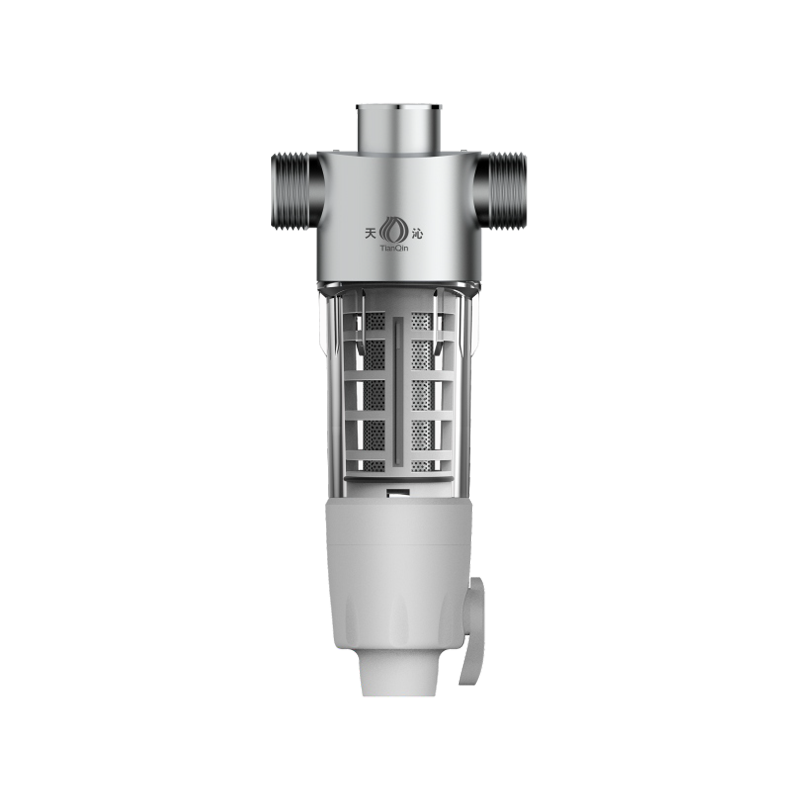 TQ-QZ01 High-Performance Stainless Steel Water Pre-FilterA durable first-stage pre-filter with 40 μm accuracy and 4 T/h flow, suited to protecting downstream softeners and drinking water systems.View Product →
Where a Softener Fits in a Whole-House System
In practice, a softener rarely works alone. A typical whole-house arrangement runs a pre-filter first, then the softener, then any point-of-use drinking water equipment. Softening handles hardness, but it does not remove sediment, chlorine or dissolved solids, which is why central treatment and softening so often appear together in the same installation.
We have been making stainless steel water treatment equipment since 1998, and this layered approach is familiar ground for our team. Softeners sit alongside our pre-filters, central purifiers and reverse osmosis systems in that sequence. If you want to see how central treatment and softening divide the work, our article on how central water purifiers improve household water quality makes a useful companion to this sizing guide.
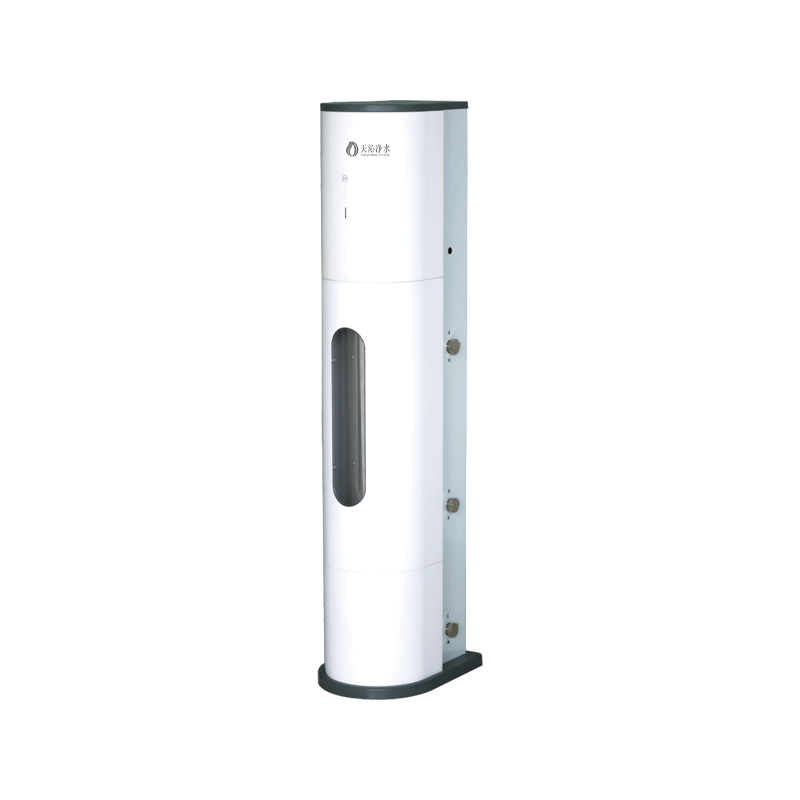 TQ-ZY3500 and TQ-ZY5000 Automatic Flushing Central Water PurifiersIn a layered treatment setup, these central purifiers offer automatic flushing, cartridge-life indication, and 2-3 t/h flow for household water quality.View Product →
If You Also Want Better Drinking Water
A softener swaps calcium and magnesium for a small amount of sodium, which is fine for washing but does nothing for taste or for dissolved contaminants at the tap. Households that want both softer water and cleaner drinking water often add a reverse osmosis stage downstream of the softener. Our tankless high-efficiency RO unit is one option for that final step.
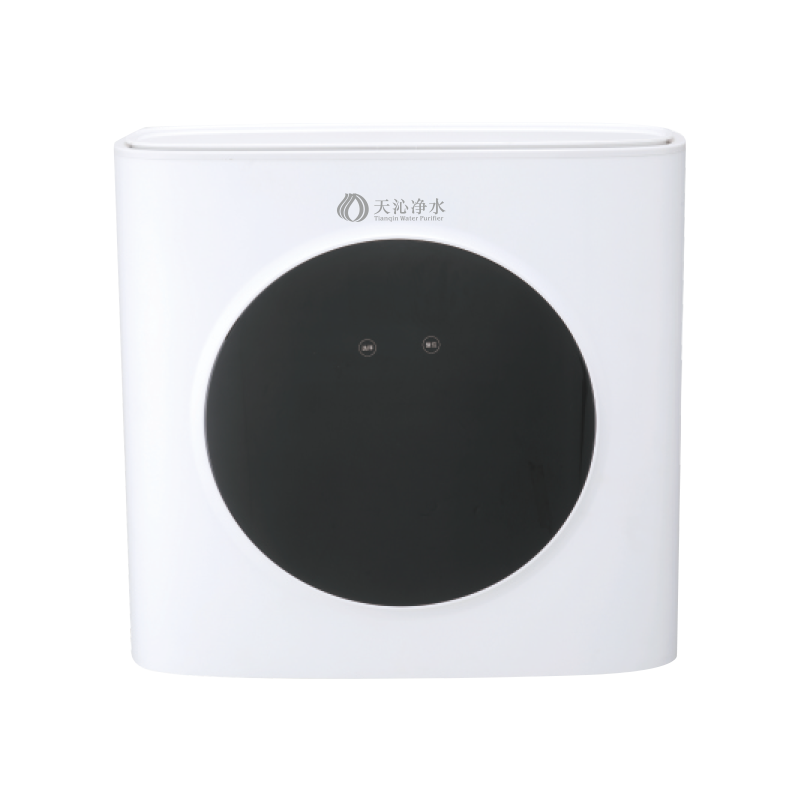 TQ-R14 Tankless Reverse Osmosis Water PurifierAs a downstream drinking-water step, this tankless RO unit delivers 1.5 L/min with PP+CTO+RO+CTO filtration and LED filter-life display.View Product →
Sizing a water softener comes down to hardness, people and gallons. Get those three numbers reasonably right, add a little headroom, and the machine will quietly regenerate about once a week for years without much attention from you.
If you would rather have someone check your figures, any experienced supplier will ask for the same four things: hardness in GPG, household size, daily gallons and iron level. Bring those along and the conversation becomes short, which is usually the sign that you are about to buy the right unit.
-
 Tel: +86-0574-62381077/62386875
-
 E-mail: leozhanglei@nbtianqin.net
-
 Add: Wuma Industrial Zone, Lubu Town, Yuyao City, Zhejiang Province, China.
Copyright © 2024 by Yuyao Tianqin Water Purification Equipment Co..Ltd.
All Rights Reserved.
 Wholesale Water Purifier Manufacturers

