 English
 中文简体
-
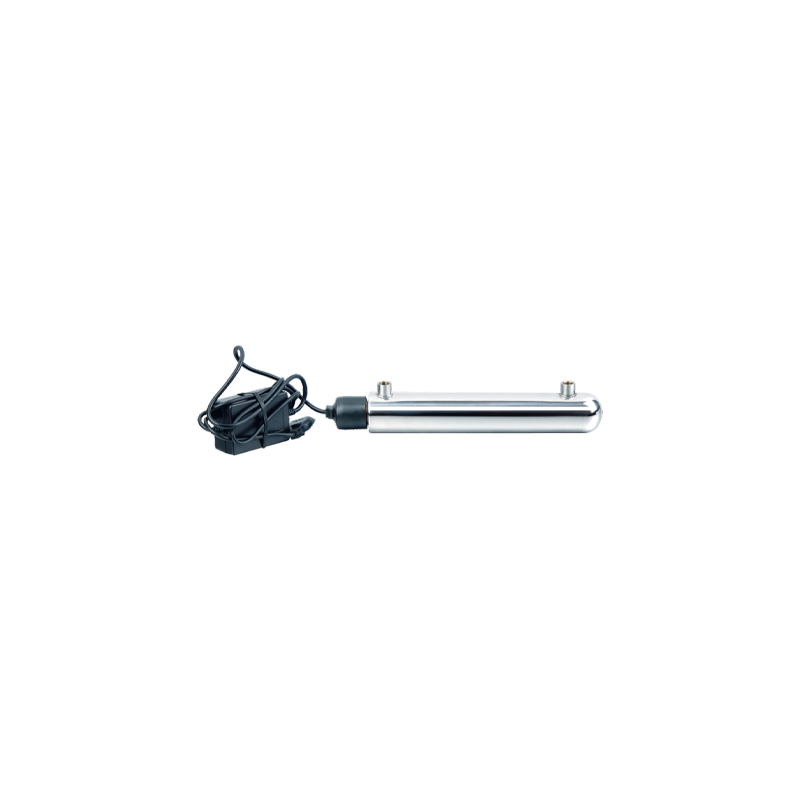 UV11W High-efficiency Intelligent UV Water Sterilizer Cat:Ultraviolet Water Sterilizer
The UV11W High-efficiency Intelligent UV Water Sterilizer is an advanced water purification system that offers convenience and reliability. This steri...
See Details -
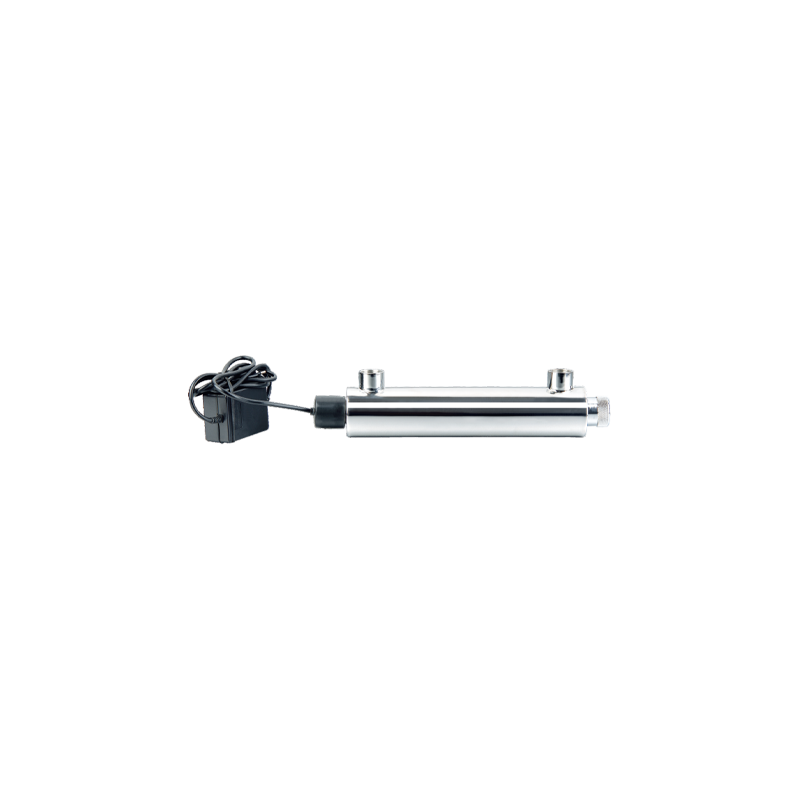 UV16W-A Household Stainless Steel UV Water Sterilizer Cat:Ultraviolet Water Sterilizer
The UV16W-A Household Stainless Steel UV Water Sterilizer is an innovative solution for ensuring safe and pure water in your home. Designed with durab...
See Details -
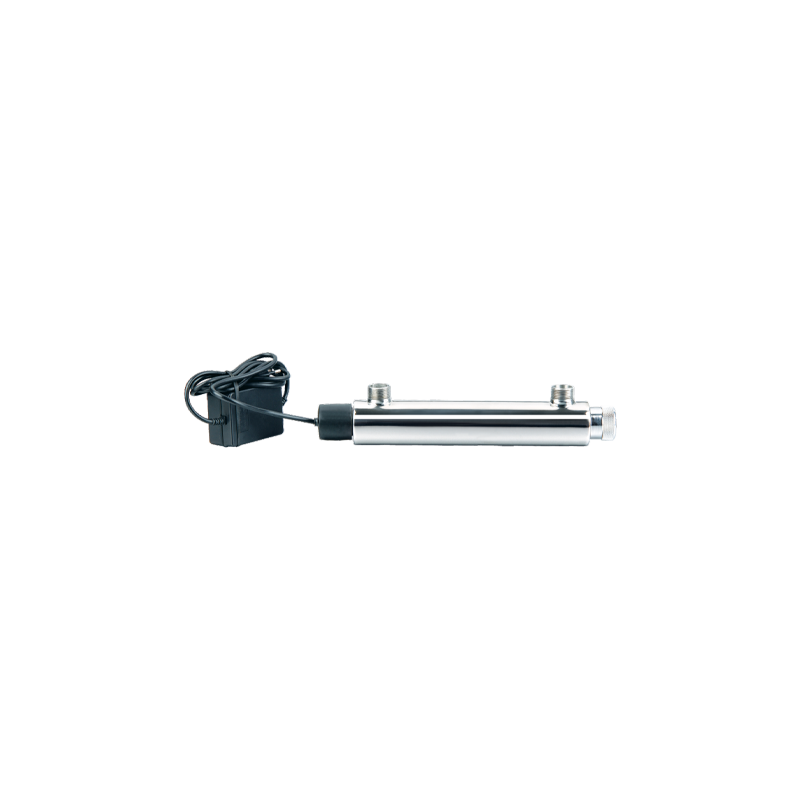 UV16W-B 304 Stainless Steel Water Purifier Ultraviolet Water Sterilizer Cat:Ultraviolet Water Sterilizer
UV16W-B 304 Stainless Steel Water Purifier Ultraviolet Water Sterilizer is an efficient water treatment equipment based on advanced ultraviolet disinf...
See Details -
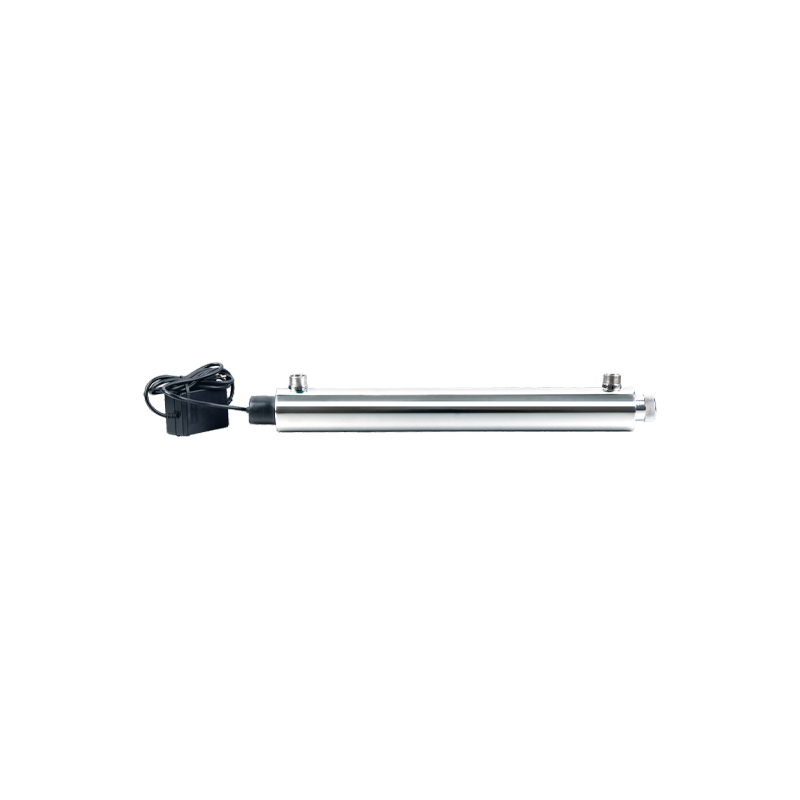 UV25W Stainless Steel Ultrafiltration Pre-Filtration UV Sterilizers For Water Cat:Ultraviolet Water Sterilizer
UV25W Stainless Steel Ultrafiltration Pre-Filtration UV Sterilizers For Water uses high-quality stainless steel materials, which have superb corrosion...
See Details -
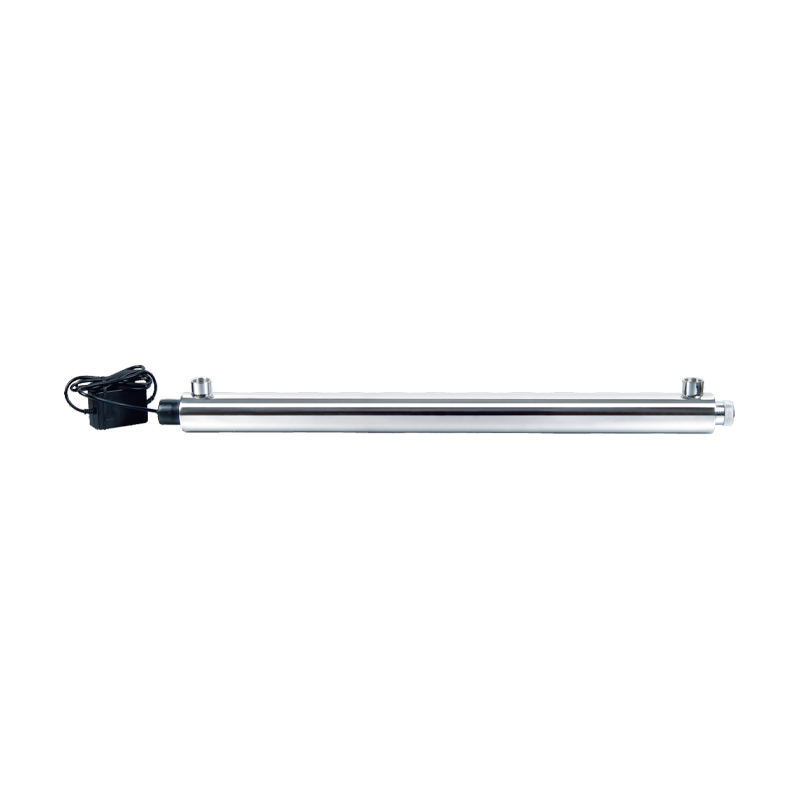 UV30W-55W Automatic Ultraviolet Sterilizer UV Filtration For Drinking Water Cat:Ultraviolet Water Sterilizer
The core advantage of UV30W-55W Automatic Ultraviolet Sterilizer UV Filtration For Drinking Water lies in its efficient and rapid disinfection capabil...
See Details -
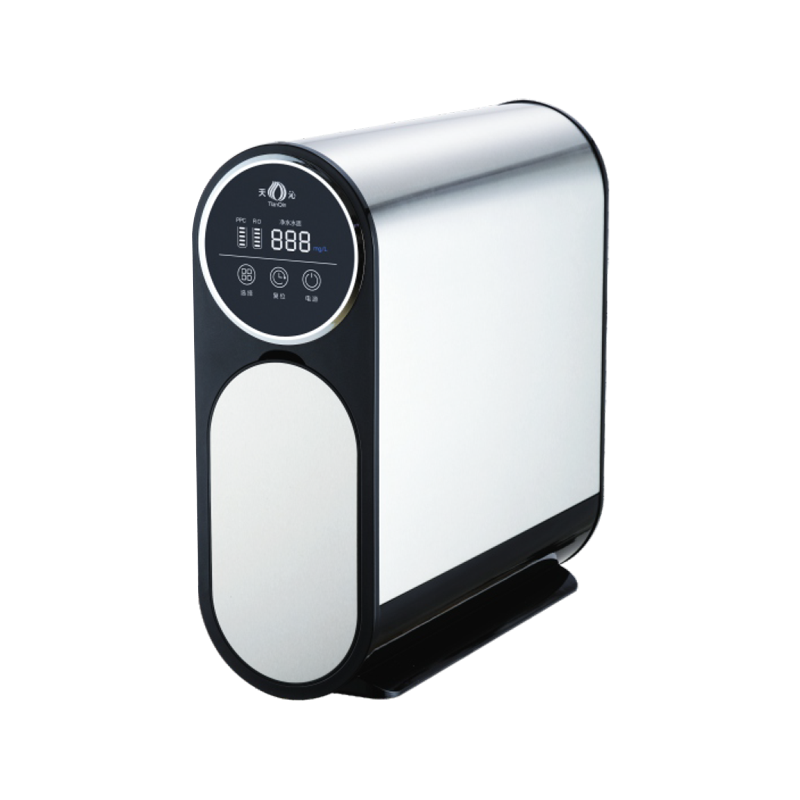 TQ-R03 Stainless Steel Booster Double Water Full Effect RO Water Purifier Cat:Stainless Steel Ro System
TQ-R03 Stainless Steel Booster Double Water Full Effect RO Water Purifier is a household water purification device that combines efficient water purif...
See Details -
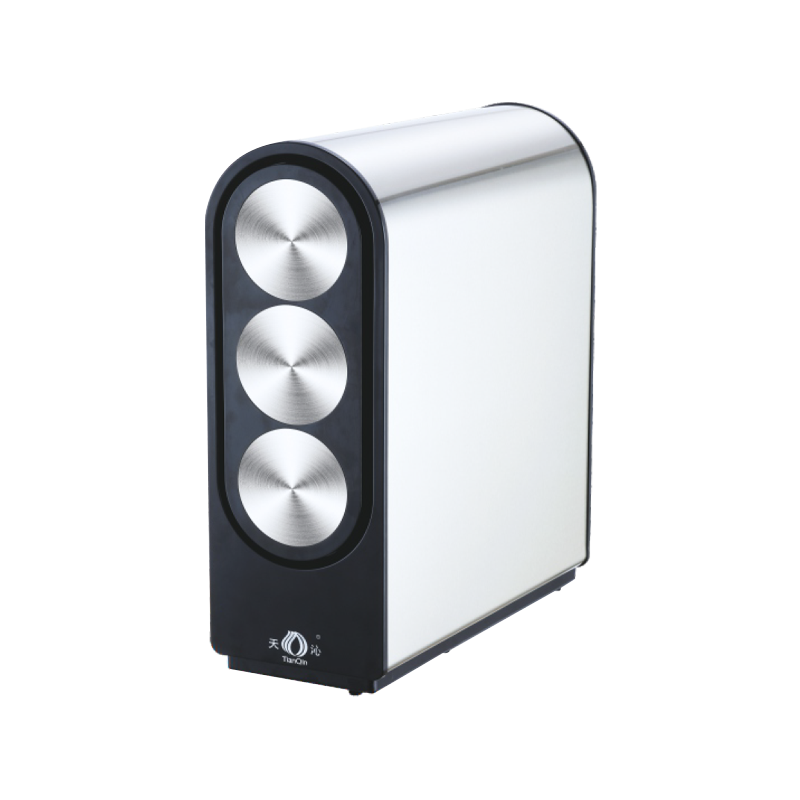 TQ-R05 Multifunctional Water Purification Source RO Water Purifier Cat:Stainless Steel Ro System
The TQ-R05 Multifunctional Water Purification Source RO Water Purifier is an advanced, versatile water purification solution designed for households a...
See Details -
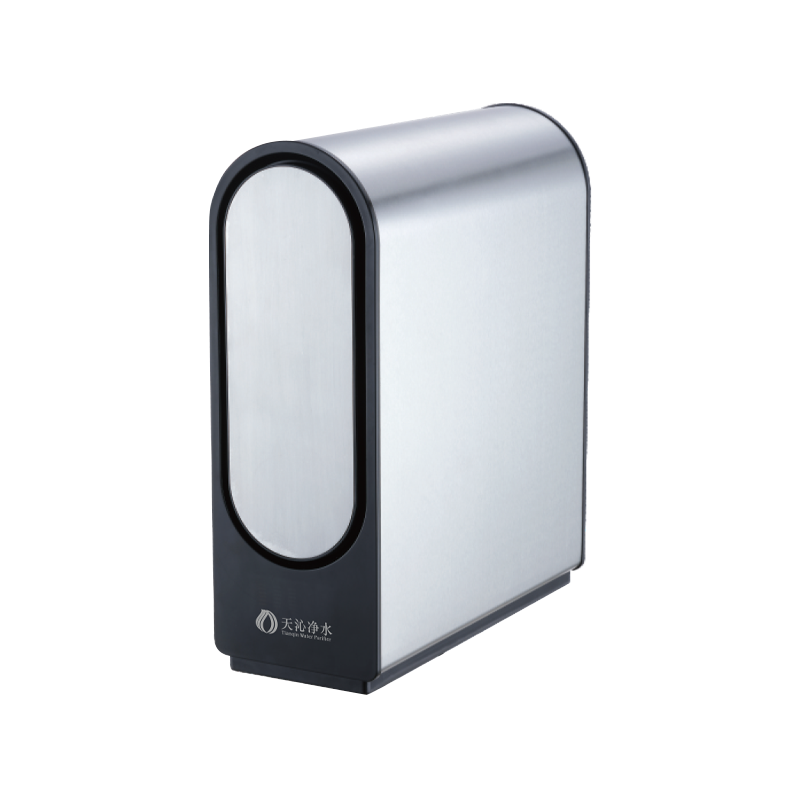 TQ-R06 Stainless Steel Environmentally Friendly RO Water Purifier Cat:Stainless Steel Ro System
The TQ-R06 Stainless Steel Environmentally Friendly RO Water Purifier combines advanced RO filtration technology, durable stainless steel housing, and...
See Details -
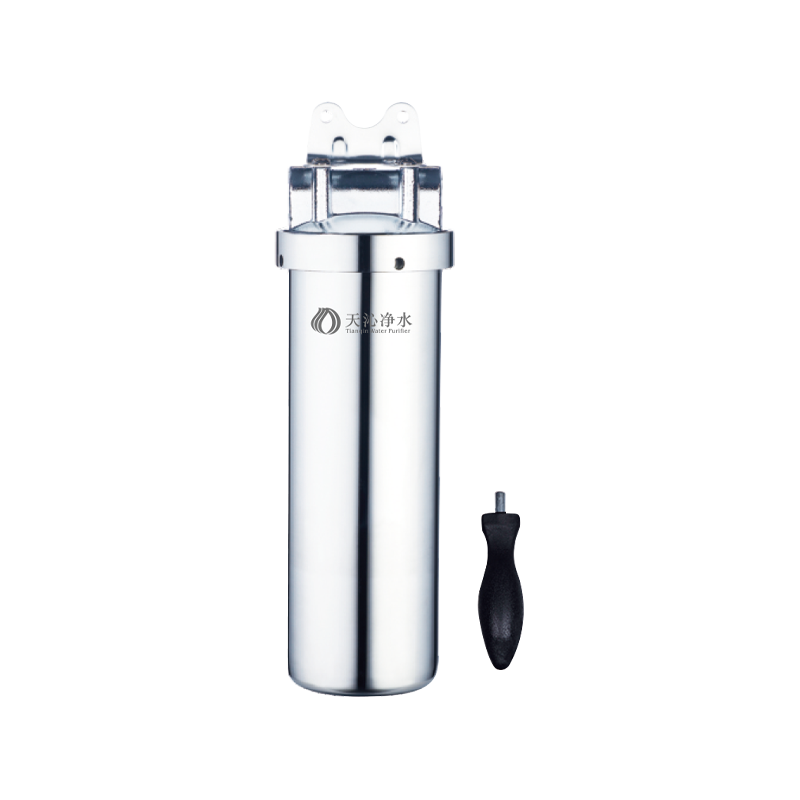 Stainless Steel Pure Double Water Pipe Water Purifier Cat:Stainless Steel Pipeline Water Purifier
The Stainless Steel Pure Double Water Pipe Water Purifier is an advanced water purification system designed to provide dual-mode purified water with e...
See Details -
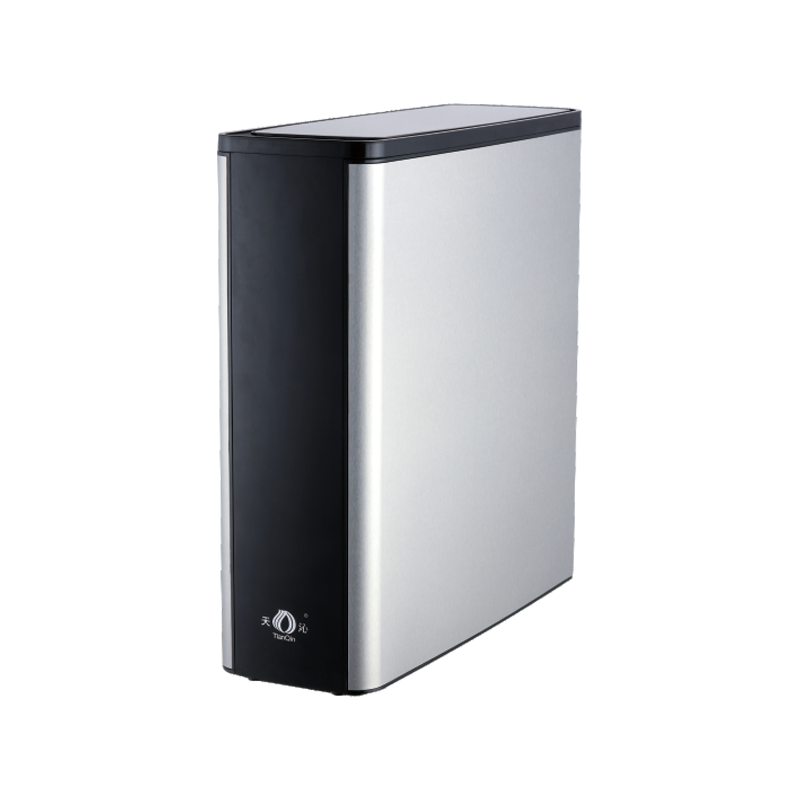 TQ-R08 Stainless Steel High-Flow RO Water Filter Cat:Stainless Steel Ro System
The Stainless Steel High-Flow RO Water Filter (TQ-R08) provides a powerful and effective solution for purifying drinking water, combining advanced rev...
See Details


 +86-0574-62381077/62386875

How Do Bottleless Water Dispensers Work? A Complete Guide to Filtration
If you have ever stood beside an office water cooler waiting for the familiar glub-glub of a plastic bottle, you already understand the appeal of a bottleless water dispenser. There is no bottle to flip, no heavy lifting, and no moment when the water simply runs out mid-cup. Instead, the unit connects straight to your existing water line and does the work quietly in the background, filtering, heating, and chilling as needed.
As a manufacturer of water purification equipment since 1998, we have built and tested hundreds of these systems. In this guide, we will walk through exactly how bottleless water dispensers work, from the moment water enters the unit to the moment it lands in your glass.
Content
- 1 What Is a Bottleless Water Dispenser?
- 2 How a Bottleless Water Dispenser Works Step by Step
- 3 What Happens to the Water During Filtration?
- 4 Why Do Some Dispensers Need a Storage Tank?
- 5 Maintenance and Filter Replacement
- 6 Installation Requirements: What Do You Need?
- 7 Bottleless vs. Bottled Water Dispensers
- 8 Choosing the Right Bottleless Dispenser
- 9 Final Thoughts
What Is a Bottleless Water Dispenser?
A bottleless water dispenser, sometimes called a point-of-use water cooler, is a drinking water unit that taps directly into a building's water supply instead of relying on large jugs or bottles. It combines filtration, temperature control, and a dispensing tap in one compact package. Because it processes water on demand, it never needs a delivery truck, a bottle inventory, or an awkward storage corner for spare jugs.
These systems are common in offices, kitchens, factories, and public waiting areas, but smaller countertop versions are equally popular in homes. The core idea is simple: take the water that is already piped into the building, purify it with a built-in filtration system, and serve it cold, hot, or at room temperature.
How a Bottleless Water Dispenser Works Step by Step
Despite the range of designs on the market, nearly every bottleless water dispenser follows the same basic sequence.
Connection to the Water Supply
First, the unit is connected to a cold water line using a standard plumbing fitting, similar to how an ice maker or espresso machine is connected. In many cases, this involves a small saddle valve or a tee fitting that diverts a portion of the incoming water supply into the dispenser. This connection is usually made under a sink, behind a counter, or at the back of a freestanding unit.
Pre-Filtration Before Anything Else
Depending on the model, the incoming water first passes through a sediment filter or a pre-filter cartridge. This catches larger particles such as sand, rust, and silt that may be present in the supply line. A good pre-filter not only protects the downstream filters but also extends the life of the entire system.
Main Filtration: Removing the Invisible Contaminants
After the pre-filter, the water moves into the main purification stage. This is where bottleless dispensers differ most from one another. Budget-friendly units may rely on activated carbon alone, which effectively reduces chlorine, taste, and odor. More advanced models use reverse osmosis, which pushes water through a semi-permeable membrane to remove heavy metals, nitrates, fluoride, and countless other dissolved impurities. Some units combine RO with an activated carbon post-filter or an ultraviolet sterilizer for extra microorganism protection.
| Stage | Typical Filter | Primary Function |
|---|---|---|
| Pre-filtration | Sediment filter | Removes sand, rust, silt |
| Adsorption | Activated carbon | Reduces chlorine, taste, odor |
| Fine filtration | UF membrane | Removes bacteria and larger microorganisms |
| Advanced purification | RO membrane | Removes heavy metals, nitrates, dissolved solids |
| Disinfection | UV sterilizer | Inactivates remaining microorganisms |
Heating or Chilling the Water
Once filtered, the water is stored in a small internal tank or passed directly to the dispense point. For hot water, an electric heating element brings the water to a preset temperature, often around 85–95°C for instant hot models or 100°C for boiling water units. For cold water, a compressor-based cooling system or a thermoelectric module chills the water to a refreshing 4–10°C. The two paths are kept separate inside the unit so hot and cold water are available at the same time.
Dispensing on Demand
When someone presses the tap, a valve opens and the treated water flows out immediately. Because the tank is constantly replenished from the water supply, there is no waiting for a new bottle and no point at which the dispenser "runs out" of water.
What Happens to the Water During Filtration?
The exact contaminant removal depends on the combination of filters installed, which is why it helps to understand each stage before choosing a dispenser.
- Sediment filters remove visible particles like dirt and rust that can cloud the water and wear down other components.
- Activated carbon is excellent at reducing chlorine, volatile organic compounds, and unpleasant tastes and smells. This is the stage people usually notice most, because it makes the water taste noticeably fresher.
- Ultrafiltration membranes take out bacteria, viruses, and other pathogens while keeping beneficial minerals, making them a popular choice where water pressure is adequate but microbial safety is a concern.
- Reverse osmosis membranes produce water that is nearly free of dissolved minerals and impurities. RO systems often include a storage tank or a tankless design with a high-flow pump.
- UV sterilizers use ultraviolet light to neutralize microorganisms that may slip through earlier stages, providing an added layer of safety in commercial applications.
Many manufacturers, including our own product line, offer different filter combinations to match local water conditions. For example, a unit designed for an area with heavy scale may include a special scale-inhibiting cartridge, while a unit in a region with frequent water pressure fluctuations may use a pressure-stabilized RO pump.
Why Do Some Dispensers Need a Storage Tank?
RO systems in particular require time to produce water. The membrane works slowly, so the unit fills a small storage tank while you are not using it, then draws from that tank when you press the tap. Tankless or high-flow models solve this with a stronger pump and a larger membrane, producing water fast enough for continuous dispensing. The trade-off is usually size, noise, and cost, so both designs remain common.
Maintenance and Filter Replacement
Bottleless dispensers are low-effort machines, but they are not zero-effort. Filters must be replaced according to the manufacturer's schedule. A typical timeline looks like this:
| Component | Replacement Interval | Signs It Needs Attention |
|---|---|---|
| Sediment pre-filter | 3–6 months | Visible discoloration, slower flow |
| Carbon filter | 6–12 months | Return of chlorine taste or odor |
| RO membrane | 2–3 years | Decreased water quality or TDS |
| UV lamp | 12 months | Lamp indicator or diminished sterilization |
| Internal tank and taps | Periodic cleaning | Biofilm, debris, or strange taste |
Cleaning the internal water paths every few months prevents biofilm buildup. On commercial units, many operators schedule professional sanitization every six months, which is well worth the peace of mind in high-traffic areas.
Installation Requirements: What Do You Need?
Before installing a bottleless water dispenser, consider three things: water access, power, and space.
- Water access: A cold water line must be within reach of the dispenser. Most installations use a compression tee under the sink or behind the unit.
- Power: Units that heat or chill water draw between 200 W and 2000 W depending on capacity. A dedicated outlet near the unit is usually sufficient.
- Space: Freestanding commercial units need floor space plus clearance for ventilation, while countertop models only need a stable surface close to a tap.
In most homes, installation can be completed in under an hour with basic tools. Commercial installations may require a plumber, but many of our clients handle the connection themselves because the fittings are standardized.
Bottleless vs. Bottled Water Dispensers
Comparing the two formats comes down to convenience, cost, and quality. Bottled coolers are simple and require no plumbing, but you have to store, handle, and replace heavy jugs. Bottleless units eliminate delivery logistics, and the ongoing cost of water drops dramatically because you are paying only for a small amount of electricity and the occasional filter cartridge. From a hygiene standpoint, bottleless systems also avoid the common problem of contaminated refillable bottles, which are one of the most frequently cited sources of bacteria in traditional setups. This is a major reason why commercial users have been migrating from bottled to direct-connect dispensers in recent years.
Choosing the Right Bottleless Dispenser
When you are deciding which unit fits your situation, the first question is not "what looks nice" but "what does my water need?" A simple carbon-filter dispenser is fine for municipal water that already meets safety standards but tastes chlorinated. An RO-based dispenser is a better match if your supply contains heavy metals, nitrates, or high total dissolved solids. A UF system offers a good balance when you want pathogen removal without wasting water.
 Commercial RO Water Dispenser with UV SterilizationThis reverse osmosis machine for offices combines durable construction with customizable UV sterilization, letting facility managers precisely control water quality during continuous use.View Product →
For busy offices and commercial spaces, durability and throughput matter. Machines with stainless steel tanks, larger heating elements, and industrial-grade compressors are built for continuous use. Our commercial straight drinking machine, for example, pairs intelligent controls with customizable UV sterilization, which gives facility managers precise control over water quality.
 Countertop 3-Stage RO Instant Hot Water DispenserA compact countertop unit with three-stage RO filtration and fast heating, ideal for home kitchens or offices needing clean hot water without taking up floor space.View Product →
For home kitchens, a countertop model with a 3-stage RO system offers clean water and hot water in one unit without taking up floor space. Families that drink a lot of room-temperature or cold water may prefer a freestanding dispenser with a larger cooling tank, such as the  Standing Hot and Cold RO Water Dispenser for Home and BusinessThis freestanding dispenser pairs RO and UF filtration with high flow and smart controls, offering reliable bottleless water for households, hotels, and commercial venues.View Product →standing hot and cold RO dispenser we make for home and light commercial use.
Final Thoughts
Bottleless water dispensers are a practical upgrade for any home, office, or facility that wants clean drinking water without the hassle of bottles. The technology is mature, the maintenance is straightforward, and the savings add up quickly. The key is choosing a system that matches the quality of your incoming water and the volume of water you expect to dispense each day.
At Tianqin, we have spent more than two decades manufacturing stainless steel water purification equipment for household and commercial use, exporting to markets across the Middle East, Southeast Asia, and Europe. Whether you are a family upgrading your kitchen, a business owner installing your first commercial unit, or a distributor looking for a reliable supplier, understanding how these dispensers work is the first step toward choosing a system that will serve you well for years to come.
-
 Tel: +86-0574-62381077/62386875
-
 E-mail: leozhanglei@nbtianqin.net
-
 Add: Wuma Industrial Zone, Lubu Town, Yuyao City, Zhejiang Province, China.
Copyright © 2024 by Yuyao Tianqin Water Purification Equipment Co..Ltd.
All Rights Reserved.
 Wholesale Water Purifier Manufacturers

