 English
 中文简体
中文简体-
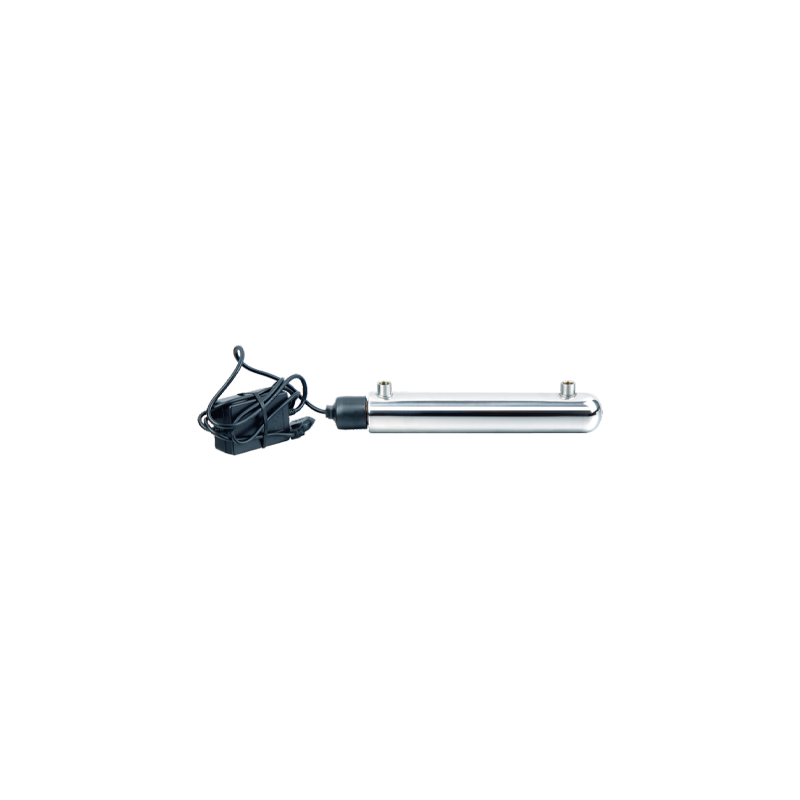 UV11W High-efficiency Intelligent UV Water Sterilizer Cat:Ultraviolet Water Sterilizer
The UV11W High-efficiency Intelligent UV Water Sterilizer is an advanced water purification system that offers convenience and reliability. This steri...
See Details -
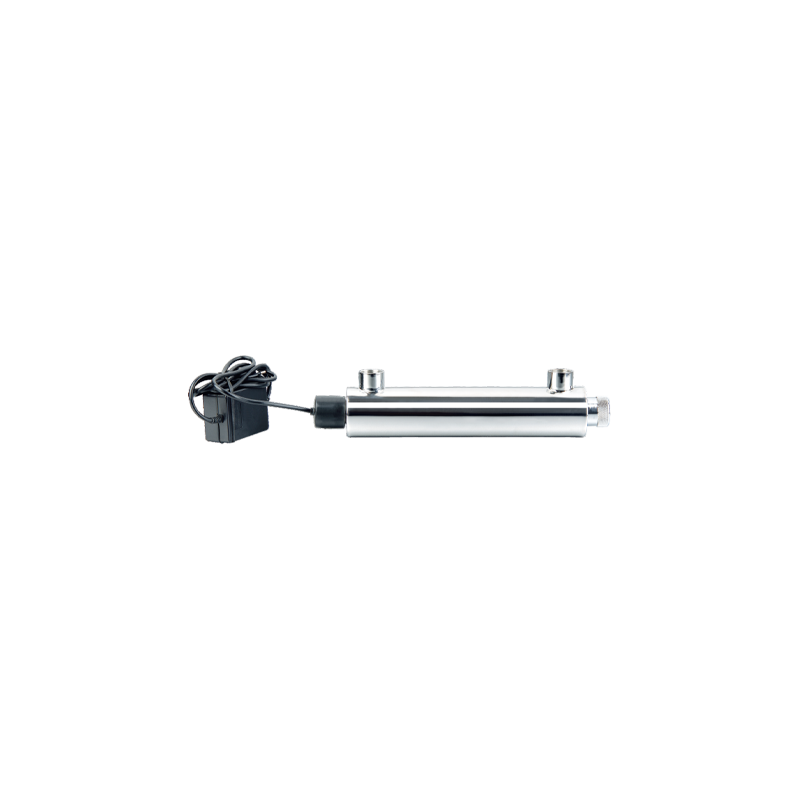 UV16W-A Household Stainless Steel UV Water Sterilizer Cat:Ultraviolet Water Sterilizer
The UV16W-A Household Stainless Steel UV Water Sterilizer is an innovative solution for ensuring safe and pure water in your home. Designed with durab...
See Details -
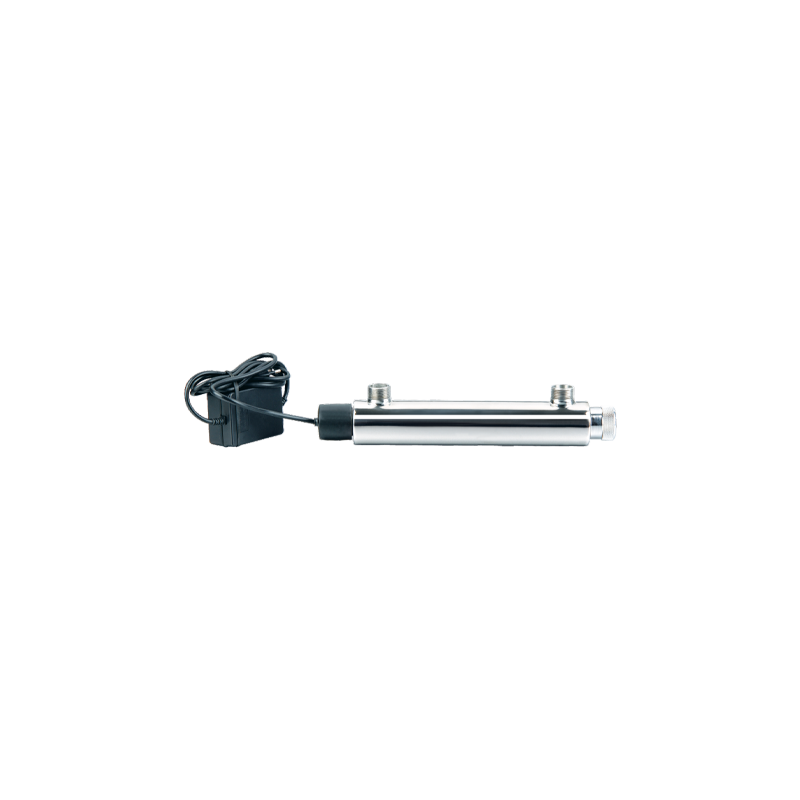 UV16W-B 304 Stainless Steel Water Purifier Ultraviolet Water Sterilizer Cat:Ultraviolet Water Sterilizer
UV16W-B 304 Stainless Steel Water Purifier Ultraviolet Water Sterilizer is an efficient water treatment equipment based on advanced ultraviolet disinf...
See Details -
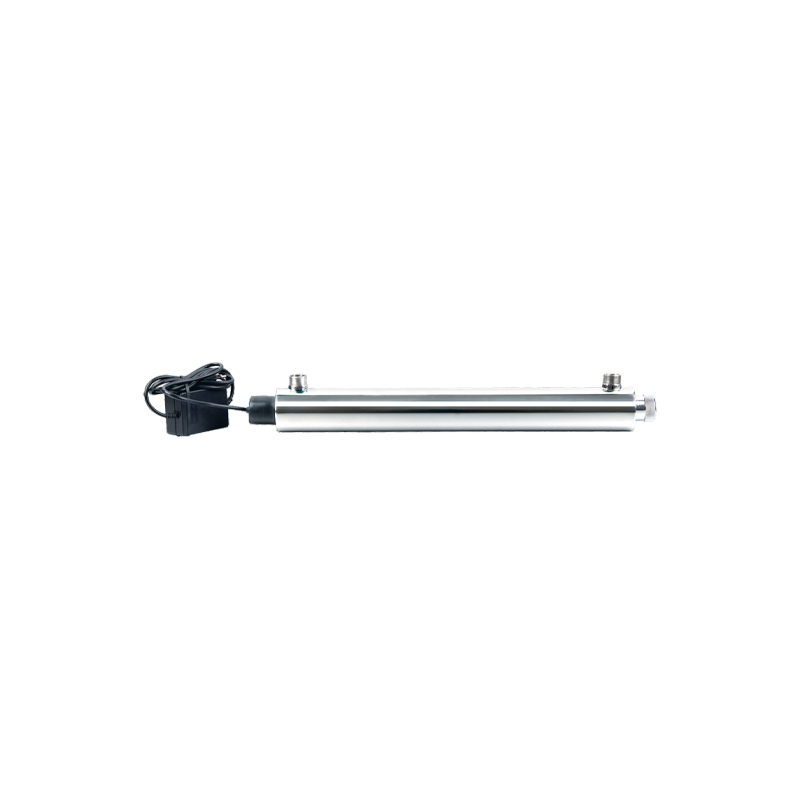 UV25W Stainless Steel Ultrafiltration Pre-Filtration UV Sterilizers For Water Cat:Ultraviolet Water Sterilizer
UV25W Stainless Steel Ultrafiltration Pre-Filtration UV Sterilizers For Water uses high-quality stainless steel materials, which have superb corrosion...
See Details -
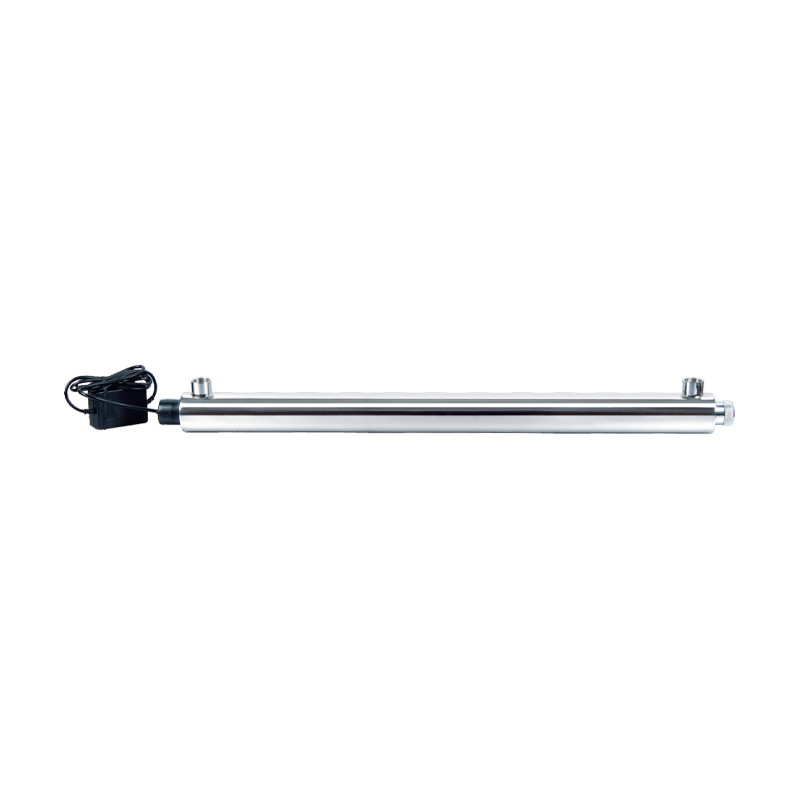 UV30W-55W Automatic Ultraviolet Sterilizer UV Filtration For Drinking Water Cat:Ultraviolet Water Sterilizer
The core advantage of UV30W-55W Automatic Ultraviolet Sterilizer UV Filtration For Drinking Water lies in its efficient and rapid disinfection capabil...
See Details -
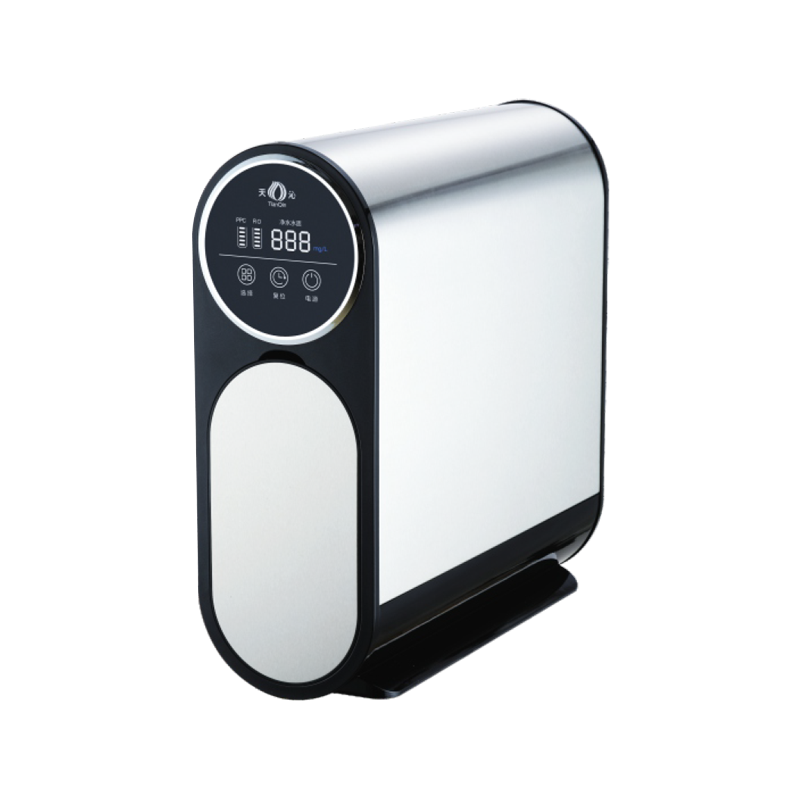 TQ-R03 Stainless Steel Booster Double Water Full Effect RO Water Purifier Cat:Stainless Steel Ro System
TQ-R03 Stainless Steel Booster Double Water Full Effect RO Water Purifier is a household water purification device that combines efficient water purif...
See Details -
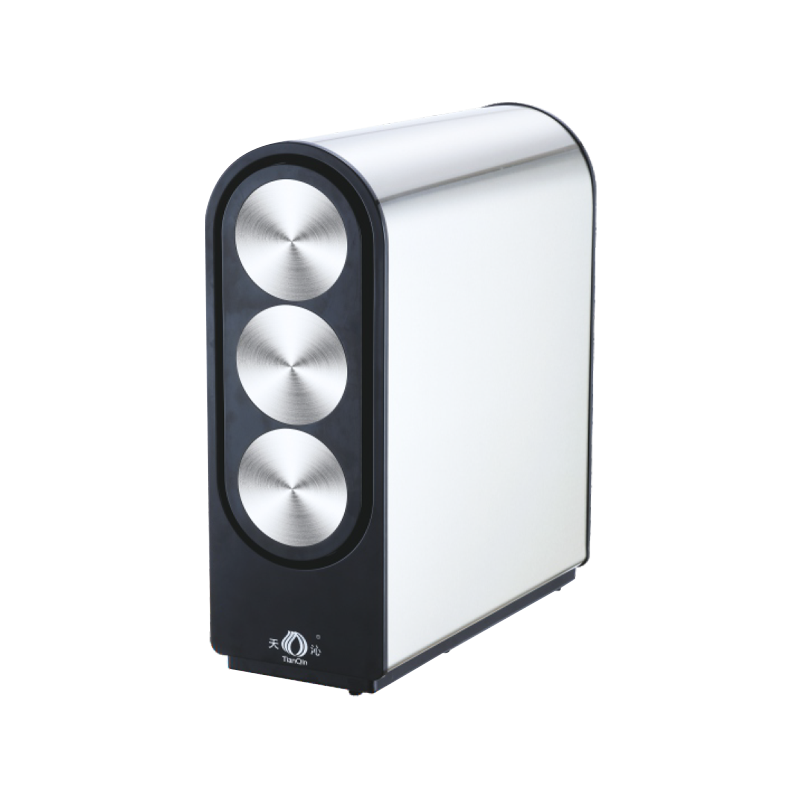 TQ-R05 Multifunctional Water Purification Source RO Water Purifier Cat:Stainless Steel Ro System
The TQ-R05 Multifunctional Water Purification Source RO Water Purifier is an advanced, versatile water purification solution designed for households a...
See Details -
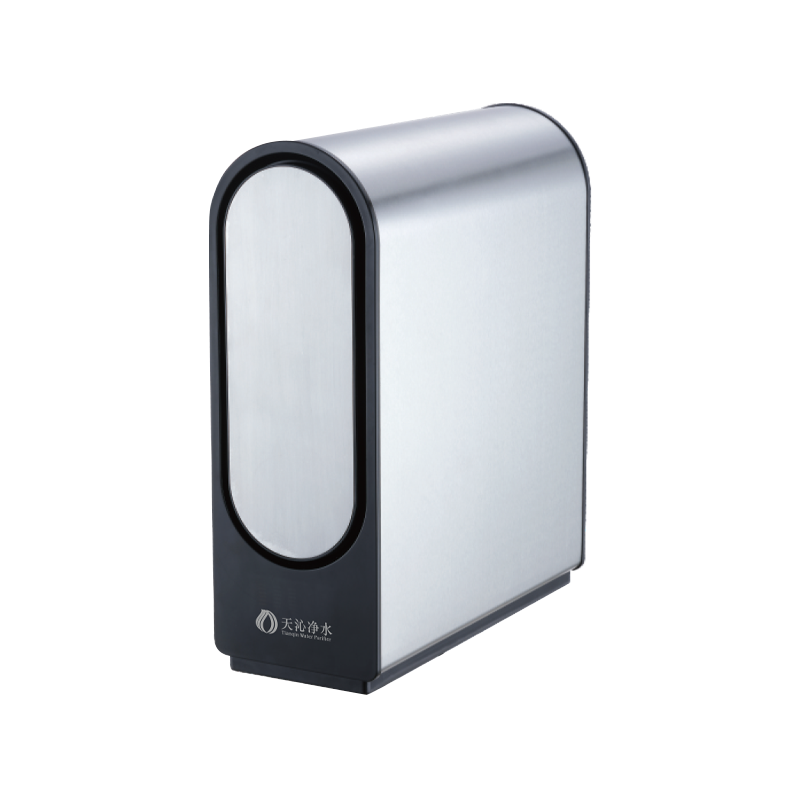 TQ-R06 Stainless Steel Environmentally Friendly RO Water Purifier Cat:Stainless Steel Ro System
The TQ-R06 Stainless Steel Environmentally Friendly RO Water Purifier combines advanced RO filtration technology, durable stainless steel housing, and...
See Details -
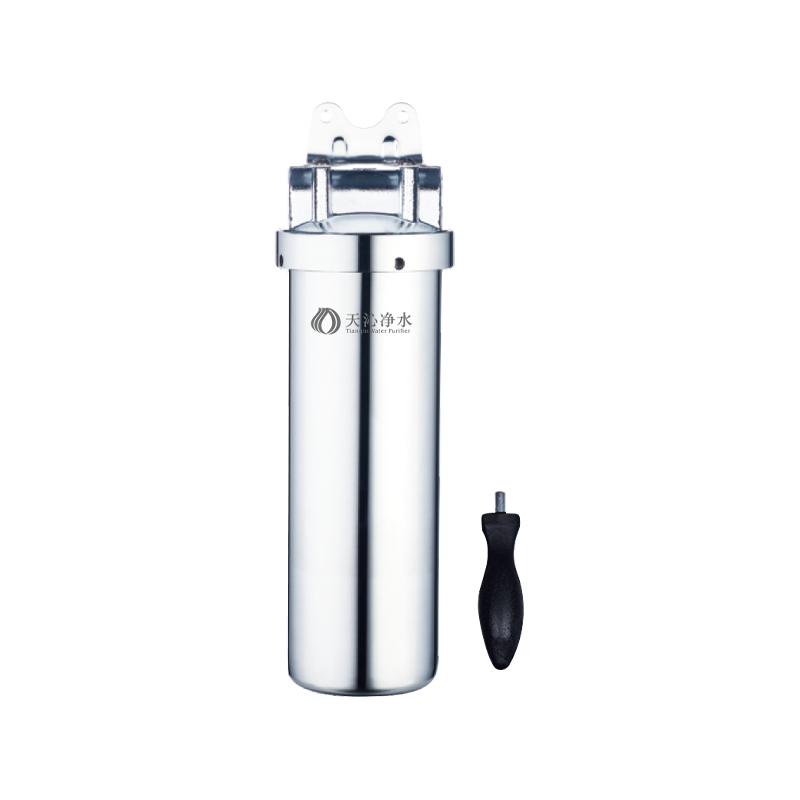 Stainless Steel Pure Double Water Pipe Water Purifier Cat:Stainless Steel Pipeline Water Purifier
The Stainless Steel Pure Double Water Pipe Water Purifier is an advanced water purification system designed to provide dual-mode purified water with e...
See Details -
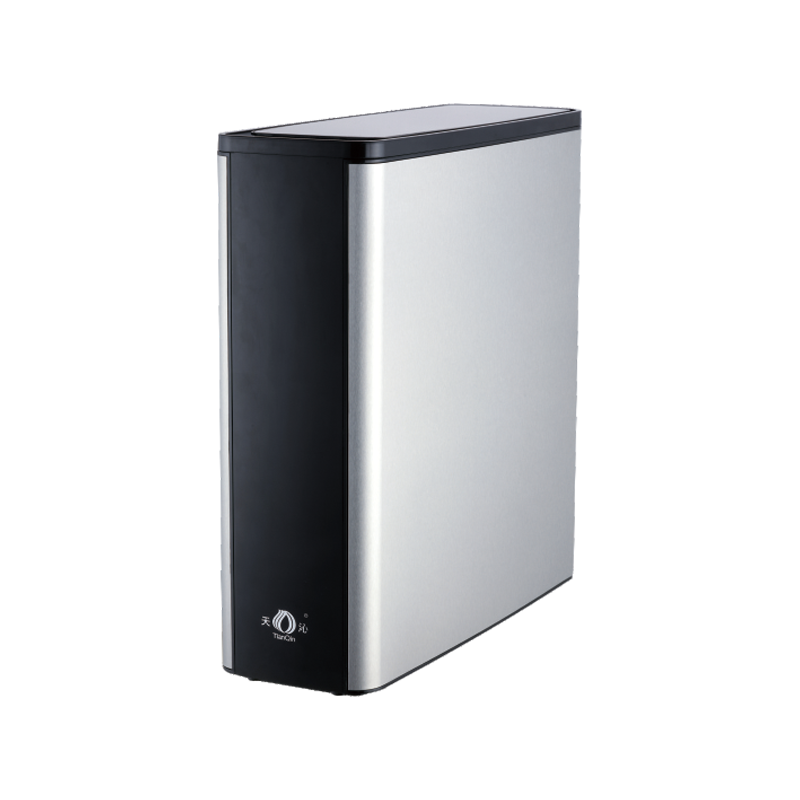 TQ-R08 Stainless Steel High-Flow RO Water Filter Cat:Stainless Steel Ro System
The Stainless Steel High-Flow RO Water Filter (TQ-R08) provides a powerful and effective solution for purifying drinking water, combining advanced rev...
See Details


 +86-0574-62381077/62386875

Which Is Better: RO or UV or UF? The Ultimate Water Purifier Comparison Guide
There is no single "best" technology — RO is better for high-TDS or heavy-metal-contaminated water, UV is better for otherwise-clean water with microbial risk, and UF is better for low-TDS water where the goal is removing bacteria and sediment without wasting water or electricity. The right choice depends almost entirely on what's actually in your water supply, not on which technology sounds the most advanced.
Below, we break down exactly how each system works, what each one does and doesn't remove, how to match a system to your water source, and when combining technologies is worth the added cost.
Content
How Each Technology Actually Works
All three systems treat water differently at a mechanical level, and that difference is the reason each one is suited to a different kind of contamination.
Reverse Osmosis (RO)
An RO system uses a semi-permeable membrane with an effective pore size around 0.0001 microns — roughly 1,000 times finer than a standard sediment filter. A pump forces water through this membrane under pressure, and only water molecules pass through while dissolved salts, heavy metals, and most organic compounds are rejected and flushed away as wastewater.
Ultraviolet (UV) Sterilization
A UV system passes water through a chamber containing a lamp emitting light at roughly 254 nanometers, a wavelength that damages the DNA and RNA of bacteria, viruses, and parasites so they can no longer reproduce. UV disinfects rather than filters — it doesn't physically remove anything from the water, it just neutralizes living organisms already present.
Ultrafiltration (UF)
A UF system uses a hollow-fiber membrane with pores typically between 0.01 and 0.1 microns — much larger than an RO membrane but fine enough to physically block bacteria, cysts, and suspended particles. Water is pushed through at relatively low pressure, meaning most UF systems can run on ordinary tap pressure without electricity or a pump.
What Each System Removes and What It Leaves Behind
Pore size and mechanism directly determine which contaminants each technology can handle, which is the single most important factor in choosing between them.
| Contaminant Type | RO | UV | UF |
|---|---|---|---|
| Dissolved salts / TDS | Yes | No | No |
| Heavy metals (lead, arsenic, fluoride) | Yes | No | No |
| Bacteria and viruses | Yes | Yes | Bacteria yes, viruses limited |
| Suspended solids / turbidity | Yes | No | Yes |
| Natural minerals retained | No | Yes | Yes |
| Requires electricity | Yes | Yes | Usually no |
UV kills microorganisms but removes nothing dissolved or solid from the water — a UV lamp will not touch lead, fluoride, or arsenic no matter how effective it is against pathogens. That single limitation is why UV is almost always paired with another filtration stage rather than used on its own for whole-house treatment.
Matching the System to Your Water Source
TDS level is the practical starting point for this decision, since it tells you immediately whether dissolved contaminants are even a factor.
- TDS above 300 ppm (common in borewell, well, or groundwater) — choose RO. This is the only technology fine enough to meaningfully reduce dissolved salts and heavy metals at this concentration.
- TDS below 200-300 ppm, treated municipal supply, microbial concern — choose UV. Municipal water is usually already low in dissolved solids, so the remaining risk is typically bacterial rather than chemical.
- Low TDS, visible sediment or cloudiness, no electricity available — choose UF. It handles suspended particles and most bacteria without a power source or wasted water.
- TDS above 500 ppm or uncertain water quality — choose a combined RO+UV+UF system, since a single technology won't cover both the dissolved-solids risk and the microbial risk at that contamination level.
Testing your water's actual TDS reading before buying anything is the single most useful step in this whole decision — it turns a vague "which is better" question into a straightforward match against the table above.
Trade-Offs Worth Knowing Before You Buy
Each technology's strength comes with a corresponding cost, and these trade-offs often matter as much as raw filtration performance.
RO Wastes Water and Strips Minerals
Because RO rejects contaminants into a separate discharge stream, a meaningful portion of input water is lost as wastewater with every gallon produced. RO also removes beneficial minerals along with the harmful ones, which is why many modern RO systems add a mineralizer or TDS adjuster afterward to restore taste and nutritional content.
UV Offers No Backup Against Chemical Contamination
A UV system provides no protection at all against fluoride, arsenic, pesticides, or industrial runoff. It also requires the lamp to be replaced on a schedule (typically annually) and needs a consistent power supply to function — a power outage means zero disinfection, silently.
UF Has Limited Virus Protection
Because UF pores are roughly 100 to 1,000 times larger than RO pores, some smaller viruses can pass through a UF membrane that would be blocked by RO. UF is a strong barrier against bacteria and cysts but is generally considered less reliable against viruses specifically, which matters most for water sources with known viral contamination risk.
When Combining Technologies Makes Sense
In practice, many modern home systems don't force a single-technology choice at all — they layer RO, UV, and UF to cover each other's blind spots.
- RO handles the heavy lifting, removing dissolved solids, heavy metals, and chemical contaminants that neither UV nor UF can touch.
- UV acts as a secondary safeguard, killing any microorganisms that survive the membrane stage or that grow in a storage tank between uses.
- UF often runs upstream as pretreatment, removing sediment and biological material before it reaches the RO membrane — a step that meaningfully extends RO membrane life by reducing fouling.
A combined RO+UV+UF system is the closest thing to a universal solution, but it's genuinely unnecessary overkill for a household on clean, low-TDS municipal water — in that case, a simpler UV or UF unit does the job without the added wastewater, cost, and maintenance of a full RO setup.
Maintenance to Expect From Each System
Ongoing upkeep differs meaningfully between the three technologies and should factor into the buying decision, not just upfront cost.
- RO systems need periodic sediment and carbon pre-filter replacement plus membrane replacement roughly every 2 to 3 years, depending on feed water quality and usage.
- UV systems need the lamp replaced on a fixed schedule, typically every 12 months, regardless of how the water looks or tastes, since UV output degrades gradually and invisibly.
- UF membranes generally have the longest service life of the three, often rated for 3 to 7 years, and require less frequent intervention overall.
Whichever system you choose, sticking to the manufacturer's replacement schedule matters more than the brand or price point — a neglected filter or an expired UV lamp can leave water looking and tasting fine while quietly failing to do its job.
-
 Tel: +86-0574-62381077/62386875
-
 E-mail: leozhanglei@nbtianqin.net
-
 Add: Wuma Industrial Zone, Lubu Town, Yuyao City, Zhejiang Province, China.
Copyright © 2024 by Yuyao Tianqin Water Purification Equipment Co..Ltd.
All Rights Reserved.
 Wholesale Water Purifier Manufacturers

