 English
 中文简体
中文简体-
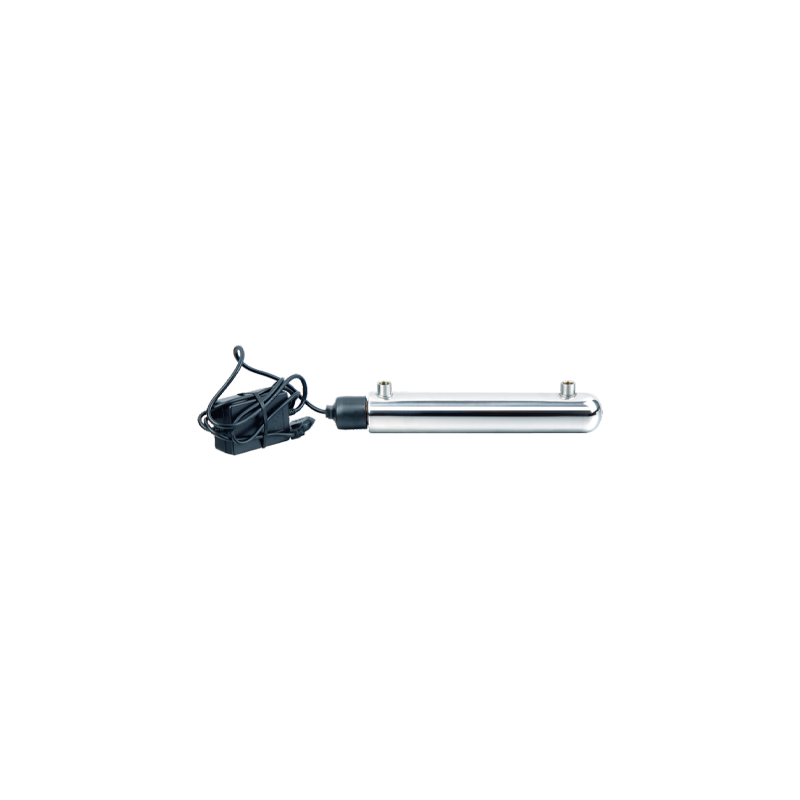 UV11W High-efficiency Intelligent UV Water Sterilizer Cat:Ultraviolet Water Sterilizer
The UV11W High-efficiency Intelligent UV Water Sterilizer is an advanced water purification system that offers convenience and reliability. This steri...
See Details -
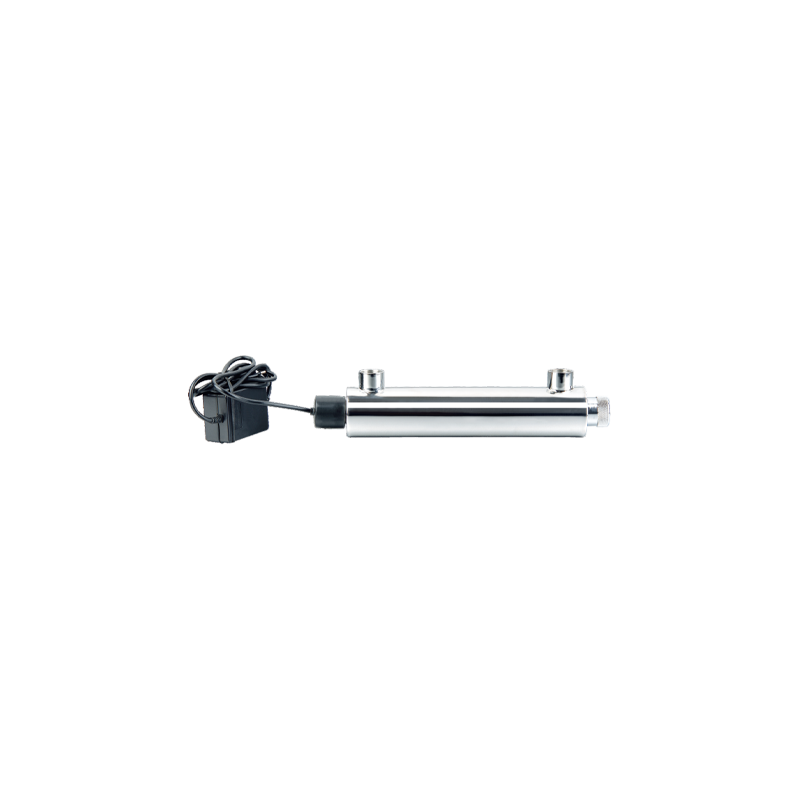 UV16W-A Household Stainless Steel UV Water Sterilizer Cat:Ultraviolet Water Sterilizer
The UV16W-A Household Stainless Steel UV Water Sterilizer is an innovative solution for ensuring safe and pure water in your home. Designed with durab...
See Details -
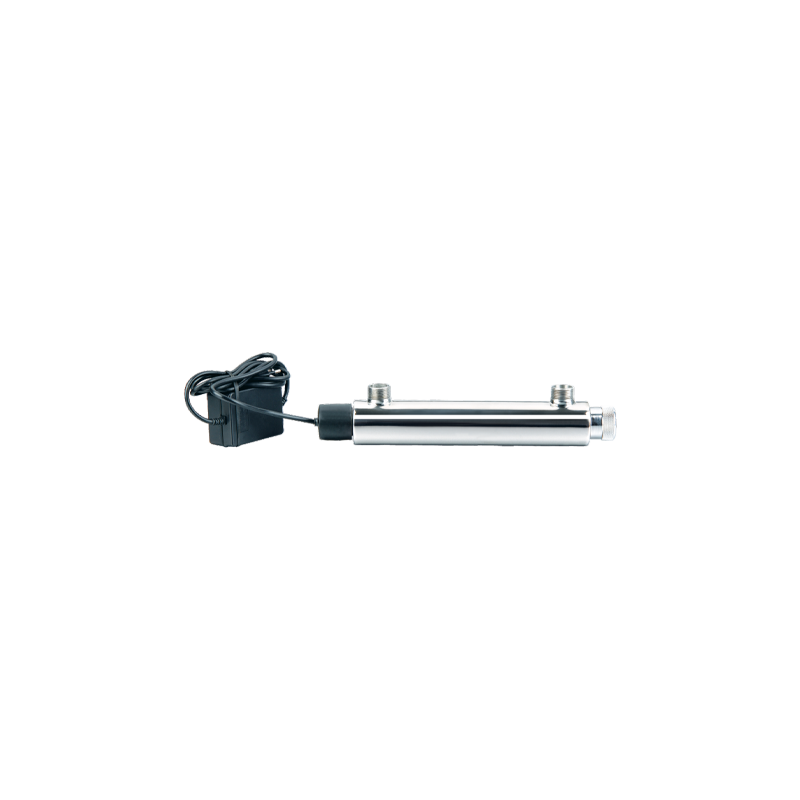 UV16W-B 304 Stainless Steel Water Purifier Ultraviolet Water Sterilizer Cat:Ultraviolet Water Sterilizer
UV16W-B 304 Stainless Steel Water Purifier Ultraviolet Water Sterilizer is an efficient water treatment equipment based on advanced ultraviolet disinf...
See Details -
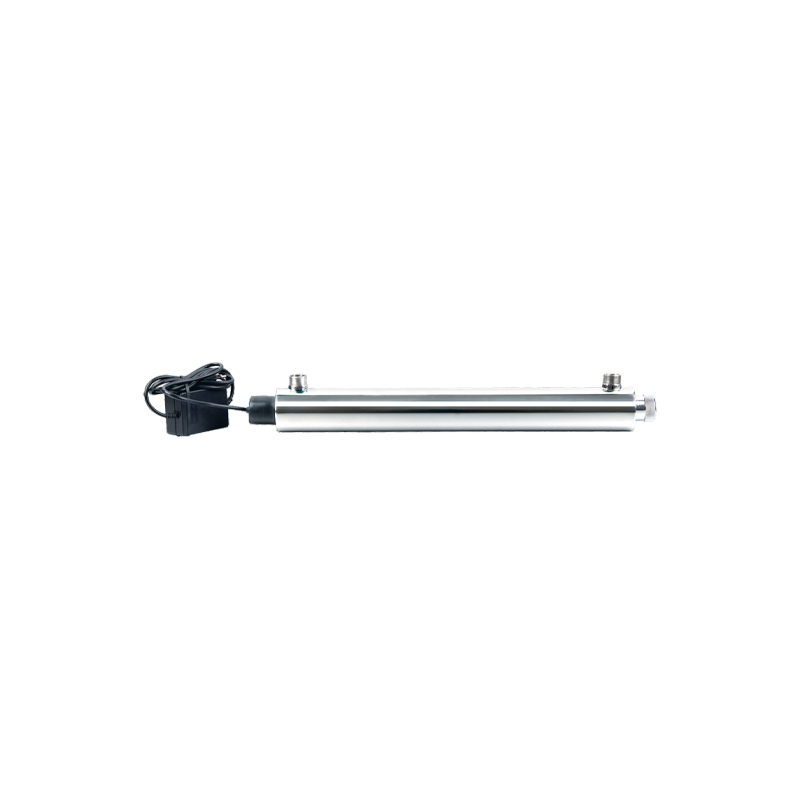 UV25W Stainless Steel Ultrafiltration Pre-Filtration UV Sterilizers For Water Cat:Ultraviolet Water Sterilizer
UV25W Stainless Steel Ultrafiltration Pre-Filtration UV Sterilizers For Water uses high-quality stainless steel materials, which have superb corrosion...
See Details -
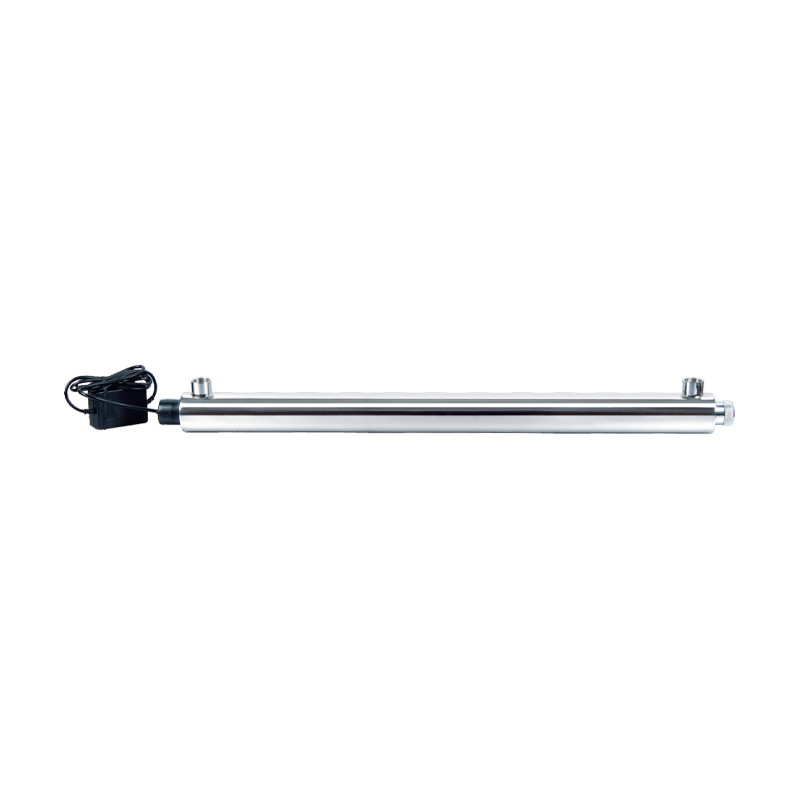 UV30W-55W Automatic Ultraviolet Sterilizer UV Filtration For Drinking Water Cat:Ultraviolet Water Sterilizer
The core advantage of UV30W-55W Automatic Ultraviolet Sterilizer UV Filtration For Drinking Water lies in its efficient and rapid disinfection capabil...
See Details -
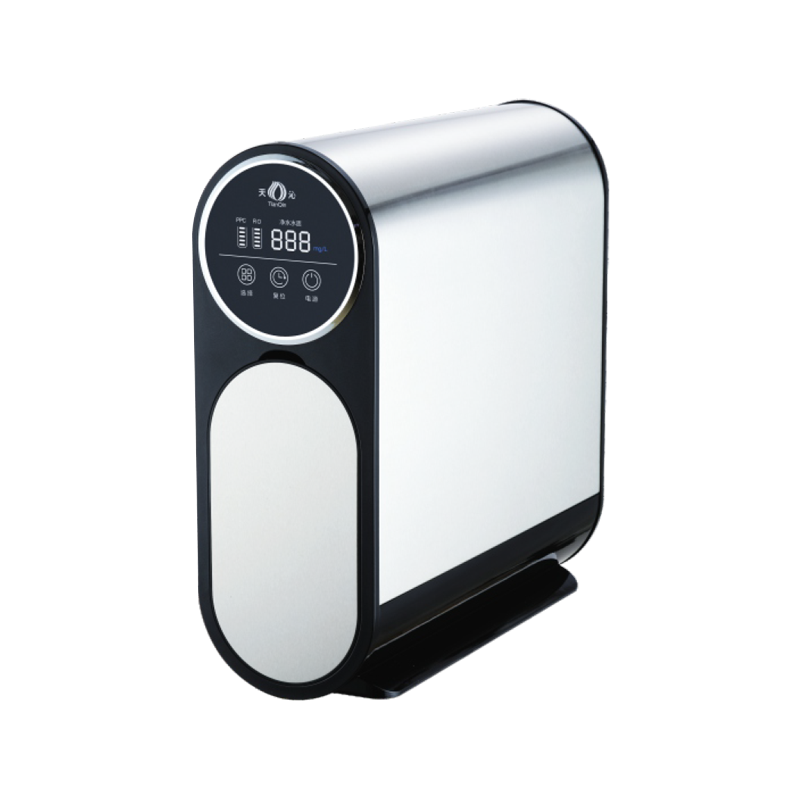 TQ-R03 Stainless Steel Booster Double Water Full Effect RO Water Purifier Cat:Stainless Steel Ro System
TQ-R03 Stainless Steel Booster Double Water Full Effect RO Water Purifier is a household water purification device that combines efficient water purif...
See Details -
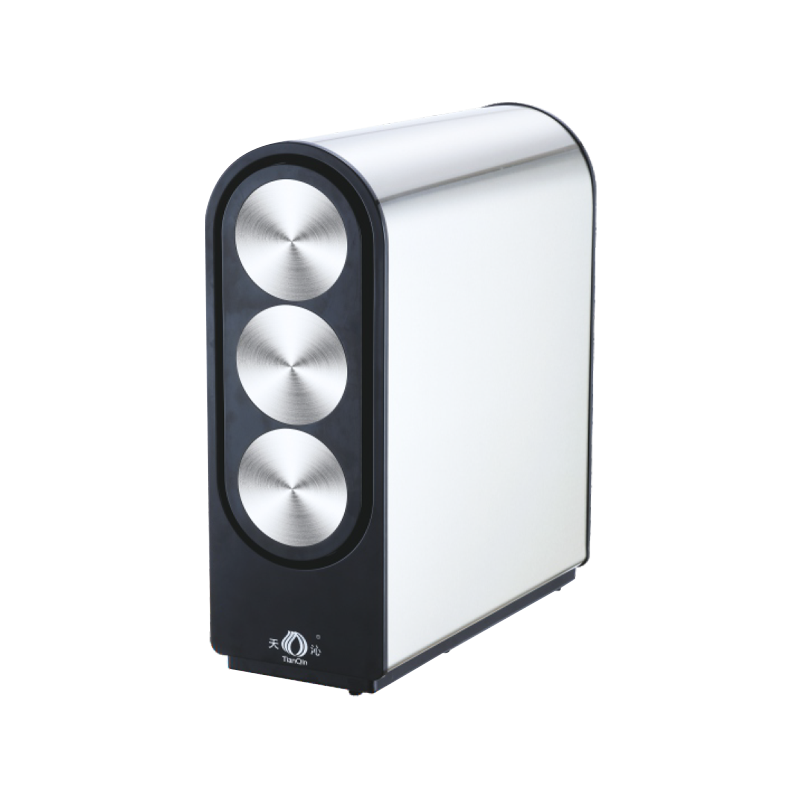 TQ-R05 Multifunctional Water Purification Source RO Water Purifier Cat:Stainless Steel Ro System
The TQ-R05 Multifunctional Water Purification Source RO Water Purifier is an advanced, versatile water purification solution designed for households a...
See Details -
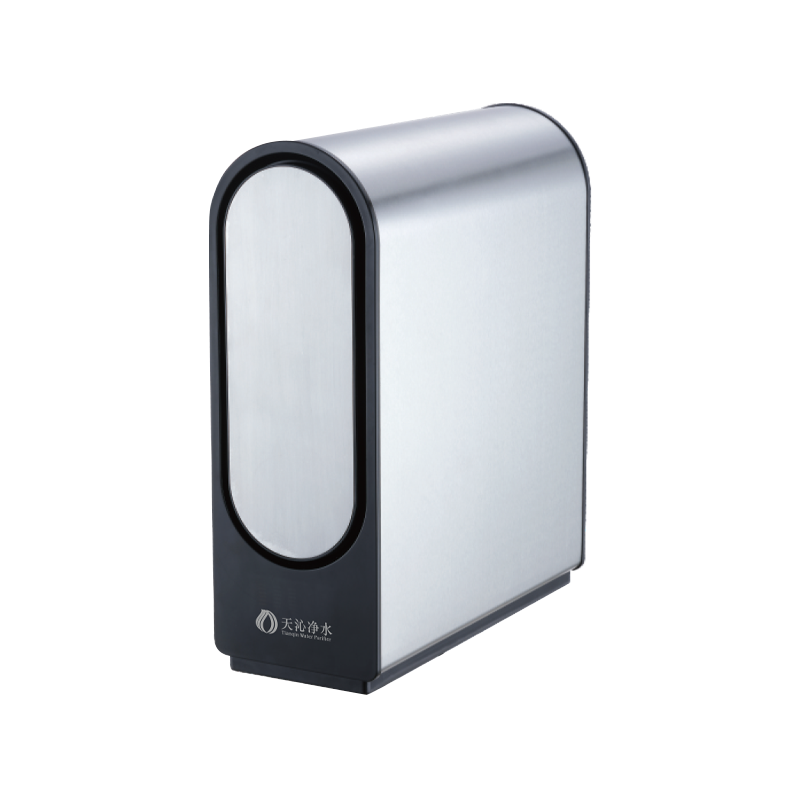 TQ-R06 Stainless Steel Environmentally Friendly RO Water Purifier Cat:Stainless Steel Ro System
The TQ-R06 Stainless Steel Environmentally Friendly RO Water Purifier combines advanced RO filtration technology, durable stainless steel housing, and...
See Details -
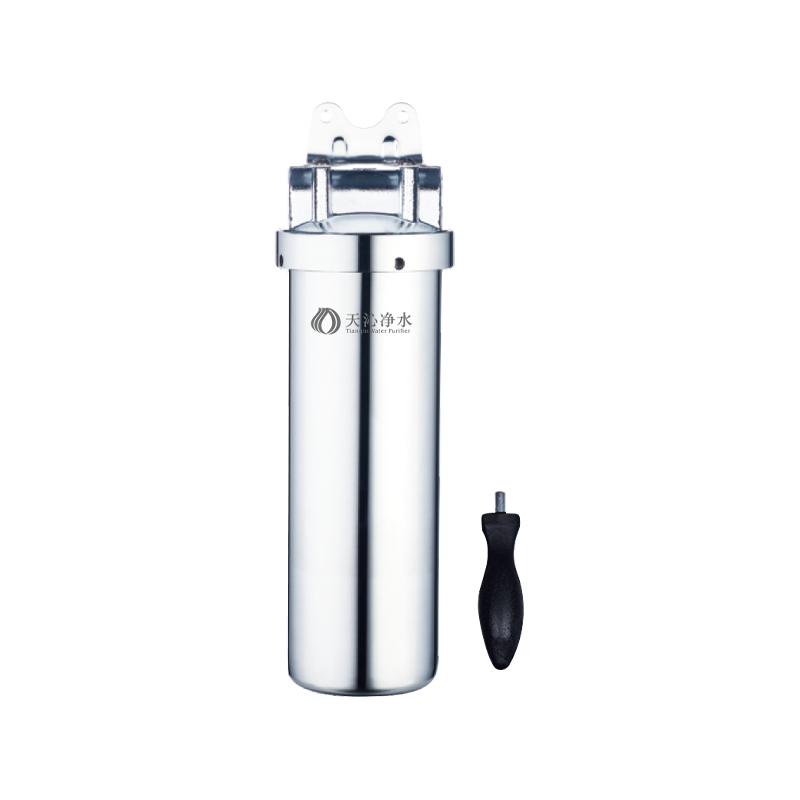 Stainless Steel Pure Double Water Pipe Water Purifier Cat:Stainless Steel Pipeline Water Purifier
The Stainless Steel Pure Double Water Pipe Water Purifier is an advanced water purification system designed to provide dual-mode purified water with e...
See Details -
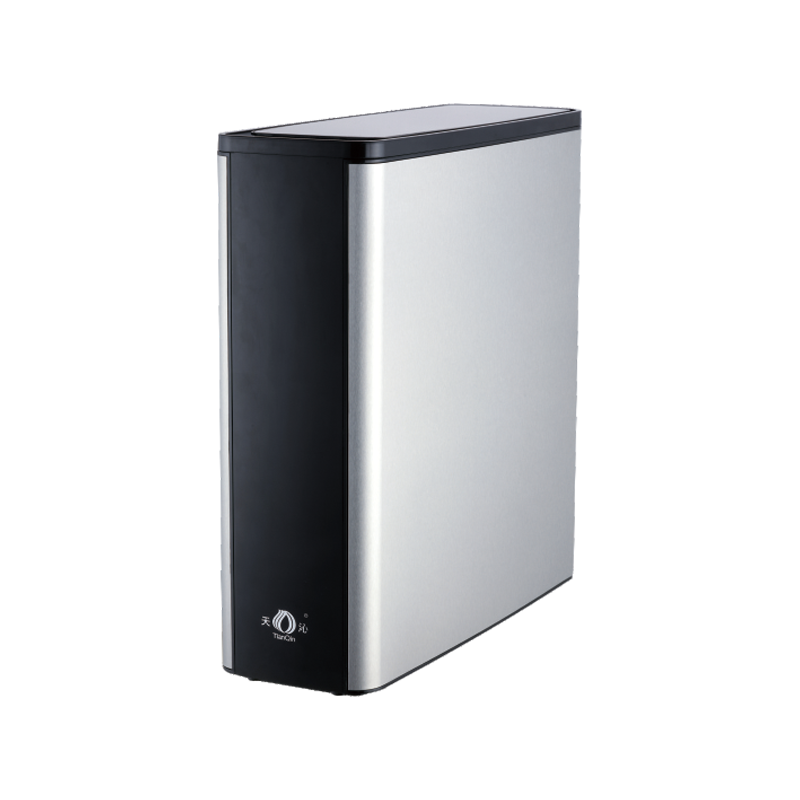 TQ-R08 Stainless Steel High-Flow RO Water Filter Cat:Stainless Steel Ro System
The Stainless Steel High-Flow RO Water Filter (TQ-R08) provides a powerful and effective solution for purifying drinking water, combining advanced rev...
See Details


 +86-0574-62381077/62386875

Do UV Water Purifiers Really Work? Yes, But Here’s What You Must Know First
Content
- 1 Do UV Water Purifiers Really Work? Yes — Here's the Direct Answer
- 2 How Ultraviolet Water Sterilizers Actually Kill Pathogens
- 3 The Evidence: What Independent Testing Shows
- 4 What UV Water Purifiers Cannot Do
- 5 UV vs. Reverse Osmosis vs. Carbon Filtration: Which Do You Need?
- 6 Maintenance: The Real Cost of Keeping UV Effective
- 7 Is a UV Water Purifier Right for Your Situation?
Do UV Water Purifiers Really Work? Yes — Here's the Direct Answer
Yes, UV water purifiers work. When properly sized and maintained, an ultraviolet water sterilizer inactivates 99.99% of bacteria, viruses, and protozoa in drinking water by damaging their DNA so they can no longer reproduce or cause infection. This is not a marketing claim — it's the result standard set by the U.S. EPA's Guide Standard and Protocol for testing microbiological water purifiers, which requires a 6-log (99.9999%) reduction for bacteria, 4-log (99.99%) for viruses, and 3-log (99.9%) for protozoan cysts like Giardia and Cryptosporidium.
But "it works" comes with an important condition: UV only kills living microorganisms — it does nothing for chemicals, heavy metals, or dissolved solids. That single fact shapes almost everything else in this article, so keep it in mind as you read on.
How Ultraviolet Water Sterilizers Actually Kill Pathogens
A UV water purifier pushes water through a sealed chamber containing a germicidal UV-C lamp, typically operating at a wavelength around 254 nanometers. This specific wavelength range (roughly 250–270 nm) is strongly absorbed by the nucleic acids inside microbial cells. The light penetrates the cell wall of bacteria, viruses, and protozoa and scrambles their DNA and RNA, which prevents the organism from replicating. A pathogen that can't reproduce can't establish an infection in the human body, even if it's technically still present in the water.
This is fundamentally different from chlorination or filtration. Chlorine works chemically, adding a disinfectant residual that keeps working after treatment. Filtration works physically, straining organisms out. UV works optically — it disinfects but adds nothing to the water and removes nothing from it, which is why it's often marketed as a chemical-free method.
Why the dose matters more than the lamp
Disinfection performance is a function of UV intensity multiplied by exposure time — together called the "UV dose," measured in millijoules per square centimeter (mJ/cm²). A lab study using UV-C irradiation at 40 mJ/cm² and a flow rate of 3.4 liters per minute achieved measurable disinfection of both Shigella flexneri and Listeria monocytogenes at concentrations up to 10⁸ CFU per 4 liters of water. In simpler terms: a stronger lamp pushing water through too quickly can underdose the water just as easily as a weak lamp can, so flow rate and lamp output have to be matched to the specific system's design.
The Evidence: What Independent Testing Shows
Claims about UV effectiveness aren't just theoretical — they've been tested against real pathogens under controlled conditions. Here's a summary of documented results from published studies and EPA-protocol testing.
| Pathogen Type | Test Result | Source Context |
|---|---|---|
| E. coli | 99.99% inactivation (LRV4) | UVC LED cap system, municipal water |
| P. aeruginosa & V. cholerae | 99.9% inactivation (LRV3) | Same UVC LED cap system |
| Bacteria (general, EPA standard) | 99.9999% reduction (6-log) | EPA Guide Standard and Protocol |
| Viruses (general, EPA standard) | 99.99% reduction (4-log) | EPA Guide Standard and Protocol |
| Giardia & Cryptosporidium | 99.9% reduction (3-log) | EPA Guide Standard and Protocol |
| E. coli (high flow rate) | >99.99998% reduction | University of Arizona test, 500 GPH flow |
One notable finding from a peer-reviewed bacterial study is that different pathogens respond differently over time after UV exposure. Listeria monocytogenes showed peak physiological damage around the 4-hour mark before partially recovering, while Shigella flexneri died off more gradually and consistently. This tells us UV disinfection isn't a uniform "on/off" switch — it's a damage process that varies by organism, which is exactly why the EPA sets different log-reduction requirements for bacteria, viruses, and protozoa rather than a single blanket number.
What UV Water Purifiers Cannot Do
This is the part of the "do UV purifiers work" question that gets left out of most sales pages. UV disinfection only affects living organisms. It has zero effect on anything that isn't biological.
- Heavy metals such as lead, arsenic, and iron pass through completely untouched
- Chlorine, chloramines, PFAS, and volatile organic compounds (VOCs) are not removed or reduced
- Total dissolved solids (TDS) — salts, minerals, and other dissolved substances — pass through unchanged
- Sediment, silt, and suspended particles are not filtered out
- Taste, odor, and water hardness are unaffected
- Pesticides and pharmaceuticals remain in the water after UV treatment
There's also a structural limitation worth understanding: UV provides no disinfectant residual. Once water leaves the UV chamber, the treatment effect is gone. If a pathogen enters the plumbing downstream of the UV unit — through a cracked pipe, a contaminated storage tank, or a dirty faucet aerator — UV offers no ongoing protection the way chlorine's lingering residual does.
Cloudy water blocks UV light
For UV to reach and damage a pathogen's DNA, the light has to physically strike it. Turbid or cloudy water can shield microorganisms from UV exposure, letting them survive treatment. Most manufacturers recommend water clarity under 1 NTU (nephelometric turbidity unit) for reliable performance, along with iron below 0.3 ppm and manganese below 0.05 ppm, since these minerals can coat the quartz sleeve around the lamp and block light transmission over time.
UV vs. Reverse Osmosis vs. Carbon Filtration: Which Do You Need?
A common misconception is that any single technology can "purify" water completely. In reality, each method has one job. Here's how the three most common household technologies compare.
| Technology | Best At | Does Not Address |
|---|---|---|
| UV Sterilizer | Bacteria, viruses, protozoa | Chemicals, metals, TDS, sediment |
| Reverse Osmosis | Heavy metals, TDS, nitrates, most bacteria | Some viruses; slow flow rate |
| Activated Carbon | Chlorine, VOCs, taste, odor | Living pathogens, heavy metals, TDS |
Because each technology covers a different gap, the most complete home setups layer them together rather than relying on one. A typical whole-house sequence looks like this: a sediment pre-filter removes larger particles, a carbon filter removes chlorine and organic chemicals, an RO membrane removes heavy metals and dissolved solids, and a UV sterilizer acts as the final biological safety step, since it works best on water that's already been clarified by the earlier stages.
Maintenance: The Real Cost of Keeping UV Effective
UV effectiveness isn't a one-time achievement — it depends on ongoing upkeep. A UV lamp gradually loses intensity even if it still lights up, and a system running on a dim lamp may look like it's working while quietly under-dosing the water.
- Replace the UV lamp on schedule — typically every 12 months, regardless of whether it still appears to be lit
- Clean or replace the quartz sleeve periodically, since mineral scale and biofilm buildup block light transmission
- Install and maintain a sediment pre-filter to keep turbidity low ahead of the UV chamber
- Monitor flow rate to ensure it stays within the manufacturer's rated GPM for adequate dose time
- Watch for signs of iron or hardness buildup that could reduce lamp output over time
For budgeting purposes, a mid-sized whole-home UV system runs roughly $900 to $1,000 upfront, with annual bulb replacement costing around $145 to $160. Over a 10-year period, total ownership cost — system plus every bulb replacement — typically lands between $2,400 and $2,700. That's the only recurring cost, since UV doesn't use chemicals or generate wastewater the way some RO systems do.
Is a UV Water Purifier Right for Your Situation?
Whether an ultraviolet water sterilizer is the right choice comes down to one question: what's actually in your water? If a water test shows biological contamination — coliform bacteria, a positive test after a well inspection, or a municipal boil-water advisory history — UV is a strong, evidence-backed fit. If the concern is chemical (chlorine taste, PFAS, arsenic, hardness), UV alone won't solve it.
A useful troubleshooting note for well owners: if a water test comes back positive for bacteria after UV installation, the cause is rarely that "UV doesn't work." More often it traces back to high turbidity after heavy rain, a bypass valve accidentally left open, or recontamination happening downstream — at a faucet aerator or in a storage tank — rather than a failure of the UV disinfection step itself.
The short version: test your water first, then match the technology to the specific contaminants found. UV earns its place as one of the most reliable, chemical-free tools available for biological safety — but it was never designed to be the only tool in the system.
-
 Tel: +86-0574-62381077/62386875
-
 E-mail: leozhanglei@nbtianqin.net
-
 Add: Wuma Industrial Zone, Lubu Town, Yuyao City, Zhejiang Province, China.
Copyright © 2024 by Yuyao Tianqin Water Purification Equipment Co..Ltd.
All Rights Reserved.
 Wholesale Water Purifier Manufacturers

