 English
 中文简体
中文简体-
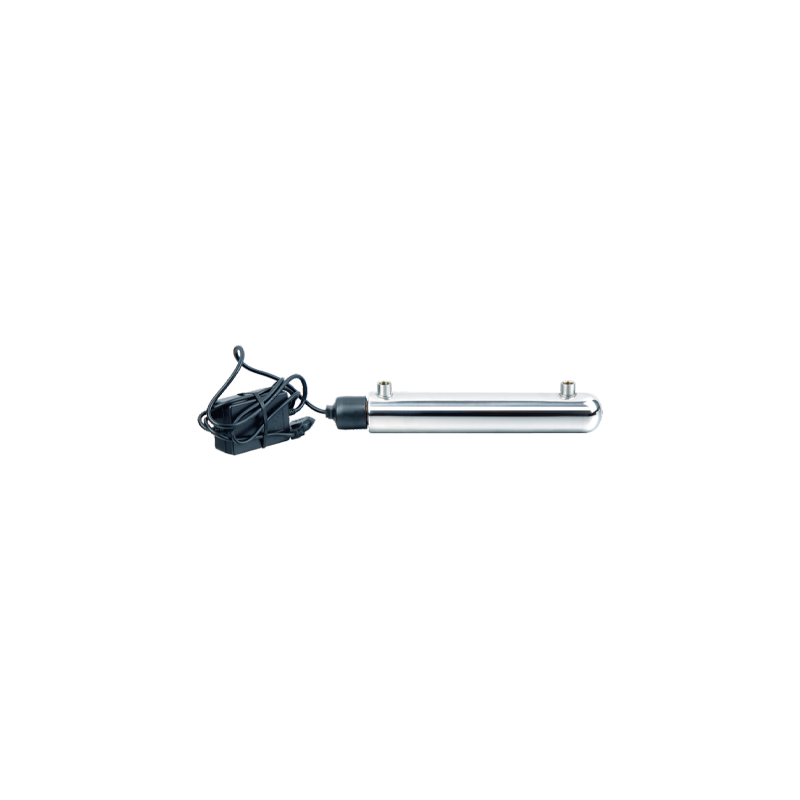 UV11W High-efficiency Intelligent UV Water Sterilizer Cat:Ultraviolet Water Sterilizer
The UV11W High-efficiency Intelligent UV Water Sterilizer is an advanced water purification system that offers convenience and reliability. This steri...
See Details -
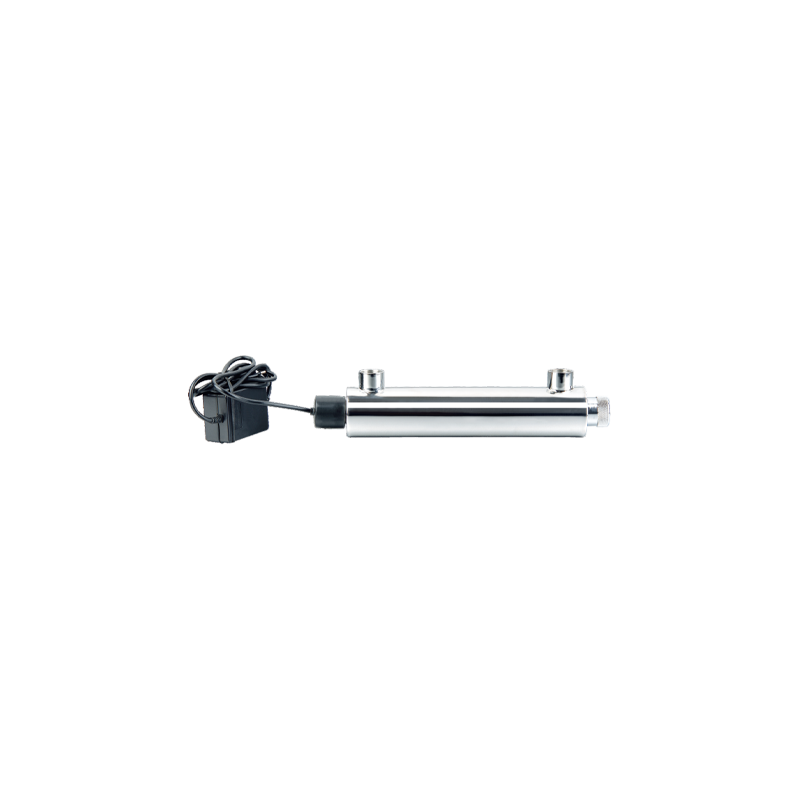 UV16W-A Household Stainless Steel UV Water Sterilizer Cat:Ultraviolet Water Sterilizer
The UV16W-A Household Stainless Steel UV Water Sterilizer is an innovative solution for ensuring safe and pure water in your home. Designed with durab...
See Details -
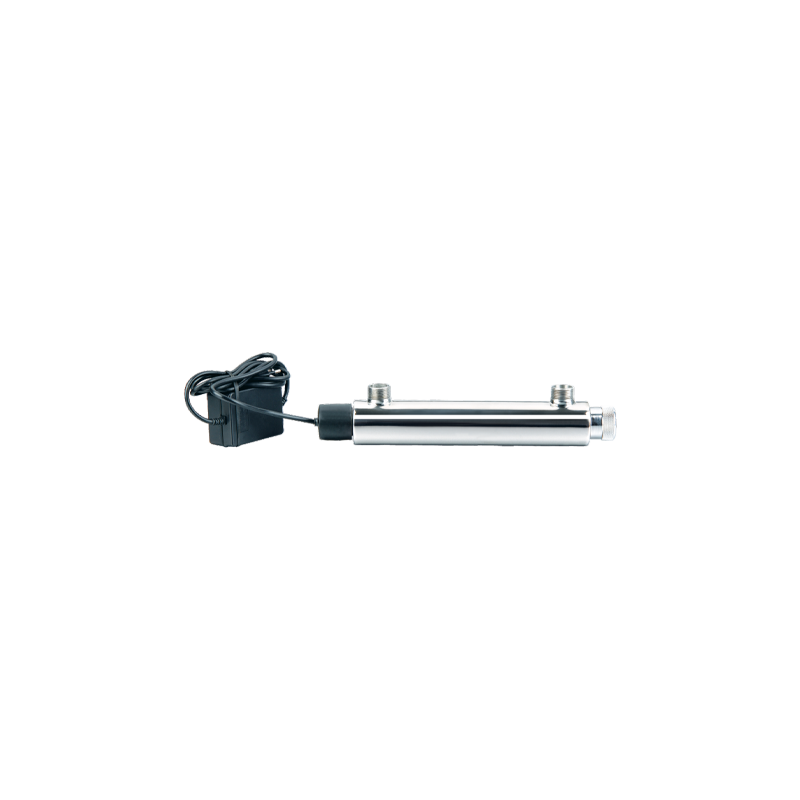 UV16W-B 304 Stainless Steel Water Purifier Ultraviolet Water Sterilizer Cat:Ultraviolet Water Sterilizer
UV16W-B 304 Stainless Steel Water Purifier Ultraviolet Water Sterilizer is an efficient water treatment equipment based on advanced ultraviolet disinf...
See Details -
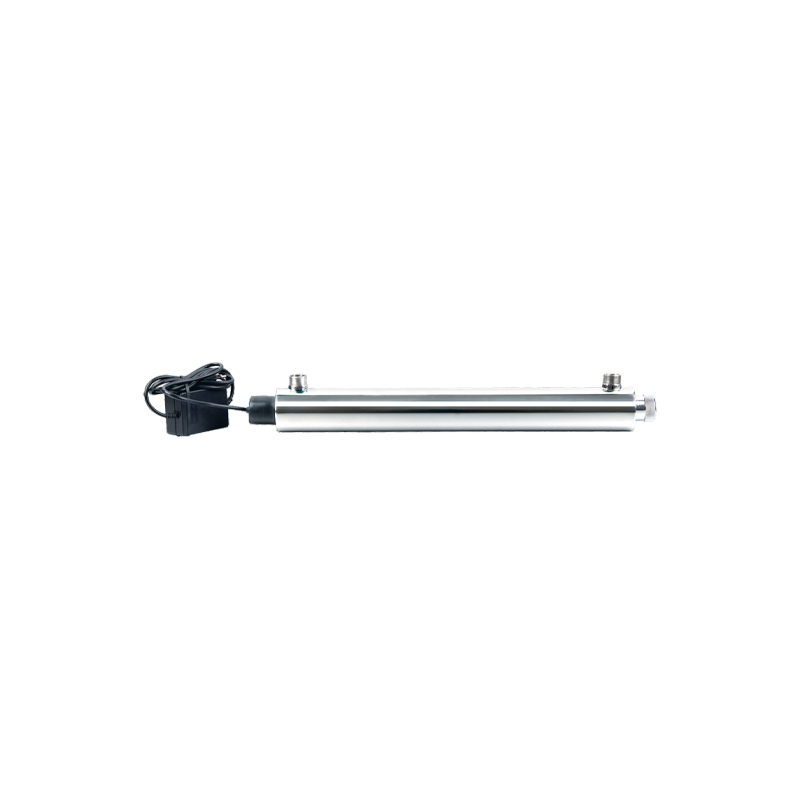 UV25W Stainless Steel Ultrafiltration Pre-Filtration UV Sterilizers For Water Cat:Ultraviolet Water Sterilizer
UV25W Stainless Steel Ultrafiltration Pre-Filtration UV Sterilizers For Water uses high-quality stainless steel materials, which have superb corrosion...
See Details -
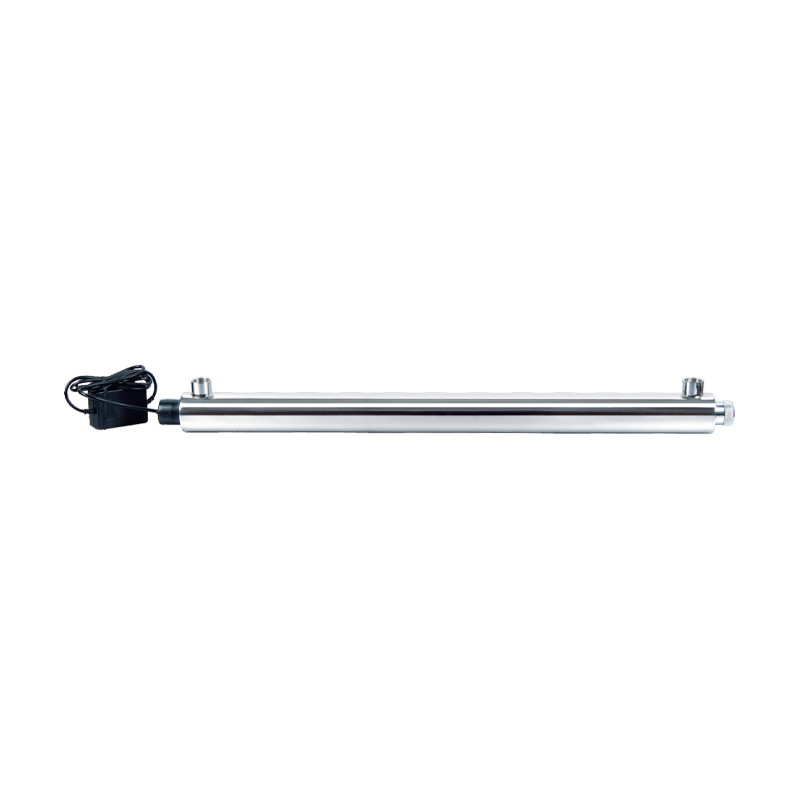 UV30W-55W Automatic Ultraviolet Sterilizer UV Filtration For Drinking Water Cat:Ultraviolet Water Sterilizer
The core advantage of UV30W-55W Automatic Ultraviolet Sterilizer UV Filtration For Drinking Water lies in its efficient and rapid disinfection capabil...
See Details -
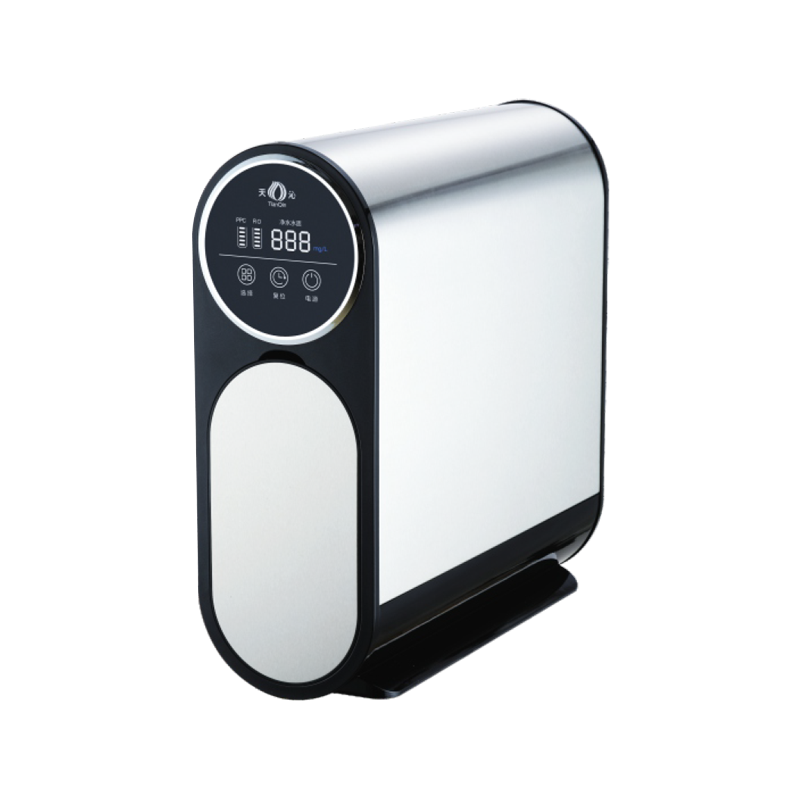 TQ-R03 Stainless Steel Booster Double Water Full Effect RO Water Purifier Cat:Stainless Steel Ro System
TQ-R03 Stainless Steel Booster Double Water Full Effect RO Water Purifier is a household water purification device that combines efficient water purif...
See Details -
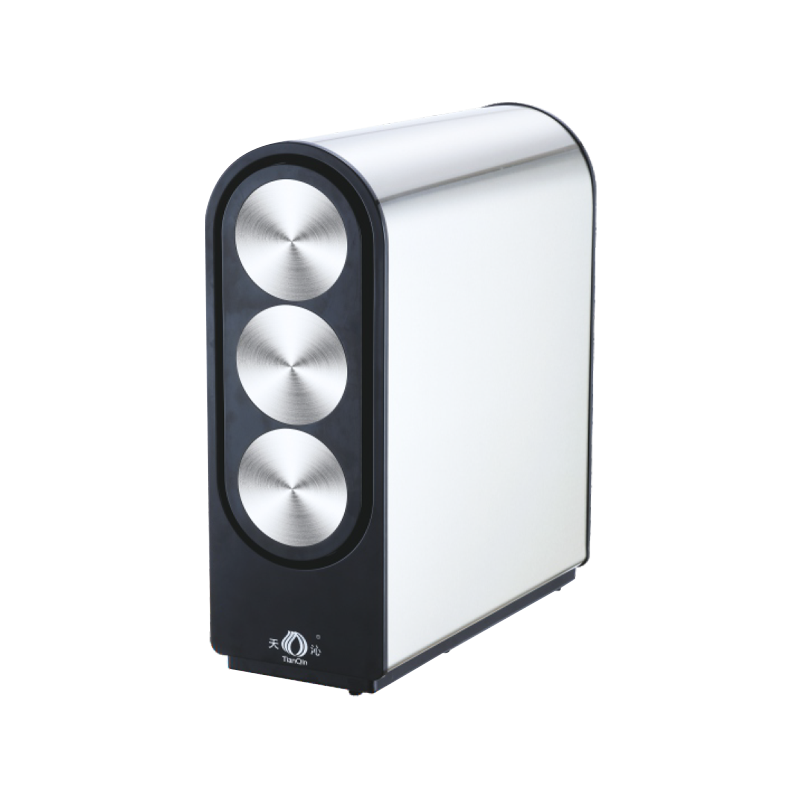 TQ-R05 Multifunctional Water Purification Source RO Water Purifier Cat:Stainless Steel Ro System
The TQ-R05 Multifunctional Water Purification Source RO Water Purifier is an advanced, versatile water purification solution designed for households a...
See Details -
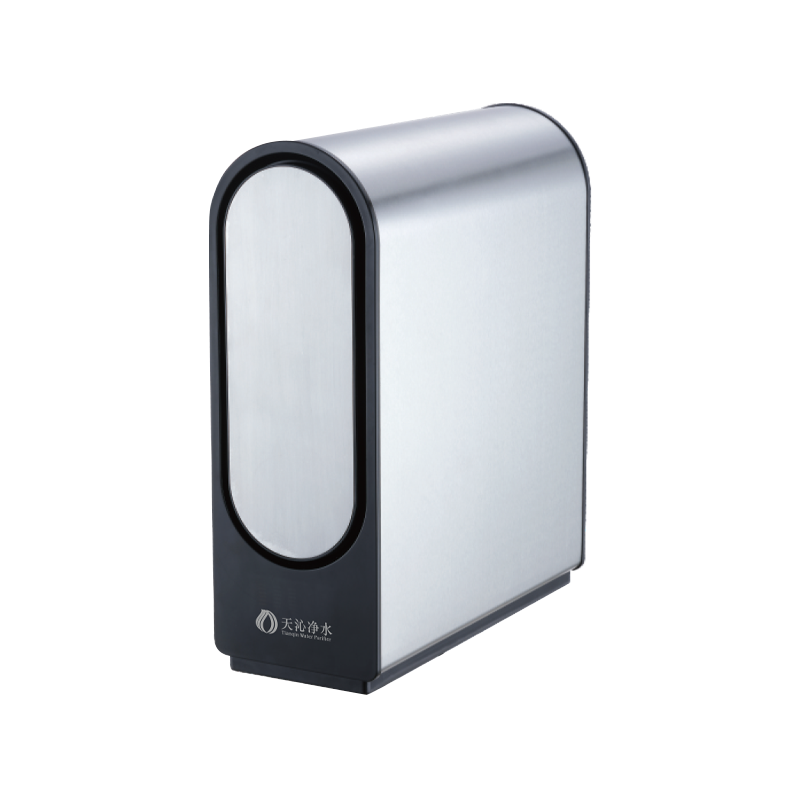 TQ-R06 Stainless Steel Environmentally Friendly RO Water Purifier Cat:Stainless Steel Ro System
The TQ-R06 Stainless Steel Environmentally Friendly RO Water Purifier combines advanced RO filtration technology, durable stainless steel housing, and...
See Details -
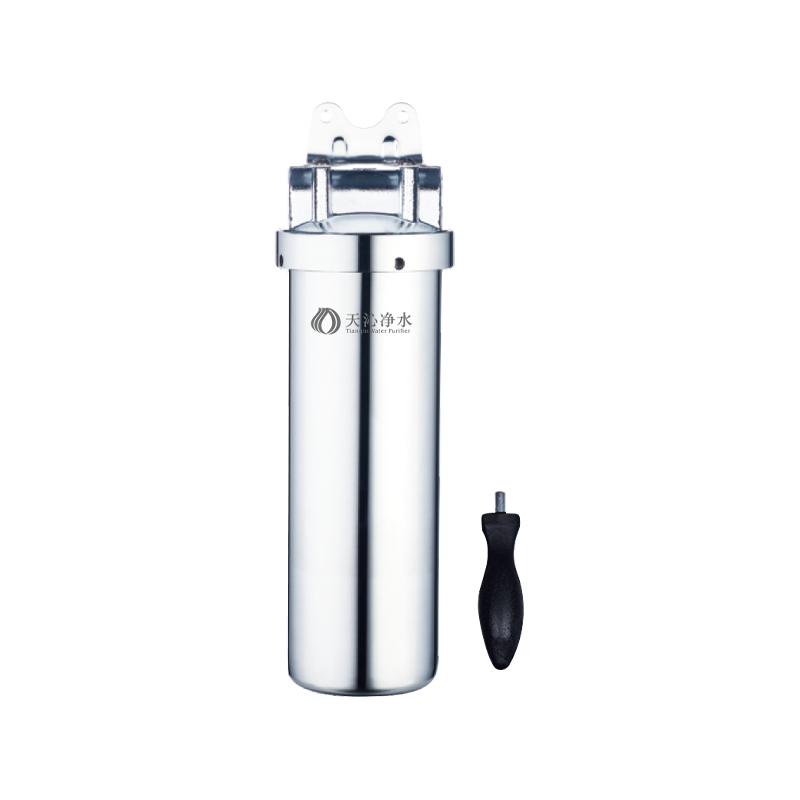 Stainless Steel Pure Double Water Pipe Water Purifier Cat:Stainless Steel Pipeline Water Purifier
The Stainless Steel Pure Double Water Pipe Water Purifier is an advanced water purification system designed to provide dual-mode purified water with e...
See Details -
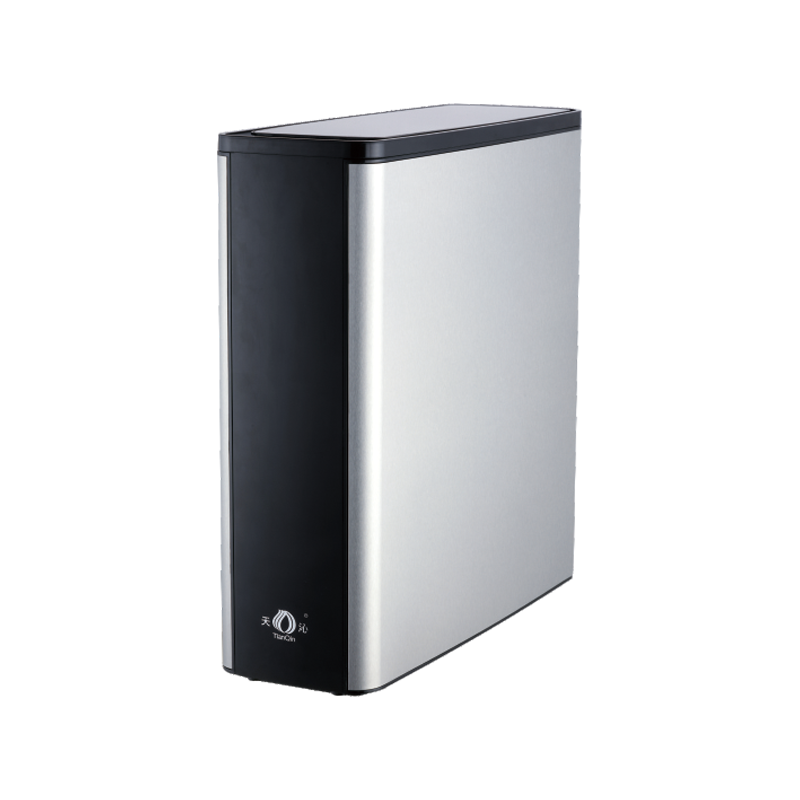 TQ-R08 Stainless Steel High-Flow RO Water Filter Cat:Stainless Steel Ro System
The Stainless Steel High-Flow RO Water Filter (TQ-R08) provides a powerful and effective solution for purifying drinking water, combining advanced rev...
See Details


 +86-0574-62381077/62386875

How Does a Gravity Water Filter Work? Complete Guide
A gravity water filter works by using the natural downward force of gravity to pull untreated water through one or more filtration media — removing bacteria, sediment, heavy metals, and chemical contaminants — without any electricity, pumps, or pressurized plumbing. You pour water into an upper chamber; gravity draws it through a filter element into a lower, clean-water reservoir ready to drink. A quality gravity water purifier can remove 99.9999% of bacteria and 99.9% of protozoa, making it one of the most effective passive purification systems available for home, outdoor, and emergency use.
Content
- 1 The Core Mechanism: How Gravity Does the Work
- 2 Key Components of a Gravity Water Purifier
- 3 Types of Filter Media and What Each Removes
- 4 Flow Rate: What Affects It and What to Expect
- 5 What a Gravity Water Purifier Can and Cannot Remove
- 6 Gravity Water Purifier vs. Other Filtration Methods
- 7 Step-by-Step: Setting Up and Using a Gravity Water Purifier
- 8 Maintenance and Filter Replacement: Keeping Performance High
- 9 Best Use Cases: Where a Gravity Water Purifier Excels
- 10 How to Choose the Right Gravity Water Purifier
The Core Mechanism: How Gravity Does the Work
The operating principle is straightforward. A gravity water purifier consists of two stacked chambers — an upper dirty-water chamber and a lower clean-water chamber — separated by a filter element. When water is poured into the upper chamber, gravity exerts a constant downward pressure (approximately 0.004–0.007 bar depending on water column height) that forces water molecules through the microscopic pores of the filter media.
This pressure differential — even though modest compared to pressurized reverse osmosis systems — is sufficient to push water through ceramic or carbon block filters with pore sizes as small as 0.2–0.5 microns. Most bacteria range from 0.5–5 microns and protozoa from 1–15 microns, meaning they are physically blocked and cannot pass through. Filtered water then collects in the lower chamber, protected from recontamination by a sealed lid.
The process requires no external energy input. The gravitational potential energy of the water column above the filter is entirely sufficient — a 10 cm water head provides roughly 980 Pascals of driving pressure, which is enough to maintain a practical flow rate through quality ceramic filter candles.
Key Components of a Gravity Water Purifier
Understanding what's inside a gravity water purifier explains why different models perform differently. The main components are:
Upper Chamber (Dirty Water Reservoir)
This holds unfiltered source water. Capacity typically ranges from 1 to 4 liters in countertop household models, and up to 12 liters in large-format camping or community units. The upper chamber should be kept covered to prevent airborne recontamination while filtering.
Filter Element(s)
The filter element is the heart of the system. Most gravity purifiers use one of three core media types, often in combination. The number and quality of filter elements directly determines both the flow rate and the range of contaminants removed.
Lower Chamber (Clean Water Reservoir)
Stores purified water ready for use. Most household gravity purifiers hold 6–12 liters in the lower chamber. A spigot at the base allows dispensing without lifting or pouring. This chamber must be kept clean and dried periodically to prevent biofilm formation.
Housing Material
Common materials include food-grade stainless steel, BPA-free polypropylene, and ceramic-coated vessels. Stainless steel housings are preferred for long-term use because they don't leach plasticizers, resist UV degradation, and are easier to sanitize than plastic.
Types of Filter Media and What Each Removes
The type of filter media used determines what contaminants a gravity water purifier can actually eliminate. Most modern systems combine two or more media types to achieve broad-spectrum purification.
| Filter Media | Pore Size | Removes | Does NOT Remove | Typical Lifespan |
|---|---|---|---|---|
| Ceramic (diatomaceous earth) | 0.2–0.9 µm | Bacteria, protozoa, sediment, cysts | Viruses, heavy metals, chemicals | Up to 10,000 liters (cleanable) |
| Activated Carbon Block | 0.5–1 µm | Chlorine, VOCs, pesticides, taste/odor | Bacteria (alone), nitrates, fluoride | 2,000–5,000 liters |
| Ceramic + Carbon Composite | 0.2–0.5 µm | Bacteria, cysts, chlorine, VOCs, sediment | Viruses, dissolved heavy metals | 3,000–6,000 liters |
| Hollow Fiber Membrane | 0.02–0.1 µm | Bacteria, protozoa, some viruses, sediment | Dissolved chemicals, heavy metals | Up to 100,000 liters (backflushable) |
| Ion Exchange Resin | N/A (chemical) | Heavy metals (lead, arsenic), fluoride, nitrates | Bacteria, sediment, chlorine | 1,000–3,000 liters |
Most premium gravity water purifiers — such as the Berkey, Doulton, or Lifestraw Home — use a ceramic-carbon composite or multi-stage combination that layers mechanical filtration with adsorption to address a wide spectrum of contaminants in a single pass.
Flow Rate: What Affects It and What to Expect
Flow rate is one of the most practical considerations when choosing a gravity water purifier. Because the only driving force is gravity, these systems are inherently slower than pressurized alternatives — but actual performance varies widely.
Typical flow rates range from 0.5 to 4 liters per hour per filter element under normal conditions. A two-filter Berkey system, for example, is rated at approximately 10.5 liters per hour with two Black Berkey elements, which is more than adequate for a household of four. Factors that reduce flow rate include:
- Sediment loading: Turbid or silty source water clogs pores faster, reducing flow rate significantly — sometimes within hours on very dirty water.
- Low water column height: Less water in the upper chamber means less gravitational pressure. Flow rate is noticeably faster when the upper chamber is full.
- Filter age: Accumulated organic material and mineral deposits progressively reduce pore size. Ceramic filters can be scrubbed clean to restore flow; carbon block elements must be replaced.
- Cold water temperatures: Water viscosity increases at lower temperatures, slowing passage through filter media by up to 15–20% compared to room-temperature water.
- Air lock in new filters: Newly installed ceramic or carbon block filters often contain trapped air that must be primed or wet-packed before full flow is achieved.
What a Gravity Water Purifier Can and Cannot Remove
Setting realistic expectations is critical. A gravity water purifier is highly effective against a broad range of common contaminants, but it has documented limitations — particularly around viruses and dissolved inorganic compounds.
What Gravity Filters Reliably Remove
- Pathogenic bacteria (E. coli, Salmonella, Campylobacter): 99.9999% removal (6-log reduction) with 0.2 µm ceramic or composite filters — meets EPA Guide Standard for microbiological purifiers.
- Protozoa and cysts (Giardia, Cryptosporidium): 99.9% removal (3-log reduction); cysts average 4–15 µm and are easily blocked by ceramic.
- Sediment and turbidity: Particles above 0.5–1 µm are physically strained, dramatically improving water clarity.
- Chlorine and chloramines: Activated carbon adsorption removes 95–99% of free chlorine, improving taste and eliminating disinfection byproducts like trihalomethanes (THMs).
- Pesticides and herbicides: Carbon block removes common agricultural chemicals including atrazine, lindane, and benzene to below detection levels.
- Lead and some heavy metals: With added ion exchange media, gravity purifiers can reduce lead by 97–99% — confirmed by NSF/ANSI 53 certification on premium models.
What Gravity Filters Cannot Fully Remove
- Viruses: At 0.02–0.3 µm, most waterborne viruses (norovirus, rotavirus, hepatitis A) are too small to be physically blocked by standard ceramic or carbon filters. Only hollow fiber membranes rated at 0.02 µm or chemical disinfection can reliably address viral contamination.
- Total dissolved solids (TDS): Dissolved minerals, salts, and most ionic compounds pass through freely. Gravity filters do not soften water or reduce hardness.
- Nitrates and nitrites: These dissolved anions require ion exchange or reverse osmosis — standard gravity filter media does not remove them.
- Fluoride: Requires a specialized alumina or bone char media add-on; standard ceramic and carbon do not reduce fluoride levels significantly.
- PFAS ("forever chemicals"): Emerging research shows activated carbon has partial effectiveness against some PFAS compounds, but complete removal requires granular activated carbon (GAC) specifically engineered for PFAS, not standard carbon blocks.
Gravity Water Purifier vs. Other Filtration Methods
Choosing the right purification method depends on your water source, use case, and contaminant profile. Here's how gravity purifiers compare to the most common alternatives:
| System Type | Electricity Required | Removes Bacteria | Removes Viruses | Removes Heavy Metals | Avg. Annual Cost |
|---|---|---|---|---|---|
| Gravity Water Purifier | No | Yes (99.9999%) | Partial / No | Yes (with ion exchange) | $30–$80 (filter replacement) |
| Reverse Osmosis (RO) | No (uses water pressure) | Yes | Yes | Yes | $80–$200 (filters + waste water) |
| UV Purifier | Yes | Yes | Yes | No | $20–$60 (bulb replacement) |
| Pitcher / Jug Filter (e.g., Brita) | No | No | No | Partial (lead only on select models) | $40–$100 (frequent cartridge replacement) |
| Boiling | Yes (heat source) | Yes | Yes | No (concentrates metals) | Variable (energy costs) |
The gravity water purifier occupies a unique niche: no electricity, no plumbing, broad-spectrum bacterial and chemical removal, and very low ongoing cost. It is the only system that functions fully off-grid while still providing lab-certified purification performance — a key advantage during power outages, camping, or in regions with unreliable infrastructure.
Step-by-Step: Setting Up and Using a Gravity Water Purifier
Most gravity purifiers follow the same setup and operating procedure. Correct initial setup is essential — skipping priming steps is the most common cause of low flow rates in new units.
- Prime the filter elements: Hold each filter candle under running water for 30–60 seconds, or submerge and squeeze (if hollow fiber), to saturate the media and expel trapped air. Dry, unprimed filters flow at a fraction of their rated speed.
- Install filter elements in the upper chamber: Secure each candle with its wing nut or locking ring. Hand-tighten firmly — loose fittings allow unfiltered water to bypass the element, the most dangerous failure mode in gravity filtration.
- Run and discard the first two batches: Fill the upper chamber with clean tap water twice and allow it to filter completely through, discarding the output. This flushes manufacturing residue and excess carbon fines from new filter media.
- Fill the upper chamber with source water: Pour in the water you want to purify. Keep the lid on to prevent insects, dust, or splashing from contaminating unfiltered water.
- Allow gravity to do its work: Depending on filter type and water quality, filtration takes 1–8 hours for a full lower-chamber fill. Many users simply refill before bed and have clean water waiting in the morning.
- Dispense from the lower chamber spigot: Never pour water directly from the upper chamber. Use only the clean lower chamber output.
- Periodic maintenance: Scrub ceramic filter candles with a soft brush under running water every 4–6 weeks, or whenever flow rate drops noticeably. Replace carbon or composite elements according to the manufacturer's volume rating.
Maintenance and Filter Replacement: Keeping Performance High
A gravity water purifier will only perform as well as its maintenance routine. Neglected systems can become a source of contamination rather than protection — bacterial biofilm can establish in the lower chamber and on the exterior surface of saturated filter candles if not cleaned regularly.
Ceramic Filter Cleaning
Ceramic candles are cleanable and reusable. To restore flow rate, remove the candle and gently scrub its outer surface with a clean, soft-bristled brush under cold running water — never soap, as surfactants can be absorbed into the porous ceramic. Each cleaning removes the top 0.1–0.2 mm of the ceramic surface where pores are clogged. A ceramic candle can typically be cleaned 30–50 times before it becomes too thin to handle safely, at which point it must be replaced.
Carbon Block and Composite Replacement
Carbon elements cannot be cleaned — their adsorption capacity is exhausted over time as binding sites fill with contaminants. Replace based on the manufacturer's volume rating (typically 2,000–5,000 liters) or every 6–12 months, whichever comes first. Using a carbon filter beyond its rated capacity means chemical contaminants may pass through even though the filter still looks physically intact.
Chamber Hygiene
Wash both chambers monthly with warm water and a small amount of unscented dish soap, then rinse thoroughly. Pay particular attention to the lower chamber spigot — this area is frequently touched and is a common vector for recontamination. Inspect the lower chamber for sliminess or discoloration; a pink or orange biofilm (often Serratia marcescens) indicates inadequate cleaning frequency.
Best Use Cases: Where a Gravity Water Purifier Excels
A gravity water purifier is not the right tool for every situation, but it is the best available option in several specific scenarios:
- Emergency preparedness: During natural disasters or grid failures, gravity purifiers operate without electricity, plumbing, or municipal water pressure. FEMA and the Red Cross recommend having a gravity filtration option as part of a 72-hour emergency kit.
- Off-grid and rural households: Households relying on well water, rainwater catchment, or surface water sources benefit enormously from the consistent bacterial and sediment removal gravity systems provide.
- Camping and overlanding: Larger capacity units (8–12 liters) used at a fixed campsite can supply a group of 4–6 people with 8–15 liters of clean water per day — enough for drinking and cooking.
- Developing regions and humanitarian contexts: The Lifestraw Community gravity purifier, for example, is designed to provide safe water to 100 people per day from any surface water source. Zero infrastructure requirements make these systems deployable in remote areas within minutes.
- Households concerned about chlorine taste or chemical contamination: For municipal water users who want to improve taste and remove disinfection byproducts without under-sink plumbing, a countertop gravity purifier is a simple and effective upgrade over pitcher filters.
How to Choose the Right Gravity Water Purifier
With dozens of models available at prices ranging from $30 to over $400, selecting the right gravity purifier comes down to matching the unit to your specific water quality, household size, and use case. Key factors to evaluate:
- Certifications: Look for NSF/ANSI Standard 42 (aesthetic effects), NSF/ANSI 53 (health effects), or independent testing by a lab like SGS or Pace Analytical. Manufacturer claims without third-party verification should be treated with skepticism.
- Capacity: Match total system capacity to daily water consumption. A family of four drinking 2 liters per person per day needs at least an 8-liter lower chamber to avoid constant refilling.
- Source water type: If your source water may contain viruses (e.g., surface water in regions with poor sanitation), choose a model with hollow fiber membranes at 0.02 µm, or plan to use chemical pre-treatment (iodine tablets, chlorine drops) before filtering.
- Filter replacement cost and availability: The ongoing cost of filter elements often exceeds the initial purchase price over 3–5 years. Verify that replacement elements are readily available and budget accordingly.
- Housing material: For long-term daily use, stainless steel is preferable to plastic. For backpacking or frequent travel, a lightweight BPA-free plastic model may be more practical.
-
 Tel: +86-0574-62381077/62386875
-
 E-mail: leozhanglei@nbtianqin.net
-
 Add: Wuma Industrial Zone, Lubu Town, Yuyao City, Zhejiang Province, China.
Copyright © 2024 by Yuyao Tianqin Water Purification Equipment Co..Ltd.
All Rights Reserved.
 Wholesale Water Purifier Manufacturers

