 English
 中文简体
中文简体-
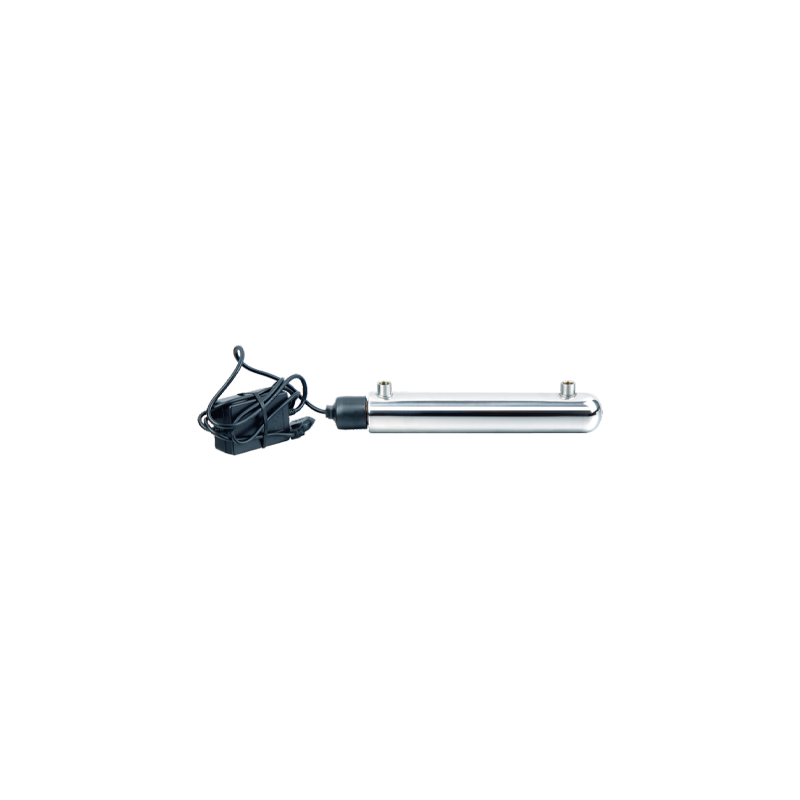 UV11W High-efficiency Intelligent UV Water Sterilizer Cat:Ultraviolet Water Sterilizer
The UV11W High-efficiency Intelligent UV Water Sterilizer is an advanced water purification system that offers convenience and reliability. This steri...
See Details -
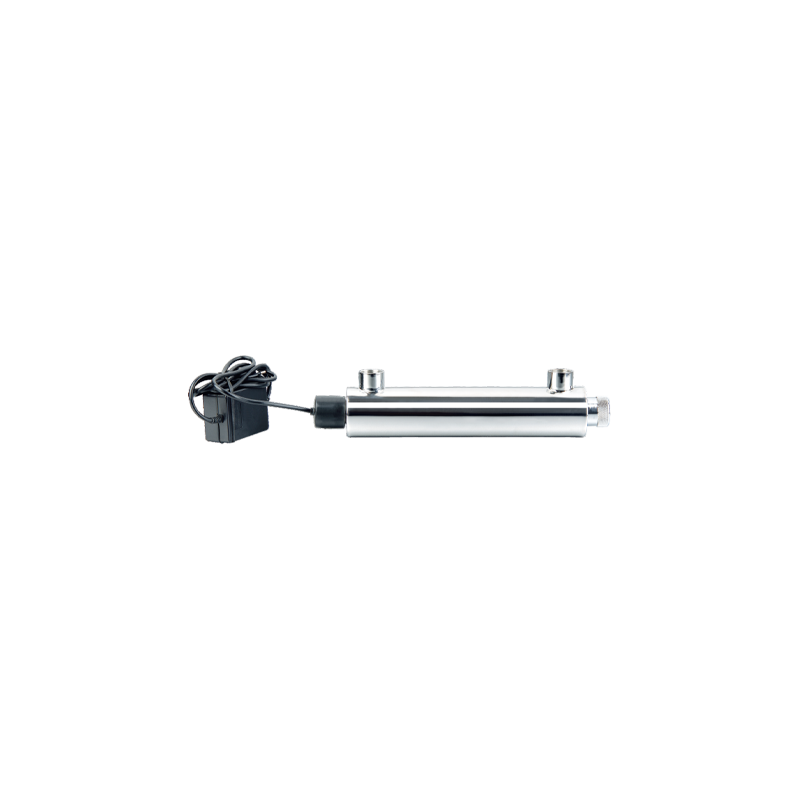 UV16W-A Household Stainless Steel UV Water Sterilizer Cat:Ultraviolet Water Sterilizer
The UV16W-A Household Stainless Steel UV Water Sterilizer is an innovative solution for ensuring safe and pure water in your home. Designed with durab...
See Details -
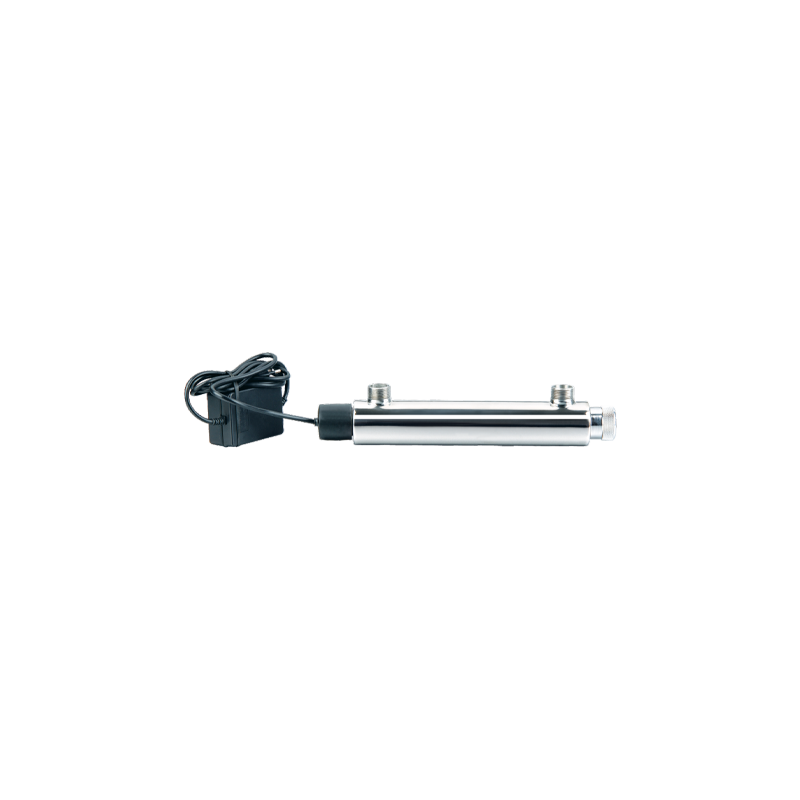 UV16W-B 304 Stainless Steel Water Purifier Ultraviolet Water Sterilizer Cat:Ultraviolet Water Sterilizer
UV16W-B 304 Stainless Steel Water Purifier Ultraviolet Water Sterilizer is an efficient water treatment equipment based on advanced ultraviolet disinf...
See Details -
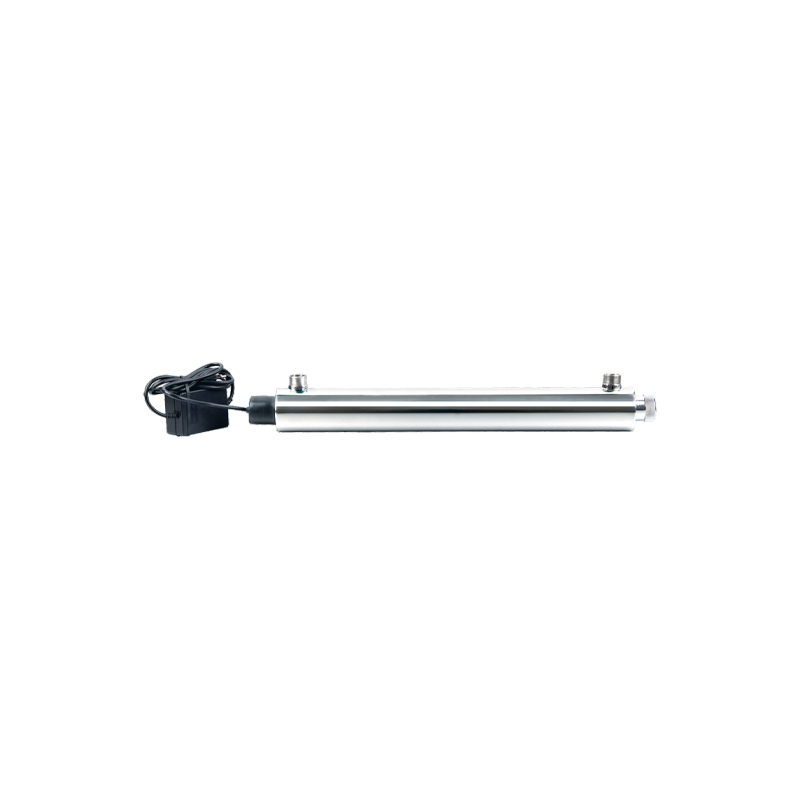 UV25W Stainless Steel Ultrafiltration Pre-Filtration UV Sterilizers For Water Cat:Ultraviolet Water Sterilizer
UV25W Stainless Steel Ultrafiltration Pre-Filtration UV Sterilizers For Water uses high-quality stainless steel materials, which have superb corrosion...
See Details -
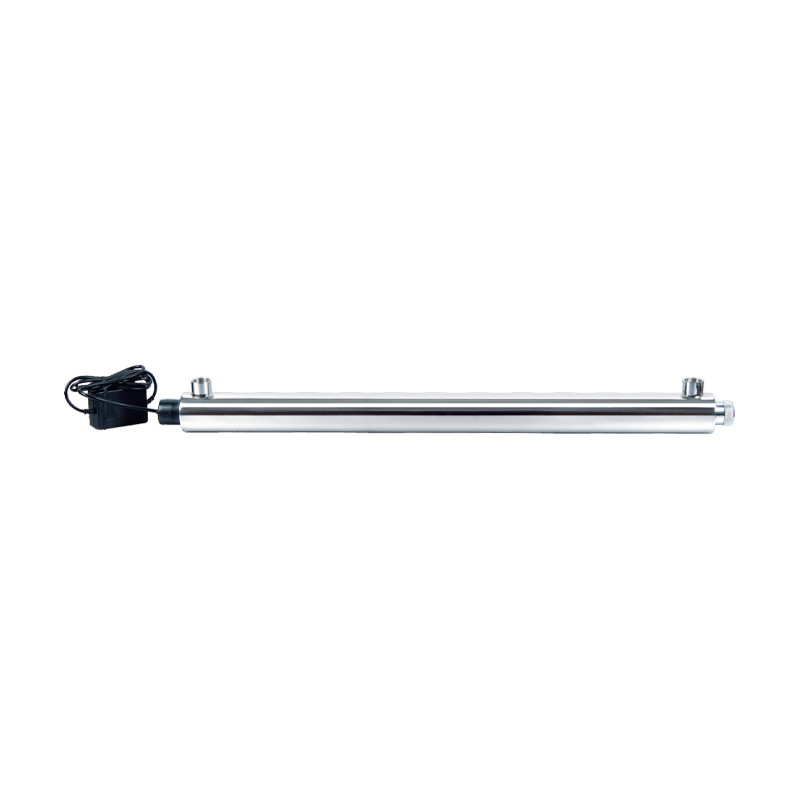 UV30W-55W Automatic Ultraviolet Sterilizer UV Filtration For Drinking Water Cat:Ultraviolet Water Sterilizer
The core advantage of UV30W-55W Automatic Ultraviolet Sterilizer UV Filtration For Drinking Water lies in its efficient and rapid disinfection capabil...
See Details -
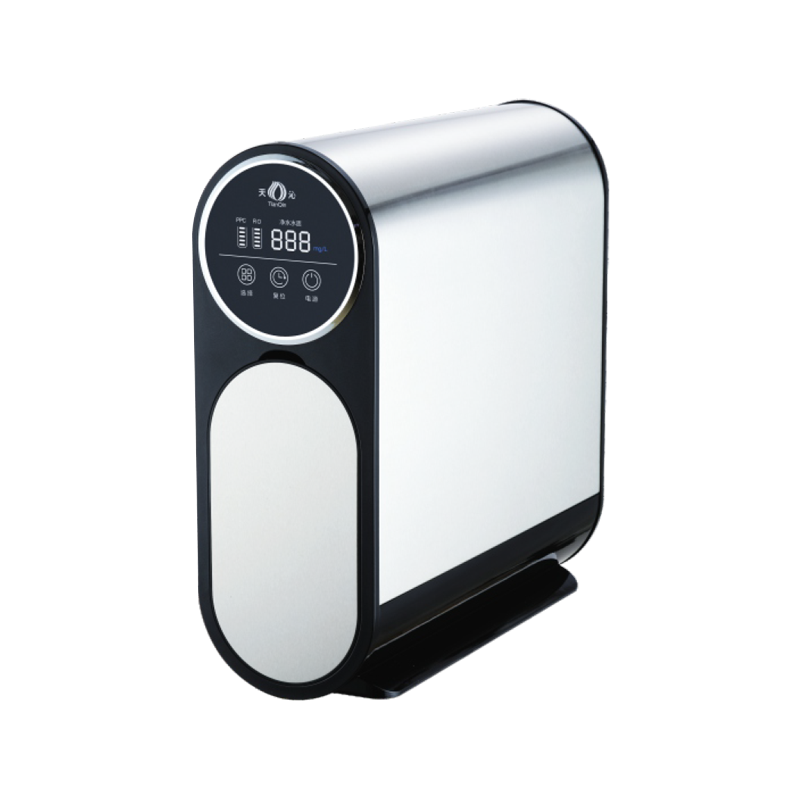 TQ-R03 Stainless Steel Booster Double Water Full Effect RO Water Purifier Cat:Stainless Steel Ro System
TQ-R03 Stainless Steel Booster Double Water Full Effect RO Water Purifier is a household water purification device that combines efficient water purif...
See Details -
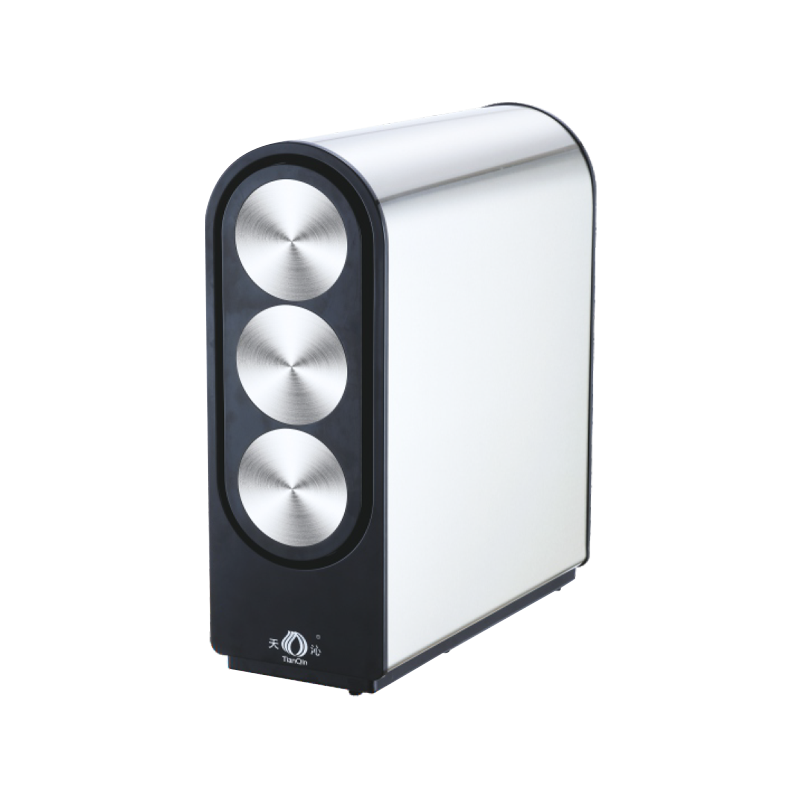 TQ-R05 Multifunctional Water Purification Source RO Water Purifier Cat:Stainless Steel Ro System
The TQ-R05 Multifunctional Water Purification Source RO Water Purifier is an advanced, versatile water purification solution designed for households a...
See Details -
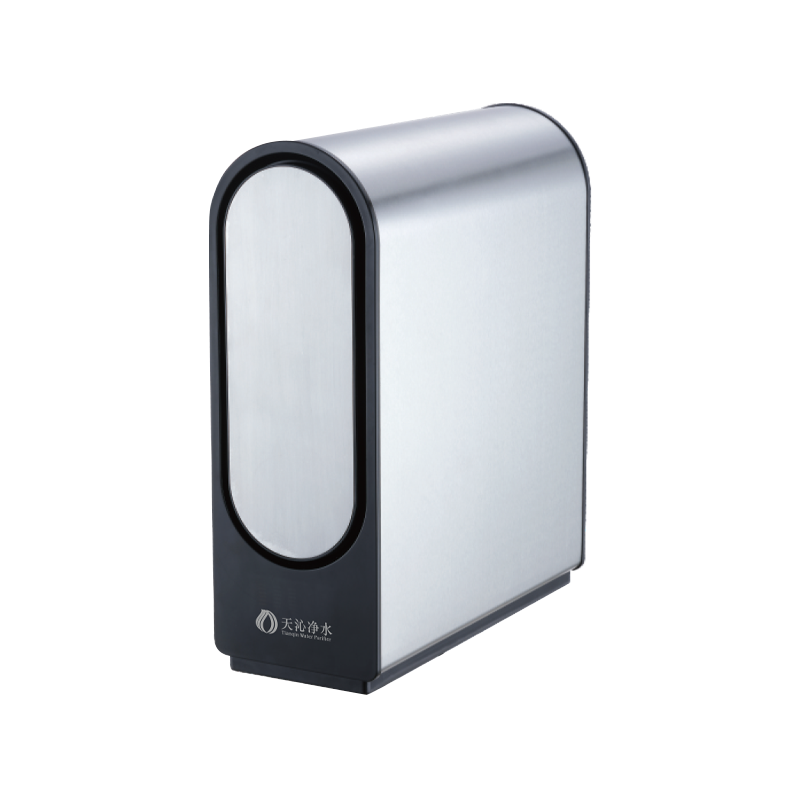 TQ-R06 Stainless Steel Environmentally Friendly RO Water Purifier Cat:Stainless Steel Ro System
The TQ-R06 Stainless Steel Environmentally Friendly RO Water Purifier combines advanced RO filtration technology, durable stainless steel housing, and...
See Details -
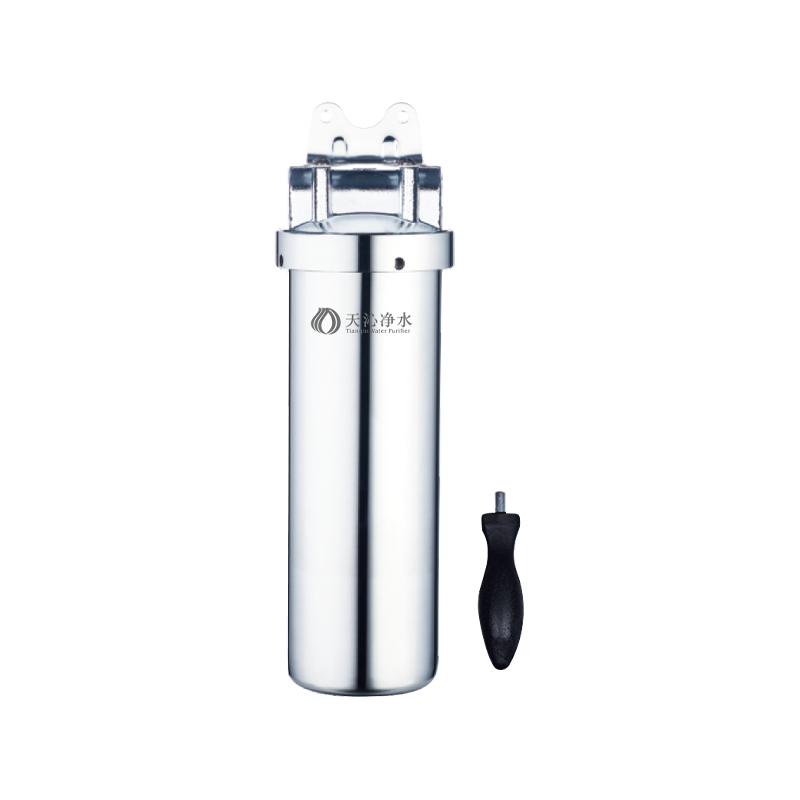 Stainless Steel Pure Double Water Pipe Water Purifier Cat:Stainless Steel Pipeline Water Purifier
The Stainless Steel Pure Double Water Pipe Water Purifier is an advanced water purification system designed to provide dual-mode purified water with e...
See Details -
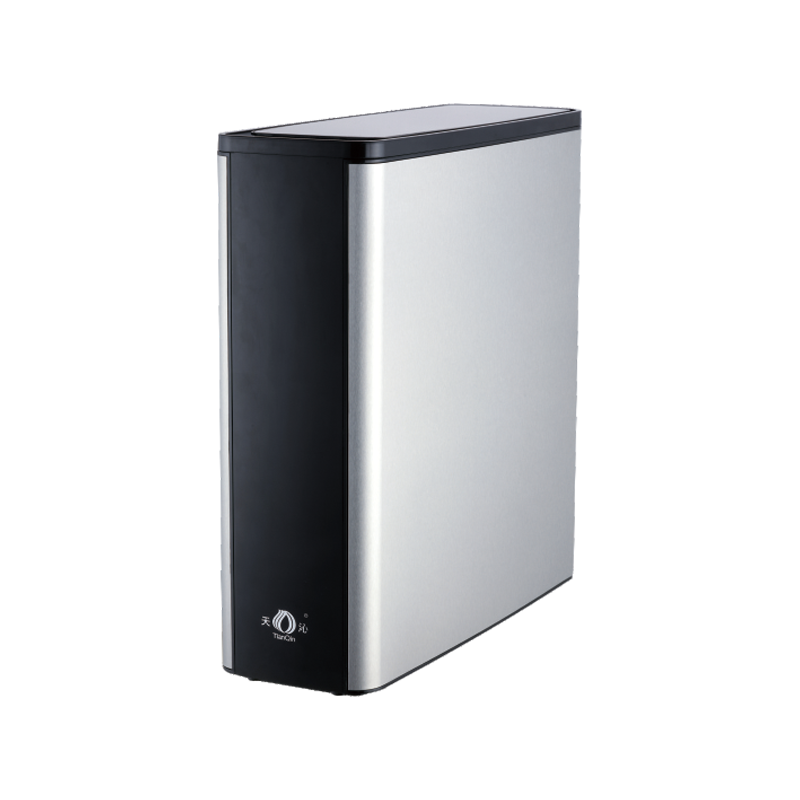 TQ-R08 Stainless Steel High-Flow RO Water Filter Cat:Stainless Steel Ro System
The Stainless Steel High-Flow RO Water Filter (TQ-R08) provides a powerful and effective solution for purifying drinking water, combining advanced rev...
See Details


 +86-0574-62381077/62386875

How to Maintain and Clean Your Backwash Water Filter for Optimal Performance
Backwash water filters are an essential part of water filtration systems, designed to remove contaminants and ensure clean, safe water for your home or business. Like any equipment, regular maintenance is key to keeping your backwash water filter performing at its best. Proper maintenance ensures longer filter life, better water quality, and reduced costs in the long run.
Content
What is a Backwash Water Filter?
A backwash water filter is a type of filtration system commonly used in residential and commercial water systems to remove impurities from the water. These filters typically use a mechanical filtration process where water flows through a filter medium (such as sand, gravel, or activated carbon) to trap particles and contaminants. Once the filter becomes clogged with impurities, the backwashing process is initiated to clean the filter. During backwashing, water is pumped in the opposite direction, dislodging trapped particles and flushing them away.
Why Proper Maintenance is Important for Your Backwash Water Filter
Maintaining your backwash water filter is crucial for several reasons. Over time, filters can accumulate debris, dirt, and minerals that reduce their efficiency. If not properly cleaned and maintained, the filter may not be able to remove contaminants effectively, and your water quality may decline. Here are some key reasons why regular maintenance is important:
- Optimal Filtration: Regular maintenance ensures that your filter continues to operate at peak efficiency, providing clean and safe water.
- Prolonged Lifespan: Proper care can extend the life of your backwash filter, saving you from costly repairs or replacements.
- Reduced Maintenance Costs: Consistent maintenance can help prevent major issues that might require expensive fixes, ultimately saving you money.
- Improved Water Quality: A clean and properly maintained backwash filter will remove contaminants more effectively, ensuring better water quality for your household or business.
Step-by-Step Guide to Maintaining and Cleaning Your Backwash Water Filter
To keep your backwash water filter working properly, it’s important to perform regular cleaning and maintenance. Follow these steps to ensure your filter is running at its best:
Turn Off the Water Supply
Before beginning any maintenance or cleaning, the first step is to turn off the water supply to the filter. This will prevent water from flowing through the system while you're working on it. Make sure to close any valves that connect the filter to the main water supply and drain any remaining water from the system to avoid spills or leaks during the cleaning process.
Inspect the Filter
Before starting the cleaning process, take a few minutes to inspect the filter for any visible signs of wear or damage. Look for cracks, leaks, or any other issues that could affect the filter’s performance. If you notice any significant damage, it may be time to replace the filter or certain components to avoid further complications.
Clean the Filter Bed (Backwashing Process)
The backwash process is essential for cleaning the filter bed and ensuring it remains effective. Here’s how to do it:
- Activate the Backwash Mode: Depending on your filter system, you may need to manually switch it to the backwash mode, or the system may do it automatically. Check your system's user manual for specific instructions.
- Reverse the Water Flow: In backwash mode, water is pumped in the opposite direction, forcing the contaminants trapped in the filter medium to be dislodged and washed away. Allow the backwashing process to run for the recommended amount of time (usually 5 to 10 minutes).
- Check for Clear Water: As the water flows out of the backwash filter, check that it becomes clear. If the water remains cloudy or dirty, the backwashing process may need to be repeated, or the filter bed may require deeper cleaning.
Rinse the Filter
After the backwashing process is complete, the filter should be rinsed to remove any remaining debris or contaminants. Switch the filter back to its regular filtration mode and allow it to run a rinse cycle. This step ensures that the filter bed is thoroughly cleaned and ready to resume normal operation.
Check the Filter Media
Over time, the filter media (such as sand, gravel, or activated carbon) can become compacted, which may reduce its ability to trap contaminants. After backwashing, check the filter media for any signs of compaction or clogging. If necessary, use a soft brush or pressure washer to loosen and clean the media. In some cases, the media may need to be replaced to ensure optimal filtration performance.
Replace or Clean the Pre-Filter (If Applicable)
Some backwash water filters include a pre-filter, which is designed to capture larger particles before they reach the main filtration media. If your system has a pre-filter, remove it and clean it as needed. Typically, pre-filters can be rinsed with water, but if they are heavily clogged, you may need to soak them in a cleaning solution to remove any buildup.
Reassemble the System
After completing the cleaning and maintenance tasks, it’s time to reassemble your backwash water filter. Make sure all components are securely in place and that no parts are left loose. Check the system for any leaks, and ensure that the connections are tightly sealed before turning the water supply back on.
Test the System
Once everything is back in place, turn on the water supply and run the filter for a few minutes. Check the water quality to ensure that it is clear and free from any contaminants. If the water appears cloudy or discolored, the system may need additional cleaning or inspection.
When Should You Clean Your Backwash Water Filter?
How often you need to clean your backwash water filter depends on several factors, including the type of filter, the quality of your water, and how frequently the filter is used. Here are some general guidelines:
- Every 3-6 Months: For most residential systems, it’s recommended to clean the backwash filter every 3 to 6 months. However, if your water has a high level of sediment or contaminants, you may need to clean it more frequently.
- When You Notice a Drop in Water Pressure: If you notice a decrease in water pressure or flow rate, it may be time to clean the filter. This is a sign that the filter is clogged with debris and needs maintenance.
- After Heavy Usage: If your filter has been used heavily (for example, during a large family gathering or after heavy rain), it’s a good idea to clean it to ensure optimal performance.
Additional Tips for Backwash Water Filter Maintenance
Here are some additional maintenance tips to help keep your backwash water filter running smoothly:
- Use High-Quality Filter Media: High-quality filter media will last longer and provide better filtration. Make sure to replace the filter media when it becomes worn or ineffective.
- Regularly Inspect for Leaks: Check for leaks around the filter connections, valves, and pipes. Any leaks can reduce the filter’s efficiency and lead to water waste.
- Use Clean Water for Backwashing: Always use clean water for the backwashing process to avoid introducing additional contaminants into the filter.
-
 Tel: +86-0574-62381077/62386875
-
 E-mail: leozhanglei@nbtianqin.net
-
 Add: Wuma Industrial Zone, Lubu Town, Yuyao City, Zhejiang Province, China.
Copyright © 2024 by Yuyao Tianqin Water Purification Equipment Co..Ltd.
All Rights Reserved.
 Wholesale Water Purifier Manufacturers

