 English
 中文简体
中文简体-
 UV11W High-efficiency Intelligent UV Water Sterilizer Cat:Ultraviolet Water Sterilizer
The UV11W High-efficiency Intelligent UV Water Sterilizer is an advanced water purification system that offers convenience and reliability. This steri...
See Details -
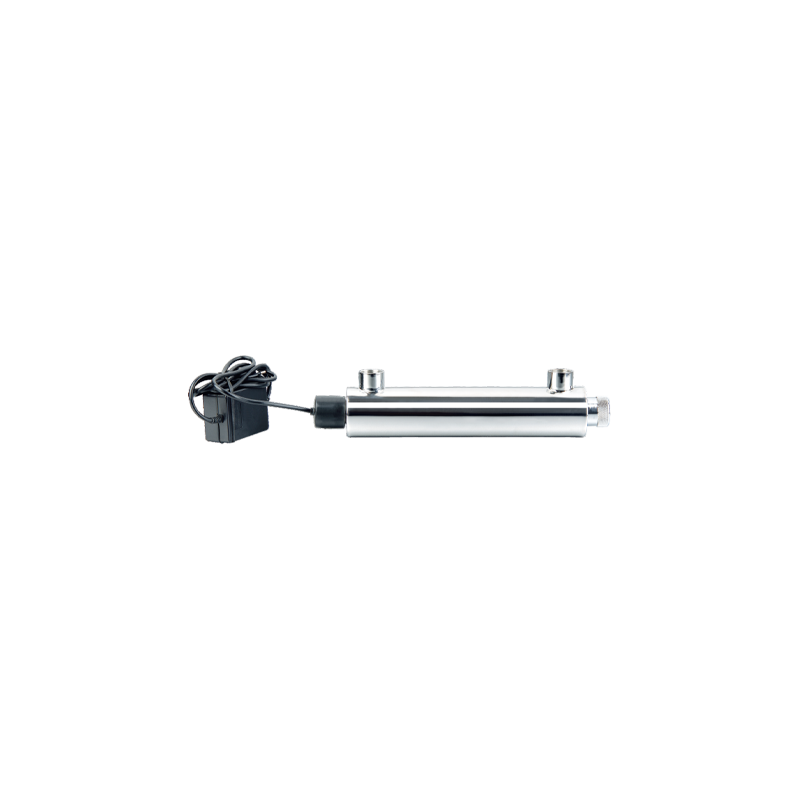 UV16W-A Household Stainless Steel UV Water Sterilizer Cat:Ultraviolet Water Sterilizer
The UV16W-A Household Stainless Steel UV Water Sterilizer is an innovative solution for ensuring safe and pure water in your home. Designed with durab...
See Details -
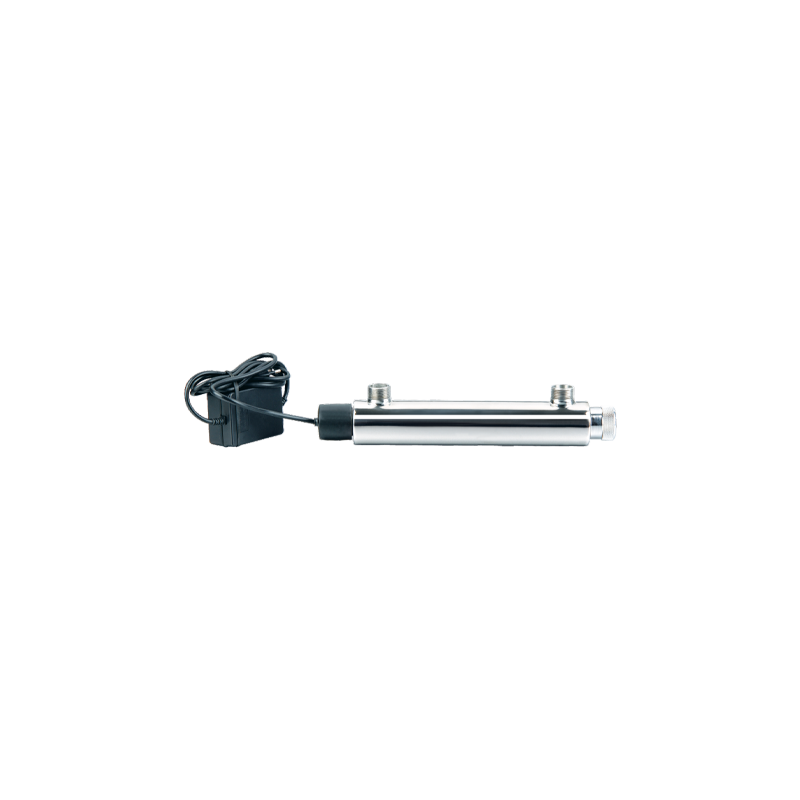 UV16W-B 304 Stainless Steel Water Purifier Ultraviolet Water Sterilizer Cat:Ultraviolet Water Sterilizer
UV16W-B 304 Stainless Steel Water Purifier Ultraviolet Water Sterilizer is an efficient water treatment equipment based on advanced ultraviolet disinf...
See Details -
 UV25W Stainless Steel Ultrafiltration Pre-Filtration UV Sterilizers For Water Cat:Ultraviolet Water Sterilizer
UV25W Stainless Steel Ultrafiltration Pre-Filtration UV Sterilizers For Water uses high-quality stainless steel materials, which have superb corrosion...
See Details -
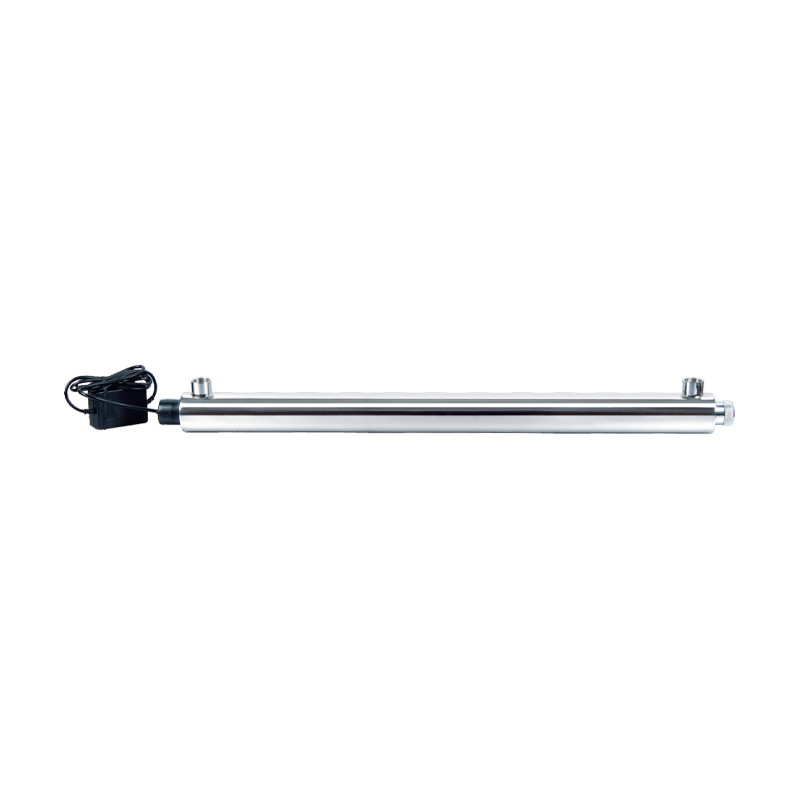 UV30W-55W Automatic Ultraviolet Sterilizer UV Filtration For Drinking Water Cat:Ultraviolet Water Sterilizer
The core advantage of UV30W-55W Automatic Ultraviolet Sterilizer UV Filtration For Drinking Water lies in its efficient and rapid disinfection capabil...
See Details -
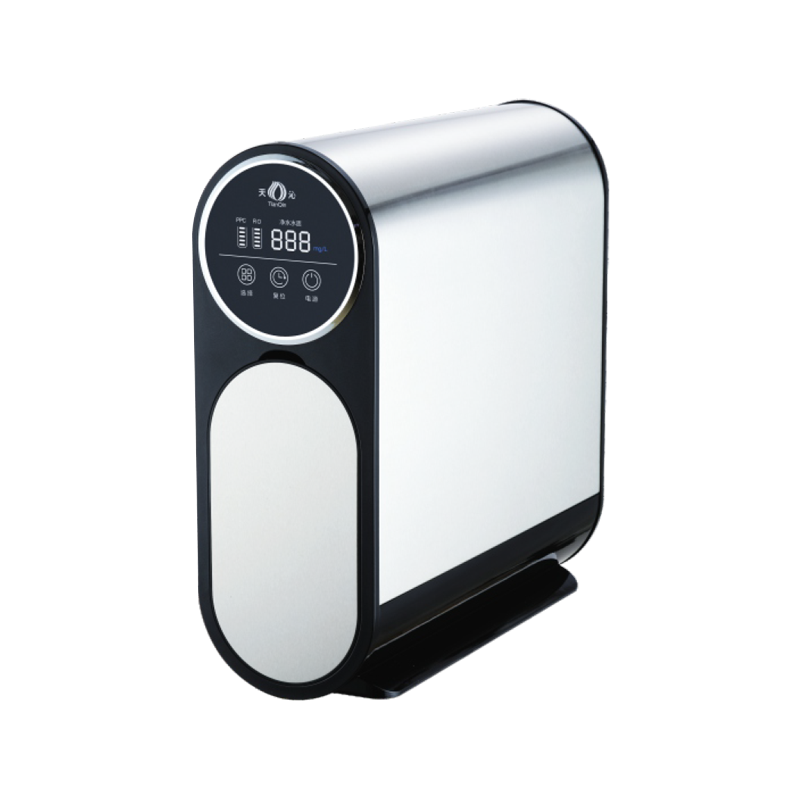 TQ-R03 Stainless Steel Booster Double Water Full Effect RO Water Purifier Cat:Stainless Steel Ro System
TQ-R03 Stainless Steel Booster Double Water Full Effect RO Water Purifier is a household water purification device that combines efficient water purif...
See Details -
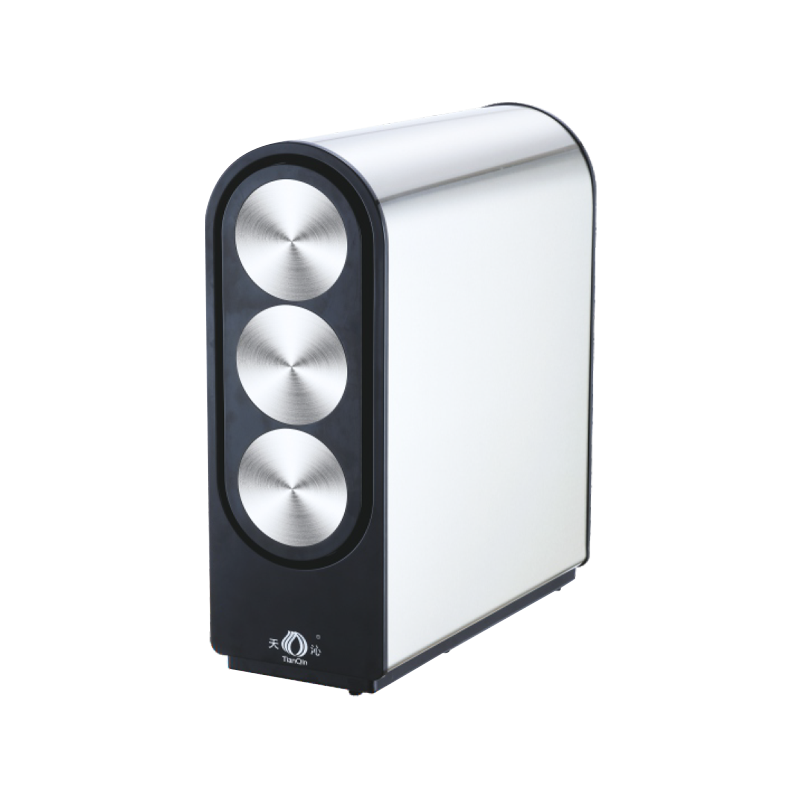 TQ-R05 Multifunctional Water Purification Source RO Water Purifier Cat:Stainless Steel Ro System
The TQ-R05 Multifunctional Water Purification Source RO Water Purifier is an advanced, versatile water purification solution designed for households a...
See Details -
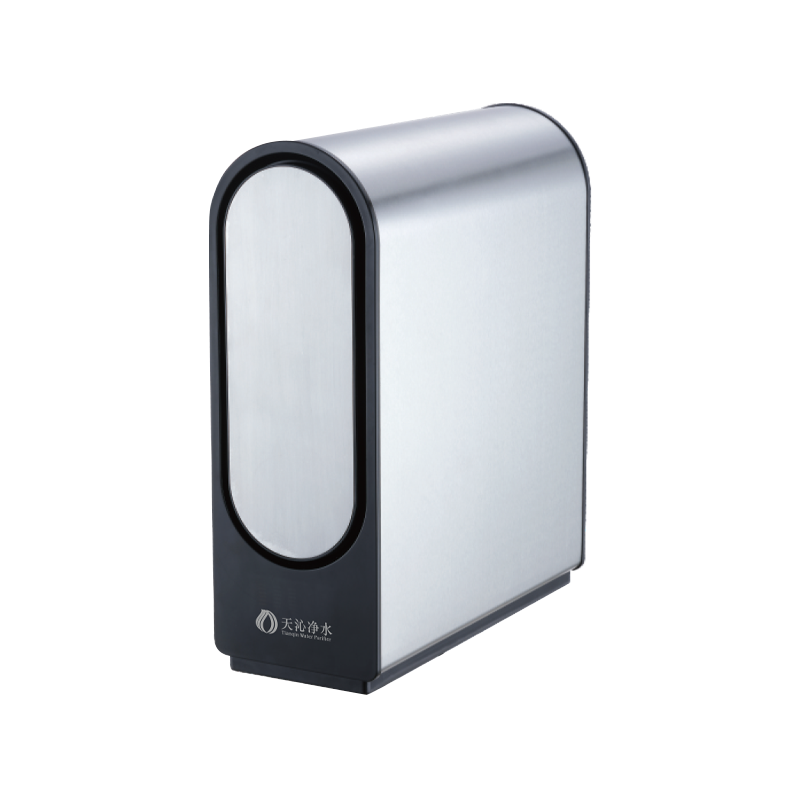 TQ-R06 Stainless Steel Environmentally Friendly RO Water Purifier Cat:Stainless Steel Ro System
The TQ-R06 Stainless Steel Environmentally Friendly RO Water Purifier combines advanced RO filtration technology, durable stainless steel housing, and...
See Details -
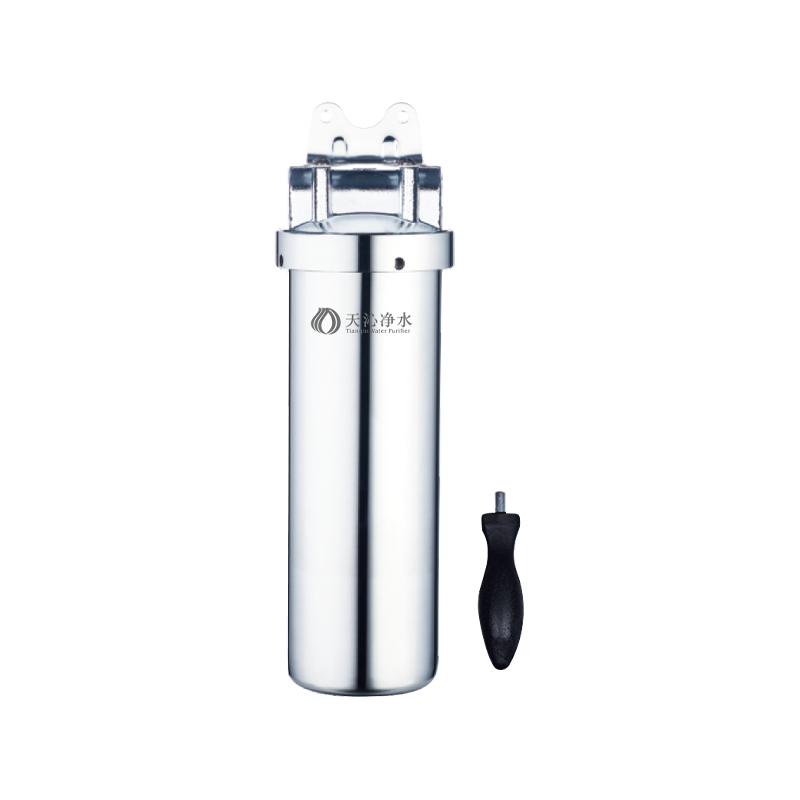 Stainless Steel Pure Double Water Pipe Water Purifier Cat:Stainless Steel Pipeline Water Purifier
The Stainless Steel Pure Double Water Pipe Water Purifier is an advanced water purification system designed to provide dual-mode purified water with e...
See Details -
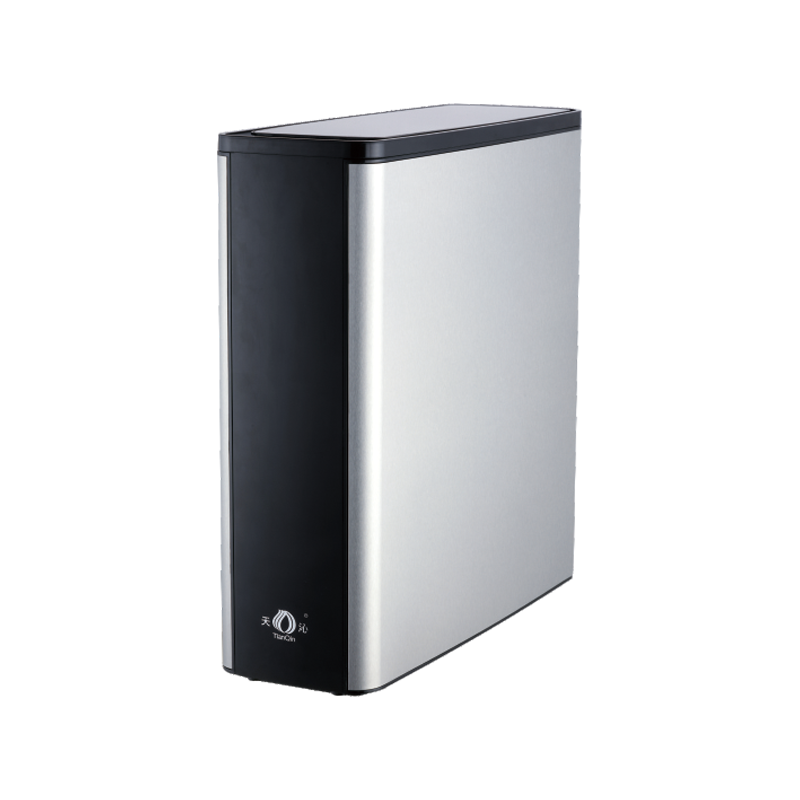 TQ-R08 Stainless Steel High-Flow RO Water Filter Cat:Stainless Steel Ro System
The Stainless Steel High-Flow RO Water Filter (TQ-R08) provides a powerful and effective solution for purifying drinking water, combining advanced rev...
See Details


 +86-0574-62381077/62386875

Why More Restaurants Are Turning to Reverse Osmosis Systems for Better Water Quality
In the restaurant industry, water quality is a fundamental aspect of providing an excellent customer experience. Whether it’s the water used in cooking, brewing coffee, or even the water served directly to customers, the quality of water can significantly affect the taste and overall quality of food and beverages. In recent years, many restaurants have turned to reverse osmosis systems to improve their water quality. These systems, which are known for their efficiency in removing impurities and contaminants from water, have become a crucial tool in the foodservice industry.
Content
What is a Reverse Osmosis System?
Before diving into the reasons why reverse osmosis systems are becoming increasingly popular in restaurants, it’s essential to understand how they work. Reverse osmosis is a water filtration process that uses a semi-permeable membrane to remove unwanted particles, ions, and contaminants from water. The system works by applying pressure to push water through the membrane, which allows only clean water molecules to pass through while filtering out dissolved solids, such as salts, bacteria, chlorine, and heavy metals.
The result is water that is purified to a very high standard, making it suitable for a range of applications, from cooking and beverage preparation to ensuring better tasting water for customers.
Improved Taste of Water and Beverages
One of the primary reasons why restaurants are turning to reverse osmosis systems is the improvement in water taste. Tap water in many areas can contain minerals like chlorine, fluoride, and sulfur, which can alter the taste and quality of food and beverages. These impurities can make water taste unpleasant and can even affect the flavors of dishes and drinks prepared with it.
For restaurants that serve water directly to customers or use it in food preparation, ensuring clean, great-tasting water is crucial. Reverse osmosis systems effectively eliminate the contaminants responsible for unpleasant tastes, providing water that is crisp, clean, and neutral in flavor. This is especially important for restaurants that offer beverages like coffee, tea, or fresh juices, as water quality can directly impact the taste of these drinks.
Beverage Quality: In addition to improving the taste of drinking water, reverse osmosis is particularly beneficial for beverages like coffee and tea. These drinks are highly sensitive to water quality, as impurities can alter their flavor profiles. By using RO water, restaurants can ensure a consistently high-quality beverage experience for their customers.
Enhanced Cooking Quality
Water plays a key role in the preparation of many dishes in the kitchen. Whether it’s boiling pasta, preparing soups and sauces, or baking bread, water quality can significantly influence the final result. Minerals and contaminants present in untreated tap water can affect the texture, color, and even the nutritional value of foods.
For instance, high mineral content, such as calcium and magnesium, can cause food to become cloudy or affect its texture. Reverse osmosis systems help remove these minerals, ensuring that dishes are prepared with clean water that enhances the natural flavors of ingredients without interference from unwanted substances.
Baking and Cooking Consistency: In baking, where precision is important, RO water provides consistency in dough and batter texture. It ensures that bread, cakes, and pastries rise correctly, and soups and sauces reach their desired consistency without being impacted by the water used in preparation.
Ensuring Safety and Cleanliness
Water contamination can pose a serious risk to both the health of customers and the overall cleanliness of a restaurant’s kitchen. Contaminants like heavy metals (such as lead), bacteria, pesticides, and chlorine are commonly found in municipal water supplies. While these contaminants might not always be visible or detectable by taste, they can still pose a health risk.
Reverse osmosis systems are highly effective at removing a wide range of harmful contaminants, ensuring that the water used in food preparation and for customer service is not only clean but also safe. For restaurants, especially those located in areas where water quality may be inconsistent, investing in a reverse osmosis system is a proactive step toward safeguarding their reputation and ensuring the well-being of their customers.
Healthier Drinking Water: For customers who are concerned about the quality of water served in restaurants, RO systems provide peace of mind. These systems remove harmful bacteria, viruses, and other impurities that could lead to foodborne illnesses or digestive issues. Clean, purified water reduces the risk of contamination, helping restaurants maintain high health and safety standards.
Cost Savings on Bottled Water
In many restaurants, bottled water is a significant cost. Not only do restaurants have to purchase bottled water in bulk, but they also have to deal with the costs associated with storage and disposal of plastic bottles. For restaurants looking to reduce overhead costs and improve sustainability, installing a reverse osmosis system can offer substantial savings.
By switching to an in-house reverse osmosis water filtration system, restaurants can produce their own purified water at a fraction of the cost of bottled water. This is especially beneficial for high-volume restaurants that serve a large number of customers daily.
Sustainability Benefits: Reverse osmosis systems also contribute to sustainability efforts. By eliminating the need for plastic bottles, restaurants reduce their plastic waste and carbon footprint. This aligns with the growing trend of eco-conscious dining, where customers increasingly seek out businesses that prioritize sustainability.
Improved Ice Quality
Another important aspect of water quality in restaurants is ice. Ice is used in a wide range of beverages, from cocktails to sodas, and poor-quality water can lead to poor-quality ice. Contaminants and impurities in tap water can result in ice that has a cloudy appearance, unpleasant taste, or even an odor.
Imitation of water purity in ice cubes can also affect the flavor of drinks, leading to a subpar customer experience. Reverse osmosis systems can help ensure that the water used to make ice is free of impurities, leading to clear, tasteless ice cubes that don't interfere with the flavors of beverages.
Customization for Specific Needs
Not all restaurants have the same water quality needs. Some may operate in areas with particularly hard water, while others may need specialized filtration for specific contaminants. Reverse osmosis systems offer flexibility and customization options to meet the unique requirements of different establishments.
For example, restaurants located in areas with high levels of chlorine or heavy metals can benefit from reverse osmosis systems that are designed to target and eliminate these specific contaminants. Moreover, many RO systems allow for the addition of mineral filters to adjust the taste and quality of water, making it even more versatile.
Increased Customer Satisfaction
Ultimately, one of the most important benefits of using reverse osmosis systems in restaurants is the improvement in customer satisfaction. Water quality directly influences a customer’s overall dining experience, and offering high-quality, purified water is a simple yet effective way to enhance their perception of the restaurant.
Whether it’s serving better-tasting water, providing a superior beverage experience, or ensuring that food is prepared with the cleanest water possible, reverse osmosis systems help create a more enjoyable dining experience. Happy customers are more likely to return and recommend the restaurant to others, helping build a loyal customer base.
Compliance with Health and Safety Standards
Restaurants are required to adhere to strict health and safety regulations, which include maintaining high standards of water quality. By investing in reverse osmosis systems, restaurants can ensure that they comply with local health codes and water quality standards. This is particularly important for restaurants located in areas where water contamination is a concern.
By consistently using purified water in cooking, drinking, and ice production, restaurants can avoid potential fines and inspections related to water quality, keeping their operations smooth and their reputation intact.
-
 Tel: +86-0574-62381077/62386875
-
 E-mail: leozhanglei@nbtianqin.net
-
 Add: Wuma Industrial Zone, Lubu Town, Yuyao City, Zhejiang Province, China.
Copyright © 2024 by Yuyao Tianqin Water Purification Equipment Co..Ltd.
All Rights Reserved.
 Wholesale Water Purifier Manufacturers

