 English
 中文简体
中文简体-
 UV11W High-efficiency Intelligent UV Water Sterilizer Cat:Ultraviolet Water Sterilizer
The UV11W High-efficiency Intelligent UV Water Sterilizer is an advanced water purification system that offers convenience and reliability. This steri...
See Details -
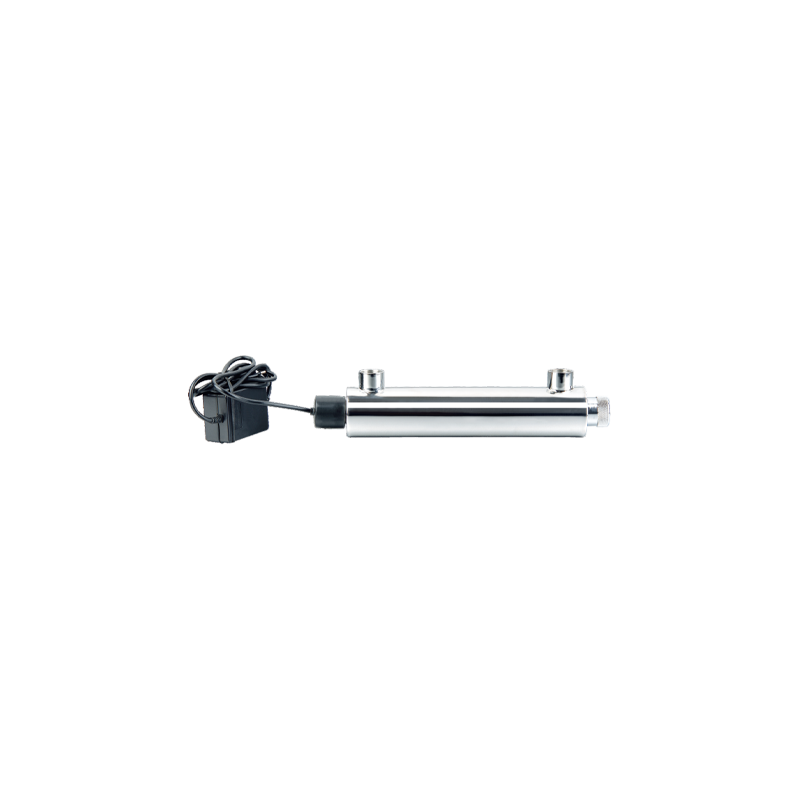 UV16W-A Household Stainless Steel UV Water Sterilizer Cat:Ultraviolet Water Sterilizer
The UV16W-A Household Stainless Steel UV Water Sterilizer is an innovative solution for ensuring safe and pure water in your home. Designed with durab...
See Details -
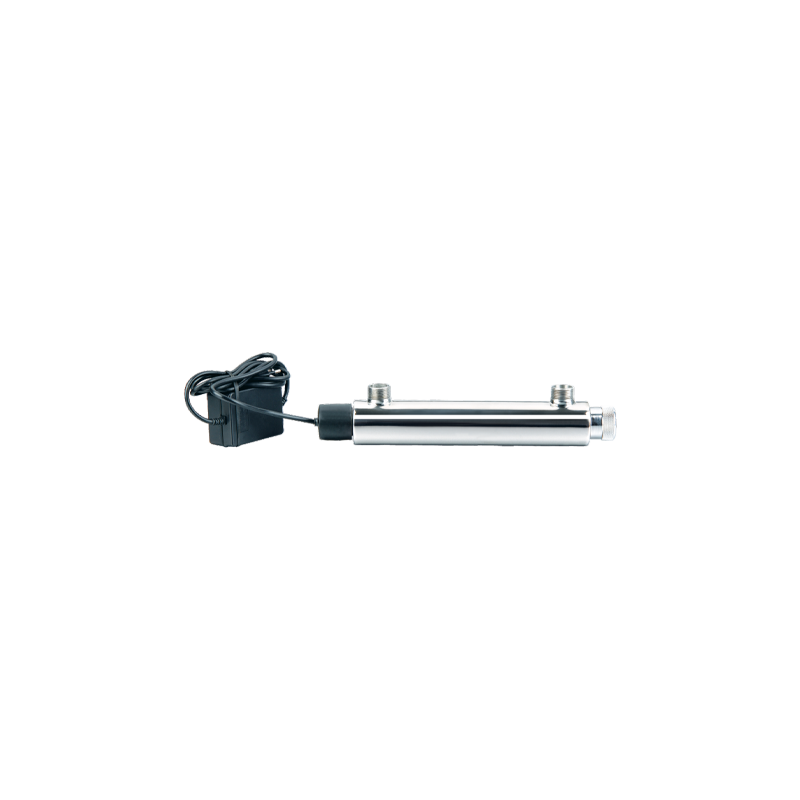 UV16W-B 304 Stainless Steel Water Purifier Ultraviolet Water Sterilizer Cat:Ultraviolet Water Sterilizer
UV16W-B 304 Stainless Steel Water Purifier Ultraviolet Water Sterilizer is an efficient water treatment equipment based on advanced ultraviolet disinf...
See Details -
 UV25W Stainless Steel Ultrafiltration Pre-Filtration UV Sterilizers For Water Cat:Ultraviolet Water Sterilizer
UV25W Stainless Steel Ultrafiltration Pre-Filtration UV Sterilizers For Water uses high-quality stainless steel materials, which have superb corrosion...
See Details -
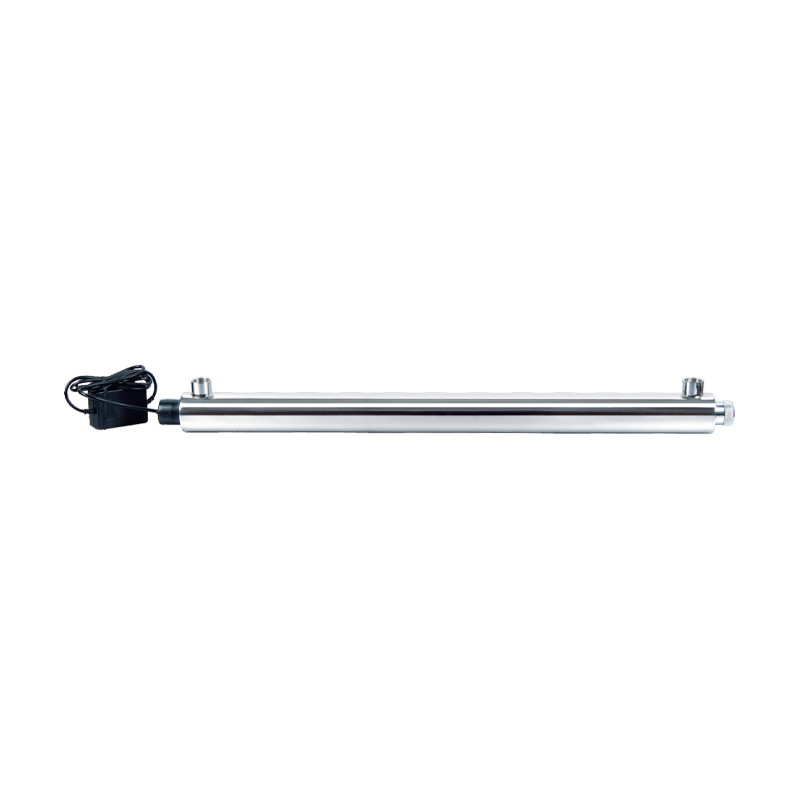 UV30W-55W Automatic Ultraviolet Sterilizer UV Filtration For Drinking Water Cat:Ultraviolet Water Sterilizer
The core advantage of UV30W-55W Automatic Ultraviolet Sterilizer UV Filtration For Drinking Water lies in its efficient and rapid disinfection capabil...
See Details -
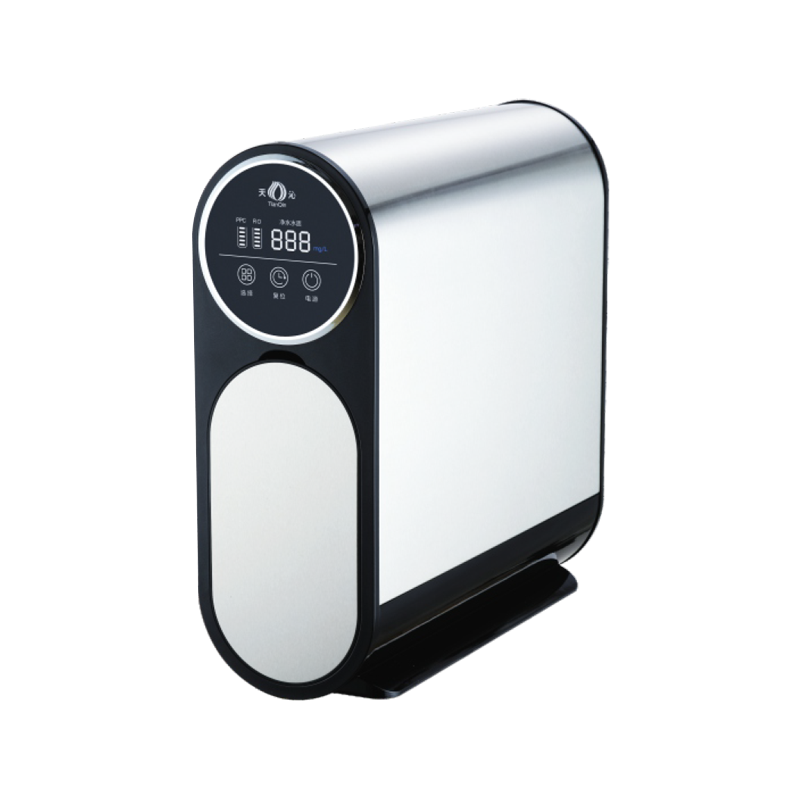 TQ-R03 Stainless Steel Booster Double Water Full Effect RO Water Purifier Cat:Stainless Steel Ro System
TQ-R03 Stainless Steel Booster Double Water Full Effect RO Water Purifier is a household water purification device that combines efficient water purif...
See Details -
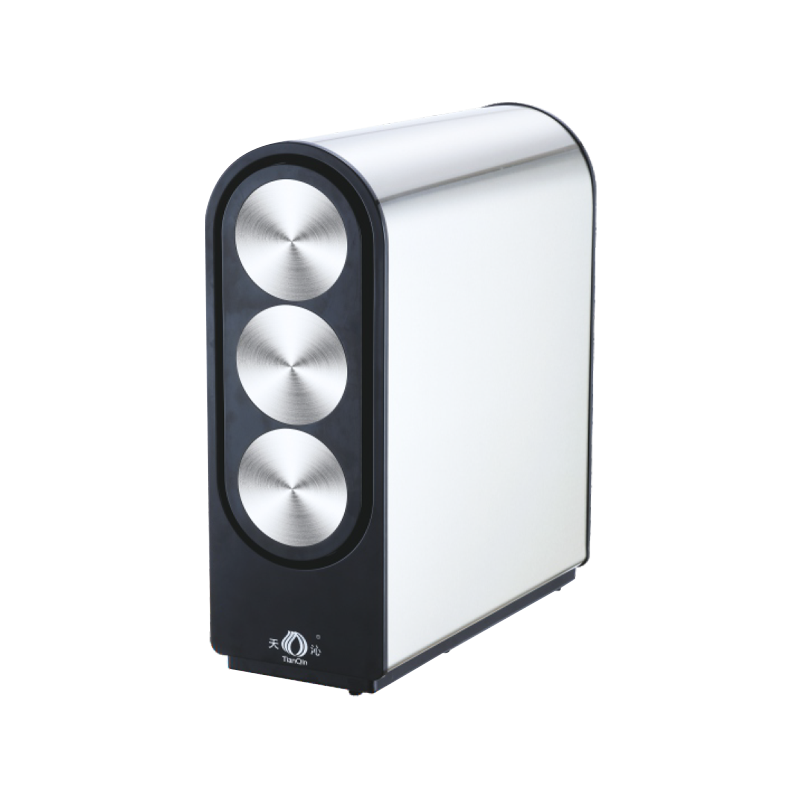 TQ-R05 Multifunctional Water Purification Source RO Water Purifier Cat:Stainless Steel Ro System
The TQ-R05 Multifunctional Water Purification Source RO Water Purifier is an advanced, versatile water purification solution designed for households a...
See Details -
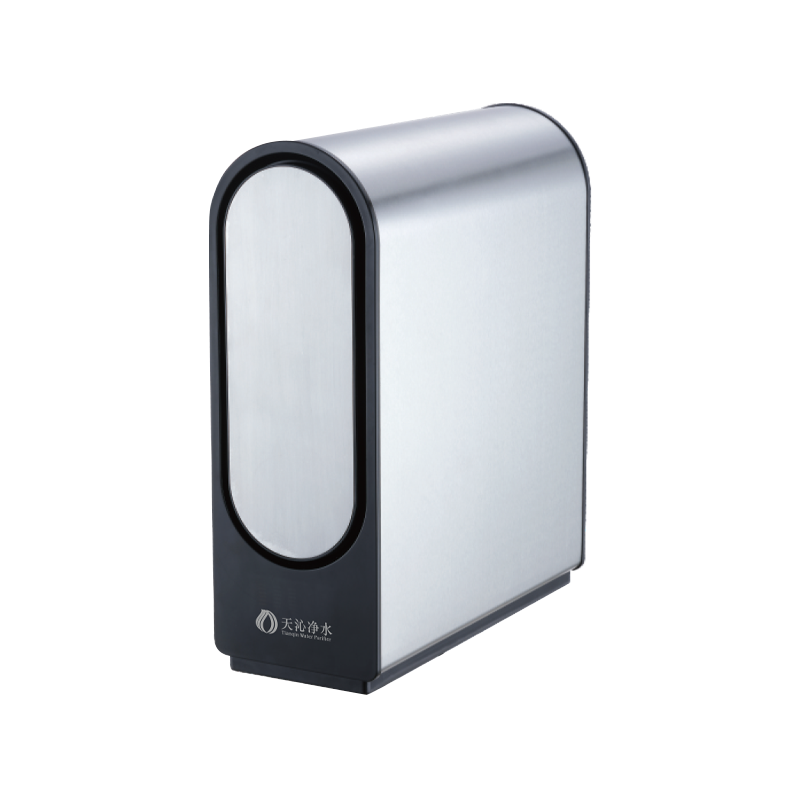 TQ-R06 Stainless Steel Environmentally Friendly RO Water Purifier Cat:Stainless Steel Ro System
The TQ-R06 Stainless Steel Environmentally Friendly RO Water Purifier combines advanced RO filtration technology, durable stainless steel housing, and...
See Details -
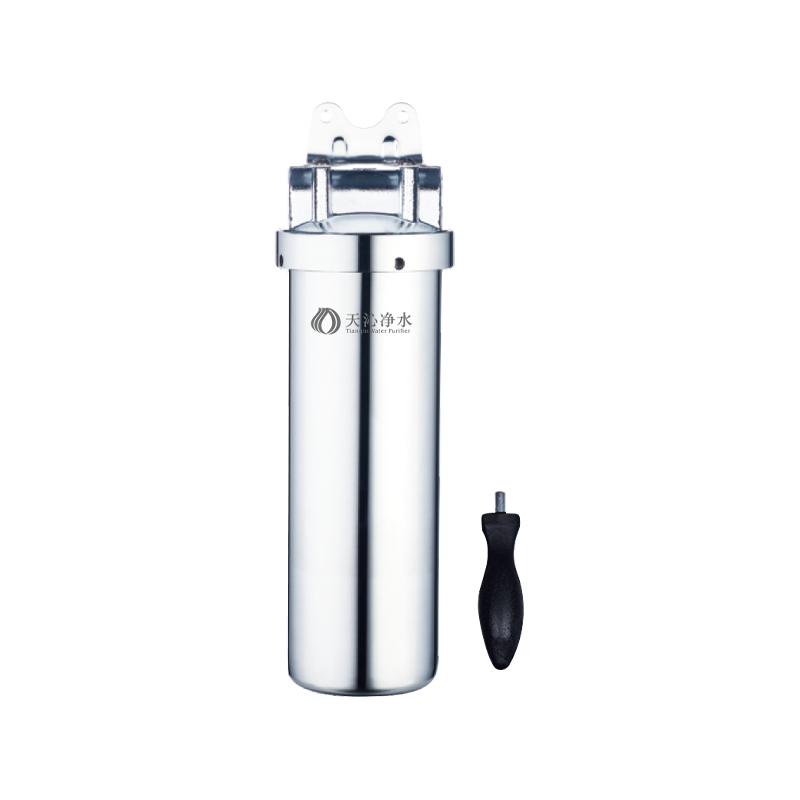 Stainless Steel Pure Double Water Pipe Water Purifier Cat:Stainless Steel Pipeline Water Purifier
The Stainless Steel Pure Double Water Pipe Water Purifier is an advanced water purification system designed to provide dual-mode purified water with e...
See Details -
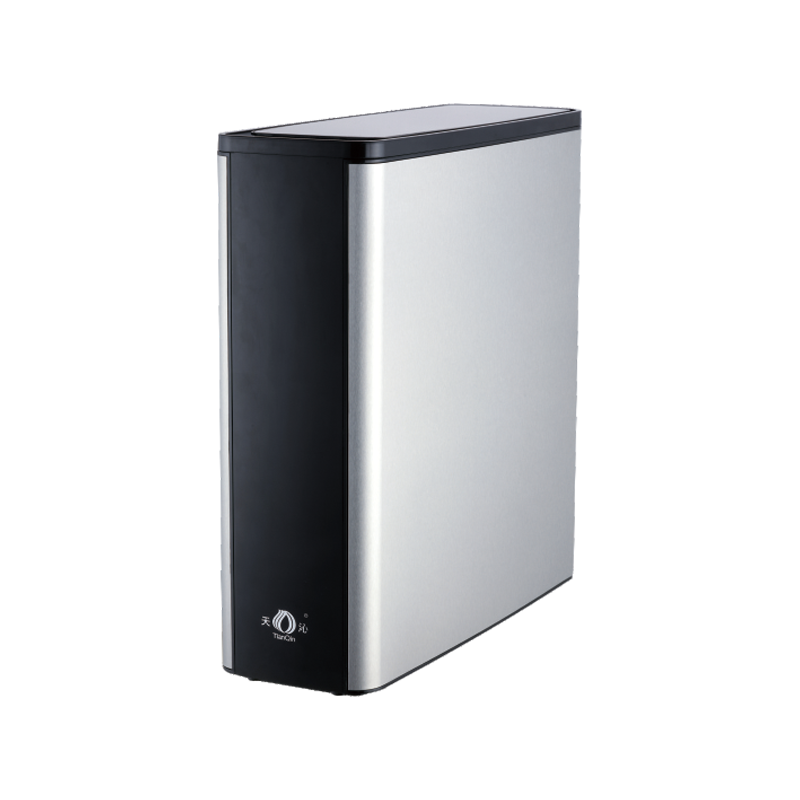 TQ-R08 Stainless Steel High-Flow RO Water Filter Cat:Stainless Steel Ro System
The Stainless Steel High-Flow RO Water Filter (TQ-R08) provides a powerful and effective solution for purifying drinking water, combining advanced rev...
See Details


 +86-0574-62381077/62386875

The Benefits of Using Gravity Water Filters for Safe Drinking Water
Access to clean and safe drinking water is essential for human health and well-being. In many parts of the world, however, water contamination remains a significant challenge. While there are various methods for purifying water, gravity water filters have emerged as a popular, simple, and effective solution for ensuring the quality of drinking water. These filters work without the need for electricity or complicated installation processes, making them particularly appealing in both urban and rural settings.
Content
What is a Gravity Water Filter?
A gravity water filter is a type of water filtration system that uses gravity to pull water through one or more filtration stages. These filters typically consist of two chambers: the top chamber where the unfiltered water is placed and the bottom chamber where the clean water is stored after filtration. Water is allowed to flow through the filter media under its own weight, without the need for any external power sources like electricity or pumps.
The filter media can include activated carbon, ceramic, or other materials designed to remove contaminants, such as bacteria, chlorine, heavy metals, and sediments, from the water. Gravity water filters come in various sizes and designs, from small, portable units suitable for travel to larger systems that can serve an entire household.
Key Benefits of Gravity Water Filters
No Electricity Required
One of the most significant benefits of gravity water filters is that they do not require electricity. Unlike some other water filtration systems, such as reverse osmosis filters or electric water purifiers, gravity filters operate entirely on the force of gravity. This makes them particularly useful in areas where electricity is unreliable or unavailable, such as rural or off-grid locations.
Additionally, because there are no electrical components involved, the filter systems are easy to set up, operate, and maintain. This also reduces the risk of system failure due to power outages or electrical malfunctions, making gravity filters a dependable choice for both everyday use and emergency preparedness.
Easy Installation and Maintenance
Gravity water filters are incredibly easy to install and require minimal maintenance. Most models simply involve assembling the two chambers and placing the filter elements inside, followed by filling the upper chamber with water. There is no need for plumbing or professional installation, making gravity filters an affordable option for households and communities without access to specialized technical services.
Furthermore, maintenance is typically straightforward. The filter elements can be cleaned and replaced periodically, depending on the model and the quality of the water being filtered. This simplicity in setup and maintenance makes gravity water filters ideal for people who want a low-maintenance and user-friendly solution to water filtration.
Effective Removal of Contaminants
Gravity water filters are highly effective in removing a wide range of contaminants commonly found in tap water and natural water sources. The effectiveness of the filtration depends on the quality of the filter elements, but most gravity filters can remove:
- Sediments and Particles: These include dirt, sand, and rust particles that can cloud water and affect its taste and appearance.
- Chlorine and Chloramine: These chemicals are commonly used in municipal water treatment but can affect the taste and odor of drinking water.
- Heavy Metals: Substances such as lead, mercury, and arsenic can be present in water sources and pose serious health risks. Gravity filters can reduce their presence to safe levels.
- Bacteria and Protozoa: Many gravity filters use ceramic filters or UV treatment to remove harmful microorganisms, making the water safer for consumption.
- Pesticides and Herbicides: In agricultural areas, water contamination from chemicals used in farming is common. Some gravity filters are equipped with activated carbon to help reduce the presence of these chemicals.
The combination of various filter stages ensures that gravity filters provide a high level of purification, delivering clean and safe drinking water.
Cost-Effective and Long-Term Solution
Compared to other water purification systems, gravity water filters are often more affordable to purchase and maintain over the long term. There are no ongoing electricity costs, and the filter elements can last for months or even years before needing replacement, depending on usage and water quality.
Moreover, gravity filters are a one-time investment for long-term water purification, whereas other systems, such as bottled water or reverse osmosis filters, often involve recurring costs. The affordability of gravity water filters makes them an attractive option for individuals, families, and communities looking for a cost-effective way to ensure access to clean drinking water.
Environmentally Friendly
Gravity water filters are also an environmentally friendly option for water purification. Unlike bottled water, which generates significant plastic waste, gravity filters provide a sustainable solution by encouraging the use of reusable containers. By filtering tap water, these systems reduce the need for single-use plastic bottles, helping to minimize plastic pollution.
Additionally, because gravity filters do not require electricity or chemical additives, they are considered a low-impact, eco-friendly choice compared to other filtration methods. This makes them a great option for environmentally conscious individuals and communities.
Portability and Versatility
Gravity water filters come in a range of sizes, making them highly versatile and suitable for various applications. Smaller, portable models are ideal for outdoor activities like camping, hiking, or backpacking, where access to clean water may be limited. These portable filters can provide purified water directly from lakes, rivers, or streams, ensuring that adventurers have access to safe drinking water wherever they go.
Larger models are designed for home use and can provide clean water for an entire family. These systems are ideal for people living in off-grid homes, emergency preparedness kits, or areas with unreliable municipal water services.
Ideal for Emergency Situations
In emergency situations, such as natural disasters, power outages, or water supply disruptions, gravity water filters can be a lifeline. Because they don’t require electricity and can operate in virtually any location, gravity filters are reliable tools for ensuring access to safe drinking water when other water purification systems may not function.
Gravity filters are often included in emergency preparedness kits because of their simplicity and effectiveness. During events like hurricanes, earthquakes, or floods, having a gravity water filter on hand can help ensure that individuals and families remain safe and hydrated in challenging conditions.
Comparing Gravity Water Filters with Other Filtration Methods
While gravity water filters offer numerous benefits, it’s important to compare them to other common filtration methods to understand their advantages and limitations.
- Reverse Osmosis (RO) Filters: RO systems are highly effective at removing contaminants but require electricity to function and can be slow in filtering large volumes of water. They also produce waste water, which can be inefficient.
- Activated Carbon Filters: Carbon filters are great at removing chlorine, taste, and odor, but they may not be as effective at removing bacteria, heavy metals, or sediments on their own. They are often used in conjunction with other filters.
- UV Purifiers: UV systems kill bacteria and viruses, but they require electricity and can only disinfect the water, not remove physical contaminants.
- Boiling: While boiling water kills bacteria and viruses, it is time-consuming and energy-intensive, especially when large quantities of water are needed.
Gravity water filters strike a balance between effectiveness, cost, and ease of use. They don’t require electricity, can filter a wide range of contaminants, and are ideal for both everyday use and emergency situations.
-
 Tel: +86-0574-62381077/62386875
-
 E-mail: leozhanglei@nbtianqin.net
-
 Add: Wuma Industrial Zone, Lubu Town, Yuyao City, Zhejiang Province, China.
Copyright © 2024 by Yuyao Tianqin Water Purification Equipment Co..Ltd.
All Rights Reserved.
 Wholesale Water Purifier Manufacturers

