 English
 中文简体
中文简体-
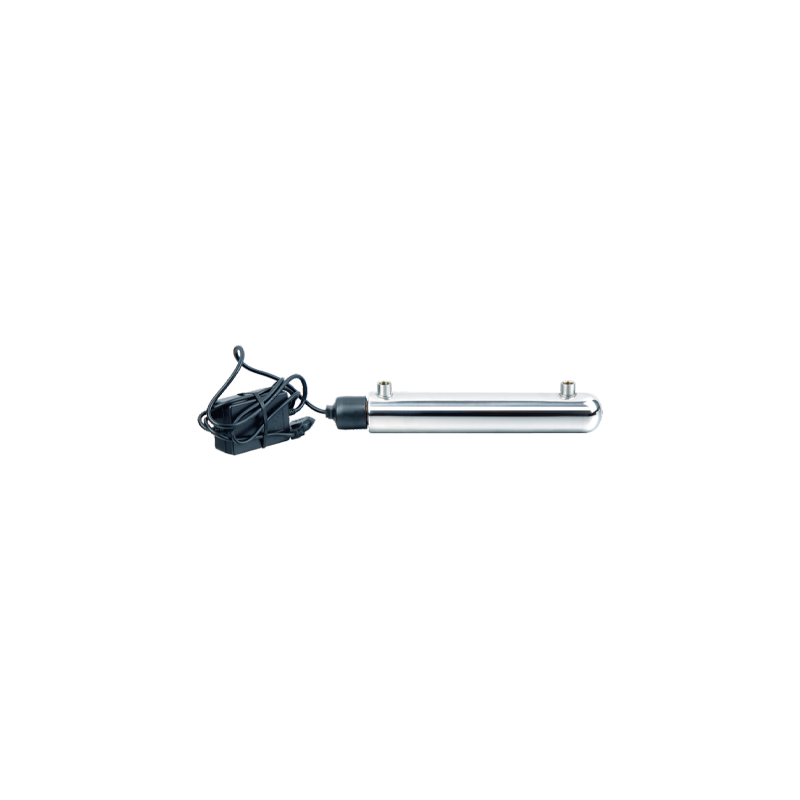 UV11W High-efficiency Intelligent UV Water Sterilizer Cat:Ultraviolet Water Sterilizer
The UV11W High-efficiency Intelligent UV Water Sterilizer is an advanced water purification system that offers convenience and reliability. This steri...
See Details -
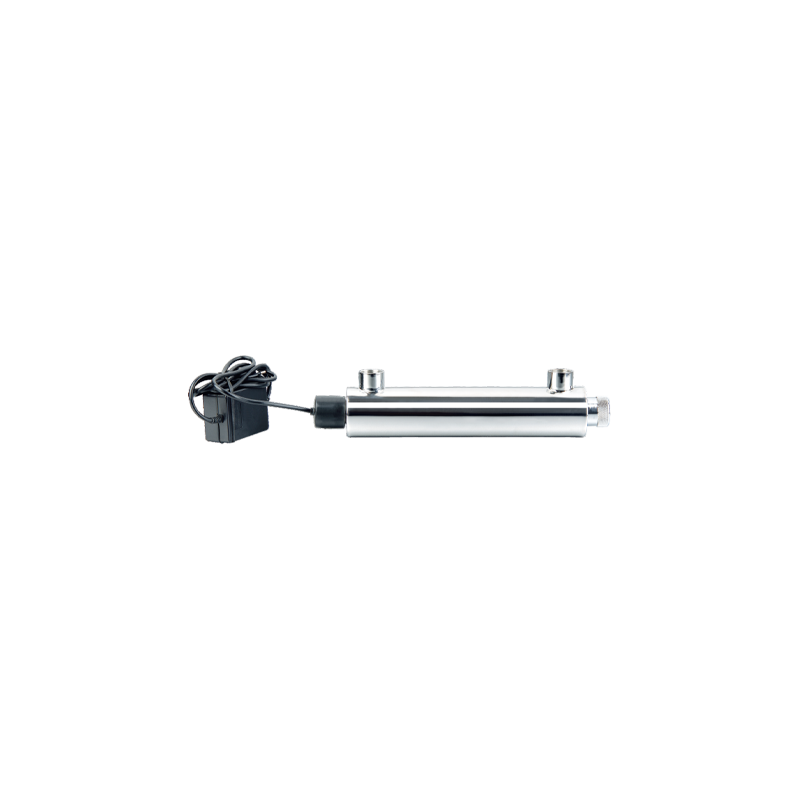 UV16W-A Household Stainless Steel UV Water Sterilizer Cat:Ultraviolet Water Sterilizer
The UV16W-A Household Stainless Steel UV Water Sterilizer is an innovative solution for ensuring safe and pure water in your home. Designed with durab...
See Details -
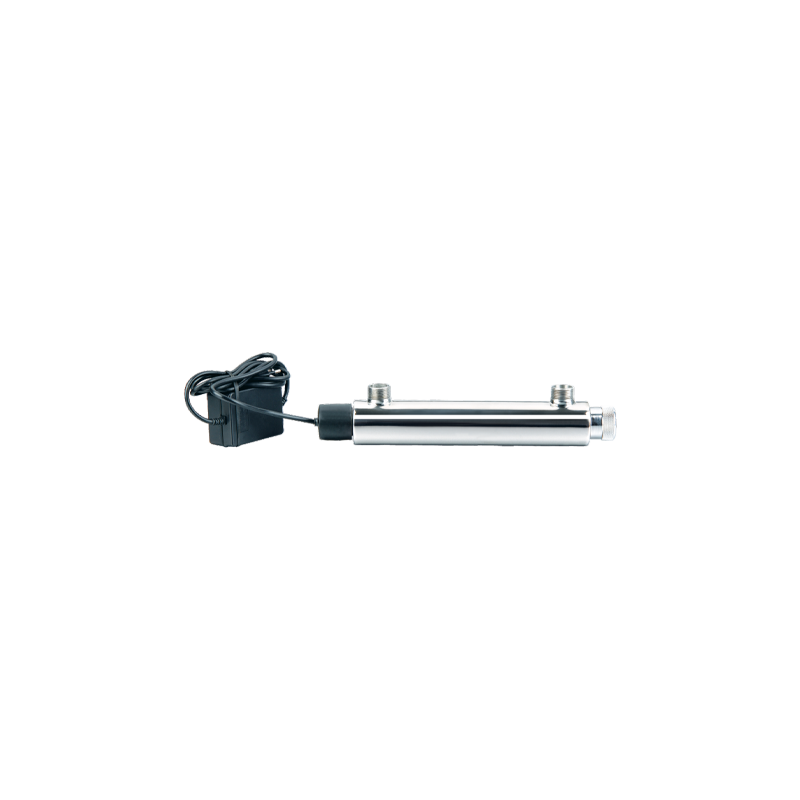 UV16W-B 304 Stainless Steel Water Purifier Ultraviolet Water Sterilizer Cat:Ultraviolet Water Sterilizer
UV16W-B 304 Stainless Steel Water Purifier Ultraviolet Water Sterilizer is an efficient water treatment equipment based on advanced ultraviolet disinf...
See Details -
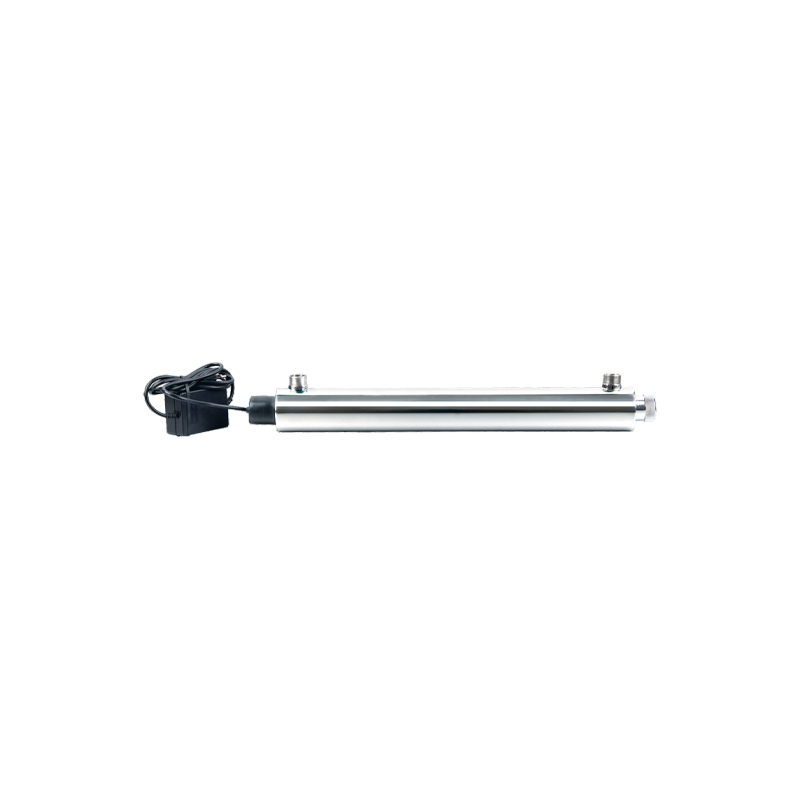 UV25W Stainless Steel Ultrafiltration Pre-Filtration UV Sterilizers For Water Cat:Ultraviolet Water Sterilizer
UV25W Stainless Steel Ultrafiltration Pre-Filtration UV Sterilizers For Water uses high-quality stainless steel materials, which have superb corrosion...
See Details -
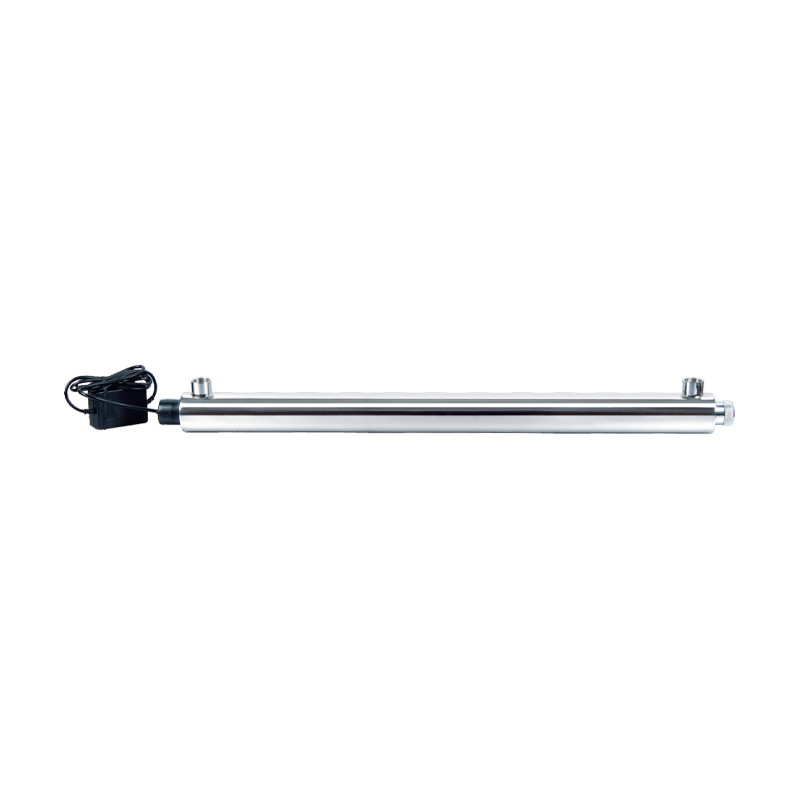 UV30W-55W Automatic Ultraviolet Sterilizer UV Filtration For Drinking Water Cat:Ultraviolet Water Sterilizer
The core advantage of UV30W-55W Automatic Ultraviolet Sterilizer UV Filtration For Drinking Water lies in its efficient and rapid disinfection capabil...
See Details -
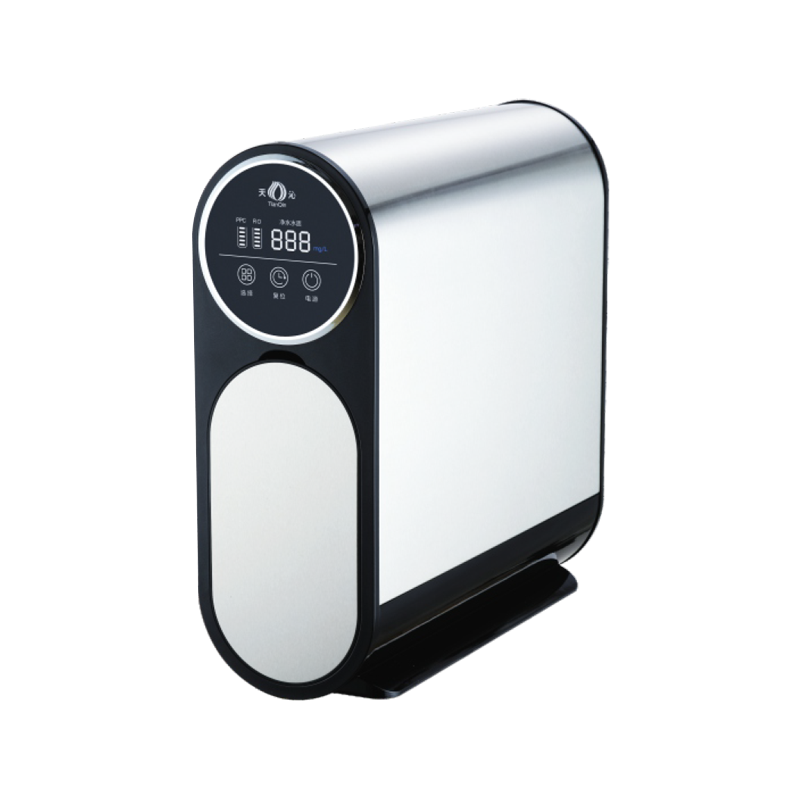 TQ-R03 Stainless Steel Booster Double Water Full Effect RO Water Purifier Cat:Stainless Steel Ro System
TQ-R03 Stainless Steel Booster Double Water Full Effect RO Water Purifier is a household water purification device that combines efficient water purif...
See Details -
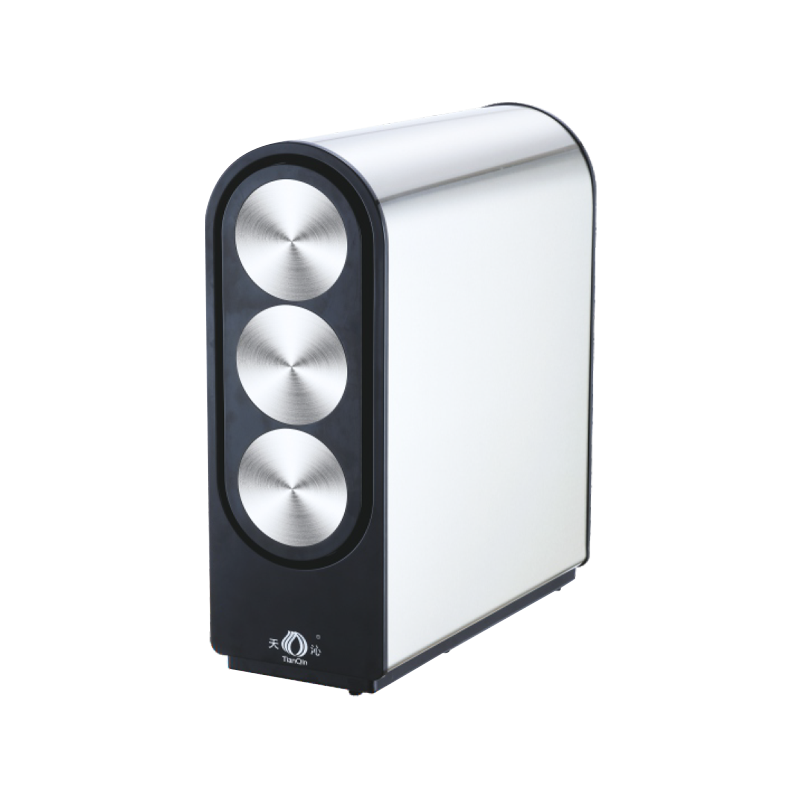 TQ-R05 Multifunctional Water Purification Source RO Water Purifier Cat:Stainless Steel Ro System
The TQ-R05 Multifunctional Water Purification Source RO Water Purifier is an advanced, versatile water purification solution designed for households a...
See Details -
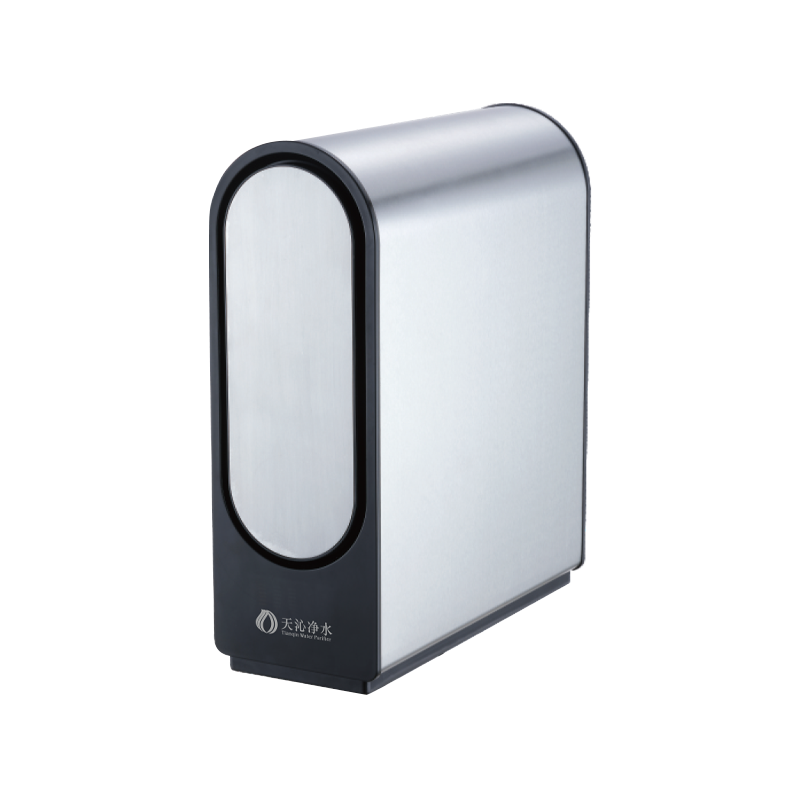 TQ-R06 Stainless Steel Environmentally Friendly RO Water Purifier Cat:Stainless Steel Ro System
The TQ-R06 Stainless Steel Environmentally Friendly RO Water Purifier combines advanced RO filtration technology, durable stainless steel housing, and...
See Details -
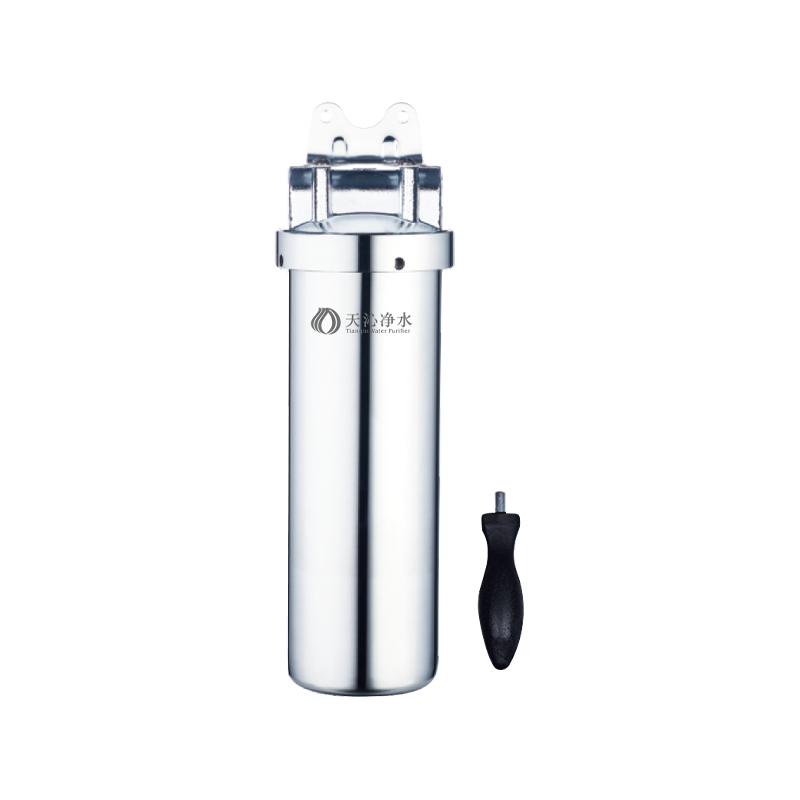 Stainless Steel Pure Double Water Pipe Water Purifier Cat:Stainless Steel Pipeline Water Purifier
The Stainless Steel Pure Double Water Pipe Water Purifier is an advanced water purification system designed to provide dual-mode purified water with e...
See Details -
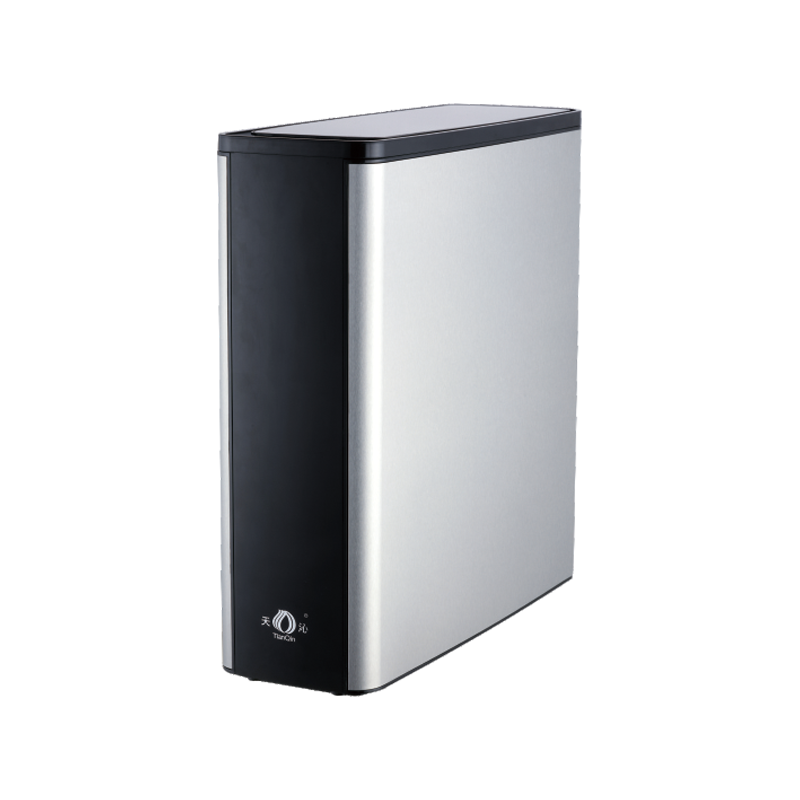 TQ-R08 Stainless Steel High-Flow RO Water Filter Cat:Stainless Steel Ro System
The Stainless Steel High-Flow RO Water Filter (TQ-R08) provides a powerful and effective solution for purifying drinking water, combining advanced rev...
See Details


 +86-0574-62381077/62386875

How to Choose the Best Water Faucet Filter for Your Kitchen
Clean, fresh water is essential for cooking, drinking, and everyday tasks in the kitchen. While many people rely on bottled water or water filtration systems, a water faucet filter is a simple and effective solution for ensuring your tap water is purified before it reaches your glass. But with so many options available, how do you choose the best water faucet filter for your kitchen?
Content
What is a Water Faucet Filter?
A water faucet filter is a small device that attaches to your kitchen sink’s faucet and filters the water before it flows through. These filters are designed to remove contaminants like chlorine, lead, sediment, and other impurities, improving the taste, smell, and safety of your tap water. Faucet filters come in various types, sizes, and filtration capabilities, making it important to choose one that suits your needs.
Key Factors to Consider When Choosing a Water Faucet Filter
When selecting a water faucet filter for your kitchen, there are several factors to consider to ensure you get the best performance and value for your money. Below, we’ll explore the most important considerations.
Filtration Technology
The filtration technology used in a water faucet filter is the most critical factor in its performance. Different filters use various methods to remove contaminants, including activated carbon, reverse osmosis, and ceramic filtration. Here's a breakdown of the most common types:
- Activated Carbon Filters: These filters are among the most common and effective for removing chlorine, volatile organic compounds (VOCs), bad odors, and other impurities that affect the taste and smell of your water.
- Reverse Osmosis Filters: Reverse osmosis (RO) filters provide a higher level of filtration by removing harmful contaminants such as lead, arsenic, and fluoride. However, they tend to be more expensive and may reduce water flow.
- Ceramic Filters: Ceramic filters work by filtering water through microscopic pores, trapping bacteria, sediment, and other particles. They can be a good choice for removing larger contaminants but may not remove chemicals like chlorine.
Contaminants Removal
Before purchasing a water faucet filter, it’s important to know what contaminants are present in your tap water. Depending on where you live, your water may contain chlorine, lead, sediment, heavy metals, bacteria, or pesticides. Some filters are better suited to remove certain contaminants than others.
For example, if you’re concerned about lead in your drinking water, you’ll want a filter specifically designed to reduce lead levels. Activated carbon filters are generally effective for chlorine and other common impurities, but reverse osmosis filters may be necessary to remove more harmful substances like lead and arsenic.
Filter Life and Maintenance
All water faucet filters require regular maintenance to ensure optimal performance. Most filters need to be replaced after a certain period, typically every 3 to 6 months, depending on usage and the type of filter. When choosing a water faucet filter, consider the lifespan of the filter cartridge and the cost of replacement filters.
Some filters have longer lifespans than others, which means fewer replacements and less frequent maintenance. However, filters with longer lifespans may also come at a higher upfront cost. Be sure to choose a filter that aligns with both your budget and maintenance preferences.
Ease of Installation
Installing a water faucet filter should be a straightforward process, but some models may be more complicated than others. Most faucet filters are designed to be easy to install, typically attaching directly to your faucet without the need for professional assistance. However, some filters may require a special adapter or more advanced installation steps.
If you’re looking for a hassle-free installation, choose a filter that comes with clear instructions and all the necessary components. Many filters feature tool-free installation, which means you can set them up in just a few minutes.
Water Flow Rate
The water flow rate is an important factor to consider when choosing a faucet filter. Some filters can significantly reduce water flow, which can be frustrating for daily use. If you need a high flow rate for tasks like filling pots or washing dishes, be sure to choose a filter that provides a balance between filtration and flow rate.
Some high-performance filters, like reverse osmosis systems, may reduce water flow to ensure better filtration, while other filters, such as activated carbon filters, tend to maintain a faster flow rate. Look for a filter that meets your specific water usage needs without sacrificing performance.
Cost and Value
When choosing a water faucet filter, it’s essential to consider both the initial cost and the ongoing maintenance costs. While some filters may be affordable upfront, they may require frequent replacements or have higher ongoing costs. On the other hand, more expensive filters may have a longer lifespan and higher filtration capabilities, making them a better value in the long run.
To determine the best value for your budget, compare the cost of the filter, the frequency of filter replacements, and the performance of the filter. It’s also worth considering any warranties or guarantees offered by the manufacturer, as these can provide added peace of mind.
Certification and Quality Standards
Look for a water faucet filter that is certified by a recognized authority, such as NSF International or the Water Quality Association (WQA). These certifications ensure that the filter meets specific standards for contaminant removal and product safety. Certified filters are tested to ensure they effectively remove harmful substances, providing you with clean and safe water.
Choosing a certified water faucet filter gives you confidence that the filter has undergone rigorous testing and meets industry standards for performance and safety.
Top Water Faucet Filters for Your Kitchen
Now that you know the key factors to consider, here are some of the top-rated water faucet filters to consider for your kitchen:
- Brita Tap Water Filter: Known for its affordability and ease of use, this activated carbon filter removes chlorine, sediment, and other impurities, making it a great option for everyday use.
- Pur Faucet Water Filter: This filter uses a combination of activated carbon and ion-exchange technology to reduce contaminants such as lead, chlorine, and pesticides.
- AquaTru Reverse Osmosis Faucet Filter: Ideal for those who want the highest level of filtration, this reverse osmosis filter removes a wide range of harmful contaminants, including lead, fluoride, and arsenic.
-
 Tel: +86-0574-62381077/62386875
-
 E-mail: leozhanglei@nbtianqin.net
-
 Add: Wuma Industrial Zone, Lubu Town, Yuyao City, Zhejiang Province, China.
Copyright © 2024 by Yuyao Tianqin Water Purification Equipment Co..Ltd.
All Rights Reserved.
 Wholesale Water Purifier Manufacturers

