 English
 中文简体
中文简体-
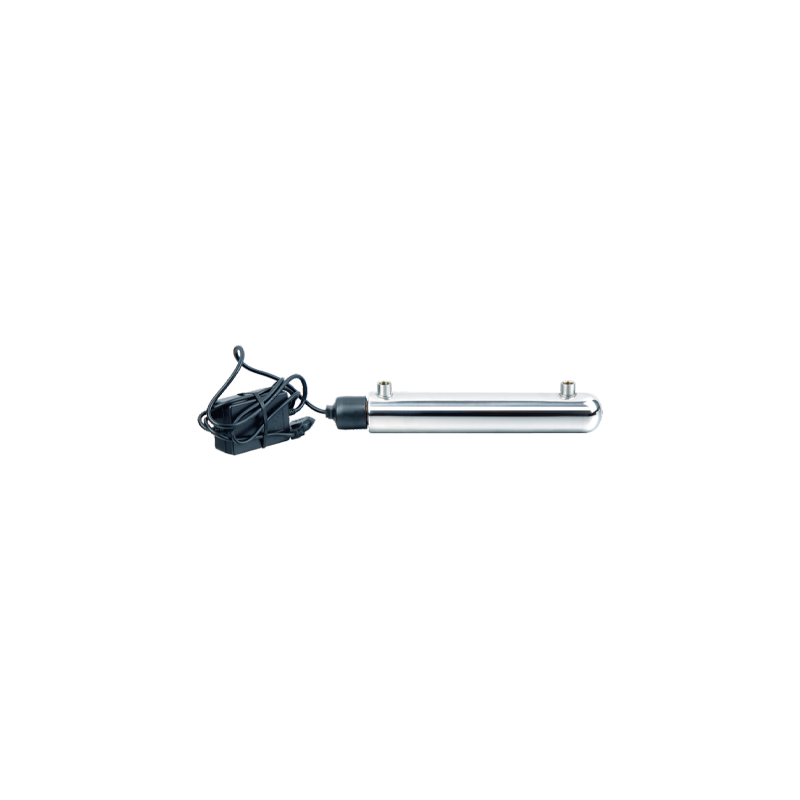 UV11W High-efficiency Intelligent UV Water Sterilizer Cat:Ultraviolet Water Sterilizer
The UV11W High-efficiency Intelligent UV Water Sterilizer is an advanced water purification system that offers convenience and reliability. This steri...
See Details -
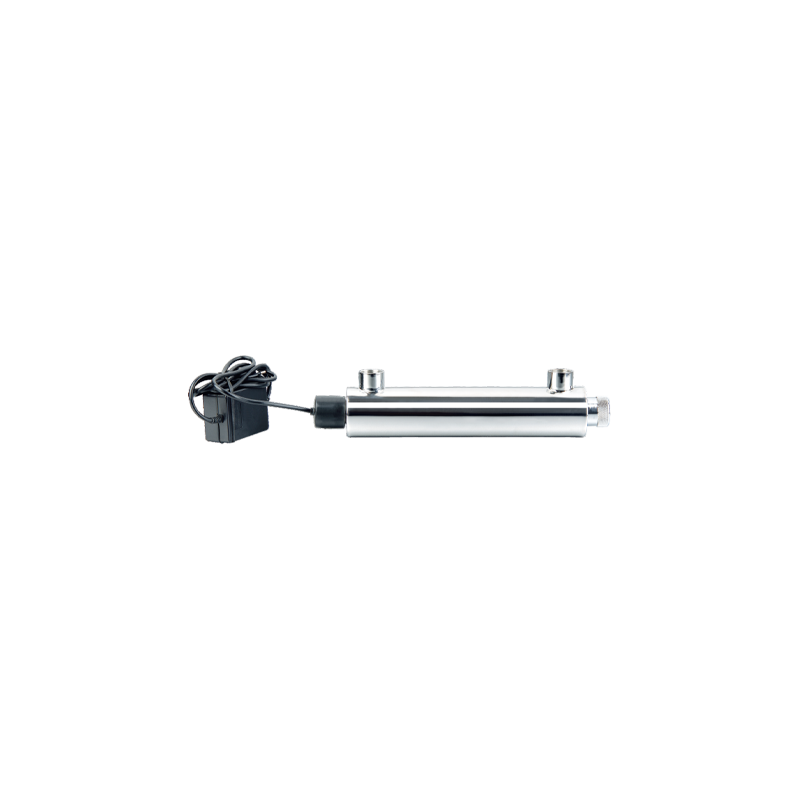 UV16W-A Household Stainless Steel UV Water Sterilizer Cat:Ultraviolet Water Sterilizer
The UV16W-A Household Stainless Steel UV Water Sterilizer is an innovative solution for ensuring safe and pure water in your home. Designed with durab...
See Details -
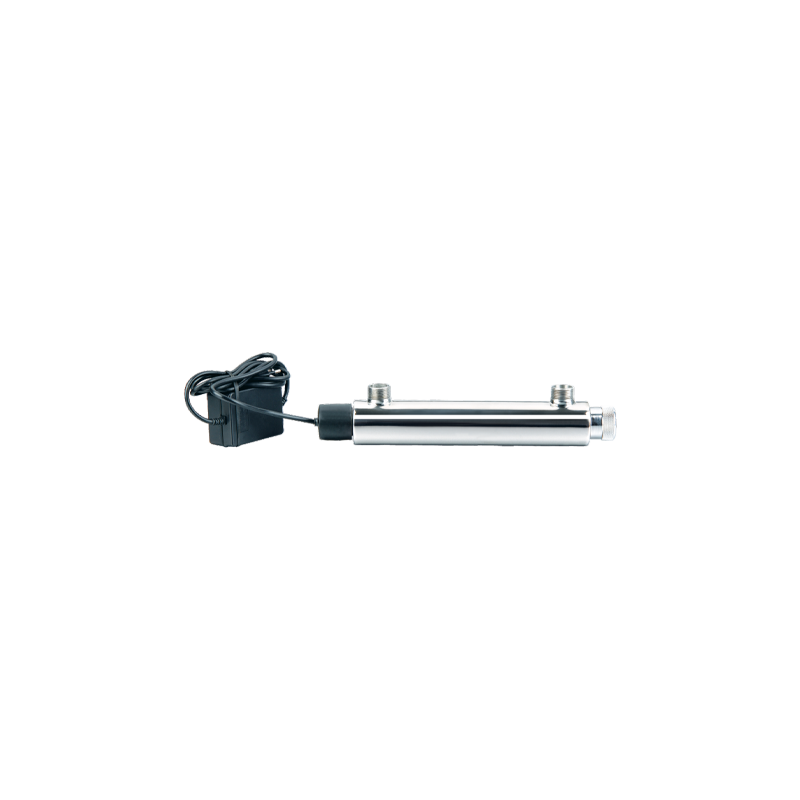 UV16W-B 304 Stainless Steel Water Purifier Ultraviolet Water Sterilizer Cat:Ultraviolet Water Sterilizer
UV16W-B 304 Stainless Steel Water Purifier Ultraviolet Water Sterilizer is an efficient water treatment equipment based on advanced ultraviolet disinf...
See Details -
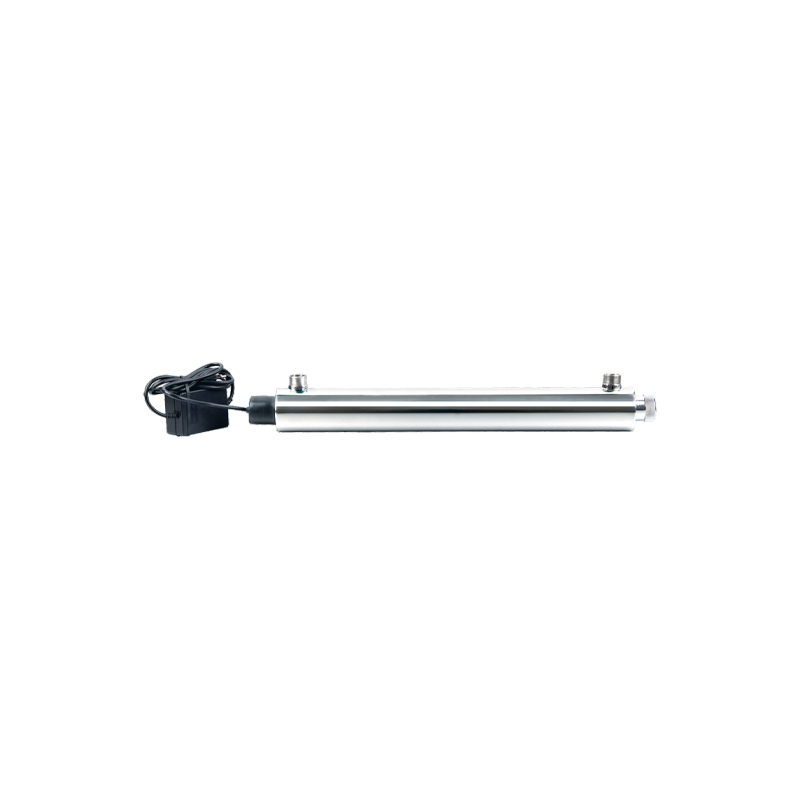 UV25W Stainless Steel Ultrafiltration Pre-Filtration UV Sterilizers For Water Cat:Ultraviolet Water Sterilizer
UV25W Stainless Steel Ultrafiltration Pre-Filtration UV Sterilizers For Water uses high-quality stainless steel materials, which have superb corrosion...
See Details -
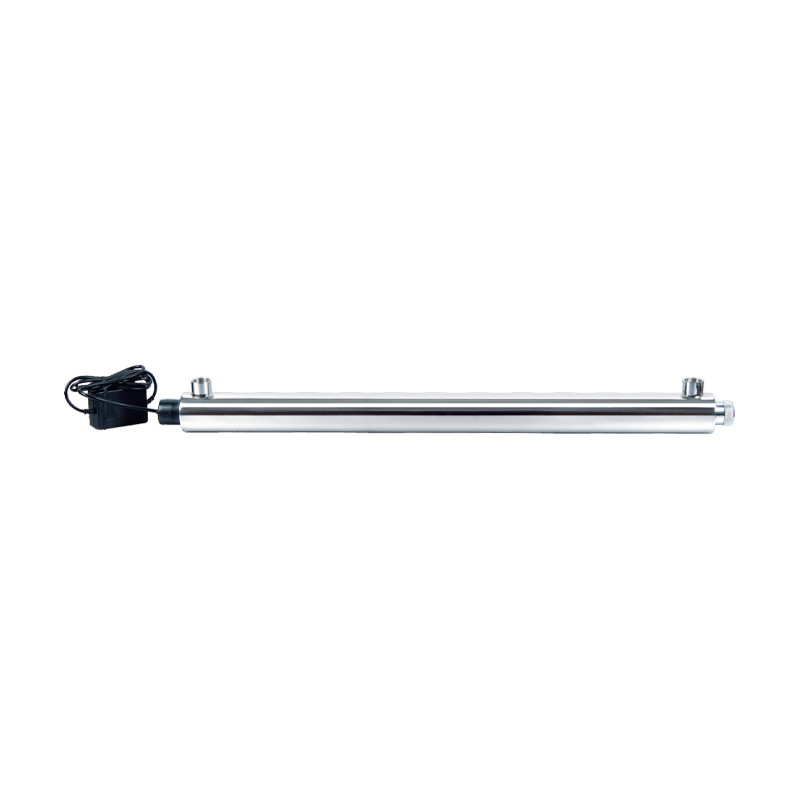 UV30W-55W Automatic Ultraviolet Sterilizer UV Filtration For Drinking Water Cat:Ultraviolet Water Sterilizer
The core advantage of UV30W-55W Automatic Ultraviolet Sterilizer UV Filtration For Drinking Water lies in its efficient and rapid disinfection capabil...
See Details -
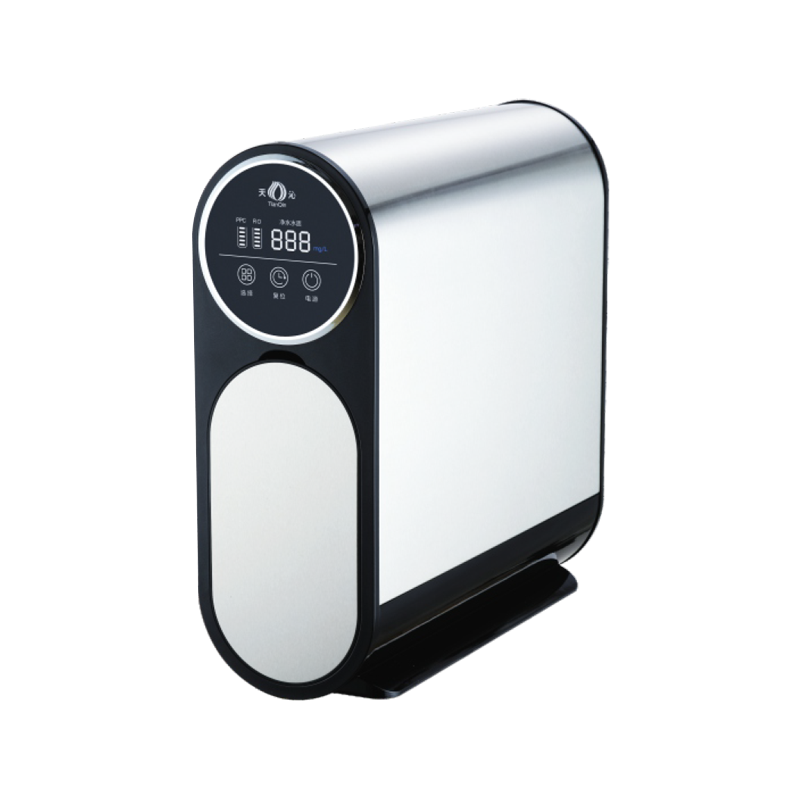 TQ-R03 Stainless Steel Booster Double Water Full Effect RO Water Purifier Cat:Stainless Steel Ro System
TQ-R03 Stainless Steel Booster Double Water Full Effect RO Water Purifier is a household water purification device that combines efficient water purif...
See Details -
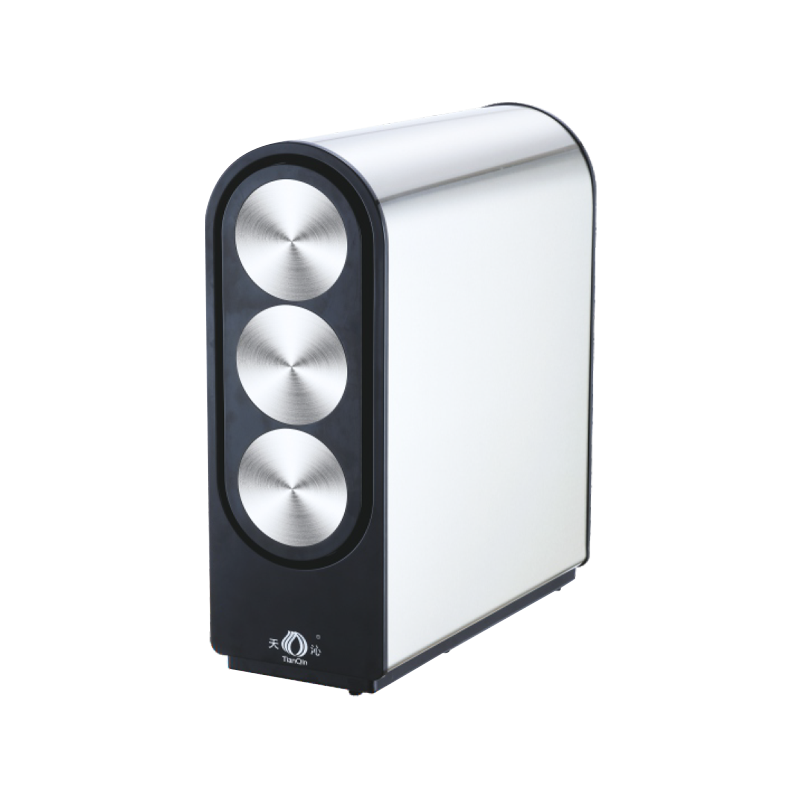 TQ-R05 Multifunctional Water Purification Source RO Water Purifier Cat:Stainless Steel Ro System
The TQ-R05 Multifunctional Water Purification Source RO Water Purifier is an advanced, versatile water purification solution designed for households a...
See Details -
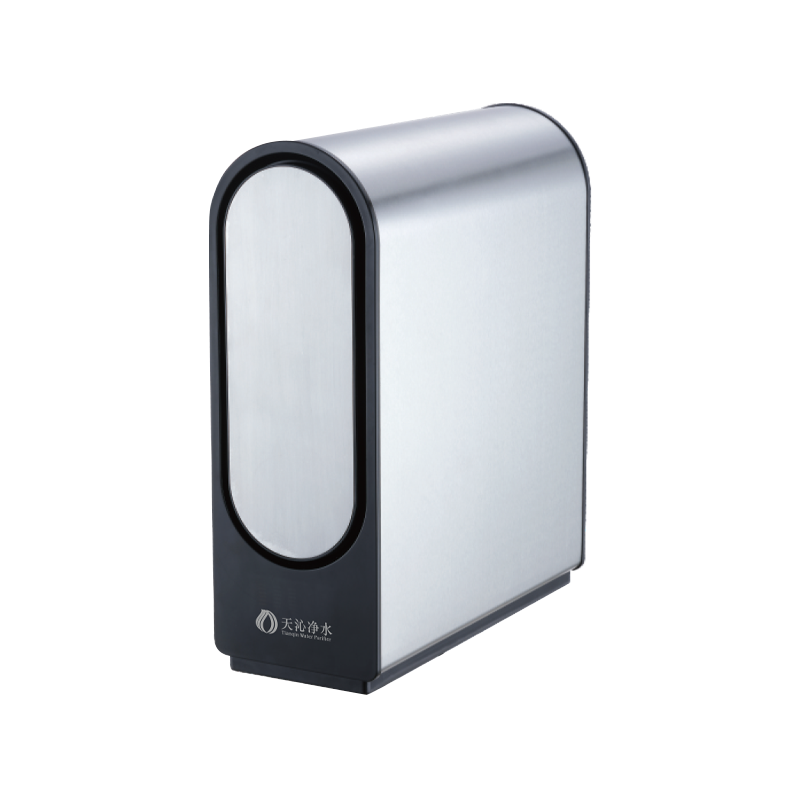 TQ-R06 Stainless Steel Environmentally Friendly RO Water Purifier Cat:Stainless Steel Ro System
The TQ-R06 Stainless Steel Environmentally Friendly RO Water Purifier combines advanced RO filtration technology, durable stainless steel housing, and...
See Details -
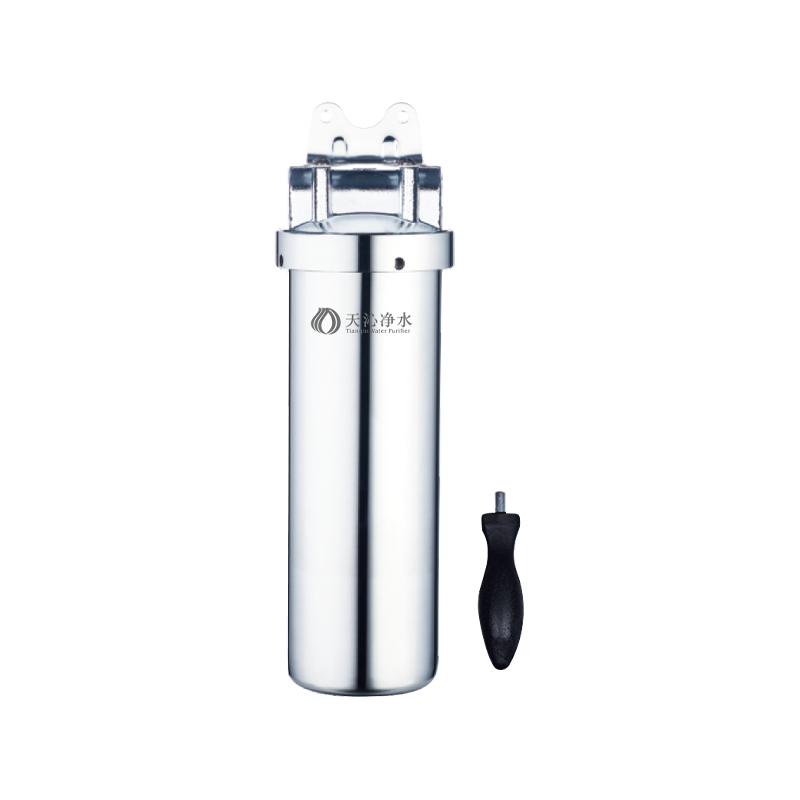 Stainless Steel Pure Double Water Pipe Water Purifier Cat:Stainless Steel Pipeline Water Purifier
The Stainless Steel Pure Double Water Pipe Water Purifier is an advanced water purification system designed to provide dual-mode purified water with e...
See Details -
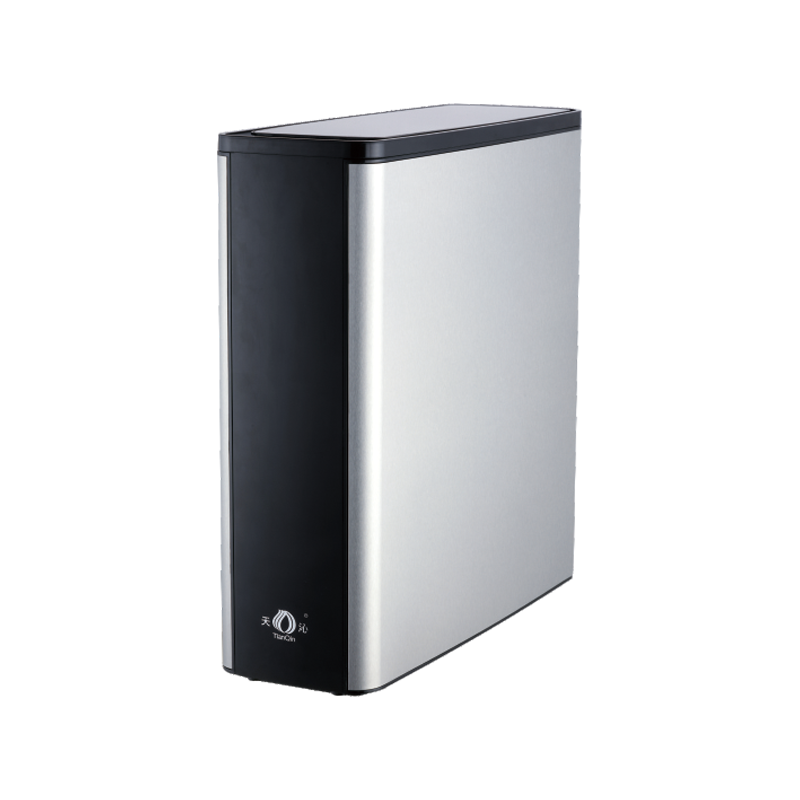 TQ-R08 Stainless Steel High-Flow RO Water Filter Cat:Stainless Steel Ro System
The Stainless Steel High-Flow RO Water Filter (TQ-R08) provides a powerful and effective solution for purifying drinking water, combining advanced rev...
See Details


 +86-0574-62381077/62386875

How Much Water Does Reverse Osmosis Waste? Real Ratios and Simple Fixes
Every week we hear the same worried question from homeowners and project buyers: is it true that reverse osmosis throws away most of the water it touches? Having manufactured water purification equipment since 1998, we can give an honest two-part answer. Yes, an RO system sends some water to the drain by design. But how much depends almost entirely on the architecture of the machine and the condition of your plumbing. The old image of a device discarding four gallons for every one it cleans no longer describes what responsible manufacturers build today. Here is what the numbers really look like.
Content
The Short Answer: How Much Water Does RO Send to the Drain?
A traditional tank-based reverse osmosis unit, the kind with a pressurized storage cylinder under the sink, typically produces one gallon of purified water while discharging three to four gallons to the drain. In industry shorthand that is a 3:1 to 4:1 ratio, or a recovery rate of only 20 to 25 percent. Modern equipment has closed that gap considerably: with improved membranes, dependable shut-off valves, and pump-assisted flow, many current systems run close to 1:1, and tankless direct-flow designs purify water only while you are actually drawing it.
The table below sums up what each generation of design can achieve in an ordinary kitchen:
| System design | Typical drain-to-purified ratio | What it means day to day |
|---|---|---|
| Traditional tank-based RO | 3:1 to 4:1 | Up to four gallons to the drain per gallon of drinking water |
| Standard modern RO with shut-off valve | 1:1 to 2:1 | Waste cut by half or more versus older units |
| Tankless direct-flow RO | 1:1 or better | Water is made on demand, so little is lost to standby flushing |
Two caveats matter: these figures assume correct installation and timely filter changes, and colder or weaker supplies always do worse than the standard test conditions behind them. If you enjoy the engineering detail, our guide to the water treatment efficiency and pure water recovery rate of a stainless steel RO system breaks the math down step by step.
Why Reverse Osmosis Sends Water Down the Drain
Here is the part many articles skip: the water heading for your drain is not a design flaw. It is doing a job. Reverse osmosis works by cross-flow filtration. Feed water sweeps across the membrane surface, pure water molecules pass through microscopic pores, and everything the membrane blocks, from dissolved salts and heavy metals to nitrates and fluoride, stays behind in a concentrated stream that must be routed to the drain.
That continuous rinse keeps the membrane surface from caking over. Without it, output would slow, dissolved solids in your glass would creep upward, and the membrane would need replacing far sooner. The drain line is therefore a trade: a small, controlled loss of water in exchange for a longer membrane life and consistently clean water. The real question is not how to stop the waste, but how to get the same protection with far less water, which is exactly where modern engineering has focused.
What Pushes Your Waste Ratio Up or Down
No two homes see the same ratio, and after decades of supplying households and commercial sites with very different water, we know which variables matter most:
- Feed pressure: when supply pressure falls below roughly 50 psi, output slows and drain flow climbs, and a small booster pump usually pays for itself quickly.
- Water temperature: membranes produce noticeably less in cold water, so winter ratios are always worse than summer ones.
- Incoming dissolved solids: the higher the total dissolved solids in your source, the more concentrate the system must discharge to keep the membrane clean.
- Filter and membrane age: an overdue prefilter lets chlorine attack the membrane, and a tired membrane works inefficiently, both of which push reject water up.
- A failed shut-off valve: the silent culprit behind runaway waste, since a stuck valve lets the system produce and drain long after the tank is full.
Pressure stability deserves a special note. If your supply pressure swings through the day, which is common in high-rise apartments and homes at the end of a long municipal line, choose hardware designed to tolerate it. Our TQR10 reverse osmosis purifier, for example, was developed specifically for areas where water pressure may fluctuate, keeping the ratio predictable instead of letting it drift.
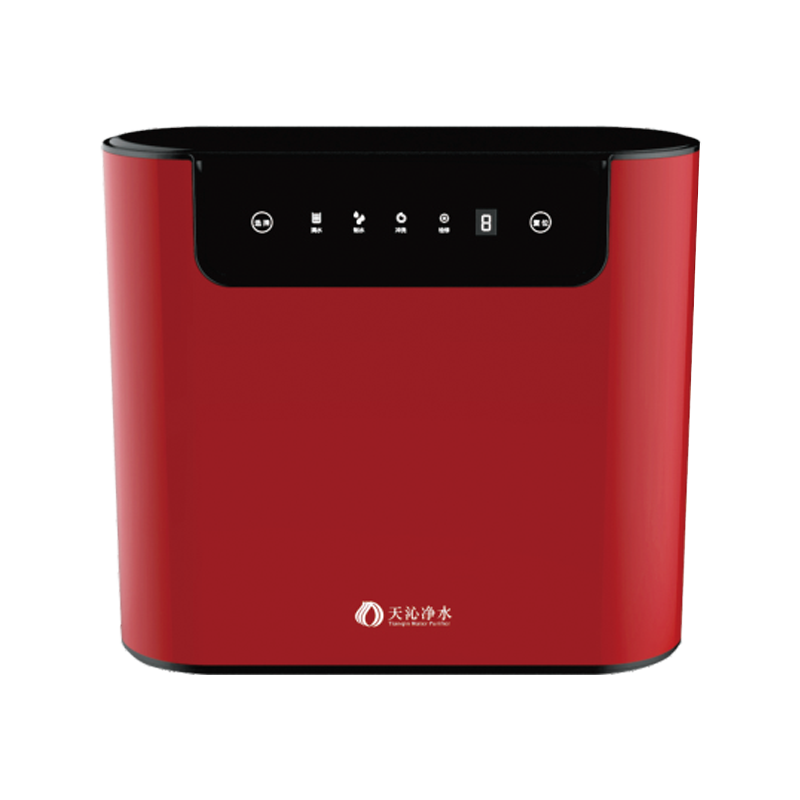 TQ-R10 Ideal for areas where water pressure may fluctuate,The TQ-R10 Multi-effect Self-priming Reverse Osmosis Water Purifier is an innovative and highly efficient water filtration system. Featuring a multi-effect self-primin...View Product →
How Modern Designs Cut the Waste
The biggest gains have come from rethinking the shape of the system rather than the membrane alone. Permeate pumps borrow the energy of the outgoing drain flow to push purified water into storage, so the shut-off valve closes sooner and drain volume drops without extra electricity. Tankless direct-flow systems take another path: they purify water the moment you open the faucet, with no tank to fill and no standby flushing, and many now achieve a 1:1 ratio or better, with fresher taste as a bonus because nothing sits in storage.
Membrane chemistry has improved alongside, yielding more clean water per unit of feed and therefore less concentrate for the same output. Our TQR14 high-efficiency tankless reverse osmosis purifier follows this philosophy closely: it skips the storage tank altogether and was engineered around water efficiency from the first sketch.
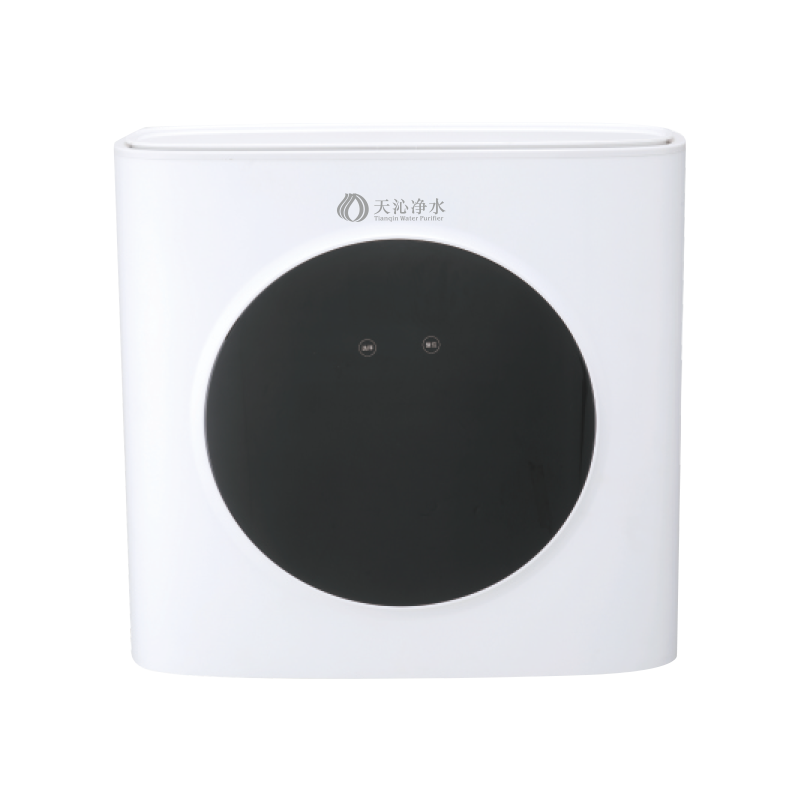 TQ-R14 High Efficiency Tankless Reverse Osmosis Water PurifierThe TQ-R14 High Efficiency Tankless Reverse Osmosis Water Purifier is a water purification system designed to deliver clean, safe, and fresh drinking water without the...View Product →
Practical Ways to Reduce RO Wastewater
Whether you are choosing a new system or getting more from the one you own, these steps make a measurable difference:
- Right-size the machine: a unit rated for a large family will cycle and flush more than necessary in a one- or two-person household.
- Keep to the maintenance schedule: fresh prefilters protect the membrane, and a healthy membrane holds the ratio close to its rated value.
- Test the shut-off valve once a year: if you hear water trickling to the drain after the last glass was poured, replace the valve promptly.
- Give the concentrate a second job: route drain water to a bucket for mopping floors, washing the car, or pre-rinsing laundry, and the loss costs you nothing.
- Reserve purified water for drinking and cooking: dual-water-mode models supply a second stream of pre-RO filtered water for rinsing vegetables, so the membrane works only when it truly must.
Finally, when replacement time comes, treat efficiency as a feature rather than an afterthought. Our TQR06 stainless steel environmentally friendly RO purifier, for instance, was developed to minimize drain loss while standing up to years of daily use in a body that will not chip, crack, or add plastic taste to your water.
 TQ-R06 Stainless Steel Environmentally Friendly RO Water PurifierThe TQ-R06 Stainless Steel Environmentally Friendly RO Water Purifier combines advanced RO filtration technology, durable stainless steel housing, and eco-friendly fea...View Product →
Keeping the Numbers in Perspective
Context helps. A family drawing two gallons of drinking and cooking water per day from an older 3:1 system sends about six gallons to the drain over a full day, which is less water than a ten-minute shower uses. For most municipal homes that is a rounding error on the monthly bill. The calculation changes where every drop counts: wells with limited yield, rooftop tank supplies, and drought-prone regions all reward the difference between a 3:1 machine and a 1:1 one, so choosing the right design upfront pays off most.
It is also worth knowing that reverse osmosis is not the only technology we manufacture. Ultrafiltration systems send nothing to the drain, because they filter mechanically without separating a concentrate stream. They will not remove dissolved salts and heavy metals the way RO does, but for many municipal supplies they provide strong protection with zero wastewater. Matching the technology to your actual water report remains the most water-efficient choice of all.
The Bottom Line
So, how much water does reverse osmosis waste? An older tank-based unit may send three or four gallons down the drain for every gallon you drink; a well-chosen modern system brings that close to one-for-one, and disciplined maintenance keeps it there. The drain line itself is not a defect, since it is what keeps the membrane clean and your water safe, but the volume passing through it is firmly within your control.
We have been manufacturing water purification equipment since 1998, from stainless steel RO systems and pipeline purifiers to commercial straight-drinking machines exported to the Middle East, Southeast Asia, and Europe. If you are weighing which design suits your household or project, you are welcome to learn more about our factory and certifications, or simply reach out: matching water technology to real-world conditions is what we do every day.
-
 Tel: +86-0574-62381077/62386875
-
 E-mail: leozhanglei@nbtianqin.net
-
 Add: Wuma Industrial Zone, Lubu Town, Yuyao City, Zhejiang Province, China.
Copyright © 2024 by Yuyao Tianqin Water Purification Equipment Co..Ltd.
All Rights Reserved.
 Wholesale Water Purifier Manufacturers

