 English
 中文简体
中文简体-
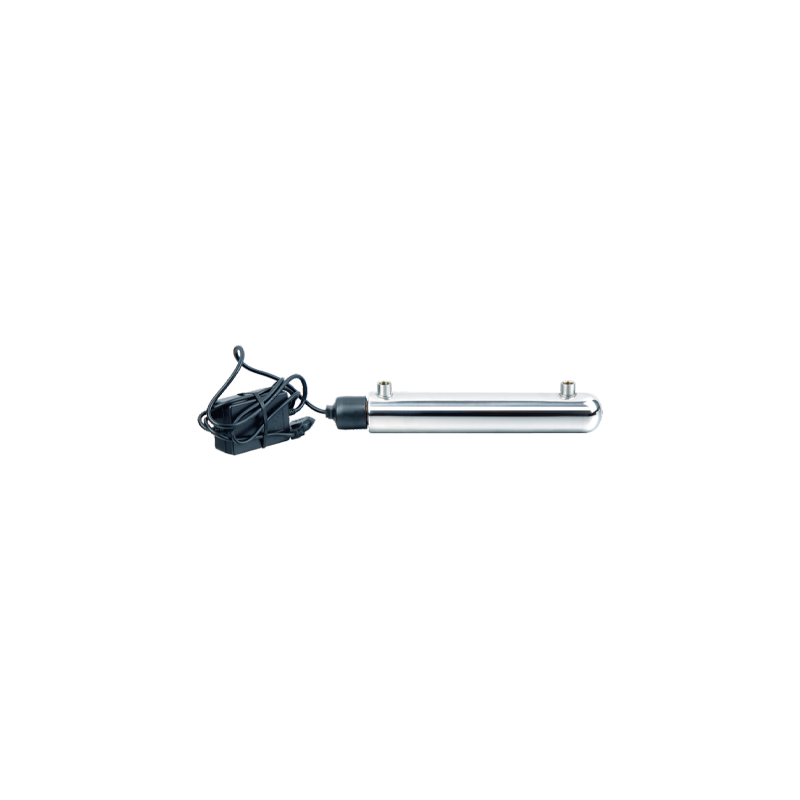 UV11W High-efficiency Intelligent UV Water Sterilizer Cat:Ultraviolet Water Sterilizer
The UV11W High-efficiency Intelligent UV Water Sterilizer is an advanced water purification system that offers convenience and reliability. This steri...
See Details -
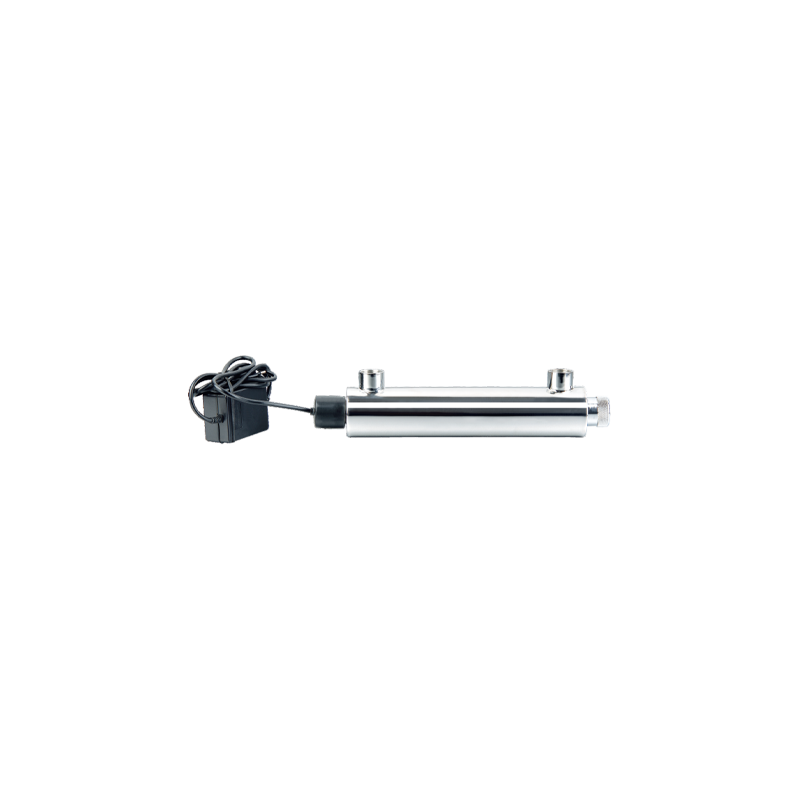 UV16W-A Household Stainless Steel UV Water Sterilizer Cat:Ultraviolet Water Sterilizer
The UV16W-A Household Stainless Steel UV Water Sterilizer is an innovative solution for ensuring safe and pure water in your home. Designed with durab...
See Details -
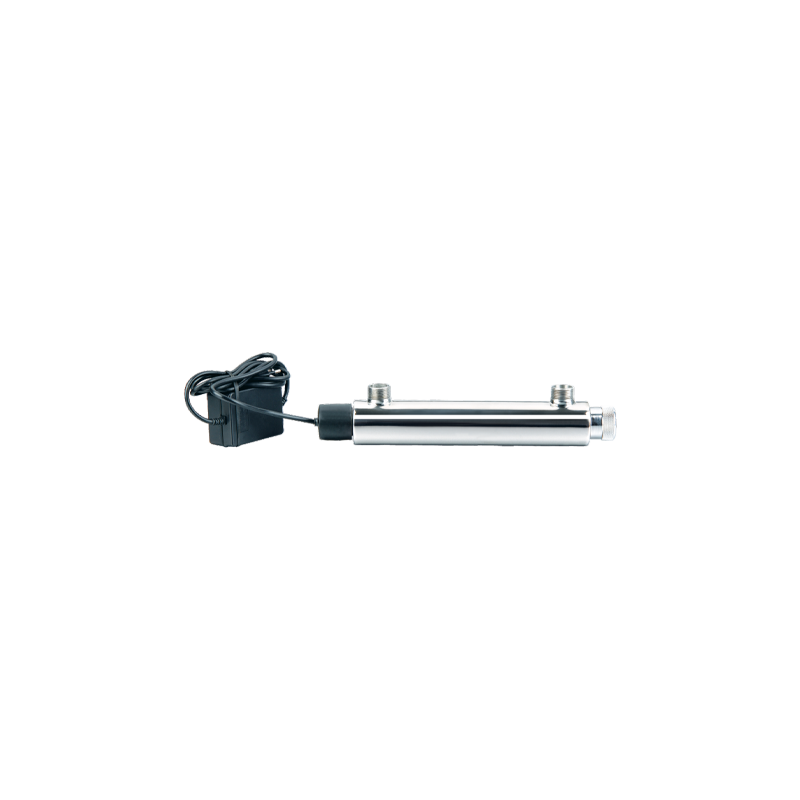 UV16W-B 304 Stainless Steel Water Purifier Ultraviolet Water Sterilizer Cat:Ultraviolet Water Sterilizer
UV16W-B 304 Stainless Steel Water Purifier Ultraviolet Water Sterilizer is an efficient water treatment equipment based on advanced ultraviolet disinf...
See Details -
 UV25W Stainless Steel Ultrafiltration Pre-Filtration UV Sterilizers For Water Cat:Ultraviolet Water Sterilizer
UV25W Stainless Steel Ultrafiltration Pre-Filtration UV Sterilizers For Water uses high-quality stainless steel materials, which have superb corrosion...
See Details -
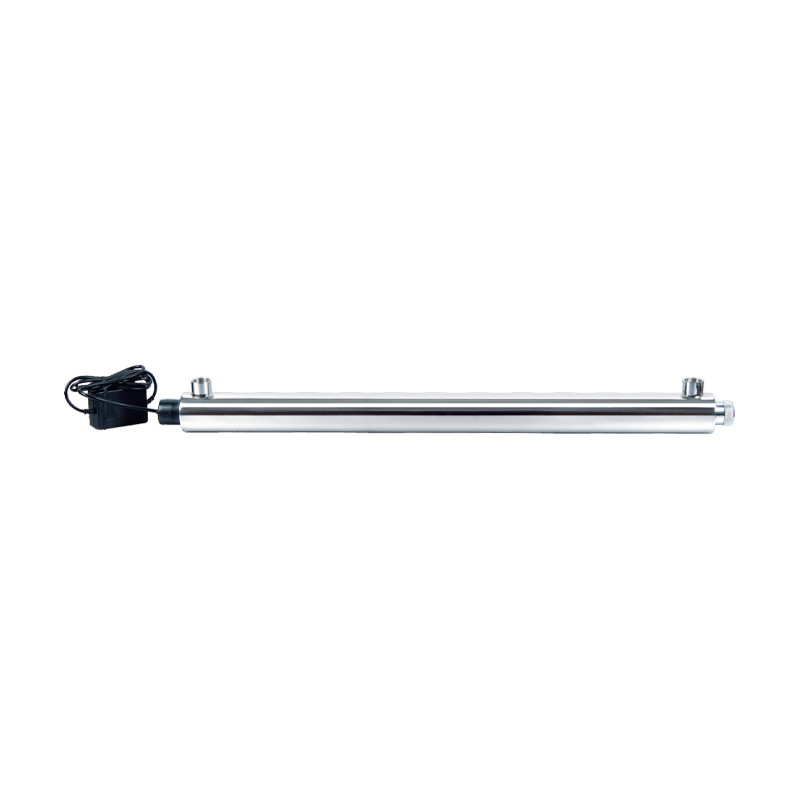 UV30W-55W Automatic Ultraviolet Sterilizer UV Filtration For Drinking Water Cat:Ultraviolet Water Sterilizer
The core advantage of UV30W-55W Automatic Ultraviolet Sterilizer UV Filtration For Drinking Water lies in its efficient and rapid disinfection capabil...
See Details -
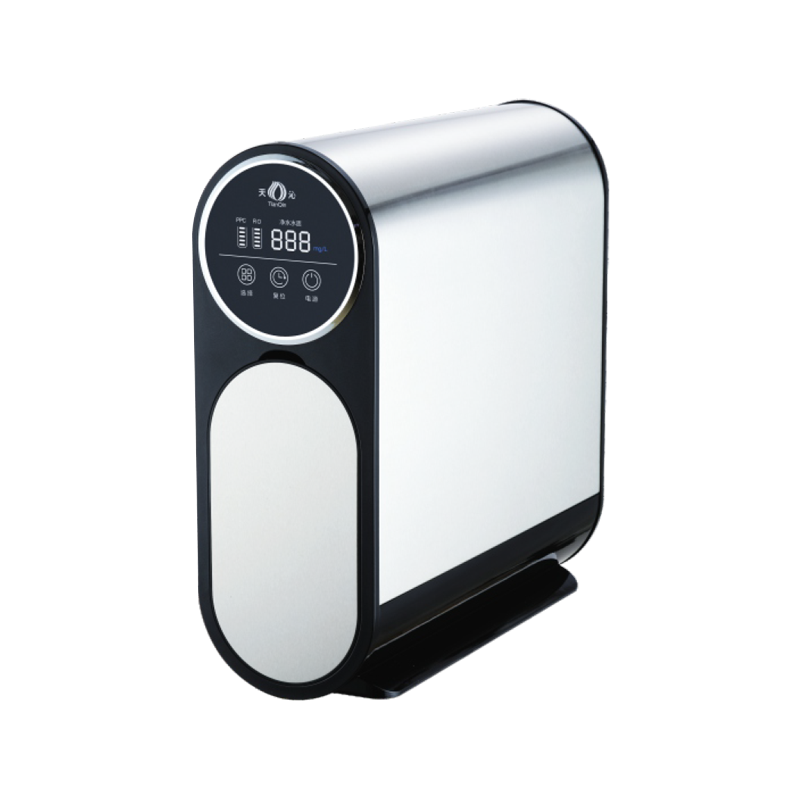 TQ-R03 Stainless Steel Booster Double Water Full Effect RO Water Purifier Cat:Stainless Steel Ro System
TQ-R03 Stainless Steel Booster Double Water Full Effect RO Water Purifier is a household water purification device that combines efficient water purif...
See Details -
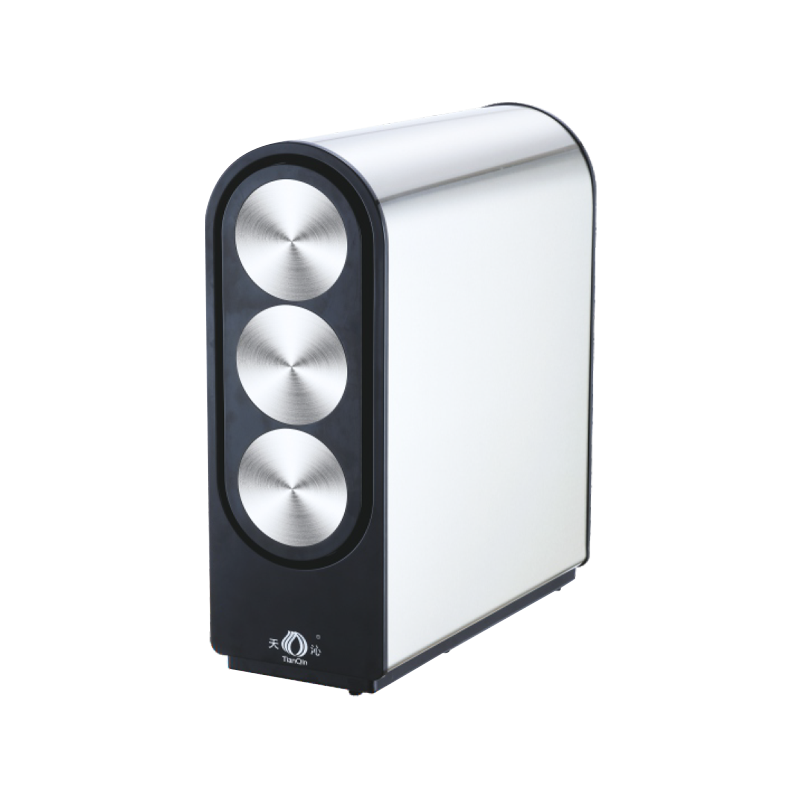 TQ-R05 Multifunctional Water Purification Source RO Water Purifier Cat:Stainless Steel Ro System
The TQ-R05 Multifunctional Water Purification Source RO Water Purifier is an advanced, versatile water purification solution designed for households a...
See Details -
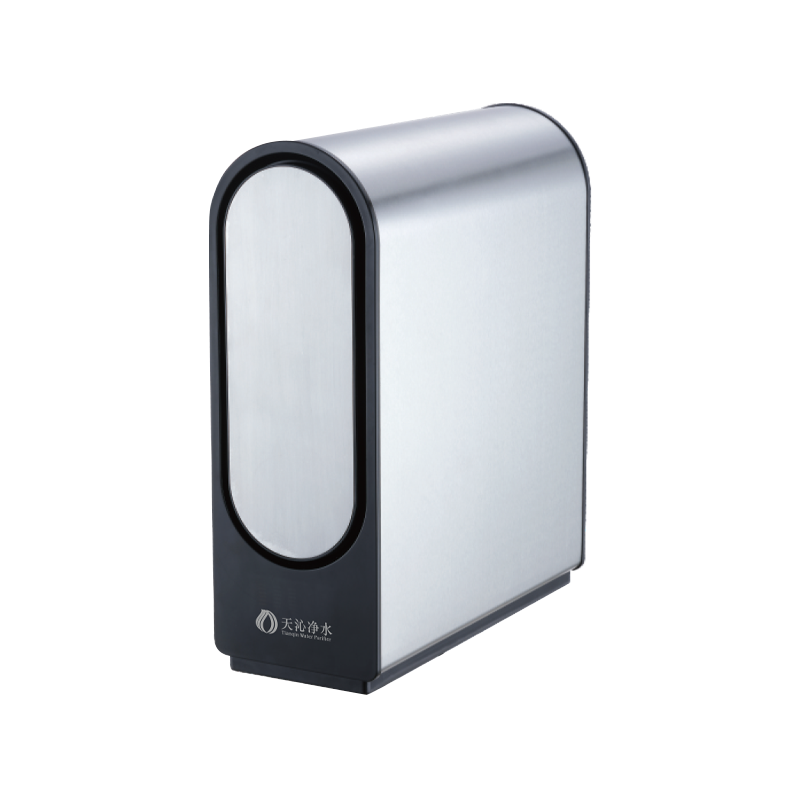 TQ-R06 Stainless Steel Environmentally Friendly RO Water Purifier Cat:Stainless Steel Ro System
The TQ-R06 Stainless Steel Environmentally Friendly RO Water Purifier combines advanced RO filtration technology, durable stainless steel housing, and...
See Details -
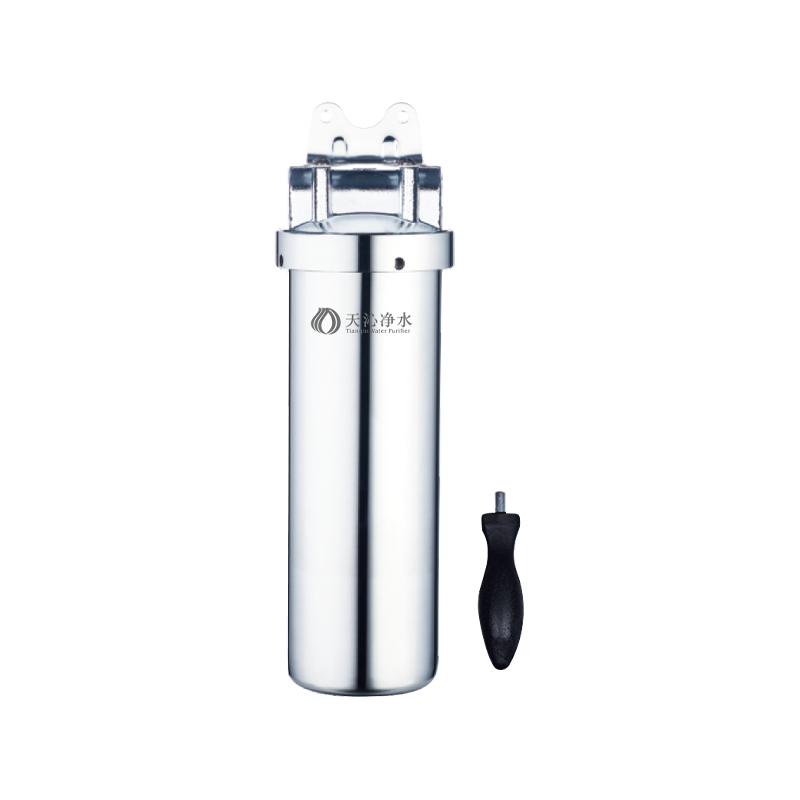 Stainless Steel Pure Double Water Pipe Water Purifier Cat:Stainless Steel Pipeline Water Purifier
The Stainless Steel Pure Double Water Pipe Water Purifier is an advanced water purification system designed to provide dual-mode purified water with e...
See Details -
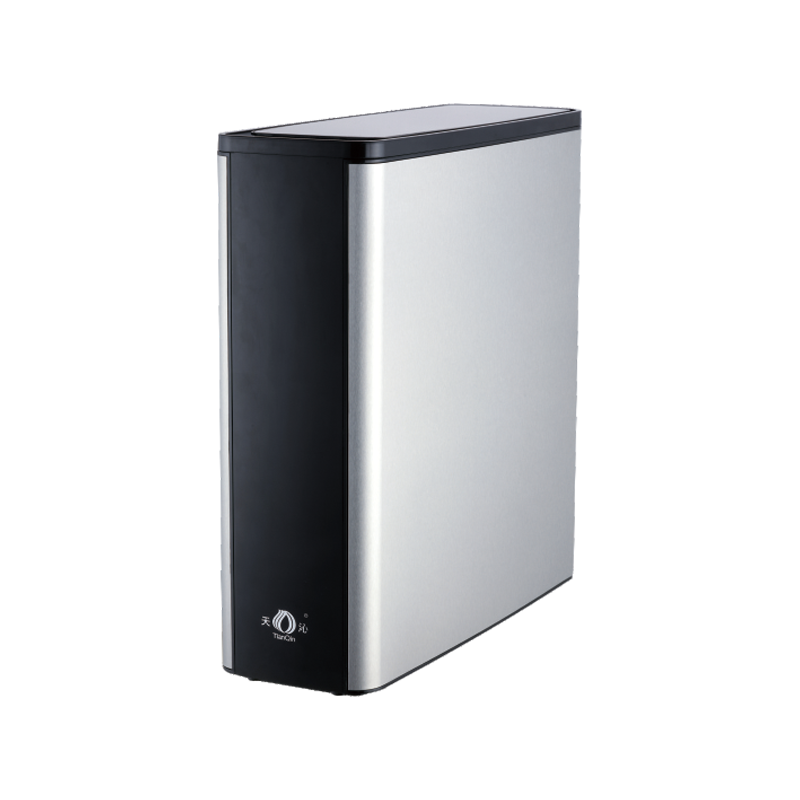 TQ-R08 Stainless Steel High-Flow RO Water Filter Cat:Stainless Steel Ro System
The Stainless Steel High-Flow RO Water Filter (TQ-R08) provides a powerful and effective solution for purifying drinking water, combining advanced rev...
See Details


 +86-0574-62381077/62386875

How Does Water Get Contaminated? Main Sources and How to Protect Your Home
Water contamination does not start at the tap. It begins miles away, in the ground, on farms, through aging pipes, and even inside your own home. Understanding the specific pathways of contamination is the first step toward choosing the right treatment—not just for peace of mind, but for measurable health protection. Here are the six major categories of water contamination, what they contain, and how each one can be effectively addressed.
Content
Natural Geological Contamination
As water moves through soil and rock, it dissolves minerals and metals. While some minerals are beneficial, others pose long-term health risks. Arsenic, uranium, radon, selenium, and fluoride occur naturally in many regions and can exceed safe limits in well water or even in municipal supplies sourced from groundwater. For example, naturally occurring arsenic affects millions of households worldwide, with chronic exposure linked to skin lesions, cardiovascular issues, and cancer.
These contaminants are invisible, tasteless, and odorless. A laboratory test is the only way to confirm their presence. Once identified, the standard effective response is reverse osmosis or specialized ion‑exchange media. Whole‑house systems can treat the problem at the point of entry, while undersink RO units provide a dedicated barrier for drinking and cooking water.
Agricultural Runoff
Fertilizers, pesticides, herbicides, and animal waste from farms wash into surface water and can seep into groundwater. The most common agricultural contaminants are nitrates and phosphates. High nitrate levels in drinking water are especially dangerous for infants—they can interfere with the blood’s ability to carry oxygen, causing “blue baby syndrome.” Pesticides at trace levels may have endocrine‑disrupting effects over decades of consumption.
These pollutants are seasonal and unpredictable. Standard chlorination at a municipal plant does not remove nitrates or most pesticides. Point‑of‑use RO systems, carbon block filters, and granular activated carbon filters with certified “pesticide reduction” ratings are the proven methods. A good 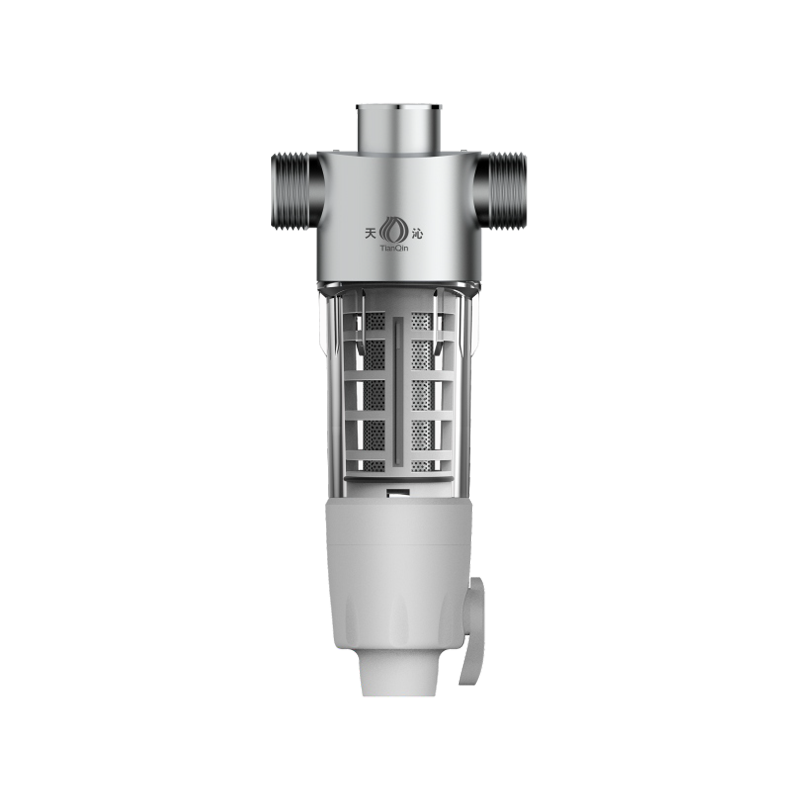 Stainless Steel Pre-Filter for Sediment ProtectionBefore heavy metals and dissolved contaminants reach fine filters, this 40μm pre-filter traps large particles and sediment that carry adsorbed chemicals, extending the life of downstream RO and carbon stages.View Product → installed at the main line extends the life of downstream fine‑filtration stages by removing larger sediment that often carries adsorbed chemicals.
Industrial and Urban Discharge
Heavy metals like lead, cadmium, chromium‑6, and mercury enter water through industrial waste, old pipes, and urban runoff. Lead is the most widespread—coming from lead service lines, brass fittings, and solder in homes built before 1986. Even low levels of lead exposure can impair cognitive development in children and raise blood pressure in adults. Chromium‑6, made famous by the “Erin Brockovich” case, is carcinogenic when ingested over time.
Municipal water treatment removes some heavy metals, but corrosion inside the distribution system can re‑contaminate the water after treatment. This is why point‑of‑entry or point‑of‑use RO systems with certified heavy‑metal removal are the most reliable solution. Activated carbon can adsorb some metals, but reverse osmosis provides a physical barrier that catches virtually all dissolved metal ions. For homes with known or suspected lead service lines, a 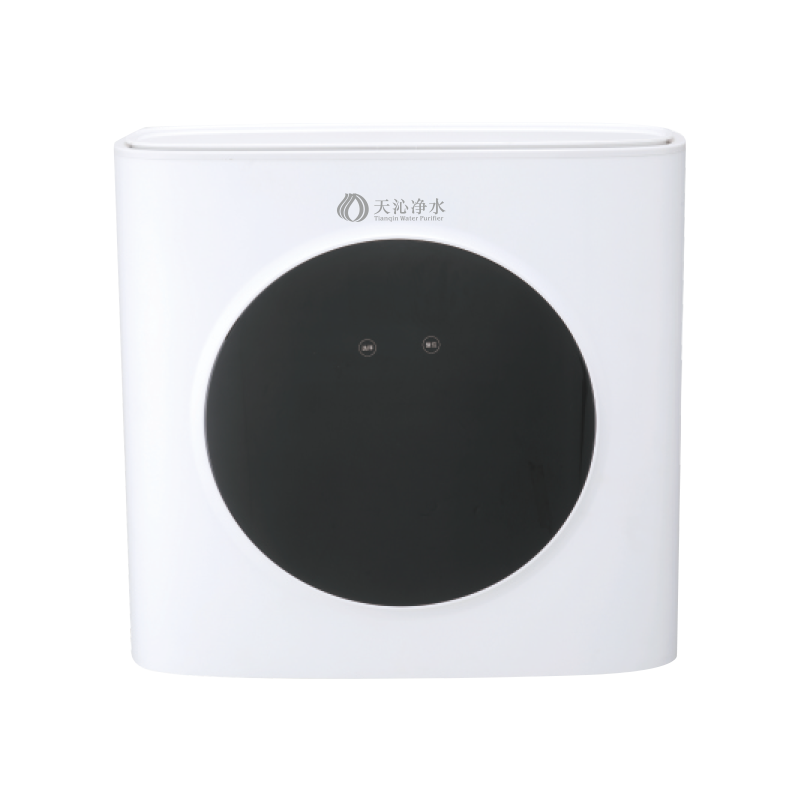 Tankless Reverse Osmosis Purifier for Lead RemovalIdeal for homes with aging pipes, this under-sink RO system delivers on-demand lead-free water by physically blocking dissolved heavy metals, bacteria, and dissolved solids without a storage tank.View Product → can be installed directly under the kitchen sink to deliver lead‑free water on demand.
Aging Municipal and Household Pipes
Even if the water leaving the treatment plant is clean, it can pick up contamination as it travels through old pipes. Rust, scale, bacteria, and biofilm accumulate inside iron and steel pipes. Lead and copper can leach from pipes and fittings, especially when water has a low pH or low mineral content. Sediment from pipe corrosion causes water discoloration and harbors microorganisms that thrive on the trapped organic material.
Whole‑house sediment filters (often in stainless steel housings) remove rust particles and prevent them from reaching faucets and appliances. A 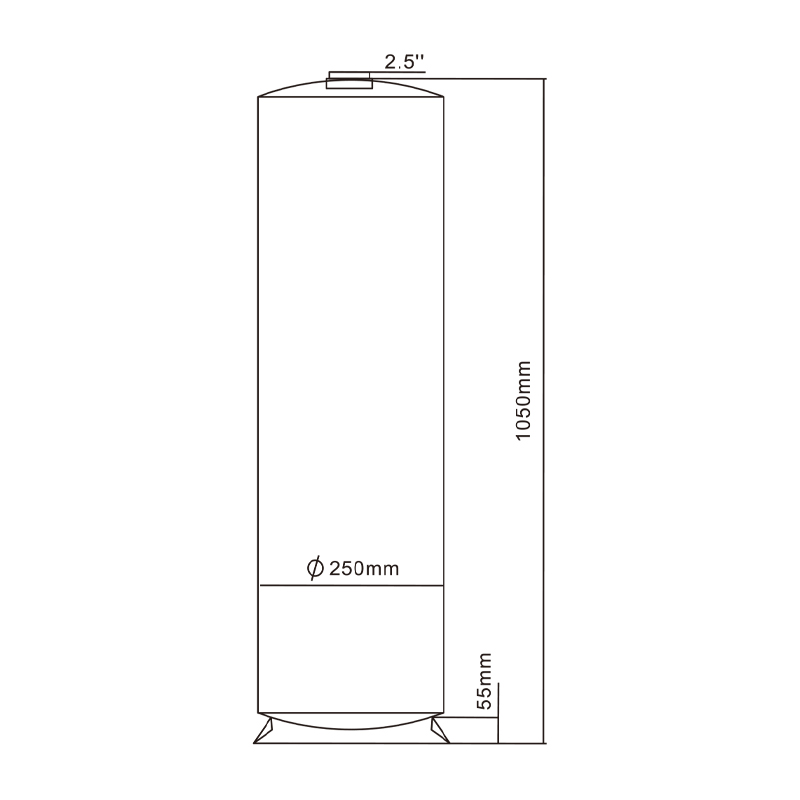 Whole-Home Activated Carbon Central PurifierThis central unit removes chlorine, organic compounds, and odors from every tap using high-efficiency activated carbon, improving taste and protecting appliances throughout the house.View Product → also adsorbs residual chlorine and volatile organic compounds from pipe‑lining or disinfection byproducts. This approach protects every tap in the house—not just the kitchen sink.
Microbial Contamination
Bacteria, viruses, and protozoa (such as Giardia and Cryptosporidium) can enter water sources through sewage leaks, animal waste, or floods. Even chlorinated systems can experience failures or re‑growth in dead‑end pipes. Boiling water kills microorganisms, but it is impractical for daily use. Ultraviolet (UV) sterilization, ultrafiltration (UF), and reverse osmosis are the three technologies proven to inactivate or physically remove pathogens.
UF membranes with a pore size of 0.01 micron remove bacteria and protozoa effectively without electricity in gravity‑fed designs. UV sterilizers require a clear water supply and power but provide chemical‑free disinfection. RO membranes (0.0001 micron) reject viruses as well. For homes on well water or in rural areas, a combination of sediment filtration, activated carbon, and UV sterilization offers comprehensive microbial protection.
Disinfection Byproducts (DBPs)
Chlorine and chloramine, added at water treatment plants to kill pathogens, react with naturally occurring organic matter to form trihalomethanes (THMs) and haloacetic acids (HAAs). Long‑term exposure to these byproducts has been associated with an increased risk of bladder cancer and reproductive issues. DBPs are volatile—they evaporate into shower steam, making inhalation a significant exposure route.
Activated carbon filters are highly effective at removing THMs and HAAs. Whole‑house carbon filters reduce DBPs from every shower, bath, and tap. Point‑of‑use carbon block filters on kitchen faucets provide final barrier protection for drinking water. Regular backwashable carbon filtration systems can handle the higher flow rates needed for whole‑house protection.
Matching the Contaminant to the Right Filter
No single filter removes everything. The correct approach depends on the specific contaminants present in your water supply—which is why a professional water test is always the recommended starting point. Based on test results, the following table summarizes the most effective technologies for each contamination category:
| Contaminant Category | Effective Technologies | Notes |
|---|---|---|
| Natural heavy metals (arsenic, uranium) | RO, anion exchange, distillation | Test required; not all carbon filters reduce arsenic |
| Nitrates & pesticides | RO, carbon block (pesticide-rated) | Nitrates require RO; carbon alone not enough |
| Lead, chromium‑6 | RO, carbon block (certified), cation exchange | RO gives the widest safety margin |
| Sediment, rust, scale | Sediment filter (spun or stainless steel mesh) | Particle size: 5‑50 micron common prefilter stage |
| Bacteria, protozoa | UF membrane, UV, RO | UF removes >99.9% of bacteria; UV inactivates viruses |
| Chlorine, THMs, VOCs | Activated carbon (granular or block) | Whole‑house carbon recommended for DBPs |
Building a Layered Defense
Because water can carry multiple types of contamination simultaneously, a staged approach—often called “layered filtration”—is the most robust strategy. A typical residential setup begins with a stainless steel prefilter at the main water line to catch sediment and protect downstream equipment. Next, a central water purifier with activated carbon and/or backwash media reduces chlorine, taste, odor, and organic contaminants. Finally, point‑of‑use treatment (under‑sink RO or countertop UF) polishes the water at the tap.
This layered design is used in many commercial and residential installations because it extends service intervals, lowers maintenance costs, and ensures that no single filter is overloaded. For more details on comparing different filter types, see our guide on RO vs UV vs UF technologies and how they complement each other.
Taking Action
Knowing how water gets contaminated is the knowledge side of the equation. The action side is equally clear: test your water, identify the contaminants, then select the appropriate combination of filters. Stainless steel filtration systems from a manufacturer with over two decades of experience offer durability and traceable performance standards (ISO 9001, Ministry of Health certifications, and industry‑standard participation).
Begin with a simple in‑house test kit for common issues—hardness, pH, iron, chlorine, and bacteria. For heavy metals or pesticides, send a sample to an accredited laboratory. Use the results to choose the right filtration technology, and consider consulting a water treatment professional for system sizing and installation.
-
 Tel: +86-0574-62381077/62386875
-
 E-mail: leozhanglei@nbtianqin.net
-
 Add: Wuma Industrial Zone, Lubu Town, Yuyao City, Zhejiang Province, China.
Copyright © 2024 by Yuyao Tianqin Water Purification Equipment Co..Ltd.
All Rights Reserved.
 Wholesale Water Purifier Manufacturers

