 English
 中文简体
中文简体-
 UV11W High-efficiency Intelligent UV Water Sterilizer Cat:Ultraviolet Water Sterilizer
The UV11W High-efficiency Intelligent UV Water Sterilizer is an advanced water purification system that offers convenience and reliability. This steri...
See Details -
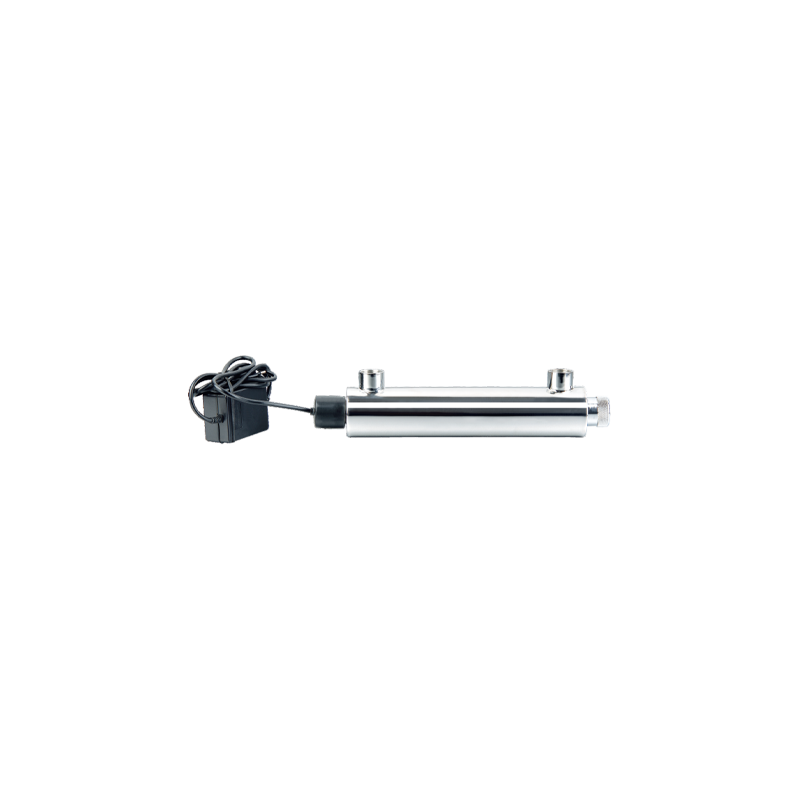 UV16W-A Household Stainless Steel UV Water Sterilizer Cat:Ultraviolet Water Sterilizer
The UV16W-A Household Stainless Steel UV Water Sterilizer is an innovative solution for ensuring safe and pure water in your home. Designed with durab...
See Details -
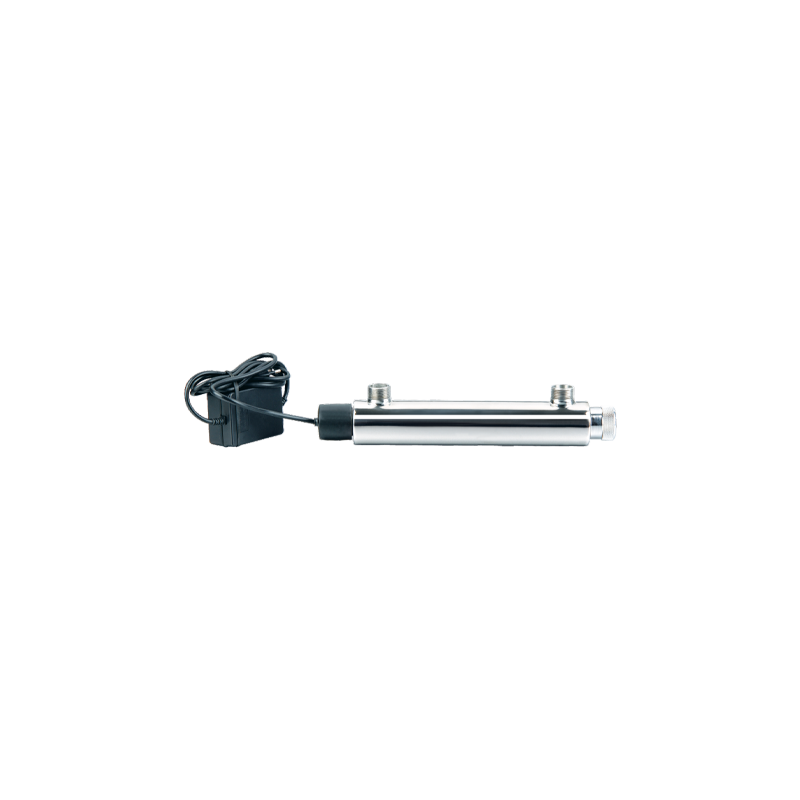 UV16W-B 304 Stainless Steel Water Purifier Ultraviolet Water Sterilizer Cat:Ultraviolet Water Sterilizer
UV16W-B 304 Stainless Steel Water Purifier Ultraviolet Water Sterilizer is an efficient water treatment equipment based on advanced ultraviolet disinf...
See Details -
 UV25W Stainless Steel Ultrafiltration Pre-Filtration UV Sterilizers For Water Cat:Ultraviolet Water Sterilizer
UV25W Stainless Steel Ultrafiltration Pre-Filtration UV Sterilizers For Water uses high-quality stainless steel materials, which have superb corrosion...
See Details -
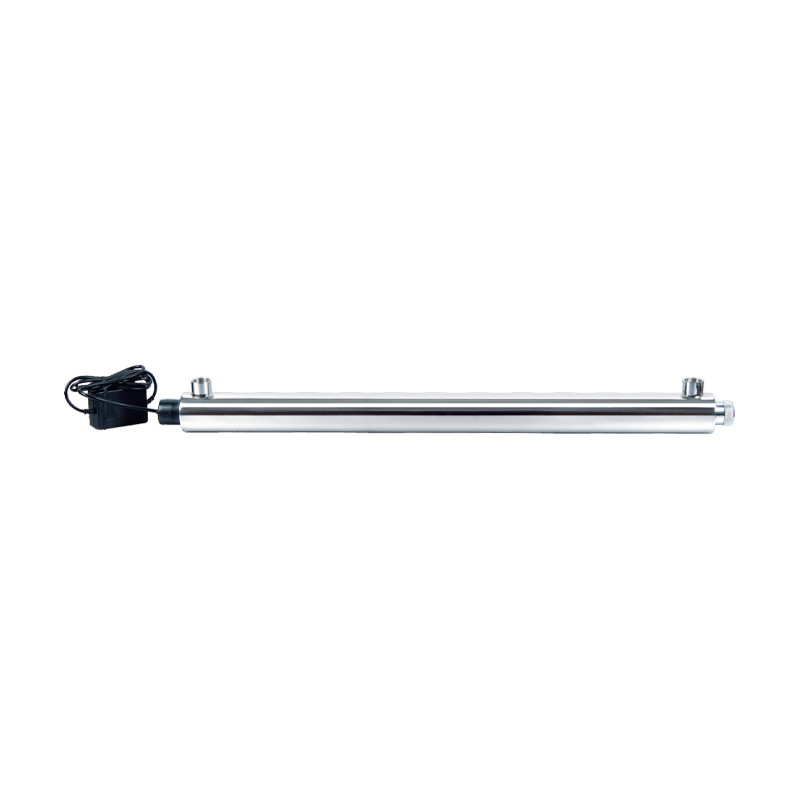 UV30W-55W Automatic Ultraviolet Sterilizer UV Filtration For Drinking Water Cat:Ultraviolet Water Sterilizer
The core advantage of UV30W-55W Automatic Ultraviolet Sterilizer UV Filtration For Drinking Water lies in its efficient and rapid disinfection capabil...
See Details -
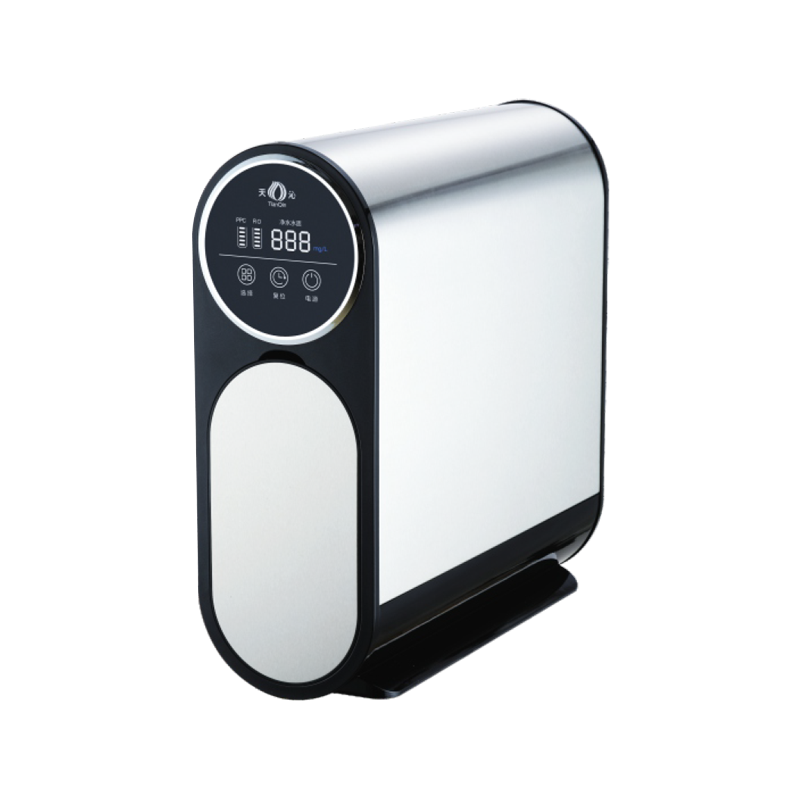 TQ-R03 Stainless Steel Booster Double Water Full Effect RO Water Purifier Cat:Stainless Steel Ro System
TQ-R03 Stainless Steel Booster Double Water Full Effect RO Water Purifier is a household water purification device that combines efficient water purif...
See Details -
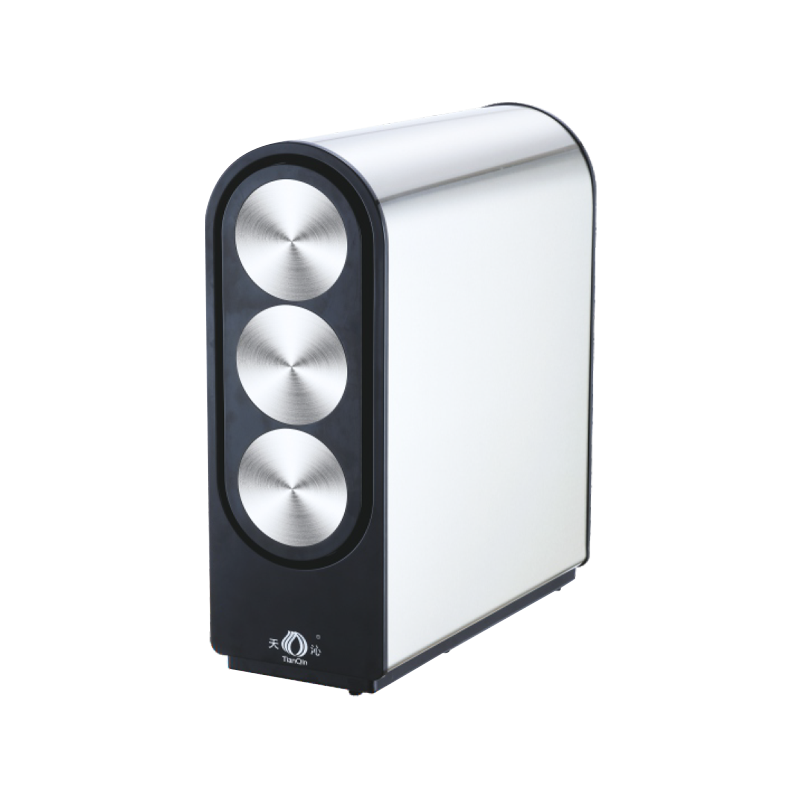 TQ-R05 Multifunctional Water Purification Source RO Water Purifier Cat:Stainless Steel Ro System
The TQ-R05 Multifunctional Water Purification Source RO Water Purifier is an advanced, versatile water purification solution designed for households a...
See Details -
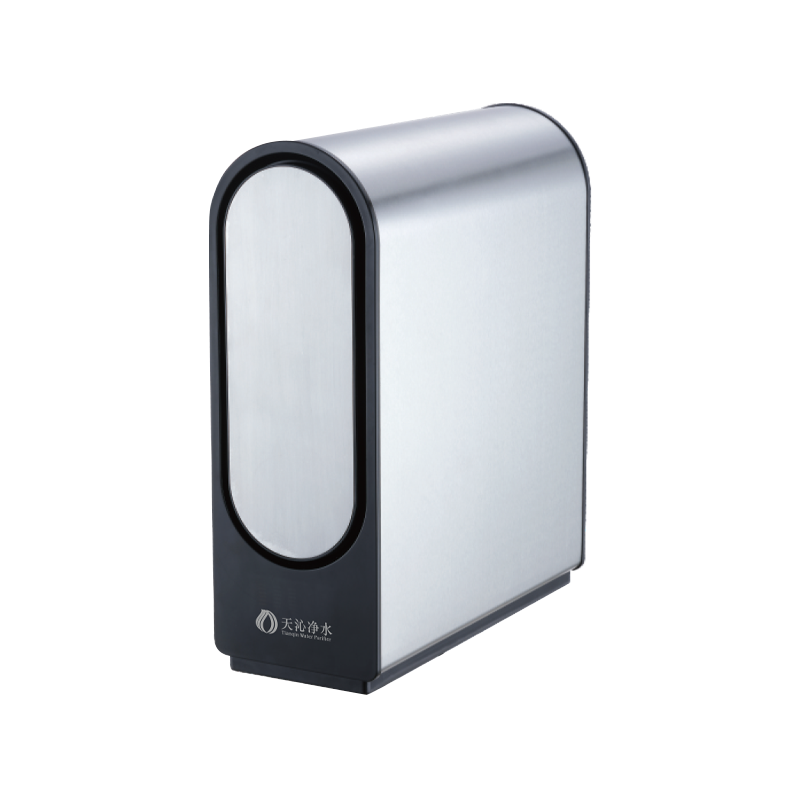 TQ-R06 Stainless Steel Environmentally Friendly RO Water Purifier Cat:Stainless Steel Ro System
The TQ-R06 Stainless Steel Environmentally Friendly RO Water Purifier combines advanced RO filtration technology, durable stainless steel housing, and...
See Details -
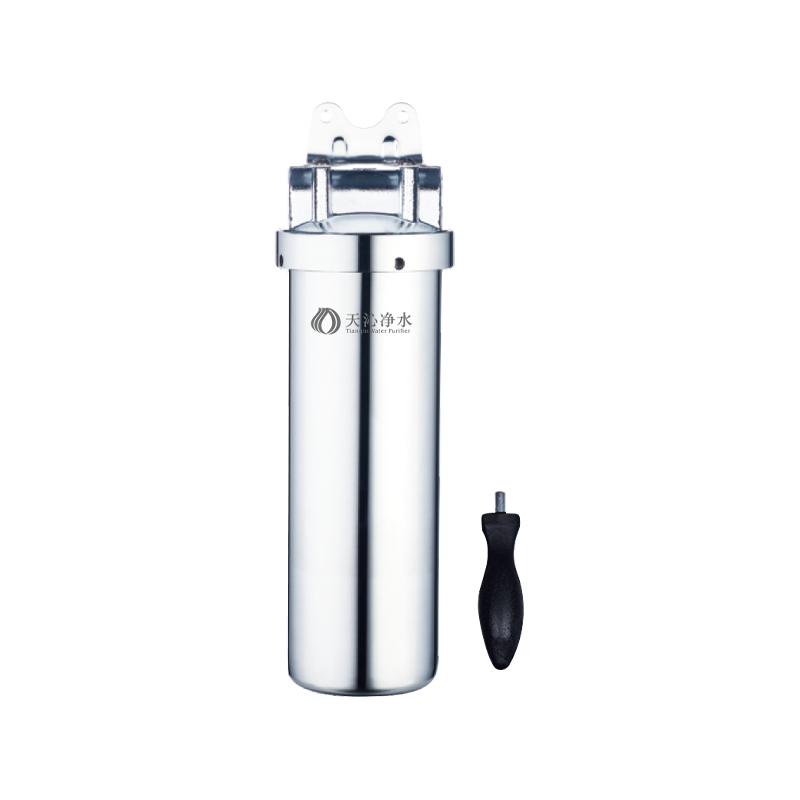 Stainless Steel Pure Double Water Pipe Water Purifier Cat:Stainless Steel Pipeline Water Purifier
The Stainless Steel Pure Double Water Pipe Water Purifier is an advanced water purification system designed to provide dual-mode purified water with e...
See Details -
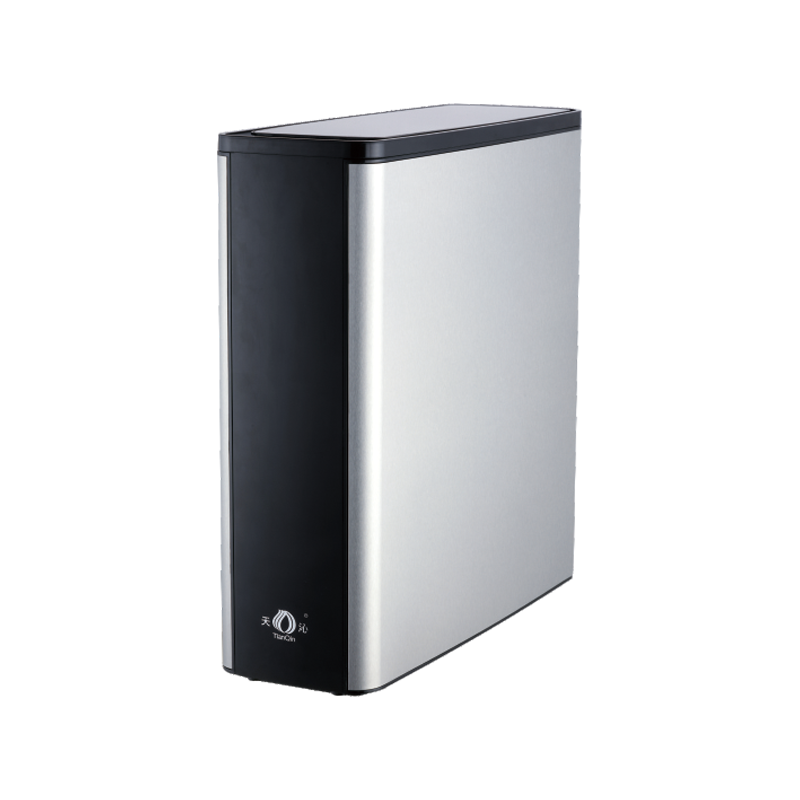 TQ-R08 Stainless Steel High-Flow RO Water Filter Cat:Stainless Steel Ro System
The Stainless Steel High-Flow RO Water Filter (TQ-R08) provides a powerful and effective solution for purifying drinking water, combining advanced rev...
See Details


 +86-0574-62381077/62386875

How Water Filters Are Essential for Improving the Taste and Smell of Tap Water
For many people, tap water is an essential part of daily life, but it often comes with an unpleasant taste or odor that can make it difficult to enjoy. Whether it's the sharp taste of chlorine, the earthy smell of contaminants, or the metallic aftertaste that lingers long after a sip, these issues can make tap water less than appealing. Fortunately, water filters have become a reliable solution for improving the taste and smell of tap water, ensuring that it’s both safe to drink and more pleasant to consume.
Content
- 1 Understanding the Common Problems with Tap Water Taste and Odor
- 2 How Water Filters Improve the Taste and Smell of Tap Water
- 2.1 Activated Carbon Filters: The Gold Standard for Taste and Odor Removal
- 2.2 Reverse Osmosis (RO) Systems: Comprehensive Filtration for Cleaner Water
- 2.3 Ion Exchange Filters: Reducing Hard Water and Improving Taste
- 2.4 Sediment Filters: Clearing Out Physical Impurities
- 2.5 UV Filters: Removing Bacteria and Microorganisms for Cleaner Water
- 3 Choosing the Right Water Filter for Taste and Smell Improvement
Understanding the Common Problems with Tap Water Taste and Odor
Before we dive into how water filters can improve the taste and smell of tap water, it's important to understand why tap water often tastes and smells unpleasant in the first place. There are several common causes:
Chlorine and Chloramine
Municipal water treatment plants often use chlorine or chloramine (a chlorine-ammonia compound) to disinfect the water and kill harmful bacteria. While these disinfectants are crucial for water safety, they can leave behind a chemical taste and strong odor that many people find unpleasant.
- Taste and Smell: Chlorine can impart a harsh, bleach-like taste and a distinctive smell to the water, which can make it difficult to drink or use for cooking.
Sulfur Compounds
Sulfur compounds, such as hydrogen sulfide, are often responsible for the characteristic rotten egg smell in tap water. These compounds can naturally occur in well water or may be present in municipal water systems in low concentrations, especially if the water supply is contaminated by organic matter or bacteria.
- Taste and Smell: The presence of sulfur compounds leads to a noticeable sulfur odor that makes the water taste and smell unpleasant.
Hard Water Minerals
Hard water is another common issue that can affect the taste and smell of tap water. High levels of minerals such as calcium, magnesium, and iron can not only cause scaling in pipes and appliances but can also leave an earthy, metallic taste in the water.
- Taste and Smell: Iron in particular can give the water a metallic taste or cause a slight rusty smell, which is off-putting for many people.
Organic Contaminants
In some cases, tap water may contain organic contaminants from agricultural runoff, wastewater, or decaying plant matter. These contaminants can alter the taste and smell of the water, sometimes leading to a musty or earthy flavor, especially when the water is untreated or improperly filtered.
- Taste and Smell: Organic contaminants can lead to off-putting odors and flavors that detract from the overall water quality.
How Water Filters Improve the Taste and Smell of Tap Water
Water filtration systems are specifically designed to target and remove many of the contaminants responsible for bad taste and odors in tap water. By using a variety of filtration methods, these systems not only improve the water's aesthetic qualities but also enhance its overall quality, making it safer and more enjoyable to drink.
Activated Carbon Filters: The Gold Standard for Taste and Odor Removal
One of the most effective ways to improve the taste and smell of tap water is by using an activated carbon filter. Activated carbon is known for its adsorptive properties, meaning it attracts and binds to contaminants like chlorine, volatile organic compounds (VOCs), and sulfur, effectively removing them from the water.
- Chlorine and Chloramine Removal: Activated carbon filters are particularly effective at eliminating chlorine and chloramine, which are the primary culprits behind chemical tastes and odors in tap water.
- Improved Taste and Smell: By removing chlorine and other chemicals, activated carbon significantly improves the taste and smell of tap water, making it fresher, cleaner, and more pleasant to drink.
Reverse Osmosis (RO) Systems: Comprehensive Filtration for Cleaner Water
Reverse osmosis (RO) is a filtration method that uses a semi-permeable membrane to remove a wide range of contaminants, including salts, metals, and other harmful substances. An RO system is particularly effective at improving both the taste and odor of water by filtering out heavy metals, chemicals, and microorganisms.
- Hard Water Mineral Removal: RO systems can help eliminate excess minerals such as calcium and magnesium, which are responsible for the earthy or metallic taste often associated with hard water.
- Comprehensive Filtration: In addition to improving taste and smell, reverse osmosis systems also remove other impurities, such as pesticides, fluoride, lead, and bacteria, offering high-quality drinking water.
Ion Exchange Filters: Reducing Hard Water and Improving Taste
Ion exchange filters are particularly effective for treating hard water by removing calcium and magnesium ions from the water and replacing them with sodium or potassium ions. This softens the water and reduces the earthy or metallic taste caused by excess minerals.
- Improved Taste: By reducing hardness, ion exchange systems improve the taste of tap water, making it smoother and less “chalky.”
- Preventing Scale Buildup: These filters also help prevent scale buildup in pipes, appliances, and water heaters, extending their lifespan and improving their performance.
Sediment Filters: Clearing Out Physical Impurities
While sediment filters are primarily designed to remove large particles such as sand, dirt, and rust, they can also contribute to better-tasting water by eliminating physical impurities that can cause cloudiness and off-tastes.
- Removing Rust and Dirt: These filters help remove rust particles and other debris, which can contribute to metallic or dirty tastes in water.
- Improving Clarity: By eliminating physical contaminants, sediment filters help improve the clarity and aesthetic appeal of tap water, which can also make it more inviting to drink.
UV Filters: Removing Bacteria and Microorganisms for Cleaner Water
While ultraviolet (UV) filters are primarily used for disinfecting water and killing harmful microorganisms, they can indirectly improve the taste and smell by eliminating waterborne bacteria, viruses, and algae that can produce musty or earthy odors.
- Microbial Contamination Removal: UV filters ensure that the water is free from harmful microorganisms, which can sometimes contribute to unpleasant smells and tastes.
- Enhanced Water Quality: By keeping the water free from biological contaminants, UV filters help ensure that the water tastes clean and fresh.
Choosing the Right Water Filter for Taste and Smell Improvement
Selecting the right water filter depends on the specific contaminants affecting your tap water. Here are some tips for choosing a filter that can improve the taste and smell of your water:
- For chlorine and chloramine: Activated carbon filters are highly effective at removing these disinfectants, which are the main contributors to chemical taste and odor.
- For hard water: Consider an ion exchange filter or a reverse osmosis system, both of which can soften water and remove minerals that cause earthy or metallic tastes.
- For sulfur odors: Activated carbon filters with additional filtration stages or specialized filters designed for sulfur removal can eliminate the rotten egg smell.
- For general improvement: A multi-stage filtration system like reverse osmosis, combined with activated carbon, is ideal for tackling a wide range of contaminants, improving both taste and odor.
-
 Tel: +86-0574-62381077/62386875
-
 E-mail: leozhanglei@nbtianqin.net
-
 Add: Wuma Industrial Zone, Lubu Town, Yuyao City, Zhejiang Province, China.
Copyright © 2024 by Yuyao Tianqin Water Purification Equipment Co..Ltd.
All Rights Reserved.
 Wholesale Water Purifier Manufacturers

