 English
 中文简体
中文简体-
 UV11W High-efficiency Intelligent UV Water Sterilizer Cat:Ultraviolet Water Sterilizer
The UV11W High-efficiency Intelligent UV Water Sterilizer is an advanced water purification system that offers convenience and reliability. This steri...
See Details -
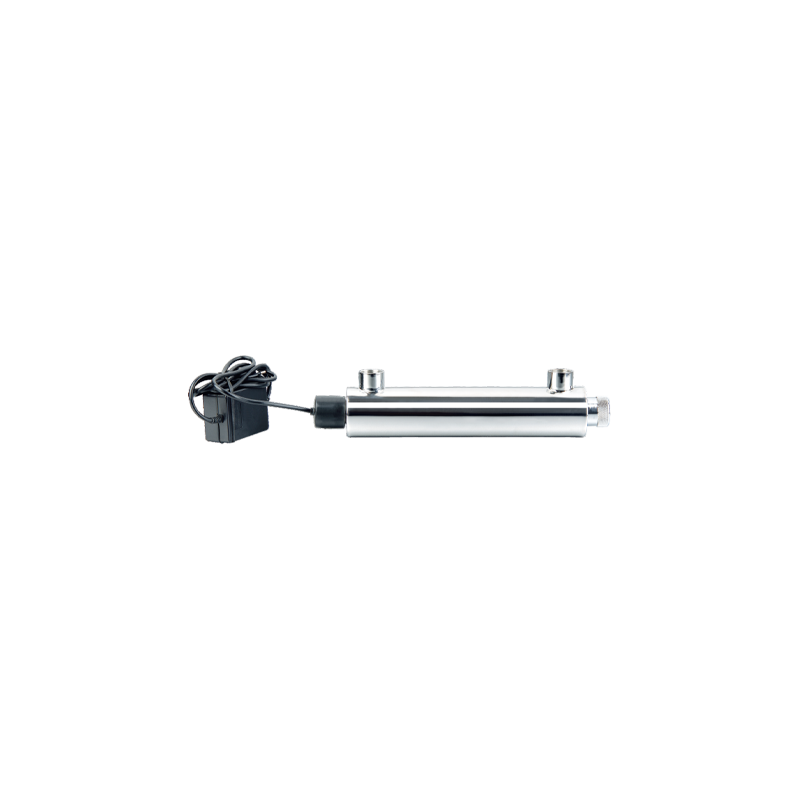 UV16W-A Household Stainless Steel UV Water Sterilizer Cat:Ultraviolet Water Sterilizer
The UV16W-A Household Stainless Steel UV Water Sterilizer is an innovative solution for ensuring safe and pure water in your home. Designed with durab...
See Details -
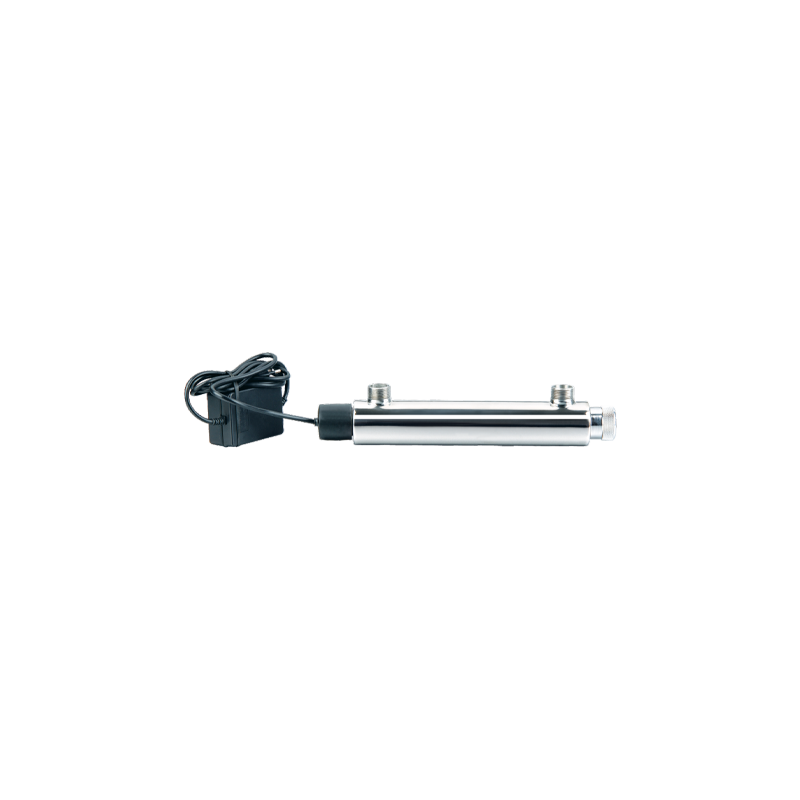 UV16W-B 304 Stainless Steel Water Purifier Ultraviolet Water Sterilizer Cat:Ultraviolet Water Sterilizer
UV16W-B 304 Stainless Steel Water Purifier Ultraviolet Water Sterilizer is an efficient water treatment equipment based on advanced ultraviolet disinf...
See Details -
 UV25W Stainless Steel Ultrafiltration Pre-Filtration UV Sterilizers For Water Cat:Ultraviolet Water Sterilizer
UV25W Stainless Steel Ultrafiltration Pre-Filtration UV Sterilizers For Water uses high-quality stainless steel materials, which have superb corrosion...
See Details -
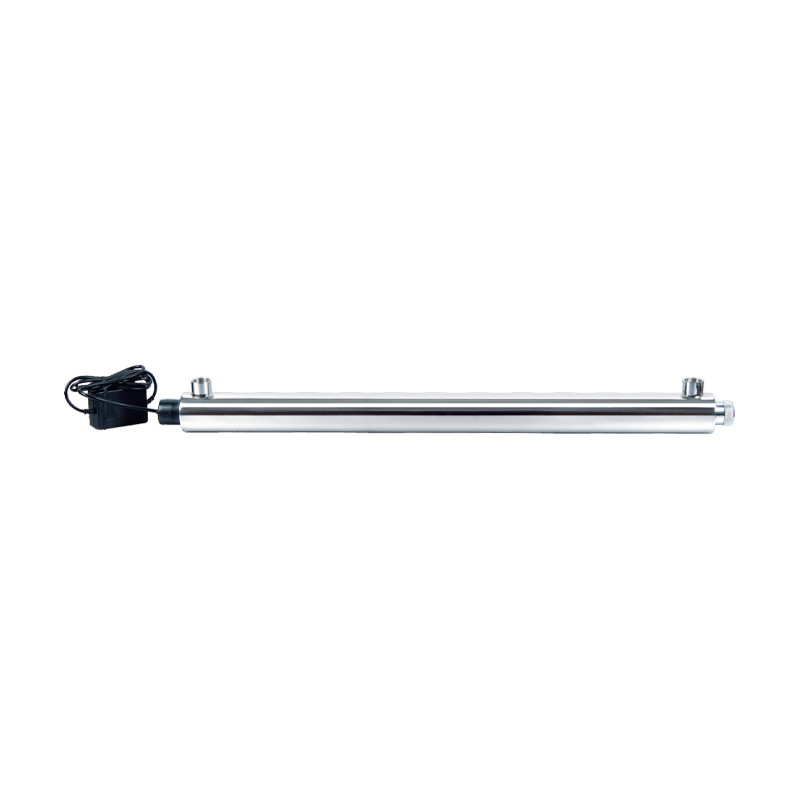 UV30W-55W Automatic Ultraviolet Sterilizer UV Filtration For Drinking Water Cat:Ultraviolet Water Sterilizer
The core advantage of UV30W-55W Automatic Ultraviolet Sterilizer UV Filtration For Drinking Water lies in its efficient and rapid disinfection capabil...
See Details -
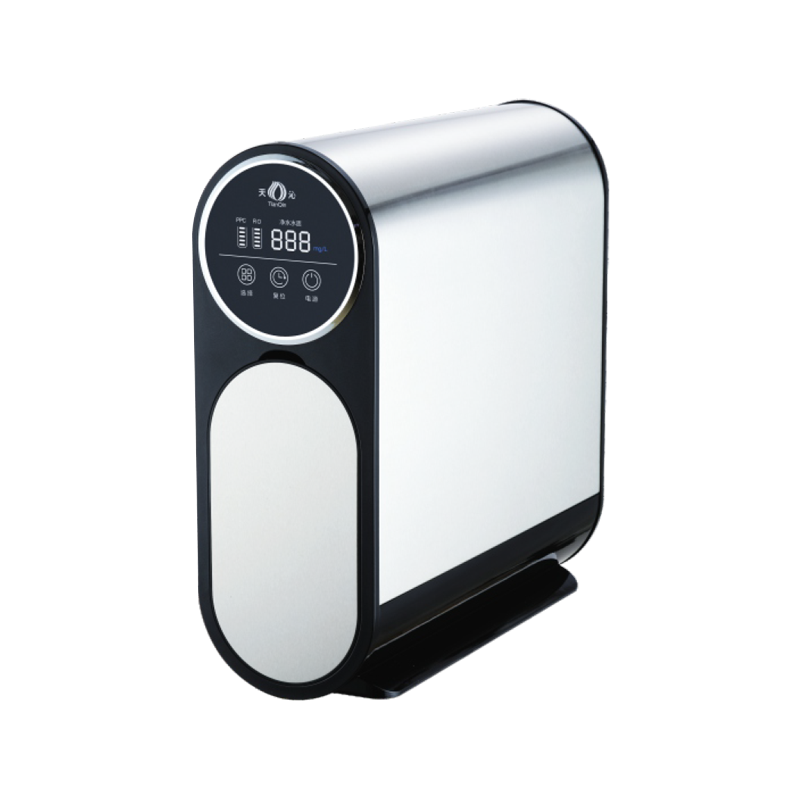 TQ-R03 Stainless Steel Booster Double Water Full Effect RO Water Purifier Cat:Stainless Steel Ro System
TQ-R03 Stainless Steel Booster Double Water Full Effect RO Water Purifier is a household water purification device that combines efficient water purif...
See Details -
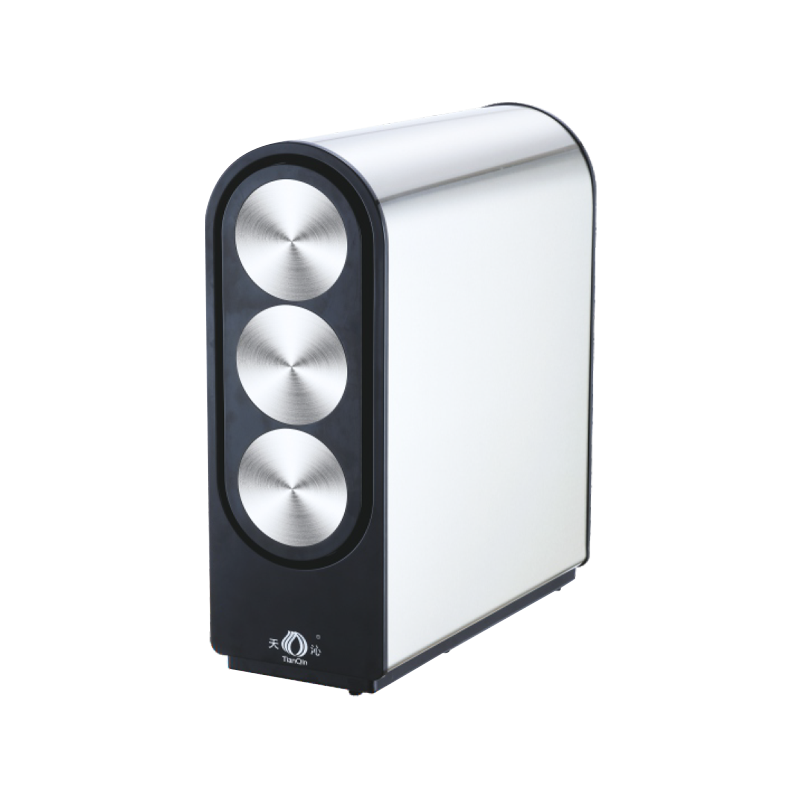 TQ-R05 Multifunctional Water Purification Source RO Water Purifier Cat:Stainless Steel Ro System
The TQ-R05 Multifunctional Water Purification Source RO Water Purifier is an advanced, versatile water purification solution designed for households a...
See Details -
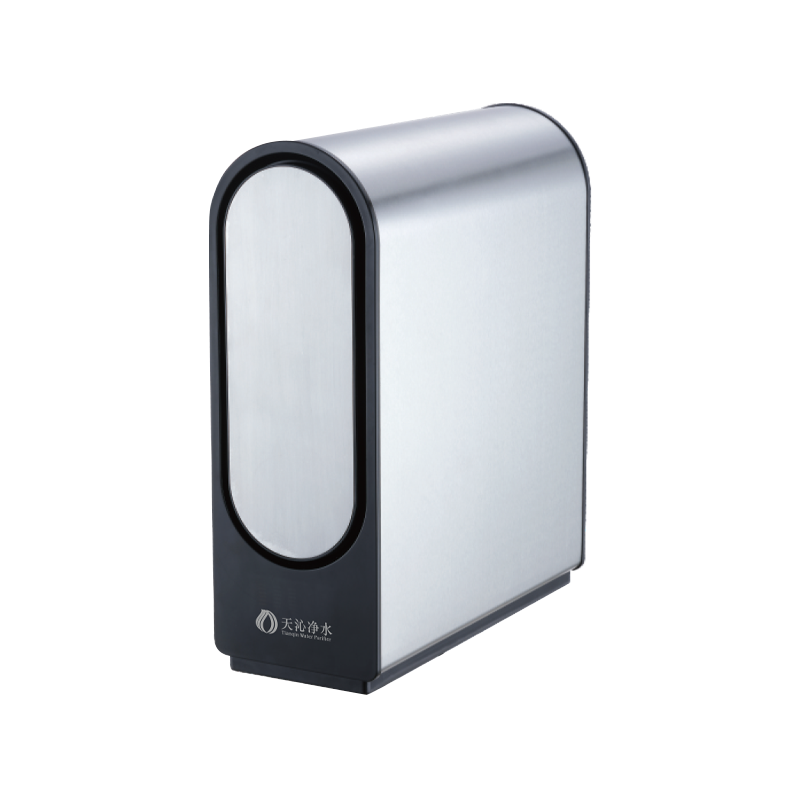 TQ-R06 Stainless Steel Environmentally Friendly RO Water Purifier Cat:Stainless Steel Ro System
The TQ-R06 Stainless Steel Environmentally Friendly RO Water Purifier combines advanced RO filtration technology, durable stainless steel housing, and...
See Details -
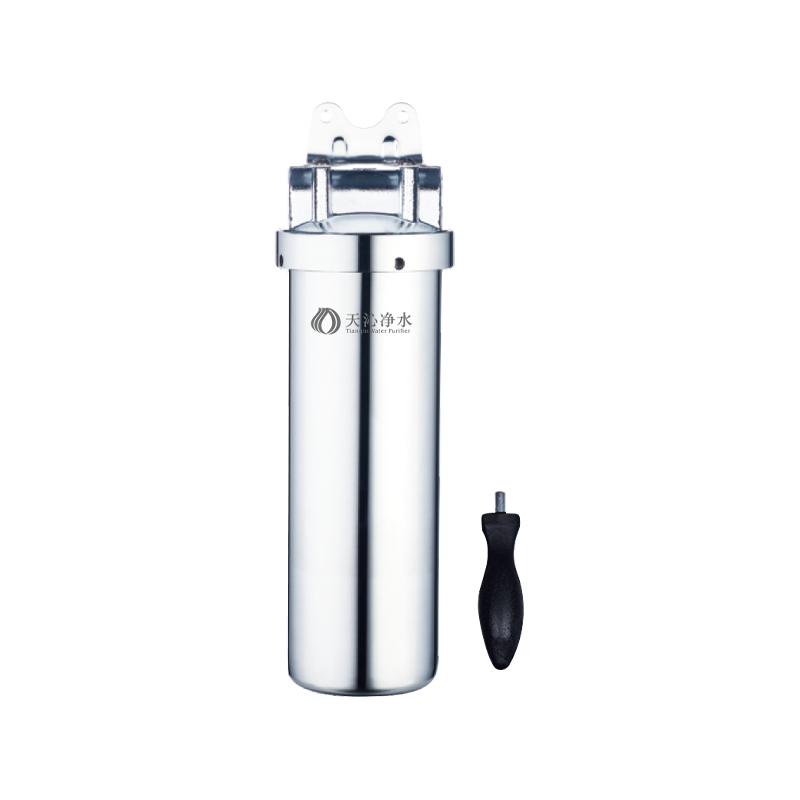 Stainless Steel Pure Double Water Pipe Water Purifier Cat:Stainless Steel Pipeline Water Purifier
The Stainless Steel Pure Double Water Pipe Water Purifier is an advanced water purification system designed to provide dual-mode purified water with e...
See Details -
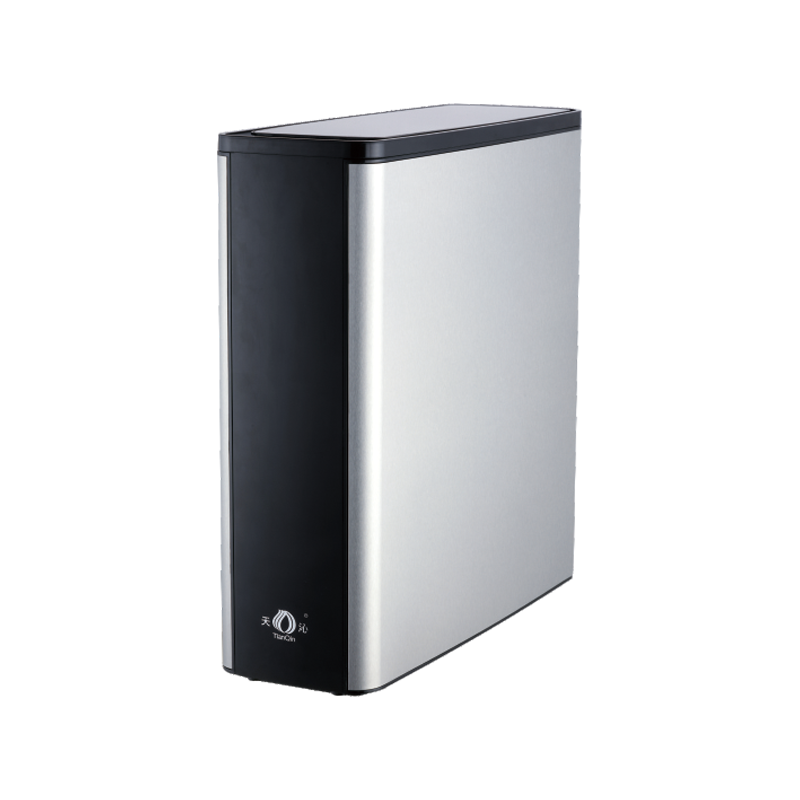 TQ-R08 Stainless Steel High-Flow RO Water Filter Cat:Stainless Steel Ro System
The Stainless Steel High-Flow RO Water Filter (TQ-R08) provides a powerful and effective solution for purifying drinking water, combining advanced rev...
See Details


 +86-0574-62381077/62386875

How Household Water Filters Can Improve Your Health and Well-Being
Clean, safe drinking water is essential for maintaining good health and well-being. Yet, in many parts of the world, tap water can be contaminated with various pollutants, chemicals, and microorganisms that may pose health risks. While municipalities often treat water to meet basic health standards, the water that flows through our faucets can still contain harmful substances such as chlorine, lead, pesticides, and bacteria. This is where household water filters come into play, offering an effective solution for improving the quality of the water we consume daily.
Content
The Importance of Clean Drinking Water
Water is the foundation of life, and staying hydrated is crucial for maintaining optimal health. The human body is made up of around 60% water, which plays a vital role in various bodily functions, including regulating body temperature, supporting digestion, transporting nutrients, and removing waste. Drinking clean water is not only essential for hydration but also for ensuring that our bodies function properly.
However, the quality of the water we consume directly impacts our health. Contaminated water can introduce harmful substances into our bodies, which can lead to short-term issues like stomach upset and long-term health concerns, such as kidney damage or even cancer. To mitigate these risks, it’s crucial to ensure that the water we drink is free from harmful chemicals, bacteria, and other pollutants.
How Household Water Filters Work
A household water filter is a device that removes impurities and contaminants from water to improve its quality and safety. There are various types of water filters, each designed to target specific contaminants. Some of the most common types of household water filters include:
-
Activated Carbon Filters: These filters use activated carbon to absorb impurities and chemicals like chlorine, pesticides, and volatile organic compounds (VOCs). They are effective in improving the taste and odor of water.
-
Reverse Osmosis Filters: These filters use a semi-permeable membrane to remove dissolved salts, minerals, and other contaminants like heavy metals, fluoride, and nitrates.
-
UV Filters: Ultraviolet (UV) filters use UV light to disinfect water by killing bacteria, viruses, and other microorganisms that may cause illness.
-
Distillation Filters: These filters work by boiling water and collecting the steam, which is then condensed back into water. The process removes minerals, chemicals, and bacteria.
Each type of filter offers unique benefits, and some advanced systems combine multiple filtration methods for maximum effectiveness. Choosing the right filter for your household depends on the specific contaminants present in your water supply.
Removing Harmful Contaminants from Water
One of the primary benefits of installing a household water filter is the removal of harmful contaminants that may otherwise be present in your tap water. Here are some of the common contaminants that water filters can remove:
Chlorine
Chlorine is commonly used by municipalities to disinfect water, but it can leave an unpleasant taste and odor. In addition to affecting the taste of your water, chlorine can also irritate the skin and eyes. Long-term exposure to chlorine has also been linked to various health issues, including respiratory problems and skin conditions.
Activated carbon filters are particularly effective at removing chlorine and other chemicals, improving both the taste and safety of your drinking water.
Lead
Lead is a toxic heavy metal that can leach into drinking water from old plumbing pipes, particularly in homes built before the 1980s. Even low levels of lead exposure can be harmful, especially to young children and pregnant women. Lead exposure has been associated with developmental delays, cognitive impairments, and damage to the nervous system.
Reverse osmosis and activated carbon filters are highly effective at removing lead from water, providing an added layer of protection for your family.
Pesticides and Herbicides
Pesticides and herbicides used in agriculture can contaminate groundwater and water supplies, leading to traces of these harmful chemicals in tap water. Prolonged exposure to pesticides has been linked to a variety of health issues, including hormone disruption, cancer, and neurological damage.
A water filter that targets pesticides and herbicides can help reduce exposure to these harmful chemicals, ensuring that your water is safe to drink.
Bacteria and Viruses
Microorganisms such as bacteria and viruses can be present in untreated or poorly treated water. In some cases, these pathogens can cause waterborne diseases like diarrhea, cholera, and dysentery. UV water filters are an excellent solution for disinfecting water, as UV light effectively kills bacteria, viruses, and other pathogens without the need for chemicals.
A UV filter is particularly useful if you live in an area where the water supply is not consistently treated or where contamination is a concern.
Fluoride
Fluoride is often added to drinking water to promote dental health, but excessive fluoride exposure has been associated with dental fluorosis (a condition that affects the teeth) and potential developmental issues. Some individuals may also have concerns about the long-term effects of fluoride ingestion.
If you are looking to reduce fluoride levels in your drinking water, reverse osmosis or distillation filters are the most effective solutions.
Heavy Metals
In addition to lead, other heavy metals such as mercury, arsenic, and cadmium can be found in contaminated water supplies. These metals can have toxic effects on the body, including kidney damage, neurological issues, and cancer.
A good water filter system, particularly reverse osmosis or distillation filters, can remove heavy metals, offering peace of mind that your water is free from these dangerous substances.
Improving the Taste and Smell of Water
Aside from health concerns, one of the most noticeable benefits of using a household water filter is the improvement in taste and odor. Many people find that tap water has a distinct taste or smell due to chlorine, chemicals, or other impurities. These unwanted elements can make drinking water less enjoyable and discourage proper hydration.
By removing chlorine, sulfur compounds, and other substances that contribute to poor-tasting water, water filters enhance the flavor and aroma of your drinking water, making it more refreshing and enjoyable. This can encourage you to drink more water, which is vital for staying hydrated and supporting overall health.
Enhancing Overall Health and Well-Being
Drinking clean, filtered water has numerous benefits beyond just hydration. Here are some ways in which household water filters contribute to your overall health and well-being:
Promoting Healthy Skin and Hair
Contaminants like chlorine and hard minerals can damage your skin and hair over time, leading to dryness, irritation, and other issues. Filtered water helps maintain skin hydration and prevents the buildup of harmful substances that can affect skin health. It can also make your hair softer and more manageable, as minerals and chemicals found in untreated water may cause hair to become brittle and dry.
Supporting Digestive Health
Clean water is essential for proper digestion and the absorption of nutrients. When water is free from harmful chemicals and pathogens, it promotes better digestion, reduces the risk of gastrointestinal issues, and helps the body absorb vital nutrients more efficiently. Regular hydration with filtered water supports digestive function and overall wellness.
Improving Hydration
The taste and cleanliness of water can significantly affect how much water you consume. If your tap water has an unpleasant taste or odor, you may be less likely to drink enough throughout the day. By improving the quality of your water with a household filter, you can encourage better hydration, which is crucial for maintaining energy levels, regulating body temperature, and supporting organ function.
Reducing the Risk of Waterborne Diseases
Waterborne diseases, caused by pathogens like bacteria, viruses, and parasites, are a significant concern in areas with poor water treatment infrastructure. Using a household water filter equipped with UV or reverse osmosis technology can effectively eliminate these harmful microorganisms, reducing the risk of waterborne illnesses and contributing to better public health.
-
 Tel: +86-0574-62381077/62386875
-
 E-mail: leozhanglei@nbtianqin.net
-
 Add: Wuma Industrial Zone, Lubu Town, Yuyao City, Zhejiang Province, China.
Copyright © 2024 by Yuyao Tianqin Water Purification Equipment Co..Ltd.
All Rights Reserved.
 Wholesale Water Purifier Manufacturers

